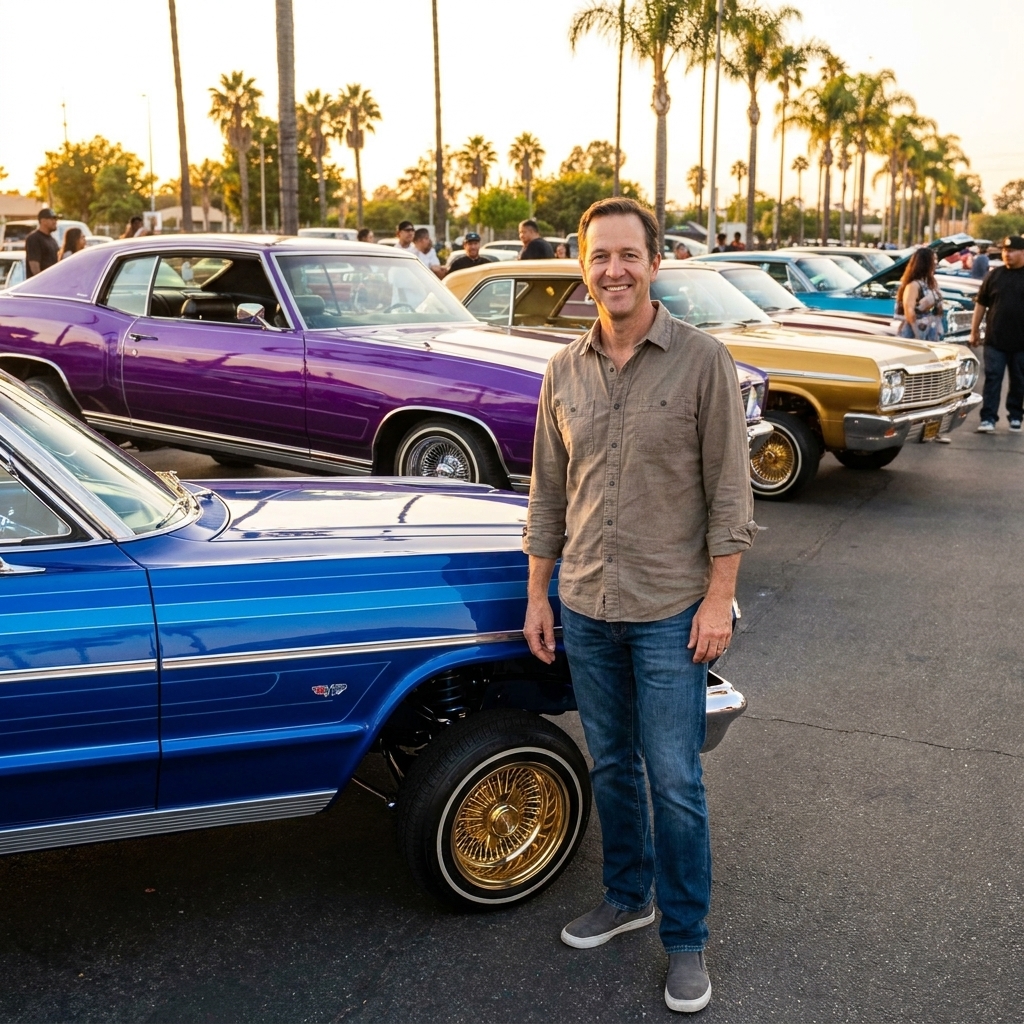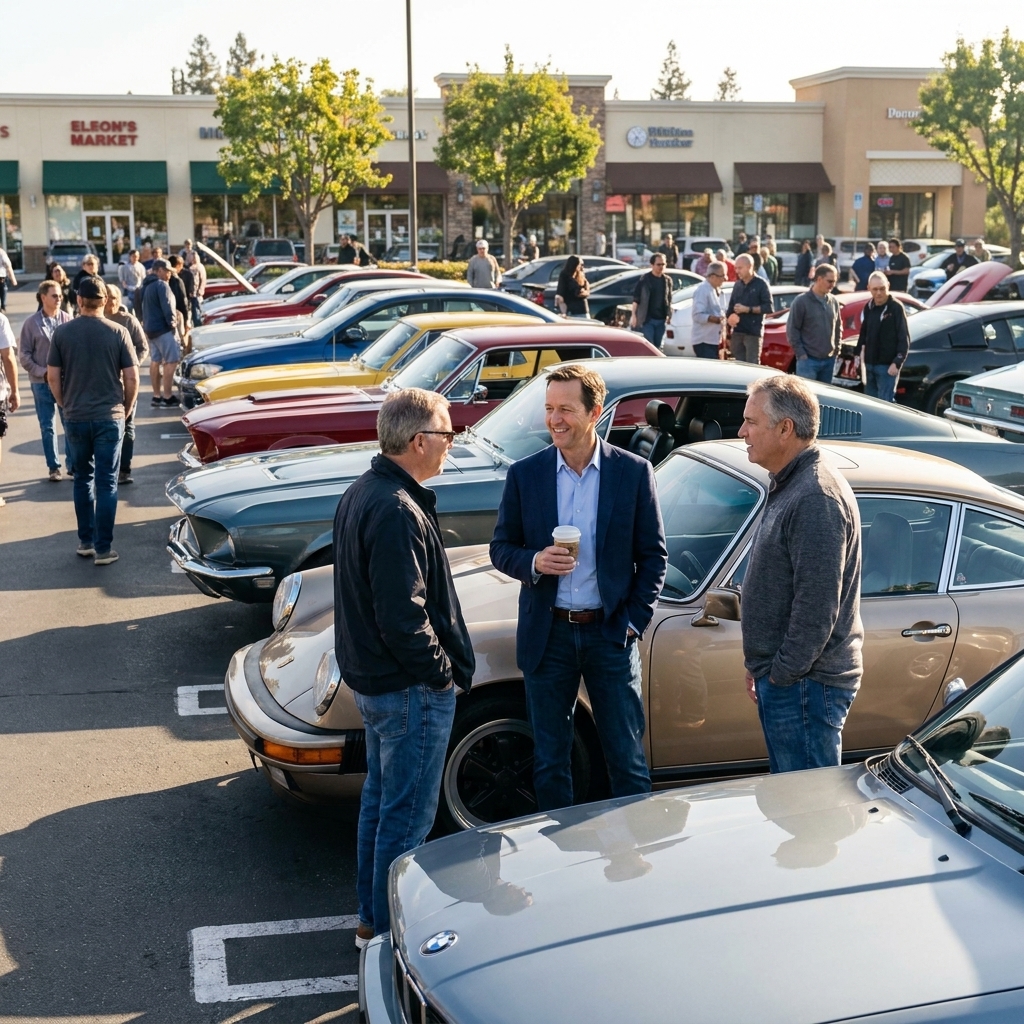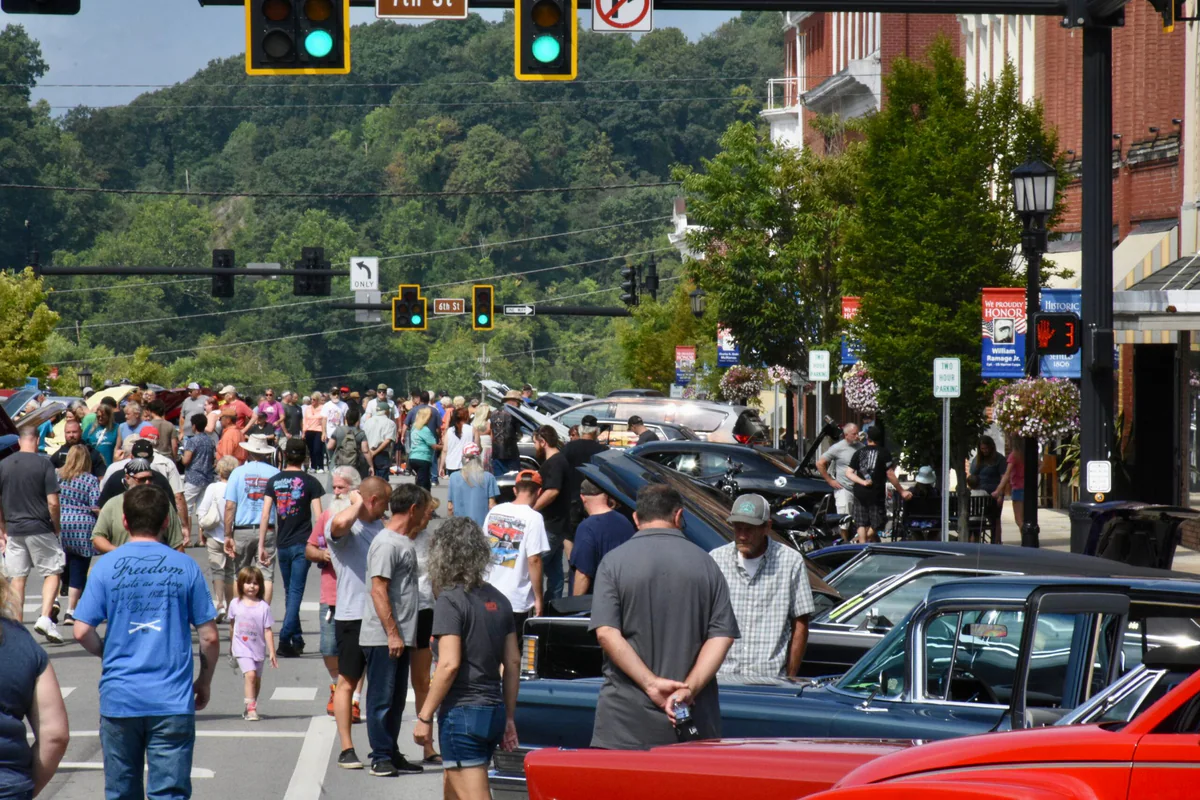
There are car scenes built on lap times, and there are scenes built on style. Lowriders live firmly in the second camp, but do not mistake that for “just looks.” A true lowrider is a blend of bodywork, paint, interior craft, and some surprisingly serious mechanical problem solving. It is rolling art with a heartbeat.
As a former shop guy, what’s always pulled me in is how lowriders make engineering feel personal. Hydraulics and air suspension are tools, but the point is expression, heritage, and community. Let’s dig into where lowriding came from, how the suspension actually works, and why the culture is still thriving today.
Where it started
Lowriding as we know it took shape in the postwar American West, especially within Mexican American communities in Southern California. Returning veterans, booming car production, and a growing custom scene collided with a desire to stand out and to claim space with pride. You will hear the phrase “low and slow” for a reason. The cruise mattered as much as the build.
Chicano roots
Chicano lowrider culture grew as a form of identity, artistry, and community. It was never only about cars. It was about family, neighborhood ties, music, fashion, and the ritual of gathering. Clubs formed not just to show builds, but to support members, organize events, and set standards around respect and craftsmanship.
From lowering to a movement
Lowering cars started as a straightforward custom trick. Cut coils, blocks, de-arched springs, whatever got the stance right. Over time, increased attention from enforcement and ride-height rules in places like California meant that extreme static drops could bring fix-it tickets and constant hassle. That pressure did not single-handedly invent hydraulics, but it absolutely contributed to pushing adjustable suspension from a clever idea to a practical solution.
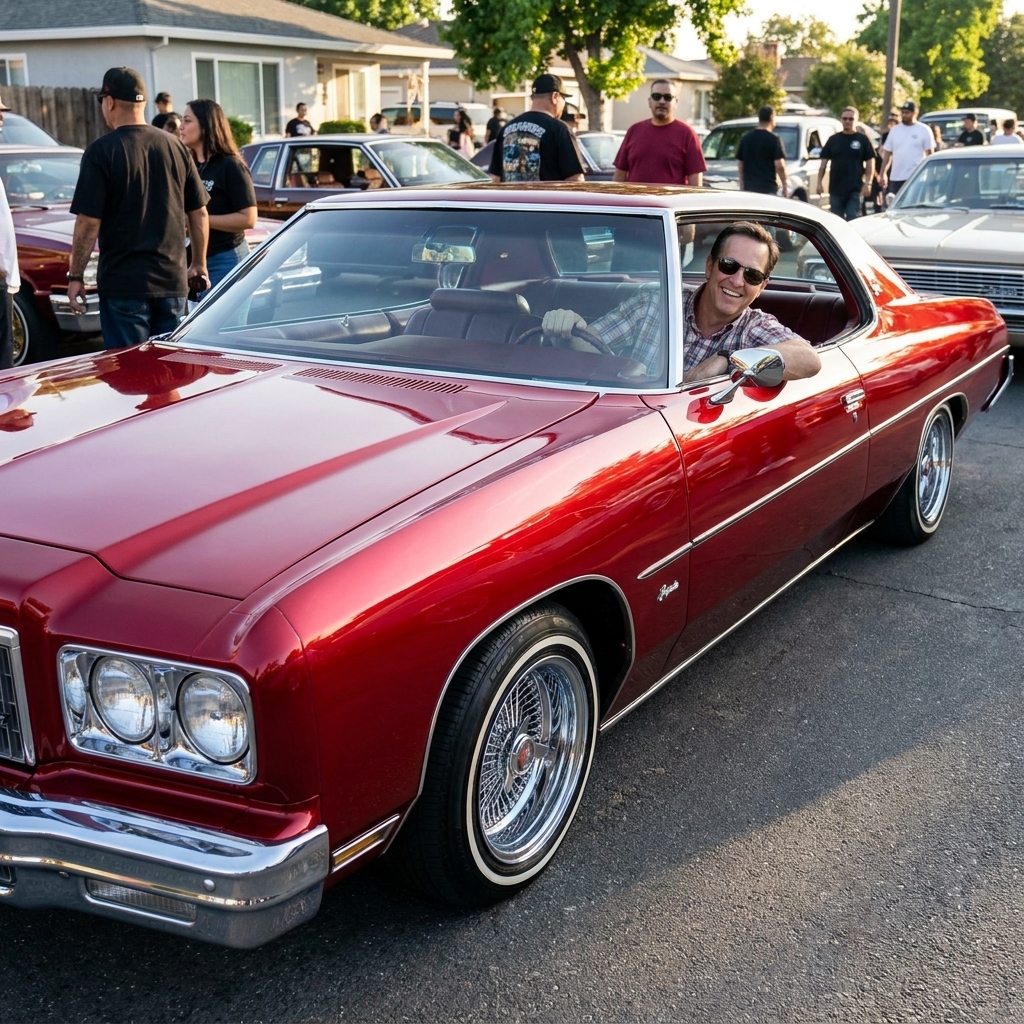
By the 1960s through the 1990s, lowriding had its own visual language. Think full-size Chevys, especially Impalas and Bel Airs early on, with Caprices and other big-body platforms becoming major mainstays as the decades rolled forward. The details stayed consistent: deep paint, chrome, and interiors that looked like living rooms in the best possible way.
Why stance matters
To someone outside the scene, a lowrider can look like it is “just” slammed. Inside the culture, stance is a signature. It changes the whole attitude of a car: how it carries itself, how it glides, how it turns heads at 10 mph.
But stance also became a way to respond to real-world constraints. If the law says your car cannot be that low while driving, adjustable suspension becomes both a workaround and a canvas. You can cruise low, clear obstacles when you need to, and perform for the crowd when the moment is right.
- Cruising: a controlled, smooth ride height that looks intentional, not broken
- Parking and display: dropped for maximum visual impact
- Performance and show: lifting corners, three-wheeling, and hopping
Hydraulics basics
If you are used to regular suspension, hydraulics can feel like magic. It is not magic. It is fluid power, packaged into a car and tuned like an instrument.
The basic idea
A hydraulic lowrider system uses an electric pump to pressurize hydraulic fluid and send it into cylinders (often called “rams”) that replace the springs in many traditional setups, or work alongside springs and shocks in some hybrid builds. When pressurized fluid enters a cylinder, it extends and lifts that corner of the car. Release or redirect the fluid and the corner drops.
In plain terms: you are using fluid pressure to move suspension components up and down on command.
Core components
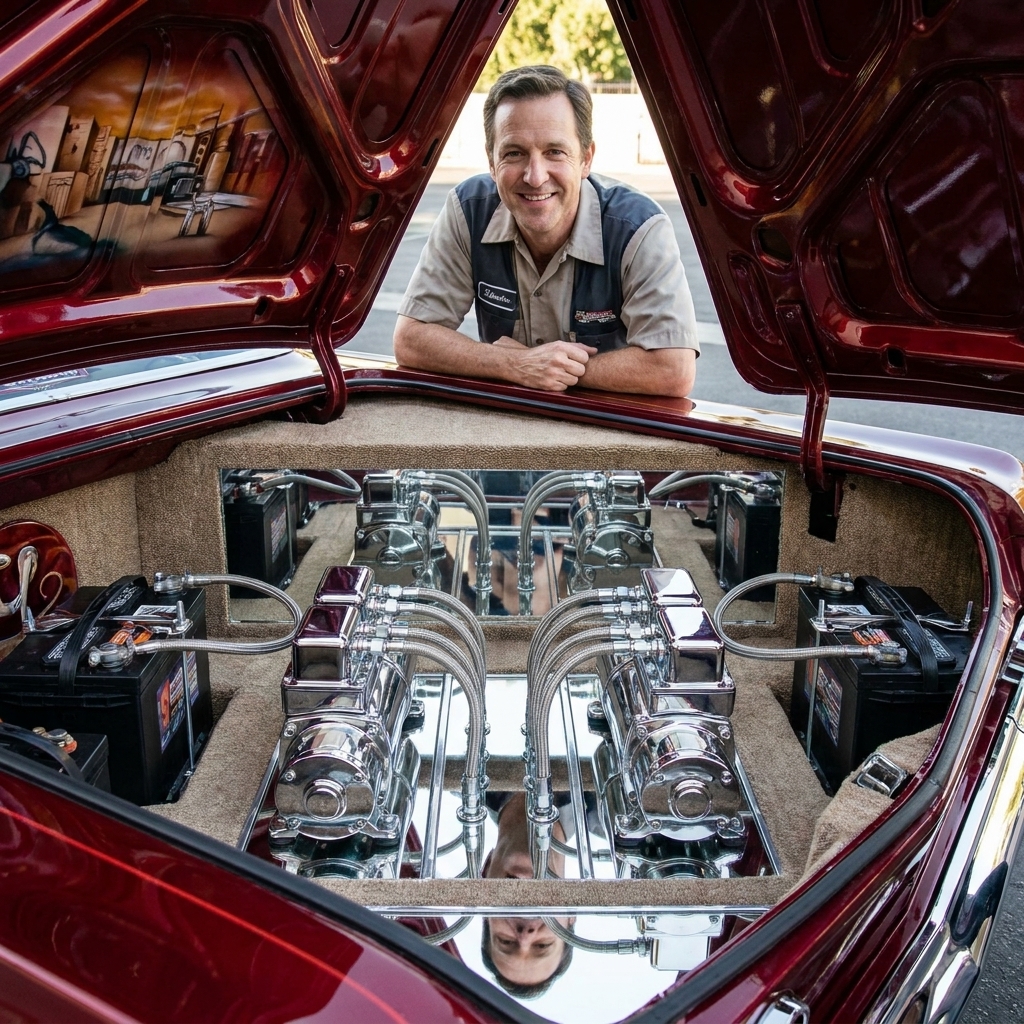
- Pumps: Electric hydraulic pumps create pressure. Many lowriders run multiple pumps for faster response and stronger lifts, especially when you want independent corner control.
- Valves and solenoids: These route pressurized fluid to the right cylinder at the right time. They are the traffic cops of the system, and their timing matters as much as raw pump output for how the car “hits” and settles.
- Cylinders (rams): Hydraulic actuators that physically lift the vehicle. Bore size and stroke length heavily influence movement and strength.
- Accumulators: These can store pressure and smooth operation in cruising-focused builds. In many hopping-focused setups, accumulators are minimized or removed to sharpen the hit, which is its own tuning rabbit hole.
- Hydraulic lines and fittings: High-pressure hoses or hard lines connect everything. Quality and routing are non-negotiable for safety.
- Batteries: Pumps demand serious current. Multiple batteries and heavy-gauge wiring help prevent voltage sag, keep response snappy, and avoid cooking components when the system is worked hard.
- Switches and controls: The interface can be simple toggle switches or more elaborate setups, but the principle is the same: driver commands trigger valves and pumps.
Show moves and physics
Those signature moves are not just for shock value. They are demonstrations of control, balance, and how much authority the system can deliver.
Three-wheeling
Three-wheeling is the classic look where one front corner is raised high while the opposite rear corner compresses, creating that tilted, floating stance. The rear wheel is usually planted, but it can look light because the body attitude is doing so much of the talking. Achieving it consistently takes chassis tuning, smart spring or coil choices if you are running them, and careful control of pressure and weight transfer. Done right, it looks effortless. Underneath, it is leverage and center of gravity management.
Hopping
Hopping is where the system rapidly lifts and drops the front end. Big pressure, reinforced components, and a lot of electrical supply are part of it, but so is the valve work. Timing, dumping, and how the system recovers between hits can matter as much as how hard the pumps can push.
Important reality check from the mechanic side of my brain: hopping is hard on parts. Frames can crack, mounts can tear, and steering components can take a beating if the build is not reinforced properly.
Hydraulics vs air
Air suspension and hydraulics both deliver adjustability, but they feel different and are used differently.
Hydraulics
- Strength and response: Very fast, very forceful movement when built for it
- Show capability: The classic choice for hopping and aggressive corner control
- Complexity: Heavy electrical demand, high-pressure fluid, and lots of tuning
Air suspension
- Ride comfort: Often smoother for daily driving when set up right
- Adjustability: Great for stance changes and clearing obstacles
- Show style: Can still lay out and look amazing, but generally not the same hit as hydraulics
Neither is “better” in a vacuum. It depends on the car’s mission. If the goal is classic lowrider performance and tradition, hydraulics are part of the language. If the goal is a modern daily driver that sits right and rides comfortably, air might be the smarter path.
Craft as identity
Even if you never touched the switches, a lowrider build earns respect with the details. This is where lowriding stands shoulder to shoulder with high-end restoration and custom work.
Paint and graphics
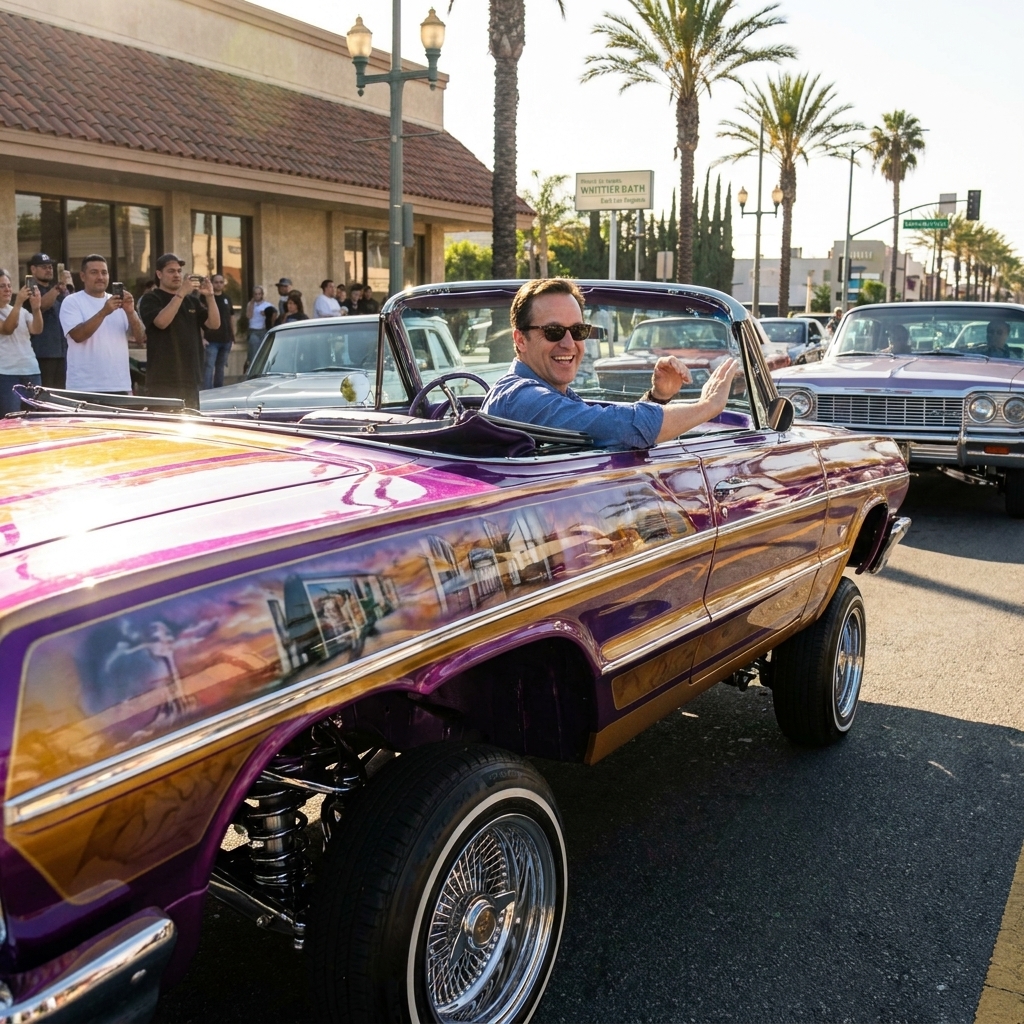
Candy paint, flake, pearls, fades, and hand-laid striping are all part of the tradition. Murals and cultural themes can turn a quarter panel into a story. The best lowrider paint jobs do not just shine, they have depth.
Wheels and stance details
Wire wheels and whitewalls are iconic for a reason. They photograph well, they move well, and they match the era of the cars that built the scene. But you will also see a range of wheel styles today, including modern interpretations, especially as the culture expands beyond the classic full-size platform.
Interiors
Tuck-and-roll, button tufting, suede, leather, and custom consoles are common, but what matters is cohesion. A good interior fits the paint, fits the vibe, and looks finished. I have seen builds where the cabin is so clean you almost feel bad sitting down.

Platforms and styles
If you are new to the scene, it helps to know the spectrum. You will see everything from bombs and early cruisers to later big-bodies and trucks, all built with the same pride.
- Classic staples: 1960s Impalas and other full-size Chevys that wear chrome and candy like they were born for it
- Bombs and early cruisers: 1940s to 1950s Chevrolets and similar era cars with a smooth, heavy presence
- Later big-bodies: 1970s to 1990s Caprices, Cutlasses, and other platforms that became common canvases
- Trucks and mini-trucks: A whole lane of their own, often blending lowrider tradition with local flavor
Clubs and community
Lowriding is one of the most community-driven branches of car culture. Clubs act like extended families. They build together, cruise together, and show up for each other beyond the car world.
Shows, cruises, and respect
Car shows and cruises are where the culture is most visible, but the behind-the-scenes work is what keeps it healthy. Many groups prioritize mentorship, especially for younger builders learning fabrication, wiring, paint prep, and the patience that a long-term project demands.
Social media era
Today, a build can reach the world in a single post. That has brought new enthusiasts in and helped preserve history. It has also pushed builders to document their process, which is a gift to anyone learning. The best accounts show the unglamorous parts too: bracket fabrication, battery mounting, leak chasing, and redoing a line run because you were not happy with the routing.
Global scene, local roots
You can find lowriders across the U.S. and well beyond it now. Different regions bring different flavors, but the core values stay consistent: pride of ownership, artistry, and cruising with intention.
Cost and upkeep
Let’s be honest about the part nobody wants to glamorize. Lowriders can be affordable to enter and expensive to finish, and hydraulics are not a set-it-and-forget-it mod.
Costs vary wildly based on goals and how much work you do yourself, but the big-ticket themes stay the same: quality pumps and valves, safe wiring, batteries, fabrication, and the little things that add up fast. Maintenance is real too. Expect to chase small leaks over time, keep an eye on bushings and mounts, and stay on top of battery health and charging. Heat and current are a constant conversation in hard-used setups.
Terms to know
- Bomb: A classic 1940s to 1950s style lowrider with a smooth, heavy cruising vibe.
- Lay frame: Sitting so low the chassis is essentially on the ground.
- Candy vs flake: Candy has deep, translucent color; flake adds metallic sparkle and texture that pops in the sun.
- Four-pump: A common hydraulic layout that can allow independent corner control depending on valving and plumbing.
Safety and legality
I love the creativity in lowriding, but I will always be the guy who reminds you that a car still has to stop, steer, and not catch fire.
Build safety basics
- Electrical: Use properly fused power distribution, correctly sized cables, solid grounds, and secure battery mounting. High current systems punish sloppy wiring.
- Hydraulic integrity: Only use pressure-rated hoses and fittings, and route lines away from heat and moving parts.
- Chassis reinforcement: If you are building for aggressive movement, plan reinforcement early. Do not “add it later” after something cracks.
- Brakes and steering: Ensure nothing in the suspension setup interferes with steering range, brake line routing, or safe alignment.
Legal considerations
Vehicle code varies by state and even by city. Ride height requirements, bumper height rules, and equipment regulations can all apply. Before you invest in a full setup, check your local rules so you can enjoy the car without constant headaches.
Place in history
Lowriding deserves a place in the broader story of American cars because it represents something big: customization as cultural voice. It is not just a subset of hot rodding. It is its own lineage with its own aesthetics, traditions, and engineering solutions.
It also pushed innovation in suspension control and packaging. The same way drag racing shaped engine tech, lowriding shaped how enthusiasts think about stance, adjustability, and showmanship.
Lowriders remind the rest of the car world that performance is not only measured in seconds. Sometimes it is measured in craftsmanship, presence, and how many people smile when you roll by.
FAQ
Are lowriders only classic Chevys?
Classic Chevys are foundational, but lowriding has expanded. You will see Buicks, Oldsmobiles, Cadillacs, trucks, and newer platforms. The spirit matters more than the badge.
Do hydraulics ruin ride quality?
They can if the system is tuned poorly or built strictly for hopping. A well-thought-out hydraulic setup can cruise comfortably, but it is usually not as plush as a comfort-focused air suspension system.
Why so many batteries?
Hydraulic pumps draw a lot of current, especially under load. Multiple batteries help deliver the amperage needed without voltage dropping so hard that the system becomes slow or unreliable.
What’s the best first step if I want to get into lowriders?
Go to a local show or cruise and talk to people. Most folks are happy to share what they have learned, and you will get a realistic sense of cost, time, and what kind of build fits your goals.
Final thoughts
Lowriders are proof that car culture is bigger than any one definition of “built.” They honor history, reward craftsmanship, and turn mechanical systems into something expressive. Whether you come for the paint, the stance, or the click of the switches, you stick around because the community makes you feel like you belong.
If you ever get the chance to watch a lineup of lowriders cruising at sunset, do it. You will understand the phrase “low and slow” in your bones.