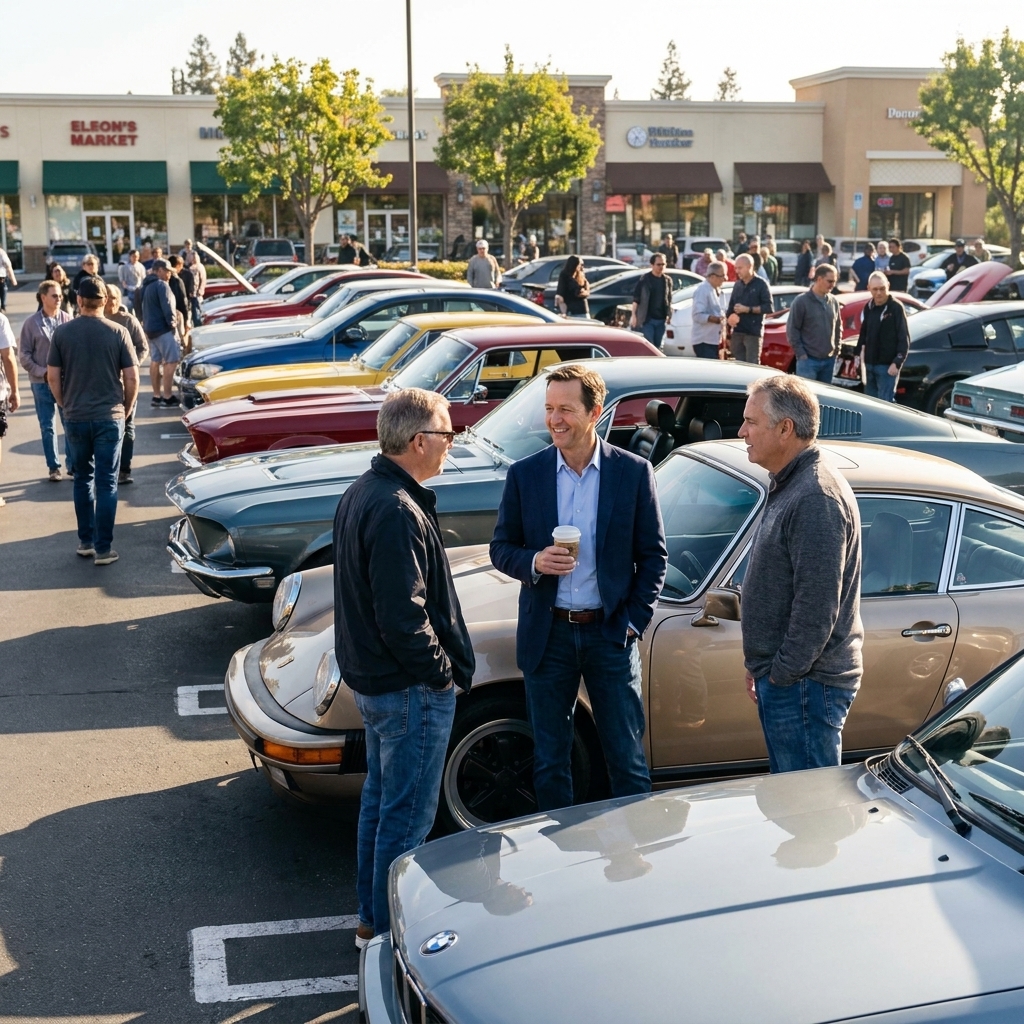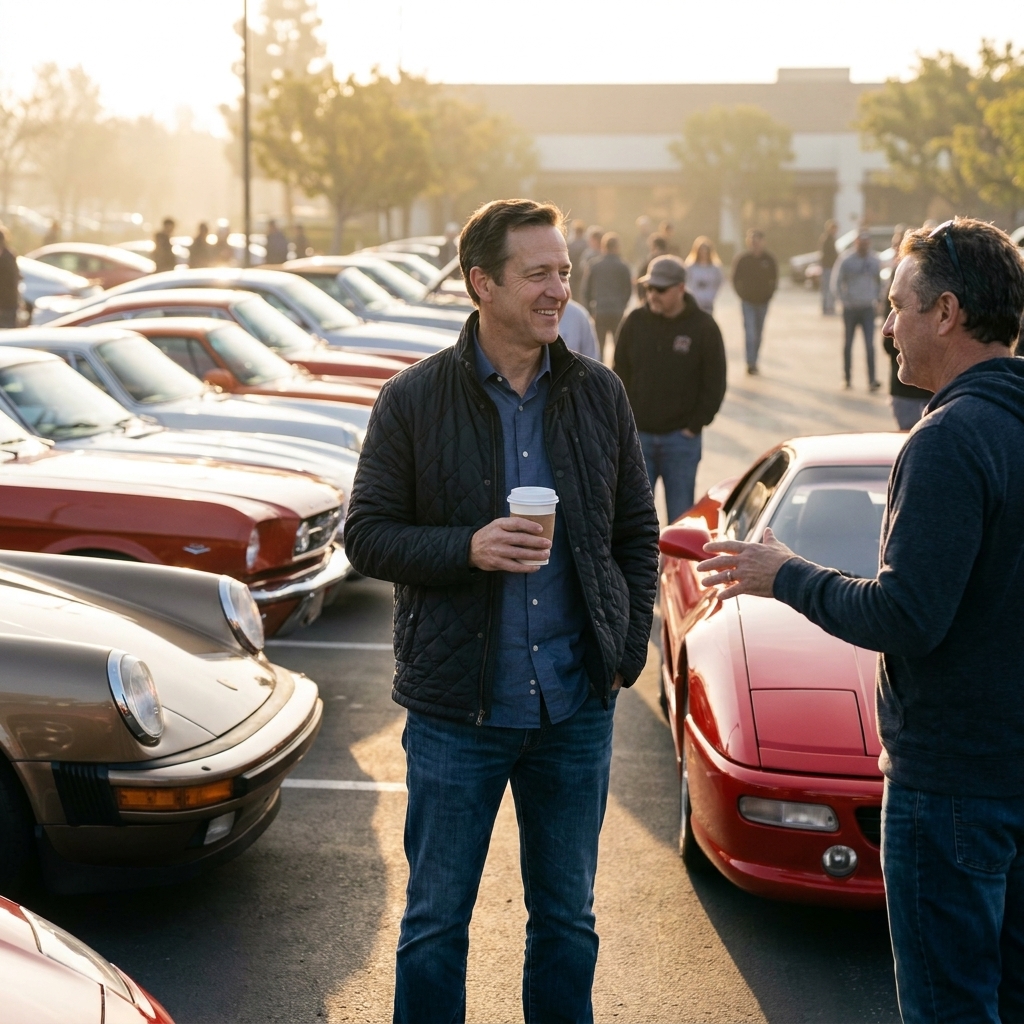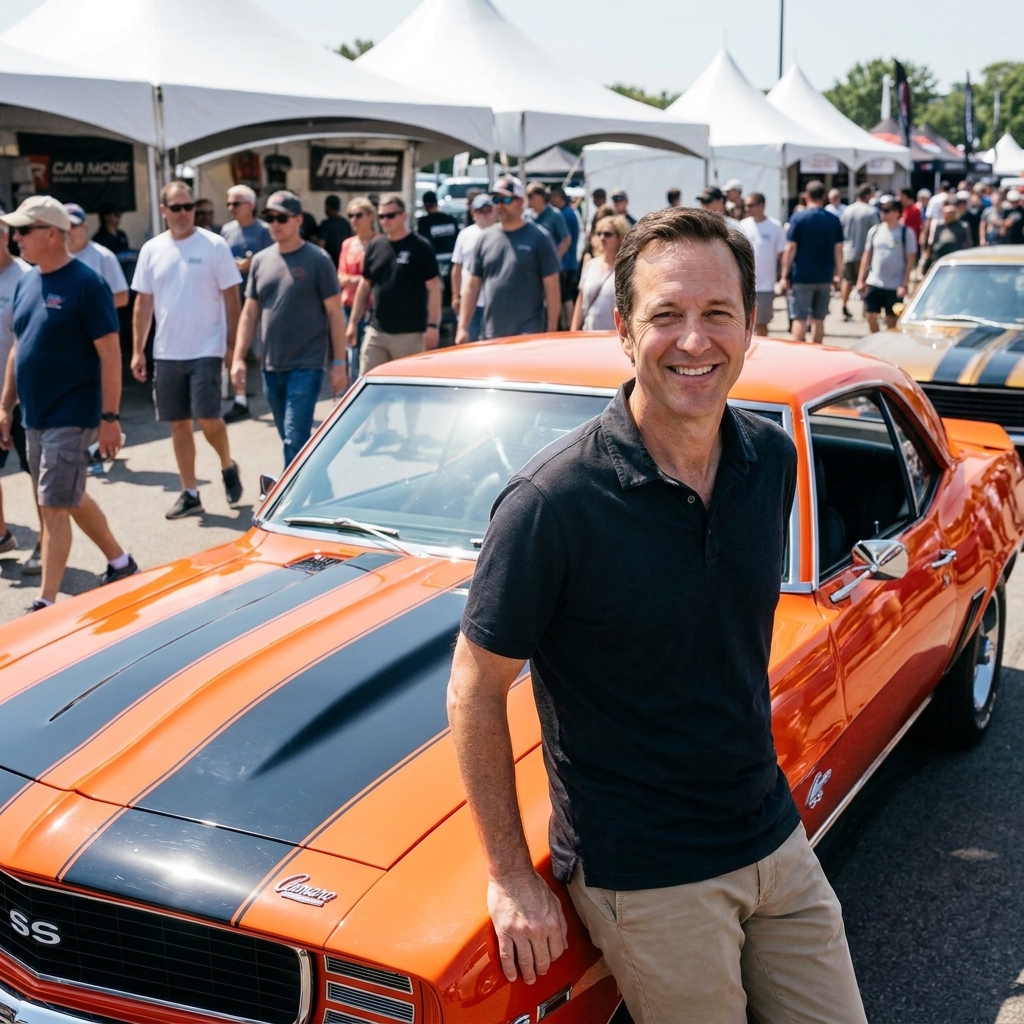
Most car clubs do not fail because people stop loving cars. In my experience, they fizzle out because nobody knows who is in charge, what the club is for, or how to run an event without it turning into chaos. The good news is you do not need a fancy website or a stack of dues to build something real. You need a clear niche, a simple plan, and consistency.
I have spent years in shop parking lots and Cars & Coffee lines watching the same pattern play out: the clubs that last stay welcoming, stay organized, and stay safe. I have also watched promising groups lose a meet spot in one weekend because a few people could not resist revving, drifting, or leaving trash behind. Here is how to start one in your town and grow it into a community you are proud to be part of.
Pick a clear niche
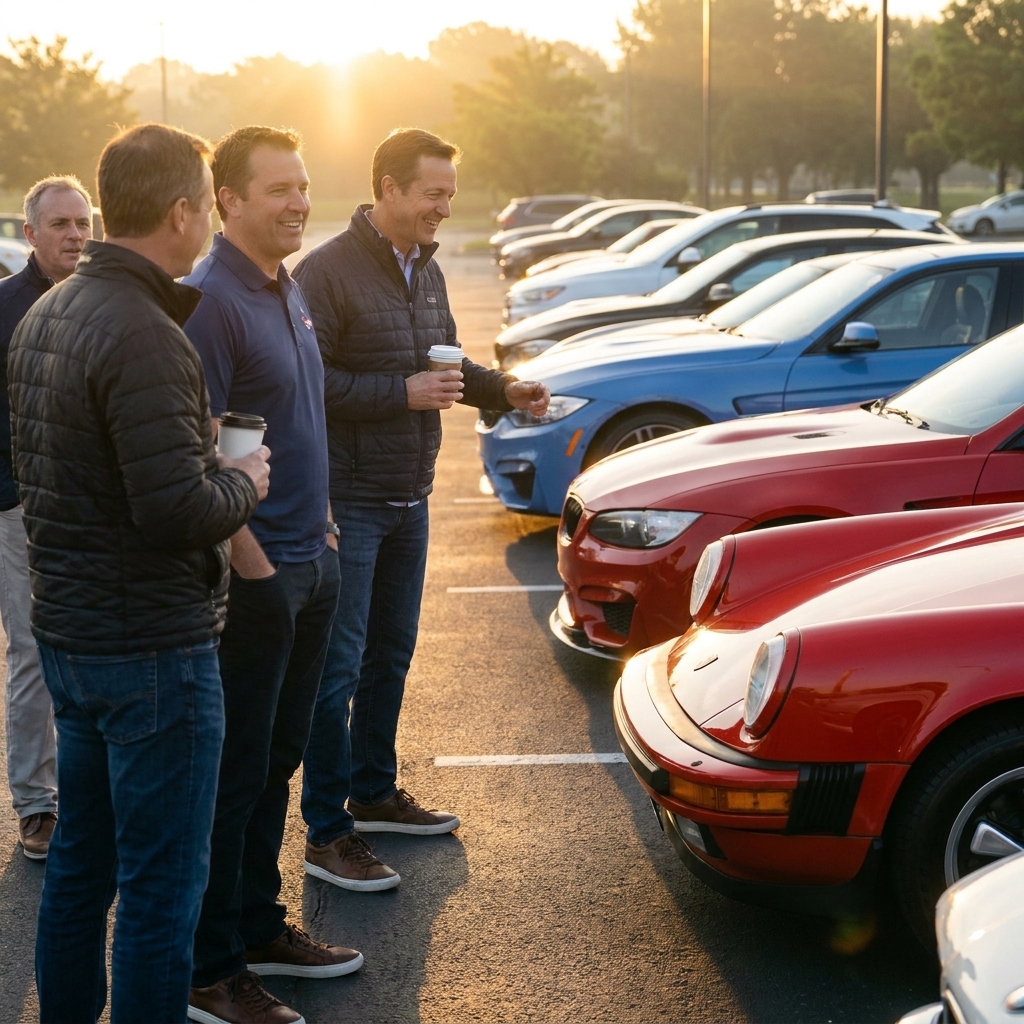
If you try to be a club for everyone, you will spend every week debating what to do. A niche is not about excluding people. It is about giving your club an identity so members can say, in one sentence, why they should show up.
Niches that work
- Platform-based: Miata club, Subaru club, classic VW, C10 trucks, BMW E-chassis.
- Era-based: 80s and 90s, pre-war, Radwood-style, classic muscle.
- Purpose-based: canyon runs, track days, off-road, autocross, detailing and DIY.
- Culture-based: JDM, Euro, lowriders, overland, EV and hybrid owners.
- Beginner-friendly: “no-judgment” club for new enthusiasts and first-time wrenchers.
Rule of thumb
Choose a niche that is common enough to recruit locally and specific enough to filter drama. “All cars welcome” can work, but only if your rules and event format are rock solid.
Find co-founders early
One person can start a club. Two or three people keep it alive when life gets busy. Before you plan a cruise, recruit a small core team that matches your vibe.
- Organizer: schedules meets, posts details, keeps the calendar.
- Route and safety lead: plans cruises, knows the roads, keeps the group on the same page.
- Community lead: welcomes new members, answers questions, manages group chat.
Look for people who are consistent, calm under pressure, and not trying to turn the club into their personal brand.
Write a simple charter
A charter sounds formal, but it can be one page. Think of it as the agreement that keeps friendships from turning into arguments.
What to include
- Name and mission: what the club is about and what it is not.
- Membership basics: who can join, how to join, and any dues if you choose them.
- Leadership: who runs what, how decisions get made, and how leaders are replaced.
- Code of conduct: no harassment, no hate, no reckless driving at club events.
- Event rules: meet behavior, cruise rules, photo etiquette, and alcohol policy.
- Consequences: warnings, removal from events, or membership bans for unsafe behavior.
Make rules specific
- Photo etiquette: do not block drive lanes for shots. Ask before posting faces. If someone requests no plates in posts, respect it.
- Alcohol policy: if alcohol is present, it is after driving is done, and nobody drinks and drives. If that is hard to enforce, keep alcohol out of club events.
A starter line I like
We are here to enjoy cars and community. If your actions make events unsafe or make others feel unwelcome, you will be asked to leave.
Keep it plain language. The point is clarity, not legal theater.
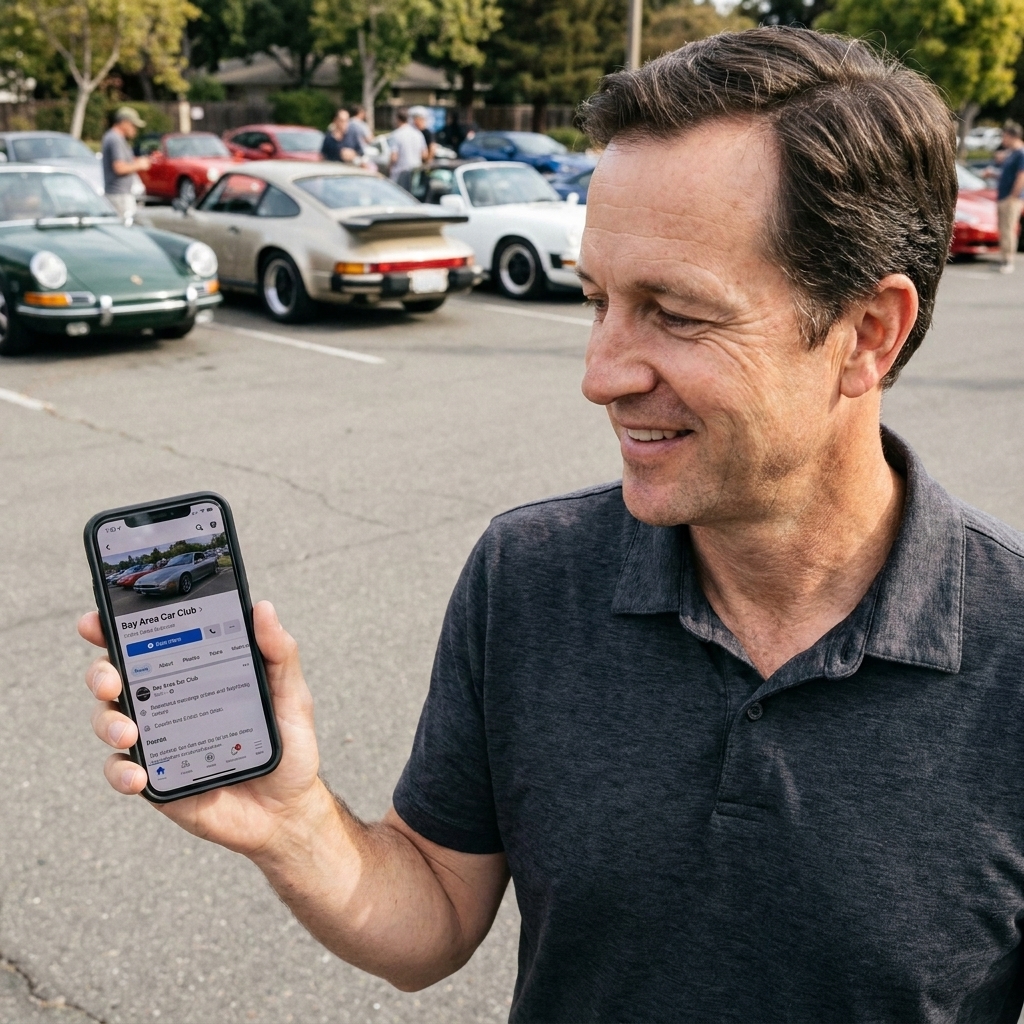
Pick one online home
Pick one primary home so people do not miss updates. You can add more platforms later, but start simple.
Good options
- Facebook Group: best for local discovery and event tools.
- Instagram: great for visibility, weak for organization.
- Discord: excellent for active chats and channels, can be intimidating for casual folks.
- WhatsApp or GroupMe: simple for small groups, messy when you grow.
Setup tips
- Pin a post that explains the niche, rules, and next event.
- Create a basic intake form or questions for new members to reduce spam.
- Post consistent event formats: date, time, address, parking notes, and expectations.
- If you collect sign-ins, keep it minimal and do not share member info publicly.
Permits, insurance, safety
This is the part that separates a real club from a recurring parking lot problem. You do not need to act like a corporation, but you do need to think ahead.
Locations and permissions
- Ask the property owner or manager if you are using a business lot. Some will say yes happily if you pick slow hours and leave the place clean.
- Have a backup spot in case the lot fills up or you get asked to move.
- Pick places with bathrooms and lighting if you meet at night.
- Respect neighbors by keeping music down, avoiding constant revving, and leaving immediately if asked.
Permits and local rules
Noise rules, parking enforcement, and permit requirements vary by city, state, and country. For bigger events or recurring large meets, it can be smart to talk with the venue, city, or local authorities ahead of time so everyone knows the plan.
Insurance and liability basics
This is not legal advice, and requirements vary by venue and jurisdiction. For casual meets, some clubs operate without formal insurance, but many properties and permits require proof of coverage. Once you start hosting larger events, collecting money, or renting venues, look into event insurance and consider a simple legal entity. Also note that forming an entity does not magically eliminate liability. You may still need proper coverage, contracts, and waivers depending on what you do. When in doubt, talk to a local insurance agent who understands small events and a local attorney for basic structure.
Cruise safety rules
- No racing, no burnouts, no roll racing, no “catch up” behavior.
- Obey speed limits, stop signs, and lights. If you get separated, rejoin at the next planned stop.
- Use smaller groups, staggered departures, and clear meet-up points.
- Assign a lead and a sweep car. They are coordinators, not traffic controllers. Every driver is responsible for driving legally and safely.
- Share a route link and a written list of turns so nobody is staring at their phone.
Make safety a culture, not a lecture. The members who want chaos will self-select out, and that is a win.
Plan the first meet
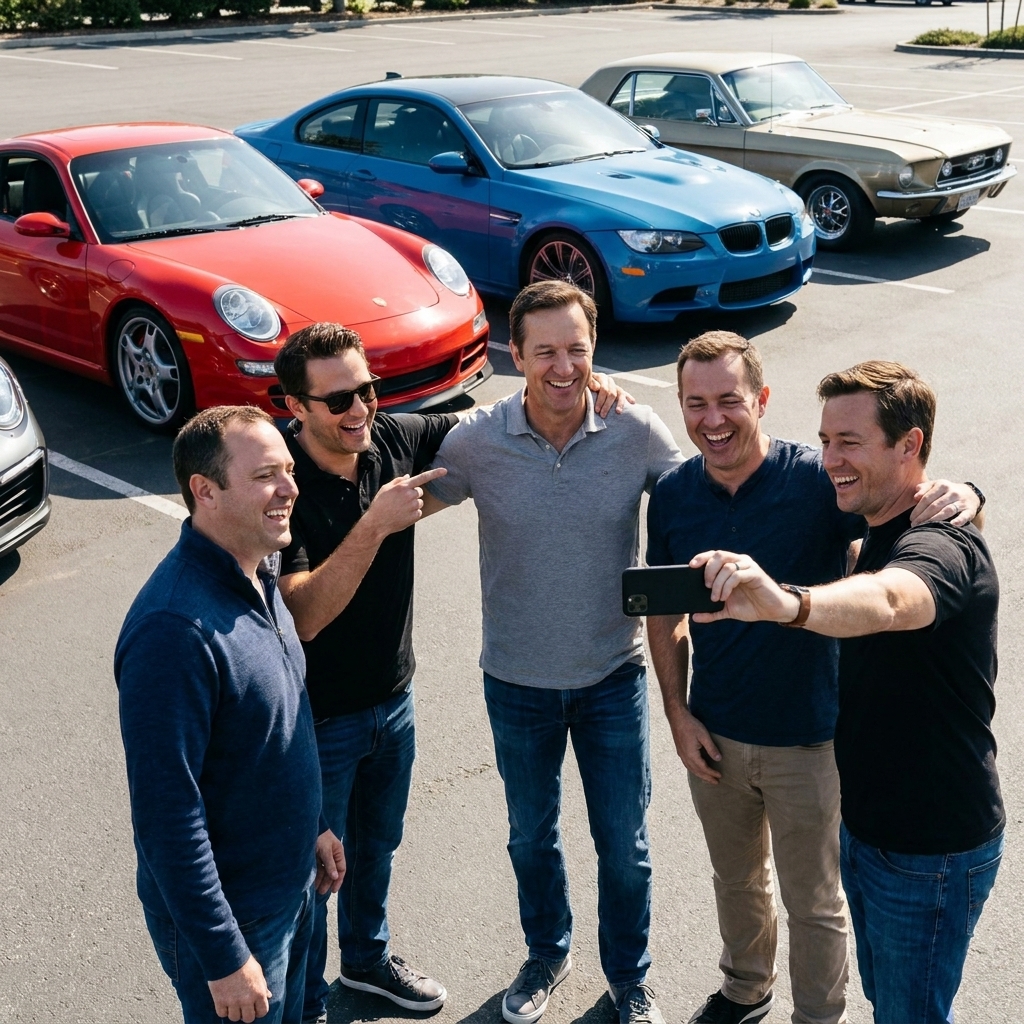
Your first event should be easy to attend, easy to leave, and hard to screw up. Keep it short, local, and predictable.
First meet blueprint
- Time: 60 to 90 minutes.
- Location: big lot, easy access, minimal traffic conflict.
- Format: park, mingle, quick welcome, optional group picture, wrap.
- Rules: post them clearly beforehand and repeat them at the meet.
What to bring
- Trash bags and a small cleanup kit.
- A couple of printed QR codes that link to your group and next event.
- A simple sign-in option if you want to track attendance.
- Two volunteers who will greet new faces and answer questions.
Plan the first cruise
A cruise is where clubs either build trust or earn a bad reputation. Keep it scenic, keep it short, and keep it structured.
Route planning
- Distance: 30 to 60 minutes of driving.
- Stops: one midpoint regroup, one end destination with parking and food.
- Road choice: avoid high-conflict areas like dense downtown corridors and school zones.
- Signals: clear instructions for hazards, slowdowns, and regroup points.
Driver meeting script
- Introduce lead and sweep cars.
- Explain “no racing” and “no catching up.”
- Confirm the regroup spot and final destination.
- Remind everyone to fuel up and check tire pressures before leaving.
If you want a mechanic’s take: a cruise is not the time to discover your coolant is low, your battery is loose, or your tires are at 24 psi. Encourage members to do a quick pre-drive check.
Recruit without spamming
The best clubs grow because they are visible and consistent, not because they post the same flyer in every comment section.
Recruitment that feels natural
- Show up at other local meets and introduce yourself respectfully.
- Partner with a local coffee shop, detailer, wrap shop, or parts store for a meet spot.
- Invite adjacent communities: autocross groups, off-road groups, EV owners, classic restorers.
- Take good pictures and tag the location so locals can find you.
Set expectations early
When someone joins, they should instantly know: when you meet, what behavior is expected, and how to participate. The more your club feels organized, the more people trust it.
Keep momentum
Clubs lose steam when every event feels like starting from scratch. I like a simple rhythm that gives variety without constant reinvention.
- Event 1: casual meet and social time.
- Event 2: cruise or drive to a destination.
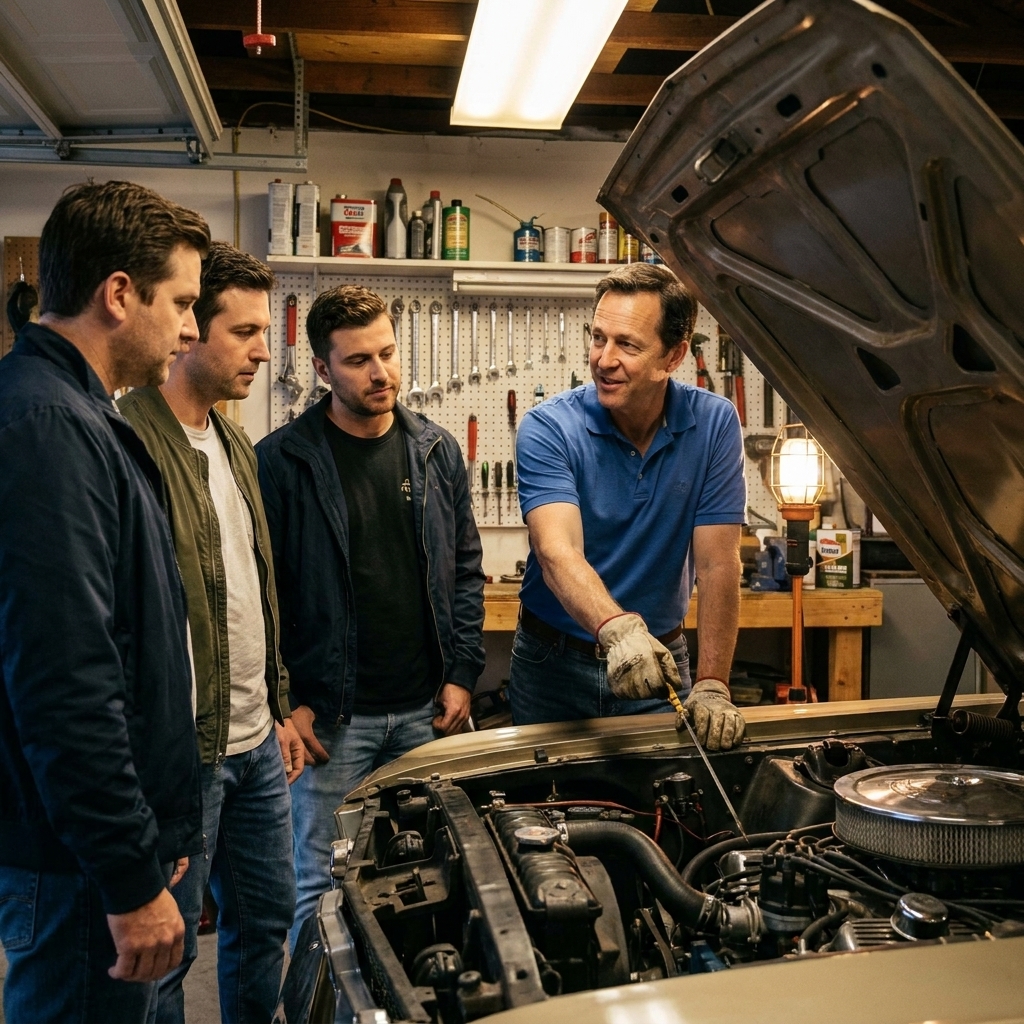
- Event 3: garage day, detailing day, or tech session.
Garage days build loyalty
Not everyone can afford big builds, but almost everyone can learn something. Host basics like checking fluids, swapping wipers, reading tire date codes, or using a code reader. Those low-stress events turn strangers into friends. One of the strongest clubs I have seen in a small town built its whole reputation on simple garage days and zero drama.
Money and gear
You can run a club for free. If you decide to collect dues, do it for a reason and show where the money goes.
Common expenses
- Permits or venue rental for larger events
- Event insurance
- Stickers or windshield banners
- Basic supplies for meets, like trash bags and cones
Best practice
Use a dedicated account or payment tool, track expenses, and post a simple monthly summary. Transparency prevents drama.
Handle conflicts early
Every club eventually deals with two issues: unsafe driving and ego. Your charter gives you the authority to act, but you still need to be consistent.
A calm enforcement ladder
- First issue: private warning and clear expectations.
- Second issue: asked to skip the next event.
- Major issue: removal from the event immediately.
If someone is doing reckless stuff, do not debate it in public comments. Remove them from the situation, protect the group, and move on.
Build real community
The clubs people stick with have a heartbeat. They celebrate wins, help each other out, and show up when life gets messy. Also, the best ones stay welcoming across age, budget, and skill level, because everyone starts somewhere.
- Welcome new members by name at meets.
- Shout out member builds and milestones.
- Organize charity drives or community cleanup meets once or twice a year.
- Create a “new drivers” lane at cruises with extra guidance and no pressure.
Car culture is at its best when it is generous. The cars get people in the door. The people are why they stay.
Quick FAQ
How many people do you need?
Two to five committed people is enough. You can grow from there, but you want at least one person besides you who will show up consistently.
Should you charge dues?
Only if you have a clear purpose for the money, like reserving venues, buying supplies, or covering insurance. If you do collect dues, be transparent.
Best first event?
A simple, short meet in a safe location with clear rules and a set end time. Save the longer cruise for your second or third event once you know your group’s vibe.
How do you stop takeovers?
Set expectations publicly, enforce them consistently, pick locations carefully, and do not reward bad behavior with attention. If needed, end an event early and regroup later.
Your next step
If you want to do this, do not wait for perfection. Pick a niche, recruit two co-founders, write a one-page charter, and schedule a first meet two weeks out. Keep it friendly. Keep it safe. Keep showing up.
That is how a local car club goes from an idea in a group chat to a regular part of your town’s car scene.