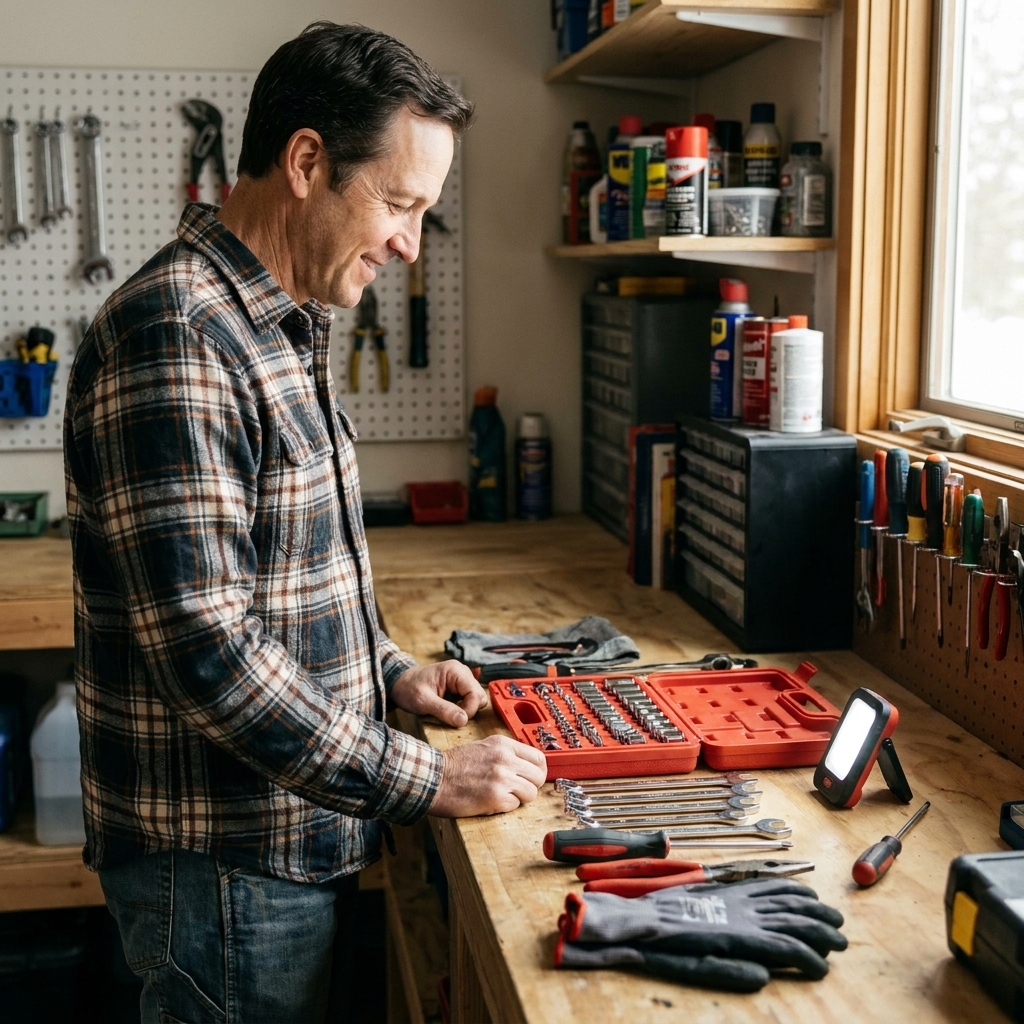
If you are just getting into DIY car maintenance, the tool aisle can feel like a trap. It is packed with shiny 200-piece sets, specialty gadgets you will use once, and bargain tools that round off bolts the first time you lean on them. I have been on both sides of that counter, and the truth is simple: you only need a tight core kit to start doing real work at home.
This checklist is built around the jobs most beginners tackle first: oil changes, batteries, brakes, filters, spark plugs, basic sensor swaps, and chasing down a warning light . Start here, buy once when you can, and add specialty tools only when a job demands it.
Before you buy anything
Pick a standard: metric first
Most modern vehicles use metric fasteners (mm). If you drive an older American classic, you may also need SAE (inch). For a first kit, prioritize metric and add SAE later if your car proves it needs it.
Buy for the work you will do
A $20 tool you use every weekend is a better buy than a $200 specialty tool that collects dust. The goal is capability, not bragging rights.
Safety gear counts as tools
In the shop, the most expensive mistakes were always the preventable ones. Put safety items in the same “must-have” category as sockets.
The core hand tools
If you buy nothing else, build this section first. These tools cover the majority of routine repairs and maintenance.
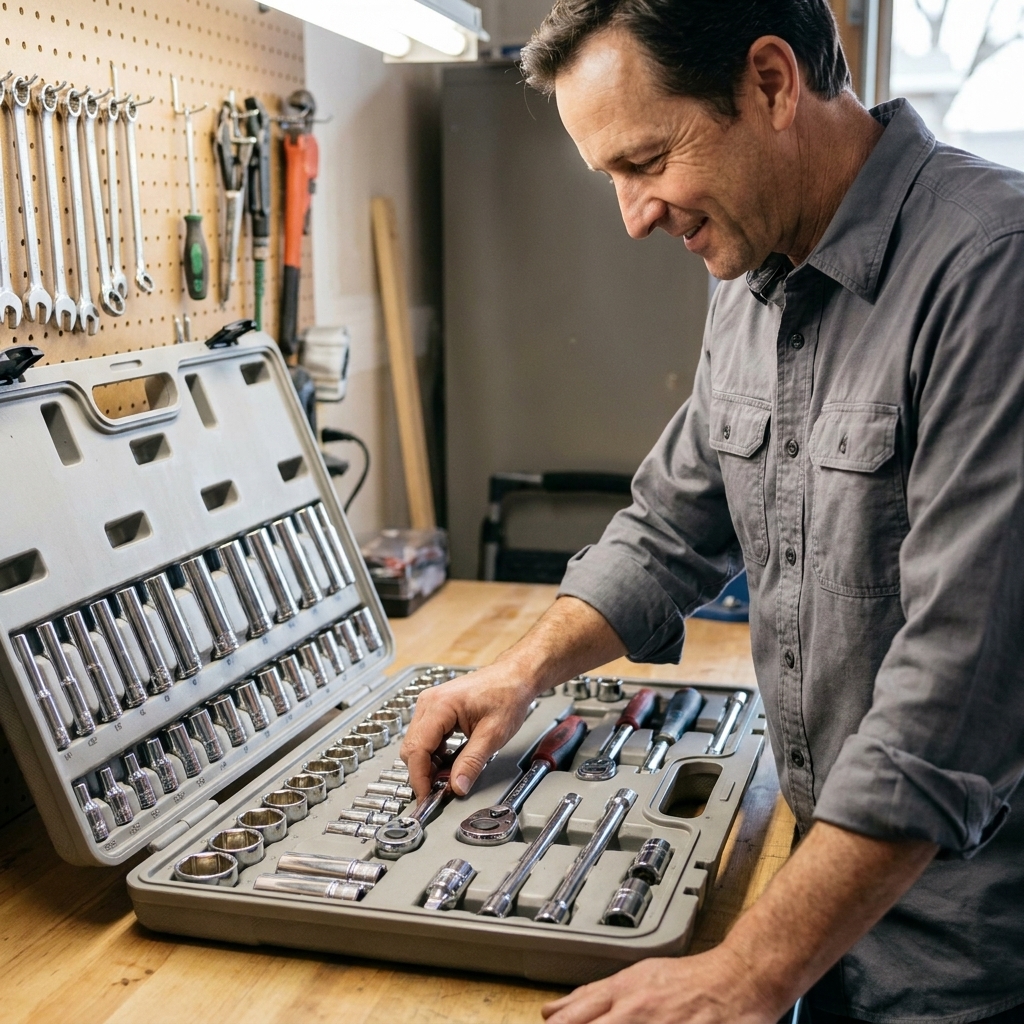
Socket set and ratchets
- 3/8-inch drive ratchet (your main ratchet for most jobs)
- 1/4-inch drive ratchet (for tight spaces and small fasteners)
- Metric sockets in shallow and deep: 8–19 mm covers a lot on modern cars (add larger sizes as needed)
- Extensions: 3-inch and 6-inch (a wobble extension is a nice upgrade)
- Universal joint (helps reach awkward angles)
- Spark plug socket (often 14 mm or 16 mm, sometimes 5/8-inch on older designs, check your engine)
Mechanic’s tip: Six-point sockets grip bolt heads better than twelve-point, especially when things are rusty or over-tightened.
Wrenches
- Metric combination wrench set: 8–19 mm is a solid start (add larger sizes as your jobs expand)
- Adjustable wrench (one medium-size is fine)
Screwdrivers, bit driver, and hex
- Phillips #1 and #2
- Flathead small and medium
- Bit driver set with common bits (Torx and hex are frequent on modern cars)
- Hex key set (Allen keys) if your bit kit is light on hex sizes
Pliers set
- Slip-joint pliers
- Needle-nose pliers
- Locking pliers (Vise-Grip style)
- Diagonal cutters (for zip ties and light wire work)
Hammers and persuasion tools
- 16 oz claw hammer (general use)
- Small dead-blow mallet (great for freeing stuck parts without marring)
- Pry bar (small to medium)
Use “persuasion” carefully. Freeing a rotor or tapping a stubborn bolt is one thing. Smacking aluminum housings, sensors, or thin brackets is how you create a new problem.
Torque tools (do not skip)
- 3/8-inch drive torque wrench covering common specs (roughly 10–100 ft-lb range is a practical target)
- Nice-to-have: an inch-pound torque wrench (or a wrench with an in-lb scale) for smaller fasteners and some modern engine bay specs
- Optional later: 1/2-inch torque wrench for lug nuts and heavier suspension work
Torque wrenches keep you from stripping drain plugs, warping brake components, or over-tightening wheels. “Tight enough” is how threads die. Do not use a torque wrench as a breaker bar, and store it at the minimum setting.
Lifting and support
Any job that involves going under the vehicle needs proper lifting gear. This is non-negotiable. A scissor jack in the trunk is for emergencies on the roadside, not for wrenching in your driveway.
Floor jack
- 2-ton or 3-ton floor jack (capacity matters, but lift height matters too, check your jack point height and the jack’s max lift)
- Low-profile jack if your car sits low
Jack stands
- A pair of quality jack stands rated appropriately for your vehicle
- Optional upgrade: a second pair if you plan to lift the whole car for exhaust or drivetrain work
Wheel chocks
- Two wheel chocks (rubber or heavy plastic)
Extras that make lifting easier
- Breaker bar (especially for stubborn lug nuts)
- Lug nut socket set (often 17, 19, 21, 22 mm, but it varies by vehicle, some use 23 mm or 24 mm and some need a locking key)
- Torque wrench for wheel installation
Never get under a car supported only by a jack. Use jack stands on solid ground and give the car a firm shake test before you slide underneath.

Lighting and cleanup
These are the tools that keep a 20-minute job from turning into a two-hour frustration session.
Lighting
- LED headlamp (hands-free is everything)
- Rechargeable work light with a magnetic base
Gloves and eye protection
- Nitrile gloves (a box)
- Mechanic’s gloves (for heavier work)
- Safety glasses
Cleanup
- Brake cleaner (use with ventilation)
- Shop towels or rags
- Hand cleaner
- Drain pan for oil and coolant
- Funnel set
Real-world helpers
- Penetrating oil (for stuck fasteners, give it time to work)
- Dielectric grease (optional, for electrical connectors when appropriate)
- Anti-seize (optional, use sparingly and only where the service info recommends it)
Organization
- Magnetic parts tray (saves bolts from disappearing)
- Small organizer bins for clips and fasteners
Fluids and routine tools
These are job-specific, but they come up constantly for beginners. Get them early if you plan to do your own services.
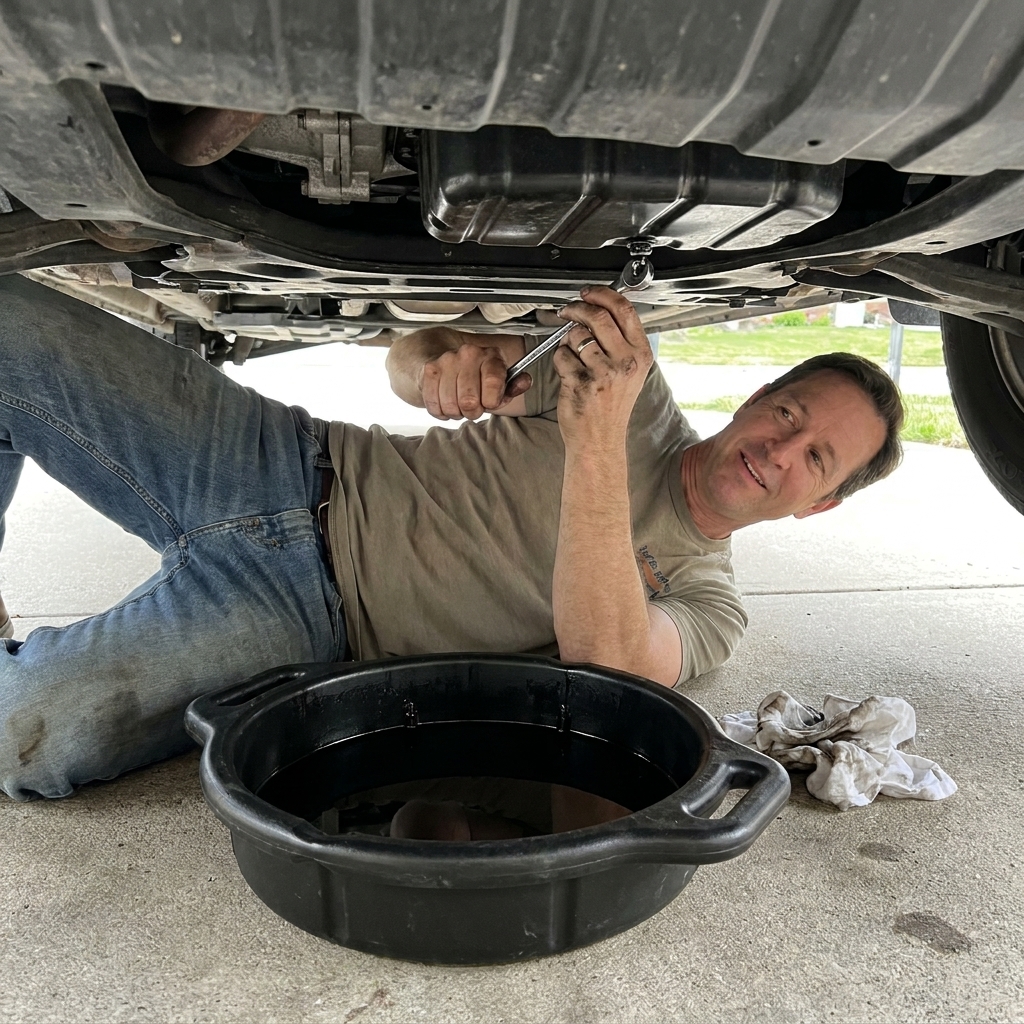
Oil change kit
- Oil filter wrench (cap style or strap style depending on your filter access)
- Correct drain plug socket (often 14 mm or 17 mm, varies)
- Oil catch pan with a pour spout
- Replacement crush washers if your vehicle uses them
Brake basics
- C-clamp or disc brake caliper tool (for pushing pistons back on many front calipers)
- Wind-back tool (common gotcha: many rear calipers with integrated parking brakes need the piston screwed back in, not forced)
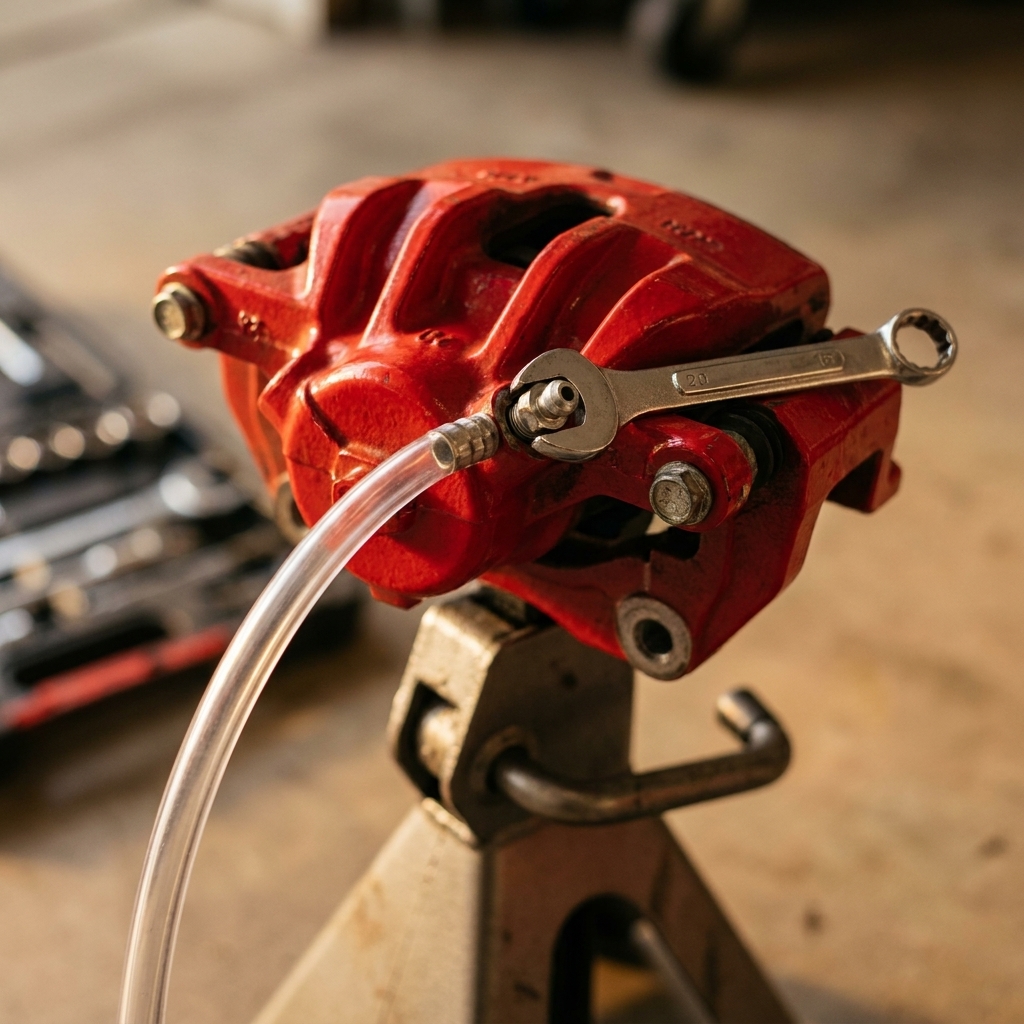
- Brake bleeder bottle or one-person bleeder kit (when you are ready)
- Wire brush for cleaning rust and pad hardware areas
- Caliper hanger hook or bungee cord (do not let the caliper hang by the hose)
Tire pressure and inflation
- Digital tire pressure gauge
- Portable air inflator
Diagnostic tools
You do not need a shop-grade scan tool to start, but you do need a few basics to avoid guessing.
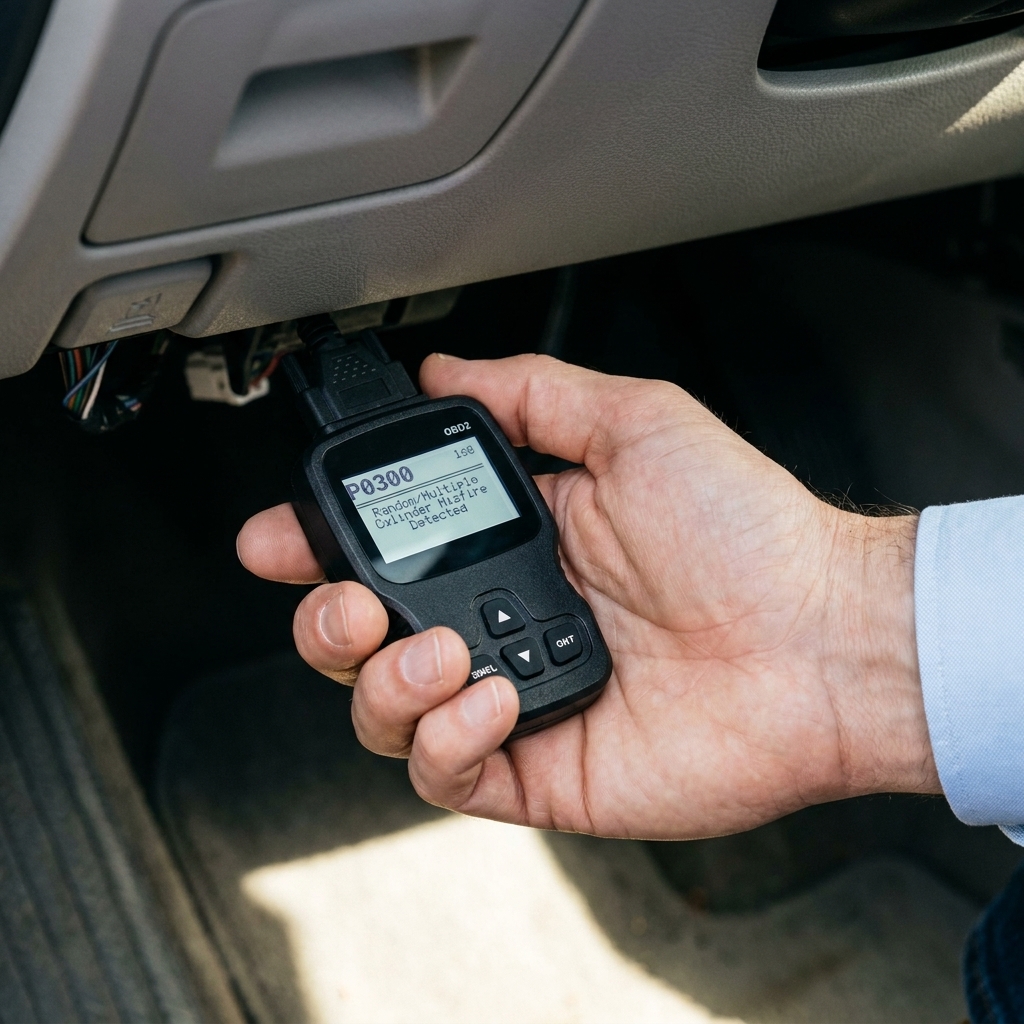
OBD2 code reader
- Basic OBD2 scanner that can read and clear codes
- Nice-to-have: live data and freeze-frame data, which help you understand what the engine computer saw when the light turned on
Digital multimeter
- Multimeter for checking battery voltage, charging system output, fuses, and basic sensor circuits
Battery tools
- Battery terminal brush
- 10 mm wrench or socket (common battery terminal size)
Inspection mirror and picks
- Telescoping inspection mirror
- Pick set for O-rings, clips, and connectors
If your check engine light is on, pull the code first. Then decide if it is a DIY fix, a parts-and-tools purchase, or a “let’s call a pro” situation.

Starter kit checklist
Here is the short, no-regrets list. If you are building your first kit from scratch, focus on this order: safety and lifting, core hand tools, then diagnostics.
Must-have essentials
- 3/8-inch drive ratchet and metric sockets (8–19 mm), shallow and deep
- 1/4-inch drive ratchet and small metric sockets
- Extensions (3-inch, 6-inch) and a universal joint
- Metric combination wrenches (8–19 mm)
- Screwdrivers (Phillips and flathead) and a bit driver set (Torx and hex)
- Hex key set (if not covered by your bits)
- Pliers set (needle-nose, slip-joint, locking, cutters)
- Breaker bar
- 3/8-inch torque wrench
- Floor jack (2-ton or 3-ton) with adequate lift height for your vehicle
- Jack stands (pair)
- Wheel chocks
- LED headlamp and a magnetic work light
- Nitrile gloves and safety glasses
- Drain pan and funnel
- Penetrating oil
- Basic OBD2 code reader
- Digital multimeter
Smart upgrades
- 1/2-inch drive sockets and torque wrench (for wheels and heavier work)
- Impact-rated sockets if you add an impact wrench later
- Wind-back tool set and brake bleeding kit
- Trim removal tools for interior clips
- Caliper hanger hooks
- Inch-pound torque wrench for smaller specs
- Service manual access (factory info or a reputable database)
What to avoid early
I am not anti-tool. I love tools. But some purchases are better saved until you know you need them.
- Huge “mechanics mega sets” loaded with odd sizes you will never touch
- Ultra-cheap no-name sockets that round fasteners and waste your time
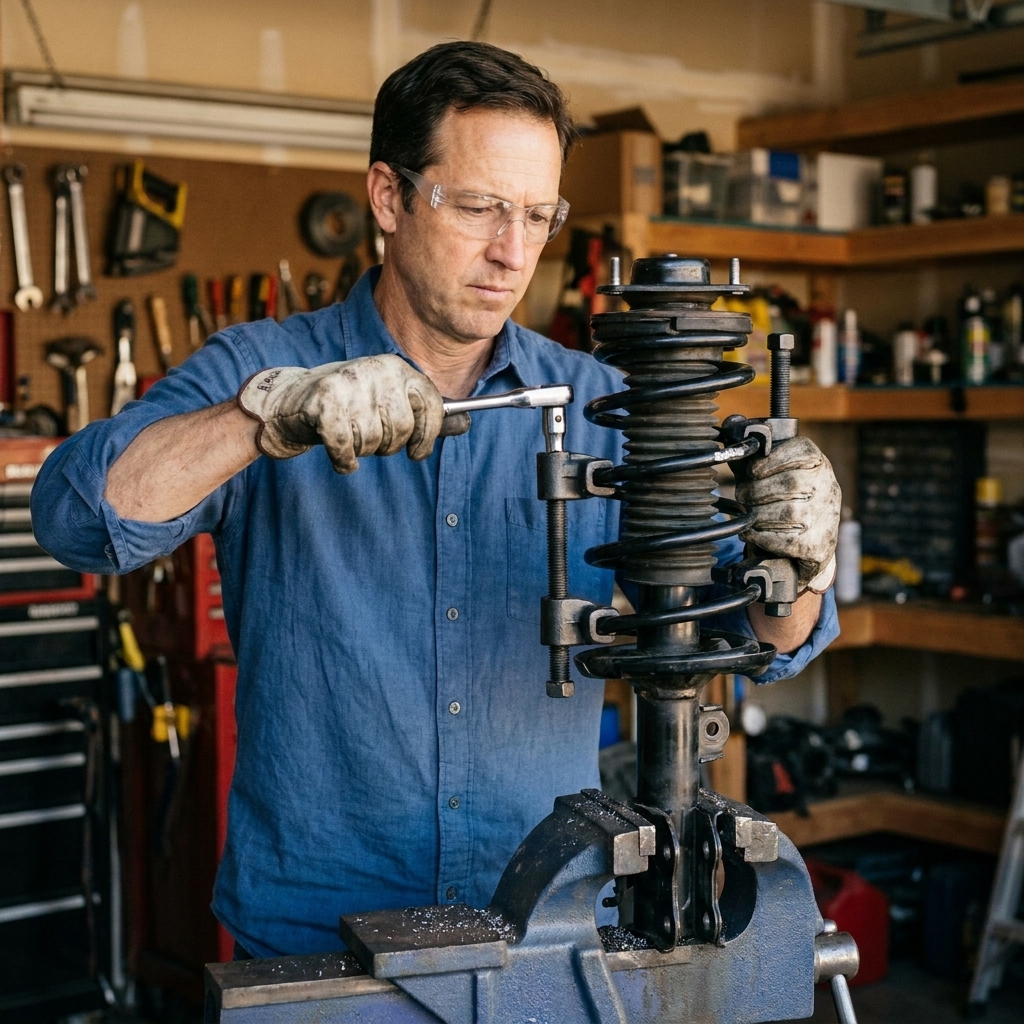
- Specialty pullers and presses unless a specific job calls for them
- Anything that claims to fix a problem without diagnostics like magic additives and miracle gadgets
FAQ
Do I need SAE tools?
If you drive most modern vehicles, you can get very far with metric only. If you own an older American vehicle, classic truck, or you keep running into inch-size hardware, add an SAE wrench and socket set later.
What size torque wrench should I buy first?
A 3/8-inch drive torque wrench is the best first purchase because it covers oil drain plugs, spark plugs, and many engine bay fasteners. Add a 1/2-inch later for lug nuts and suspension work. For smaller specs, an inch-pound torque wrench can save threads and headaches.
Is a cheap OBD2 scanner worth it?
Yes, as long as it reliably reads and clears codes. Live data is a helpful upgrade, but even a basic reader can prevent you from throwing parts at a problem.
Can I work on an EV or hybrid at home with this kit?
You can handle plenty of normal car stuff like tires, cabin filters, 12V batteries, and basic inspections. But anything involving high-voltage components needs the right training, procedures, and protective equipment. When in doubt, keep your hands out of orange cables and high-voltage housings.
Final thought
Your first home mechanic kit is not about owning everything. It is about owning the right things. Start with the core tools, lift the car safely, and take on one job at a time. Every repair you do builds skill, confidence, and a better connection with the machine you drive every day.
If you want, tell me what you drive and what job you want to tackle first, and I will help you prioritize the next couple of tools.