If you have ever stood at the service counter staring at two estimates and wondering which car will be kinder to your wallet long-term, you are not alone. Hybrids have a reputation for lower routine maintenance, but they also carry a few big-ticket “what if” parts that make people nervous.
Let’s break it down the way I would in the shop: what tends to wear out, about when it usually happens, and what it commonly costs over 100,000 miles. I am talking real-world maintenance and repair patterns, not brochure promises.
Cost note: the dollar ranges below are shop-observed U.S. independent shop ranges. Dealer pricing is often higher, and parts prices swing by brand, region, and supply. If you want a second layer of validation, compare this against published ownership-cost datasets like AAA, Consumer Reports, or Edmunds True Cost to Own for your exact model.
What changes, what stays the same
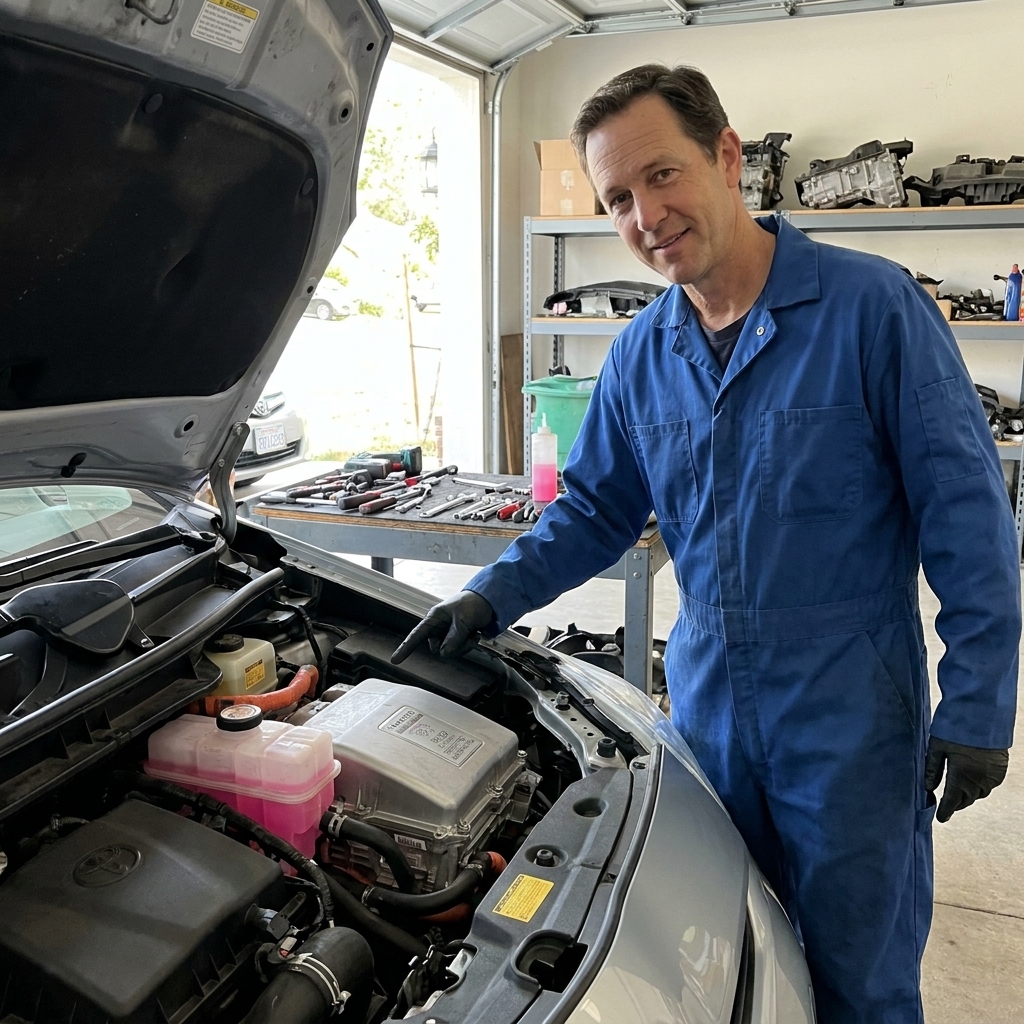
A hybrid is still a car with tires, brakes, suspension, steering, lights, and a 12-volt battery. The difference is that it spreads propulsion across an engine and an electric drive system, managed by power electronics and a high-voltage battery.
Quick hybrid types (so you do not overapply this)
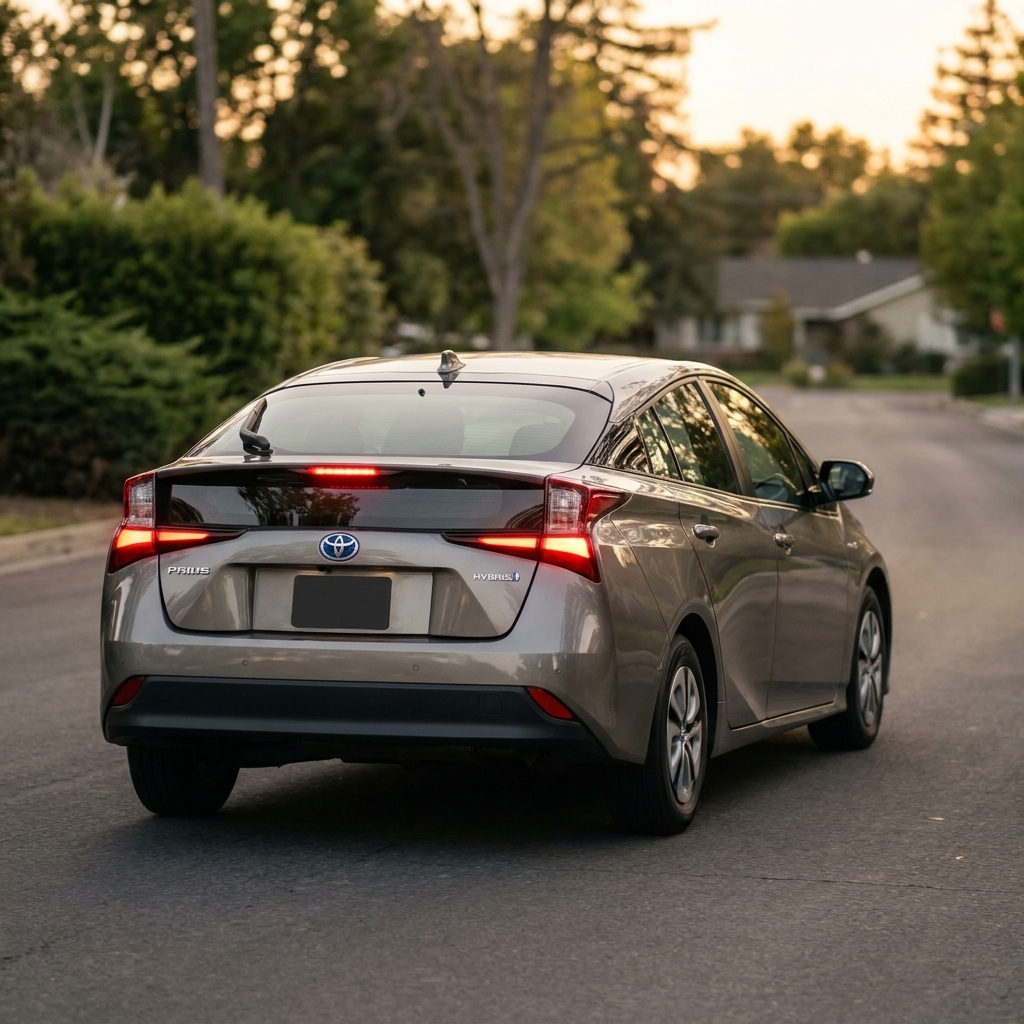
Full hybrids (Prius-style systems) can drive and start the engine using electric motor-generators, and often do not use a traditional starter or alternator. Mild hybrids are closer to a normal gas car with an assist system, and they may still have a starter, alternator, or a belt starter-generator setup. Plug-in hybrids add a larger battery and charging hardware, which can change both savings and complexity.
Hybrid-specific systems that affect long-term costs
- High-voltage battery pack (traction battery)
- Inverter / converter (power electronics that move energy between battery, motor, and 12V system)
- Electric drive motor(s) and hybrid transaxle components
- Battery cooling system (fan and ducting, sometimes liquid cooling depending on design)
Systems that can be cheaper on many hybrids (not all)
- Brakes (regenerative braking reduces pad and rotor wear)
- Some engine wear and accessory items (engine often runs less in city driving, and many full hybrids avoid the classic starter and alternator setup)
- Some transmission service patterns (many full hybrids use an eCVT-style transaxle with fewer traditional shift components, but other hybrids use stepped automatics or different layouts)
So the maintenance story is usually: hybrids cost less in routine service, but they have a few expensive components that can swing the total if they fail out of warranty.
The 100,000-mile cost picture
Below are broad, realistic totals for maintenance and common repairs through 100,000 miles for a mainstream compact or midsize vehicle. Think of these as what I commonly see when owners follow service schedules and fix the usual wear items.
Typical total spending to 100,000 miles
- Traditional gas car: about $6,000 to $11,000
- Hybrid: about $4,500 to $9,500
The overlap is real. A well-built gas car can be cheap to run, and a neglected hybrid can get expensive fast. But on average, hybrids often land lower because they ask for fewer brake jobs and sometimes avoid a couple classic gas-car failures.
What makes the hybrid range wider is simple: the traction battery and power electronics are high-dollar parts. Many vehicles will not need them before 100,000 miles, but if you do, they change the math.
Routine maintenance
Oil and filter
Hybrids still need oil changes, but the engine often sees less load in stop-and-go because the electric motor assists. Cost per service is basically the same.
- Typical interval: often 5,000 to 10,000 miles depending on the car and driving conditions
- Typical cost per oil change: $60 to $120
- Over 100,000 miles: roughly $600 to $1,800 depending on interval and oil spec
Brakes
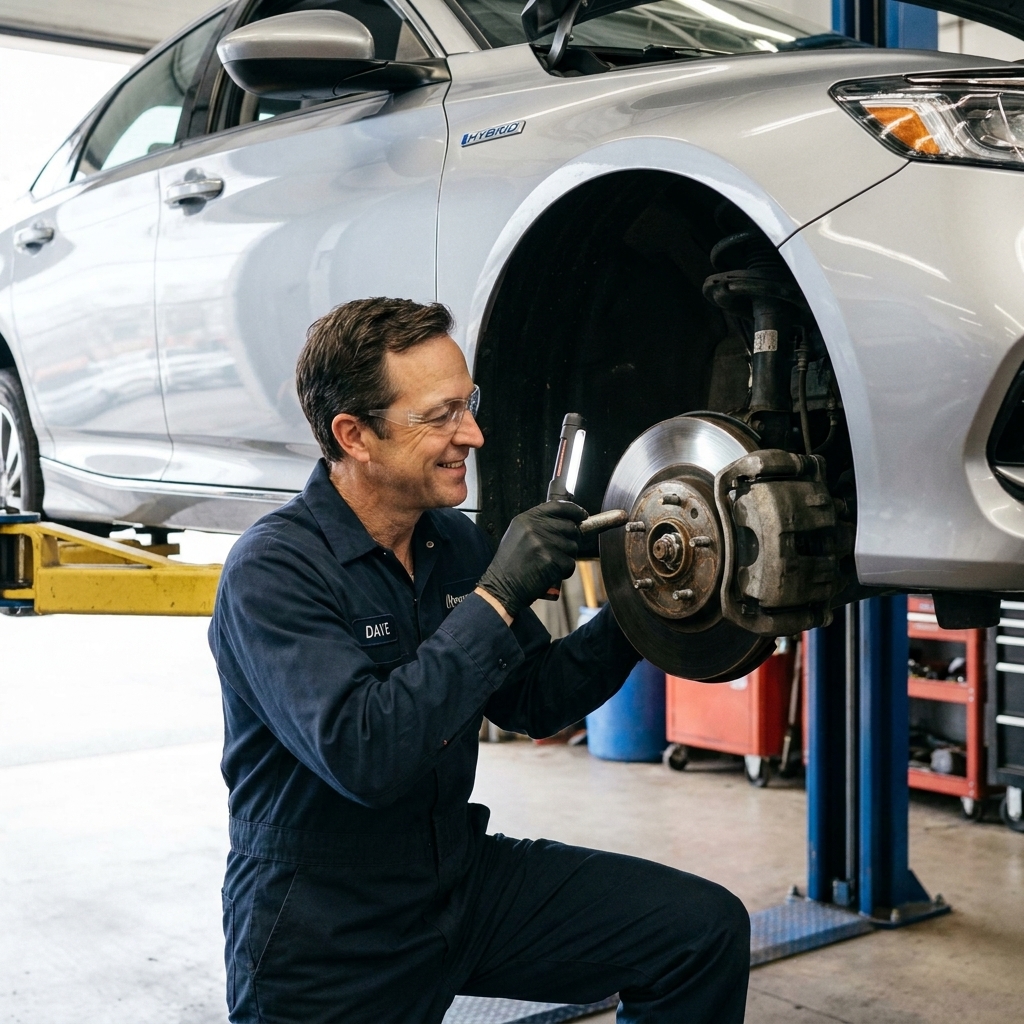
This is the big routine win for many hybrids. Regenerative braking uses the motor to slow the car and recapture energy, so friction brakes do less work. In city driving, it is common to see hybrid pads last significantly longer than on a similar gas car.
- Gas car typical through 100k: 1 to 2 brake jobs (pads and sometimes rotors), more in heavy traffic
- Hybrid typical through 100k: often 0 to 1 brake job
- Common mileage window: gas cars often 30,000 to 70,000 miles per set of pads; hybrids often 60,000 to 120,000 miles depending on use
- Typical brake job cost: $300 to $900 per axle
Shop note: hybrids can have more corrosion-related brake issues in wet climates because the friction brakes are used less. Occasional firm stops and periodic brake inspections help keep slide pins and hardware happy.
Brake fluid: do not skip it just because the pads last longer. Many manufacturers call for brake fluid service around every 2 to 3 years.
Wear items
Tires and alignment
Tires are usually close to a wash. Some hybrids are heavier, and the instant torque can be harder on certain tire compounds. Low-rolling-resistance tires can also trade longevity for efficiency depending on the model. Budget similarly and focus on rotations and alignment.
- Tire rotations: typically every 5,000 to 7,500 miles
- Tires (set of 4 installed): $500 to $1,200
- Alignment: $120 to $200 (as needed, and after suspension work)
12-volt battery
Hybrids still have a normal 12-volt battery. Replacement costs vary, and some hybrids use smaller AGM batteries that can cost more than a basic lead-acid.
- Typical cost: $200 to $450 installed
- When: often 3 to 6 years (heat and short-trip use matter)
Suspension and steering
Control arm bushings, struts, sway bar links, tie rods. Hybrid versus gas is not the deciding factor here. Road conditions and driving style are.
- Common 100k range (as needed): $0 to $2,500+
Fluids and filters
Coolant
Most hybrids have at least one cooling system for the engine, and many have a separate loop for the inverter and power electronics. That can mean an extra coolant service compared to a basic gas car.
- Common interval: often around 100,000 miles or 5 to 10 years (varies by manufacturer and coolant type)
- Gas car coolant service: $150 to $300
- Hybrid coolant service (engine plus inverter loop if applicable): $250 to $600
Transmission or transaxle fluid
Even when a hybrid does not shift like a traditional automatic, the fluid still lubricates bearings and gears. I recommend treating it as a real maintenance item, especially if you drive in heat, mountains, or heavy traffic.
- Common interval: 30,000 to 60,000 miles for severe service; longer for light use if the manufacturer allows it
- Typical service cost: $150 to $350
- Over 100k: often 1 to 2 services depending on guidance and use
Spark plugs
This is a sneaky 100,000-mile-ish cost that people forget to budget for. Many modern engines, hybrid or not, run long-life plugs.
- Common interval: often 60,000 to 120,000 miles depending on engine and plug type
- Typical cost: $200 to $600 (engine layout and access make a big difference)
Engine air filter and cabin air filter
Same story for both. Cheap maintenance, big comfort benefits.
- Typical cost: $30 to $100 each (DIY can be less)
Hybrid-specific repairs
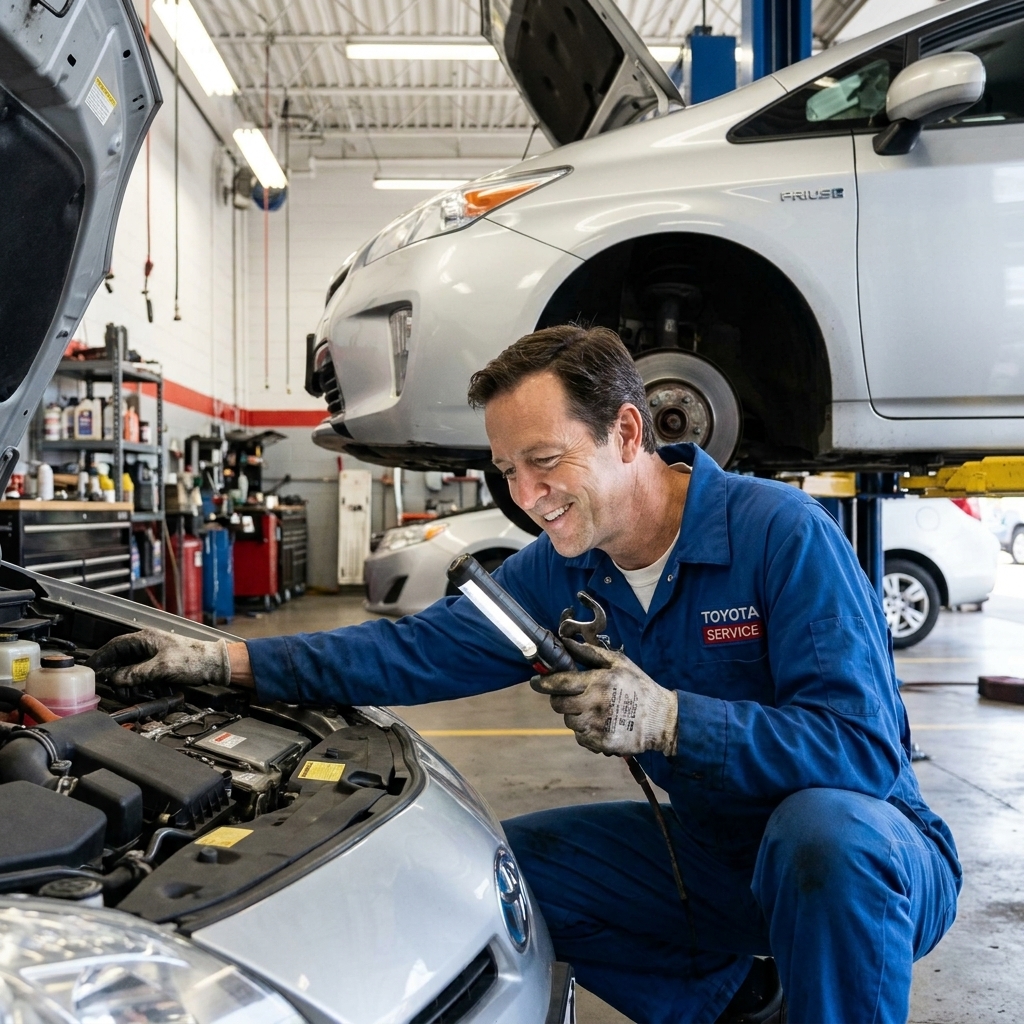
This is where people either save a bundle or feel like they “lost the bet.” The good news is most hybrid components are reliable, and many failures are more common in older, high-age hybrids than in the first 100,000 miles. Still, you should know the big ones.
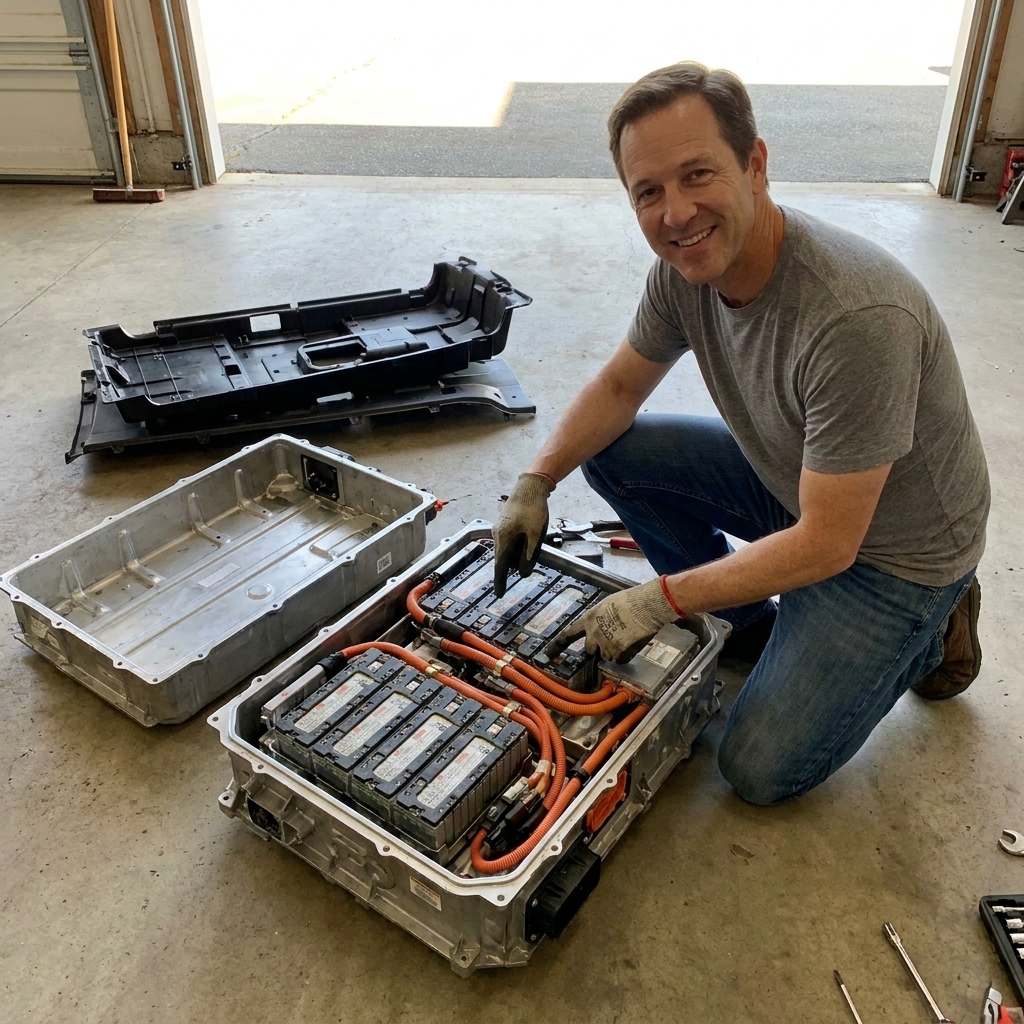
High-voltage battery pack
By 100,000 miles, many packs are still healthy, especially in moderate climates. Battery aging is often more about time and heat than mileage . If you do need a replacement, costs range widely based on whether you choose OEM new, OEM reman, or a quality aftermarket option.
- Typical replacement cost: $2,000 to $5,500 installed
- Reality check: some models can exceed this with a new OEM pack; some reman options can come in lower
- Common symptoms: big swings in state of charge, reduced fuel economy, warning lights, engine running more than usual
My advice: if you are shopping used, ask for a hybrid health check or scan data from a shop that knows the platform. It is the closest thing to an “engine compression test” for a hybrid.
Inverter or DC-DC converter issues
These are less common than battery problems, but they can be expensive when they happen. Diagnosis matters here, because a wiring, coolant, or sensor issue can mimic inverter failure.
- Typical repair cost: $1,500 to $4,500+
Battery cooling fan service
Some hybrids pull cabin air through ducting to cool the battery pack. Pet hair and dust can clog the fan, especially if the intake is near the rear seat or cargo area. Cleaning is usually inexpensive and can prolong battery life.
- When: commonly inspected around 50,000 to 100,000 miles, sooner with pets or dusty use
- Typical service cost: $150 to $400

Gas-car repairs hybrids may avoid
Traditional gas cars have their own usual suspects, especially as direct injection and emissions systems get more complex. Not every gas car will need these by 100,000 miles, but they are common enough to plan for.
Starter and alternator
Most full hybrids do not use a traditional starter motor, and they typically do not use a traditional alternator either. Mild hybrids and stop-start systems vary by design.
- Gas car alternator replacement: $450 to $1,200
- Gas car starter replacement: $350 to $900
Turbo hardware (on turbo gas engines)
If you are comparing a hybrid to a small turbo gas engine, remember that turbos add performance and efficiency, but also add heat and complexity. Turbos can last well past 100,000 miles, but when they do fail, it is rarely cheap.
- Turbo-related repairs: $1,200 to $3,500+
Carbon buildup (certain DI-only engines)
This is not universal, but it is common enough on some direct-injection-only designs that I mention it whenever someone is budgeting. Walnut blasting or intake cleaning may be recommended depending on the engine and driving pattern.
- Typical service cost: $400 to $900+ depending on engine and region
A 100,000-mile budget example
Here is a sample scenario, not a promise. Assumptions: 7,500-mile oil intervals, one set of tires lasts roughly 50,000 miles, mixed driving, and you actually keep up with fluids.
Gas car example (typical)
- Oil changes (about 13): $800 to $1,500
- Brake jobs (1 to 2 axles): $600 to $1,800
- Coolant and other fluids: $300 to $800
- Tires (2 sets): $1,000 to $2,400
- 12-volt battery: $200 to $350
- Spark plugs (if due): $200 to $600
- Filters, wipers, bulbs, misc.: $200 to $600
- One “extra” repair (sensor, alternator, water pump, etc.): $500 to $2,000
Typical total: $6,000 to $11,000
Hybrid example (typical)
- Oil changes (about 13): $800 to $1,400
- Brake jobs (often fewer): $300 to $1,200
- Coolant and transaxle fluid: $400 to $1,100
- Tires (2 sets): $1,000 to $2,400
- 12-volt battery: $200 to $450
- Spark plugs (if due): $200 to $600
- Brake fluid service (time-based): $150 to $250
- Filters, wipers, bulbs, misc.: $200 to $600
- Hybrid-specific service (battery fan cleaning, inspections): $150 to $400
Typical total without major hybrid component replacement: $4,500 to $9,500
Wildcard: if a traction battery replacement happens inside this window, add roughly $2,000 to $5,500 (and remember, some new OEM packs can run higher).
What really decides your cost
City driving favors hybrids
Stop-and-go is where hybrids shine. You get more regen braking, less engine runtime, and often lower wear on friction brakes. If you are mostly highway miles, the maintenance advantage shrinks.
Heat is hard on batteries
Heat accelerates battery aging. If you live in a hot region, keep the battery cooling intake clear and do not let the cabin bake when you can avoid it. Parking in shade sounds simple, but it matters.
Skipping fluids gets expensive
Whether it is an eCVT transaxle or a traditional automatic, clean fluid is cheaper than a rebuild. Same with coolant. Preventive maintenance is boring, and it is also the best bargain you will ever buy.
Warranty and shopping tips
Warranty context
Hybrid components often carry longer warranty coverage than standard powertrain items, but the details vary by brand, model year, and state. In the U.S., some manufacturers provide extended hybrid battery coverage in certain emissions-regulation states. Always check the warranty booklet for the exact vehicle you are buying.
If you are leaning hybrid
- Ask about battery health on used cars, and budget for a 12-volt battery if it is old.
- Scan for codes , even if the dash looks clean.
- Check the battery cooling intake near the rear seat or cargo area. Pet owners should pay extra attention.
- Pick a shop that can diagnose hybrids, not just replace parts.
If you are leaning gas
- Know your engine type. A simple naturally aspirated port-injected engine is often cheaper long-term than a complex turbo direct-injection setup.
- Check service history for coolant and transmission fluid, not just oil changes.
- Listen on cold starts and look for leaks. Small issues at purchase turn into big ones later.
Quick FAQ
Are hybrids more expensive to maintain?
Usually no for routine maintenance. The risk is the occasional expensive hybrid-specific repair. Many owners still come out ahead by 100,000 miles, especially with lots of city driving.
Do hybrids need special oil or special service?
They typically use the same oil types as many modern gas engines, often low-viscosity synthetics. The “special” part is safe procedures and proper diagnostics around the high-voltage system, which a competent hybrid shop will handle.
Should I avoid a used hybrid because of the battery?
Not automatically. Treat the traction battery like any other major component: verify condition, understand warranty coverage if applicable, and budget realistically. A well-cared-for hybrid can be a very cost-effective daily driver.
The takeaway
Over 100,000 miles, hybrids often cost less to maintain day-to-day, mainly because they go easier on brakes and can reduce some classic engine accessory failures in full-hybrid designs. The tradeoff is that hybrid-specific parts, while generally reliable, can be expensive if you get unlucky out of warranty.
If your driving is mostly city miles and you plan to keep the car a long time, a hybrid is often the calmer ownership experience. If you do mostly highway miles and prefer maximum simplicity, a well-chosen traditional gas car can still be a smart, predictable bet.
Either way, the cheapest car to maintain is the one you service on schedule and diagnose early. That is the unglamorous truth I learned turning wrenches, and it has not changed now that I type for a living.