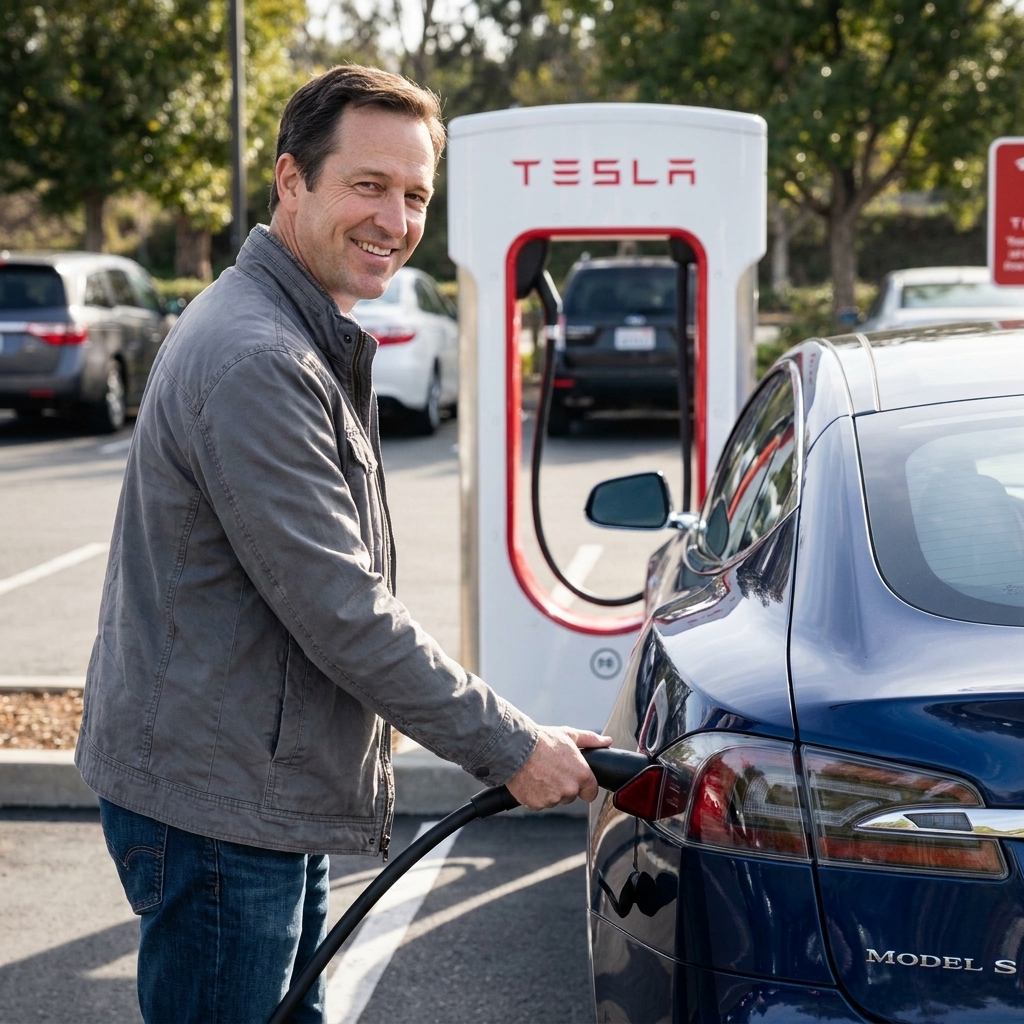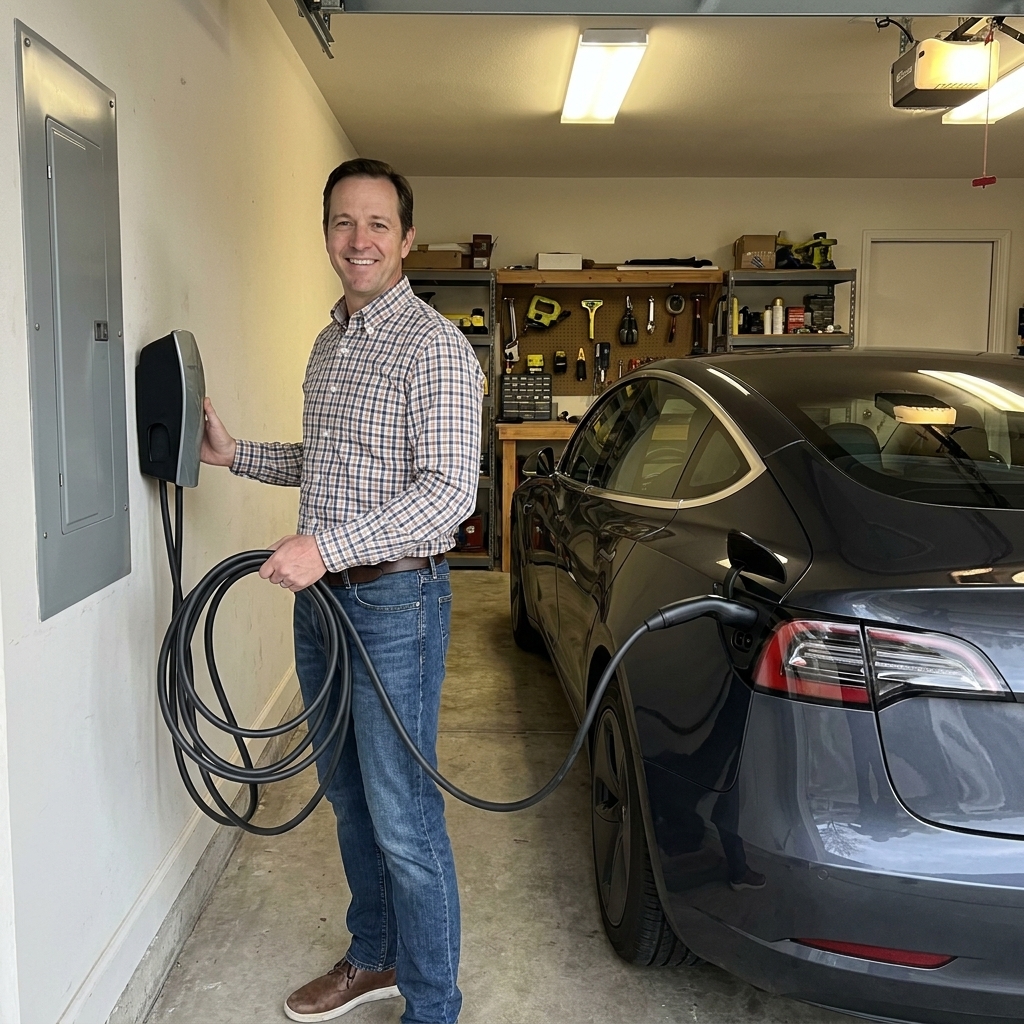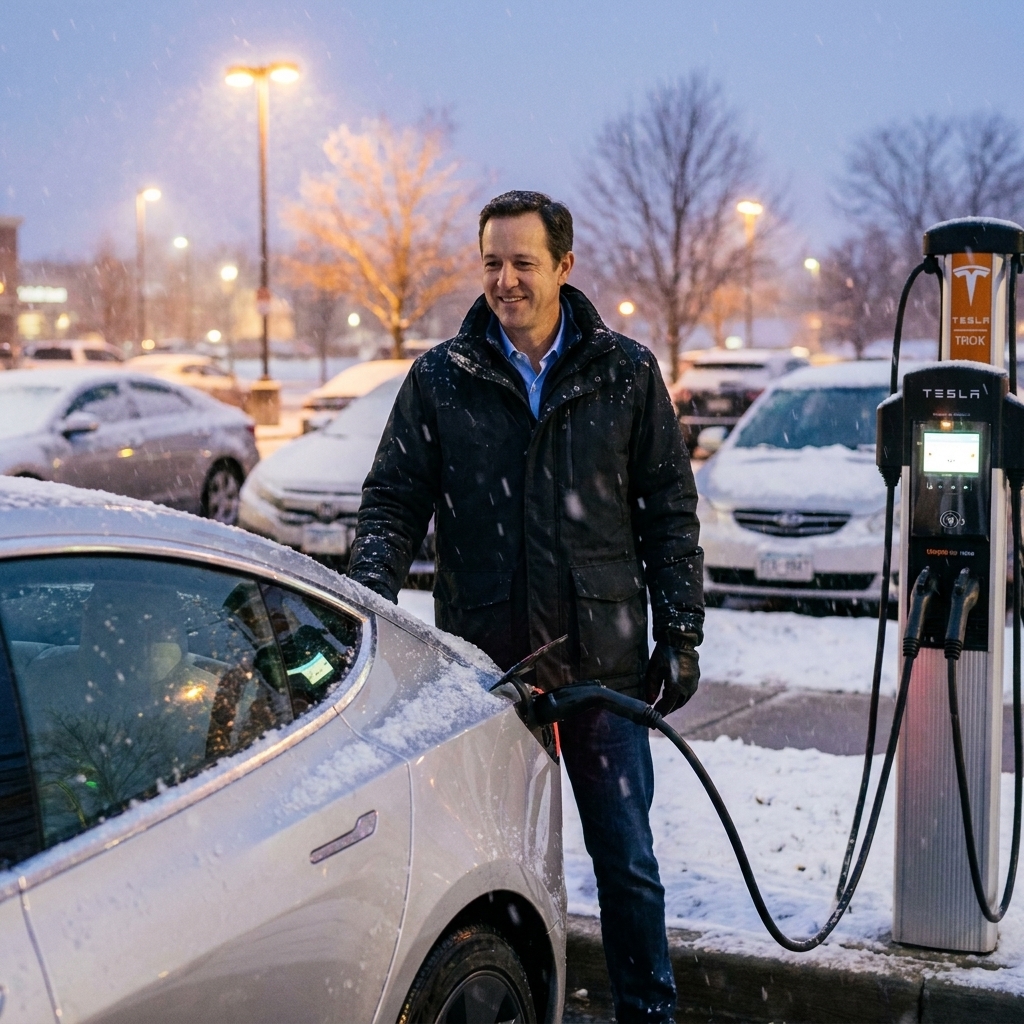
If you came from the gas world like I did, it helps to think of your EV battery like an engine you cannot “see.” You do not change oil, but you do influence longevity every single day with heat, charging habits, and how long you let the battery sit at extreme states of charge.
Here’s the good news: you do not need to baby your EV to get a long, healthy battery life. You just need a few habits that reduce wear on the pack. Let’s walk through what actually matters and what is mostly noise.
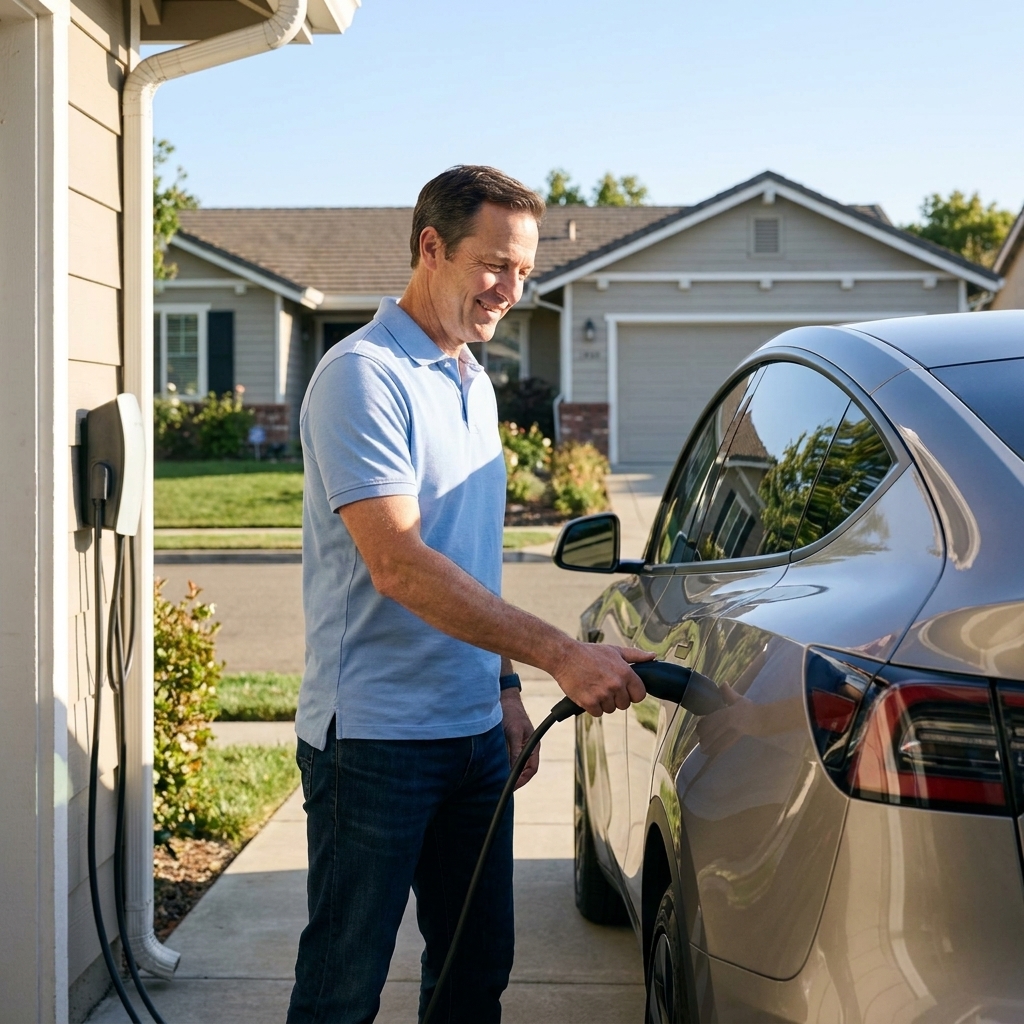
What wears a battery out
Most modern EVs use lithium-ion chemistry, and the big drivers of long-term degradation are pretty consistent across brands:
- Heat: High battery temperature speeds up chemical aging.
- Time spent near 100%: Sitting full for long periods increases wear, especially in warm weather.
- Time spent very low: Letting the battery sit near empty for long periods is also hard on it.
- Fast charging frequency: DC fast charging is not “bad,” but frequent high-power sessions add heat and can increase wear compared to slower charging.
- High average state of charge: Living at 80 to 100% day after day ages faster than living at, say, 40 to 70%.
One more nuance that helps explain why advice varies: many EVs have built-in top and bottom buffers. So “100%” on the screen is not always literally 100% at the cell level. That said, high displayed state of charge plus heat plus time is still the combo that tends to age packs faster.
None of this means your battery is fragile. It means you can tilt the odds in your favor with a few smart defaults.
Daily charging habits
Set a normal limit
For most drivers, the sweet spot is charging to 70 to 80% for daily use. Many automakers even hint at this in their charging menus. You still get plenty of usable range, but you reduce the time your pack spends topped off.
- Good default (most NMC/NCA packs): 80% daily limit
- If you have short commutes: 60 to 70% is fine
- When you need the range: charge to 90 to 100% right before departure
That last part matters. A full charge for a road trip is totally reasonable. The habit to avoid is charging to 100% and letting it sit there overnight, all weekend, or all week.
LFP note
One important exception: some EVs use LFP (Lithium Iron Phosphate) batteries. They behave a little differently, and several manufacturers recommend charging them to 100% regularly to help the battery management system stay accurate. Some cars will even show an in-car message nudging you to do a 100% charge periodically.
- If your EV has LFP: follow the manual. A periodic 100% charge is often recommended, and it is not the same “don’t do that” situation as with many NMC/NCA packs.
- If you are not sure what you have: check the owner’s manual, the in-car charging screen, or the trim spec for your model.
I know, it sounds like mixed advice. It is really just chemistry plus what the car’s software needs for good range estimates.
Smaller bites work
From a battery wear standpoint, it is usually easier to do frequent top-ups than big swings from very low to very high. You do not have to micromanage it, but if your routine allows it, keeping the battery in a middle band is a win. For example, topping up from 40% to 70% a couple times a week is typically easier on the pack than running it down to 10% and charging to 90% every time.
Use Level 2 at home
If you have access to home charging, a Level 2 charger is the closest thing to “easy mode” for battery longevity. It is efficient, predictable, and typically gentler than frequent DC fast charging because it creates less heat per mile added at typical home power levels.
Level 1 (standard wall outlet) is also gentle, just slow. If it fits your driving, it is perfectly fine for the battery, but use a safe setup. Plug into a dedicated, properly grounded outlet, avoid worn or loose receptacles, and skip extension cords unless your automaker explicitly approves one.
Fast charge smart
Fast chargers are built into the EV lifestyle. Use them when you need them. For longevity, the trick is understanding where fast charging tends to be harshest.
- Often the best window for fast charging: roughly 10 to 60% (varies by car, temperature, and charger power)
- Often the slower and hotter region: roughly 70 to 100%, where charging tapers
On road trips, you will often get the quickest and easiest stop by charging up to the point where the speed drops off, then driving again. That also happens to be a battery-friendly approach.
Do not park it near empty
Life happens. If you come home at 8%, you are not doomed. Just do not let the car sit that way for days, especially in extreme heat or cold.
As a practical rule: if you are parking the car overnight, I like to see 20% or more on the gauge unless the manual says otherwise.
Temperature matters
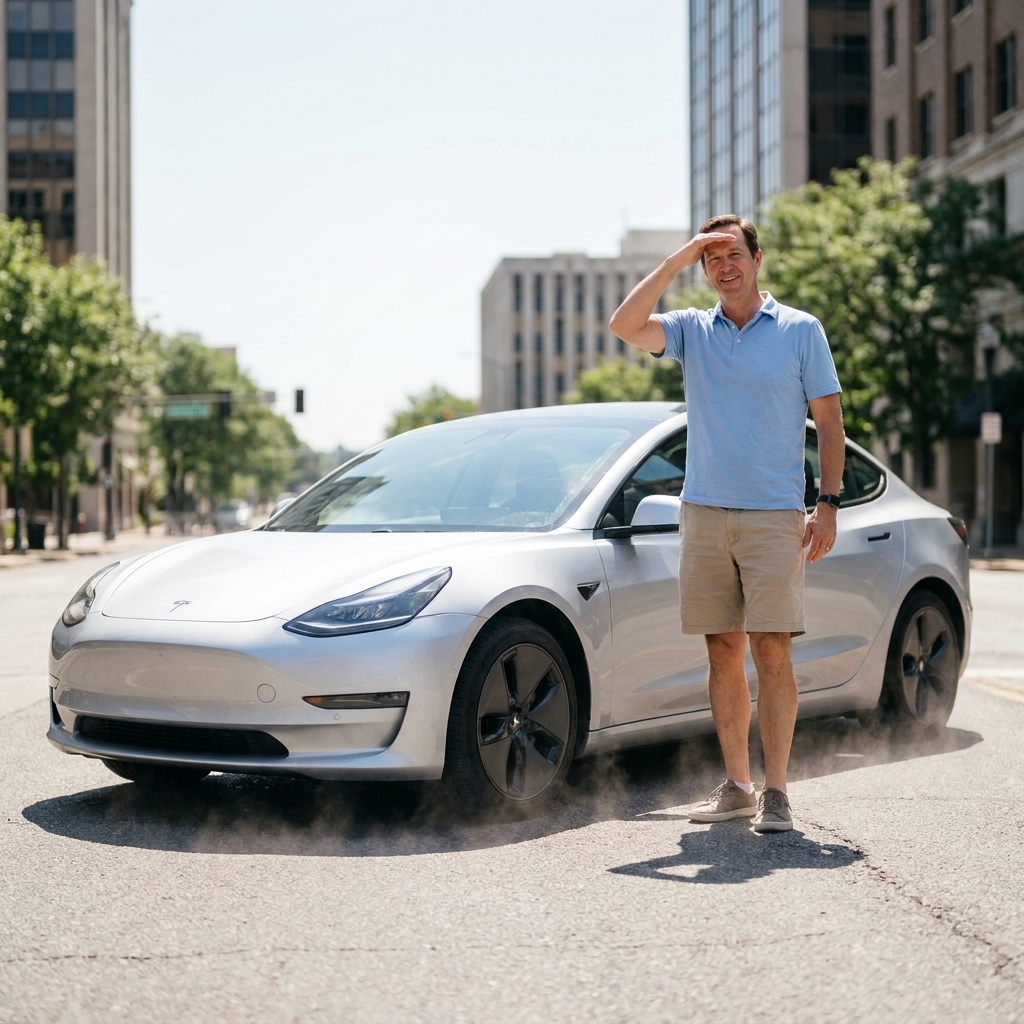
Heat is the quiet killer of battery health. Cold is more of a performance limiter, but deep cold can still increase strain if you demand a lot of power or fast charging with a cold-soaked pack.
Hot weather
- Park in shade or a garage when possible. Cutting the cabin and pack heat soak helps.
- Charge during cooler hours if your schedule allows, like early morning or late evening.
- Do not leave it at 100% in the heat. If you need 100%, time it so you depart soon after. (LFP owners: follow the manual, but timing a full charge near departure is still a good habit in hot weather.)
- Use preconditioning while plugged in. Cooling the cabin before you leave using shore power reduces the load on the battery when you start driving.
Cold weather
- Precondition before driving. Warming the battery improves efficiency and reduces strain.
- Precondition before fast charging when your car supports it. A warm pack charges faster and typically with less strain.
- Do not panic about winter range. Shorter range in cold is normal and mostly temporary.
Plugged in helps
Many EVs manage battery temperature automatically, and some do it best when they are plugged in. If your owner’s manual recommends leaving it plugged in when parked, follow that advice, especially in very hot or very cold climates.
Storage tips
If you are leaving your EV parked for a week or more, aim for a middle state of charge and keep it comfortable.
Best storage range
- Target: about 40 to 60%
- Avoid: storing at 100% or near 0%
Stop quiet drain
Some EVs have features that can sip power while parked, like sentry modes, frequent app wake-ups, and always-on cabin overheat protection. Those are useful, but for long storage they can pull the pack down farther than you expect.
- Disable high-drain security monitoring if the car is in a safe location
- Limit third-party apps that poll the vehicle constantly
- Check the car after a couple days to confirm the drain rate is reasonable
If you can leave it plugged in
For many models, leaving the car plugged in with a sensible charge limit lets the battery management system do its job. Set the limit around 50 to 60% for storage, if your vehicle supports it.
Driving habits
I am not here to tell you to drive like you are balancing a mug of coffee on the dash. EVs are fun, and the battery is designed for real life. Still, a few patterns reduce heat and wear.
Avoid extremes
- Try not to arrive home at 1% regularly
- Try not to sit at 95 to 100% daily unless you truly need that range (LFP owners: again, follow your manual for the recommended 100% routine)
Regen is fine
Regenerative braking is great and does not “hurt” the battery in normal use. The only time it becomes limited is when the battery is very cold or very full. If you notice reduced regen, it is your car protecting itself.
Speed makes heat
Repeated high-speed driving and hard acceleration increase energy demand and heat, which can contribute to long-term wear. Enjoy the torque, just recognize that living in “max attack” mode 24/7 is not the healthiest pattern for any powertrain.
What to maintain
Your EV pack is mostly hands-off, but the supporting systems around it are not.
Keep software updated
Battery management is software-heavy. Updates can improve thermal control, charging curves, and efficiency. Install official updates and pay attention to release notes when they mention charging or range.
Watch the thermal system
Most EVs use liquid cooling for the battery. If that system has an issue, battery temps can run higher than they should.
- Watch for warnings related to battery cooling or reduced power
- Have coolant service performed on schedule (intervals vary widely)
- If your A/C stops cooling well, do not ignore it. Some EVs rely on the A/C system for battery cooling
Tires and alignment
This is the mechanic in me talking. Underinflated tires and bad alignment increase rolling resistance. That means more energy per mile, more heat, and more cycling to cover the same distance.
- Check tire pressure monthly
- Rotate tires on schedule
- Get an alignment if you see uneven wear or the car pulls
Protect charge hardware
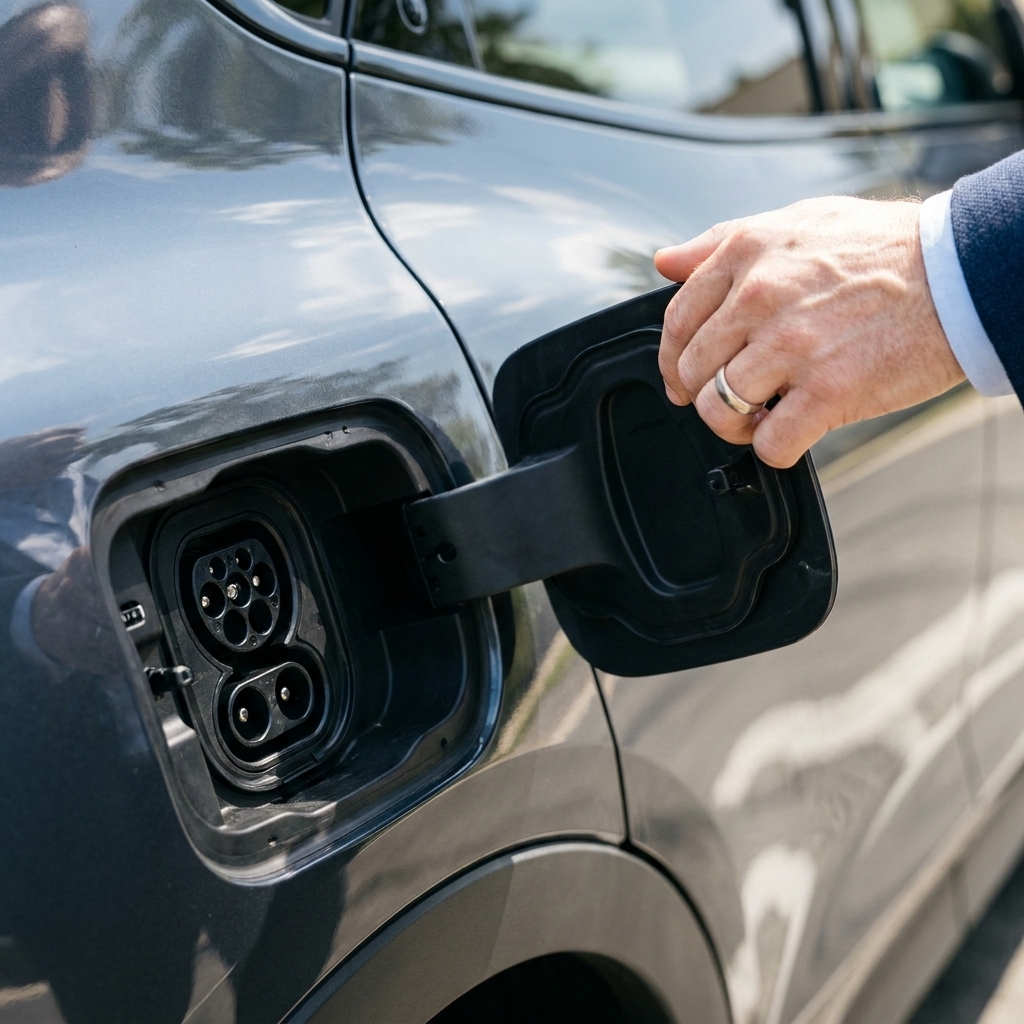
Your charging port and connector pins live in the real world: rain, dust, road salt, and the occasional coffee spill in the garage.
- Keep the charge port area clean and dry
- If you use public fast chargers, inspect the handle for damage before plugging in
- If the connector feels unusually hot during charging, stop and try a different station or cable
Myths
“You must drain it to 0% sometimes”
Nope. That was older nickel-based battery lore. Most EVs are happiest avoiding deep discharge. Your car’s battery management system handles calibration behind the scenes for normal use. (And if you have LFP, some manufacturers still want periodic 100% charging for calibration, so follow the guidance above and in your manual.)
“Fast charging ruins the battery”
Also nope. Frequent DC fast charging can increase wear, but it is not an instant death sentence. If you road trip often, focus on temperature and avoid sitting at very high state of charge in hot conditions.
“Charging to 100% is always bad”
Charging to 100% is fine when you need the range and you drive soon after. The bigger issue is time spent full, especially when it is warm. And if you have an LFP battery, your manufacturer may actually want you to hit 100% on a regular schedule for calibration.
A simple routine
If you want a set-it-and-forget-it plan, this is a solid starting point for most EV owners:
- Daily charge limit: 80% (or follow the LFP guidance in your manual)
- Plug in at home: whenever convenient, do not wait for very low
- Road trip plan: charge to 90 to 100% the morning you leave, then fast charge mostly in the 10 to 60% range (adjust based on your car’s charging curve)
- Hot day rule: avoid letting it sit full in direct sun
- Storage: park at 40 to 60%, leave plugged in if recommended by the manufacturer
- Monthly: check tire pressures and glance at your energy usage for unusual changes
FAQ
Is it better to charge every night or wait until low?
For most drivers, charging more frequently is fine, especially if you keep a daily limit like 70 to 80%. The goal is avoiding long periods at the extremes, not avoiding the plug.
Should I charge to 100% once a week?
It depends on your battery chemistry and what your manufacturer recommends. Many NMC/NCA-based EVs do not need it for battery health. Some LFP-based EVs do recommend a regular 100% charge for calibration, and the timing varies. Some say weekly, others say regularly, and some cars will prompt you on-screen. The owner’s manual wins here.
What’s worse: sitting at 100% or fast charging?
In many real-world cases, sitting at 100% in warm conditions is the bigger long-term stressor than occasional fast charging. Heat plus high state of charge is the combo to avoid.
Do I need a special charger to protect the battery?
No. A reputable Level 1 or Level 2 setup is great. The most important “feature” is being able to set a charge limit in the car or app. For home charging, make sure the circuit and outlet are in good shape and installed correctly for the load.
How long should an EV battery last?
Most modern EV packs are designed for many years of use, and most manufacturers back them with long battery warranties. Your real outcome depends on climate, mileage, and habits, but with sensible charging and temperature management, you are stacking the deck for a long service life.
Closing thought
Back in the shop days, the cars that lived the longest were not the ones that got obsessively tinkered with. They were the ones with a few good habits: consistent maintenance, avoiding extremes, and fixing small problems before they became expensive ones.
EV batteries are the same story in a new format. Keep it cool when you can, avoid camping at 100% (unless your LFP manual calls for regular 100% charging), and use fast charging like a tool instead of a lifestyle. Your battery will thank you, mile after mile.