If you grew up hearing that car batteries are “wear items,” it is tempting to lump an EV battery into the same mental bucket. Different animal. Your EV’s high-voltage pack is a carefully managed system with cooling, heating, sensors, and software whose whole job is to keep the cells in a happy place. Your job is simply to avoid the few habits that push it out of that comfort zone.
This guide focuses on what actually moves the needle for long-term battery health: charging behavior, temperature management, and software and settings. None of it requires a garage full of tools. It is mostly “set it once, drive normally.”
Battery lifespan basics (in plain English)
EV packs degrade for two main reasons:
- Calendar aging: The battery slowly changes over time, even if you do not drive much. High heat and sitting at very high charge levels make this worse.
- Cycle aging: Charging and discharging wears the battery. Deep swings from very low to very high state of charge, plus frequent high-power use, accelerate it.
Most modern EVs use lithium-ion chemistries managed by a battery management system (BMS). Most EVs also keep some buffer away from true empty and true full, but buffer size and behavior vary by brand and model. Your habits still matter because the ends of the displayed range are where stress tends to build fastest.
Think of your EV battery like an engine that hates redline. It can do it when needed. Living there every day is what causes the early wear.
The healthiest charging routine for daily driving
Use a daily charge limit
For many EVs with nickel-based packs (NMC, NCA), a good daily target is roughly 70 to 85 percent. Many, but not all, manufacturers recommend something around 80 percent as a default. Some models default higher (often 90 percent), and some guidance changes by chemistry and model year, so your owner’s manual and in-car prompts win.
- Set it and forget it: Use the car’s charge limit slider in the infotainment or app.
- Adjust for your life: If your commute is short, you can run a lower limit. If you have long days with lots of miles, bump it up.
Exception: Some EVs use LFP (lithium iron phosphate) cells. Many LFP packs benefit from a periodic charge to 100 percent for state-of-charge calibration, often weekly, but not always on a strict schedule. If your manual says “charge to 100 percent weekly” or “periodically,” follow that language.
Avoid sitting at 100 percent
Charging to 100 percent is not inherently “bad.” What is tough on the pack is staying there, especially in heat. If you need 100 percent for a trip, try to time charging so it finishes close to departure.
- Charging overnight? Set a scheduled departure or scheduled charging window so the car tops off near morning.
- At a public charger before a road trip? Consider stopping at 90 to 95 percent unless you truly need the extra miles.
Do not regularly run it down to very low
Repeatedly parking the car at very low state of charge can add stress and also leaves you less buffer if temperatures swing. In normal use, try to keep your day-to-day low point above 10 to 20 percent.
If you do arrive home nearly empty once in a while, no panic. Just plug in when you can.
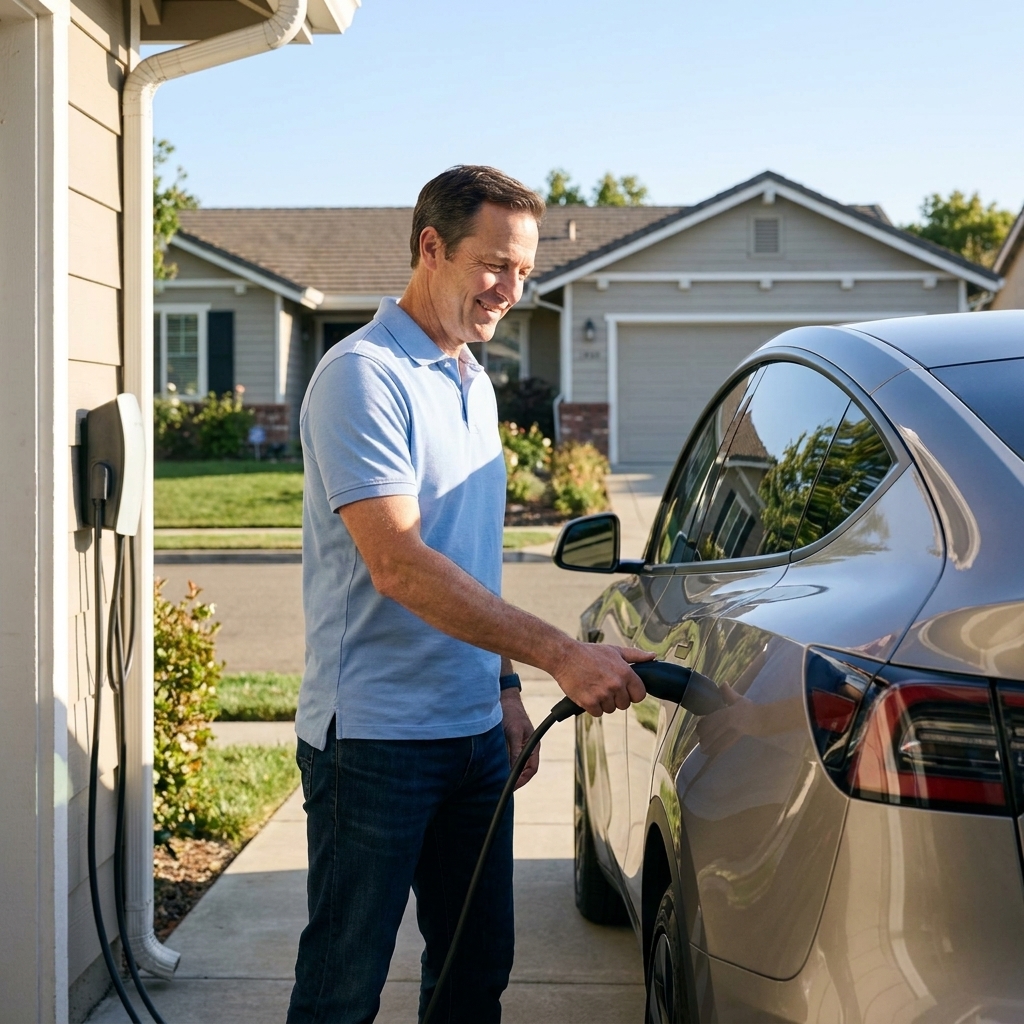
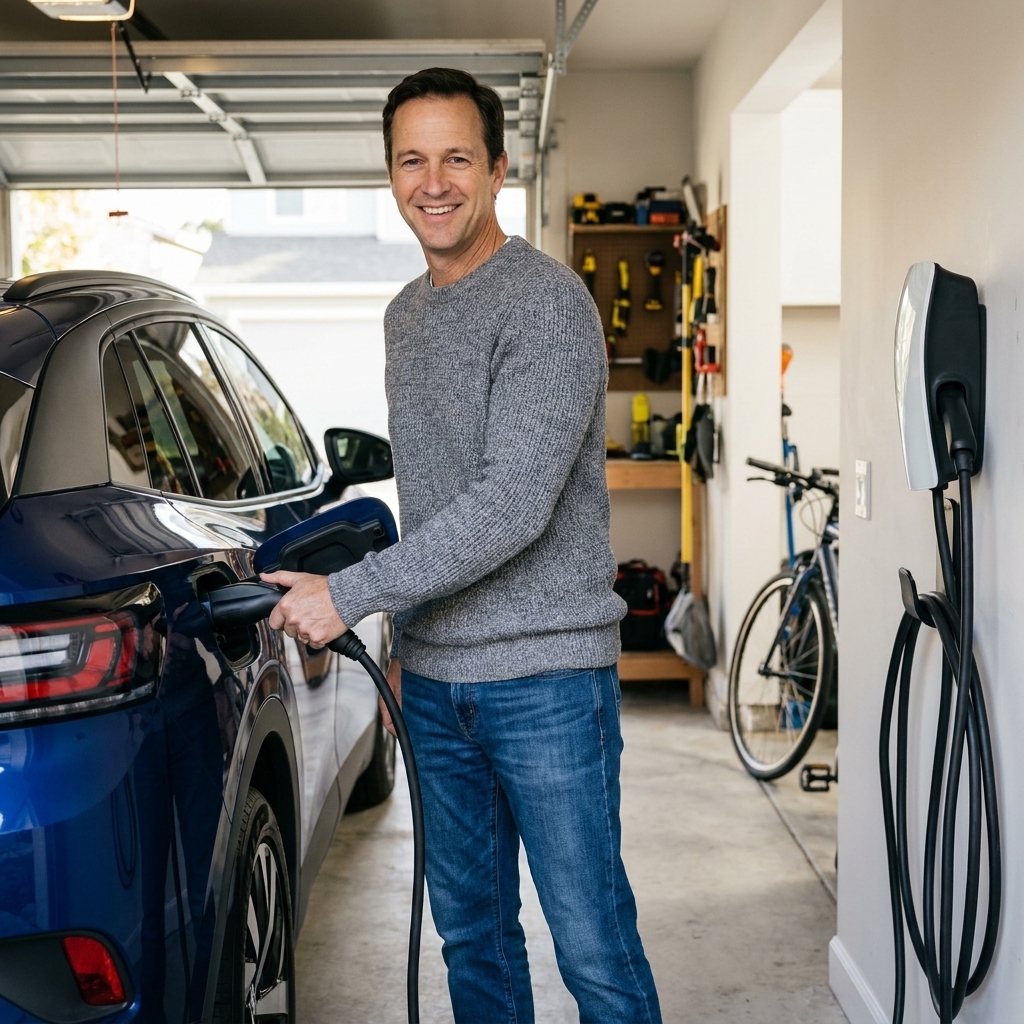
Level 2 at home is your best friend
Home Level 2 charging is typically gentler than frequent high-power fast charging because peak current is lower and the car has more time to manage heat. That said, the bigger win is not “AC good, DC bad.” The bigger win is avoiding repeated hot, high-current sessions and minimizing time parked at high state of charge.
Also: if your car supports it, it is generally fine to leave it plugged in at home with a sensible charge limit. The car will stop at the limit and manage itself. If your manufacturer says otherwise, follow the manual.
Fast charging without beating up the battery
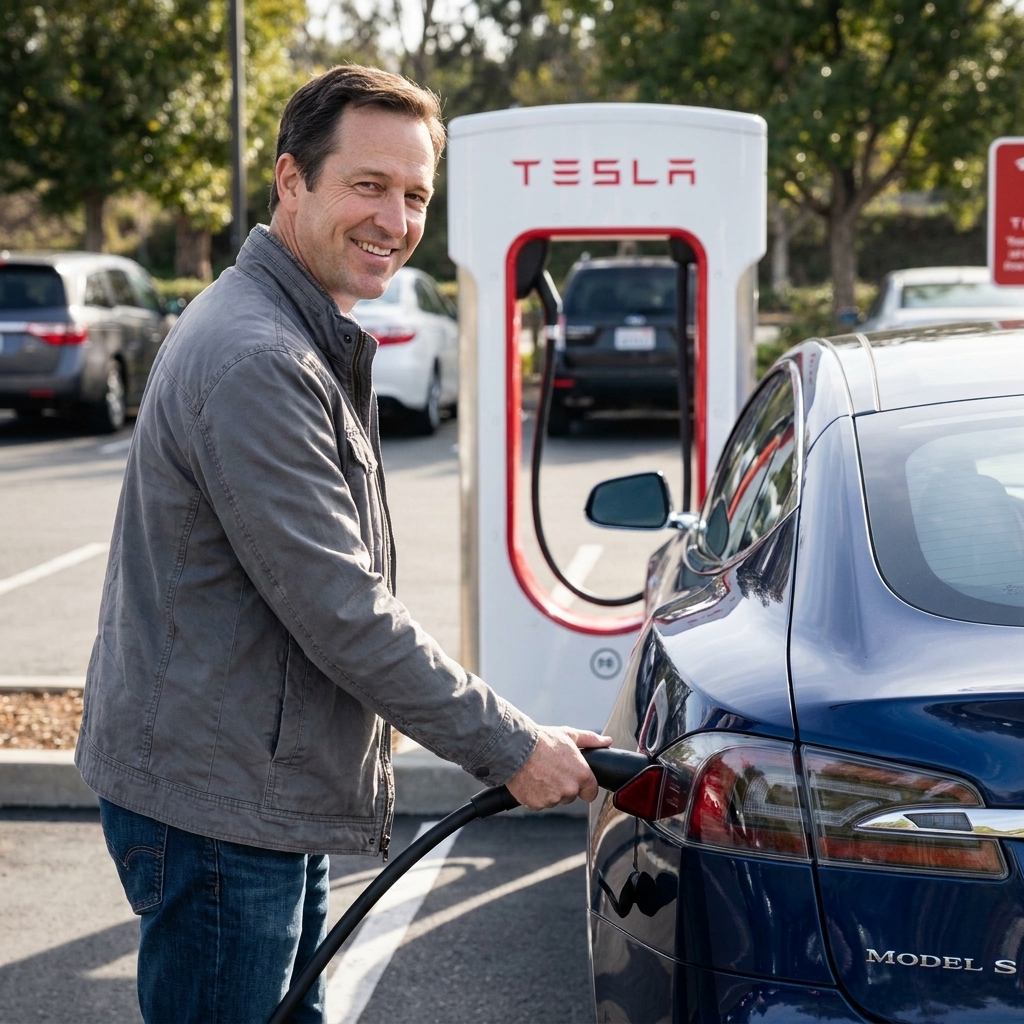
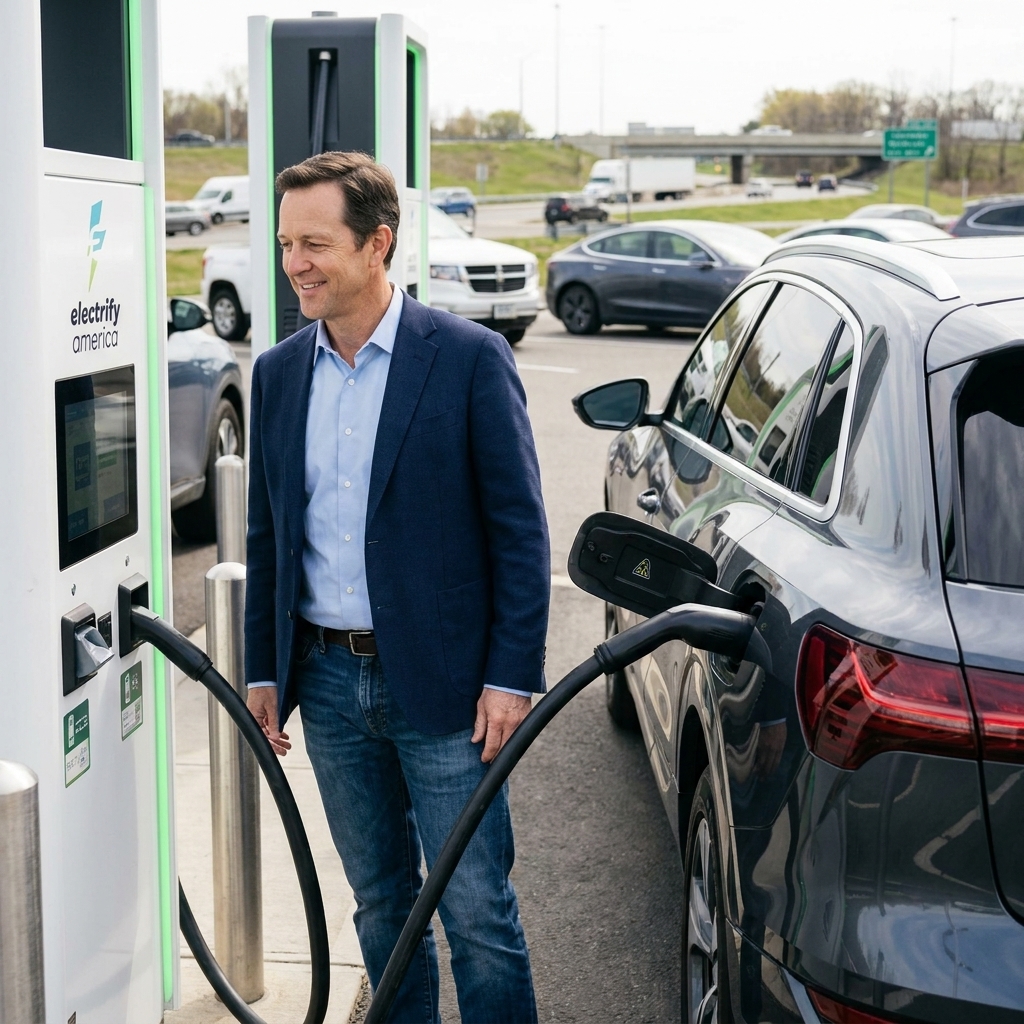
DC fast charging is a tool, not a villain. It is fantastic on road trips and perfectly fine occasionally. The wear comes from making it your everyday routine, especially in extreme temperatures and at high state of charge.
Arrive low, leave earlier
Fast chargers deliver the highest power when the battery is in a low-to-mid state of charge and within an optimal temperature range. Charging speed tapers as you approach higher percentages.
- For quicker stops and less time sitting at high charge, plan to arrive around 10 to 20 percent and leave around 60 to 80 percent for trip efficiency.
- Only push past 80 percent when you need it for the next leg.
Use preconditioning when available
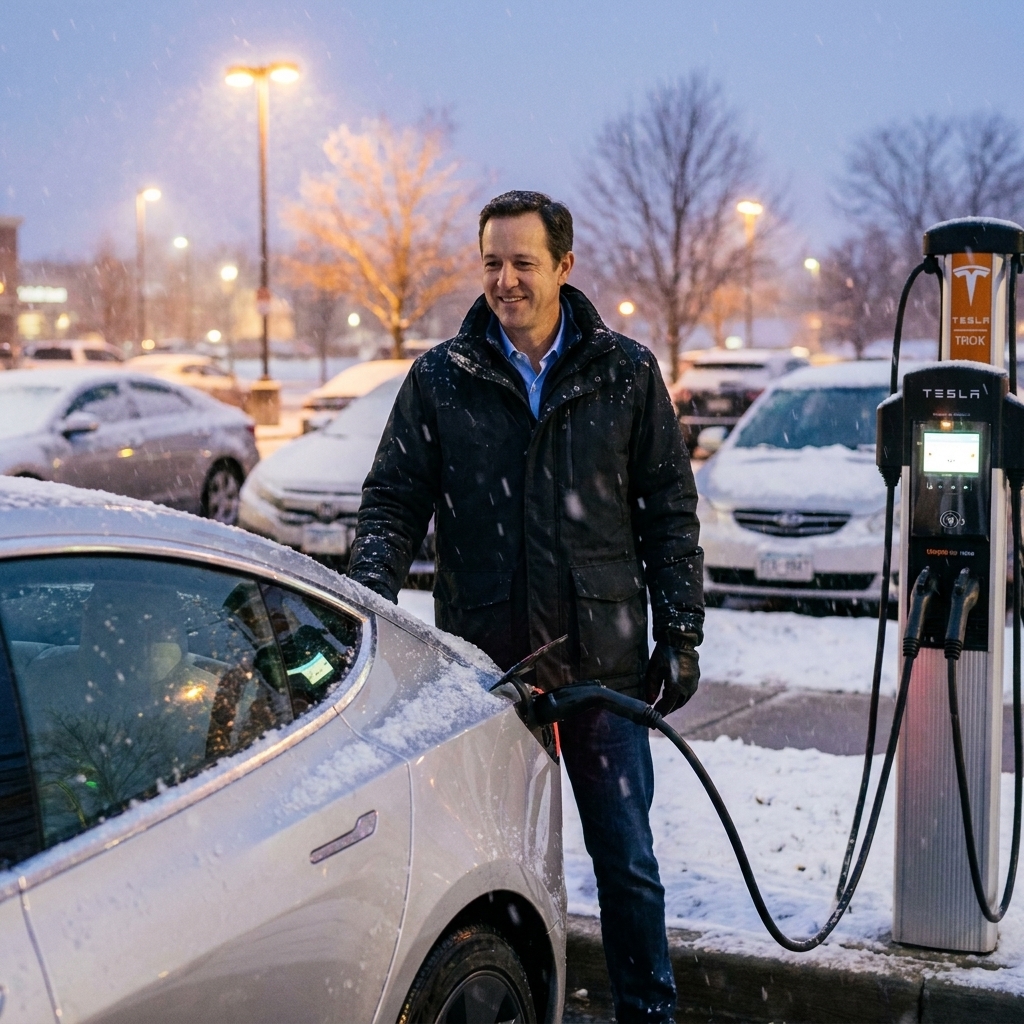
Many EVs can warm or cool the battery before you reach a DC fast charger. This matters because charging a cold-soaked battery is slower, and pushing high power into a cold pack can increase stress.
- Navigate to the fast charger using the car’s built-in navigation when possible. That is often what triggers preconditioning.
- In winter, give the car time to get the pack ready. You will usually see better charge rates and a happier battery.
Skip repeated back-to-back fast charges when you can
On long travel days you may have no choice, and the car will protect itself by tapering power if the pack gets hot. But as a habit, mixing in slower sessions (hotel Level 2 overnight, destination charging, home charging) reduces heat exposure.
Temperature management: the quiet key to long life
Heat is the big one. Cold mainly affects short-term range and charging speed, but heat accelerates permanent chemical changes inside the cells.
In hot weather
- Park in shade or a garage when possible. Cabin heat is annoying, but pack heat is what you are really protecting.
- Do not leave the car at a high charge level for days during a heat wave. If you are not driving much, lower your charge limit.
- Use scheduled departure so the car finishes charging closer to when you drive. Charging creates heat, and sitting at high charge in heat compounds stress.
In cold weather
- Preheat while plugged in. Let the wall power warm the cabin and, on many models, help bring the battery into a better operating range.
- Expect slower fast charging if the pack is cold. Preconditioning helps a lot.
- Do not panic about range drops. Cold-weather range loss is usually temporary and returns as temperatures rise.
Garage habits that actually help
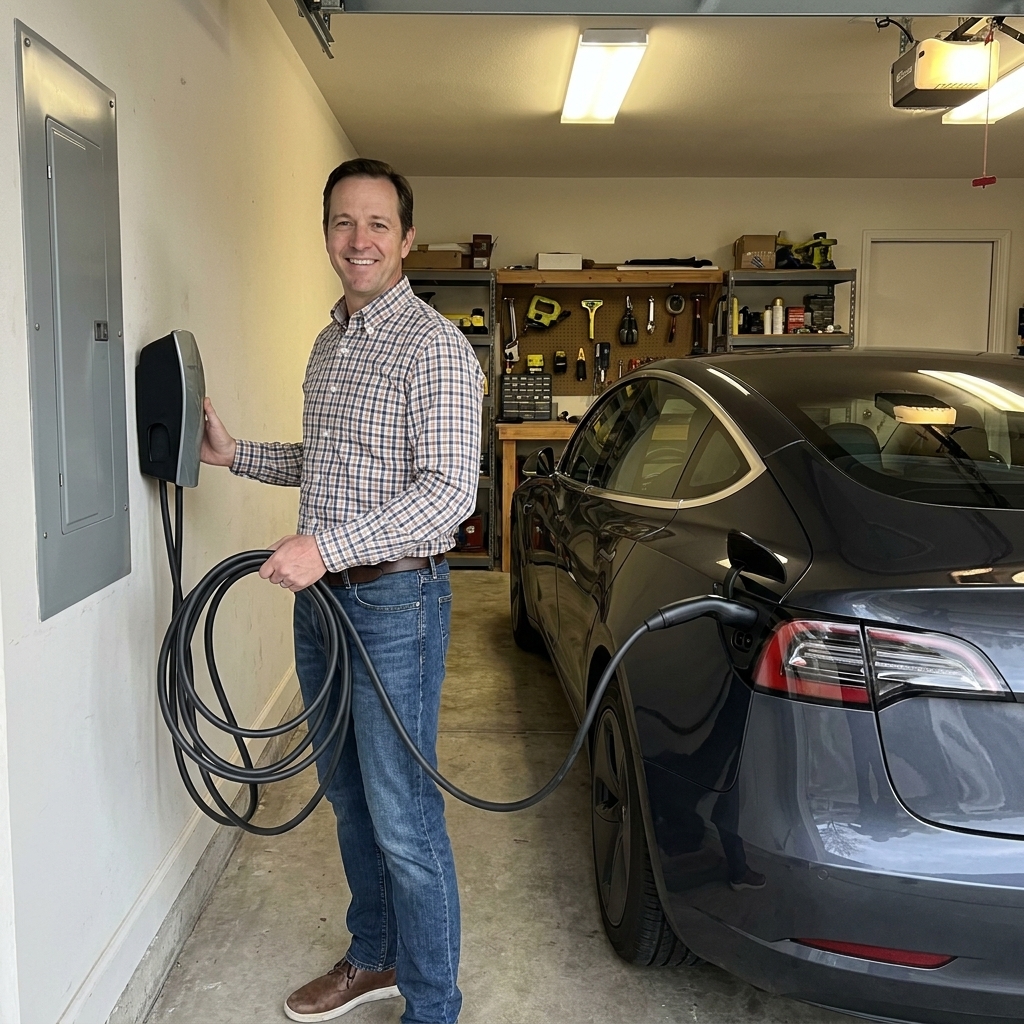
If you have a garage, use it. Even an unheated garage reduces temperature extremes. If you do not, think about the simplest win: avoid baking in direct sun at 90 to 100 percent charge.
Software updates and battery health settings
In the shop world, updates used to mean “the radio got a new bug.” In EVs, software can change charging behavior, thermal management, and even range calculations. Keeping your car updated is maintenance.
Install updates promptly (when practical)
- Thermal control tweaks can reduce heat exposure.
- Charging curve improvements can shorten fast-charge time at stressful high states of charge.
- BMS calibration improvements can make your displayed range and percent more accurate.
If an update notes anything about charging, battery conditioning, or energy management, take it seriously.
Know your car’s battery tools
Most EVs offer some combination of these:
- Charge limit slider for daily charging.
- Scheduled charging to take advantage of off-peak hours and finish near departure.
- Scheduled departure to warm or cool the cabin and sometimes the battery.
- Eco modes that reduce peak power demand. Not mandatory, but helpful if you drive aggressively.
Storage and low-mileage ownership
Not everyone drives daily. If your EV is a second car, a seasonal vehicle, or you travel often, storage habits matter.
Best state of charge for storage
For most lithium-ion EVs, aim to store the car around 40 to 60 percent.
- Avoid storing near 100 percent for long periods.
- Avoid storing near very low charge. If the car sits and slowly uses energy for monitoring systems, it can drop too far.
Keep it plugged in if the manufacturer recommends it
Some brands prefer the vehicle remain plugged in so the BMS can manage pack temperature and maintain a safe charge level. Others are fine unplugged for weeks if you start in that 40 to 60 percent window. Your owner’s manual wins here.
Do not ignore 12V battery health
Even though the traction battery is the star, most EVs still rely on a 12V battery to boot computers and close contactors. A weak 12V can cause weird issues that feel like “EV problems” but are really old-school battery problems. If your EV has a service mode report or warning history, check for 12V-related codes.
Driving habits that support battery longevity
You do not need to baby the car, but you can reduce heat and stress with a few habits:
- Smooth acceleration most of the time: Big power draws create heat. Enjoy the torque, just do not live at full throttle.
- Use regen normally: Regenerative braking is efficient and the car manages it within safe limits. From a battery-health standpoint, regen is usually not a major degradation driver compared with heat, high state of charge, and frequent fast charging. Drive predictably and let the system work.
- Do not tow beyond spec: Towing pushes sustained high power and heat. If you tow, reduce speed and plan charging more conservatively.
- Keep tires properly inflated: Underinflation increases rolling resistance, which makes the battery work harder for the same miles.
What not to worry about
- Topping up often: Small, frequent charges are fine. You do not need to run the battery down first.
- Charging to 100 percent right before leaving: That is a smart use of 100 percent because it minimizes time spent full.
- Occasional fast charging: Road trips happen. Use DC fast charging when it makes sense and do not lose sleep over it.
Quick checklist: the “set it once” battery plan
- Set daily charge limit to 80 percent as a common starting point (unless your manual says otherwise).
- Use scheduled charging so it finishes close to when you drive.
- Keep daily use between about 20 to 80 percent when feasible.
- Fast charge mainly for trips, and often stop at 60 to 80 percent.
- Precondition before DC fast charging, especially in winter.
- Park out of extreme heat when possible, and avoid sitting at high charge in hot weather.
- Install software updates that affect charging or energy management.
- For long storage, aim for 40 to 60 percent.
FAQ
Is charging to 100 percent bad for my EV?
Charging to 100 percent occasionally is fine. The bigger issue is leaving the battery sitting at 100 percent for long periods, especially in warm conditions. For daily driving, use a lower limit and save 100 percent for when you need the range.
Is DC fast charging ruining my battery?
Not by itself. Frequent fast charging can increase heat and time spent at higher states of charge, which can speed up degradation. Use fast charging as needed, and rely on Level 2 for day-to-day charging when you can.
Should I charge every day or wait until it is low?
For most EVs, smaller top-ups are fine. The best routine is the one that keeps you mostly in the middle of the battery range and avoids extremes. Plugging in at home and charging to a sensible limit is a simple, battery-friendly habit.
Is it okay to leave my EV plugged in?
Usually, yes, especially at home with a charge limit set. Many EVs are designed to be plugged in so the car can manage charging and, in some cases, battery temperature. If your manufacturer recommends a different approach, follow the manual.
What matters more, mileage or age?
Both. Calendar aging means batteries change over time, and cycle aging adds wear with use. Heat and high state of charge tend to amplify calendar aging, which is why temperature and charge limits matter even for low-mileage drivers.
How will I know if my battery is degrading?
The most common sign is reduced real-world range in similar conditions. Many EVs also show battery health data in service menus or via manufacturer diagnostics. Keep expectations realistic: some gradual loss over years is normal. Also, your displayed range can change due to temperature, driving conditions, and BMS calibration, so do not judge health from one weird week.
What does the battery warranty usually cover?
Most EVs include a long battery warranty (often around 8 years, with mileage and minimum capacity retention terms varying by manufacturer and market). Check your warranty booklet for the exact numbers and what counts as a covered capacity loss.
When to get it checked
EV batteries are well protected, but you should still involve a pro or your dealer if you notice:
- Sudden, large range loss that is not explained by temperature or tires
- Charging that is dramatically slower than usual at the same chargers
- Repeated thermal warnings or reduced power messages
- Any warning light or message related to the high-voltage system
Most of the time, the fix is software, a sensor, or a cooling system issue, not “your battery is toast.” Catching those early is how you protect the expensive stuff.