EVs are brutally honest about tires. Swap to a stickier, noisier set and you might not notice much on a gas car, but an EV will show you the “tax” immediately in range and cabin sound. The good news is that the opposite is also true. A smart low-rolling resistance (LRR) tire choice can claw back efficiency without turning your car into a numb, hard-riding appliance.
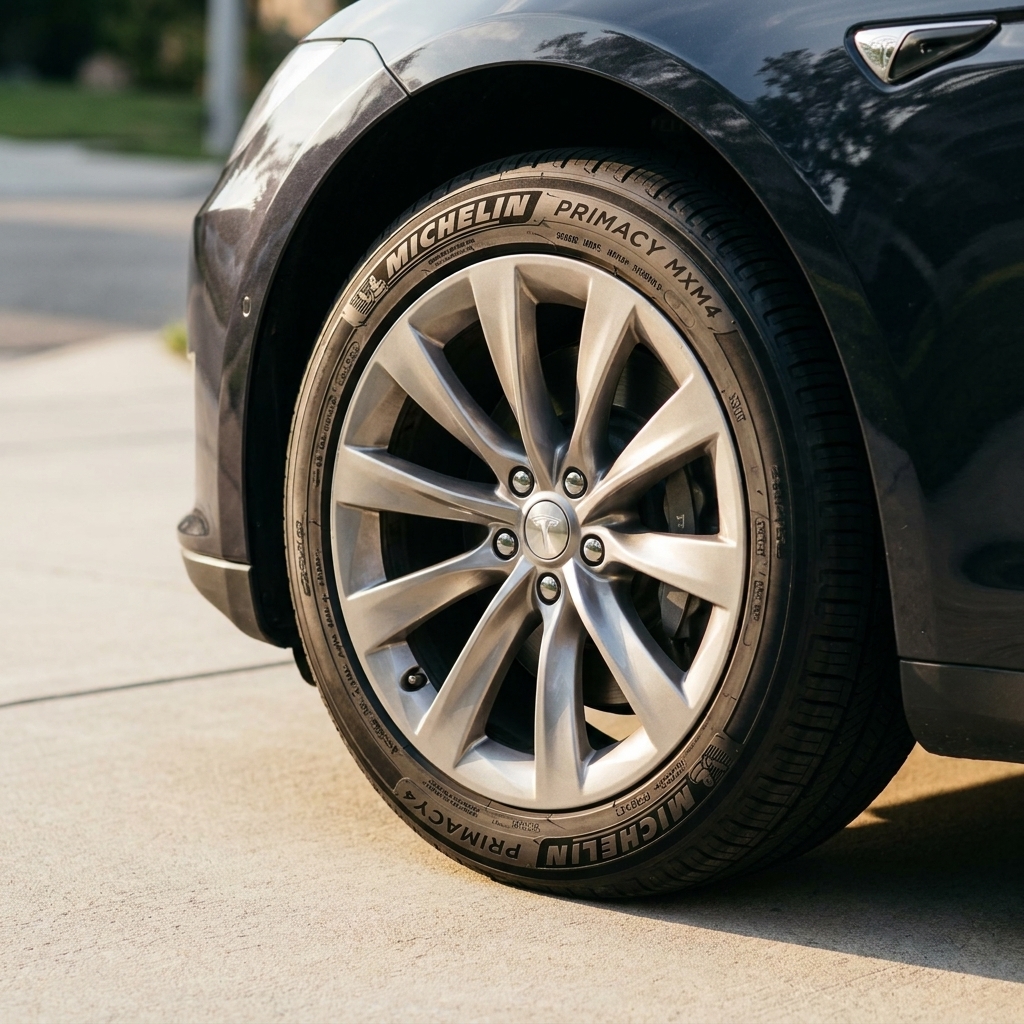
Below are five EV-friendly LRR tires that are commonly found across many sizes and markets and have a strong track record on real-world EVs. Availability still depends on your exact size and region, so treat this list as a shortlist to cross-check, not a promise that every model exists in every fitment.
How LRR tires help range
Rolling resistance is the energy your car spends just to keep the tire rolling down the road. Think of it like pushing a shopping cart with a slightly stuck wheel. You can still move, but you burn more effort doing it.
EV-focused and EV-friendly LRR tires reduce that “stuck wheel” feeling with tread compounds and internal construction designed to waste less energy as the tire flexes. In normal driving, that often means:
- More miles per kWh, especially at steady speeds
- Less road noise, because many modern tires use noise-mitigation tricks like pitch sequencing, and some EV-targeted SKUs add acoustic foam or tuned carcass designs
- Better wear control under high torque, if the tire is built for EV loads
Reality check: you do not get something for nothing. The most efficiency-focused tires can give up a bit of ultimate grip compared to a max-performance summer tire. The goal is picking the right balance for your climate and driving style.
Top 5 LRR tires for EVs
1) Michelin e.Primacy
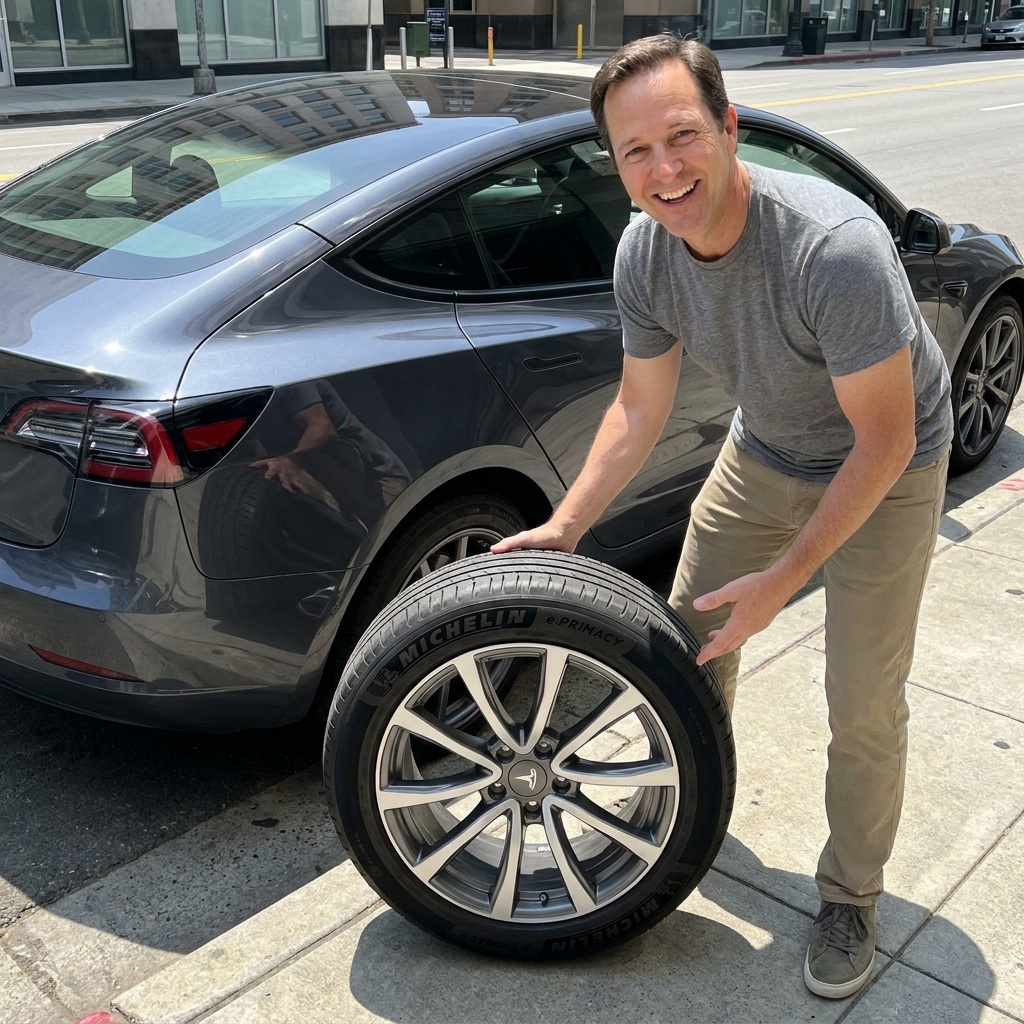
Why it makes the list: If your number one goal is efficiency, the e.Primacy is one of the most purpose-built “range tires” out there. It is engineered to reduce energy loss while staying civil in wet conditions and everyday braking.
- Best for: Commuters chasing maximum range and low noise
- Driving feel: Smooth, stable, and predictable rather than sporty
- Watch-outs: Availability varies by size and market, and it is not aimed at aggressive spirited driving
Ben’s shop-floor note: If your EV spends most of its life on highways or consistent-speed commuting, this is the type of tire that can make your efficiency (mi/kWh) look better without you changing anything else.
2) Continental EcoContact (EcoContact family)
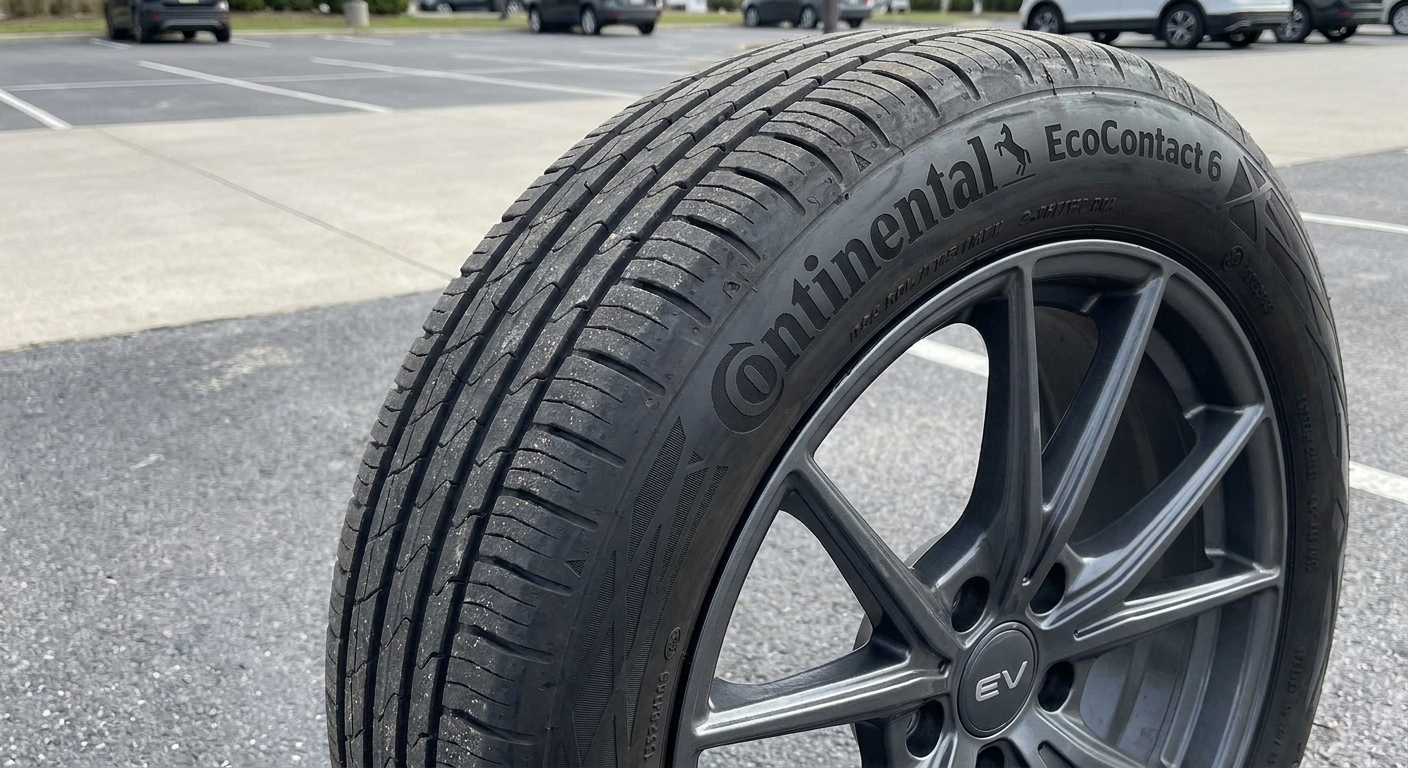
Why it makes the list: Continental’s EcoContact line has long been a quiet, low-drag option on many European vehicles, including EVs. It is built around efficiency and low noise, with a tread pattern and construction tuned to reduce rolling losses.
- Best for: Drivers who want a refined, quiet highway tire with a strong efficiency bias
- Driving feel: Light steering response, calm at speed
- Watch-outs: EcoContact availability can be limited in some North American sizes, and grip-first drivers may want a more performance-leaning option in very hot climates
Ben’s shop-floor note: If you have ever wondered why certain OEM EV tires feel “effortless” at speed, EcoContact-type designs are a big reason.
3) Bridgestone Turanza EV
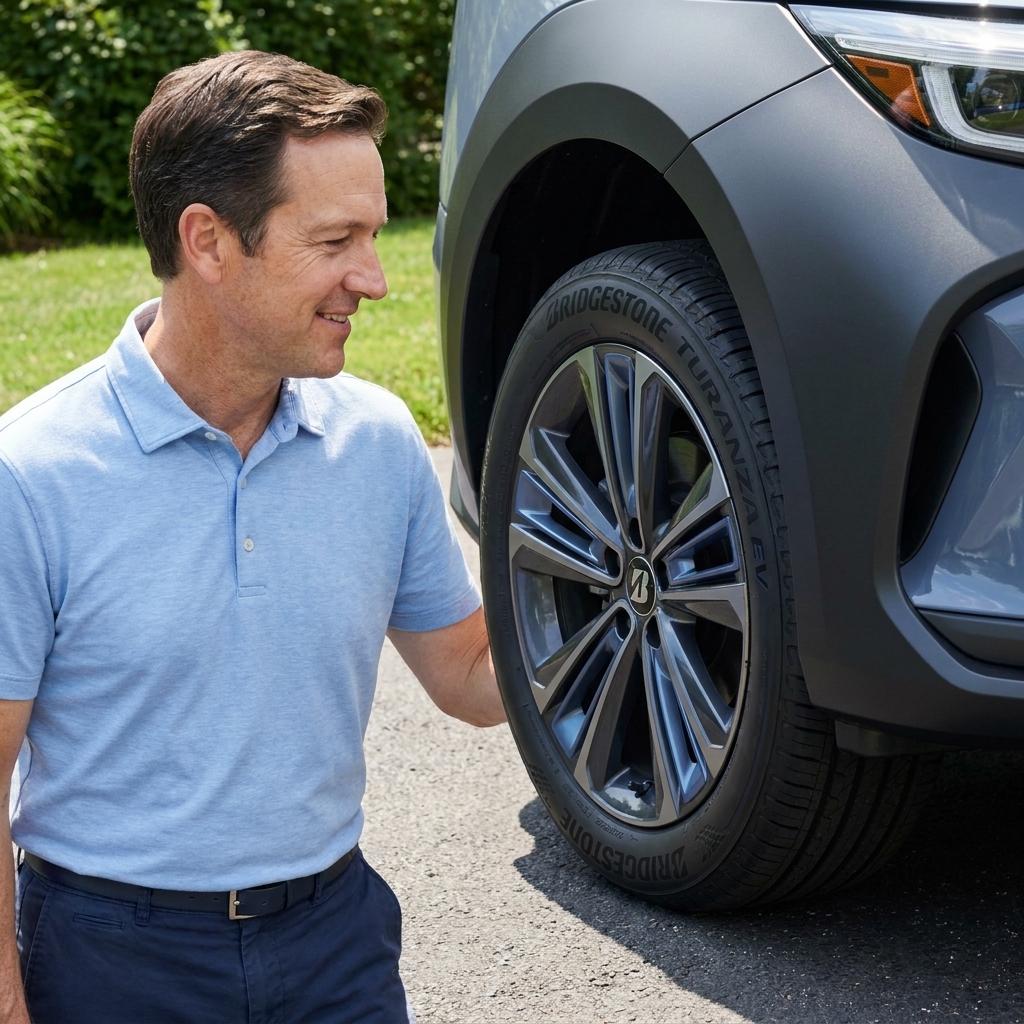
Why it makes the list: This one is built specifically around EV priorities: range, cabin quiet, and ride comfort. Bridgestone positions it as a touring tire that does not punish efficiency to achieve a smooth, premium feel.
- Best for: Daily-driven EV sedans and crossovers where noise and ride matter most
- Driving feel: Comfort-forward, stable, reassuring in rain
- Watch-outs: Naming and availability vary by region. Confirm you are buying the exact “Turanza EV” spec offered in your market, not a similarly named Turanza variant
Ben’s shop-floor note: EV owners who are sensitive to road roar tend to be happiest with touring-style EV tires like this, especially on rougher pavement.
4) Pirelli P Zero All Season Elect (Elect-marked)
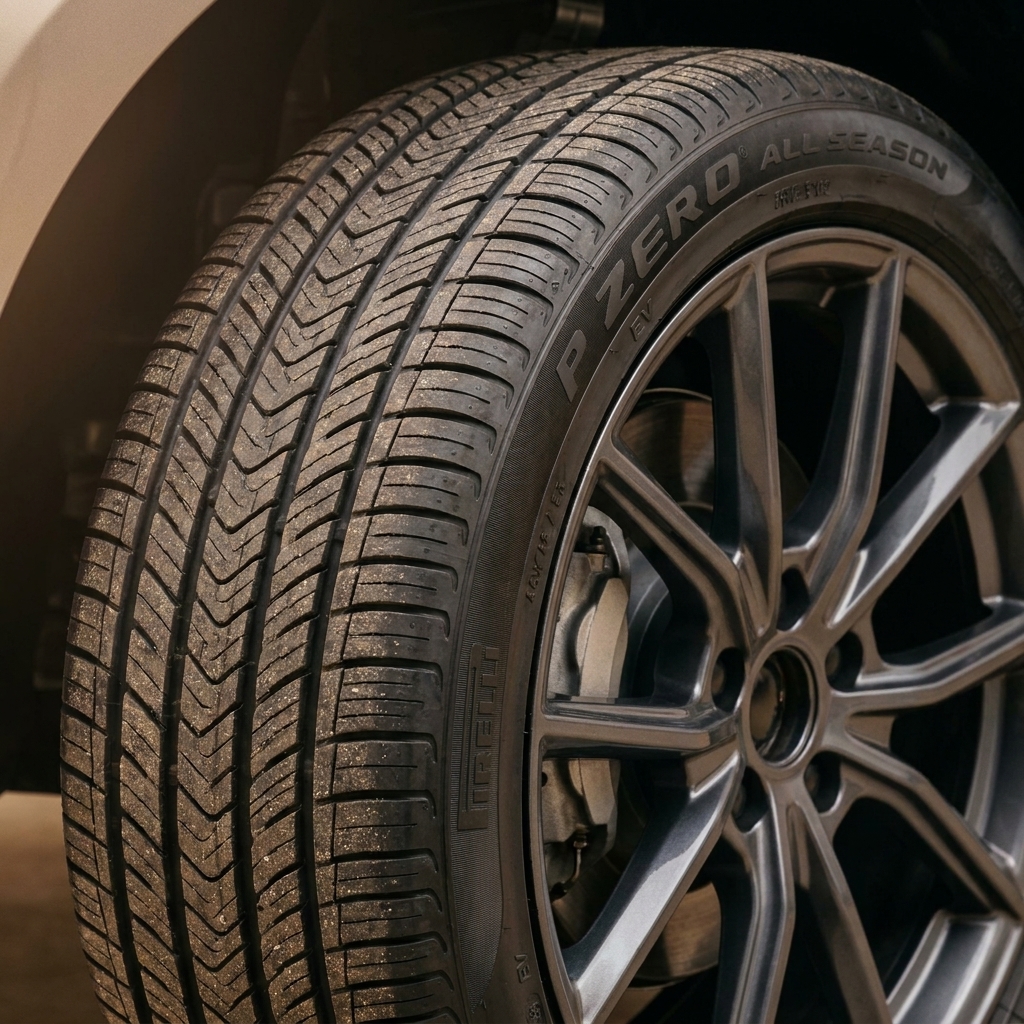
Why it makes the list: Not everyone wants a soft, efficiency-first tire. Pirelli’s Elect-marked tires are designed for EV loads and torque, and the P Zero All Season Elect aims to keep a sportier personality while still respecting range.
- Best for: Quick EVs where you still care about steering response and cornering confidence
- Driving feel: More direct and “planted” than many pure LRR touring tires
- Watch-outs: You may give up a little range versus the most efficiency-obsessed options, depending on size and compound
Ben’s shop-floor note: If you are driving something like a performance-trim EV and you are tired of traction control stepping in early, a sportier EV-rated tire can be a sanity saver.
5) Michelin Primacy MXM4 (common OEM-style choice)
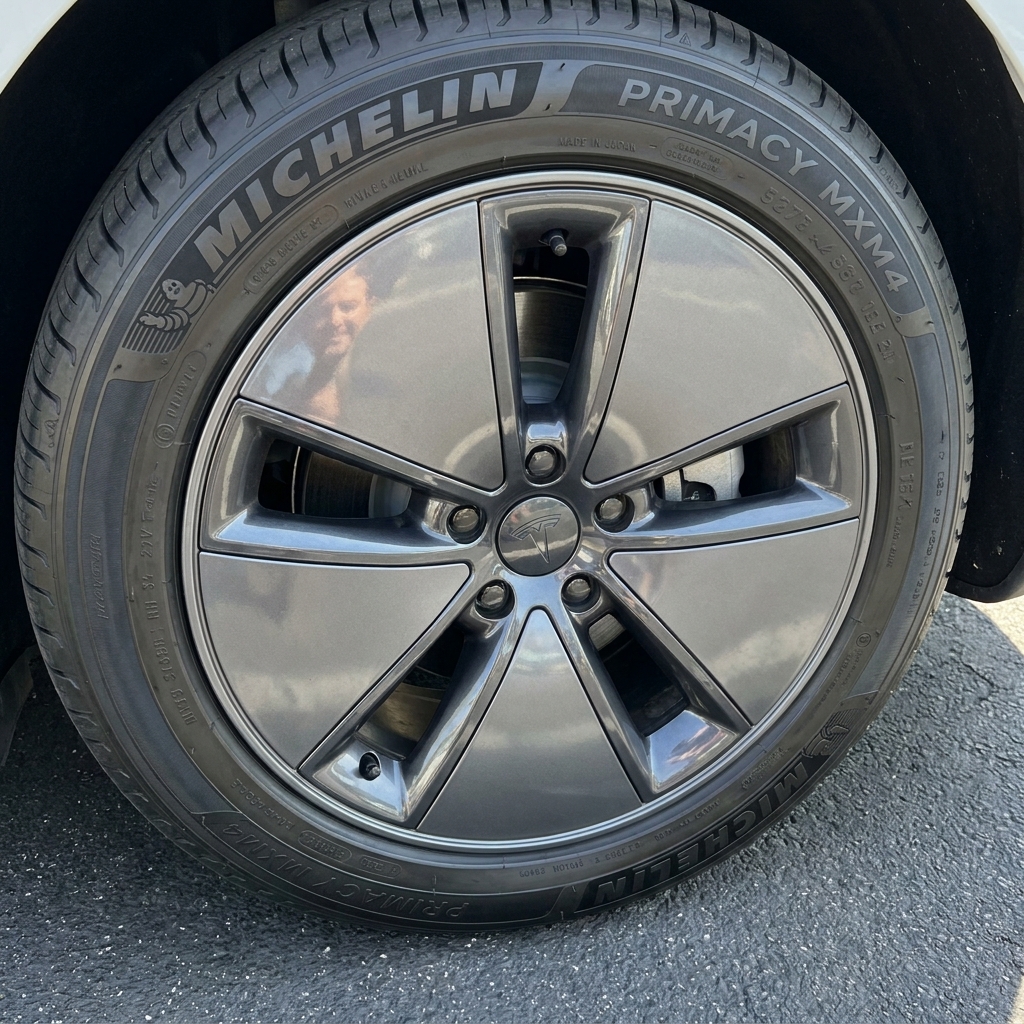
Why it makes the list: The Primacy MXM4 is a familiar name because it shows up as OEM equipment on some efficiency-minded vehicles, including certain EV fitments (notably in some Tesla sizes). It is a balanced touring tire that tends to play nicely with range while keeping manners smooth and quiet.
- Best for: Owners who want an “OEM-like” feel and predictable efficiency
- Driving feel: Neutral, comfortable, composed on the highway
- Watch-outs: Results depend heavily on the exact size and spec. Some OEM variants are tuned for specific automakers
Ben’s shop-floor note: If you liked how your EV drove and sounded when it was new, staying in this lane of touring LRR tires is usually the safest bet.
What to check before buying
Two tires can both claim “eco” benefits and still behave completely differently on an EV. Here is how I’d vet a tire choice in the bay and on the test drive.
- Match the exact size and spec: Stick to your OEM size unless you know what you are doing. Also know that the same tire name can come in different internal specs, and those can change noise, ride, and efficiency.
- Correct load index and speed rating: EVs are heavy. Do not down-rate load just to chase a deal. If your door placard calls for XL (extra load), stick with XL.
- OEM markings (when applicable): If your car originally came with an OEM-marked tire (for example, Tesla “T0” or similar automaker-specific marks), decide whether you want to match that spec. Sometimes it helps preserve the exact factory ride and noise balance.
- EV marking or EV-focused design cues: Look for EV-specific lines (like “EV” in the model name) or manufacturer programs (like Pirelli Elect) that indicate the tire is built for EV torque and weight.
- Noise features: Some tires use acoustic foam or tuned internal designs. Foam is not mandatory, but noise engineering matters in an EV because you do not have engine sound masking it.
- Season and climate: The best range tire in July can be a liability in January. If you see real snow or frequent freezing temps, plan for a winter tire setup .
- Treadwear and warranty: EV torque can accelerate wear if you like hard launches. A solid mileage warranty and a reputation for even wear are worth paying for.
- Safety tradeoffs: An efficiency-leaning tire can give up some dry grip and braking performance versus a grippier performance tire. Make sure the tire fits your driving and your roads, not just your range target.
Range gains: what is realistic
It depends on what you are replacing. If you are coming from a sticky performance tire with higher rolling resistance, switching to an LRR-focused touring tire can often net a few percent in efficiency, and in best-case swaps it can be around 5 to 10 percent. If you are replacing an OEM LRR touring tire with another similar LRR touring tire, expect smaller changes.
Also remember that tire pressure, alignment, and driving speed can dwarf the difference between two decent LRR touring tires. A slightly underinflated tire or a toe setting that is out of spec can quietly burn range every single mile.
My rule of thumb: if range is your priority, pick a true touring LRR tire, keep pressures where the door placard says, and get an alignment check when you install new rubber.
Quick tips for range and quiet
- Inflate to the door placard cold pressure: Not the sidewall max. Check monthly, more often with big temperature swings.
- Do a fresh alignment with new tires: Especially if the old set wore unevenly.
- Rotate on schedule: EVs can be hard on the driven axle, which is often the rear on many RWD and AWD models. FWD EVs may wear the fronts faster.
- Keep wheels clean and balanced: A tire that is slightly out of balance can “sing” and feel harsh, which people often blame on the tire model itself.
- Consider smaller wheels (when safe and approved): More sidewall can improve comfort and sometimes efficiency, but always confirm load rating and brake clearance. Wheel weight and aero details can matter, too.
FAQ
Are LRR tires safe in the rain?
Yes, as long as you buy a quality tire from a reputable brand and keep tread depth and pressure in check. LRR does not automatically mean “bad in the wet,” but ultra-efficiency-focused tires may not match a dedicated performance tire in hard cornering or braking.
Do EV tires wear out faster?
They can. EVs are heavier, and the instant torque can scrub tread if you accelerate hard. The fix is not magical. Choose an EV-rated tire with the proper load index, keep alignment correct, rotate regularly, and ease up on the drag-race launches if you want maximum life.
Should I buy acoustic foam tires?
If cabin quiet is high on your list, foam-equipped tires can help on certain road surfaces. They are not a cure-all, and some non-foam tires are still very quiet thanks to tread design. Consider it a nice bonus, not a requirement.
Will wider tires reduce my EV range?
Often, yes. Wider tires typically increase aerodynamic drag and, all else equal, can raise rolling resistance. They are usually heavier, too. Compound and construction can outweigh width in some cases, so if you must go wider, pick a tire that is still designed with efficiency in mind.
Bottom line
If you want more EV range without changing how you drive, tires are one of the few upgrades that can deliver measurable gains while also making the car nicer to live with day to day. Pick a tire that matches your climate and priorities, make sure the load rating and spec are correct, and treat the install like a reset: alignment, proper pressure, and rotations on time.
Do that, and your EV will feel smoother, quieter, and just a little more eager to stretch the battery on every trip.