If you’ve topped off your tires and that tire pressure light (TPMS) is still staring you down, you’re not alone. In most cases, it’s not because you “did it wrong,” it’s because TPMS systems can be picky about exact pressure, temperature, and even how far you’ve driven since filling.
Below are the most common reasons the light stays on, what’s normal, and a simple checklist you can run in your driveway before you book a shop visit.
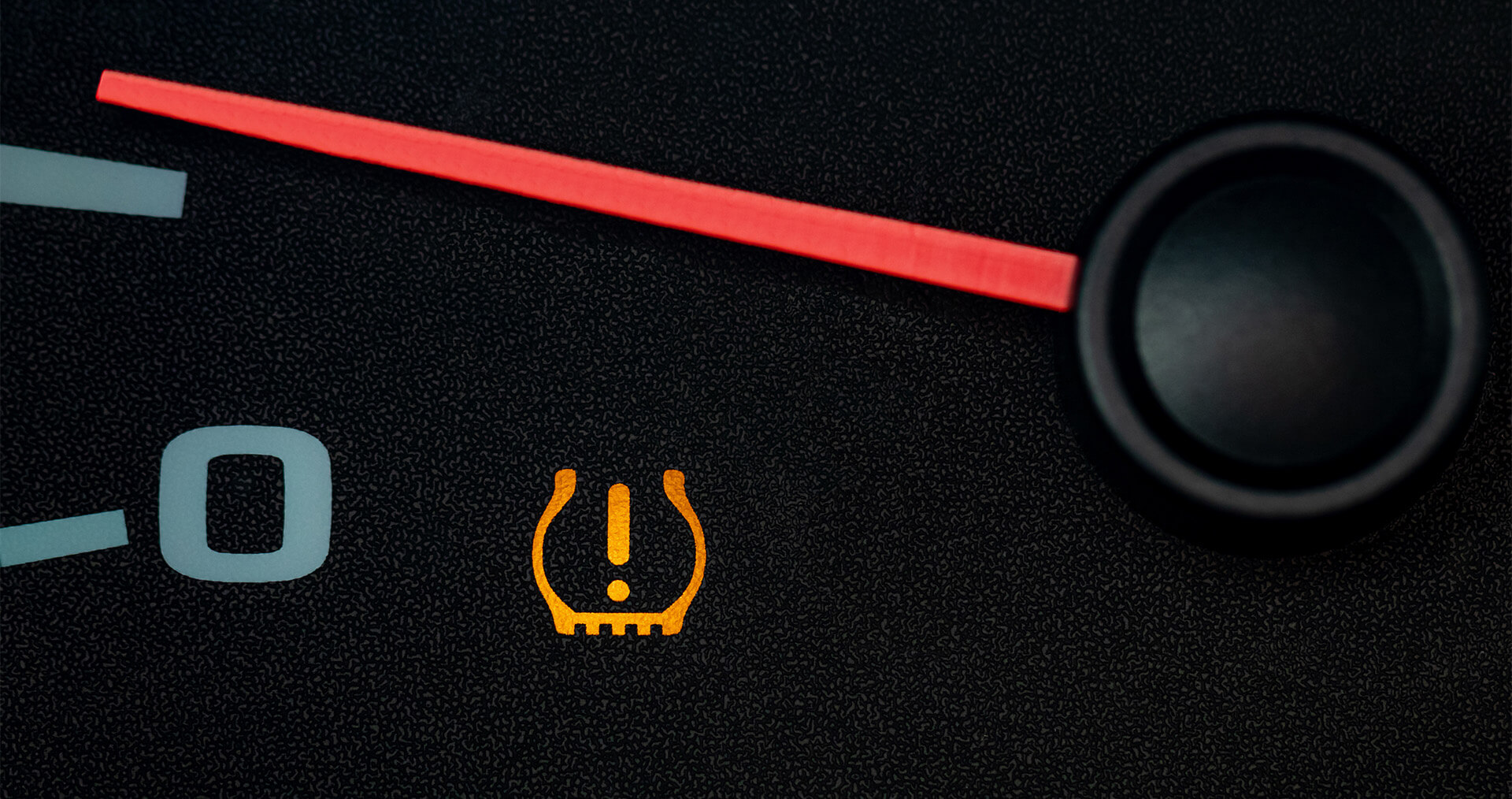
One quick note: on many cars a solid TPMS light usually points to low pressure, while a light that flashes at startup and then stays on often points to a system fault (sensor/relearn issue).
Also, make sure you’re looking at the right icon. The TPMS symbol looks like a horseshoe-shaped tire with an exclamation point. ABS and traction control lights are different warnings.
First: fill to the correct pressure
The most common TPMS comeback I saw at the shop was simple: the tires were inflated to the number on the tire sidewall, not the number the vehicle calls for.
Use the door jamb sticker
Your target pressure is on the placard sticker in the driver’s door jamb (sometimes inside the fuel door). That number is set for your vehicle’s weight, suspension, and handling balance.
The number on the tire sidewall is a maximum pressure rating for that tire, not the recommended setting for your car.
Cold pressure matters
TPMS is based on “cold” tire pressure, meaning the car has been parked for a few hours (ideally overnight). If you check right after driving, heat builds pressure and can fool you into underinflating later.
If your display shows kPa or bar instead of PSI, that’s normal too. Use the same unit your door placard uses, or convert so you’re comparing apples to apples.
Why the TPMS light stays on
1) One tire is still low
Many systems trigger the warning when a tire drops roughly 25% below spec (thresholds vary by vehicle and market). If your placard says 36 PSI and you brought three tires to 36 but one is at 33 or 34, the light may stay on. TPMS is not impressed by “close enough.”
2) Temperature dropped overnight
Tire pressure naturally falls as ambient temperature falls. A good rule of thumb is about 1 PSI change for every 10°F shift (it’s an estimate). So you can fill tires in a warm afternoon, wake up to a chilly morning, and suddenly your “fixed” problem is back.
3) The system needs drive time
On many vehicles, the TPMS control module doesn’t fully update until you drive a bit. Often it takes 5 to 20 minutes of driving, and some cars need you to hold a steady speed (commonly above neighborhood speeds) before the warning clears.
4) The spare is low (if monitored)
Some vehicles monitor the spare tire too, especially if it’s a full-size spare with a sensor, but many do not. If your car monitors the spare and it’s low, your dash can still show a TPMS warning even though the four road tires are perfect. If you’re not sure, check your owner’s manual.
5) Indirect TPMS needs a reset
Not all TPMS systems use pressure sensors in each wheel. Some vehicles use the ABS wheel speed sensors to infer a low tire by changes in rolling circumference (called indirect TPMS). After you adjust pressures or rotate tires, many of these systems need you to run a reset procedure so the car can relearn what “normal” looks like.
6) A sensor is failing
Direct TPMS systems use a sensor inside each wheel, often attached to the valve stem (but some designs are band-mounted). Those sensors have sealed batteries that typically last around 5 to 10 years, depending on use and climate. When one starts failing, the system may keep the light on even if pressures are correct.
7) You have a slow leak
Nails, screws, valve stem leaks, bead leaks, and cracked wheels can all cause slow pressure loss. If you filled it yesterday and it’s low again today, that’s your clue. And if a tire is very low or keeps needing air, it should be inspected for damage and repaired properly, not just topped off.
Checklist to clear the light
Here’s the same process I’d walk a customer through before we got into scan tools and sensor diagnostics.
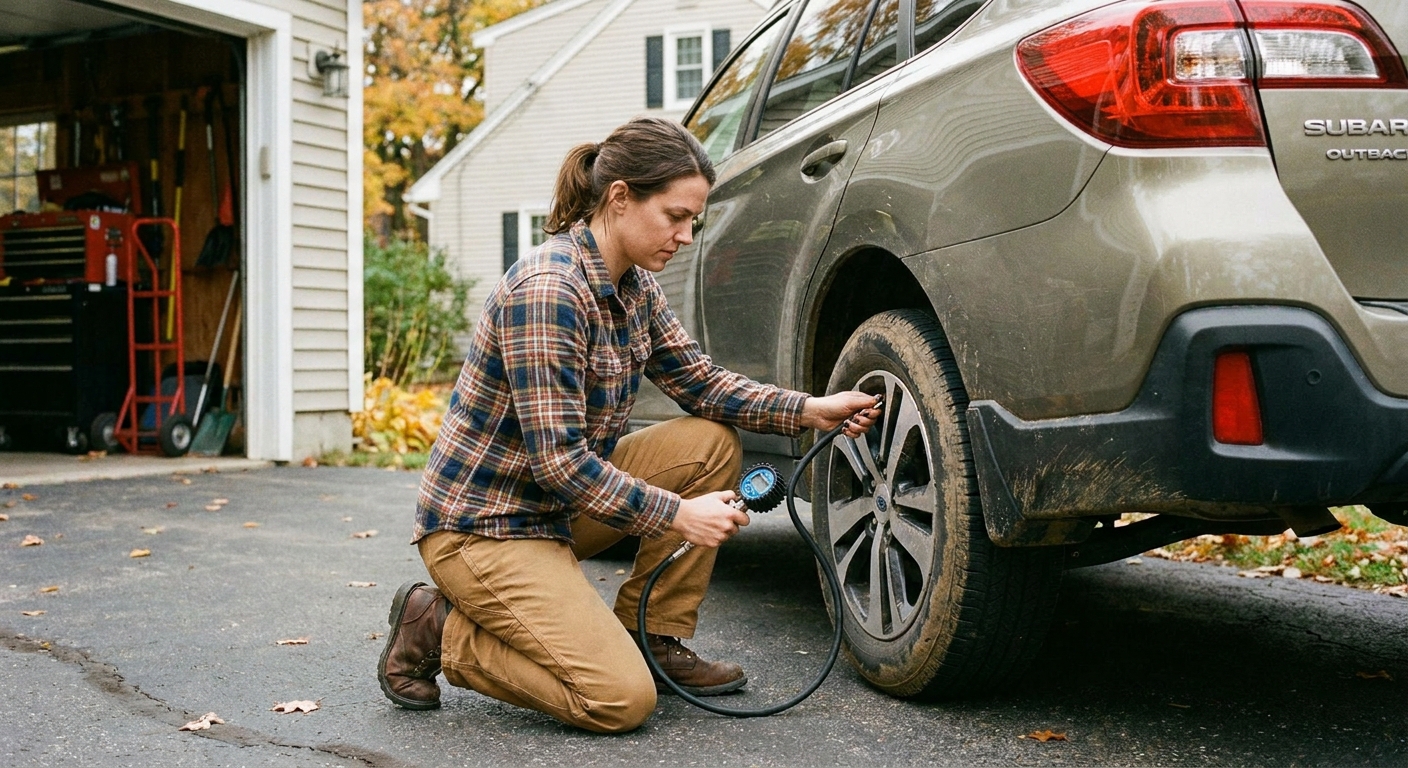
- Step 1: Let the tires cool. If you’ve been driving, wait at least 2 to 3 hours (overnight is best) for accurate cold readings.
- Step 2: Check the door placard. Write down the recommended PSI for front and rear (they’re often different).
- Step 3: Use a good gauge and check all tires. Don’t rely solely on a gas station gauge. Check all four road tires and the spare if accessible.
- Step 4: Set pressures to spec. If you’re unsure about gauge accuracy, setting them 1 to 2 PSI above spec can help, then recheck the next cold morning and fine-tune. Do not exceed safe limits, and don’t inflate to the tire sidewall max just to chase the light.
- Step 5: Drive the car. Take a 10 to 20 minute drive. Some vehicles need a steady speed before the system updates.
- Step 6: Run a reset if your car has one. Common locations are under the dash, in the glove box, or inside the vehicle settings menu. Follow the on-screen prompts if equipped (especially for indirect TPMS).
- Step 7: Watch for patterns. If it comes and goes with cold mornings, think temperature or a slow leak. If it stays on constantly or flashes at startup, think sensor/system fault.
Signs it’s a sensor issue
TPMS warnings don’t all behave the same. These clues help you decide whether you should keep troubleshooting at home or move to diagnostics.
Light flashes, then stays on
On many vehicles, a flashing TPMS light for 30 to 90 seconds at startup that then turns solid points to a system fault. Common causes are a dead sensor battery, a damaged sensor, or a communication issue.
Dashes or blanks on the display
If your dash shows individual tire pressures and one corner shows “--” or blank, that wheel likely isn’t reporting. That’s usually sensor-related, not air-related.
Recent tire work or new wheels
If you recently had tires installed, had a tire repaired, or swapped to aftermarket wheels, a sensor can be damaged during service or may not be compatible. Some vehicles also require a relearn procedure after tire rotation or sensor replacement.
Non-stock tire sizes
If the vehicle has been modified with a different tire size or load rating than what the placard assumes, pressures and TPMS behavior can get weird. In that case, it’s worth asking a tire professional to confirm the right targets for your setup.
Quick leak checks at home
If you suspect you’re losing air, here are a couple easy checks that don’t require fancy tools:
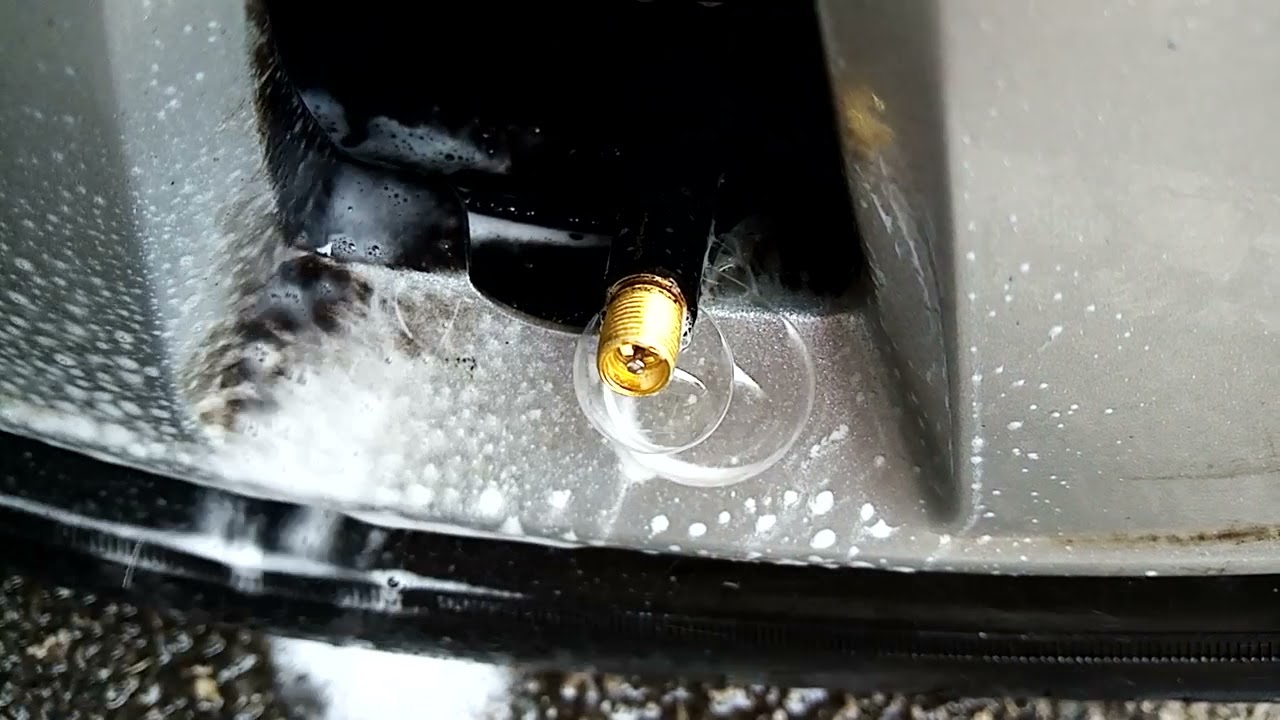
- Soapy water test: Mix a little dish soap with water, spray it around the valve stem and along the tire bead. Bubbles that keep growing indicate a leak.
- Listen at the valve: A faint hiss near the valve stem can mean a loose valve core or cracked stem.
- Check pressure over time: Measure cold pressure today, then again tomorrow morning before driving. Any noticeable drop needs attention.
When to go to a shop
Get professional help sooner rather than later if any of the following are true:
- The TPMS light flashes at startup before going solid.
- Your pressures are correct, you drove the car, and the light still won’t clear after a reset attempt.
- You’re refilling the same tire repeatedly over a few days.
- The valve stem is cracked, corroded, or leaking.
- A tire was driven very low or flat, since internal damage is possible even if it holds air again.
A shop can use a TPMS scan tool to identify the exact wheel with the failing sensor, verify sensor IDs, and perform the proper relearn procedure for your make and model.
Common TPMS questions
How long do I have to drive for the light to go off?
Often 5 to 20 minutes, but it depends on the vehicle. Some clear quickly, others need a steady speed or a full drive cycle. If it’s still on after a reasonable drive and pressures are correct, try a reset procedure if your vehicle supports it.
Can I ignore the TPMS light if my tires look fine?
I wouldn’t. A tire can be significantly underinflated and still look “okay” to the eye, especially with lower-profile sidewalls. Underinflation hurts fuel economy, braking, and tire life, and it increases blowout risk.
What if the front and rear numbers are different?
Set front tires to the front spec and rear tires to the rear spec. That split is there for handling balance and load distribution.
Will disconnecting the battery reset TPMS?
Sometimes it clears the light temporarily, but it won’t fix the underlying issue. If a sensor is dead or a tire is low, the light will come back once the system runs its checks.