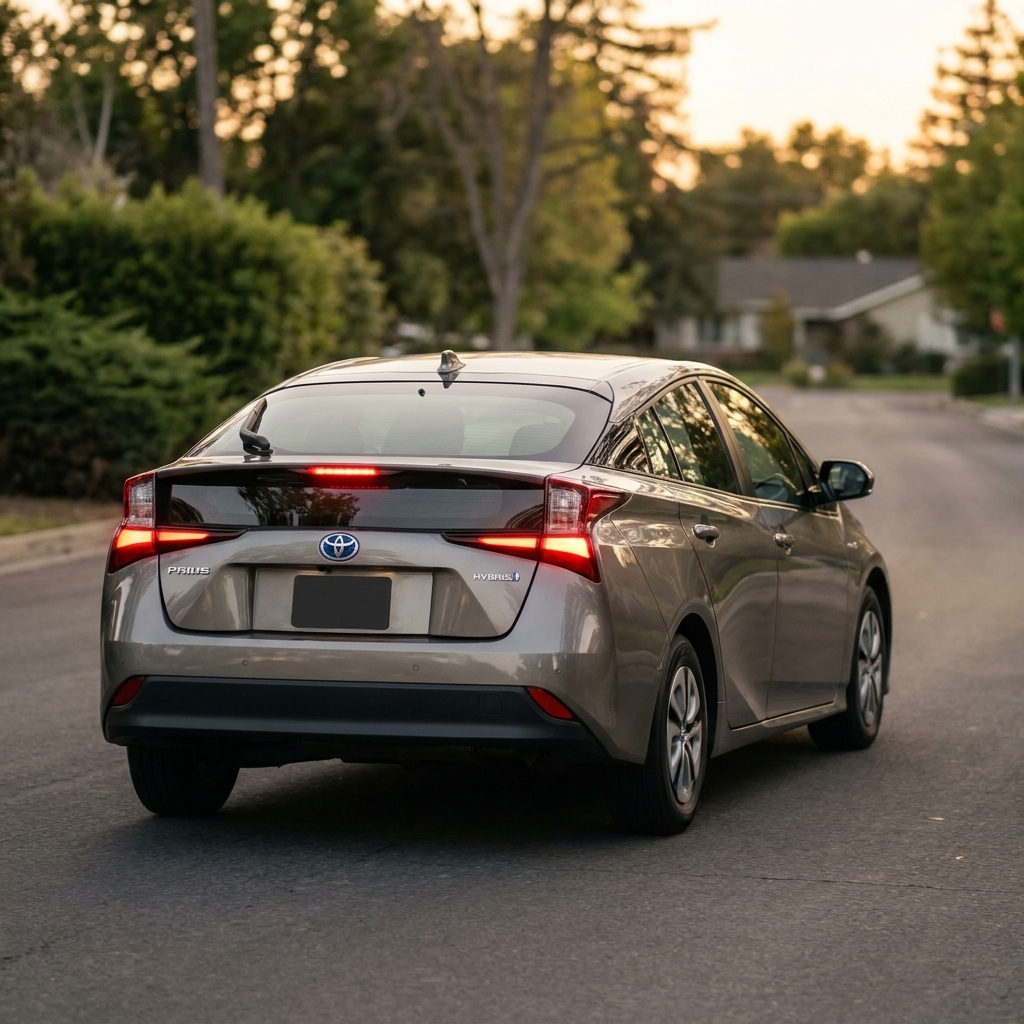
If your car shakes when you brake, you are feeling a vibration being fed back through the steering wheel, brake pedal, or the whole chassis. Most of the time it is not mysterious. Something in the brake system is applying unevenly, a rotating part is no longer running true, or a worn front-end component is letting that vibration travel right into your hands.
The good news: you can usually narrow it down in one careful test drive and a quick visual inspection. Below is how I approach it in a driveway, the same way I did in the shop.
First, identify the shake
Before you buy parts, pay attention to exactly where and when you feel the vibration. Those clues matter.
Steering wheel shakes when braking
This usually points to the front brakes (front rotors and pads) or front suspension and steering play. The steering wheel is directly connected to what the front tires are doing, so it acts like an amplifier.
Brake pedal pulsates
A rhythmic up-and-down in the pedal is classic for rotor thickness variation (often called warped rotors) or an ABS issue. Another common contributor is lateral runout, where the rotor is not running perfectly true, often from rust or debris between the rotor and hub, uneven lug torque, or hub issues. Over time, runout can create thickness variation and the pulse you feel.
Whole car shakes, especially the seat or rear
If you feel it more in the seat than the steering wheel, look harder at the rear brakes and rear tires. Rear drums that are out of round, rear rotors with uneven friction surfaces, or a dragging parking brake can all show up this way.
Only shakes at highway speeds
If it is smooth at city speeds but shakes when braking from 60 to 75 mph, that is a very common pattern for front rotor runout, thickness variation, or pad deposit issues. Heat and speed make the vibration more noticeable.
Common causes
1) Rotor issues
People say “warped rotors,” but what you feel is usually uneven rotor thickness or uneven pad material transfer on the rotor face. Sometimes the root cause is rotor runout, which can be triggered by hub face rust, debris, uneven lug nut torque, or a rotor that does not sit flat on the hub. Either way, the brakes grab, release, grab, release as the wheel rotates, and you feel a pulse.
- Symptoms: pulsating brake pedal, steering wheel shimmy, worse at higher speeds
- Common triggers: overheating brakes on long downhill runs, repeated hard stops, cheap rotors, lug nuts tightened unevenly, rotor not seated flat on a rusty hub, pads bedded in poorly
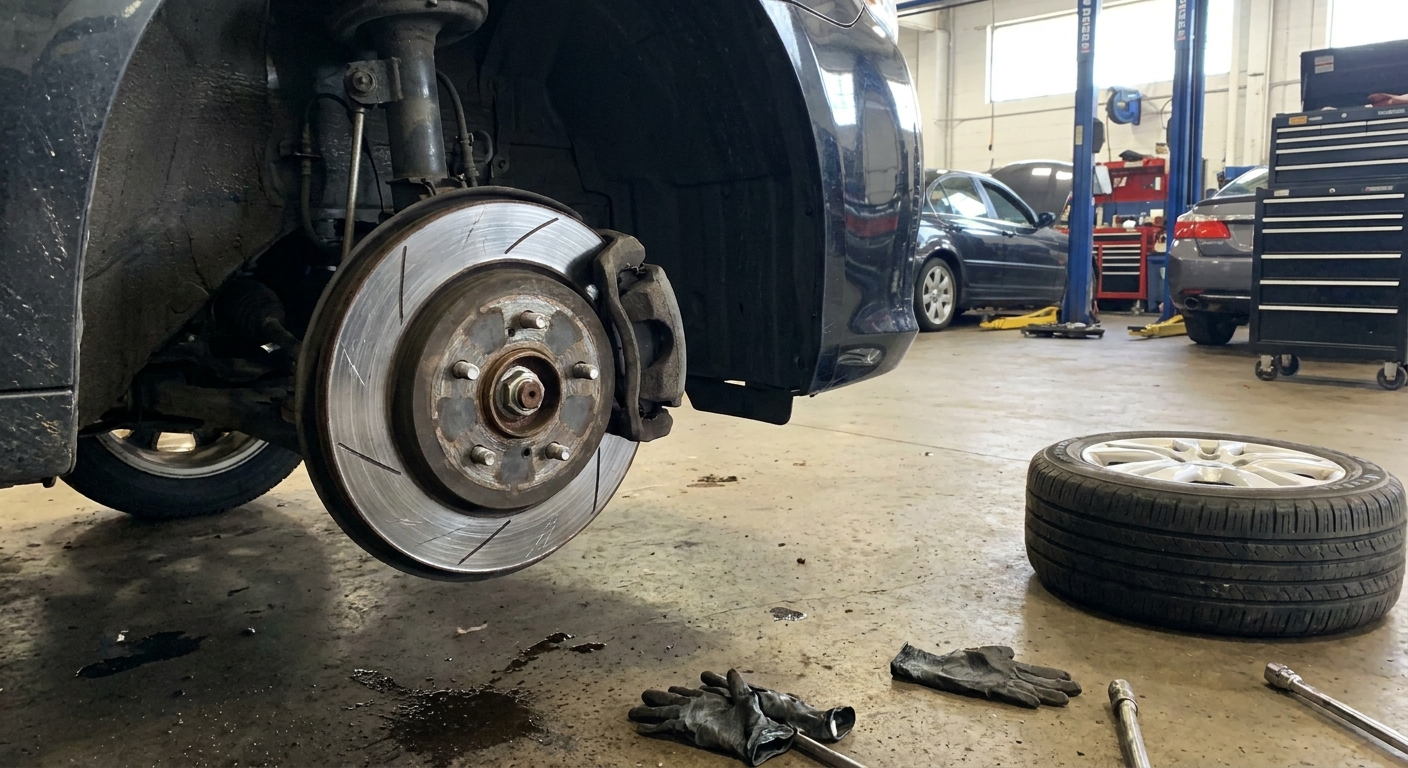
- What to look for: blue heat spots, visible scoring, cracks, or a patchy rotor face
2) Uneven pad wear or contamination
Brake pads can wear unevenly if calipers do not slide freely, if hardware is seized, or if one side is doing more work than the other. Contamination (grease, brake fluid, leaking axle grease) can also make braking grabby and inconsistent.
- Symptoms: vibration plus noise, pulling to one side, one wheel producing more brake dust
- What to look for: inner pad much thinner than outer, pads tapered, glazing (shiny glassy surface)
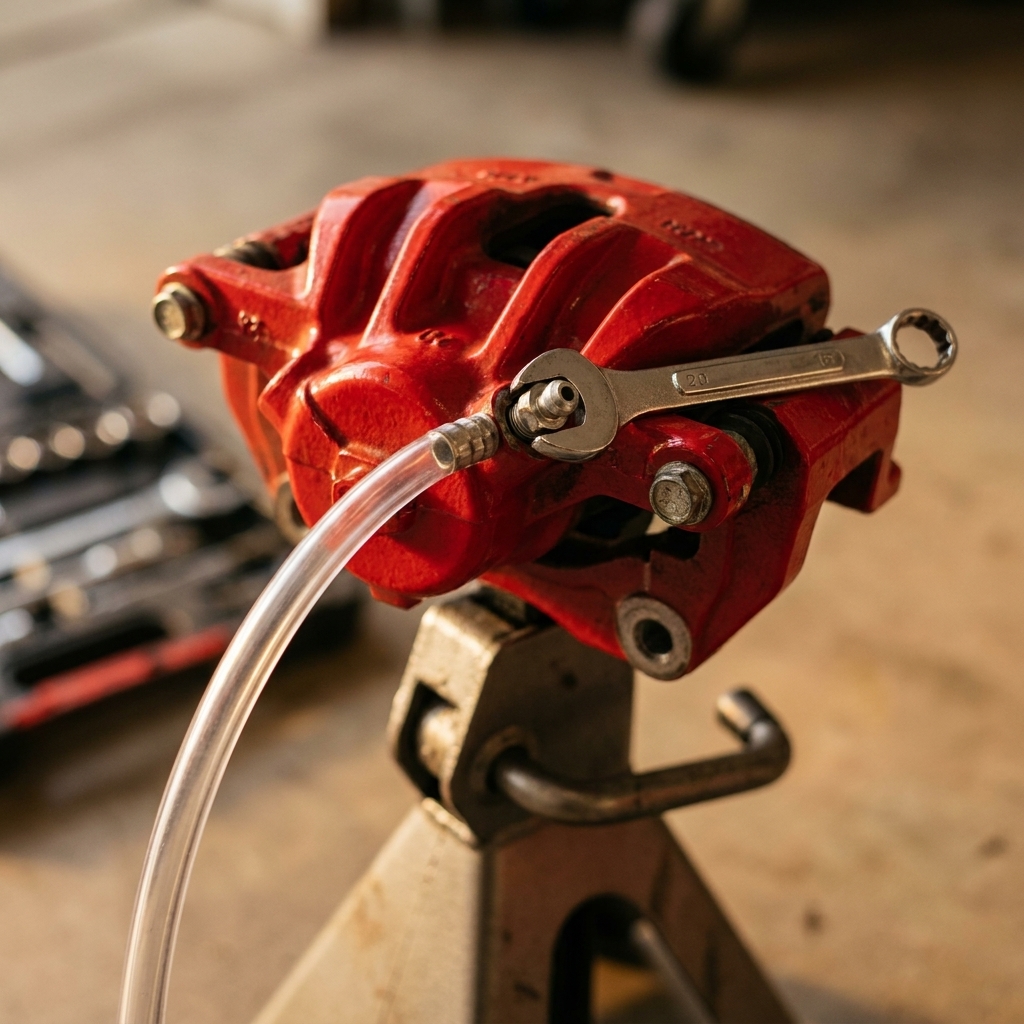
3) Sticking caliper or seized slide pins
A caliper that sticks can apply uneven pressure or keep a pad dragging. That extra heat can quickly ruin a rotor and create the exact shake you are chasing.
- Symptoms: car pulls while braking, burning smell after a drive, one wheel much hotter than the other, reduced fuel economy
- What to look for: torn caliper boot, dry or rusty slide pins, uneven pad wear side-to-side
4) Tire or wheel issues
Even though the vibration happens when you brake, the root cause can be tires or wheels. Braking shifts weight forward, loading the front tires harder, so a borderline tire problem can suddenly become obvious.
- Symptoms: vibration also present slightly while cruising, shake changes when you rotate tires front-to-rear, shake is worse on certain roads
- What to look for: uneven tire wear, a separated belt (a bulge or wobble), bent wheel lip
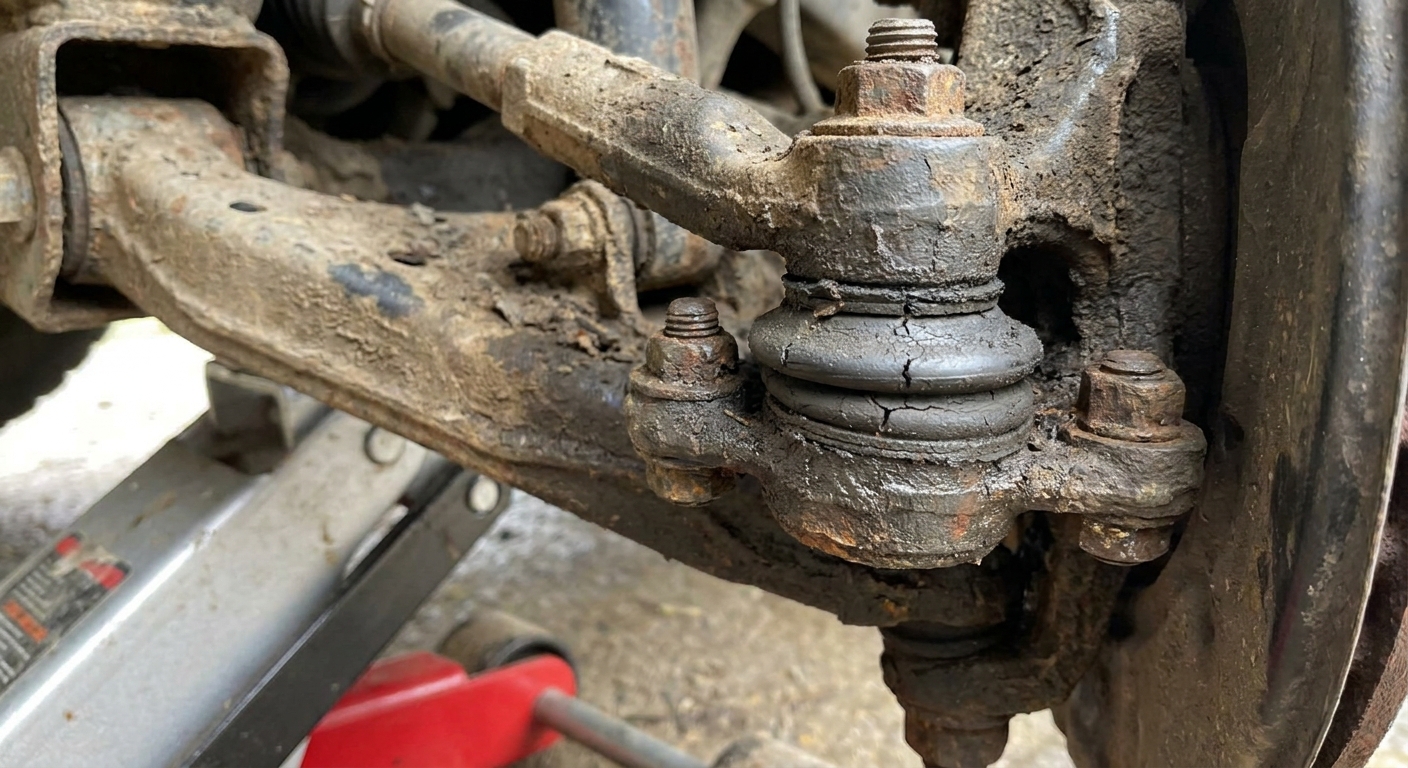
5) Worn front-end parts
Loose parts let braking forces move the wheel assembly around. Even a small brake pulse can become a big shake if the front end has play.
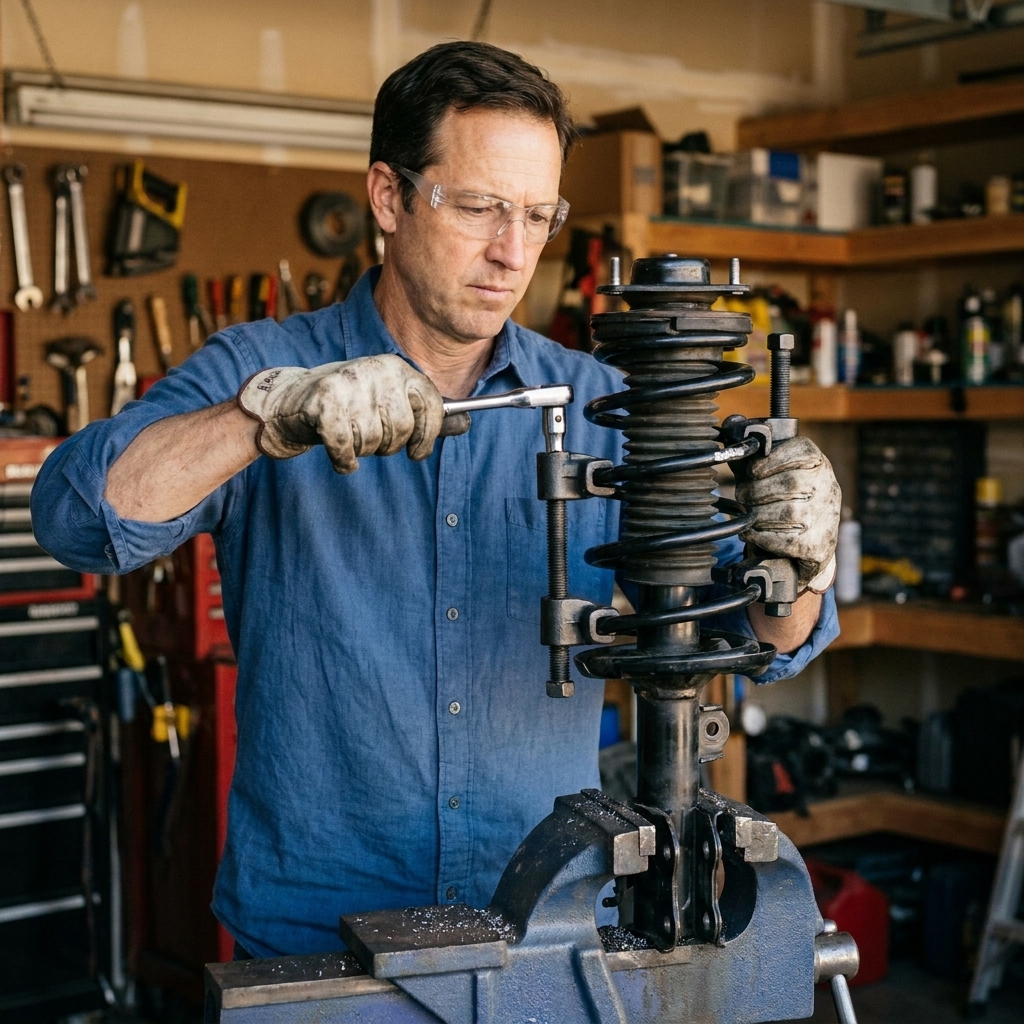
- Common offenders: lower control arm bushings, ball joints, tie rod ends, wheel bearings, worn struts
- Symptoms: clunk over bumps, wandering steering, uneven tire wear, vibration mainly in steering wheel
DIY diagnosis
Pick a safe, empty road and do these checks. The goal is not to prove one part is bad with lab equipment. It is to narrow the problem to brakes, tires, or front-end components so you do not throw money at guesses.
Step 1: Confirm it is braking-related
- At 40 to 50 mph, maintain speed on a smooth road. Note if there is any steering wheel vibration.
- Now brake lightly. Note when the shake starts and where you feel it (wheel, pedal, seat).
- Brake harder from the same speed. If it gets stronger with harder braking, rotors, runout, pad deposits, and caliper issues move up the list.
Step 2: Do a neutral coast check
On a safe, straight road, get up to speed, then briefly shift into neutral (automatic) or coast with the clutch in briefly (manual). Do this only where it is safe and legal, and do not shut the engine off. You want full steering and brake assist and full control of the vehicle.
If the vibration is present without braking, it leans toward a tire or wheel issue. If it disappears until you touch the brakes, it leans more brake-related. This is a helpful clue, not a perfect lab test. A dragging brake, a tire that shows itself under weight transfer, or other edge cases can blur the results.
Step 3: Check for pulling and heat
After a normal drive with a few stops, park safely and check for heat differences. Wheels and rotors can be extremely hot, so do not touch the rotor, and be cautious even near the wheel. An infrared thermometer is the safest way to compare side-to-side temps.
A corner that runs noticeably hotter than the others can point to a sticking caliper , seized slide pins, a collapsed brake hose, or a dragging parking brake (often on the rear, including drum-in-hat setups).
- Pulling left or right while braking: often caliper, pad contamination, or a worn suspension bushing
- One wheel much hotter: stuck caliper, seized slide pins, collapsed brake hose, or dragging parking brake
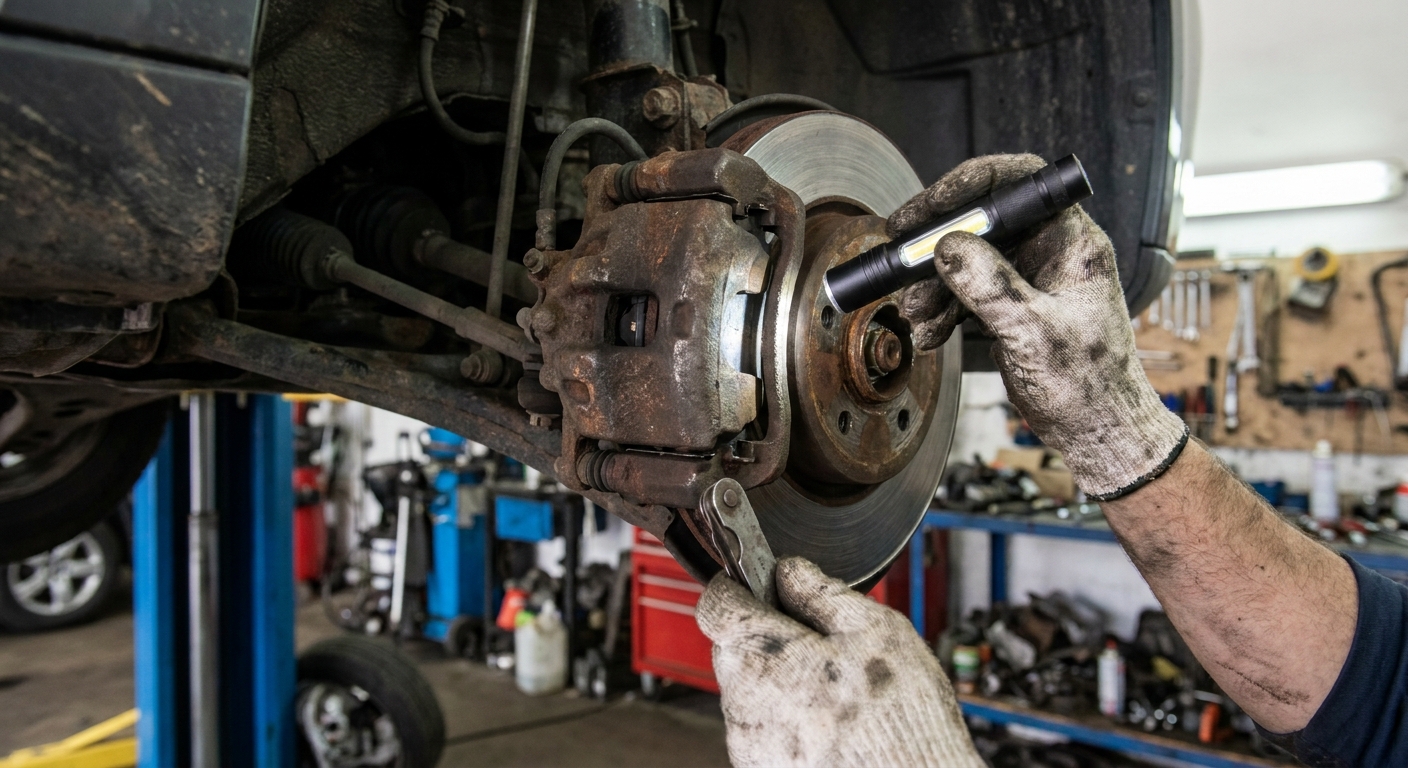
Step 4: Quick visual check
With the car safely lifted and supported on jack stands:
- Look at the rotors: heavy grooves, blue spots, cracks, or a patchy surface suggest rotor and pad problems.
- Check pad thickness: compare inner vs outer pad on the same wheel if you can see them through the caliper window.
- Inspect tires: cupping (scalloped dips), cords showing, or a bulge are big red flags.
Step 5: Front-end play check
With the front end lifted:
- Grab the tire at 12 and 6 o'clock and rock it. Play here can point to a ball joint or wheel bearing .
- Grab at 3 and 9 o'clock and rock it. Play here can point to tie rods or steering components.
This is a rule of thumb, not a guarantee. Some wheel bearings show play at both positions, and some suspension designs load joints differently. Clunks, visible shifting at joints, or obvious looseness means you should have the suspension inspected before you assume it is just rotors.
Step 6: Check the rear basics
If the shake feels more like it is coming from the seat or rear, give the back of the car the same attention:
- Parking brake drag: after a drive, see if a rear wheel is consistently hotter, or if the car feels like it does not coast freely.
- Rear drums: out-of-round drums or poor adjustment can cause a rhythmic shake. If the pedal is steady but the body shudders, rear drums move up the list.
- Rear rotors: just like the front, rear rotors can develop pad deposits or runout and cause a vibration you feel in the seat.
Step 7: Decide if it needs service now
If you see uneven pad wear, rotor damage, or you have pulling plus heat at one wheel, do not wait. Brakes that apply unevenly can get dangerous fast, and they can snowball into more expensive repairs.
Patterns to watch
- Shake starts only after the brakes warm up: hot spots, caliper sticking, pads glazing
- Shake is worst at high-speed stops: front rotor runout, thickness variation, or pad deposits
- Shake plus a steering shimmy over bumps: worn control arm bushings, tie rods, ball joints
- Shake after new brakes were installed: hub face rust not cleaned, rotors not seated flat, lug nuts tightened unevenly, pads not bedded, cheap rotors
- Shake when braking downhill: overheating and pad deposit issues, especially if you ride the brakes
Common fixes
Rotors and pads: replace vs resurface
On many modern cars, rotors are thin enough that resurfacing is not always the best choice. A quality rotor and pad set, installed correctly, usually gives the best long-term result.
- Replace rotors if they are heat-checked, cracked, heavily scored, below minimum thickness, or have excessive runout.
- Replace pads any time the friction material is low, contaminated, or unevenly worn.
Clean the hub face
One of the most overlooked causes of repeat brake pulsation is the mounting surface. Rust scale or debris between the hub and rotor can keep the rotor from sitting flat, which introduces runout. When doing brakes, clean the hub face so the rotor sits flush, and make sure the rotor and hub mating surfaces are free of crud before you button it up.
Do not ignore caliper hardware
Even the best pads and rotors will shake again if the caliper slides are seized or the hardware is corroded. Proper brake service includes cleaning and lubricating slide pins with the correct brake grease and replacing worn hardware clips.
Torque matters
Over-tightened or unevenly tightened lug nuts can introduce runout or clamping distortion that turns into pulsation later. Use a torque wrench and tighten in a star pattern to the manufacturer spec. If the wheel was installed with an impact, it is worth re-checking torque after a short drive once everything has cooled, where appropriate for your vehicle and wheels.
When to stop driving
Get the vehicle inspected immediately if you notice any of the following:
- Brake pedal sinks, feels spongy, or you need much more distance to stop
- Steering wheel shakes violently under moderate braking
- Grinding noises (metal-on-metal)
- Strong burning smell and smoke from a wheel
- Car pulls hard to one side when braking
FAQ
Can warped rotors cause shaking at low speeds?
Yes, but it is usually more noticeable at moderate to highway speeds. At low speed you might feel a slower, more subtle pulse in the pedal.
My car only shakes when braking from 60 mph. Is it always rotors?
Rotors are the top suspect, but worn front suspension parts or tire issues can mimic it. Also keep rotor runout and hub mounting rust on your radar. If you feel any vibration while cruising at 60 mph, look at tire balance, tire condition, and wheel damage too.
Could ABS be causing the pulsing?
If ABS activates on dry pavement during gentle stops, something is off, like a wheel speed sensor issue or a tone ring problem. But most “every stop” pulsation complaints are rotor and pad related, not ABS.
Is it okay to replace only pads if the car shakes?
Usually no. If the rotor surface, runout, or thickness is the reason it shakes, new pads alone will not fix it and can make it worse. Pads and rotors should be addressed as a matched pair on the axle.
The fastest path
If I had to boil this down to a quick plan: confirm the shake only happens under braking, check for pulling and a hot corner (caliper or parking brake issues), then visually inspect rotors, pad wear, and tire condition. If your steering wheel shakes mostly during braking at higher speeds, a quality front rotor and pad job with properly serviced caliper hardware and a clean hub mounting surface fixes the majority of cases.