If you’ve been following EV news at all, you’ve heard the phrase solid-state battery tossed around like it’s the magic part that fixes everything: more range, faster charging, safer packs, less winter range loss. As a guy who spent years diagnosing no-starts and chasing electrical gremlins, I’ll tell you this: the tech is real, but the timeline and the “what it means for you” part is where most of the confusion lives.
Let’s break down the latest solid-state battery announcements in plain English, then translate that into what should actually influence your next EV purchase.
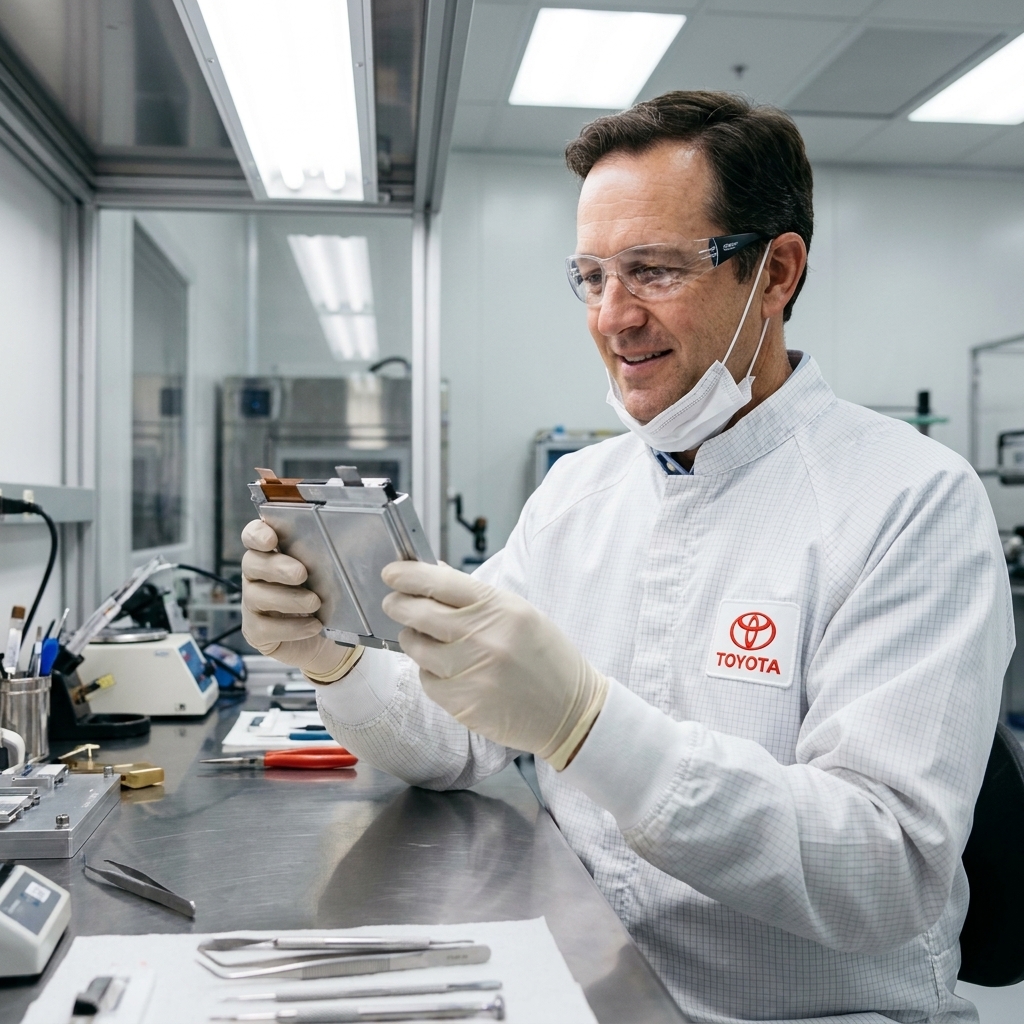
What solid-state means
Most EVs today use lithium-ion batteries with a liquid electrolyte. That electrolyte is the medium that lets ions move between the anode and cathode during charge and discharge.
A solid-state battery swaps that liquid electrolyte for a solid electrolyte (common families include sulfide-based, oxide-based, and polymer approaches). That single change can unlock real advantages, but it is not automatic across every design:
- Higher energy density potential (more miles from the same physical battery size)
- Improved safety potential (less flammable liquid inside the cell)
- More fast-charging headroom potential (if the chemistry, interfaces, and cooling allow it)
- Cold-weather performance potential, but not guaranteed (some solid electrolytes can struggle in the cold without heating or careful engineering)
Solid-state is not one battery. It is a category of designs that still have to survive the real world: vibration, heat cycles, fast charging, manufacturing variation, and 10-plus years of use.
Why announcements matter
In the last couple of years, multiple automakers and battery startups have announced milestones like:
- Prototype cells achieving higher energy density than today’s mainstream EV cells
- Faster charge demonstrations in controlled settings
- “Pilot line” production plans, meaning small-scale manufacturing meant to prove repeatability
- Target windows for limited deployment in higher-end models first
Here’s the important translation: a lab cell is not a production battery pack. A single cell can look fantastic on a bench and still run into problems when you scale it to thousands of cells in a pack that has to handle potholes, summers in Phoenix, and fast charging twice a week.
My opinion, based on what companies are building and testing, is that solid-state has moved beyond the pure science-project stage for many players. The industry is now wrestling with the hard part: manufacturing at scale with consistent quality and reasonable cost.

What is hard about it
If you’re wondering why timelines slip, it usually comes back to a few stubborn problems that do not show up in a glossy press release.
- Interfaces and contact: Getting a solid electrolyte to maintain tight, low-resistance contact with electrodes through thousands of expansion and contraction cycles is difficult.
- Dendrites: Some designs still have to prevent lithium metal from forming needle-like growths that can short the cell.
- Pressure and cracking: Certain chemistries want stack pressure to perform well, and some solid materials can be brittle and crack with vibration or thermal cycling.
- Manufacturing yield: Even if the chemistry works, producing it reliably at high volume without expensive scrap is the real make-or-break step.
That is why you will keep hearing about “pilot lines” and “limited deployments” before you see solid-state everywhere.
Solid-state and range
Range is the headline everyone wants. Solid-state’s big range promise comes from the possibility of higher energy density. In practical terms, that can play out in two ways:
- Same pack size, more miles: A midsize EV that does 300 miles today could, in a best-case future, push higher without gaining weight.
- Same range, smaller pack: Automakers could keep range about the same but reduce battery size, weight, and cost, which can improve efficiency and handling.
What I’d watch for in future announcements is not just “energy density.” Look for details like pack-level energy density (not just cell-level) and what happens after repeated fast charging and real-world heat cycling. Packs live harder lives than press releases do.
Solid-state and charging
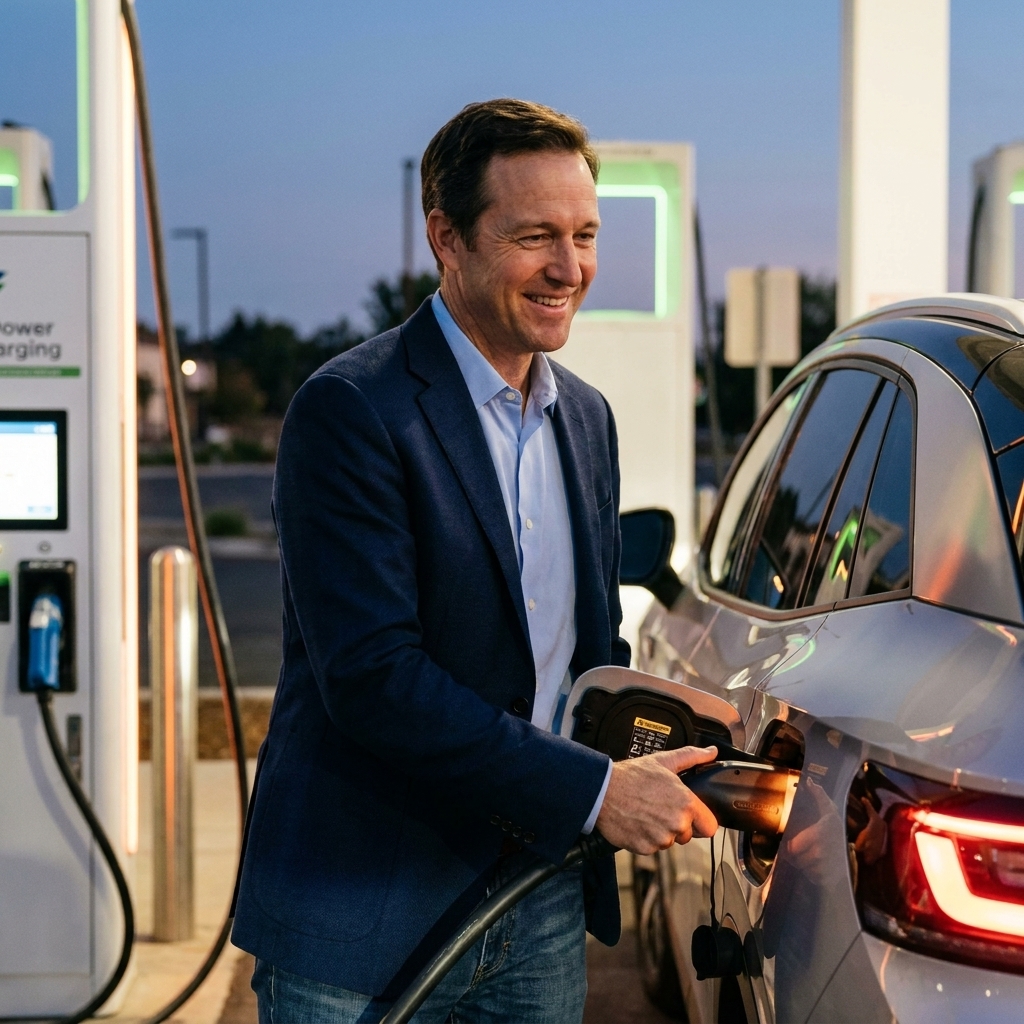
Fast charging is where expectations get unrealistic fast. Yes, some solid-state designs can theoretically accept higher charge rates. But your charging experience is still limited by a stack of constraints:
- The battery chemistry and internal resistance
- Thermal management (how well the pack sheds heat)
- Charging curve behavior (how long it holds peak power before tapering)
- The charging station (its power output and shared load)
- The vehicle’s architecture (400V versus 800V systems and related hardware)
When you see “10 minute charge” claims, ask the next question: 10 minutes to what? It is often a partial fill like 10 to 80 percent (sometimes 20 to 80, sometimes 0 to 80), under ideal conditions, on a high-power charger, with a warm battery. That still matters, but it is not the same as “I’ll always add 300 miles in 10 minutes.”
Solid-state can help, but charging infrastructure and vehicle design still carry a lot of the weight.
Safety and life
I’ve worked around enough fuel systems and high-voltage components to respect risk. EV battery fires are relatively uncommon, but when they happen, they are serious. One reason solid-state is exciting is the potential to reduce flammable components inside the cell.
That said, “solid-state” is not automatically “fireproof.” Real-world safety comes down to:
- Cell design and how it behaves during internal shorts
- Pack containment and venting
- Battery management software (detecting issues early)
- Manufacturing quality (tiny defects become big problems at scale)
Longevity matters just as much. In the shop, the failures that ruin your week are rarely the headline parts. It is the little stuff: a marginal connection, heat where you did not want it, or a sensor that lies to the computer. Batteries are no different. A breakthrough that charges fast but degrades quickly is a non-starter for mainstream buyers. The solid-state winners will be the ones that hold up after years of heat, cold, fast charging, and daily use.
Prices and rollout
Early solid-state packs are unlikely to be cheap. New manufacturing methods, new materials, and low initial production volumes usually mean higher cost per kWh at first.
In the near term, expect solid-state to show up first in premium models or limited-run trims, where automakers can charge more and learn in the field. Over time, costs can come down if the manufacturing process becomes reliable and scalable.
Also watch the marketing language. Some near-term products may be semi-solid or hybrid designs that use gel or partially solidified electrolytes. Those can still bring benefits, but they are not always the full solid-electrolyte leap people picture when they hear “solid-state.”
If you’re shopping today, the practical pricing story is this: current lithium-ion packs are getting better and often cheaper, especially LFP packs in many mainstream EVs. Solid-state is a future lever, but it is not the only reason EV value will improve.
Should you wait?
This is the question I get at cars and coffee more than you’d think. Here’s my honest mechanic-turned-writer take.
Buy now if
- You can charge at home or at work most days
- Your typical day is well within today’s real-world range
- You want the fuel and maintenance savings now
- You are choosing a model with a solid charging curve and strong warranty coverage
Wait if
- You road trip constantly and rely on public fast chargers as your main “fuel source”
- You live in extreme cold and have no garage or reliable preconditioning routine
- You keep vehicles for a very long time and want the next big durability leap
Even then, “waiting for solid-state” can turn into waiting forever because there will always be something next. A better approach is to buy when an EV fits your life without stress.
What to watch
Press releases love superlatives. As a consumer, you’ll get more value by watching for specifics like these:
- Pilot production volume and whether the company is building its own line or partnering with an established manufacturer
- Pack-level metrics, not just single-cell test results
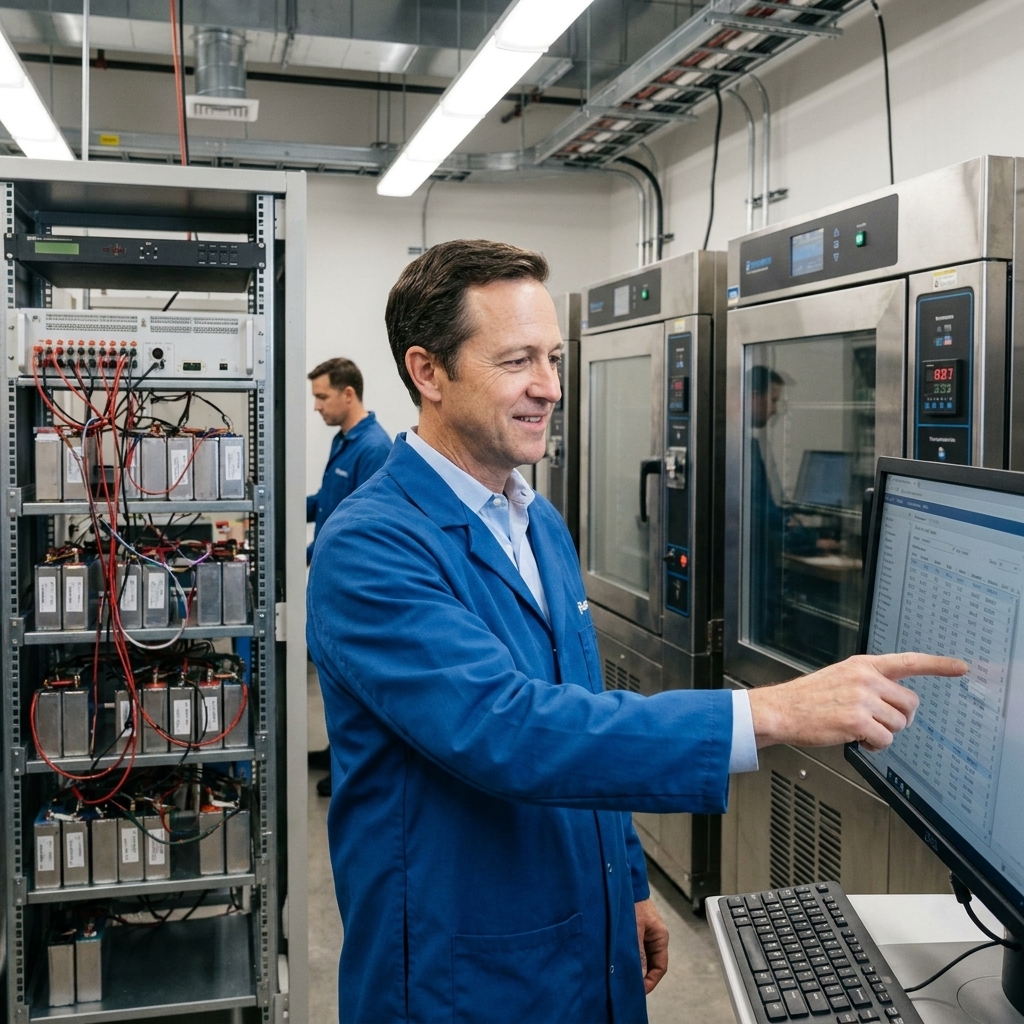
- Cycle life data tied to fast charging, heat exposure, and real-world duty cycles
- Cold-weather performance claims backed by repeatable testing, including whether the pack needs heating or preconditioning
- Warranty terms that show confidence in degradation and defects
Bottom line
Solid-state batteries are one of the most promising paths to making EVs feel more like a no-compromise daily driver, especially for people who want faster charging and more consistent range across seasons.
But today’s best buying decision still comes down to the basics: your charging access, your driving pattern, the vehicle’s efficiency, and the strength of the charging network you’ll actually use. Solid-state will move the goalposts, but it will not replace good planning.
If you can charge where you park, today’s EVs are already easy to live with. Solid-state is the next step, not the first step.
Quick FAQ
Will solid-state double EV range?
Some designs could significantly increase range, but “double” is not a safe assumption. Real-world gains depend on pack-level engineering, vehicle efficiency, and how much of the improvement is used for more miles versus lower cost and weight.
Are solid-state batteries safer?
They can be, because removing flammable liquid electrolyte can reduce certain fire risks. Safety still depends on the full cell and pack design, manufacturing quality, and battery management systems.
When will solid-state EVs be common?
Expect limited, higher-priced introductions first, followed by broader adoption only after manufacturing scales and costs come down. Announcements are getting more concrete, but wide availability is still a multi-year story.
Will solid-state make charging stations irrelevant?
No. Even if cars can accept higher power, charging infrastructure still needs to deliver it reliably, and vehicles still need to manage heat and charging curves to protect long-term battery health.