If you are shopping for a fuel-sipper that still feels like a normal car to live with, you have probably run into two common options: a traditional hybrid (HEV) or a plug-in hybrid (PHEV). They share a family resemblance, but they behave very differently once you start stacking up weekday miles, grocery runs, and the occasional weekend road trip.
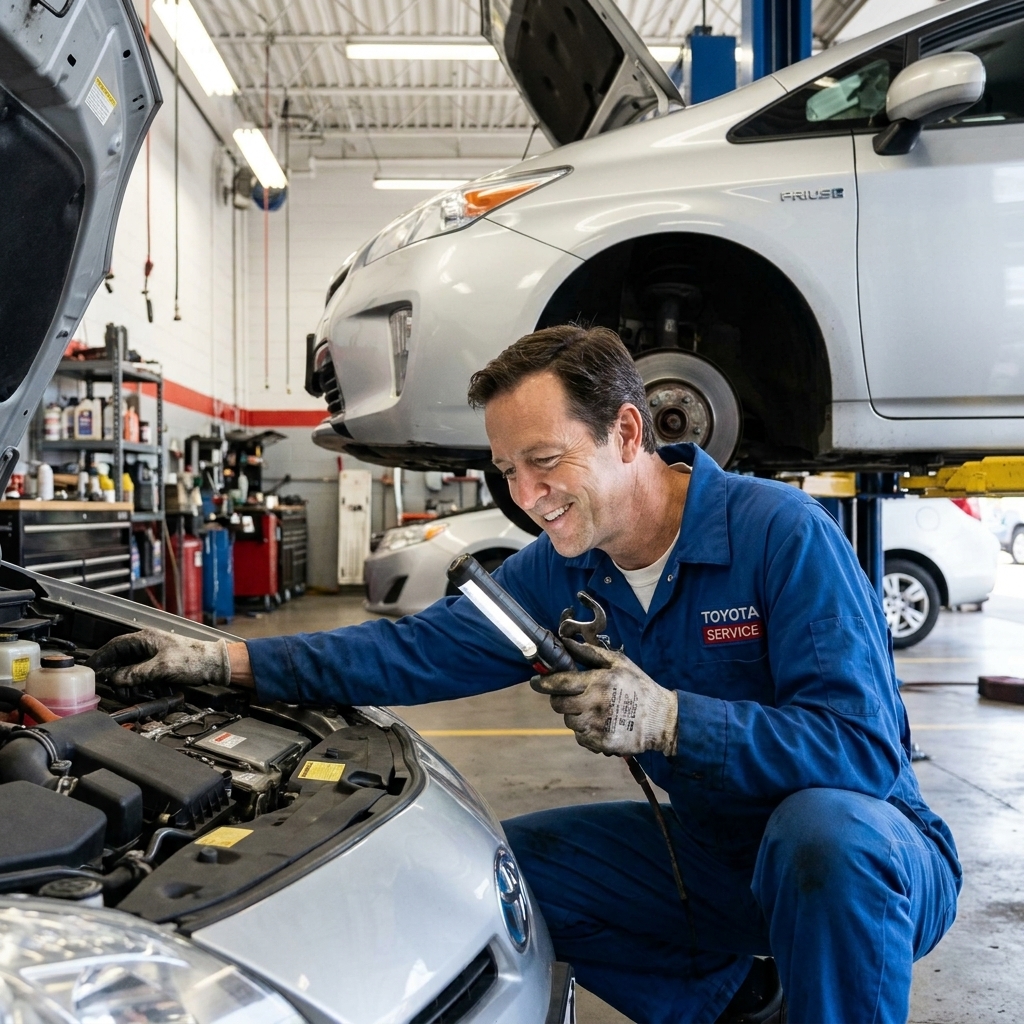
I have turned wrenches on plenty of gas cars, and lately I have been elbows-deep in hybrids and plug-ins too. Here is the practical way I like to explain it: a traditional hybrid is a gas car that is very good at using less fuel, especially in stop-and-go driving. A plug-in hybrid is a car that can do many short trips on electricity, and still has a gas engine for backup when you need it.

The quick definitions
Traditional hybrid (HEV)
An HEV has a gas engine, an electric motor, and a relatively small battery. The battery is charged by the engine and by regenerative braking. You do not plug it in. The electric side helps the gas engine work less, especially at low speeds and during acceleration.
Plug-in hybrid (PHEV)
A PHEV has the same basic ingredients but a much larger battery and a charge port. You can plug it in and drive a meaningful distance on electricity before the gas engine needs to help.
One important real-world note: many PHEVs can and will start the engine even with charge under certain conditions, like hard acceleration, very cold temps, high speeds, defrost demand, or when the car is doing a fuel maintenance cycle. So think of EV mode as “often electric” rather than “electric no matter what.”
Once the battery drops to its reserve level, it behaves more like a traditional hybrid.
How they save fuel on a commute
Where an HEV shines
Hybrids are at their best when your commute includes lots of slowing down, stopping, and re-accelerating. Every time you brake, the car can capture some of that energy back into the battery. In plain terms: city miles are where an HEV earns its keep.
- Stop-and-go traffic: big advantage
- Mixed suburban routes: still strong
- Highway cruising: helpful, but usually a smaller gain
Where a PHEV shines
PHEVs can deliver the biggest fuel savings if your typical day fits inside the vehicle’s electric range and you actually plug it in consistently. If you can do most weekday driving on electricity, your gas use can drop dramatically. For some drivers it gets so low they may go months between fill-ups, but the engine may still run occasionally depending on the vehicle and conditions.
- Short to moderate commutes: excellent, especially if you can charge at home
- Lots of short errands: often an even better match than one long commute
- Long highway commutes: depends heavily on whether you can cover much of it in EV mode
Charging reality check
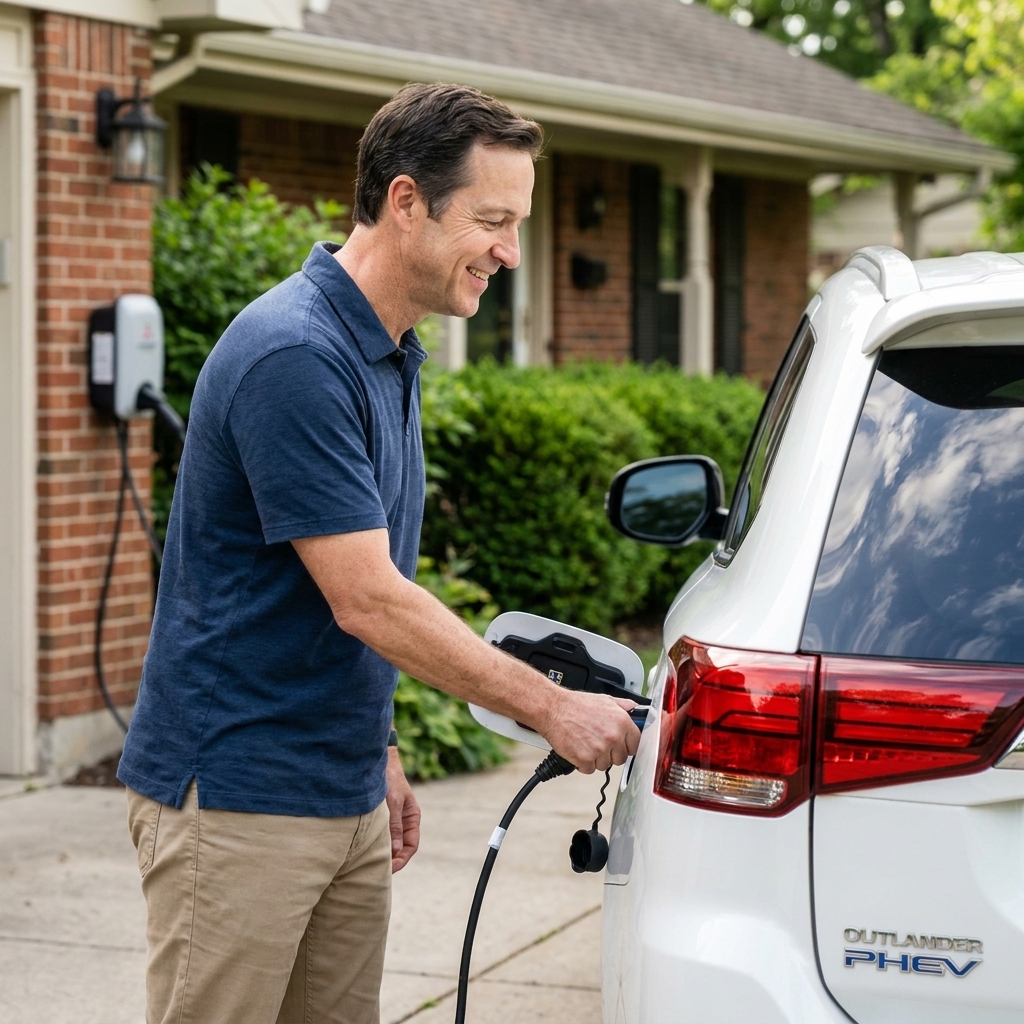
The most important question is not “Do I like the idea of a plug-in?” It is “Will I actually plug it in?” A PHEV that is not charged regularly tends to carry around extra battery weight without getting the full payoff.
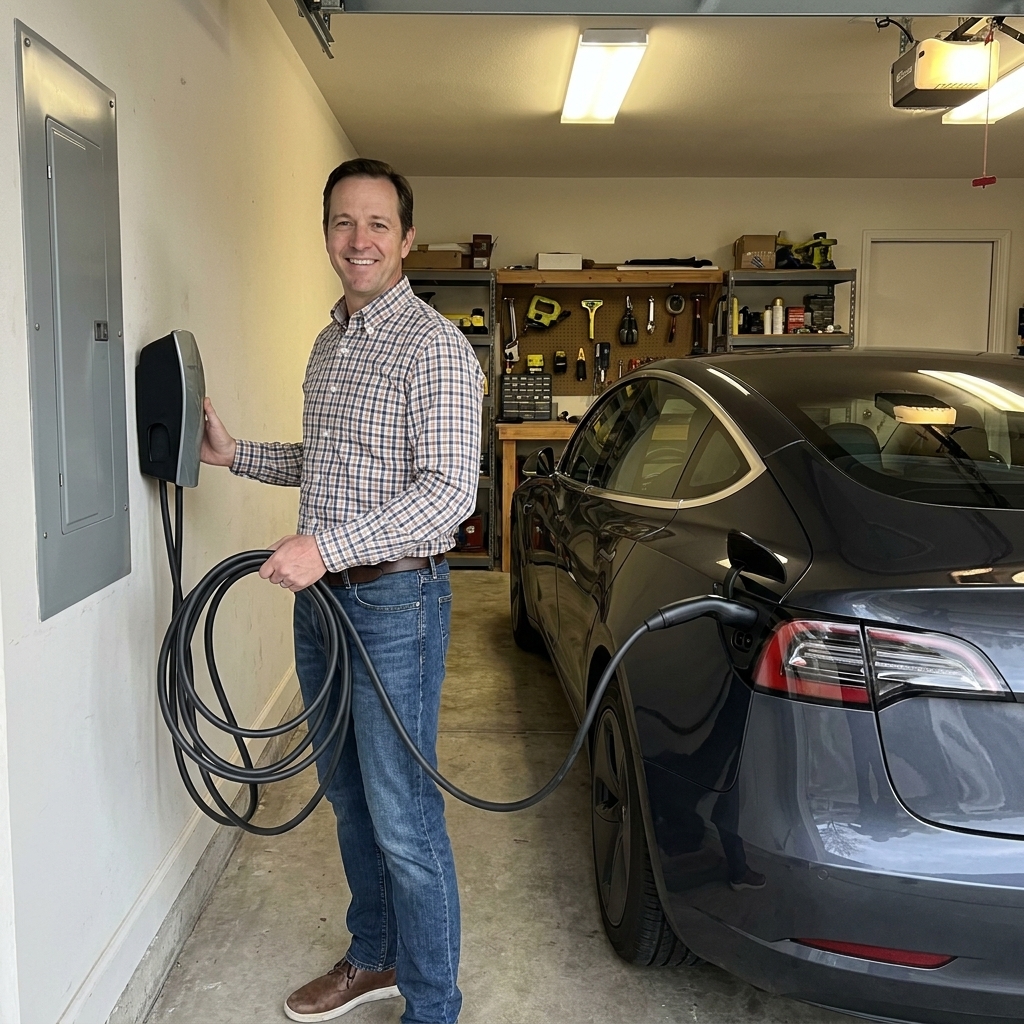
Home charging
If you can charge at home, even with a basic 120V outlet, you can usually add a meaningful chunk of electric driving overnight. The exact amount depends on the battery size and the car’s onboard charger, but many PHEVs need roughly 8 to 14 hours on Level 1 for a full charge.
A 240V Level 2 setup is faster and more convenient, especially for larger-battery PHEVs. Also worth knowing: many PHEVs do not support DC fast charging, and Level 2 charge rates vary a lot by model, so do a quick check before you assume “fast.”
Work or public charging
Work charging can be a game-changer because it effectively doubles your daily electric miles. Public charging can help, but I would not buy a PHEV assuming you will rely on public chargers daily unless you already know it fits your routine.
No charging access?
If you live in an apartment with no reliable charging, a traditional hybrid is often the smarter, simpler choice. You still get excellent fuel economy without changing your habits.
Maintenance and ownership costs
Both powertrains can be very reliable, but they are not identical in maintenance needs and long-term costs. Here is the mechanic-minded breakdown.
What is similar
- Gas engine maintenance still exists: oil changes, filters, coolant services, spark plugs on many models
- Brake wear is often reduced: regen braking means pads and rotors can last longer
- Hybrid components: inverters, electric motors, and battery management systems are common to both
What can differ on a PHEV
- More systems to support the battery: larger packs often mean more cooling and control hardware
- More weight: can mean slightly faster tire wear on some models, although vehicle class, tire choice, alignment, and driving style often matter more
- Gas engine can sit more: if you drive mostly electric, be mindful of fuel aging and follow the manufacturer’s guidance for engine run cycles
Repair cost risk
PHEVs tend to cost more up front, and when out-of-warranty problems happen, the systems are generally more complex than a standard hybrid. That does not mean they are fragile. It means diagnosis and parts can be pricier if something unusual crops up.
Real-world tip: if you are buying used, prioritize complete service history and confirm warranty coverage on hybrid and battery components. A pre-purchase inspection from a shop familiar with hybrids is money well spent.
After the battery is “used up”
This part surprises people. Once a PHEV is down to its reserve level and running like a hybrid, efficiency can be similar to an HEV, but it is not guaranteed. In some models, the extra weight and the way the drivetrain is tuned can mean the PHEV is a little less efficient than an equivalent HEV on long gas-only stretches. If you do a lot of long highway miles and rarely charge, this matters.
Habits: pick the right tool
Choose a traditional hybrid if you:
- Cannot reliably charge at home or work
- Have a long commute with lots of highway miles
- Want excellent mpg with the fewest lifestyle changes
- Prefer lower purchase price and simpler day-to-day ownership
Choose a plug-in hybrid if you:
- Can charge at home (work charging is a bonus)
- Drive enough short trips that EV mode will cover a big share of your week
- Want EV smoothness around town but need gas backup for road trips or limited charging areas
- Like the idea of “electric first” without committing to a full EV

Estimate your payoff
Instead of guessing, do a quick reality-based check using your routine.
Step 1: Figure out your daily miles
Add up your commute plus typical errands. Many drivers underestimate errands by a lot.
Step 2: Compare to real EV range
Manufacturers give an EV range estimate, but weather, speed, and HVAC use matter. If your daily driving is consistently within the EV range, a PHEV can cut fuel use dramatically.
Step 3: Be honest about plugging in
If the honest answer is “maybe,” lean hybrid. If it is “yes, it will be part of my routine,” PHEV savings become much easier to capture.
Step 4: Compare electricity vs. gas cost
Electricity prices vary by region and time-of-use plans. In many places, fueling with home electricity is cheaper per mile than gasoline, but it is worth a quick calculation using your local rates.
A quick example
Say you drive 30 miles a day, 5 days a week (150 miles). If a PHEV gives you about 30 miles of real EV range and you charge nightly, you might do most weekday miles on electricity. At that point, gasoline use is mostly weekend trips and the times the engine kicks on for heat, power, or maintenance. If you cannot charge and that same 150 miles is gasoline miles, a good HEV is usually the more consistent money saver.
Performance and feel
Hybrid feel
Most HEVs feel smooth and quiet at low speeds, and then the engine blends in as needed. The power delivery is tuned for efficiency, but a lot of modern hybrids feel plenty quick in normal traffic because the electric motor helps at low speeds.
PHEV feel
In EV mode, a PHEV often feels closer to a full battery-electric car: strong low-speed pull, quiet cabin, and fewer engine run cycles. If you like that EV smoothness but need gas for flexibility, this is a big part of the appeal.
Weather and other curveballs
Commutes do not happen in laboratory conditions.
- Cold weather: EV range typically drops, and the engine may run more to provide cabin heat depending on design
- Hot weather: running the A/C can trim EV range, and battery cooling systems work harder
- Short trips: both hybrids and PHEVs handle short trips well, but PHEVs can shine if you keep them charged
- Road trips: both do well, but a traditional hybrid is simplest. A PHEV road trips like a hybrid once the EV range is used up
Other buying notes
Incentives
Some PHEVs may qualify for tax credits or local incentives, and some may not. Rules change and eligibility can depend on where the vehicle is built, battery specs, and your own tax situation. It is worth checking current federal, state, and utility programs before you buy.
Cargo space
On some models, the larger battery can reduce trunk space or eliminate a spare tire. If you haul strollers, tools, or road trip gear, take a hard look at the cargo area in person.
Advice I would give a friend
If you want the simplest win
Buy a traditional hybrid from a manufacturer with a strong track record. You get great mpg, minimal behavior changes, and fewer “what if I forget to plug in?” moments.
If your commute is charge-friendly
If you have home charging and your daily miles fit the electric range, a PHEV can be the sweet spot. You can run most weekdays on electricity and still take a spontaneous road trip without planning charging stops.
If you are on the fence, test your routine
Track your actual daily miles and where your car sits parked. If it sits in your driveway or garage every night, a PHEV is easy to feed. If it sits on the street and you have no outlet, hybrid life is usually the stress-free choice.
FAQ
Is a PHEV always cheaper to run than a hybrid?
Not always. It depends on electricity prices, how often you charge, and how much of your driving happens in EV mode. If you rarely plug in, the savings can disappear, and the PHEV may even use slightly more fuel than an equivalent HEV on gas-only driving.
Do PHEVs require more maintenance than hybrids?
Routine maintenance is similar, but PHEVs can have more supporting systems. The bigger difference is potential out-of-warranty repair cost due to added components.
Will a hybrid battery or PHEV battery need replacement?
Most modern packs last a long time, and many vehicles come with strong hybrid component warranties. Still, battery health matters most on used purchases, so a pre-purchase inspection and warranty check is smart.
What is better for a long highway commute?
If your commute is mostly highway and longer than typical PHEV electric range, a traditional hybrid is often the better value. A PHEV can still work, but the fuel savings hinge on charging and how much of the drive can be electric.
Bottom line
Pick a traditional hybrid if you want strong mpg with zero charging lifestyle changes. Pick a plug-in hybrid if you can reliably charge and your daily miles let you live mostly in EV mode. Your commute pattern decides this one more than any brochure spec ever will.