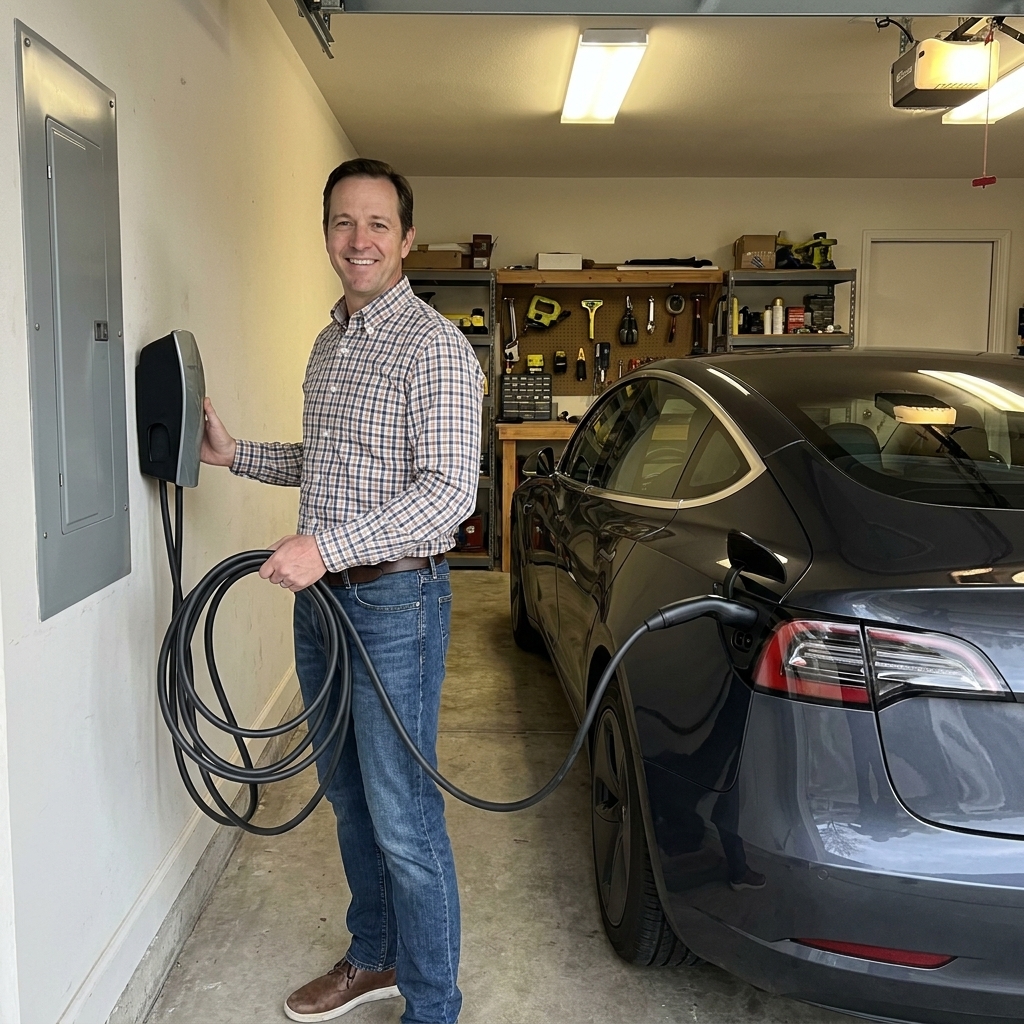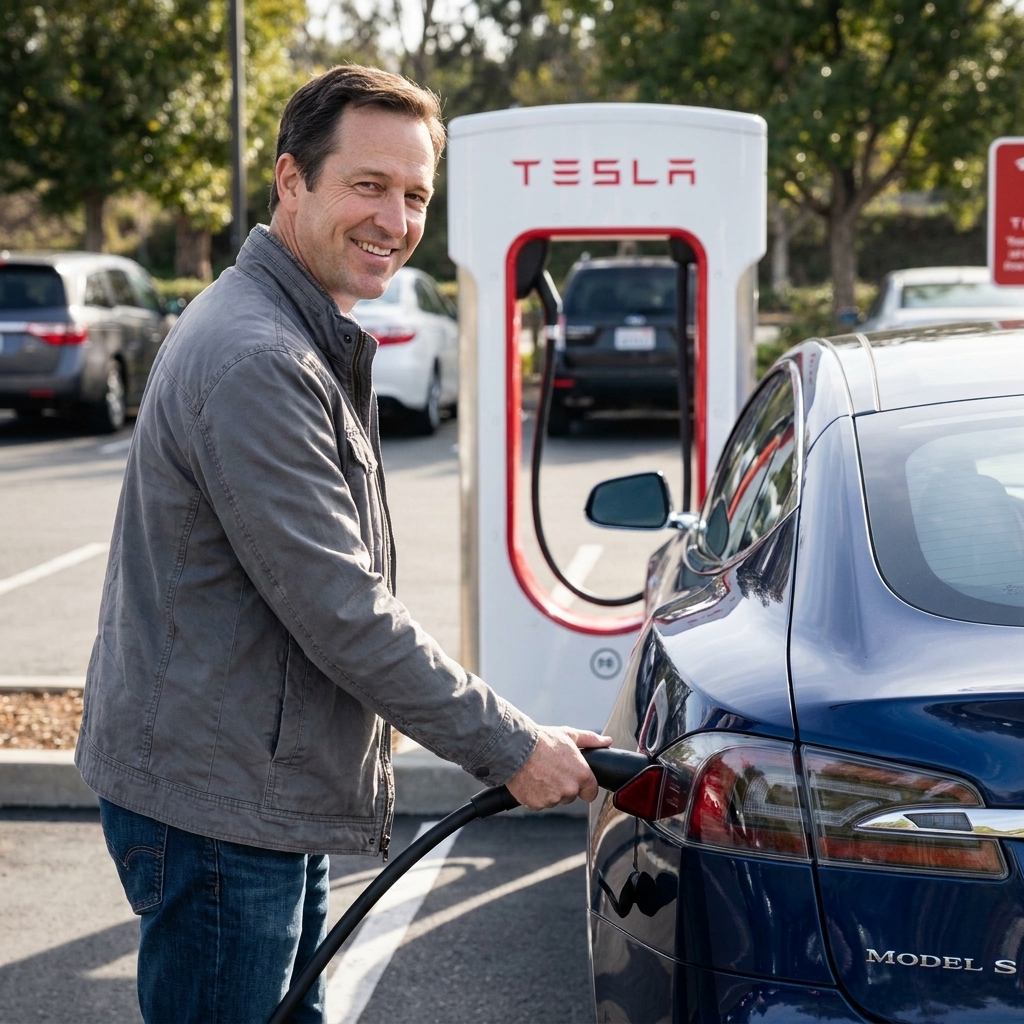
Every week I get some version of the same question at cars and coffee: “Ben, should I go plug-in hybrid or full EV next?” A couple years ago, the answer was mostly about range anxiety. In 2026, the decision is more nuanced because the market is moving fast in two directions at once. Fully electric models are getting better and more common, but plug-in hybrids are also having a moment as a practical bridge for drivers who cannot or do not want to bet everything on public charging yet.
Let’s look at what’s actually happening out there right now: sales behavior, charging infrastructure updates, and the tech that matters when you live with the car, not just test-drive it.
Market snapshot: why both can win
Recent sales reporting across North America and Europe points to a consistent theme in several major markets: EV adoption is still trending upward over the long run, while PHEVs keep attracting buyers who want electric commuting without fully depending on public charging. The split can swing quarter to quarter with incentives, model availability, and pricing. If you want to sanity-check this, look at ongoing summaries from sources like the IEA, ACEA (Europe), and retail trackers like Cox Automotive (US).
To put a pin in the “this is real” part: in Europe, ACEA’s 2024 reporting showed battery-electric and plug-in hybrid shares moving meaningfully from quarter to quarter depending on country and policy, while still keeping electrified powertrains as a big piece of new registrations overall. In the US, Cox has repeatedly highlighted a year-over-year rise in electrified sales even when growth rates fluctuate. Those are not the same market, but the shopper psychology rhymes.
What I’m seeing behind the numbers
- PHEVs are pulling in “not ready yet” buyers. People who like the idea of electric commuting but have a long-distance job, apartment parking, or winter travel tend to choose a plug-in hybrid.
- EVs are winning repeat customers. Once drivers have reliable charging at home, many do not want to go back to gas station routines.
- Fleet demand is pushing EV growth in the right lanes. Urban delivery, municipal fleets, and service vehicles with predictable routes are good fits. Long-haul and remote duty cycles are still tougher.
In plain terms: PHEVs are rising because they reduce lifestyle risk. EVs are rising because, for the right owner, they are often simply better daily transportation.
Charging: better, still uneven
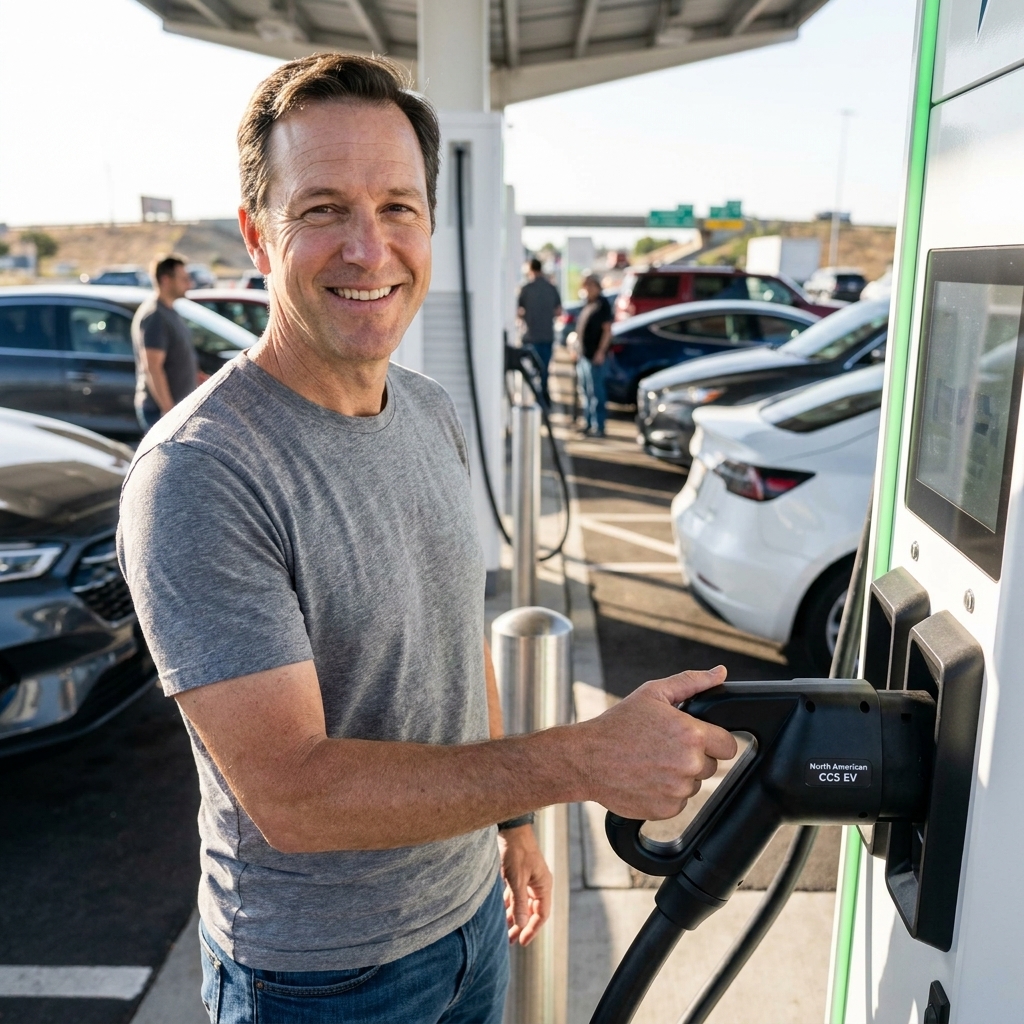
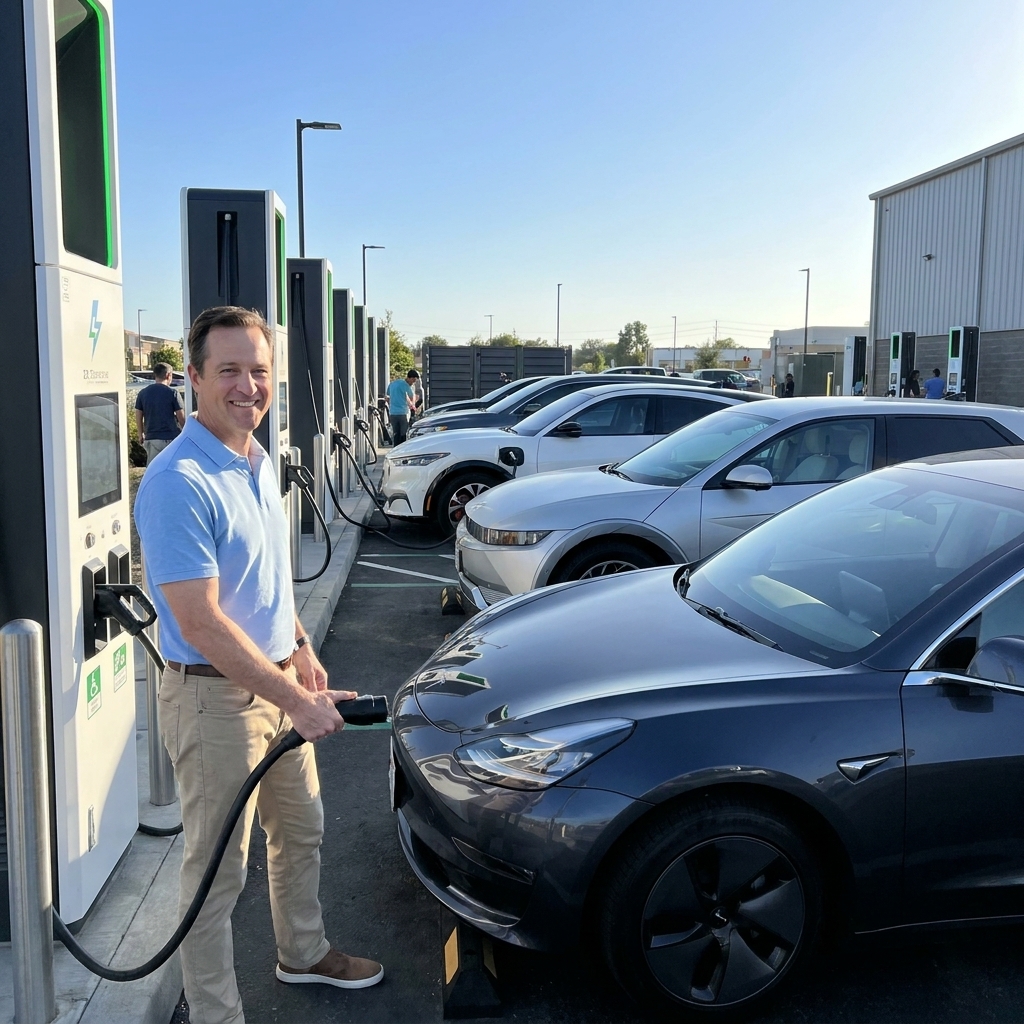
Charging is the make-or-break variable for fully electric ownership. The good news is the network is expanding and getting more standardized. The frustrating news is that reliability and availability still vary wildly by region.
What’s improved recently
- More fast chargers in more places. Highway corridors keep filling in, and metro areas are adding higher-power sites that actually support modern charging speeds.
- Connector standardization is heading the right way. In North America, NACS adoption and wider adapter access are reducing confusion. We are still in a transition period where CCS and J1772 are common, rollout timing varies by automaker, and many non-Tesla DC fast-charge sites are still primarily CCS today.
- Better route planning. Newer EVs and apps do a much better job predicting arrival state of charge and preconditioning the battery for faster DC charging.
What still trips people up
- Apartment and condo charging is still the pain point. Having a consistent place to plug in is the cheat code for EV life. Without it, you are relying on public stations and your schedule becomes part of the “fuel system.”
- Reliability can be hit or miss. A station can be present and still be out of service, throttled, or fully occupied. That’s improving, but it is not solved everywhere.
- Quality is not just “does it exist.” Before you buy, check real-world station feedback (for example, recent PlugShare check-ins and scores) and look for patterns like repeat outages or consistent wait times.
If you can consistently plug in at home or work, EV ownership gets dramatically easier. If you cannot, a PHEV often delivers a lot of the electric driving benefits without forcing your day to revolve around chargers.
Tech that changes the decision
Tech headlines can feel like noise, so here are the updates that genuinely influence whether a PHEV or EV makes more sense in 2026.
EV tech that matters
- More efficient platforms. Newer EVs are getting more miles per kWh, which helps both range and charging costs.
- Faster charging curves. Peak kW figures are nice marketing, but the real win is sustaining strong charging speed from 10 to 60 percent. The latest models are improving here.
- Heat pumps and better thermal management. This reduces winter range penalties and makes cabin comfort less of a range killer.
- Battery chemistry variety. Some models lean into cost-focused chemistries while others prioritize energy density and performance. For buyers, that often translates to a trade between price and range.
PHEV tech that matters
- Longer electric-only ranges. Newer PHEVs increasingly cover a real commute on electricity alone, not just a quick errand. Electric range varies widely by model and test cycle, but many current mainstream options are often roughly in the 25 to 50 mile band on an EPA-style rating in the US, with some below that and a few above it.
- More capable onboard charging and better energy management. Faster Level 2 charging and smarter blending between gas and electric can make a PHEV feel less compromised.
- Improved engine integration. The best modern PHEVs are smoother when the engine starts, and they feel more like an EV most of the time.
My mechanic-brain takeaway: EVs keep simplifying the drivetrain. PHEVs keep improving the electric-first experience. The gap is narrowing for daily use, but complexity still favors EVs long term.
Cost reality check
When buyers compare PHEV vs. EV, they often stop at MSRP. You really want to consider how you’ll fuel it and how much complexity you’re willing to own.
Fueling costs
- EV: Cheapest when you can charge at home on a reasonable rate plan, especially with time-of-use pricing. Public fast charging can be convenient, but it can also narrow the cost advantage versus gasoline depending on local pricing.
- PHEV: Cheapest when you actually plug in regularly. If you never charge it, you are basically hauling a battery around and running a heavier hybrid on gas.
One wildcard people forget: electricity pricing is not just one number. Time-of-use rates, demand charges baked into commercial pricing, and DC fast-charging memberships can swing your real cost per mile more than you expect.
Maintenance and long-term complexity
- EVs generally win on routine maintenance. No oil changes, no spark plugs, fewer fluids, and far fewer moving parts.
- PHEVs have two systems. You still have an engine, fuel system, exhaust, plus the electric side. They are not “bad,” but they carry more long-term complexity and more potential maintenance points as the vehicle ages, especially if the engine runs a lot. Depending on duty cycle and model reliability, that extra complexity can translate into higher long-term maintenance risk versus a simple hybrid or a full EV, but it is not guaranteed.
Incentives, insurance, and repairs
- Incentives can flip the math. Federal, state, provincial, and local programs change often, and some apply to EVs, some to PHEVs, and some to charger installation. Check eligibility before you decide.
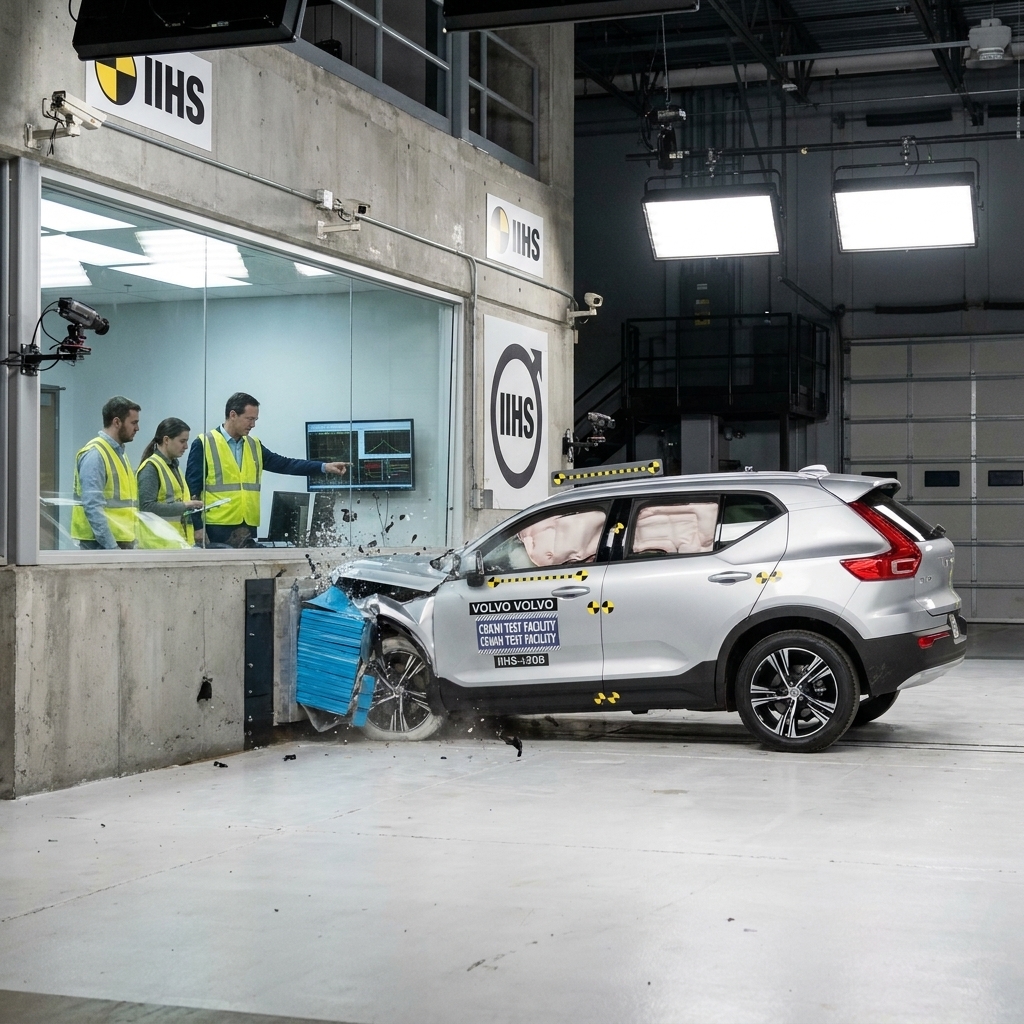
- Insurance and repair costs vary by model. Some EVs cost more to repair after a collision due to parts pricing and shop capability. Some PHEVs cost more because of packaging and complexity. Get quotes for the exact trim you want.
- Battery warranties differ by market and powertrain. Many EVs in the US include an 8 year battery warranty, commonly around 100,000 miles (terms vary by brand). In other markets, mileage and coverage can differ, and PHEVs also have high-voltage battery warranty coverage you should compare model to model.
If you are the type who keeps a car 10 years or more, the simplicity of an EV is a real value, not just a talking point.
How to choose
Here’s the framework I use with friends and readers. Answer these honestly and the decision usually becomes obvious.
Choose an EV if you…
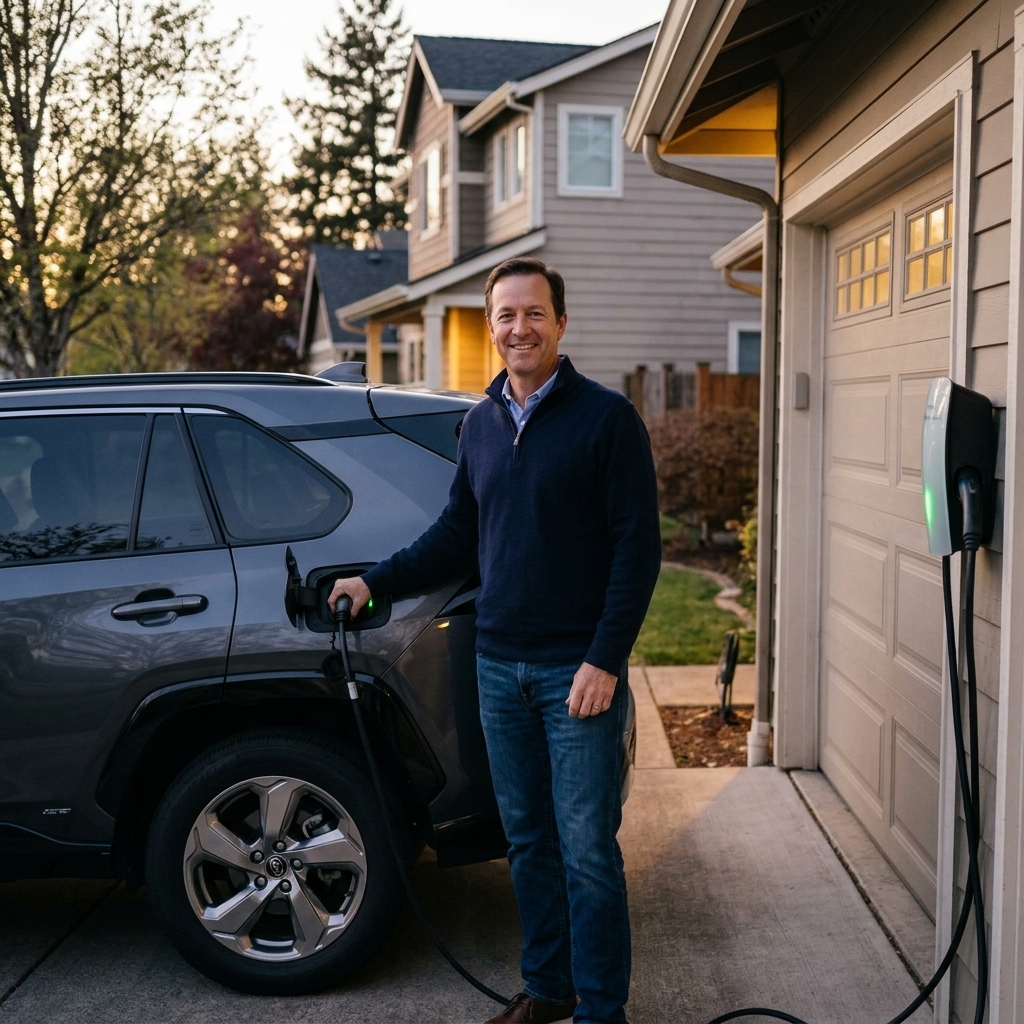
- Can charge at home or work most of the time.
- Drive predictable daily miles and your typical week fits inside the EV’s real-world range.
- Do not want engine maintenance and plan to keep the car a long time.
- Road trip occasionally and have decent fast-charging coverage on your routes.
Choose a plug-in hybrid if you…
- Cannot count on consistent home charging but can plug in sometimes.
- Have mixed driving that includes long, unplanned trips where you do not want to think about charging stops.
- Live in a cold region and want the safety net of gasoline on brutal winter days.
- Want to “try electric” without committing to charging infrastructure immediately.
One more honest point: if you choose a PHEV, treat plugging in like brushing your teeth. It only works if you do it consistently.
If you rent or have an HOA
- Ask about outlet access and billing. Even a basic 120V outlet can help if your daily miles are modest.
- Look for workplace charging. One dependable charger at work can make an EV easy.
- Audit nearby fast charging. Do not just check if stations exist. Check uptime, hours, and how busy they get. Recent user check-ins are your friend.
Quick daily comparisons
Commute and errands
EV: Best experience, quiet, smooth, one-pedal driving, and cheap energy at home.
PHEV: Can feel nearly identical on electric power, but only within its electric range.
Road trips
EV: Great if your routes have reliable fast charging and you’re comfortable planning stops. Roof boxes, cold weather, high speeds, and towing can reduce range fast, so plan with margin.
PHEV: Easiest if you travel in areas with sparse charging or you frequently tow or carry heavy loads.
Cold weather
EV: Better than it used to be, but range loss still happens and charging can slow when batteries are cold.
PHEV: Gas engine backup reduces stress. If your goal is maximizing electric miles and minimizing engine run time in winter, you still need winter tires and a realistic plan for when and where you will charge.
What I’d buy in 3 scenarios
1) Suburban homeowner with a garage outlet
Go EV nearly always, assuming your daily miles are reasonable and you can charge reliably at home. Level 2 is a quality-of-life upgrade, but Level 1 can work for shorter commutes.
2) Apartment dweller with unreliable parking
A PHEV is often the smarter move unless your workplace charging is rock-solid or you have dependable public charging near home.
3) One-car household doing frequent long trips
If you’re regularly doing long drives into rural areas, a PHEV can be the least stressful. If your long trips stay on well-served corridors, a modern EV can be excellent.
FAQ
Is a PHEV the best of both worlds?
It can be, if you charge it often. The catch is complexity. You’re maintaining an engine vehicle and an electric vehicle in the same package, so long-term ownership can carry higher maintenance risk than either a simple hybrid or a full EV. How that plays out depends heavily on model reliability and how much you use the engine.
Do EV batteries still degrade a lot?
They degrade, but modern thermal management and battery controls have improved. Real-world degradation varies by model, climate, and charging habits. Frequent high-heat fast charging can be harder on batteries than mostly home charging. Most EVs also come with long battery warranties, often around 8 years and roughly 100,000 miles in the US, though exact terms vary by brand and market.
What about resale value?
Resale depends heavily on brand, incentives at the time, and local charging convenience. In areas with strong charging access, EV demand tends to be healthier. In areas without it, PHEVs can be easier to resell because they fit more lifestyles.
If I can only do Level 1 charging at home, is an EV still worth it?
Sometimes. Level 1 often adds roughly 3 to 5 miles of range per hour depending on the vehicle and conditions, typically around 1.2 to 1.4 kW on a 120V, 12A circuit. If your commute is short and you can plug in every night, it can be fine. If you need to refill a big battery quickly, Level 2 is a major quality-of-life upgrade.
The bottom line
The market is telling us something pretty clear in 2026: EVs are the best answer when charging is easy, and PHEVs are the most comfortable answer when charging is uncertain. If you want the smoothest daily driving and the lowest routine maintenance, go full electric and prioritize reliable home or workplace charging. If your life includes unpredictable long trips, limited charging access, or you just want a lower-risk on-ramp to electrification, a well-designed PHEV is still a smart buy.
If you want, send me your commute distance, your ability to charge at home or work, and the kind of trips you take twice a month. I can help you narrow it down to the right powertrain, and then the right models.