If you have felt like the rules around cars are changing faster than the cars themselves, you are not imagining it. 2024 brings a mix of safety updates, emissions enforcement, and EV policy tweaks that can affect what you pay at the dealer, what features show up on new vehicles, and even how you pass inspection in some states.
I am going to walk you through seven of the biggest regulatory changes and policy shifts landing in 2024, with a plain-English take on what they mean in the real world. Think of this like a shop talk recap, but for laws and standards instead of torque specs.
1) Safety ratings are getting tougher
What is changing: Major safety assessment programs are tightening requirements, which pushes automakers to add or improve real-world safety hardware.
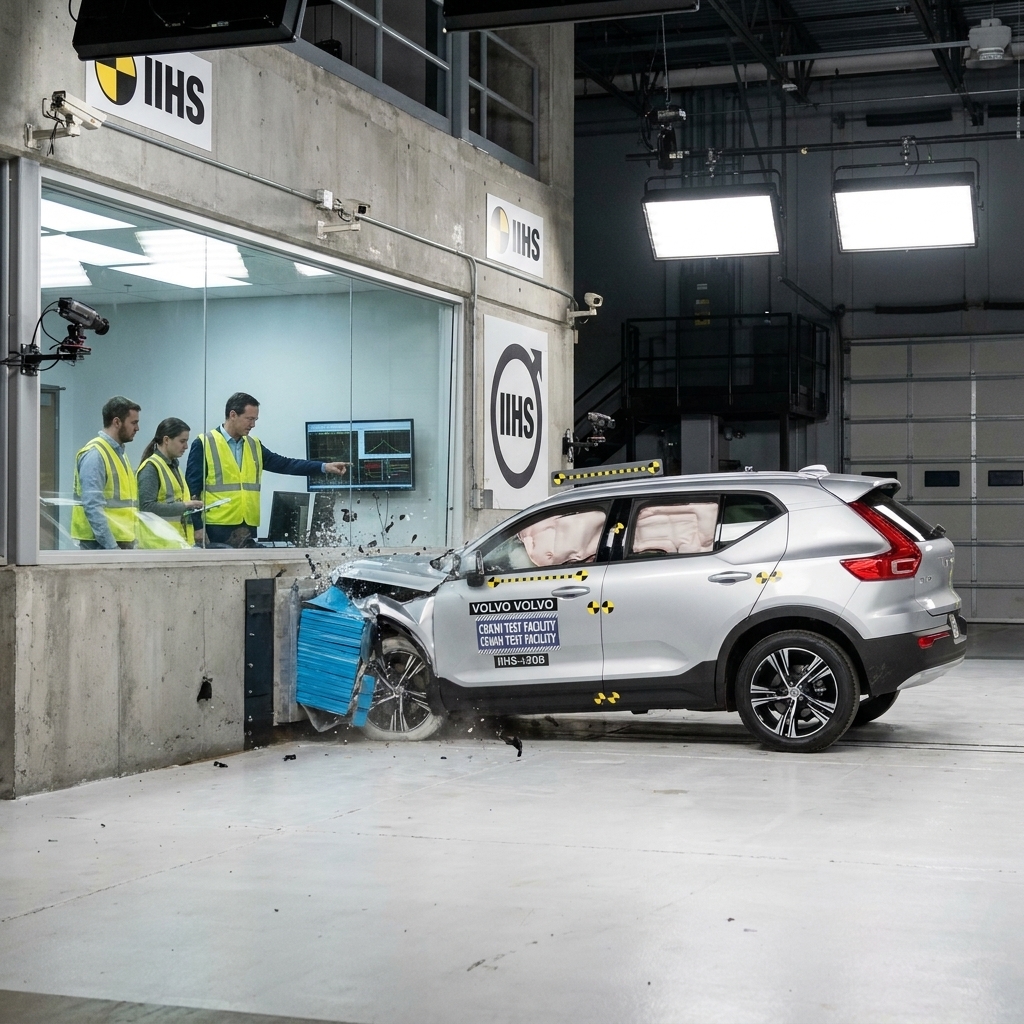
In the US, the Insurance Institute for Highway Safety (IIHS) updated its award criteria recently and continues to apply more demanding crash tests and higher performance thresholds. That ripples into 2024 model year vehicles because manufacturers chase those Top Safety Pick and Top Safety Pick+ labels.
Separately, NHTSA has been working on updates to its New Car Assessment Program (NCAP), the government star-rating program. The specifics are still in flux, but the conversation has centered on making the ratings reflect more of what matters now, such as how well driver-assist features perform , more emphasis on protecting people outside the vehicle (pedestrian and cyclist safety), and stronger focus on impairment and distraction countermeasures like seat belt reminders and driver monitoring. The timeline is not a clean switch-flip, but the direction of travel influences what automakers decide to make standard.
Quick difference: IIHS is an independent testing institute and gives awards, while NHTSA NCAP is a government program built around star ratings. They test different things and update on different schedules, but both shape what shows up on the window sticker.
What it means for drivers
- Safer new cars, but sometimes at a higher price. Better airbags, improved structures, and upgraded driver-assist sensors are not free.
- Trim levels matter more. Some models only qualify with certain headlights or optional safety packages. If safety ratings are part of your decision, match the rating to the exact trim you are buying.
- Used-car shopping gets easier if you know the model year. When a redesign or mid-cycle update hits to meet tougher tests, that is often the year you want to target.
Ben tip: When you compare safety ratings, read the fine print on headlights and automatic emergency braking performance. Two cars with the same nameplate can score very differently depending on equipment.
2) AEB is becoming the baseline
What is changing: Automatic emergency braking (AEB), including pedestrian detection, is shifting from “nice to have” to “expected.” In 2024, that shift is driven less by a single overnight mandate and more by a mix of rulemaking momentum, voluntary manufacturer commitments, and rating-program pressure (IIHS and NCAP-style scoring).
Translation: even when the hard regulatory deadlines are still ahead, 2024 vehicles increasingly show up with AEB as standard because brands want strong ratings and lower crash claims.
What it means for drivers
- More standard AEB on new vehicles. Even budget-friendly trims are increasingly coming with forward collision warning and AEB.
- Calibration and windshield replacements matter. Camera and radar systems often require recalibration after front-end repairs or glass replacement. I have seen a “simple windshield job” turn into an extra appointment once the shop realizes calibration is required.
- Insurance and total-loss math can change. Minor bumper damage is no longer “minor” when it includes sensors, brackets, and calibrations.

3) Adaptive headlights are inching in
What is changing: The US has moved toward allowing advanced headlighting tech such as adaptive driving beam (ADB) systems, which can improve nighttime visibility without blinding oncoming traffic. The catch is that real-world rollout has been slower than many drivers expected because compliance, testing, and implementation take time.
In 2024 you are seeing limited availability rather than every brand flipping a switch overnight. Some vehicles have the hardware, but the US-approved behavior and validation requirements mean a lot of manufacturers are still cautious about launching full capability broadly.
What it means for drivers
- Better visibility on some new cars. Night driving is where a lot of drivers quietly lose confidence. Good headlights help more than most people realize.
- More expensive replacements. LED and adaptive units can cost dramatically more than old sealed beams or halogens.
- Aftermarket swaps can bite you. Cheap LED bulb conversions in halogen housings can create glare and can run afoul of state equipment rules. If you want better lighting, look for DOT-compliant assemblies and reputable brands.
Ben tip: If your headlights feel weak, try a proper headlight restoration first. Cloudy lenses can cut light output hard, and that fix is often under $30 in materials.
4) CARB states are shaping choices
What is changing: A growing number of states follow California Air Resources Board (CARB) emissions rules, including the Advanced Clean Cars II framework that ramps requirements over time. Even though the biggest targets are later in the decade, 2024 is when some shoppers may notice differences as manufacturers plan compliance and allocate inventory.
Here is the nuance: Advanced Clean Cars rules mainly affect what manufacturers sell and how they plan. They do not automatically rewrite your local inspection program. That said, emissions inspection and anti-tampering enforcement in some states and metro areas has been trending tighter, especially where OBD readiness checks and visual inspection rules are already in place.
What it means for drivers
- Model availability can vary by state. You may see automakers prioritize EVs and plug-in hybrids in CARB-aligned states, while certain gasoline trims, engine options, or “fleet-style” configurations may be easier to find elsewhere. This is not uniform in every CARB state, but it is a real pattern in how inventory gets allocated.
- More plug-in hybrids as a bridge. For drivers who cannot charge at home, PHEVs can be a realistic stepping stone if the price is right.
- If you live in an inspection area, expect less tolerance for “almost fixed.” Readiness monitors, check engine lights, and missing emissions equipment are common reasons vehicles fail. That has always been true, but it is catching more people as cars get more computerized and inspections get more consistent.
Ben tip: If you are shopping across state lines, confirm emissions certification (50-state vs. not) and ask the dealer for the exact emissions label under the hood or in the door jamb before you put down a deposit.

5) EV credits can be point of sale
What is changing: Starting in 2024, the federal clean vehicle credit can be transferred to the dealer for many purchases, which effectively turns the credit into an up-front discount for eligible buyers and vehicles. This applies to eligible new EVs and also to qualifying used EV purchases (with different rules). Eligibility still depends on vehicle sourcing requirements (for new), MSRP or price caps, and buyer income limits, so not every EV qualifies and not every buyer qualifies.
Also worth saying out loud: even if you take the discount at the dealer, you still need to be eligible when you file your taxes. If you end up ineligible at filing time, you may have to pay it back depending on your situation. Dealer participation matters too because dealers have to be registered to process the transfer.
What it means for drivers
- Lower out-of-pocket at purchase for qualifying deals. Instead of waiting until tax time, many buyers can apply the benefit at the dealership.
- You need to confirm eligibility before you sign. Ask the dealer to show you the vehicle’s qualification status and your paperwork trail.
- Used EV credits are in play too. A separate credit exists for qualifying used EVs, with its own price cap and requirements. This can make a well-kept used EV much more attractive.
Quick checklist for EV credit homework
- Buyer limits: confirm income eligibility for your filing status.
- Vehicle limits: confirm MSRP or sale price cap and the rules that apply to that exact model and trim.
- Paperwork: keep the time-of-sale report (seller report) and your final purchase documents.
- Double-check: confirm details on IRS guidance and fueleconomy.gov, not just a sales pitch.
Ben tip: Do not buy an EV assuming the credit will “work itself out.” Confirm the exact model, trim, and final assembly details, and keep your purchase documents organized.
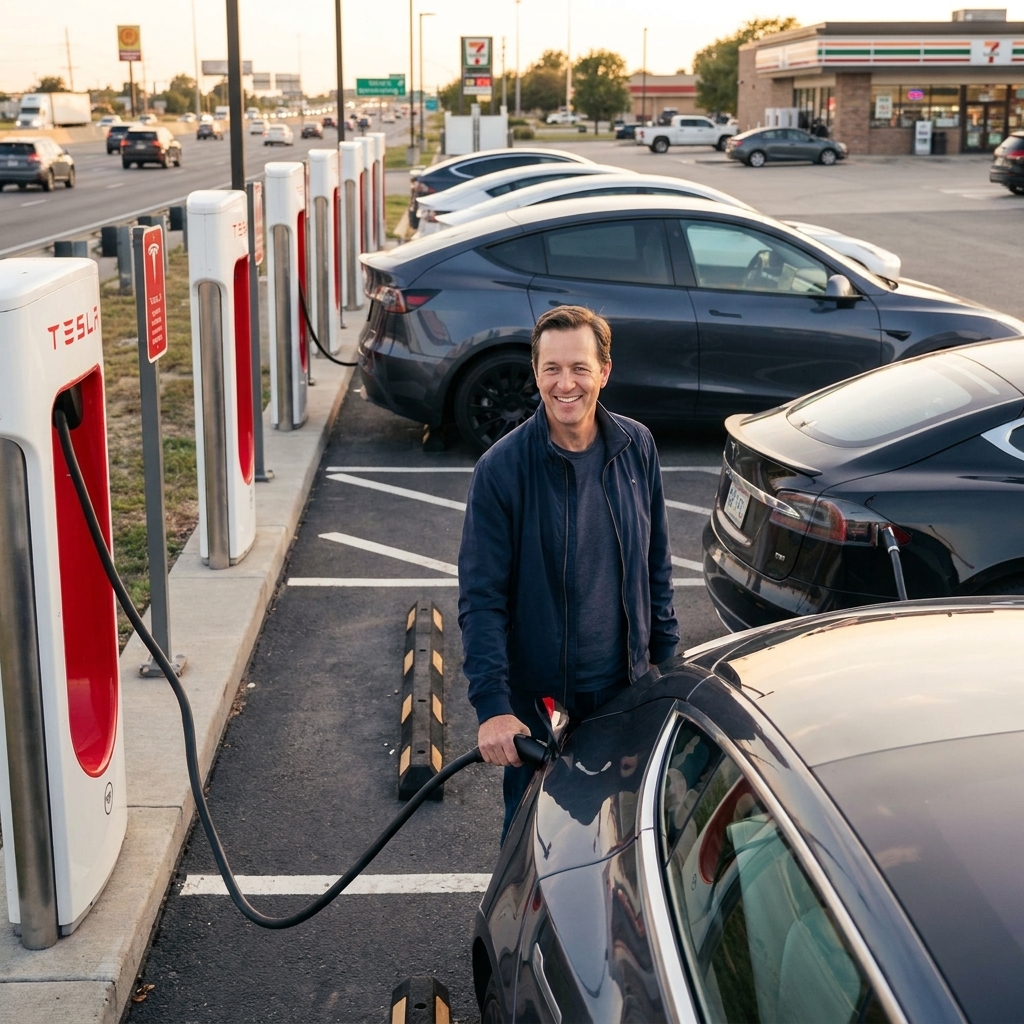
6) Charging standards are converging
What is changing: The industry is coalescing around Tesla’s North American Charging Standard (NACS) and broader access to the Supercharger network via adapters and new vehicle ports. Federal and state funding programs also influence which connectors and station standards get deployed.
In 2024, most of the real-world experience is still “adapter-first.” Many 2024-model EVs ship with CCS ports, while manufacturers promise NACS ports on future model years. Access and timing vary by brand and rollout schedule, and Supercharger access is not universal just because the connector is popular. It depends on OEM agreements, vehicle eligibility, and the specific adapter and software authorization being approved for that car.
What it means for drivers
- Adapter life is real. Many EV owners will use adapters for a while as networks and vehicle ports catch up.
- Ask about port type and fast-charging access. Two EVs with similar range can feel very different depending on fast-charge availability on your routes.
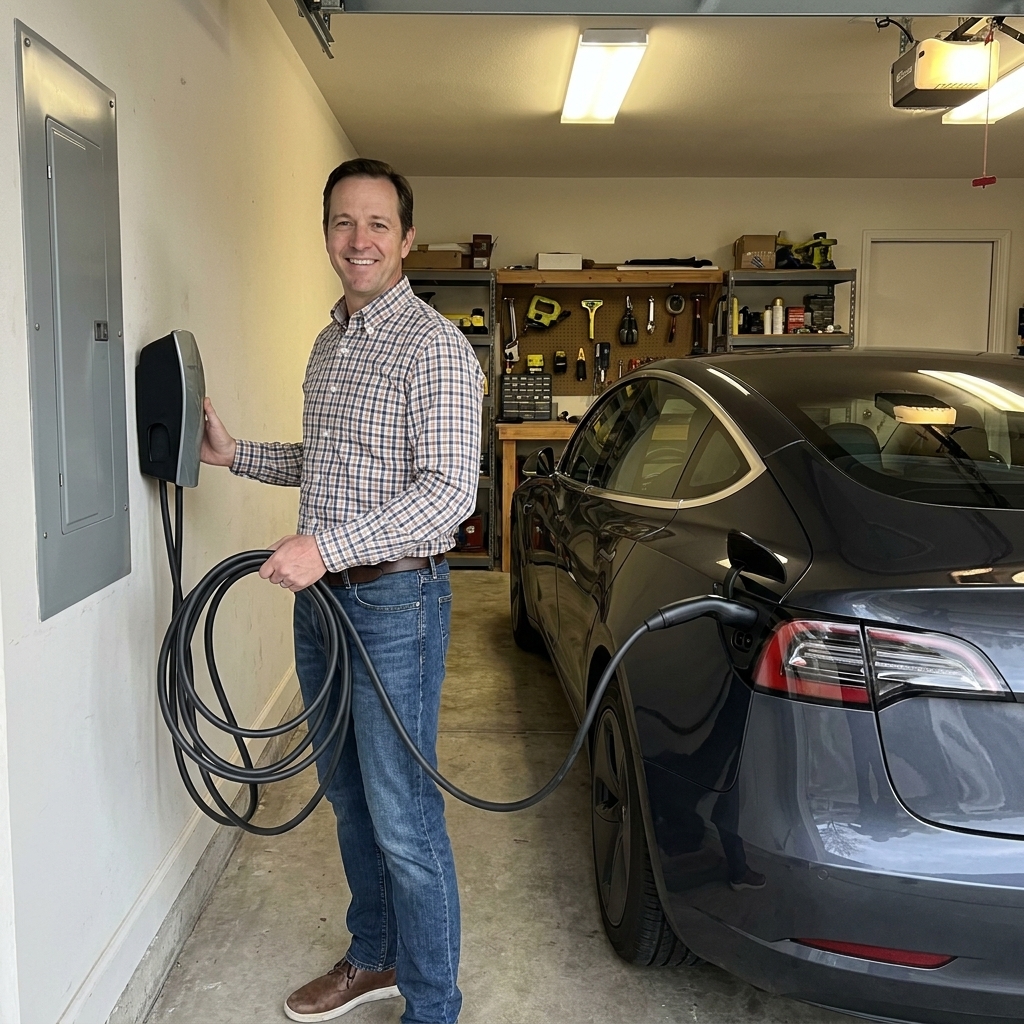
- Home charging decisions matter. If you are installing a Level 2 charger, choose a reputable unit and think about future compatibility, especially if your household might change EV brands.
Ben tip: Only buy the adapter your automaker approves for your vehicle. The cheapest option is not a deal if it fails, overheats, or leaves you stranded.
7) Software and tampering scrutiny
What is changing: Vehicles are more software-defined, and emissions systems are more data-driven. In 2024, the practical trend for owners is not that every state suddenly changed the rules, but that inspection tools, scan data, and enforcement priorities make it harder to hide emissions-related modifications in places that already test for them.
This shows up most for modified vehicles in OBD emissions-testing areas, and for shops that do not want the liability of questionable work. It also lines up with ongoing federal enforcement attention on illegal defeat devices and state-level inspection modernization, including tighter OBD checks and, in some regions, remote sensing and data-driven screening.
What it means for drivers
- Modified vehicles face more risk at inspection time. If you live in an emissions-testing area, “just clearing the code” is not a strategy. Readiness monitors and inspection systems can catch it.
- Choose reputable tuners and parts. If you modify, do it with compliance in mind. The cheapest tune or cat delete can become the most expensive decision you make.
- Shops are more cautious. Many repair facilities will refuse questionable modification work because the liability is not worth it.
Ben tip: If your goal is better drivability or reliability, start with maintenance and quality parts before you start chasing power. A healthy engine and proper tires do more for daily enjoyment than most bolt-ons.
How to stay ahead
You do not need to memorize every statute to make smart decisions. Here is the practical playbook I recommend:
- If you are buying new: Ask which safety features are standard on the exact trim you want, verify EV credit eligibility in writing if applicable, and check charging access for your typical routes.
- If you are buying used: Look up crash-test performance by model year, scan for stored codes, and confirm that emissions equipment is intact.
- If you live in a CARB-aligned state: Expect availability and pricing to shift as manufacturers manage compliance. Be flexible on color and trim, and shop early if you have a deadline.
- If you modify your car: Research local inspection rules and keep receipts for compliant parts. It can save you a headache later.
FAQ
Will these changes make cars more expensive in 2024?
Some of them can, yes. Added safety tech, more sensors, and tougher test standards increase manufacturing and repair costs. On the flip side, point-of-sale EV credits and expanding charging access can reduce the total cost for certain buyers.
Do these rules affect older cars?
Most new-vehicle safety and manufacturing rules mainly affect new models, but emissions enforcement and inspection requirements can absolutely affect older vehicles, especially if they are modified or have persistent check engine lights.
What should I check first when shopping for an EV in 2024?
In order: home charging feasibility, real-world fast-charging access on your routes, total price after incentives, and winter range expectations if you live in a cold climate.