Every year, automakers get a little bolder with the words they use around “self-driving.” And every year, I find myself repeating the same shop-floor truth: these systems can be genuinely helpful, but they are still driver assistance . They are not a substitute for an attentive human in the seat.
So let’s do this the useful way. Below is a side-by-side look at the latest hands-free and advanced driver-assistance updates you can buy in 2024 model-year vehicles, plus what they feel like in the messy real world: faded lane paint, construction zones, aggressive merges, and that one curve on your commute that seems to confuse every car on earth.
Quick terms check
Automakers mix marketing and engineering language, so here’s the translation I use when talking to everyday drivers:
- Adaptive Cruise Control (ACC): Maintains speed and following distance.
- Lane Centering: Actively steers to stay centered in the lane.
- Hands-free driving: The system steers, accelerates, and brakes while you keep your eyes on the road. Typically limited to mapped highways and requires driver monitoring.
- Driver monitoring: Camera-based attention tracking (better) or steering-wheel torque checks (easier to fool).
- “Self-driving” in ads: Usually means a package of ACC + lane centering + lane change assist. It still needs you.
One more plain-English point: “hands-free” almost always still means eyes-on. If your attention drifts, the car will nag, then disengage, and you are back on the hook.
If the system ever asks you to take over, treat it like a tow strap that just snapped. Grab the wheel, cover the brake, and re-establish control immediately.
2024 systems compared
These are the major players and how they stack up in 2024 vehicles. Availability can vary by trim, subscription, and region, so always verify what comes on the exact VIN you are shopping.
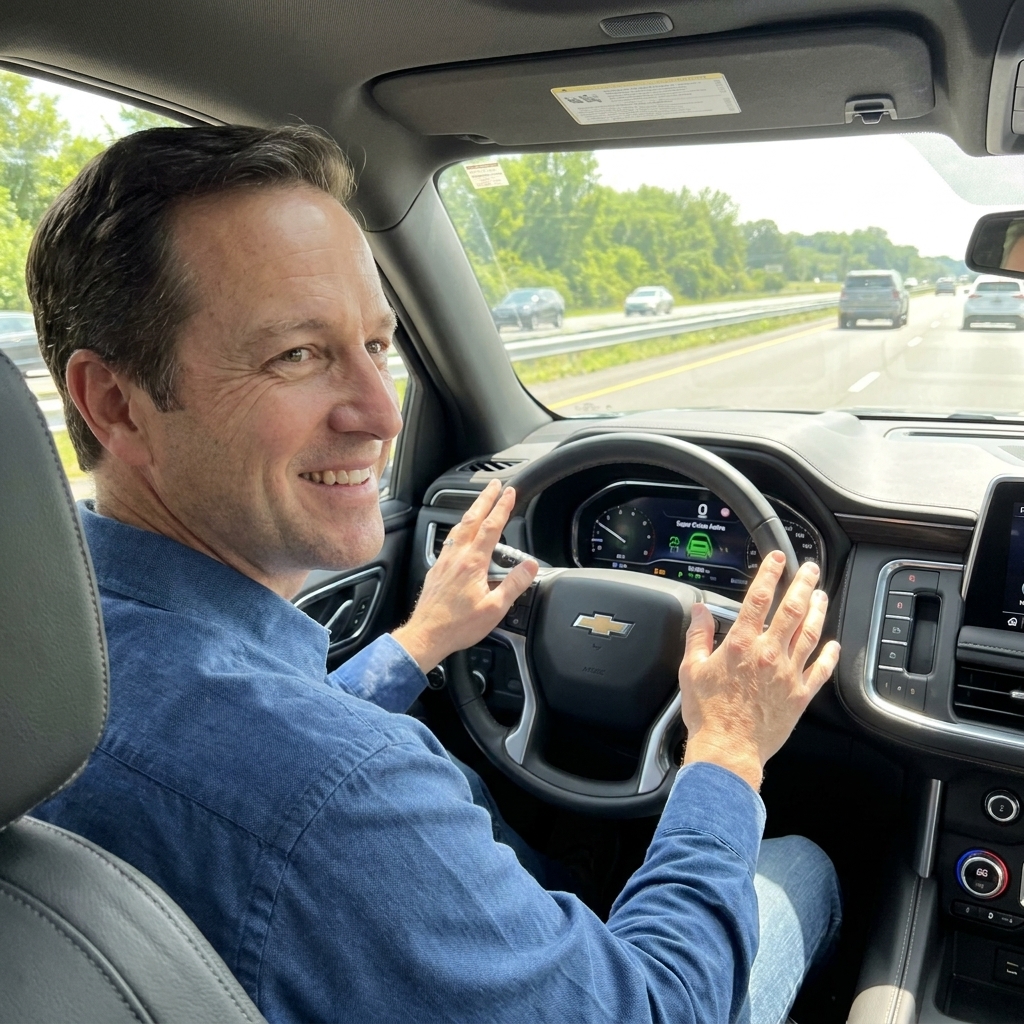
GM Super Cruise (Chevrolet, GMC, Cadillac)
What’s new lately: Wider availability across GM’s lineup and continued expansion of compatible roads. Super Cruise has also leaned into towing and trailering support on certain models, which is a big deal for real owners who actually use their trucks.
- Best at: Smooth, confidence-inspiring hands-free highway cruising with a strong driver-monitoring setup.
- Where it struggles: Construction zones and confusing temporary lane shifts, especially when lane markings are ugly or inconsistent.
- Real-world feel: One of the most “settled” hands-free experiences. When it is happy, it feels like a careful co-driver, not a nervous rookie.
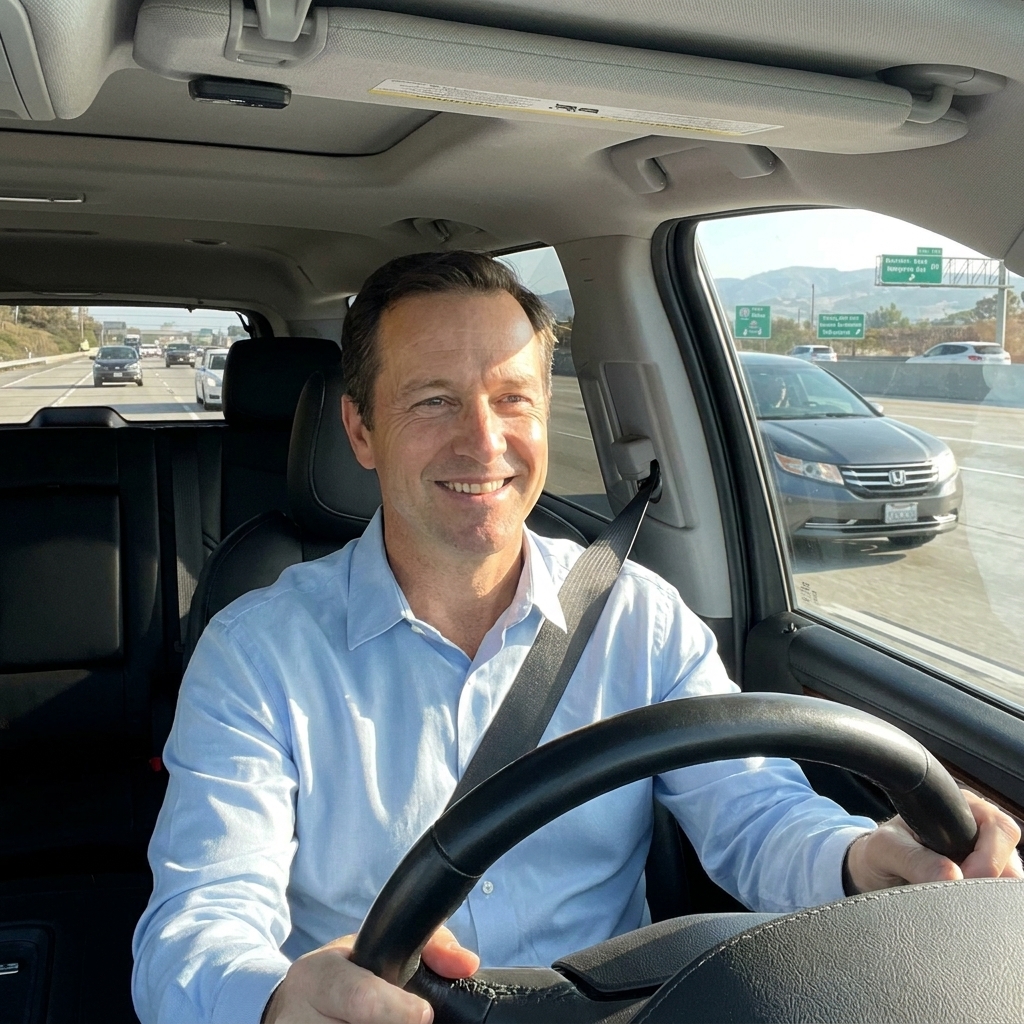
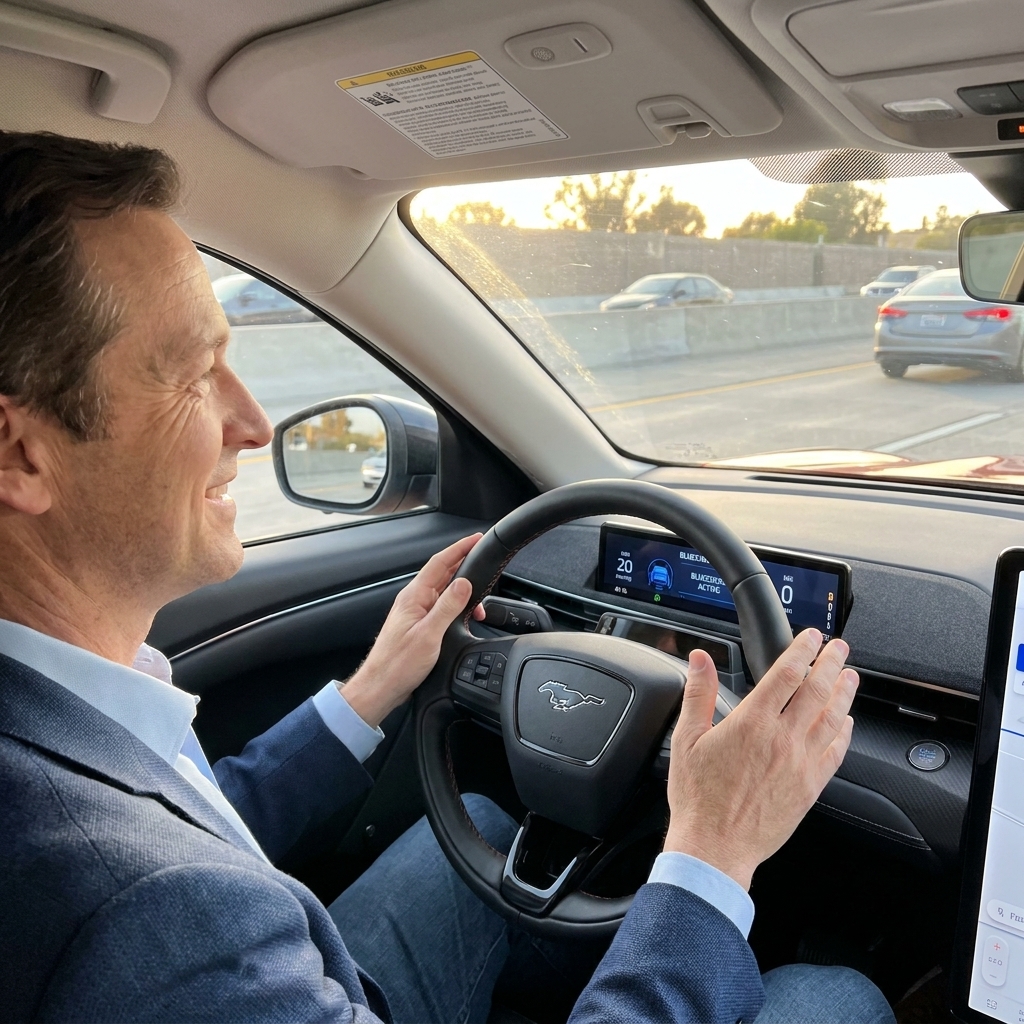
Ford BlueCruise (Ford, Lincoln)
What’s new lately: Updates improving lane positioning and long-haul comfort, plus ongoing growth of hands-free highway coverage on “Blue Zones.”
- Best at: Comfortable highway miles and predictable behavior in clearly marked lanes.
- Where it struggles: Busy interchanges, hard curves, and situations where other drivers cut in aggressively. It can be a little conservative and then suddenly ask for help.
- Real-world feel: Solid for road trips. Think of it as a fatigue reducer, not a chauffeur.
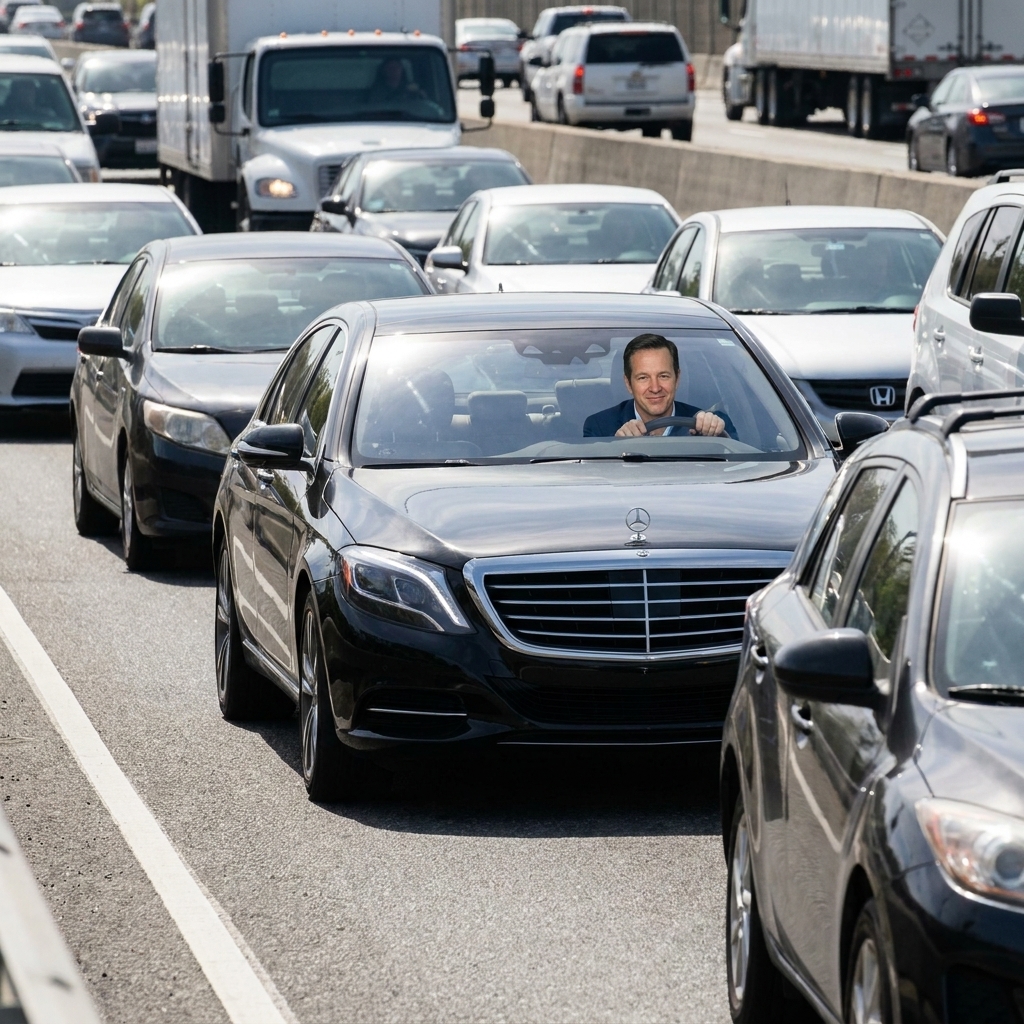
Mercedes-Benz Drive Pilot (select markets)
What’s notable: This is one of the few systems marketed and structured around a more formal “conditional automation” concept in limited scenarios. The key is that it is highly restricted by speed, road type, and location, and it is not widely available everywhere.
Concrete reality check: in the U.S., Drive Pilot is positioned as an SAE Level 3 system and is only approved in certain states, on specific highways, and under tight conditions (typically low speeds in traffic, plus requirements around weather and visibility).
- Best at: Low-speed traffic situations on approved highways where the system is designed to handle the stop-and-go workload.
- Where it struggles: Availability and operating envelope. If you are expecting it to work like a general-purpose hands-free highway system, you will be disappointed.
- Real-world feel: Impressive when you are inside its narrow “box.” Outside that box, you are back in normal driver-assist land.
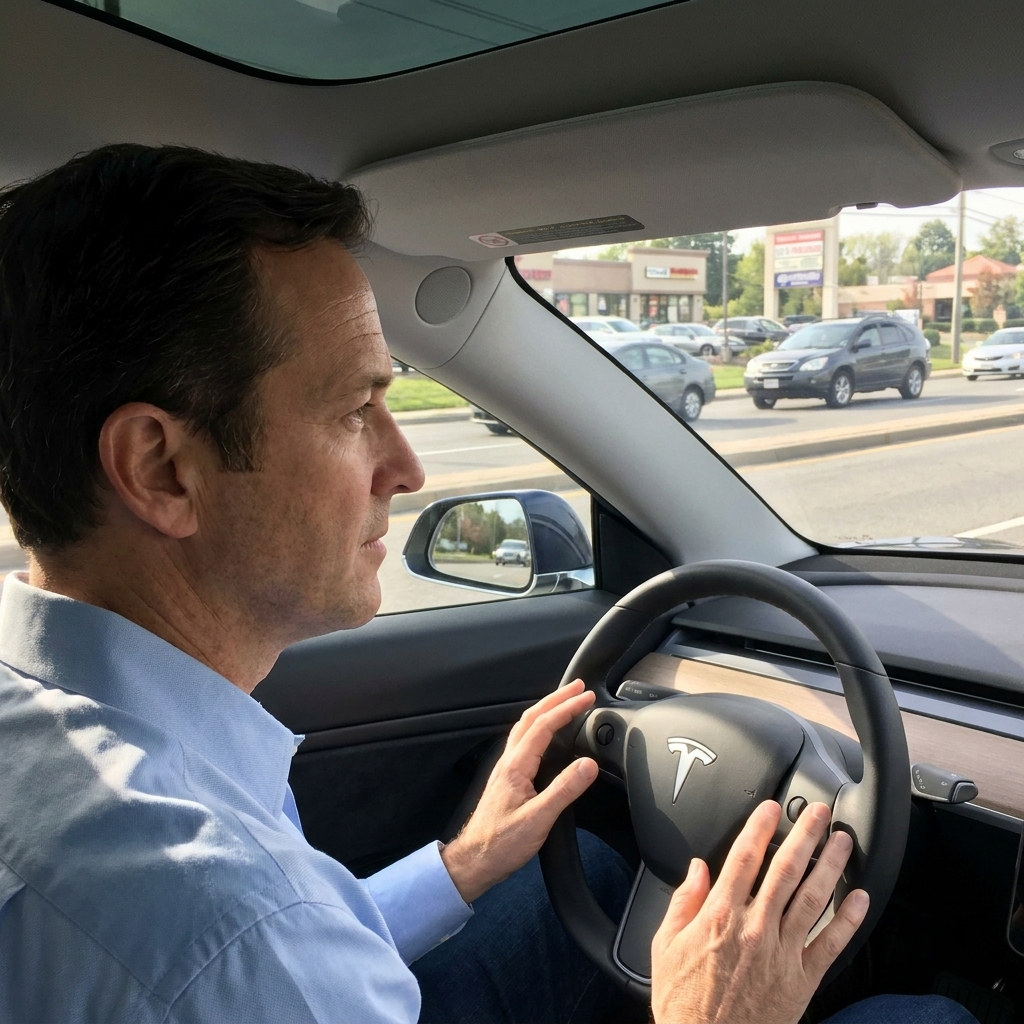
Tesla Autopilot and Full Self-Driving (Supervised)
What’s new lately: Frequent software updates and ongoing capability changes via over-the-air releases. Tesla’s approach evolves quickly, which is both the appeal and the risk: the system you test-drive today may not behave exactly the same after future updates.
Important wording: Autopilot is not hands-free by design. It is a hands-on driver-assist system that uses steering-wheel input checks and, on many vehicles, a cabin camera for attention. Full Self-Driving (Supervised) can handle more complex tasks, but it is explicitly supervised and still driver-responsibility.
- Best at: Reducing workload on long, straightforward drives and handling some lane-keeping and speed control smoothly when conditions are clean.
- Where it struggles: Edge cases. Think odd intersections, unpredictable pedestrians, unusual lane layouts, and aggressive merging behavior by other drivers. Driver attention is non-negotiable.
- Real-world feel: Capable, sometimes uncanny, sometimes overconfident. You need to drive with the mindset that you are supervising a learner driver who can make sudden decisions.
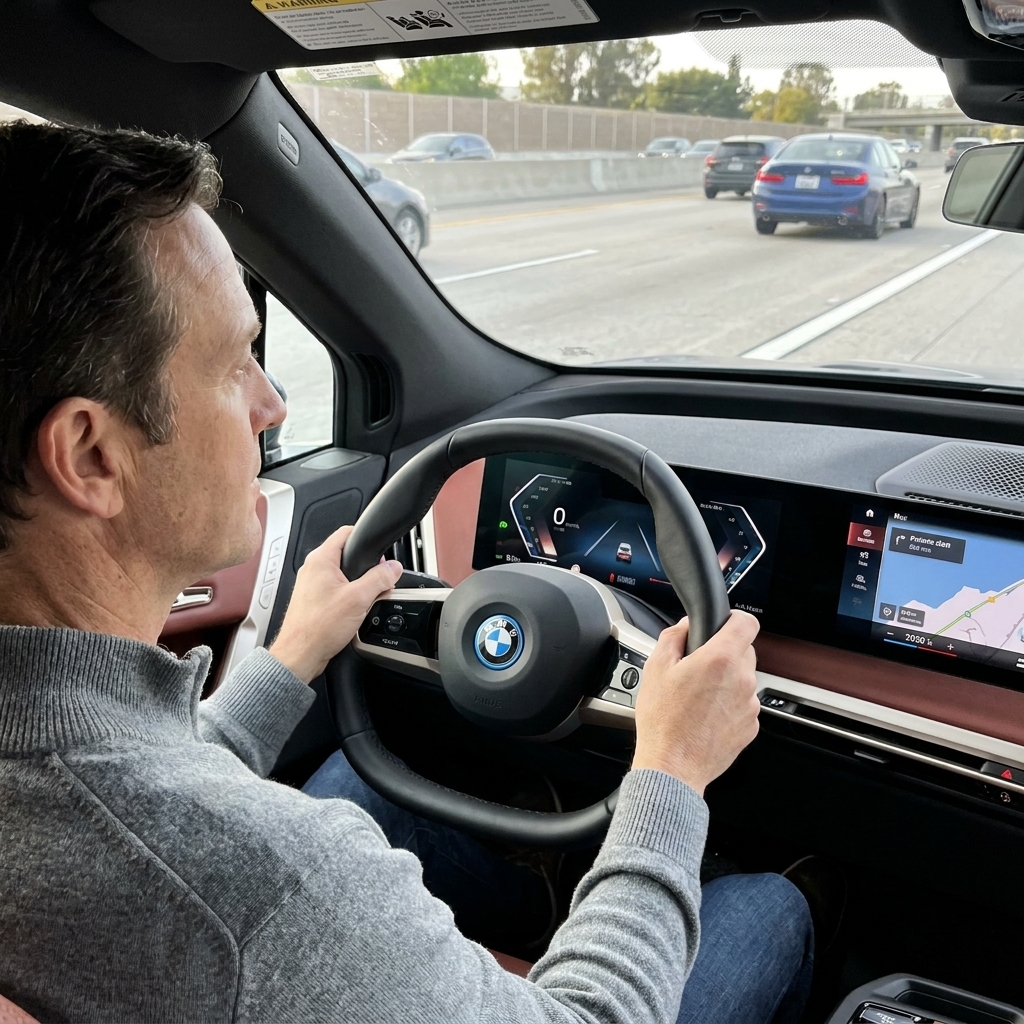
BMW Highway Assistant (Driving Assistance Professional)
What’s notable: BMW’s high-end driver-assist suites tend to be polished in steering feel and lane centering. Hands-free capability, when offered, is model and market dependent, and it can also be limited to specific road types and conditions.
- Best at: Natural lane centering and smooth control inputs that feel less robotic.
- Where it struggles: Same big enemy as everyone else: construction, poor lane paint, and unusual lane geometry.
- Real-world feel: Refined. If you like a car that feels composed, BMW’s tuning often matches that vibe.
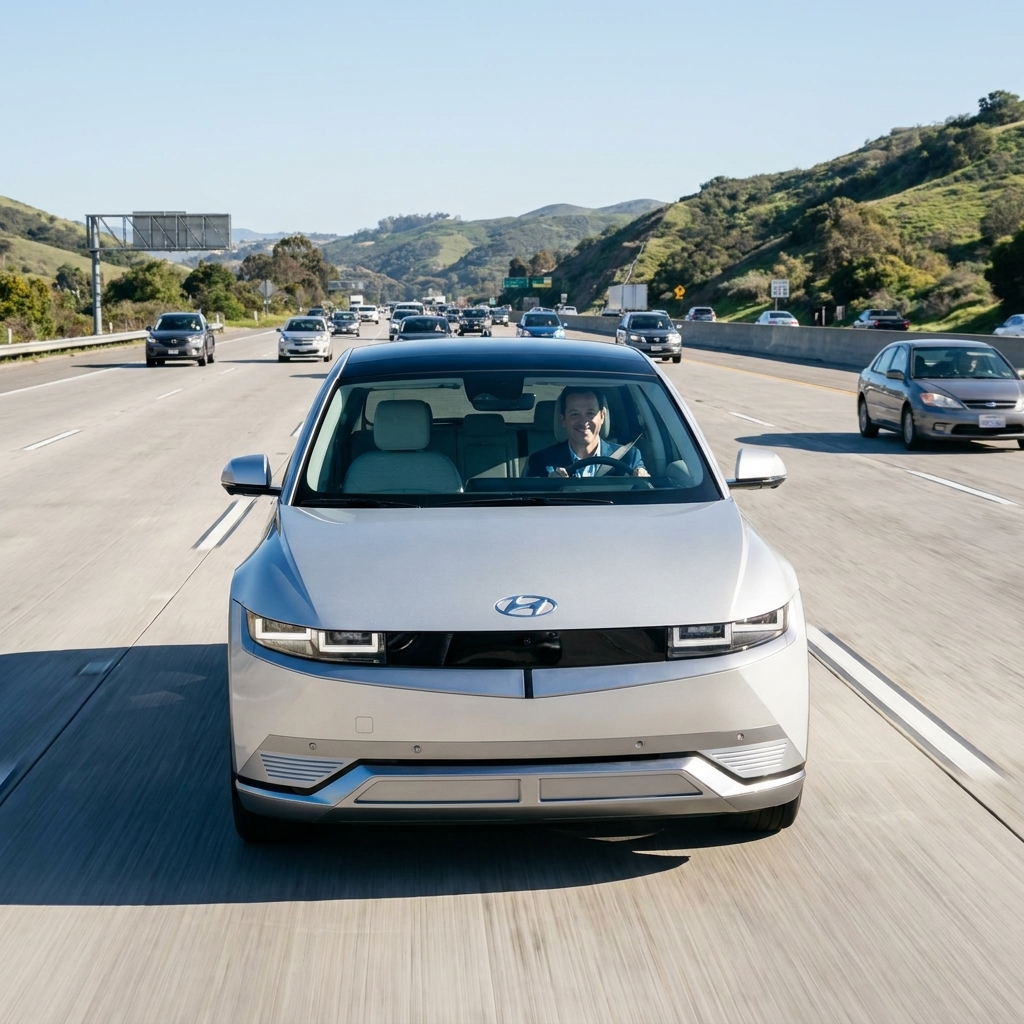
Hyundai, Kia, and Genesis Highway Driving Assist (HDA/HDA2)
What’s notable: These systems have matured fast and show up on a lot of mainstream models, which matters because it brings good driver assistance out of the luxury bubble.
As with most brands, the exact feature set varies by model, trim, and region. Some versions include more automation features than others, and hands-free style capability is not universal.
- Best at: Strong value, easy-to-use lane centering and adaptive cruise behavior, plus available assist for lane changes on some versions.
- Where it struggles: It can get fussy on sharp curves and may disengage more readily in poor visibility or questionable lane markings.
- Real-world feel: Very good for the money. You still want hands ready for the weird stuff, but it is a legit road-trip helper.
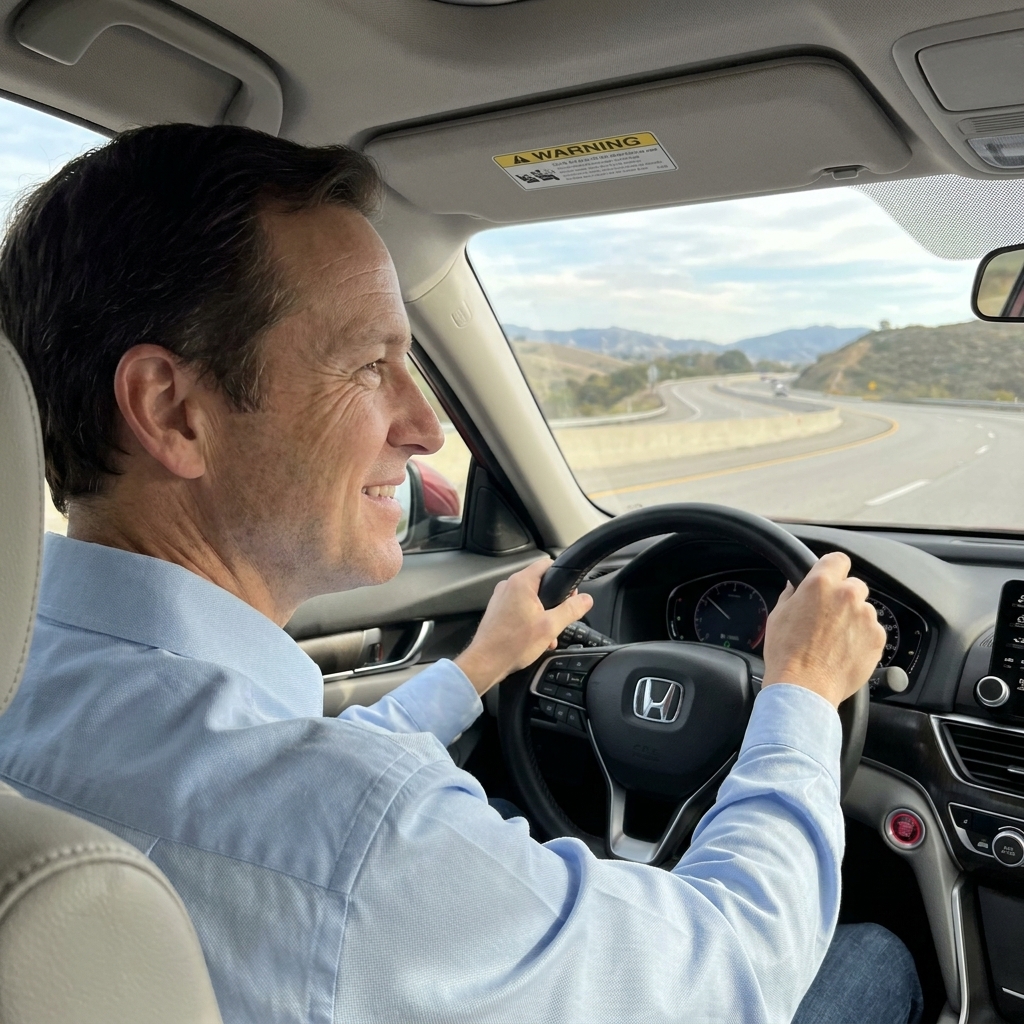
Honda Sensing and AcuraWatch
What’s notable: Honda plays this space conservatively. You get dependable adaptive cruise and lane-keeping features that aim for predictability over flash.
- Best at: Straightforward, consistent behavior that does not surprise you as much.
- Where it struggles: Not typically as hands-free forward as GM or Ford, and lane centering can feel less assertive in some situations.
- Real-world feel: Calm and functional. If you want assistance without feeling like you are beta-testing, you may appreciate this approach.
How it acts in traffic
Spec sheets are nice. Real roads are not. Here are the scenarios that separate a relaxing drive from a white-knuckle nope moment.
1) Construction zones and lane shifts
This is where even the best systems can look confused. Cones, temporary paint, lanes that suddenly jog left, and reflective tar snakes can all cause wandering or abrupt “take over” alerts.
- My rule: If you see a construction sign, assume you are about to take the wheel even if the car has been perfect for the last 50 miles.
2) Worn, wet, or covered paint
Camera-based lane detection needs usable information. Rain sheen, sun glare, snow, and faded paint all chip away at performance.
- What you feel: Subtle ping-ponging, late corrections, or a sudden disengagement.
3) Cut-ins and aggressive merges
Adaptive cruise is good at maintaining distance, but it is not psychic. When someone dives into your gap at the last second, the system may brake more abruptly than you would, or it may hesitate before reacting.
- Tip: In dense traffic, set following distance longer than you think. It gives the system room to be smooth.
4) Curves, crests, and interchanges
Highway assistants are happiest on predictable geometry. Tight curves, cresting hills, and lane splits can challenge lane centering and lead to a takeover request.
- Tip: Cover the wheel and be ready to guide through interchanges even if the system is still engaged.
What to check when buying
If you are deciding between trims, packages, or brands, I’d focus on the stuff that changes day-to-day ownership, not the marketing name.
- Driver monitoring type: A camera-based system that verifies attention is generally safer and more consistent than simple steering-wheel nags.
- Operational domain: Does it work only on mapped highways, or anywhere? Mapped can be safer and more stable because the automaker has validated those roads, but it limits where you can use it.
- Lane-centering quality: Test it on your actual commute if possible. Some systems hug one side of the lane or make constant micro-corrections that wear you out.
- Disengagement behavior: When it quits, does it hand control back smoothly, or does it feel abrupt?
- Subscription costs: Some features require ongoing fees after a trial period. Ask before you fall in love on a test drive.
Bottom line for 2024
If you want the most confidence-inspiring hands-free highway experience today, the systems with strong driver monitoring and well-defined operating zones tend to feel the most mature. GM’s Super Cruise and Ford’s BlueCruise are the ones I see owners genuinely relax with on long highway runs, as long as they respect the limits.
If you want a system that evolves rapidly, Tesla’s approach can be compelling, but it demands a higher level of supervision and comfort with change. Mercedes’ Drive Pilot style capability can be impressive, but it lives in a very specific lane of use cases, literally and figuratively.
The best advice I can give is simple: buy the system that matches your driving life. If you do 80 percent highway commuting, hands-free highway assistance can be a real quality-of-life upgrade. If your world is city streets, school zones, and construction, the wow factor drops fast and good basics like AEB, blind-spot monitoring, and a well-tuned ACC matter more.
FAQ
Are any 2024 cars truly self-driving?
For everyday consumer use, no. The best way to think about 2024 tech is that it can assist with steering, braking, and accelerating under specific conditions, but you are still responsible for driving.
Why do some systems only work on certain highways?
Mapped highway networks reduce complexity. The automaker is essentially saying, “We have high confidence here,” and limiting hands-free use to roads that have been validated. That can improve consistency, but it also means the feature will not follow you everywhere.
What’s the safest way to use hands-free features?
Use them when you are alert, on clearly marked highways, in decent weather. Keep your eyes up, hands ready, and ego out of it. If it feels sketchy, take over early.
Will software updates change how my system drives?
Sometimes, yes. This is especially true for brands that push frequent over-the-air updates . Read the release notes, and treat the first drive after an update like you are learning the system again.