For most of my career, “right to repair” meant something simple: if you own the car, you should be able to fix it. But modern vehicles do not just have bolts and brackets. They have encrypted modules, subscription software, and wireless data streams that can make a basic repair feel like you need permission.
The latest wave of right to repair legal decisions and enforcement pressure is not one single blockbuster verdict. It is a mix of court fights, agency scrutiny, and state-level pushes that is slowly clarifying what automakers must share, what they can protect, and how quickly the real world will change for DIY mechanics and independent shops.
Here are a few concrete examples shaping the conversation right now, even if implementation is still messy:
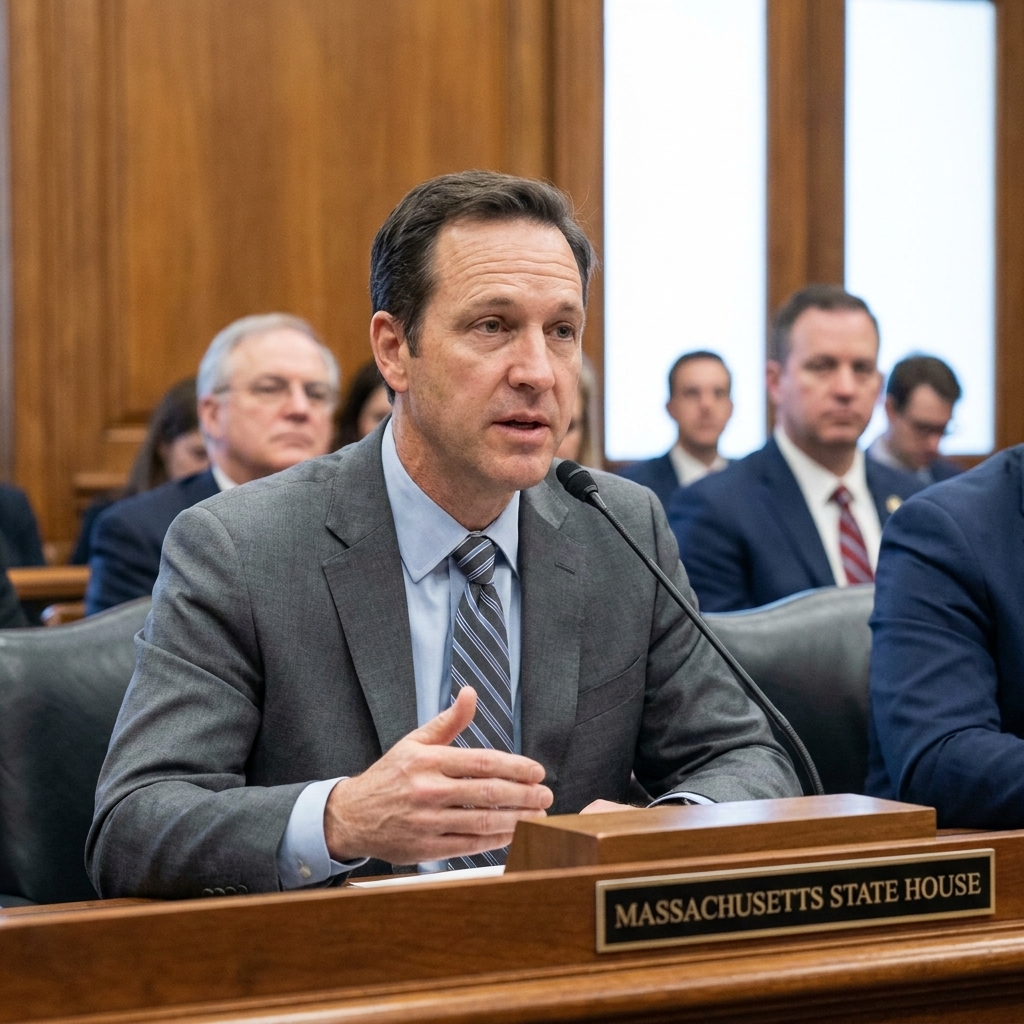
- Massachusetts (2012 law, then 2020 telematics ballot question): Massachusetts expanded repair access early, then voters approved a broader telematics-focused measure in 2020. The years since have included ongoing litigation and administrative disputes over implementation, including the auto industry trade group Alliance for Automotive Innovation challenging the 2020 law in federal court and continued disagreement over what a safe, workable access approach looks like in practice.
- OEM access via the national MOU (2014): Automakers and the aftermarket industry aligned on a nationwide approach for sharing service information and diagnostic access. It helped standardize expectations for scan tools and service info, but it did not fully solve the newer telematics and cybersecurity questions.
- FTC posture (2021 policy statement and ongoing scrutiny): The Federal Trade Commission has publicly signaled it will scrutinize repair restrictions that could be unfair or anticompetitive, especially where warranties or “authorized-only” language is used to scare owners away from independent repair.
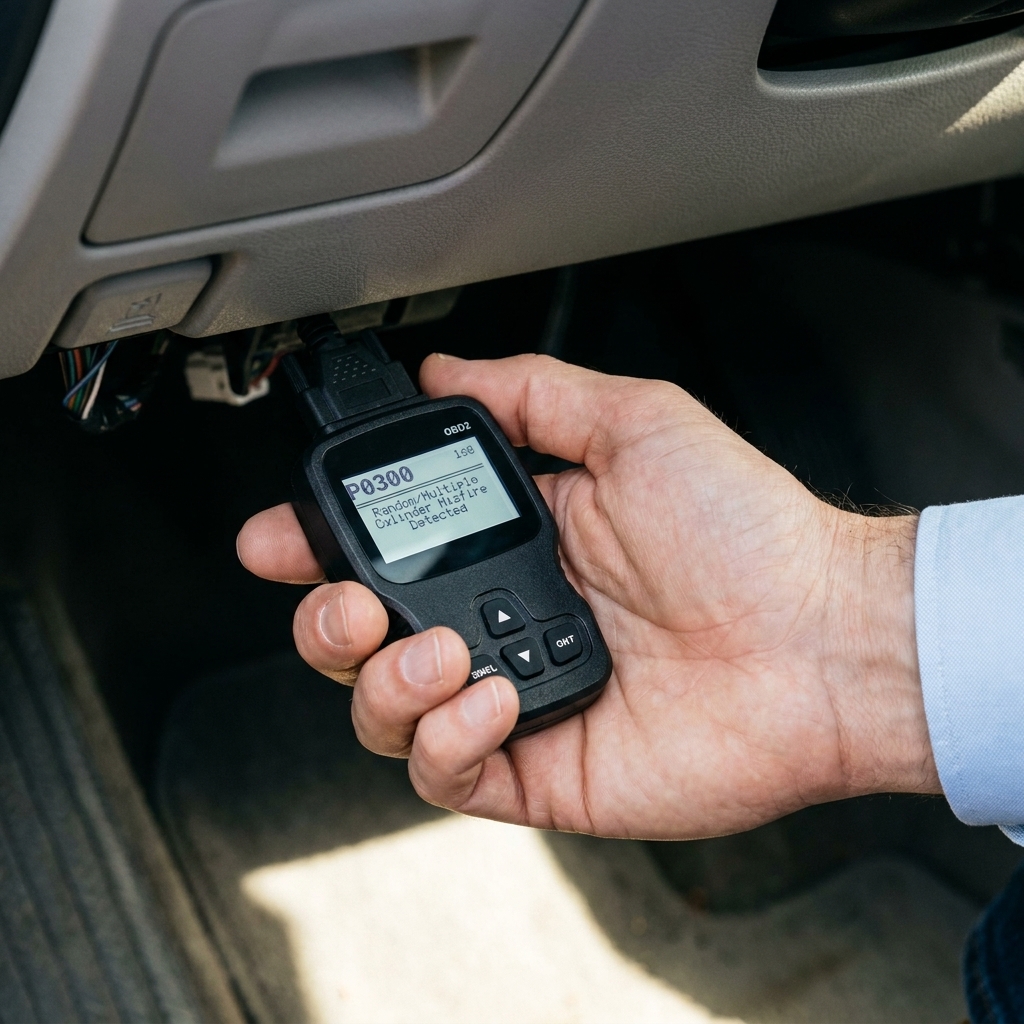
Below is what has actually changed, what is still being fought over, and how you can use these developments to keep your projects moving, whether you are chasing a misfire on a 2012 Corolla or doing brake work on a late-model EV.
The core fight: data
People hear “right to repair” and think it is about buying brake pads or an alternator. Parts availability matters, sure. But the modern bottleneck is information and authorization:
- Diagnostic data: fault codes, freeze-frame data, live sensor readings.
- Service information: wiring diagrams, repair procedures, torque specs, module locations.
- Software functions: calibrations, relearns, coding and programming after parts replacement.
- Secure access: permissions to talk to safety and anti-theft related modules.
When the law forces better access to those items, DIY repair gets easier. When it does not, you can still turn wrenches, but you may hit a wall the moment a job requires a scan tool function or module authentication.
Three kinds of access
One thing that gets lost in the headlines is that “access” is not one single door. For modern cars, it usually breaks into three different doors, and they are often governed differently:
- Service info access: procedures, wiring, specs, and bulletins.
- Programming and authentication access: the ability to code modules, run protected functions, and complete required relearns.
- Telematics and app data access: the wireless data stream that may live in OEM servers and owner apps, not your OBD port.
If you know which door your repair needs, you can predict whether you are looking at a straightforward DIY job, a subscription portal day-pass, or a security credentialing step.
What the legal moves do
Across the US, the biggest recent developments fall into three buckets. Depending on where you live and what you drive, you might feel one more than the others.
1) States push on telematics
The next frontier is wireless vehicle data, often called telematics. Many newer vehicles can send diagnostic and usage data to the manufacturer over a cellular connection. That is incredibly useful for automakers, and sometimes for owners too, but it also creates a scenario where some valuable repair data may never touch the OBD port.
Think remote DTC reporting, battery health snapshots on some hybrids and EVs, service alerts, and certain system status checks that live in an OEM app or backend. Legal actions in this area have been narrowing the question to: if the car is generating data about its health and repairs, who gets to see it, and on what terms?
2) Cybersecurity is central
Automakers are not wrong to say, “We cannot just open the doors to everything.” Modern vehicles have legitimate security concerns, from key programming to remote attack surfaces. What has shifted is that lawmakers and regulators are increasingly asking for solutions that protect security without turning repairs into a dealer-only experience.
Practically, that often means discussions around:
- Standardized secure gateways that independent tools can access through approved methods.
- Credentialing models for independent shops and locksmiths.
- Time-limited tokens for certain functions rather than permanent locks.
Also worth saying out loud: “security” can be real, but it can also be used as a blanket excuse. The best policies draw a clear line between legitimate anti-theft protections and unnecessary repair lockouts.
3) The fight is implementation
A subtle but important shift: the debate is increasingly less about whether owners and independent repair should have access in principle, and more about the details of implementation. That might feel like lawyer talk, but it matters because implementation determines whether you can complete a job on a Saturday afternoon or whether you are stuck waiting for a subscription portal, a token, or an appointment.
What this means for DIY
Let me translate the headlines into garage-level reality. Here is what you can reasonably expect in the near term, plus the frustrating parts that are not going away overnight.
More paywalls and short subs
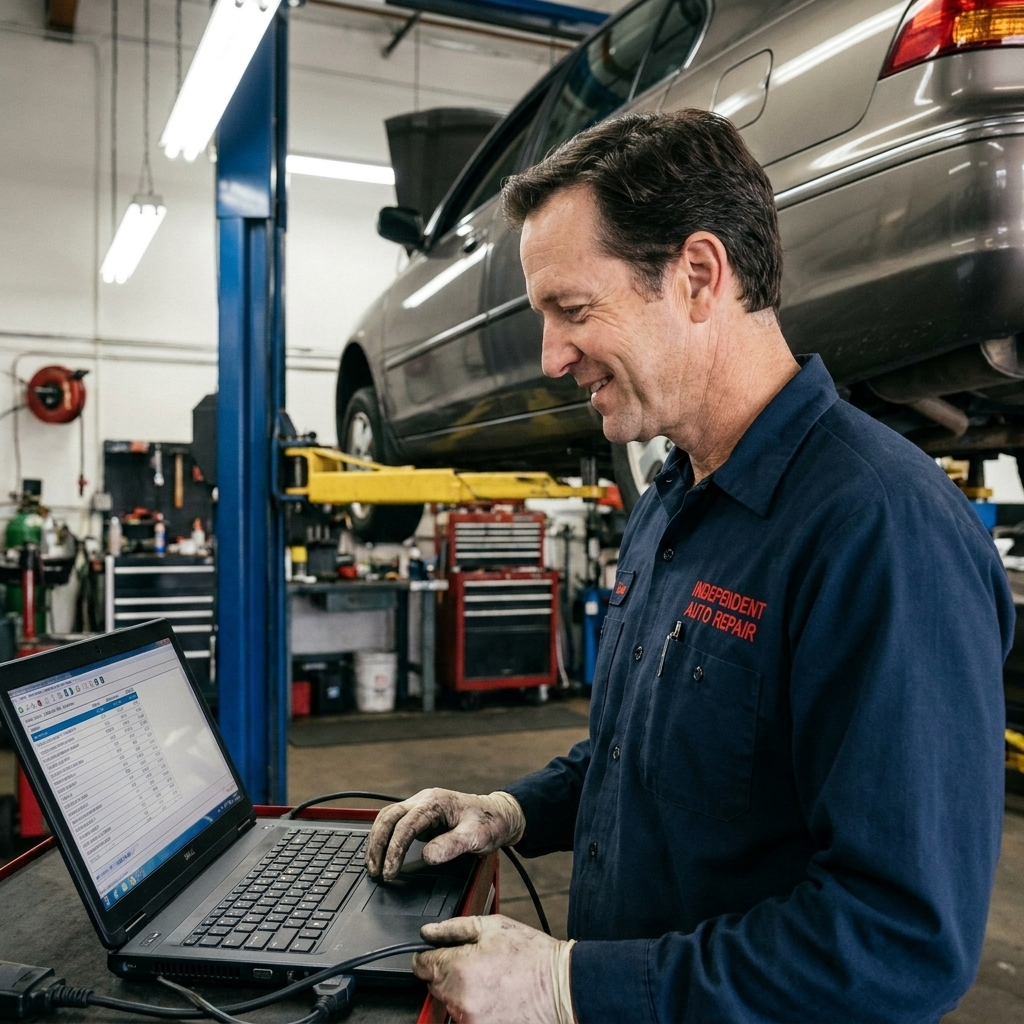
Even when access is required, automakers often provide it through subscription-based service portals. That is not automatically a bad thing. If you are doing a one-off programming event, a 24-hour subscription can be cheaper than a dealership visit.
What to watch for:
- Some portals offer service info only, others include programming.
- Pricing and tool requirements vary a lot by brand.
- It is common to need a J2534 pass-thru device for programming on many makes, though some OEMs use proprietary interfaces (VCIs) or add extra workflow requirements.
- Some functions may require account verification or an approved credentialing path for anti-theft related operations.
Secure gateways still matter
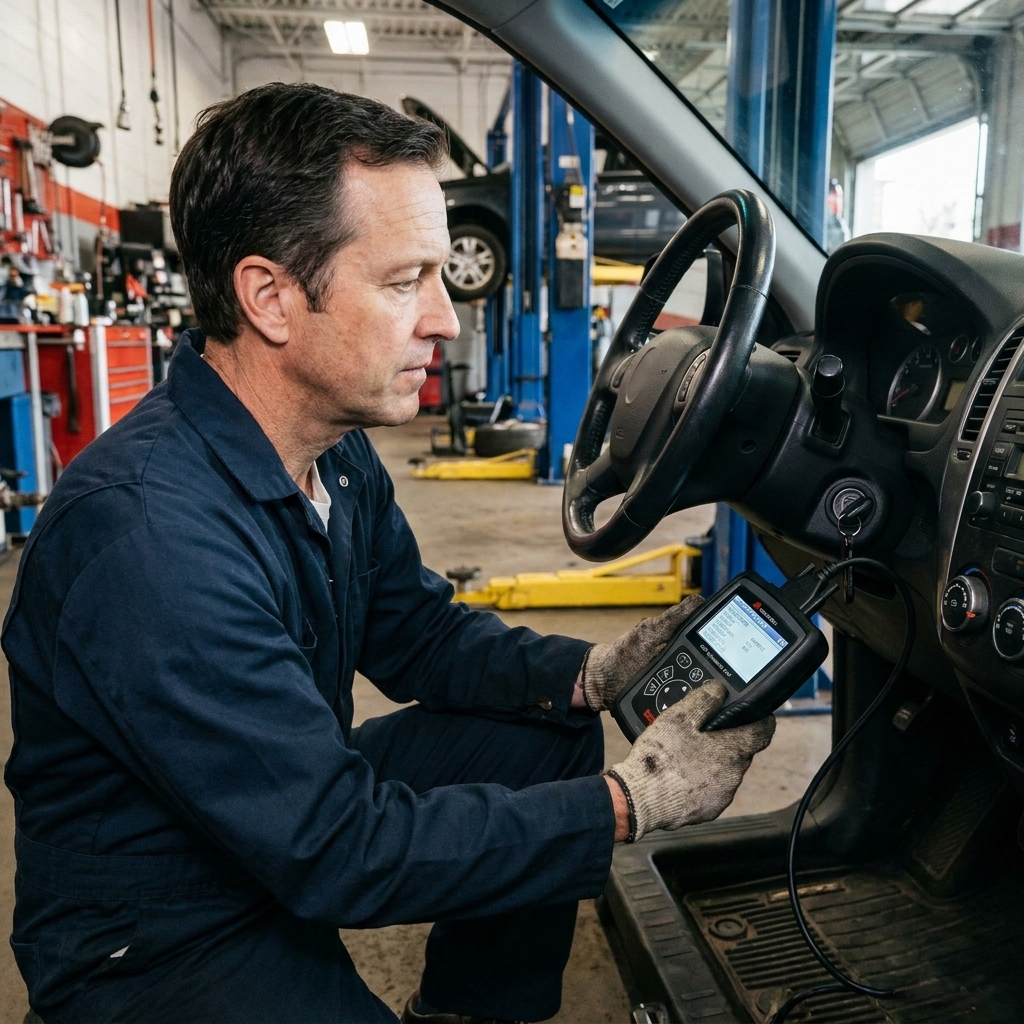
Many late-model vehicles use a secure gateway module that can limit bi-directional scan tool commands. You might be able to read codes but not run an actuator test, steering angle reset, or brake bleed routine without authorization.
It varies widely by make, model, and year. Some vehicles have no gateway at all, and even where gateways exist, aftermarket tool support can be hit or miss. If you are shopping scan tools, “supports secure gateway” is not marketing fluff. It is the difference between finishing the job and staring at a “function not supported” screen.
EVs open up, but stay serious
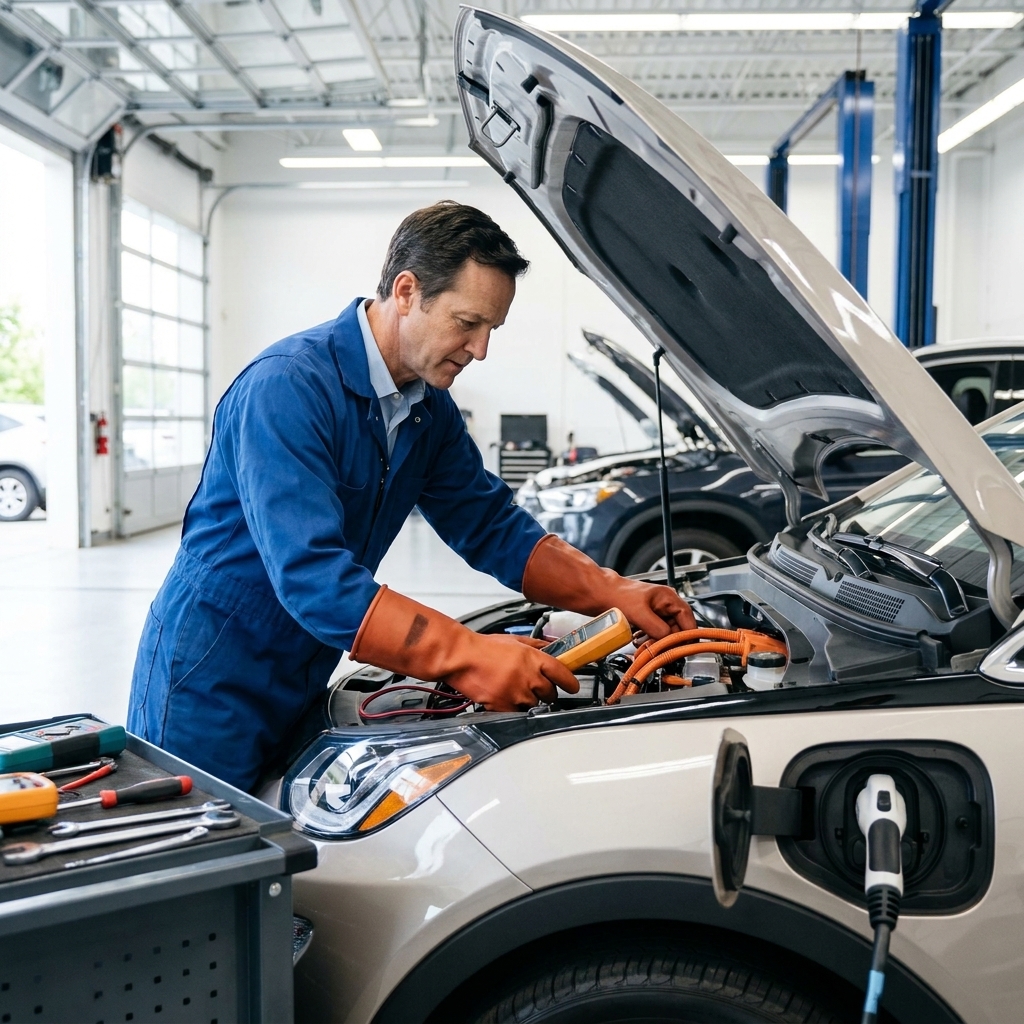
On hybrids and EVs, access to procedures and diagnostics matters even more because a lot of work involves software checks, isolation tests, and safety-related routines. The good news is that as rules and standards evolve, you are more likely to find proper documentation and scan capabilities outside the dealer network.
The reality check: high-voltage work still demands proper training, PPE, and tools. The law can help you access information, but it cannot protect you from a hundreds-of-volts mistake.
Use this to your advantage
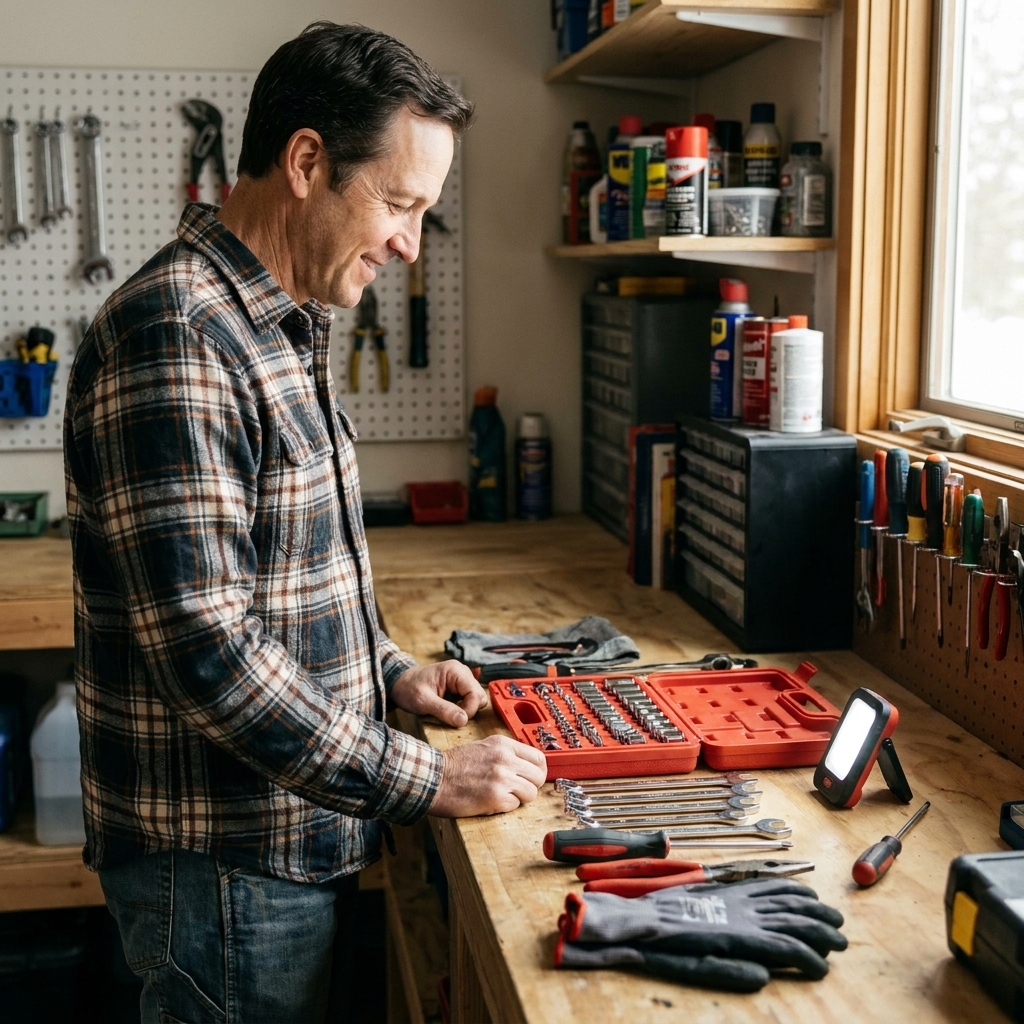
If you wrench at home, you do not need to memorize statutes. You just need a smarter game plan when repairs touch electronics.
1) Check if it is mechanical
Ask yourself: does this repair require a reset, calibration, or coding step?
- Often mechanical only: belts, hoses, many suspension components, basic brake hardware on older vehicles.
- Often needs a scan tool: electronic parking brakes, ABS brake bleeds, steering angle sensor calibrations, throttle body relearns, battery registration, ADAS-related work.
2) Compare tool vs shop
Sometimes the best DIY move is still DIY, just with a smarter spend. If a brand portal offers a 24-hour programming subscription and you can borrow or rent a pass-thru device, you might come out ahead and learn something in the process.
3) Save parts and log data
As modules and sensors get “married” to vehicles, returns can get tricky. I always recommend:
- Keep original parts until the repair is verified.
- Take photos of connector conditions and routing.
- Write down the original codes and freeze-frame data.
This is not just neatness. It is leverage when you are troubleshooting a weird new issue after a repair.
4) Use OEM procedures
Aftermarket parts can be perfectly fine, but you want OEM procedures and specs whenever possible. Torque specs, bleed sequences, relearn steps, and connector pinouts are where many DIY jobs go sideways.
What is unsettled
Right to repair is moving, but it is not solved. A few areas are still actively evolving and can change quickly depending on courts, agencies, and statehouses:
- Telematics access: how to provide it safely, and whether access is direct or mediated.
- Cybersecurity standards: what counts as “reasonable” restriction versus unfair lockout.
- Subscription pricing and terms: access that exists but is priced out of reach does not feel like access.
- Data ownership and privacy: especially as vehicles collect more location and driver behavior data.
If you feel like your car is turning into a rolling computer with terms and conditions, you are not imagining it. The legal system is playing catch-up with the technology.
DIY takeaways
- Right to repair today is mostly about software and data access, not just parts.
- Expect more repairs to require authentication or subscriptions, even for DIYers.
- Secure gateways are real on many late-model vehicles. Plan for them before you tear the car apart.
- EV and hybrid info access is improving, but safety training still matters.
If you are used to the old-school rhythm of wrench, replace, done, the new rhythm is wrench, replace, scan, verify, relearn. The pressure, from states, regulators, and the aftermarket, is trending toward letting owners and independent shops do more of that work without begging for permission.
FAQ
Does right to repair mean I can program my own key fob?
Sometimes, but it depends on the vehicle and the security system. Key programming often falls under anti-theft protections, which can require credentials, proof of ownership, and specific tools. The trend is toward creating legitimate access paths for independents while still preventing theft.
Will a basic code reader be enough?
For reading and clearing generic powertrain codes, often yes. For modern brake service mode, steering angle resets, module relearns, and many body or chassis systems, you usually need a more capable bi-directional scan tool and sometimes OEM-level access.
Is repair info free?
In most cases, no. Access often comes through paid portals or subscriptions. The key point is that access should be available on fair terms so independent repair and owners are not locked out entirely.
What is the smartest first tool upgrade?
A quality bi-directional scan tool that clearly lists supported functions for your make and model is a strong step up from a basic reader. If you are planning programming work, research whether your vehicle supports J2534 and what the OEM portal requires before buying hardware.
My shop view
I love modern tech when it helps a car run cleaner, safer, and longer. I just do not love when a simple repair turns into a permission slip. The latest right to repair fights and enforcement pressure are pushing the industry toward a better balance: protect the car from bad actors, but do not punish the owner who just wants to maintain what they paid for.
If you are planning a repair and you are not sure whether it will require a scan tool function, authentication, or subscription access, drop that question into your pre-job checklist. That one habit saves more weekends than any trick tool ever will.