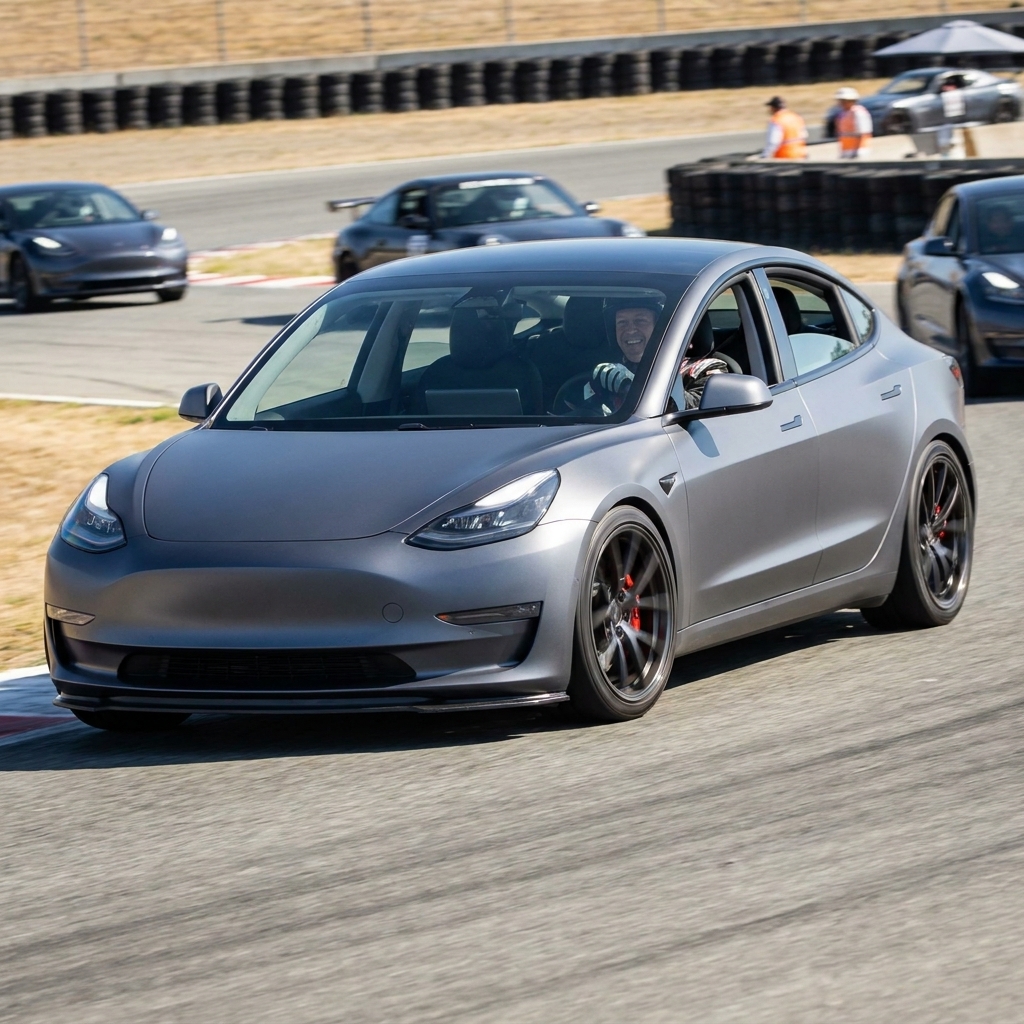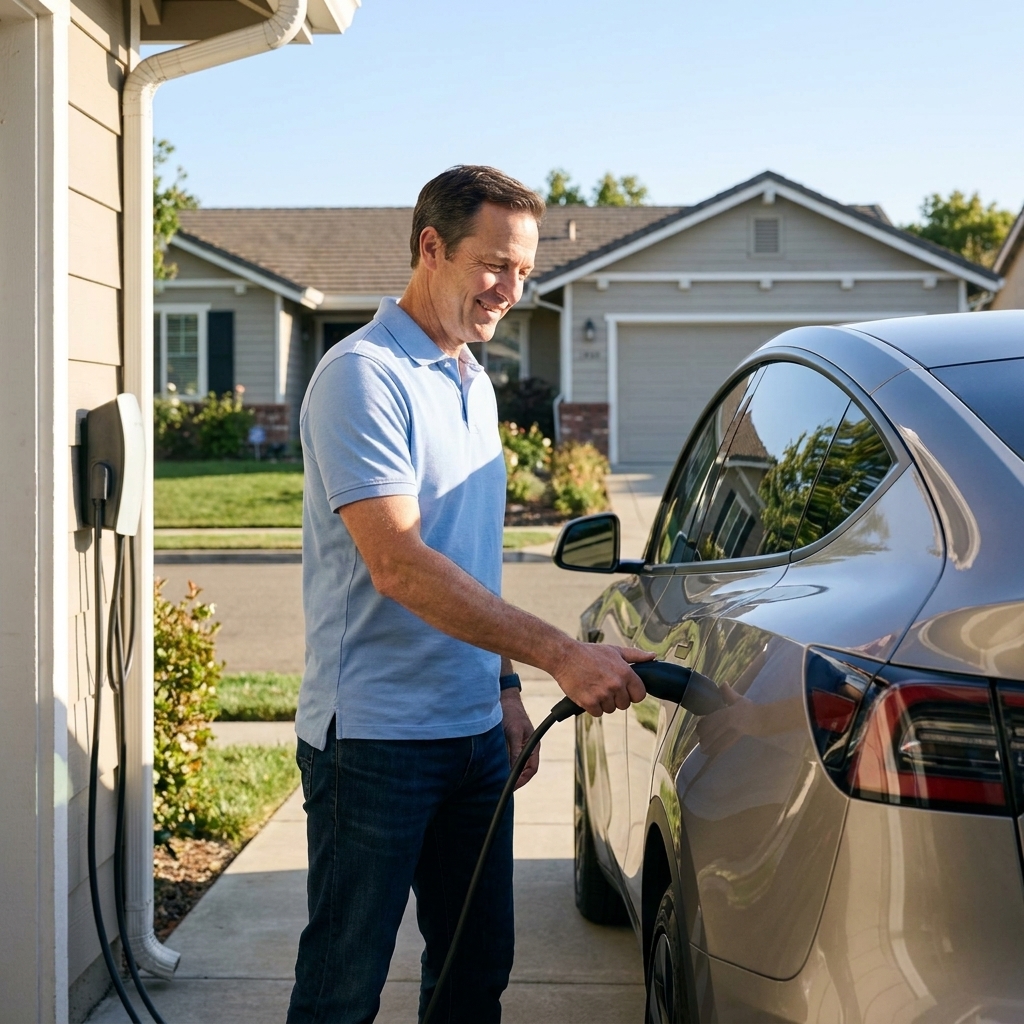
Walk through a new-car lot right now, especially if you drift toward the performance corner, and you'll see stuff that would've sounded like race-team fantasy a decade ago: moving aerodynamic parts, computers blending friction brakes with regen, and hybrid systems that feel less like “eco mode” and more like a slingshot.
That's not an accident. F1 and other top-level motorsport are still some of the quickest, highest-intensity ways to stress-test ideas. What's changed is how fast those ideas get repackaged for street cars. You won't get a full Formula 1 power unit in your driveway, but you're getting the thinking behind it, especially in controls, cooling, and energy management.
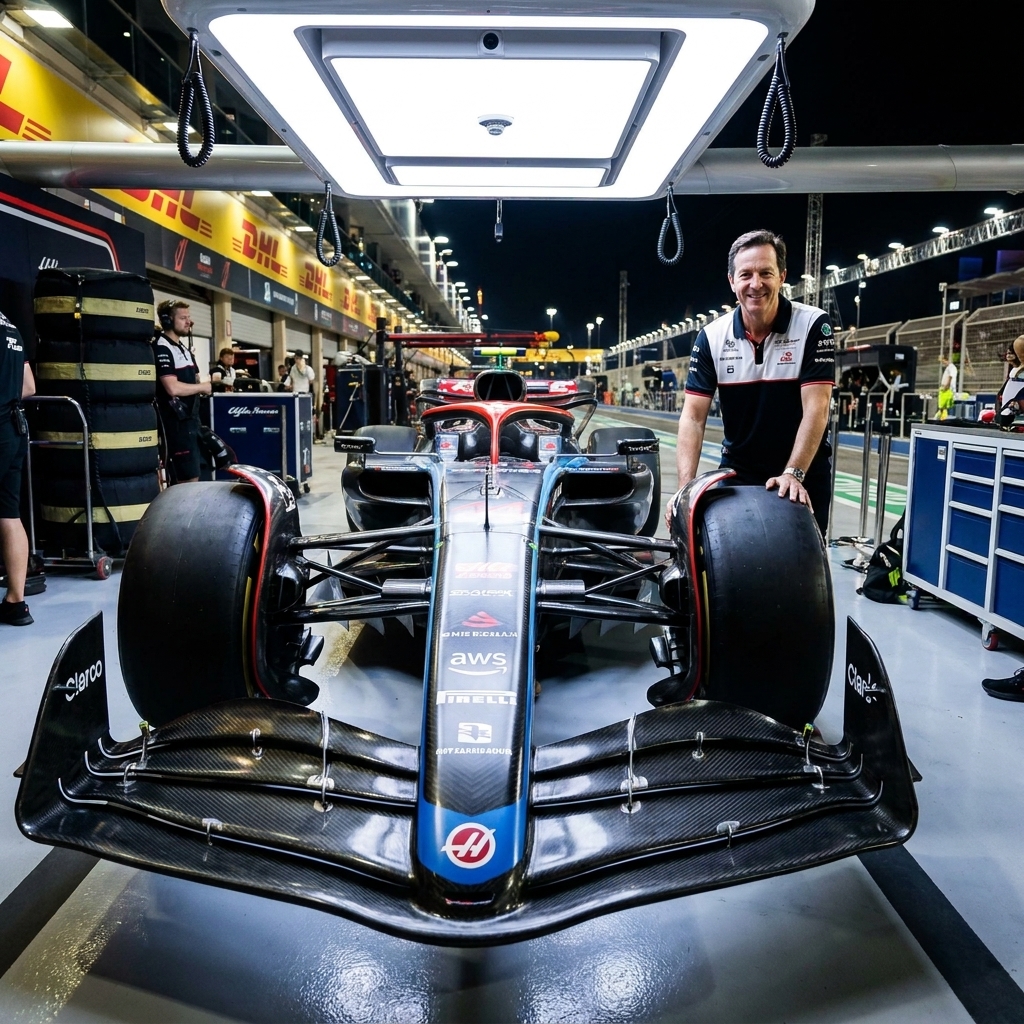
1) Active aero that works
F1 lives and dies by airflow management, and the modern street-car translation is active aero that changes shape based on speed, braking, and cornering. More new performance models are showing up with deployable rear wings, active front flaps, grille shutters, and underbody tricks that do two jobs at once: cut drag when you're cruising and add stability when you're leaning on the car.
How it shows up
- Speed-based rear wings and air brakes that rise for downforce and tilt under hard braking to help settle the chassis.
- Active grille shutters and ducting that open only when cooling demand is high, then close to clean up aero.
- More serious undertrays and diffusers that manage airflow under the car and reduce the messy wake behind it.
Why you feel it
This isn't just a track-day flex. Better aero control can mean less wind noise, improved highway efficiency, and a calmer car in crosswinds. And when you brake hard from speed, that extra stability is something you feel in your hands.
Ben's quick driveway note
If you want a real-world tell, watch what the car does at highway speed when you lift off and then brake firmly on a straight, empty road. On a well-sorted setup, the car stays planted and boring instead of getting light or twitchy. Boring is good here.
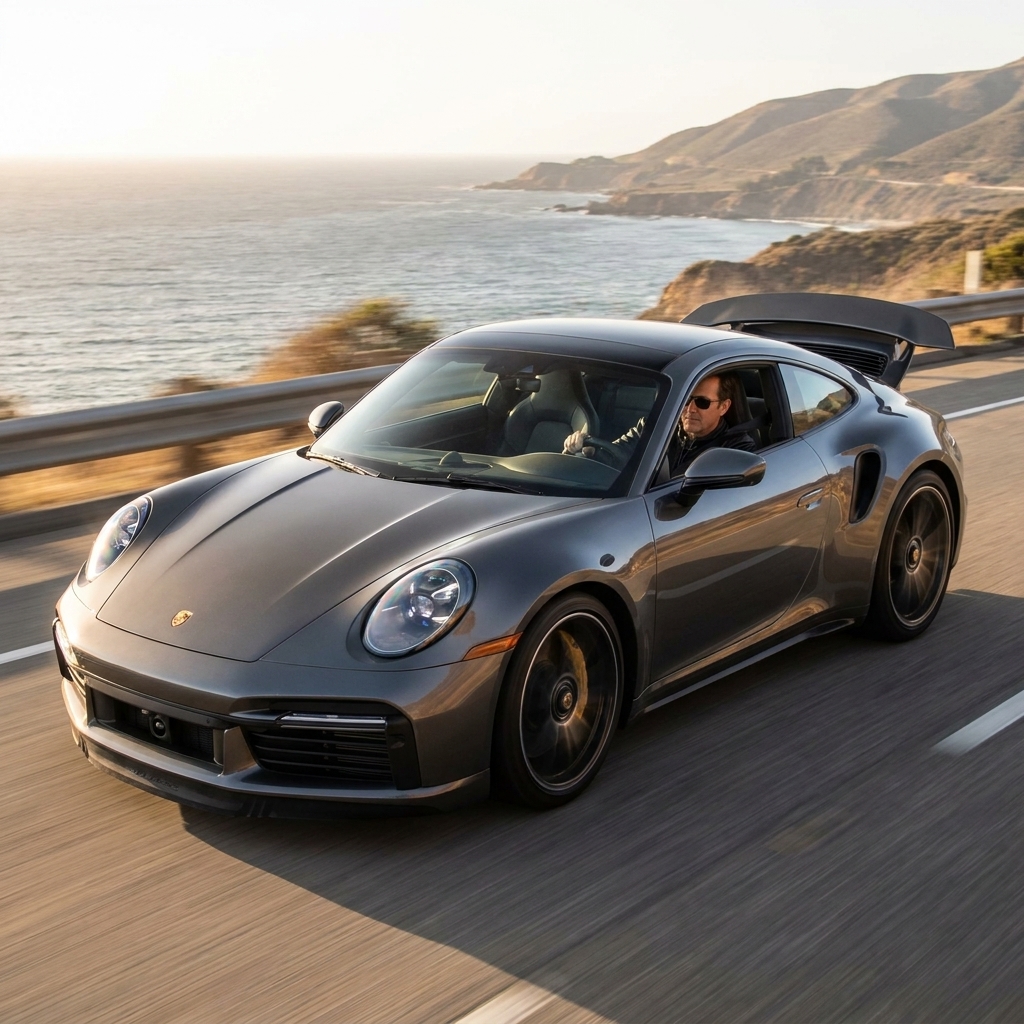
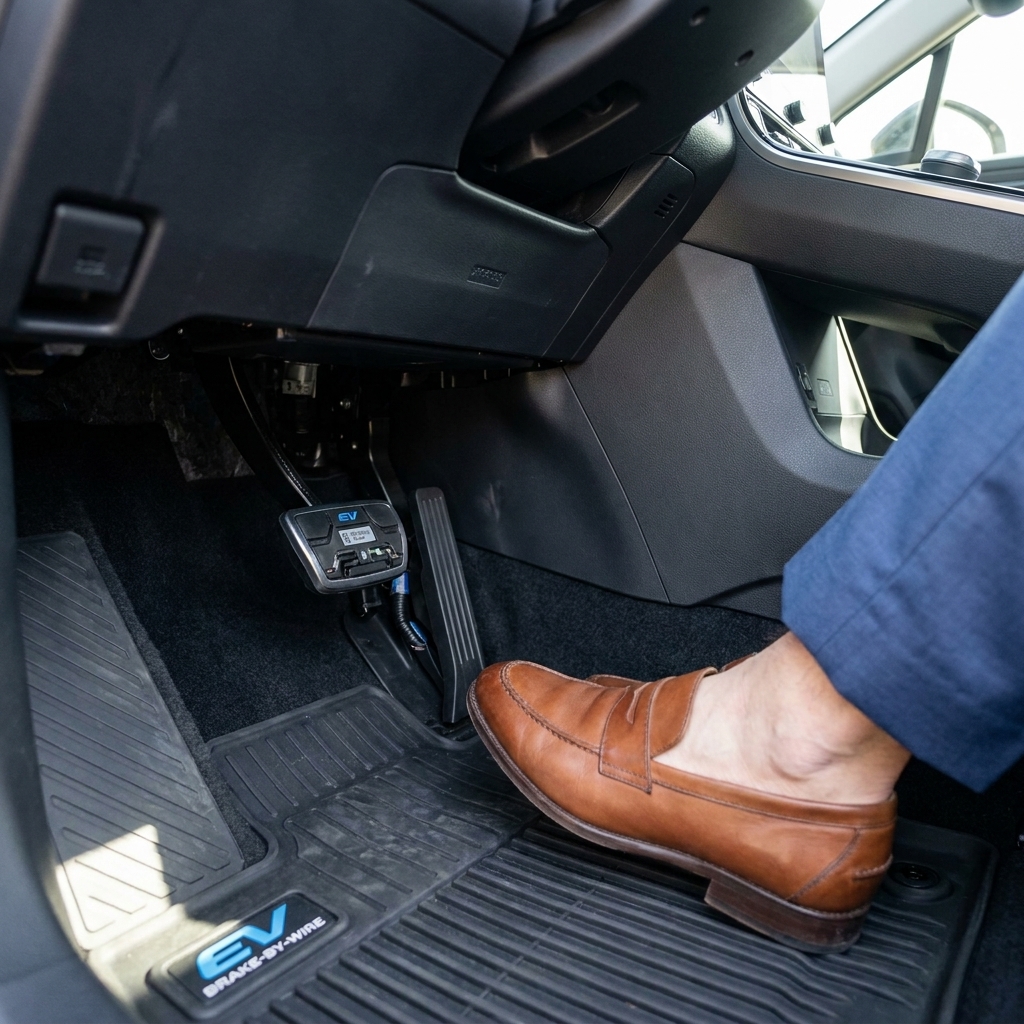
2) Brake-by-wire and blending
In top-level racing, the brake pedal isn't always commanding hydraulic pressure in a traditional, direct way. The street version of that idea is brake-by-wire paired with brake blending, where the car decides how much deceleration comes from regenerative braking and how much comes from friction brakes.
If you've driven a newer hybrid or EV and thought, “These brakes feel different,” you're not imagining it. The newest systems are getting much better at feeling natural while still maximizing energy recovery.
How it shows up
- Smoother transitions between regen and friction braking, especially at low speeds.
- More consistent pedal feel when battery state-of-charge changes or stability control steps in.
- Smarter front-to-rear balance under hard braking, because software can juggle decel sources quickly.
The honest caveat
When calibration's off or conditions change fast, you can still get a weird moment where the pedal feels grabby, soft, or just plain inconsistent. The upside is huge, but the tuning matters.
Ben's shop-floor perspective
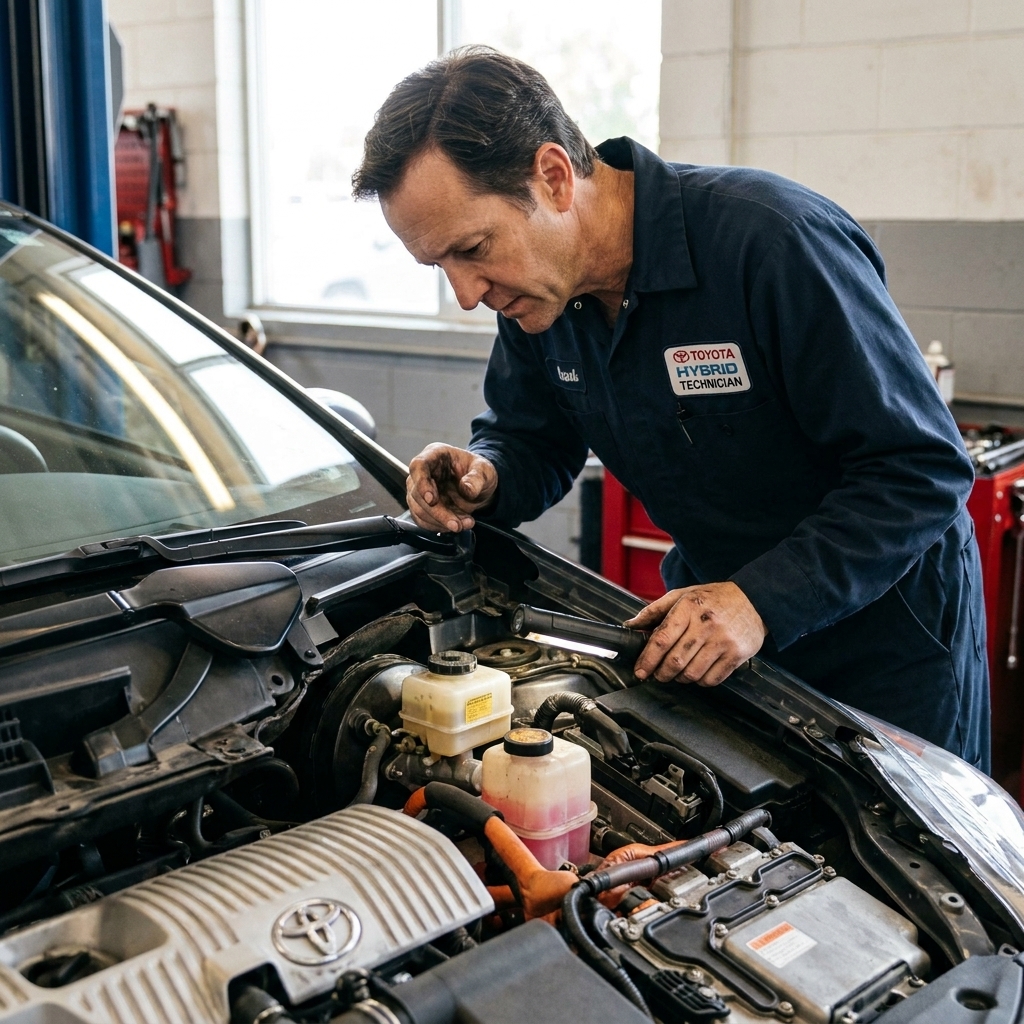
Brake-by-wire is a win when it's calibrated well, but it raises the bar on maintenance. Fluid still matters, pads still matter, and scan-tool diagnostics matter more than ever. If your brake pedal suddenly feels “digital” or inconsistent, don't ignore it. Get it checked with the right equipment.
3) Hybrid boost and torque fill
Motorsport hybrids taught engineers how to treat electricity like a performance tool, not just a fuel-saver. On new street cars, that shows up as torque fill and e-boost that cover turbo lag, sharpen launches, and make power delivery feel seamless.
You can see this philosophy in everything from performance hybrids to 48-volt mild hybrid setups that assist the engine during the moments that feel slow and wasteful: pulling away from a stop, merging, and short bursts of acceleration.
How it shows up
- Electric motor assist at low rpm to make small turbo engines feel bigger.
- Launch and passing boosts that are short, repeatable, and tied to thermal limits.
- More aggressive regen strategies that recharge faster without making the car miserable to drive.
The part most people miss
The magic isn't just the motor. It's the controls, cooling, and battery management that allow repeatable performance without cooking components. Power is easy. Staying cool is the real trick, especially when you do repeated pulls, climb a long grade in summer heat, or run a full track session.
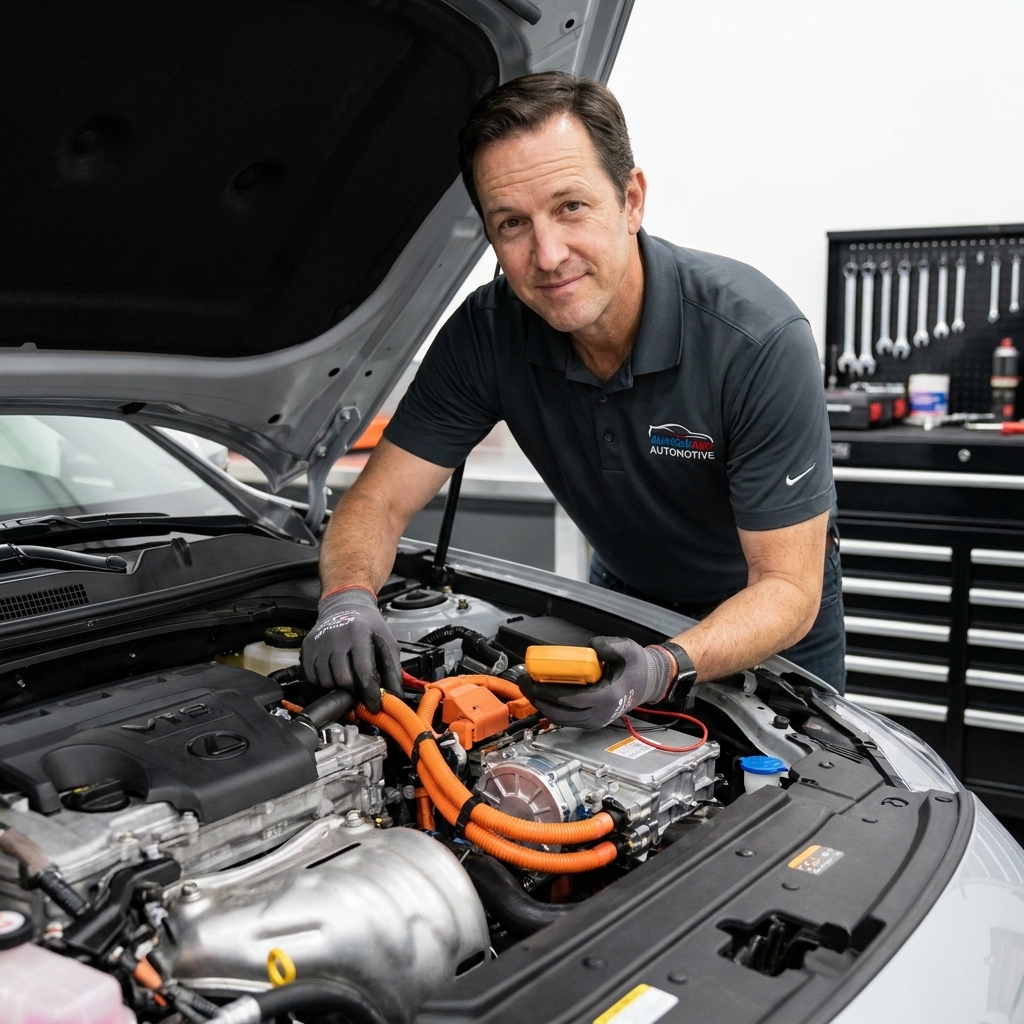
4) Cooling is performance
F1 cars are basically heat management projects that happen to go fast. The street-car version is the explosion of multi-loop cooling systems, smarter electric water pumps, active valves, and front-end ducting designed around specific heat sources: turbochargers, intercoolers, batteries, motors, and inverters.
As power densities climb, cooling is no longer “radiator up front, call it good.” It's an integrated system that decides where coolant goes and when, sometimes even preconditioning itself before you drive.
How it shows up
- Actively controlled coolant valves that route heat where it's needed, or dump it when it's not.
- Battery and inverter chillers that keep EV and hybrid components in their happy zone.
- Track or performance modes that prioritize cooling and protection strategies over cabin comfort.
Why you should care
Thermal control is the difference between “fast once” and “fast all day.” It also affects long-term durability. If a car is quick on paper but feels soft after a couple hard pulls, it's often a mix of heat soak, component protection logic, ambient temps, and cooling capacity. Peak power hardware is only part of the story.

5) Chassis, tires, and software
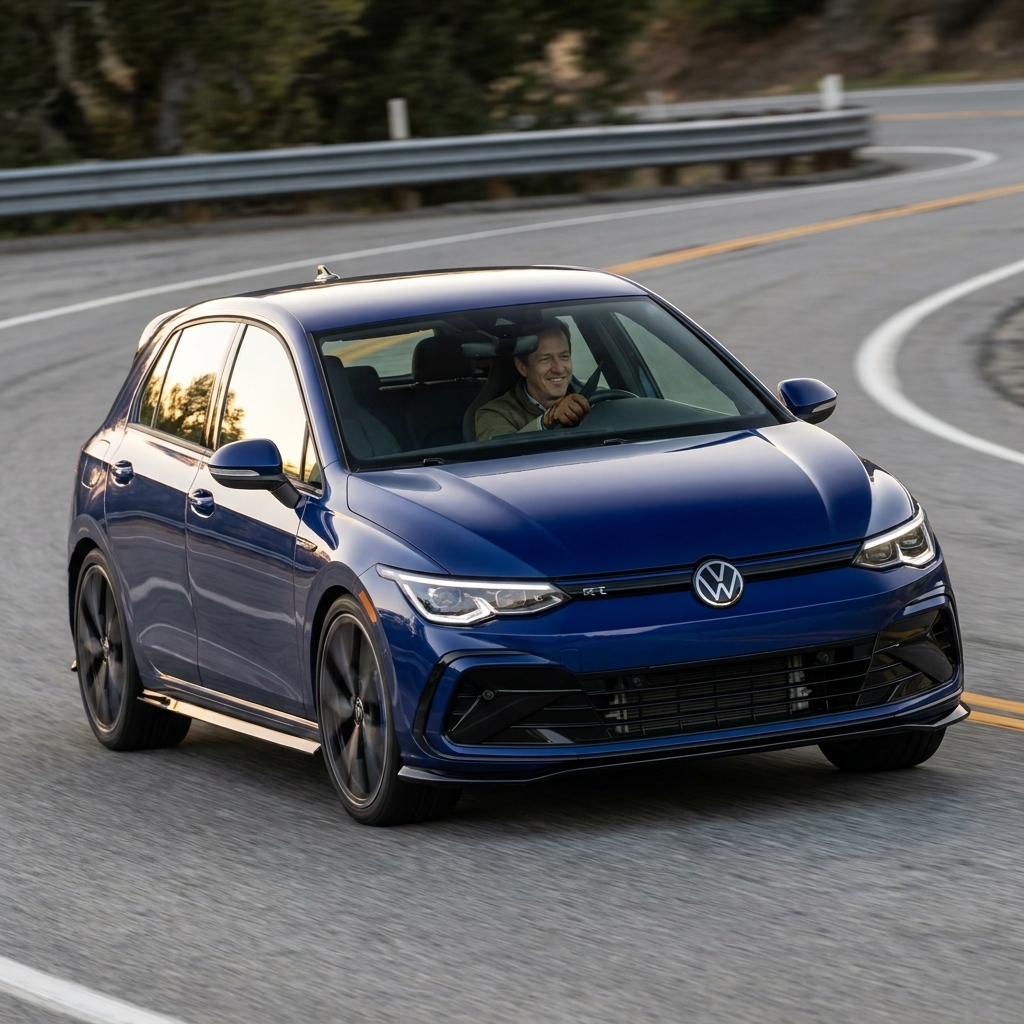
Racing engineers obsess over keeping the tire in its ideal window. Street cars are borrowing that mindset with adaptive dampers, smarter stability control, torque vectoring, and even aero that's tuned to work with suspension movement. The result is a car that can be comfortable on rough roads but locked-in when you switch into a performance setting.
How it shows up
- Adaptive dampers with a wider spread between comfort and sport calibrations.
- Torque vectoring that uses clutches, brakes, or motors to rotate the car through corners.
- Drive modes that actually change behavior, not just throttle sensitivity.
Ben's driveway test
If you want to feel this one without a racetrack, try a safe, empty on-ramp in a modern performance car in two modes. In the best setups, the car will take a set faster, hold a line with less mid-corner correction, and put power down earlier without drama.
6) Lightweighting and materials
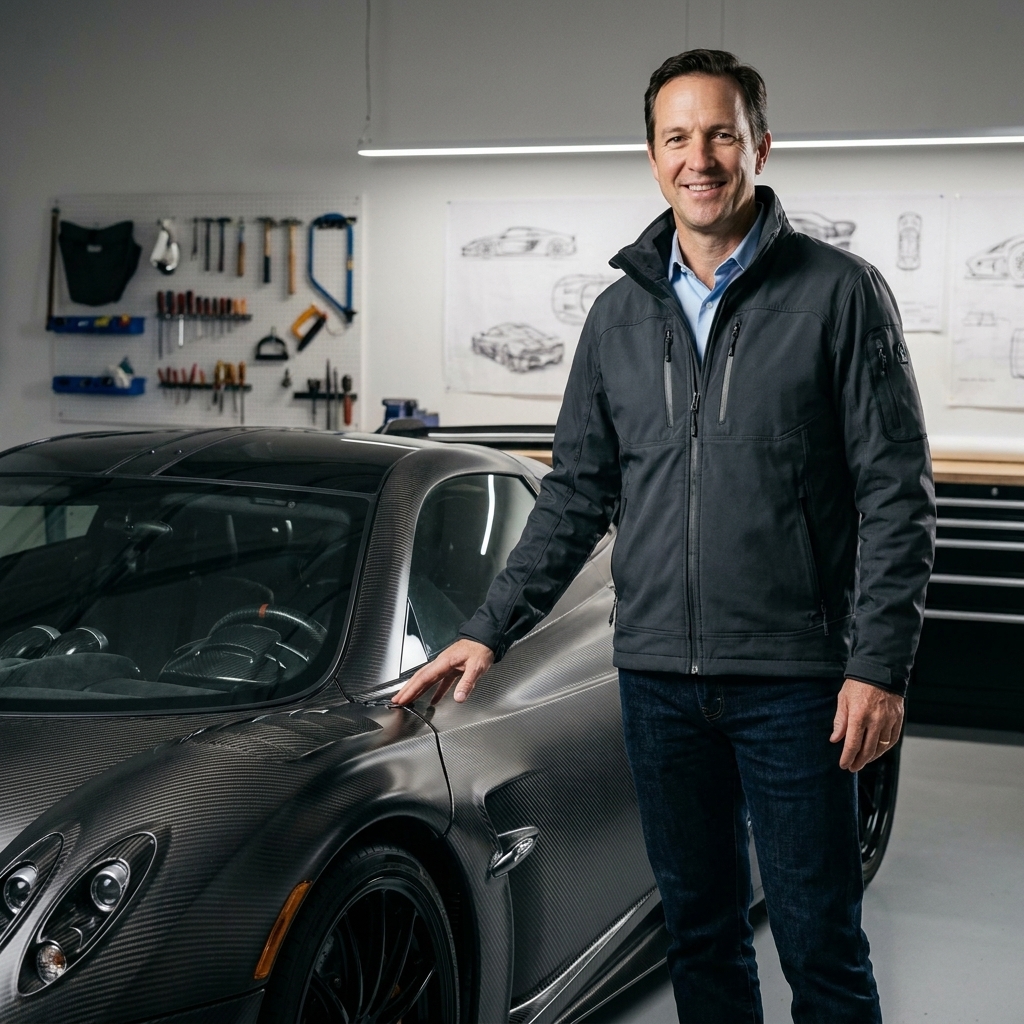
Another theme people associate with F1 is materials, and while you're not getting an F1 monocoque, you're seeing the mindset: use less material, put it where it matters. That shows up in more aluminum-intensive structures, structural adhesives, clever castings, and targeted use of carbon or composites on higher-end models.
The tradeoff is real. Some lightweight parts cost more to repair or replace, and not every body shop is equipped to do it right. Fast is great, but fixable matters too.
7) Data and updates
The quiet revolution is software. Modern cars are loaded with sensors watching wheel speed, steering angle, yaw, battery temps, brake pressure, and more. That data feeds predictive control strategies that make the car smoother and quicker without feeling like it's fighting you.
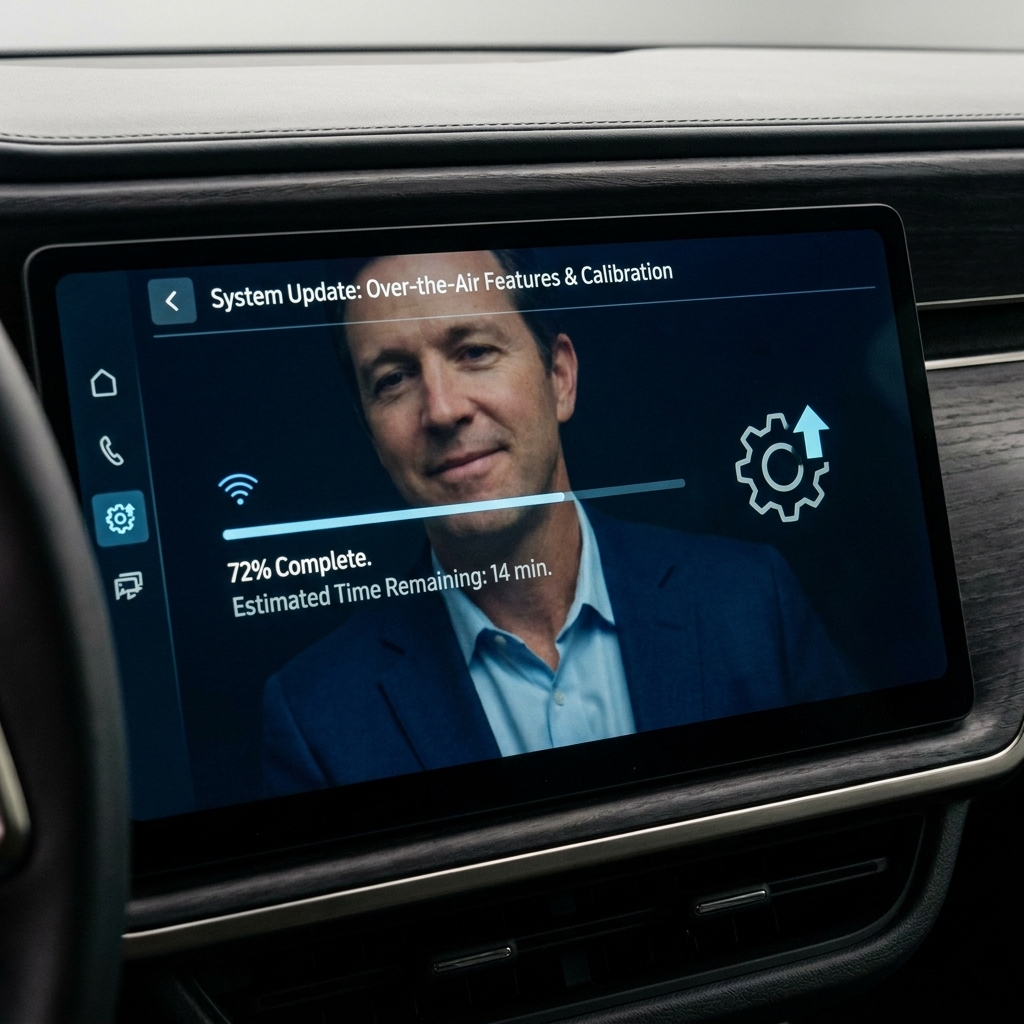
And because many brands can update software over the air , the car you buy today isn't always the car you're driving a year from now. Sometimes that's a nice improvement. Sometimes it changes brake regen feel or throttle mapping in a way you didn't ask for.
What to check before you buy
Racing-inspired tech is awesome when it's paired with good calibration and serviceability. Before you sign, ask a few practical questions.
- How does it behave when hot? If possible, test drive after the car's been running a while.
- What's the warranty on hybrid and EV components? Get the details in writing.
- Are tires and brakes model-specific? Some performance packages use unique sizes and compounds that cost real money to replace.
- Does it require special fluids or procedures? Brake-by-wire and advanced cooling systems can have specific service steps.
- What's the software update policy? Ask whether updates are automatic, optional, and whether brake regen or drive modes can change after an update.
The takeaway
F1 influences street cars less through copy-and-paste parts and more through priorities: efficiency under load, repeatable performance, and smarter control of air, heat, and energy. The coolest part, at least for an old mechanic like me, is that you can feel a lot of it from the driver's seat without ever touching a wrench.
If you're eyeing a new performance model this year, don't just look at peak horsepower. Look at the systems around it. That's where the racing DNA really lives.