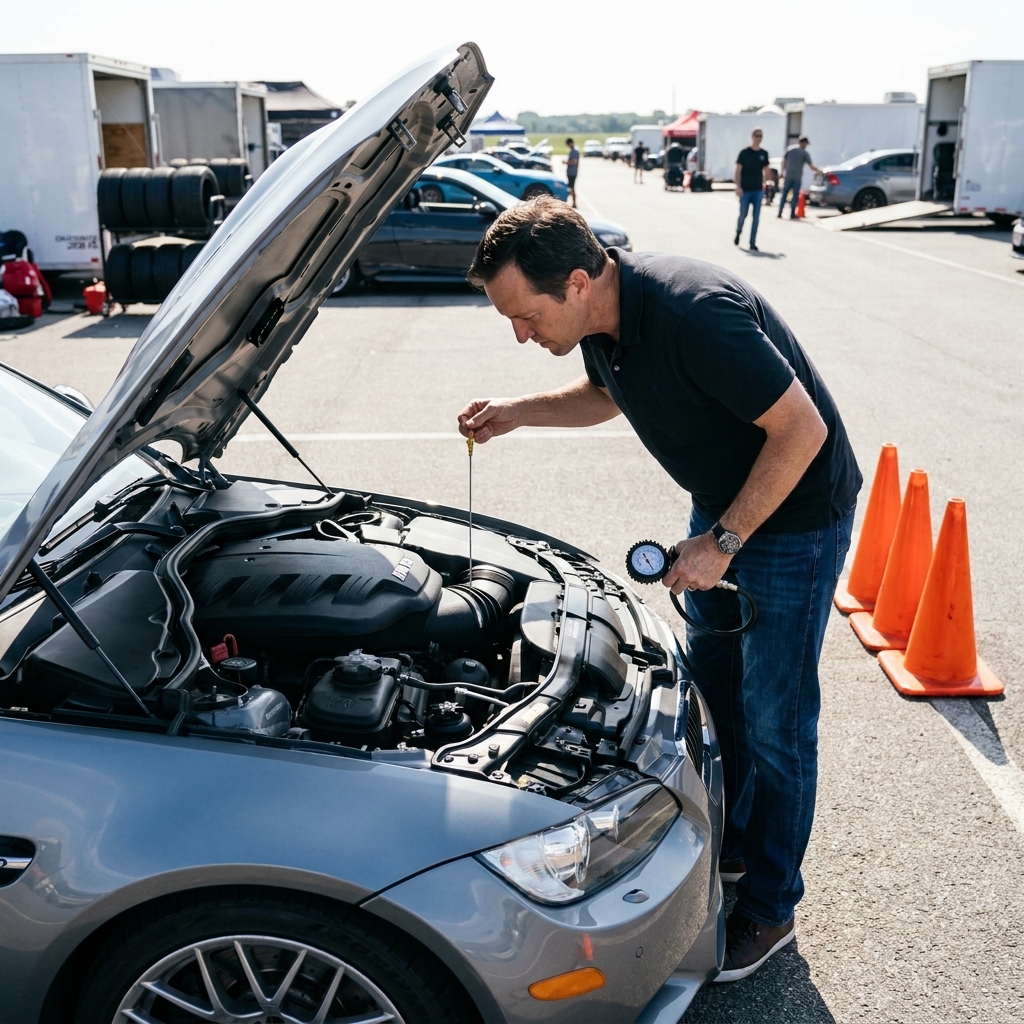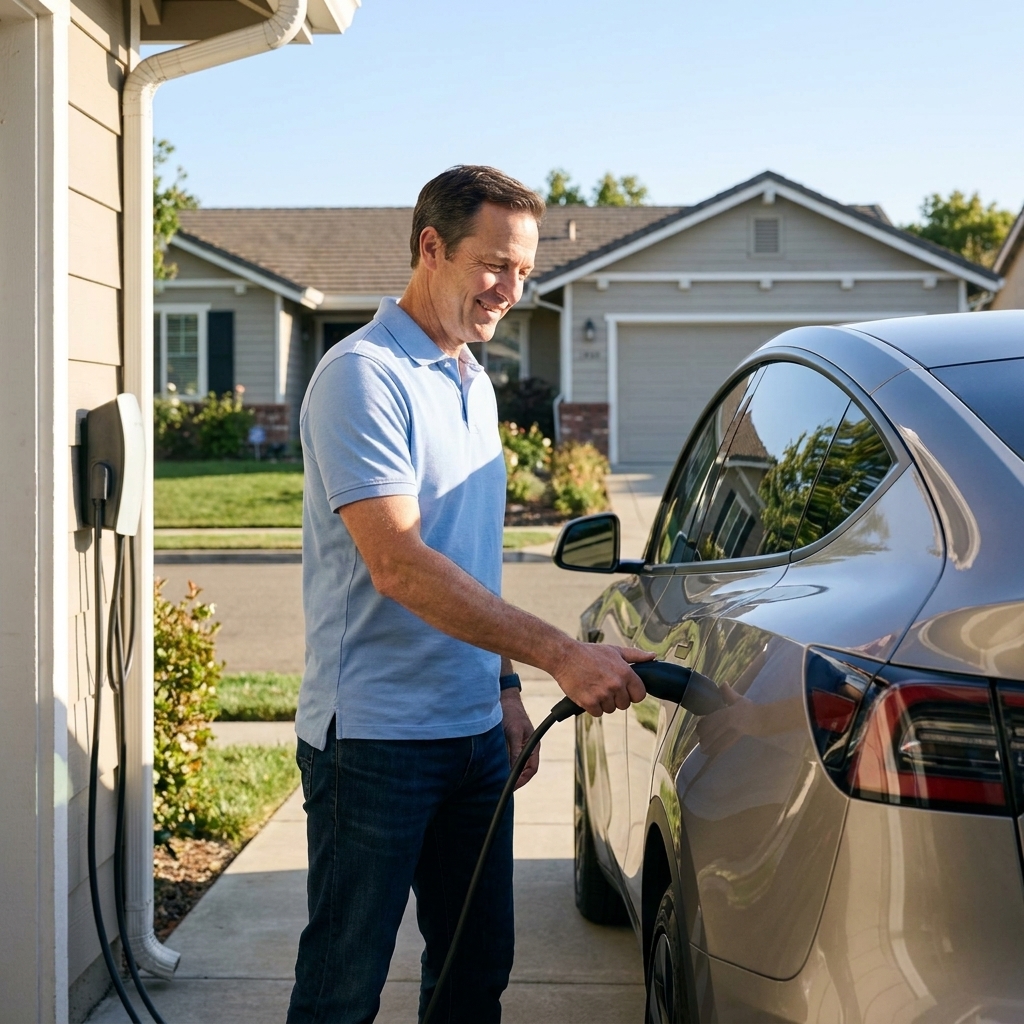
When I was wrenching full time, “tuning” usually meant a laptop, a wideband O2 sensor, and the smell of hot catalytic converters. With EVs, the smell is gone, but the obsession is the same: making a car feel sharper, faster, and more like yours. The electric revolution did not kill car culture. It just gave us a new platform and a new rulebook.
EV modding is real and growing, and it is not limited to sticky tires and a wrap. The biggest shift is that the best EV mods are often about control: managing weight, heat, traction, and software behavior. Let’s walk through what owners are actually doing, what works, and how to keep it safe and warranty-friendly.
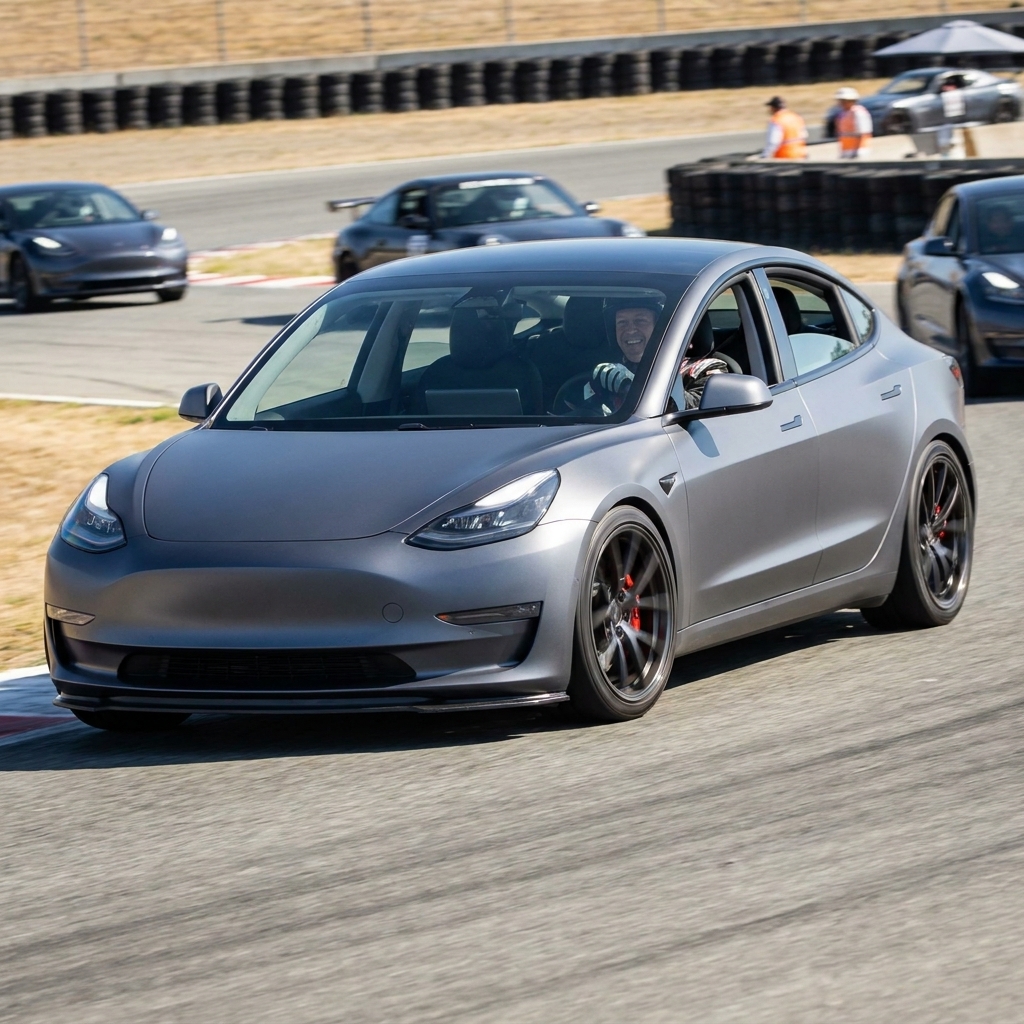
Why EVs are a legit tuning platform
Here is the truth I tell friends at cars and coffee who still think EVs are “appliances.” An EV is already a high-output drivetrain with instant torque and extremely precise torque control. That means:
- Chassis mods show up immediately. You feel suspension, tires, and alignment changes right away because the power delivery is so consistent.
- Software is the new camshaft. As a metaphor, it fits, but here is the reality: some platforms support meaningful changes and many do not. A lot of “tunes” out there are limited to pedal mapping, track-mode settings, or questionable unlocks that live in a gray zone.
- Heat is the new enemy. ICE cars worry about oil and coolant temps. EVs add battery and motor heat management. Track driving and repeated pulls can expose weak points fast.
- Weight changes the priorities. EVs are typically heavier. That pushes mods toward tires, brakes, and suspension before you chase power.
So yes, you can mod an EV. You just need to think like an engineer and a mechanic at the same time.
Start where it matters: tires, wheels, and alignment
If you want the biggest difference per dollar, do not start with “more power.” Start with the only part that touches the ground.
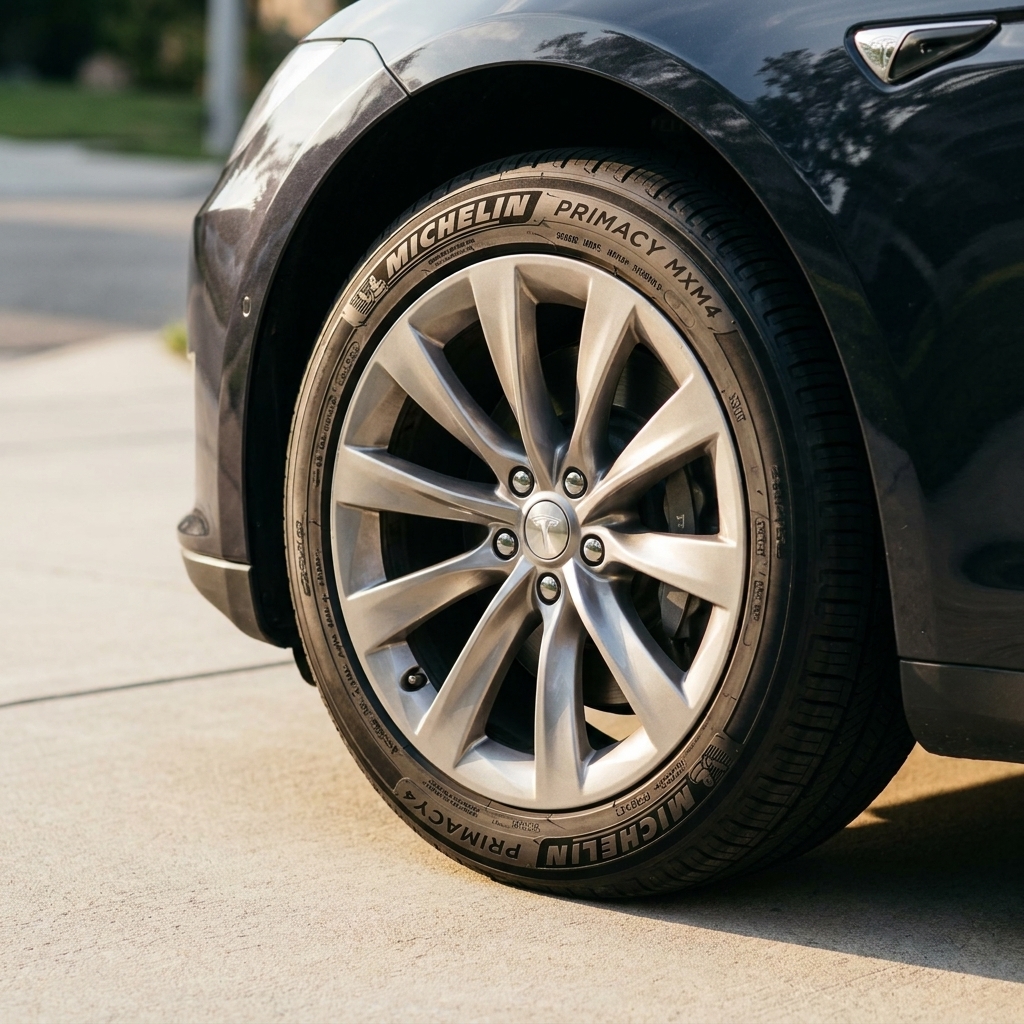
Tires: the make-or-break mod
EVs are hard on tires. High torque plus high weight equals faster wear, and many EVs also come from the factory with stability-oriented alignment that can already be tough on inner shoulders. Add aggressive camber or toe, plus bushing compliance under load, and you can burn through rubber faster than expected.
A good performance tire can transform steering response and braking distance, but you need to pick with your goals in mind:
- Daily driving: prioritize wet grip, low noise, and reasonable rolling resistance to protect range.
- Spirited street: a max-performance summer tire delivers the biggest “wow,” but expect range loss and faster wear.
- Track: consider a dedicated set of wheels and tires so you do not cook your daily rubber.
Wheels: lighter helps, but do the math
Dropping wheel weight can improve ride quality and responsiveness, but EVs also care about aero. Many factory wheels have aerodynamic covers for a reason. If you go aftermarket, look for a wheel that balances strength, weight, and airflow, and do not compromise on load rating.
Alignment: the free mod people ignore
Alignment is where you “tune” how the car uses its tires. A performance-oriented alignment can increase front-end bite and stability, but too much camber or toe can chew through tires fast. My advice: tell your shop exactly how you drive, then re-check after new suspension parts settle.
Suspension upgrades: making heavy cars feel light
Most EVs carry battery weight low, which is great for center of gravity. The flip side is total mass. Suspension mods are where EV builds start to feel like a cohesive “driver’s car.”
Lowering springs vs coilovers
- Lowering springs: cheaper, simpler, and can look great. The risk is mismatched damping if you keep stock shocks, which can cause bouncing and premature shock wear.
- Coilovers: more expensive, but you get height control and usually adjustable damping. For drivers who care about handling balance, coilovers are the cleanest path.
Sway bars and bushings
Sway bars can reduce body roll without making the ride harsh. Bushings and chassis bracing can tighten feel, but expect more noise and vibration if you go too aggressive. EV cabins are quiet, so you will notice squeaks and harshness that you might shrug off in an old ICE beater.
Watch for sensor and calibration quirks
Many EVs use ride-height sensors, camera calibration, or driver-assist systems that can be affected by changing height. After suspension work, be prepared for recalibration steps. This is one area where a “cheap install” can get expensive.
Aerodynamics: speed, stability, range
Aero is not just for looks. On an EV, it can influence efficiency at highway speeds and stability. It can also affect brake cooling, sometimes for the better and sometimes for the worse, depending on whether you help or disrupt factory airflow.
Practical aero mods
- Front splitters: can improve high-speed stability, but need proper mounting. A flimsy splitter is just a driveway shovel.
- Side skirts: can help on some cars, especially those with flat underbodies, but design and fitment matter.
- Rear spoilers or wings: spoilers can help stability with less drag penalty than a big wing. Wings can work but should be chosen with real mounting and realistic expectations.
- Underbody panels and diffusers: EVs already benefit from smooth undertrays. Small improvements can help, but fitment and durability matter.
My rule: if the part is primarily cosmetic, admit it and buy it because you love it. If it is “functional aero,” install it like it is functional, meaning sturdy mounts, good materials, and no rubbing or interference.

Brakes and cooling: track-day reality
EVs can brake hard, and regen can reduce brake use on the street. But on track, regen is not a magic shield. If you are doing repeated high-speed braking, the friction brakes still need to do real work, and heat builds quickly.
Pads, fluid, lines
- Performance pads: better heat tolerance and more consistent bite. The tradeoff can be noise and dust.
- High-temp brake fluid: one of the smartest “cheap insurance” upgrades before any spirited driving event.
- Stainless braided lines: can improve pedal feel, but quality matters. Use reputable brands and proper installation practices.
Big brake kits: when they make sense
Big brake kits are not mandatory for everyone. They make sense when the stock setup overheats, when you add significantly more grip, or when the car sees regular track use.
Regen and real-world brake maintenance
One EV-specific gotcha: because regen handles so much slowing on the street, some cars see rotor corrosion and uneven pad deposits from low use. It helps to do occasional firm friction-brake stops (when safe), and to bed pads properly after a pad swap so the brakes behave consistently when you actually need them.
Thermal management upgrades
This is where EV builds get interesting. Track-driven EVs live and die by temperature control and repeatability. Aftermarket solutions tend to focus on:
- Track-proven heat exchangers and radiators
- Better airflow ducting for coolant and brake cooling
- Platform-approved fluids and service procedures, not mystery coolant mixes
Be cautious here. EV thermal systems are integrated and complex. A “simple” change can have unintended consequences, so stick to proven parts and installers who understand high-voltage systems.
Software tuning: real limits, real tradeoffs
Software is the most talked-about side of EV tuning and the most misunderstood. Depending on the platform, “tuning” can mean anything from adjusting pedal response to changing stability control behavior. On many EVs, meaningful power and torque changes are locked down, and anything that promises a huge output jump without transparency should set off alarms.
Common software changes enthusiasts chase
- Throttle mapping: more immediate response can make the car feel sportier without changing peak power.
- Torque delivery shaping: managing how torque comes in can improve traction and reduce wheelspin.
- Regen tuning: altering lift-off regen strength and blending can change the car’s driving rhythm.
- Track mode behavior: some platforms allow changes to stability control thresholds and power distribution strategies.
Warranty and reliability: be honest with yourself
As a former shop guy, I have to say it plainly: some software modifications can increase stress on motors, inverters, and packs, and they can complicate warranty claims. If the car is your only transportation, weigh that risk carefully. If it is a weekend toy, you have more room to experiment, but do it with eyes open and keep logs of changes like battery and motor temps, power limiting events, lap-to-lap acceleration consistency, and charging behavior.
EV tuning is less about making a number go up and more about making the car repeatable: consistent acceleration, consistent braking, consistent temps.
Aftermarket parts: what’s hot, what’s hype
The EV aftermarket is maturing quickly. Some parts are straightforward, others are still in the “early adopter” phase.
Proven upgrades
- Suspension components from established manufacturers
- Wheels and tires chosen for the car’s weight, speed rating, and load index
- Brake pads and fluid for the intended use
- Aero add-ons with real mounting solutions and no airflow surprises
Proceed with caution
- Cheap lowering springs with unknown rates and poor coatings
- Unverified power unlocks that offer big claims and zero transparency
- Cosmetic “cooling” mods that block airflow instead of improving it
- Electrical add-ons that tap into high-voltage components or compromise safety systems
If a part touches high voltage, battery enclosures, or factory cooling circuits, treat it like surgery, not a weekend bolt-on.
Track range and charging reality
If you are tracking an EV, your “fuel plan” matters as much as your tires.
- Preconditioning is performance. Many EVs run best when the pack is at the right temp, and some require navigation to a charger to trigger full preconditioning logic.
- Heat and fast charging stack up. Repeated hot laps plus repeated DC fast charging can push temps up and trigger power limits sooner.
- Plan your sessions. Shorter stints with cool-down laps can be faster over the day than trying to hero a long run until the car pulls power.
It is not glamorous, but it is the difference between a fun day and a frustrating one.
Weight reduction: safe, realistic steps
You do not need to gut an EV to make it feel better. Start with smart, reversible moves:
- Clear the trunk. It sounds obvious, but many daily cars carry 50 to 100 pounds of “just in case.”
- Choose lighter wheels thoughtfully. This is where weight reduction can actually improve ride and response.
- Seats, with caution. Lightweight seats can help, but modern cars have airbags, occupancy sensors, and seatbelt logic. Do not create warning lights or compromise safety systems to save a few pounds.
- Brake components that match use. Some rotor and pad choices reduce rotating mass, but durability and heat capacity still matter, especially on heavy cars.
Build order: my recommended plan
If you want an EV that feels better without turning it into an unreliable science project, this order works for most drivers:
- Baseline inspection: tire condition, brake life, alignment check, software updates, and any recalls handled first.
- Tires: match the tire to your goals, not your ego.
- Brake fluid and pads: especially if you ever drive hard downhill or plan any track days.
- Alignment: then re-check after a few hundred miles.
- Suspension: springs and shocks or quality coilovers, plus sway bars if needed.
- Aero: only after the chassis is dialed.
- Thermal strategy: cooling upgrades and track prep if you actually do repeated sessions.
- Software tweaks: last, and only from reputable sources with clear support.
This path keeps the car balanced. More importantly, it keeps you from masking a handling or braking weakness with “more power.”
Range, noise, daily livability
Every mod has a tradeoff. EVs make those tradeoffs obvious because owners often track efficiency closely.
- Stickier tires: better grip, less range, more road noise.
- Lower ride height: better handling and sometimes better aero, but more scraping and potential alignment sensitivity.
- Wider wheels: better stance and grip potential, but can add weight and reduce efficiency.
- Aero parts: can help or hurt efficiency depending on design and highway speed.
- Aggressive pads: better heat performance, more dust and potential squeal.
If you daily the car, aim for a 90 percent solution that keeps it enjoyable in traffic, on rough roads, and in the rain.
Legal, warranty, and inspection basics
This stuff varies by region, but the themes are consistent: if your wheel pokes past the fender, your tint is too dark, your lights are the wrong color, or your software changes trip emissions or safety compliance rules, you can end up with tickets or inspection headaches. Keep receipts, document what you changed, and when in doubt, ask before you bolt it on.
Safety and shop talk
I’m all for DIY, but EVs add a layer of risk that deserves respect. High-voltage systems are not the place to learn by trial and error.
Smart precautions
- Do not open or modify battery packs unless you are trained, equipped, and following the manufacturer’s service procedures.
- Use proper lift points to avoid damaging the battery enclosure.
- Confirm wheel load ratings and tire load index. EV weight makes this non-negotiable.
- After any suspension change, verify driver-assist calibration and get a proper alignment.
If you want to wrench, focus on the same safe zones we have always loved: chassis, brakes, wheels, and quality bolt-ons.
Where EV car culture goes next
What excites me most is that the community is evolving, not shrinking. We are seeing more EV track days, more autocross participation, more purpose-built parts, and more cross-pollination between classic enthusiasts and new-school owners.
EV tuning is still young. That means there is some hype, some bad parts, and plenty of learning. But it also means we get to shape what “modified” means in the electric era. And if you have ever spent a Saturday swapping parts with friends in a driveway, you already know the real point: building something you are proud to drive.
EV tuning FAQ
Can you tune an EV like a gas car?
Not in the traditional ECU-remap sense on every model. Some platforms support real calibration changes, but many are locked down. You can still change performance behavior through software where supported, and you can make huge gains through tires, suspension, brakes, and thermal management.
What is the best first mod for an EV?
Tires, hands down. They affect acceleration traction, braking distance, steering feel, and overall confidence.
Do mods hurt EV range?
Some do. Stickier tires, wider wheels, and increased drag from aero parts can reduce range. Lightweight wheels and thoughtful aero can help, but the biggest efficiency wins usually come from driving style.
Are EV mods warranty-safe?
Some are low-risk, like wheels and tires that meet OEM specs, or brake pads and fluid. Software and anything touching high-voltage or cooling systems carries more risk. When in doubt, ask the manufacturer and keep documentation of what was installed.