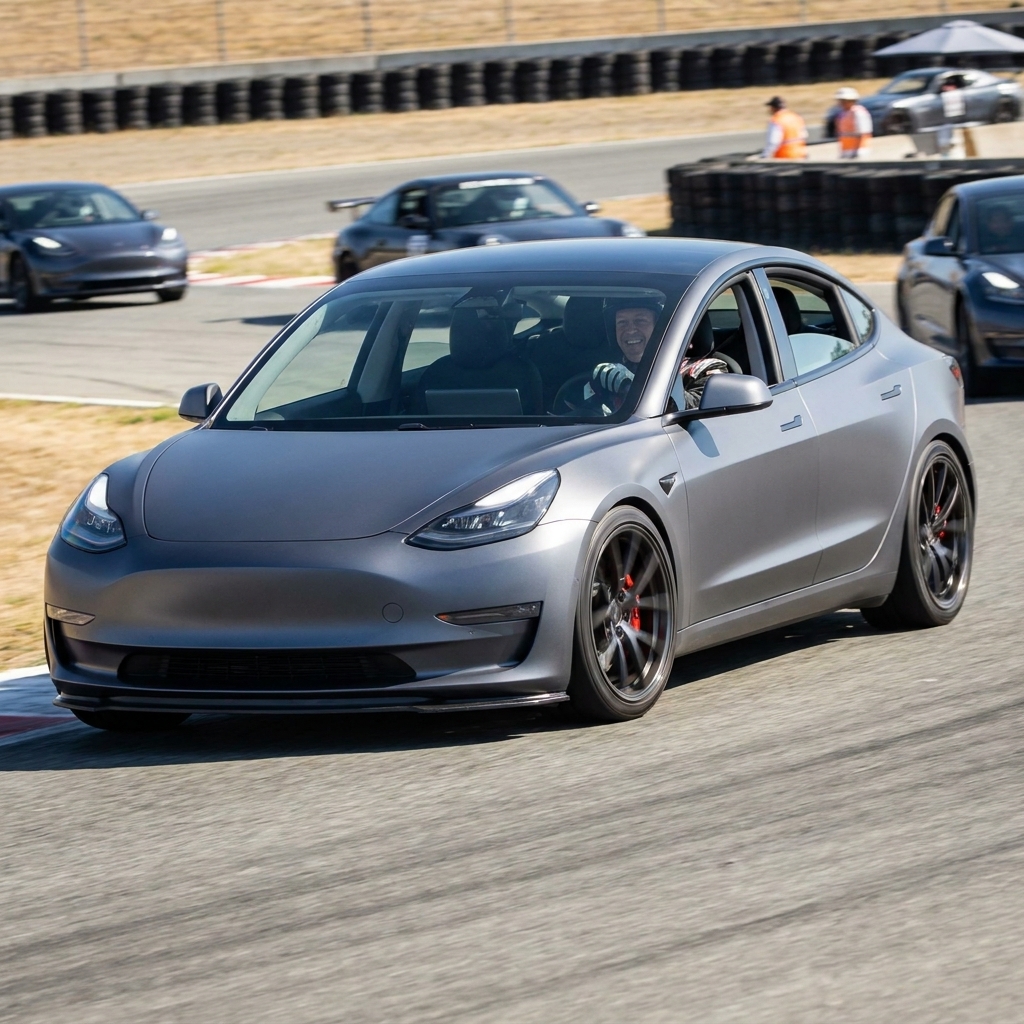
For a long time, “modding a car” meant the same handful of moves: intake, exhaust, tune, wheels, suspension, then start chasing horsepower. EVs flipped that script. There’s usually no exhaust note to uncork, no turbo to size up, and no cam to spec. But make no mistake: the modification scene is alive and well, and it’s getting more creative every month.
What’s changing is where enthusiasts put their energy. EV builds are leaning hard into aero, chassis, thermal management, brakes, wheels and tires, and yes, software. Right alongside that shift, a new kind of car meet is showing up in parking lots and at tracks. EV owners compare efficiency graphs, lap times, tire temps, and suspension settings the same way we used to compare dyno sheets and plug reads.

Why EVs changed the mod playbook
As a former shop guy, I’ll put it simply: internal combustion mods are often about helping an engine breathe and survive. EV mods are often about helping a platform put power down, stay cool, and feel right at speed.
EVs deliver instant torque, which exposes weak links fast. Tire slip, bushing deflection, brake fade, and heat soak become the bottlenecks. That’s why the new “bolt-ons” are not always flashy, but they are meaningful.
- Torque changes priorities: traction and chassis stability become first-order mods.
- Weight and balance matter: battery packs add mass and keep the center of gravity low, so suspension tuning is its own art.
- Heat is the enemy: repeated pulls or track laps can trigger power limiting if the system gets hot.
- Software is a performance part: how the car delivers power can be as important as peak output.
Aero is not just for looks
Walk any modern meet and you’ll see it: splitters, diffusers, canards, ducktails, full widebody kits. With EVs, aero has a double job. Sure, it can add visual aggression, but it can also change stability and efficiency.
What EV owners chase with aero
- High-speed stability: reducing lift and calming the car at highway and track speeds.
- Efficiency (sometimes): cleaner airflow can help on long commutes, but many aftermarket kits are neutral to negative for range unless they are designed and validated with efficiency in mind.
- Cooling help: ducting and underbody management can support brake and motor cooling on hard-driven builds.
My practical advice: if you’re buying aero strictly for performance, look for parts with real testing behind them. Even basic things like a front lip can become a liability if it’s flimsy at speed or mounted poorly. Fitment and mounting hardware matter a lot on EVs because the cars are quiet. Rattles and vibration will drive you nuts.

Suspension is the core mod
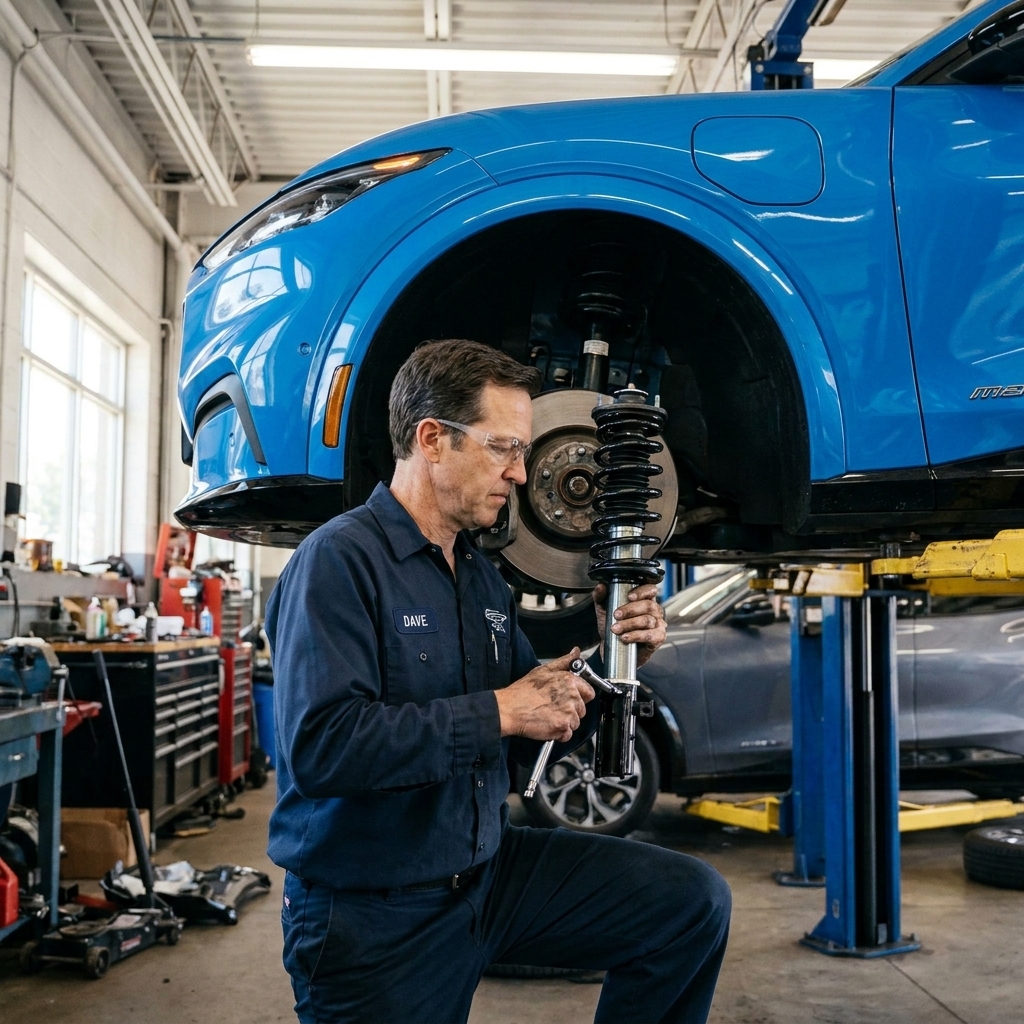
If I had to pick the single most impactful modification for the average EV enthusiast, it’s suspension. Not because EV suspensions are “bad,” but because the combo of mass, torque, and low center of gravity makes suspension tuning feel dramatic when you get it right.
Common EV suspension mods
- Lowering springs: affordable stance and sharper turn-in, but pay attention to travel and alignment.
- Coilovers: the go-to for real adjustability, especially when you want to balance comfort and performance.
- Sway bars and end links: great for dialing out understeer and controlling body roll.
- Adjustable arms: critical if you lower the car and want to preserve tire life and grip.
- Bushings and mounts: more precision, but also more noise and harshness, which stands out in a quiet cabin.
Two EV-specific notes I tell friends at cars and coffee:
- Respect load ratings: EVs are heavy. Make sure springs, dampers, and wheel specs are designed for your platform’s weight and use case.
- Alignment is not optional: toe settings can eat expensive tires fast, and EV torque makes a sloppy alignment obvious immediately.
Wheels and tires do the work
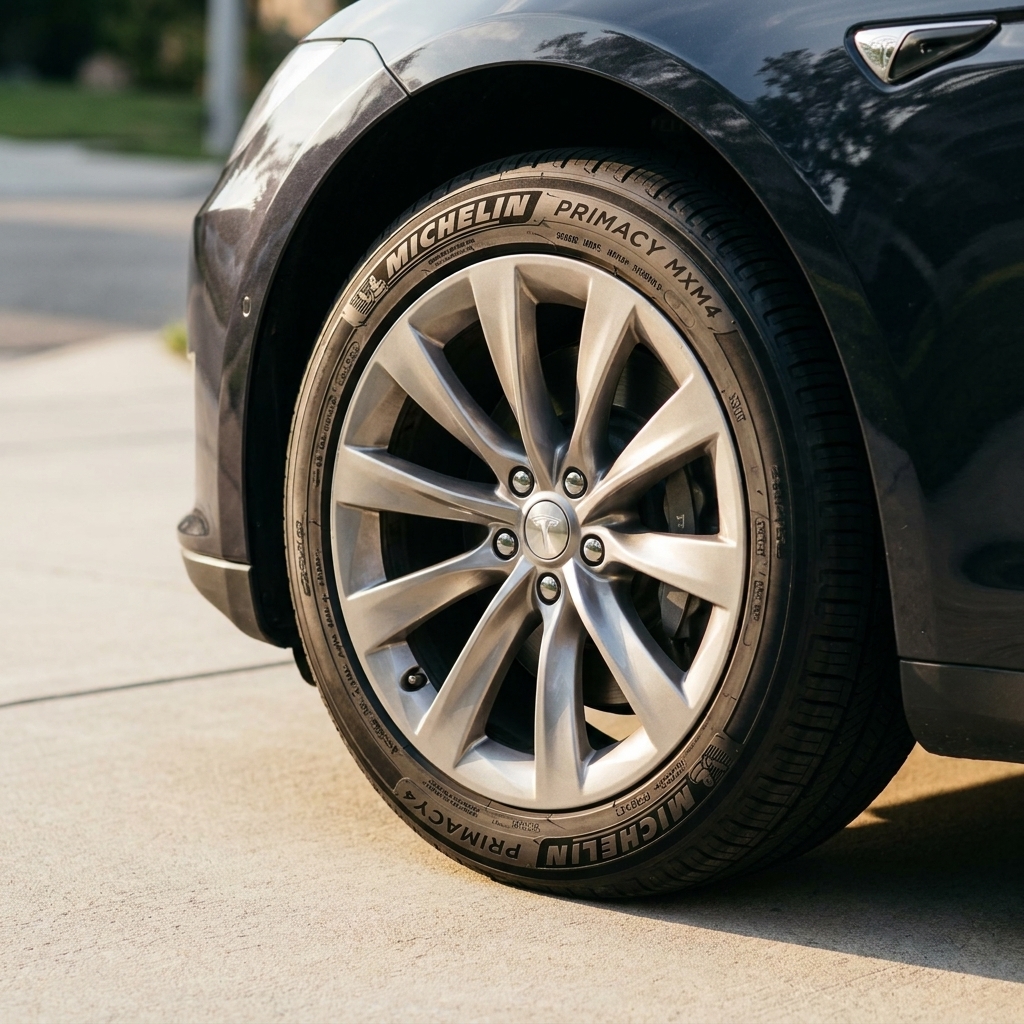
EV owners learn quickly that tires are the first performance limiter. Instant torque can overwhelm a budget all-season in a hurry. And because EVs are efficient machines, wheel and tire choices can affect range more than most people expect.
What’s different for EV wheels and tires
- Rolling resistance vs grip: sticky tires feel amazing but can cost range. Pick your priority.
- Load index matters: use tires rated for the vehicle.
- Sidewall strategy: a little more sidewall can improve ride on heavy cars, but handling goals may push you the other way.
- Wheel weight and aero: lighter wheels can help responsiveness, while aerodynamic designs can help efficiency at speed.
If you want a simple approach: decide whether the car is primarily a commuter, a canyon carver, or a track toy. Then pick a tire that fits that mission and accept the trade-offs. There’s no magical tire that is silent, ultra-efficient, and super-grippy.
Concrete example from the real world: going wider and stickier is one of the fastest ways to make the car feel better and one of the fastest ways to notice a range drop. That is not a deal-breaker, just a choice.
Brakes are back
Regenerative braking changes how pads and rotors live, but it doesn’t eliminate the need for strong friction brakes. When you push a heavy, powerful vehicle hard, you still need heat capacity and consistency. Track days make that obvious fast.
Popular EV brake mods
- High-temp pads: often the best first step for spirited driving.
- Performance brake fluid: cheap insurance against fade, and usually the biggest factor when people describe a “hot” pedal.
- Stainless brake lines: can improve pedal consistency by reducing line expansion, but they do not replace good fluid and pads.
- Big brake kits: for repeated track use or heavy performance builds.
One caution: some EVs rely on blended braking strategies. If you change components, make sure you’re not introducing weird pedal feel or stability control issues. Quality parts and proper bedding procedures matter.
Also, regen is part of your brake setup. On track-focused days, many drivers experiment with regen levels to balance stability, heat management, and consistency from corner to corner.
Software and power upgrades
On the internet, “EV tune” can mean anything from an official performance upgrade to questionable third-party software. Here’s the honest truth: software can unlock performance, but it also carries more risk than a typical bolt-on for a gas car because you’re dealing with battery current limits, motor heat, drivetrain protection logic, and manufacturer security systems.
What EV owners are modifying
- Factory performance upgrades: some brands offer official boosts or modes that may maintain warranty coverage, depending on model, region, and fine print. Always verify.
- Aftermarket modules and calibrations: range from conservative to aggressive, and quality varies widely.
- Driver-adjustable settings: throttle mapping, regen levels, and torque vectoring behavior on certain platforms.
My shop-style advice: treat power mods like you would on a boosted engine. More output is easy. Keeping it reliable is the skill. Ask about thermal safeguards, datalogging support, and what happens when the car hits temperature limits. If a seller can’t explain that clearly, walk away.
Supporting mods people forget
EV culture is building its own version of the old supporting-mod checklist. If you want repeatable performance, especially on back roads or track sessions, you start thinking about temperatures and consistency.
Supporting upgrades showing up
- Cooling improvements: upgraded heat exchangers and airflow tweaks where available for the platform.
- Track-focused brake cooling: ducts and deflectors on cars that see repeated hard stops.
- Data tools: apps and monitors that help owners watch battery and motor temps, power limiting, and consumption.
- Home charging setups: not a “mod” in the traditional sense, but absolutely part of ownership culture and build planning.
It’s not glamorous, but it’s the difference between a car that feels quick once and a car that feels quick every time.
Meets and events are evolving
The coolest part of this whole shift is that EV culture is not replacing car culture. It’s adding another lane.
EV-focused events tend to have a slightly different rhythm. You’ll still see stance builds and show cars, but you’ll also see a lot of:
- Track days and autocross groups welcoming EVs with classing tweaks and safety guidelines.
- EV-only meets where owners swap charging tips, road trip routes, and performance settings.
- Aftermarket showcases featuring aero, suspension, and wheel vendors that now build specifically for EV platforms.
- Community charity drives and cars and coffee offshoots where EV owners integrate with the broader scene.
And yes, the conversations sound different. There’s a lot of talk about tire compounds, alignment specs, regen settings, and lap consistency. There’s also plenty of appreciation for craftsmanship, fitment, and tasteful design, which is basically the universal language of any good meet.

Aftermarket wins and gaps
The aftermarket has adapted quickly, but we’re still early. Fitment catalogs are expanding, and more manufacturers are designing parts around EV-specific needs like weight, aero efficiency, and brake demands.
Where the aftermarket is thriving
- Wheels and tires: huge variety and meaningful performance impact.
- Suspension: coilovers and alignment solutions are improving fast.
- Aero and styling: everything from subtle OEM-plus to wild widebody.
- Track consumables: pads, fluid, lines, and cooling solutions.
Where EV modding is still maturing
- Transparent software options: more reputable, well-supported tuning pathways are needed.
- Repair-friendly design: some platforms are still tough for DIY work compared to older cars.
- Battery and drivetrain upgrades: expensive, complex, and often locked down.
That last one is important. The EV equivalent of swapping a bigger turbo is not a casual weekend job. For now, most EV builds focus on making the existing performance more usable and more personal.
Before you wrench
A quick reality check before you start ordering parts: modifications can affect warranty coverage, insurance claims, and local regulations. That’s especially true for software, power modules, lighting, and anything that changes how the car reports its systems. If you care about coverage, get it in writing and read the exclusions.
And if you are DIY-ing, respect the platform. Use proper jacking points, be mindful of underbody battery trays, and do not poke around high-voltage hardware unless you’re trained and equipped. A reputable EV-friendly shop is worth its labor rate.
Quick trade-offs checklist
- More grip: usually less range and more tire wear.
- Lower and stiffer: usually more NVH and more alignment sensitivity.
- More aero: sometimes more stability, often more drag unless proven.
- More power: usually more heat management needs.
Where to start modding
If you’re staring at your EV in the driveway and thinking, “Okay, what’s the first mod that won’t waste my money?” here’s a sensible order of operations:
- Tires first, especially if you hate wheelspin or want better braking.
- Alignment check, then consider springs or coilovers if you want a different feel.
- Brake fluid and pads if you drive hard or plan any track time.
- Wheels once you know your tire goals and clearance needs.
- Aero for stability and style, prioritizing quality mounting and fitment.
- Power and software only after you’ve addressed traction, heat, and braking.
If you want a clean “track day baseline” without getting fancy: fresh high-temp fluid, track-capable pads, a tire that can survive heat, a solid alignment, and a torque wrench on every wheel fastener. That combo earns its keep.
And please, whatever you do, keep the original parts until you’re sure. EV platforms evolve fast, and resale preferences are all over the map.
EV culture is different, not quieter
I’ll always love the theater of a well-built combustion car. My old Datsun has a soundtrack you can feel in your chest. But the first time you ride in a properly set-up performance EV, with sticky tires and dialed suspension, you realize the fun didn’t go anywhere. It just moved.
EV modding is becoming its own craft: part chassis tuning, part aero nerdiness, part software curiosity, and a whole lot of community. And if you’re the kind of person who enjoys making a car uniquely yours, the electric era has plenty to offer.
Quick EV modding FAQ
Do mods hurt EV range?
They can. Wider, stickier tires and aggressive aero usually reduce range. Lightweight wheels and truly efficiency-focused aero pieces can help, but the biggest swings are typically tire choice and driving style.
Are EVs worth taking to a track day?
Absolutely, with planning. The key is managing heat and brakes. Start with good fluid and pads, keep an eye on temperatures, and expect power limiting on some models after repeated hard laps.
Is software tuning safe for EVs?
It depends on the source and the safeguards. Factory upgrades are generally the lowest risk. Third-party tuning varies widely, so look for transparency, support, and conservative thermal and current limits.
What’s the most noticeable mod for an EV?
Quality tires, followed closely by suspension tuning. Those two change how the car feels every single time you drive it.