Nothing makes a car feel more broken than turning the heat knob to full blast and getting a face full of cold air. The good news is the cabin heater is not magic. On most gas vehicles, it is basically a small radiator (the heater core) that uses hot engine coolant, plus a set of doors in the dash that route air across it. If any part of that chain breaks, you lose heat.
Hybrids are usually similar, but heat behavior can vary by model because the engine may shut off at stops and some use electric coolant pumps or supplemental electric heaters. The troubleshooting basics still apply, but do not be surprised if your hybrid is slower to make heat at idle.
Below are the most common causes I saw in the shop, what they feel like from the driver’s seat, and what you can check safely at home before paying for diagnosis.
How your heater makes heat
Understanding the basics makes troubleshooting much easier:
- Engine warms up and the thermostat regulates temperature.
- Water pump circulates coolant through the engine and heater core.
- Heater core gets hot as hot coolant flows through it.
- Blower motor pushes air across the heater core.
- Blend door mixes air between the cold (A/C evaporator path) and hot (heater core path) to hit your temperature setting.
If you have an EV, the heat source is different (PTC electric heater or heat pump), but many airflow and blend door issues still apply. For gas vehicles, cold air from the vents is usually a coolant temperature issue, a coolant flow issue, or an air-mixing issue inside the dash.
Low coolant level (very common)
If the coolant level is low, the heater core may not get a steady flow of hot coolant. The engine can sometimes still look “fine” on the temp gauge, especially if it is only a little low, but the heater will often be the first thing to complain.
What you’ll notice
- Heat is weak at idle, then gets warmer when you rev or drive.
- Heater output changes randomly, sometimes warm, sometimes cold.
- You may smell sweet coolant, see foggy windows with an oily film, or find coolant spots under the car.
What to check
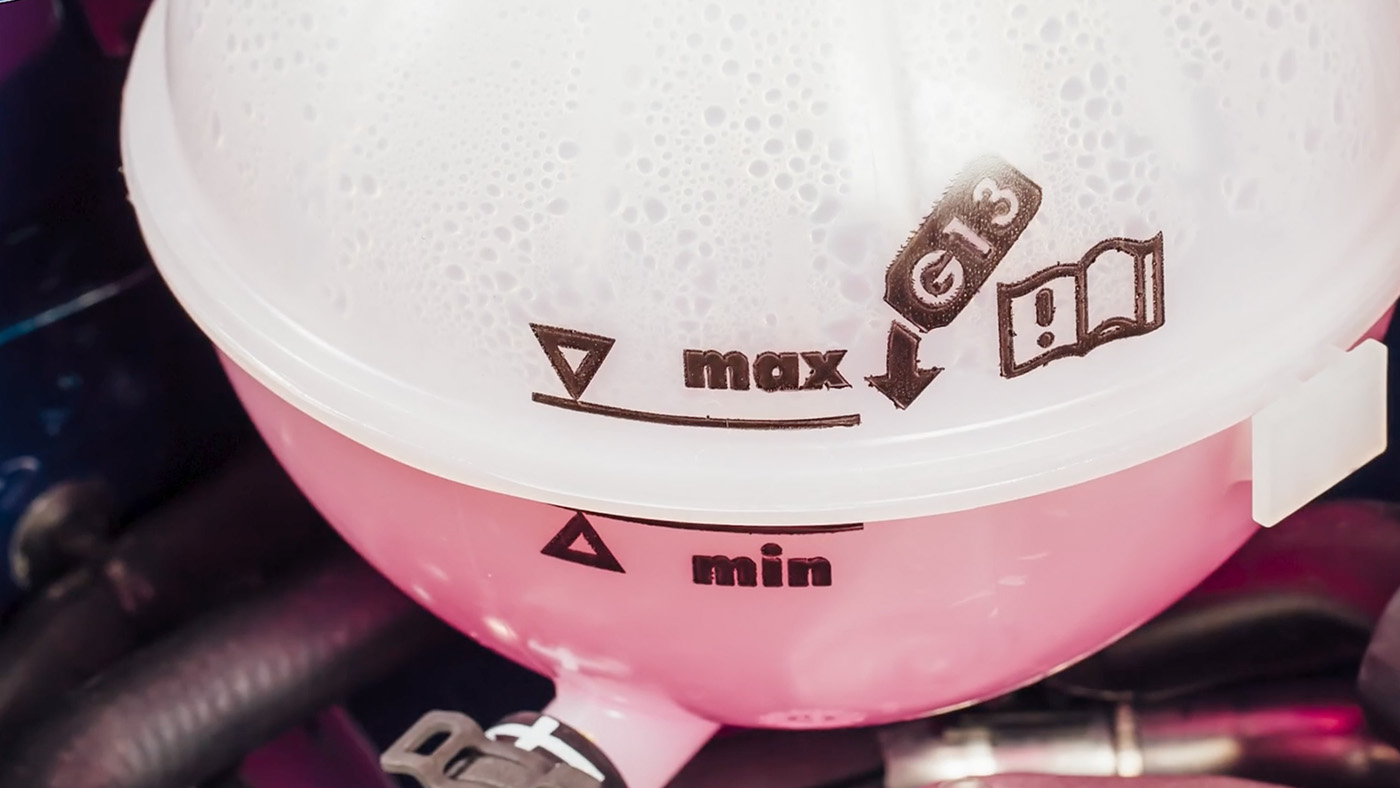
- Only when the engine is fully cold, check the coolant level in the overflow reservoir. It should be between the MIN and MAX marks.
- If the reservoir is empty, do not assume you can just top it off and forget it. Coolant level does not drop “normally” unless there is a leak.
- Coolant does age chemically over time and needs periodic service based on the manufacturer schedule, but it still should not vanish from the system.
Quick safety note: Never remove a radiator cap on a hot engine. Hot cooling systems are pressurized and can spray scalding coolant.
Thermostat stuck open
A thermostat that is stuck open lets coolant circulate through the radiator all the time. That can keep the engine too cool, especially in cold weather, which means the heater core never gets truly hot.
What you’ll notice
- Temperature gauge stays low or takes a long time to reach normal.
- Heat is lukewarm at best while driving.
- Fuel economy may drop and the engine may feel sluggish because it never reaches ideal operating temperature.
What to check
- Watch the temp gauge from a cold start. Many cars reach normal operating temp within about 5 to 15 minutes of driving, but cold climates, short trips, and some modern engine designs can take longer.
- If you have a scan tool, compare the live coolant temp to what is typical for your car. Many vehicles run roughly 190 to 220°F once warm, but the right answer is the manufacturer spec.
A stuck-closed thermostat can cause overheating, which is a different emergency. Cold air from the heater is more commonly a stuck-open thermostat, a thermostat opening too early, or an engine that is simply not getting up to temp.
Air pocket in the cooling system
Air trapped in the cooling system can block coolant flow to the heater core. This often happens after a coolant change, a radiator replacement, a hose repair, or after running the engine low on coolant.
What you’ll notice
- Heat comes and goes, especially when accelerating or turning.
- Gurgling or sloshing sounds behind the dash.
- Temperature gauge may fluctuate more than usual.
Why it happens
The heater core is like a little high spot in many cooling systems. Air naturally wants to rise and can get trapped there, leaving the heater core partially dry or flow-restricted.
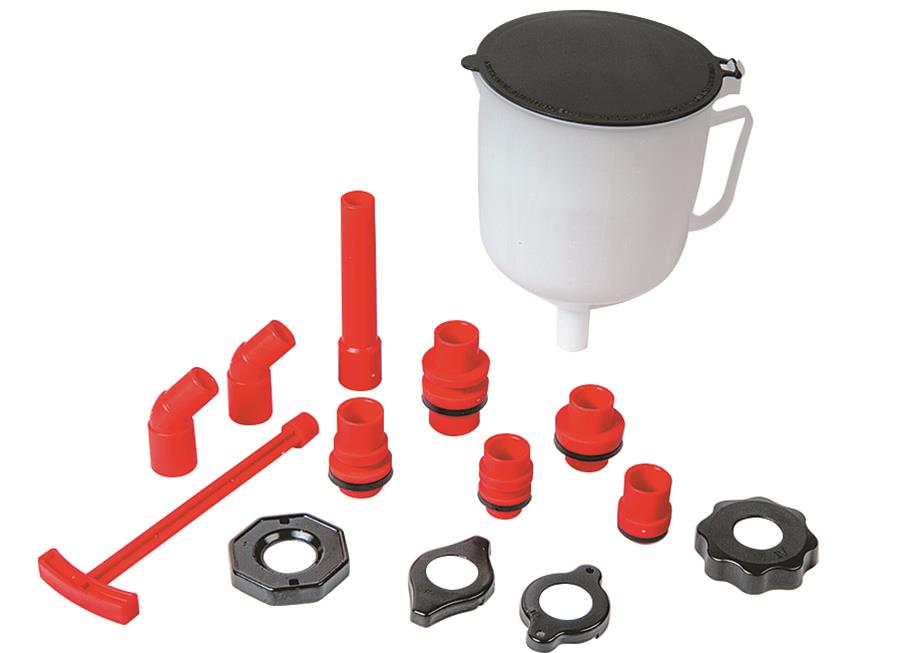
Bleeding procedures vary a lot by vehicle. Some have bleed screws, some require a spill-free funnel, and some are best handled with a vacuum fill tool. If you are not sure of the correct procedure for your exact model, this is one of those times where a shop can save you hours of frustration.
Heater control valve stuck closed
Many vehicles have a heater control valve (also called a coolant shutoff valve) that opens to let hot coolant flow through the heater core. Some are vacuum-operated, some are electric, and some are commanded by the climate control module. If it sticks closed or never gets the open command, you can have a fully warmed-up engine and still get cold air.
What you’ll notice
- Engine temp gauge looks normal, but you get little to no heat.
- Both heater hoses at the firewall may stay cool or only warm up slightly.
- Heat may be stuck cold no matter what you do with the temperature setting.
What to check
- With the engine fully warm and the heat set to max, carefully check heater hose temperatures at the firewall. No heat in either hose points to a flow issue upstream (valve closed, air pocket, low coolant, circulation problem).
- If you can safely see the valve in the engine bay, look for obvious issues like a cracked vacuum line, disconnected electrical connector, or coolant seepage.
Blend door or climate control problem
If your engine warms up normally and the cooling system is full, but the vents still blow cold, the problem may be inside the HVAC box under the dash. The blend door controls how much air passes through the heater core versus bypassing it.
What you’ll notice
- Airflow is strong, but the temperature never changes, or changes only on one side (common on dual-zone systems).
- You hear clicking or tapping behind the dash when changing temperature settings.
- Temperature changes briefly, then reverts.
Common culprits
- Failed blend door actuator (small electric motor/gearbox strips gears or loses position).
- Broken blend door hinge or door jammed by debris (less common, but it happens).
- Control head or sensor issues (automatic climate control can act strange if a cabin temp sensor or sunload sensor is misreading).
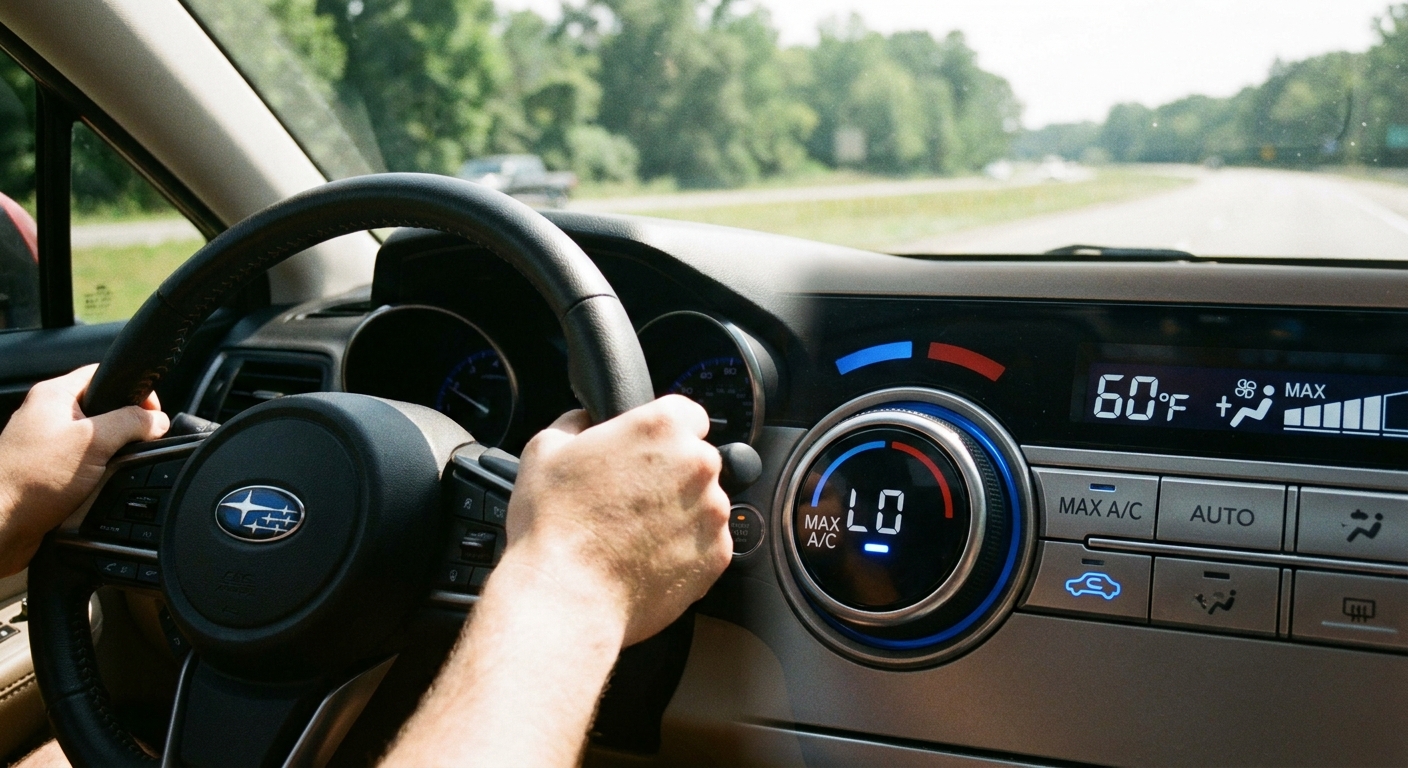
A quick driveway test: with the engine fully warm, switch the temperature from full cold to full hot and listen carefully. If you hear no movement at all, or you hear repeated clicking, suspect the actuator or door.
Clogged or leaking heater core
The heater core can clog internally from old coolant, stop-leak products, corrosion, or debris. It can also leak. A restricted heater core might still get some warm coolant, but not enough flow to transfer real heat.
What you’ll notice
- One heater hose at the firewall is hot and the other is noticeably cooler (often restriction, but it can also be a control valve issue, trapped air, or low flow).
- Heat is weak even when driving and fully warmed up.
- Sweet coolant smell inside, oily film on the windshield, damp carpet on the passenger side (leak).
What to check
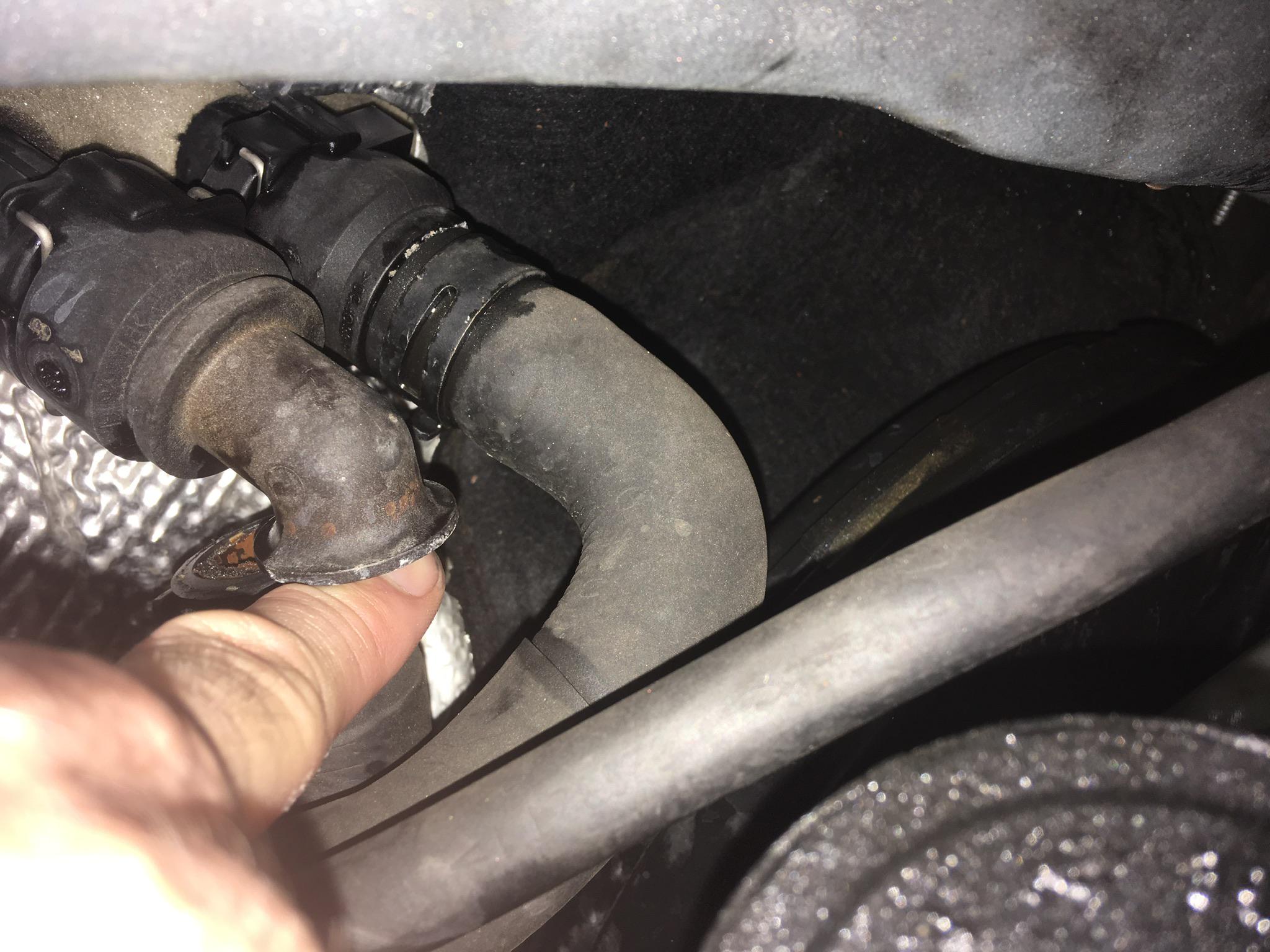
With the engine warmed up and running, carefully check the two heater hoses where they enter the firewall. Keep hands, sleeves, and tools away from belts and fans, and be mindful of hot exhaust parts. If you want a safer option, an infrared thermometer works great for comparing hose temps without touching anything.
Sometimes a careful heater-core flush restores heat, but on many modern cars, a heavily clogged core plugs right back up if the root cause is still there (rust, degraded coolant, contamination). If the core is leaking, replacement is the real fix, and it can be labor-intensive because the dash often needs to come apart.
Water pump or circulation problems
If coolant is not circulating properly, the heater core will not get consistent heat. This is less common than low coolant or a thermostat, but it is a real cause, especially on higher-mileage vehicles.
What you’ll notice
- Heat is better at higher RPM and weaker at idle, or it fluctuates with engine speed.
- Engine may run hotter than normal at times, especially under load.
- You may hear bearing noise, see coolant leakage near the pump, or find belt issues (on belt-driven pumps).
Some vehicles use electric water pumps and electronically controlled coolant valves. A fault in that system can cause odd warm-up behavior and no-heat complaints. If you suspect circulation issues and the car also shows temperature instability, that is a good time to get professional help to avoid overheating damage.
Other issues that feel like no heat
Blower motor or cabin air filter restriction
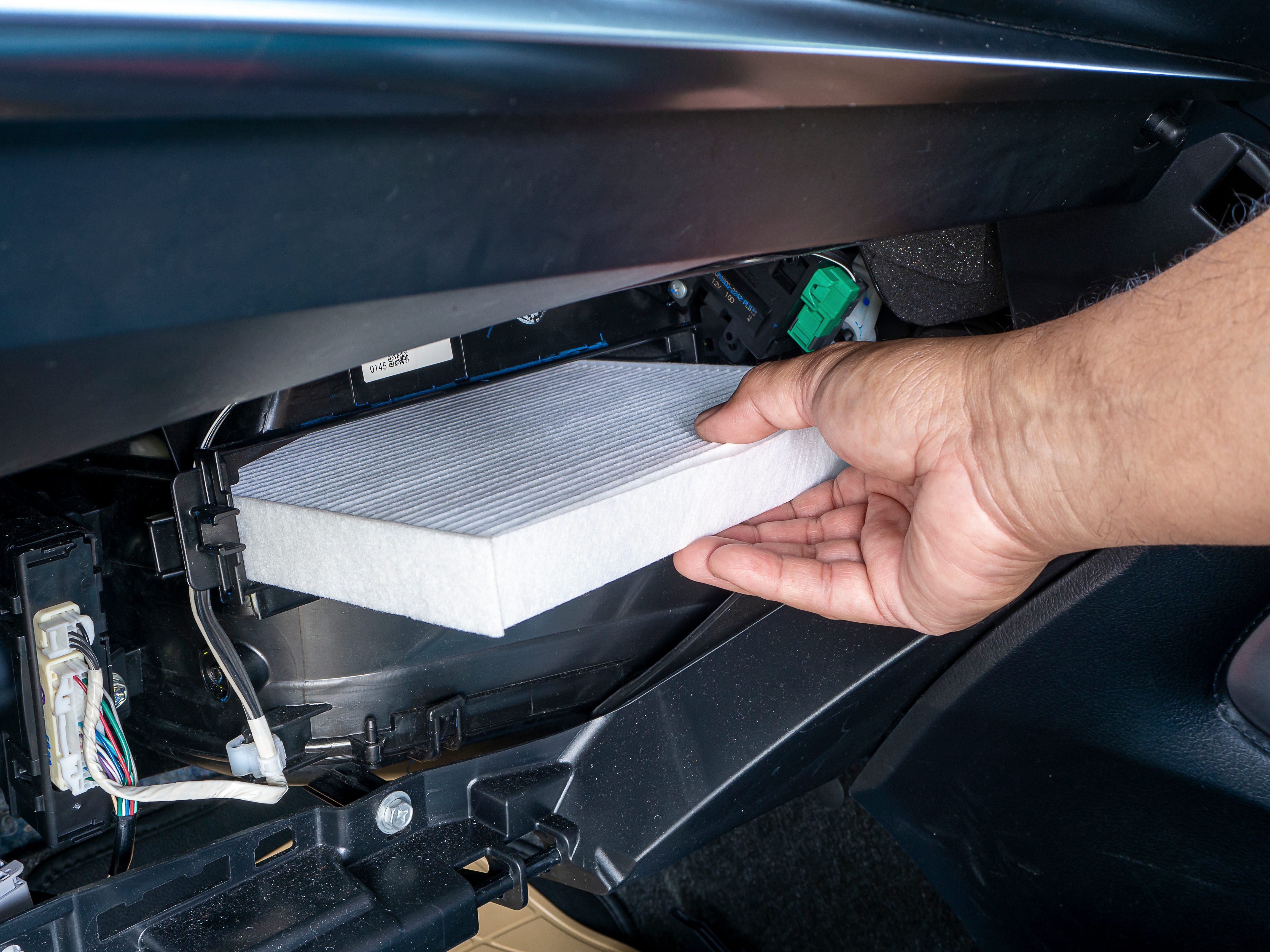
If the blower is weak, the air might not feel warm simply because not much air is moving. A severely clogged cabin air filter can make it seem like the heater is failing.
- Clue: Airflow is weak on all settings, or only works on certain fan speeds.
- Check: Inspect or replace the cabin air filter and confirm blower operation.
Defrost and A/C behavior
Many cars run the A/C compressor during defrost to dehumidify air. That is normal. You should still get warm air once the engine is hot. If the system is commanding cold no matter what, that points back to blend door, control valve, or control issues.
When cold air is a warning sign
Sometimes the heater blowing cold is your first hint of a bigger cooling-system problem. Stop and investigate if you notice any of the following:
- Temperature gauge climbing toward hot or warning lights.
- Coolant smell, steam, or visible leaks.
- Repeated need to add coolant.
- Milky oil on the dipstick or under the oil cap (possible internal leak).
Overheating can turn a manageable repair into an engine replacement quickly. If the gauge is rising, treat it seriously.
A simple troubleshooting order
If you want the quickest path to a real answer, here is the order I recommend in the driveway. The goal is to figure out whether you have a coolant temperature problem, a coolant flow problem, or an air-mixing problem.
- Confirm the engine warms up normally. If the temp gauge never reaches normal (or takes forever), suspect the thermostat first.
- Check coolant level cold. If low, top up with the correct coolant mix as a temporary step and start looking for leaks.
- Set heat to max and feel vent temperature. If it is cold but the engine is hot, keep going.
- Check heater hose temps at the firewall. Both hot usually points to blend door or control issues. One hot and one cooler often points to a restricted heater core, a heater control valve issue, trapped air, or low flow.
- Listen for blend door actuator movement. Clicking, no movement, or one-side-only heat often means an actuator or door problem.
- If you recently had cooling work done, suspect air in the system. Verify the system was bled properly for your exact vehicle.
- If heat changes with RPM or you see temp instability, consider circulation issues. Water pump problems, coolant valves, or more complex faults may be at play.
If you work through that list, you will usually end up with a short shortlist of parts and labor, not a vague “maybe it’s the heater core” guess. And that is exactly how you keep repair bills honest.