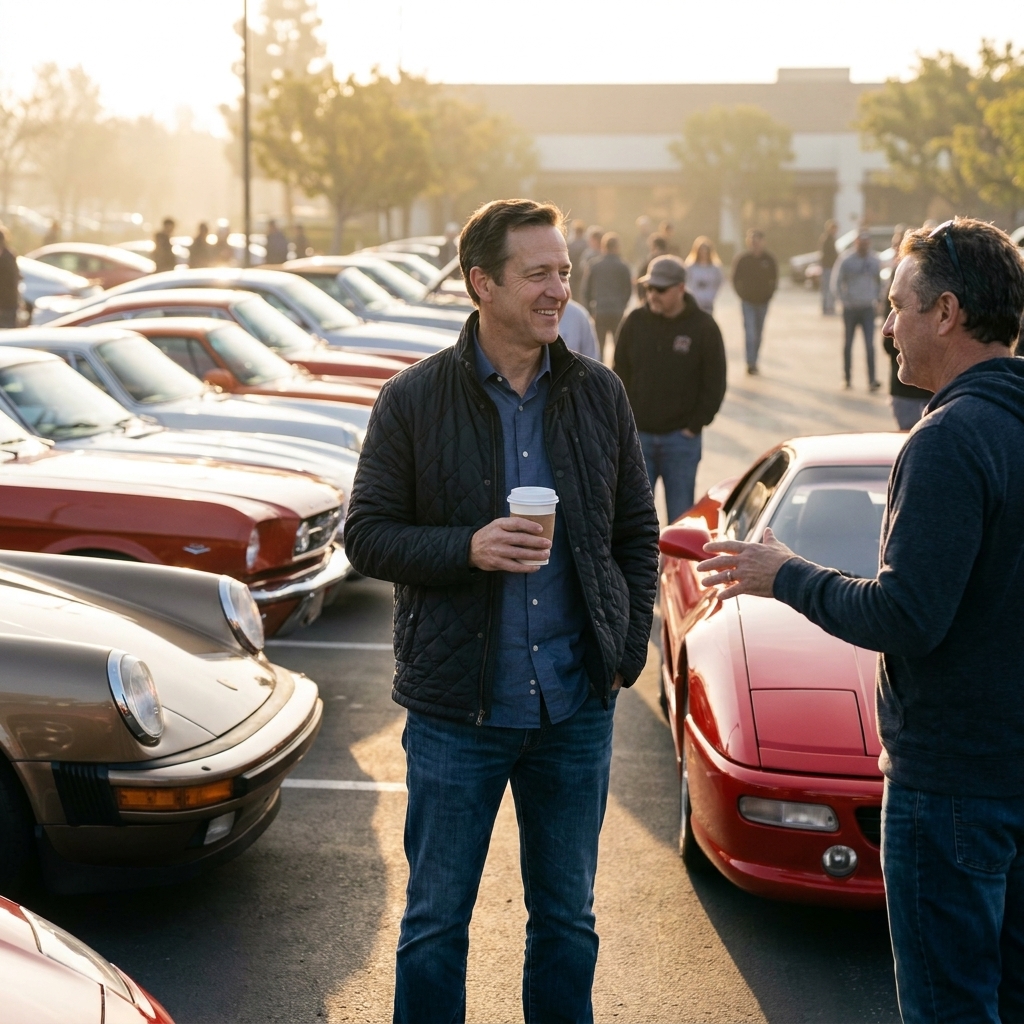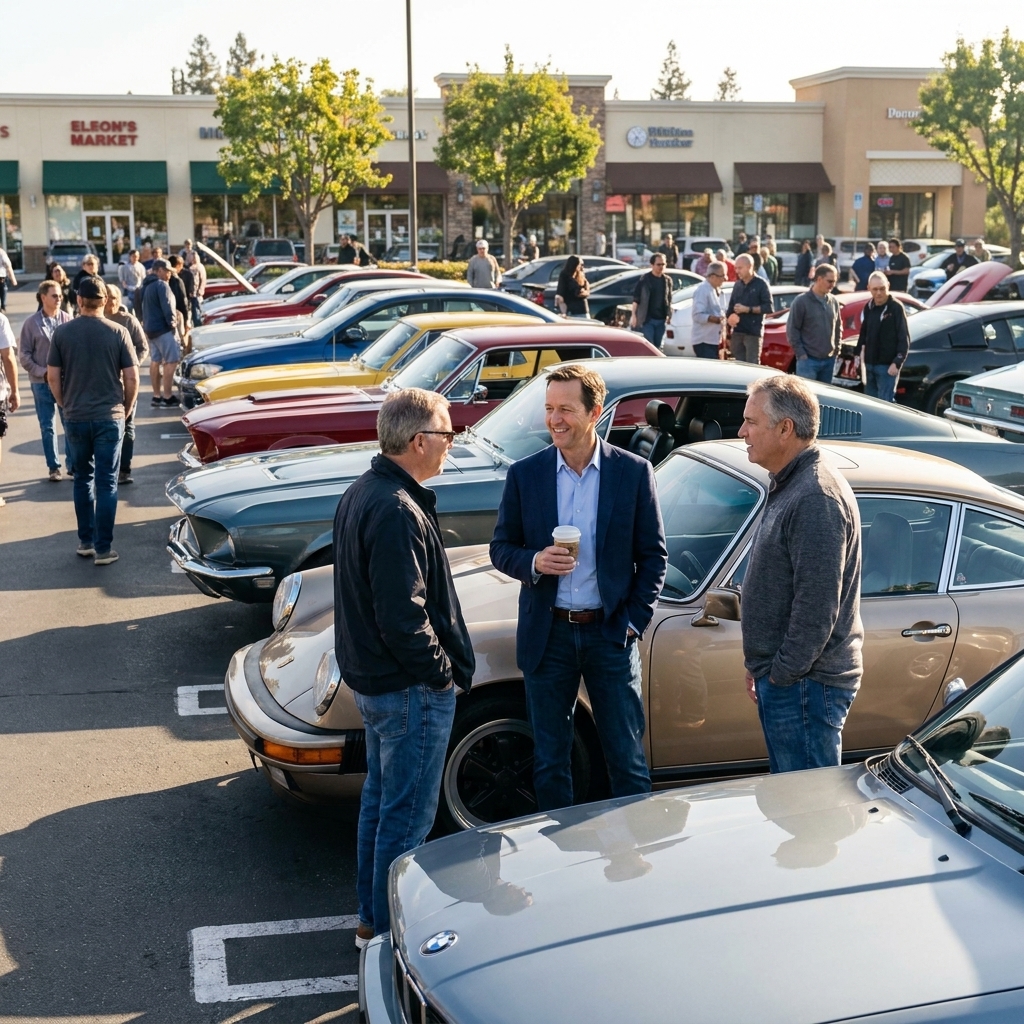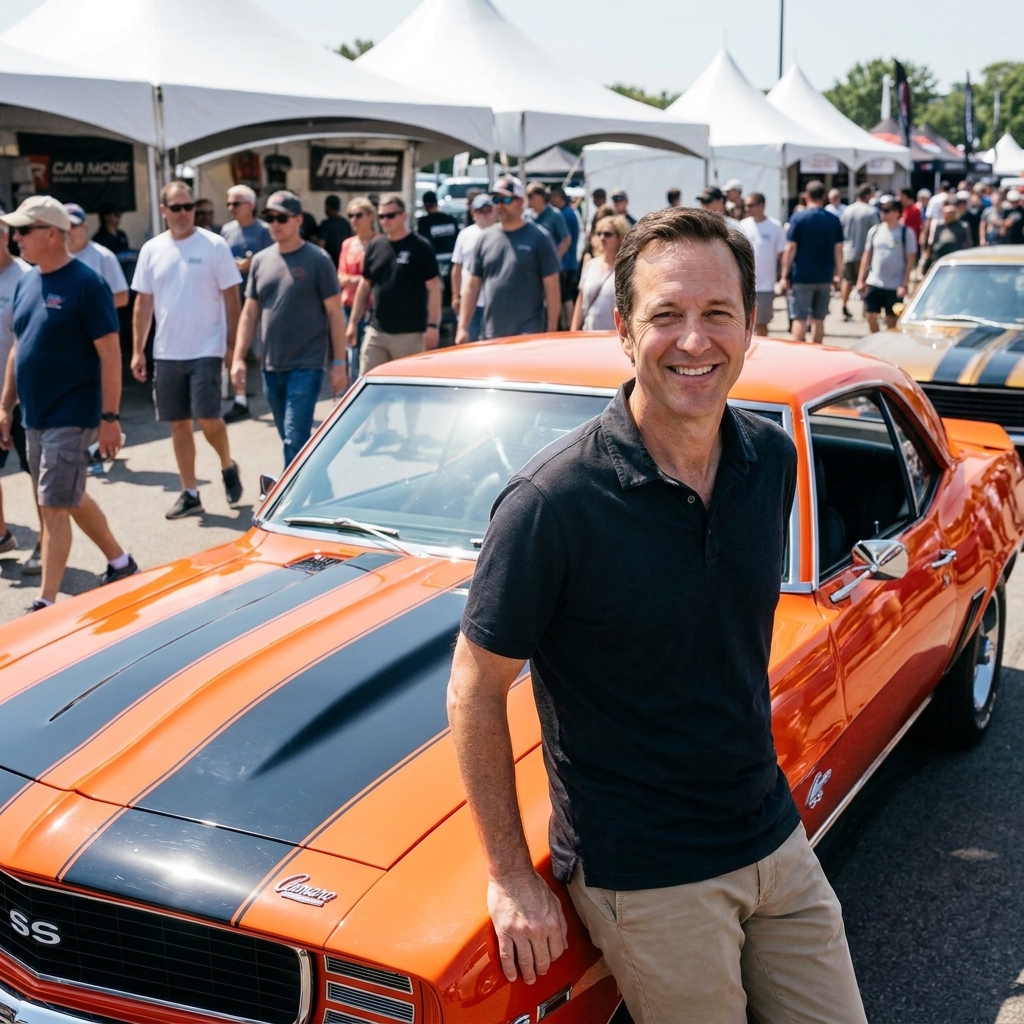
There is a special kind of pressure that hits the night before a local Cars and Coffee. The car ran great all week, but suddenly you are hearing every squeak, seeing every swirl mark, and wondering if that “temporary” zip tie is about to become a conversation starter.
Good news: you do not need a show-car restoration to have a great morning. You just need a clean, safe, honest presentation of your project and a quick plan that keeps you from chasing perfection at 11:45 p.m. Here is how I prep, both for my own 280Z and for friends who want to roll in confident and roll out under their own power.
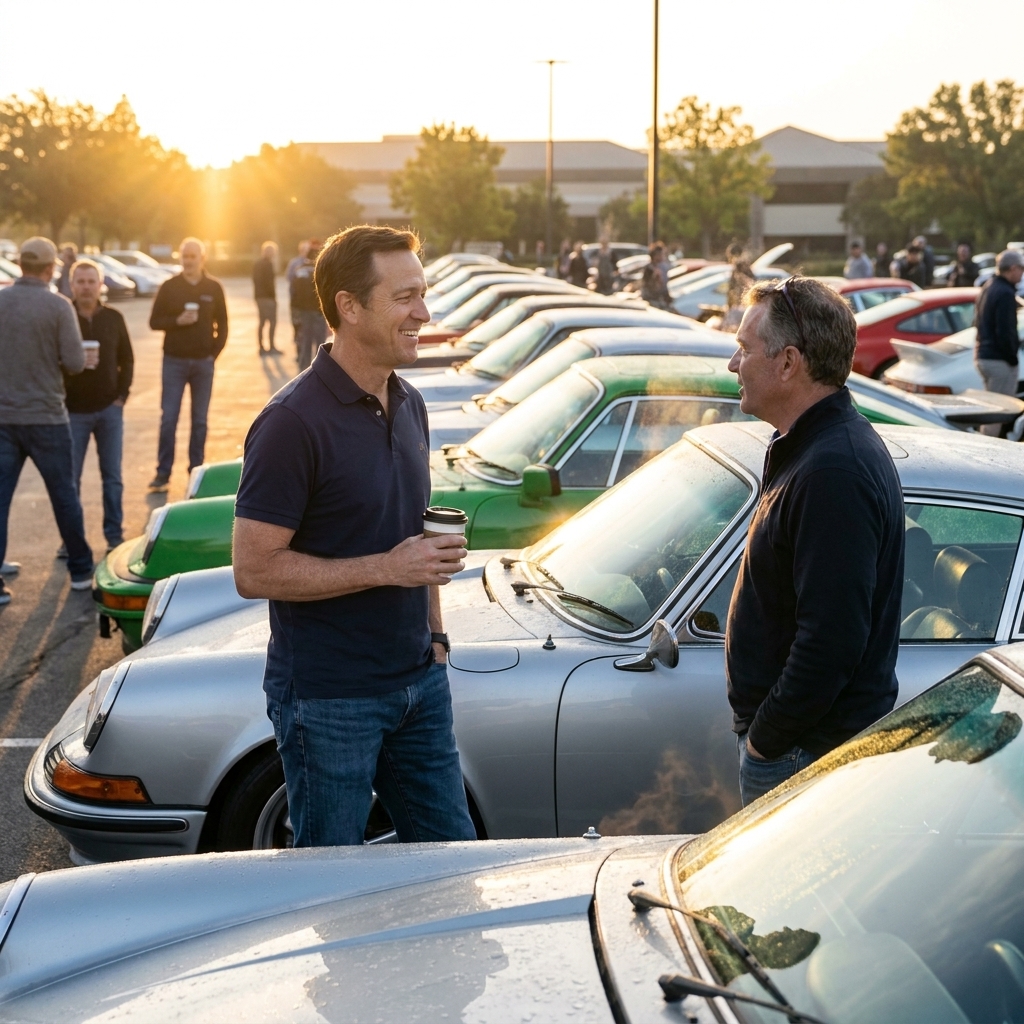
Pick your goal
Before you touch a hose or a wrench, decide what “ready” means for this weekend. For most project cars, the goal is:
- Clean enough that people can see your work, not your dust.
- Safe enough that you can cruise there and back without drama.
- Presentable enough that you are proud to pop the hood, even if things are mid-build.
That mindset keeps you from starting a full brake job the night before because you noticed a slightly soft pedal. If it is truly unsafe, you fix it or you trailer it. If it is just not perfect, you note it for later and enjoy the meet.
The night-before plan (2 to 3 hours)
1) Quick cabin reset (10 minutes)
- Remove trash, fast-food receipts, and random parts.
- Shake out floor mats or vacuum quickly.
- Wipe the steering wheel and shifter. People notice what you touch.
- Make sure nothing loose can roll around under braking (tools, spare parts, that one brake caliper you swear you were returning).
2) Wash smart, not hard (30 to 45 minutes)
If your paint is driver-grade, a careful wash makes a bigger difference than aggressive polishing.
- Do it on cool panels: avoid direct sun or hot paint if you can. It is how you get streaks and water spots in record time.
- Rinse first to float off grit.
- Use two buckets if you can (one for soapy water, one for rinsing the mitt).
- Start at the top, save rocker panels and bumpers for last.
- Dry with a soft towel or blower. Water spots kill the vibe fast.
If you are short on time, wash the top half well and do a quick lower-body rinse and wipe. The upper panels are what people see standing next to the car.
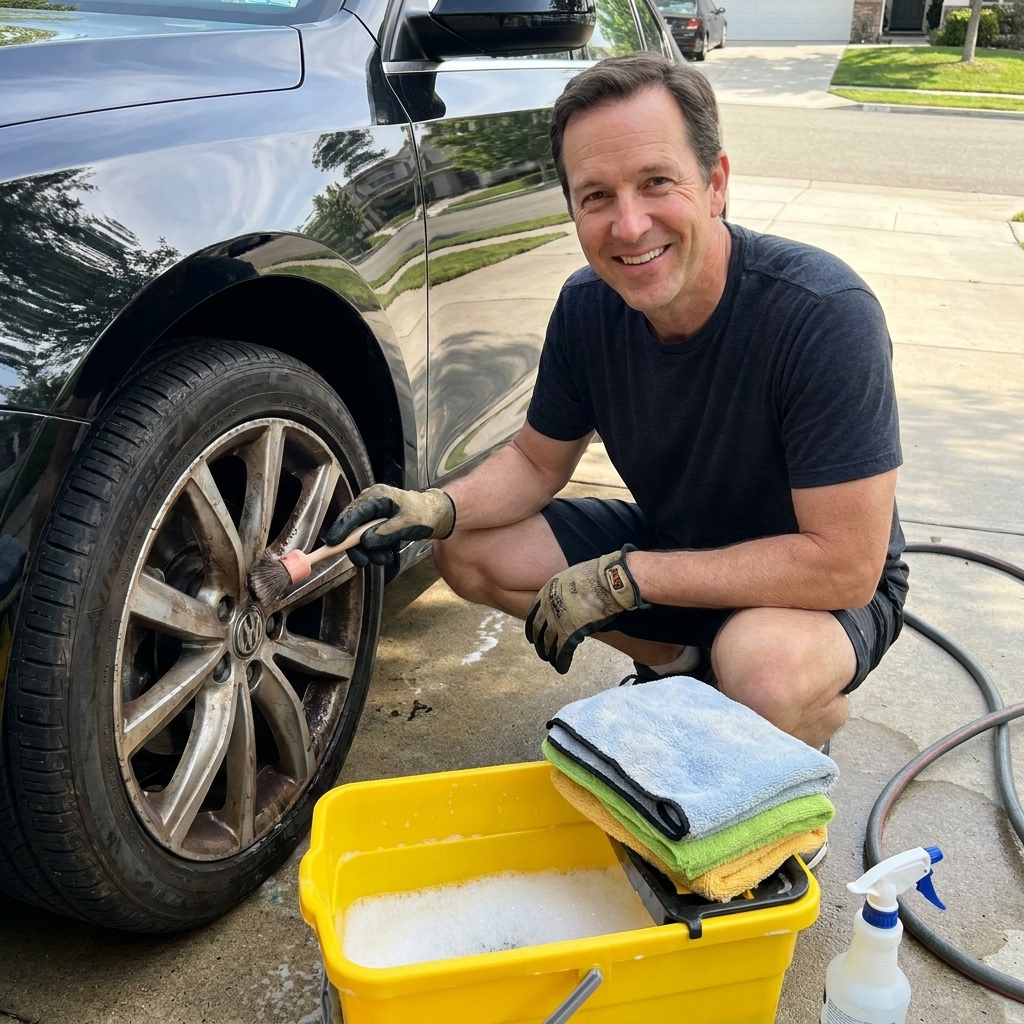
3) Wheels and tires (20 minutes)
Clean wheels are the cheapest “mod” for your curb appeal.
- Use a dedicated wheel cleaner and a soft brush.
- Do not spray cleaner on hot wheels, and test a small spot if you are running raw aluminum, polished lips, or delicate aftermarket finishes. Some wheel cleaners can stain or etch.
- Scrub the tire sidewalls. Brown tires make even clean paint look dirty.
- Dress tires lightly and wipe the excess. You want a satin look, not greasy sling all over your quarter panels.
Morning-of prep (30 to 60 minutes)
Final wipe and glass (10 to 15 minutes)
- Hit fingerprints on door handles and around the trunk.
- Clean exterior glass and the inside of the windshield.
- Quick detail spray on horizontal panels if you have light dust.
Warm-up check (10 minutes)
Start the car and let it idle while you look underneath. A tiny seep you live with can turn into a drip trail at the meet.
- Look for fresh oil, coolant, or fuel smell.
- Listen for new belt squeal, exhaust leaks, or a sudden misfire.
- Confirm your gauges act normal and the cooling fans cycle if applicable.
Pack your basics (5 minutes)
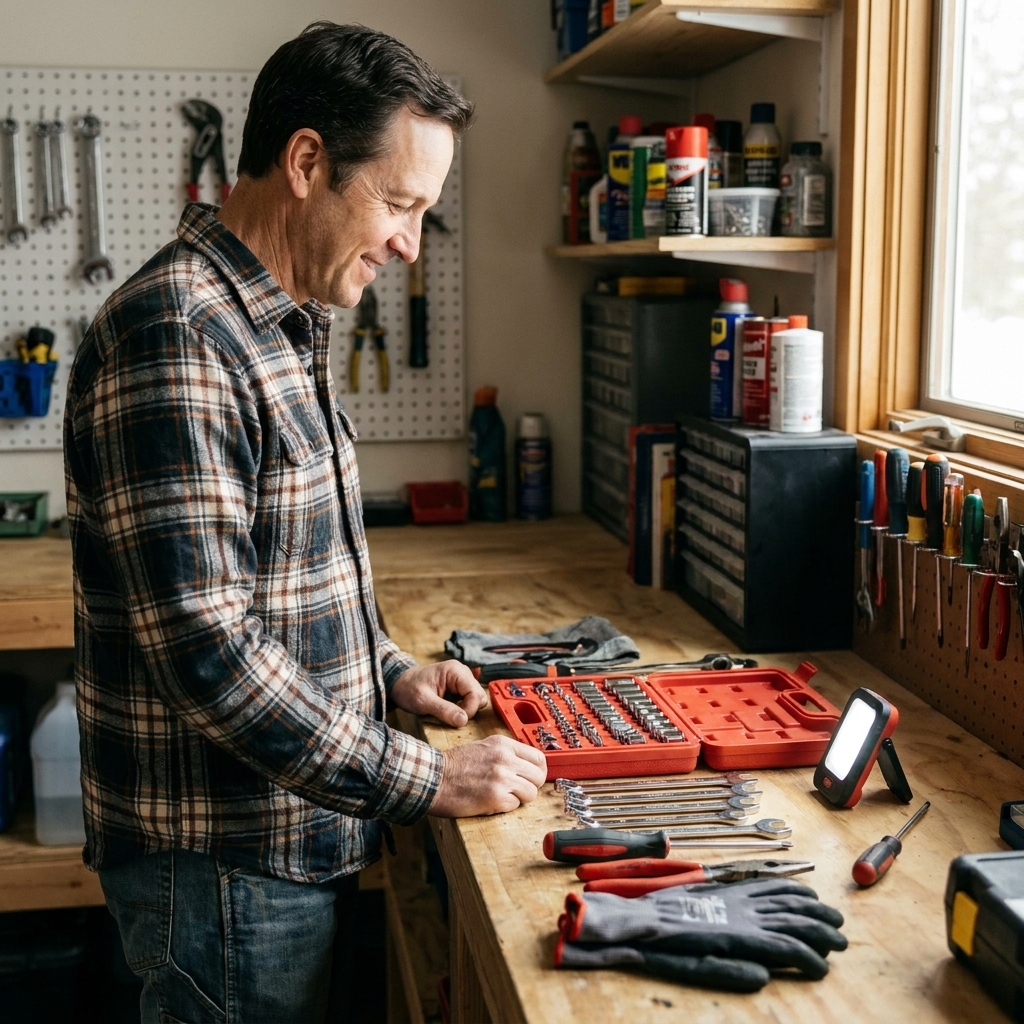
A tiny kit saves your morning if something minor pops up.
- Microfiber towels and quick detail spray
- Tire pressure gauge and portable inflator
- 10 mm and 12 mm wrench or socket (you know why)
- Screwdriver, zip ties, electrical tape
- Gloves and a small flashlight
- A quart of the oil you run and a little coolant (if your car is known to sip)
Quick safety check
This is the stuff I would rather catch in my driveway than in a crowded parking lot with an audience.
Fluids (5 to 10 minutes)
- Engine oil: Check level on flat ground. Look for milkiness or fuel smell if you suspect issues.
- Coolant: Only check the radiator when the engine is cold. Overflow tank level should be in range.
- Brake fluid: Level should be stable. If it is suddenly low, look for leaks and do not ignore it.
- Power steering and clutch fluid: Check if equipped. Some cars share a brake and clutch reservoir, so do not panic if you only see one.
- Windshield washer fluid: It is not glamorous, but it is the difference between a clear drive and white-knuckling behind bug splatter.
Tires and brakes (10 minutes)
- Tire pressure: Set cold pressures. Projects often sit, and tires bleed down.
- Tread and sidewalls: Check for cords, bubbles, and dry rot cracks.
- Lug torque: If you recently swapped wheels or did brakes, re-torque.
- Brake feel: Firm pedal, no pulling, no grinding. If anything feels off, do not “send it.”
Lights and signals (5 minutes)
Most meets are early, and visibility matters. Have a friend confirm:
- Headlights (low and high)
- Brake lights
- Turn signals and hazards
- Reverse lights
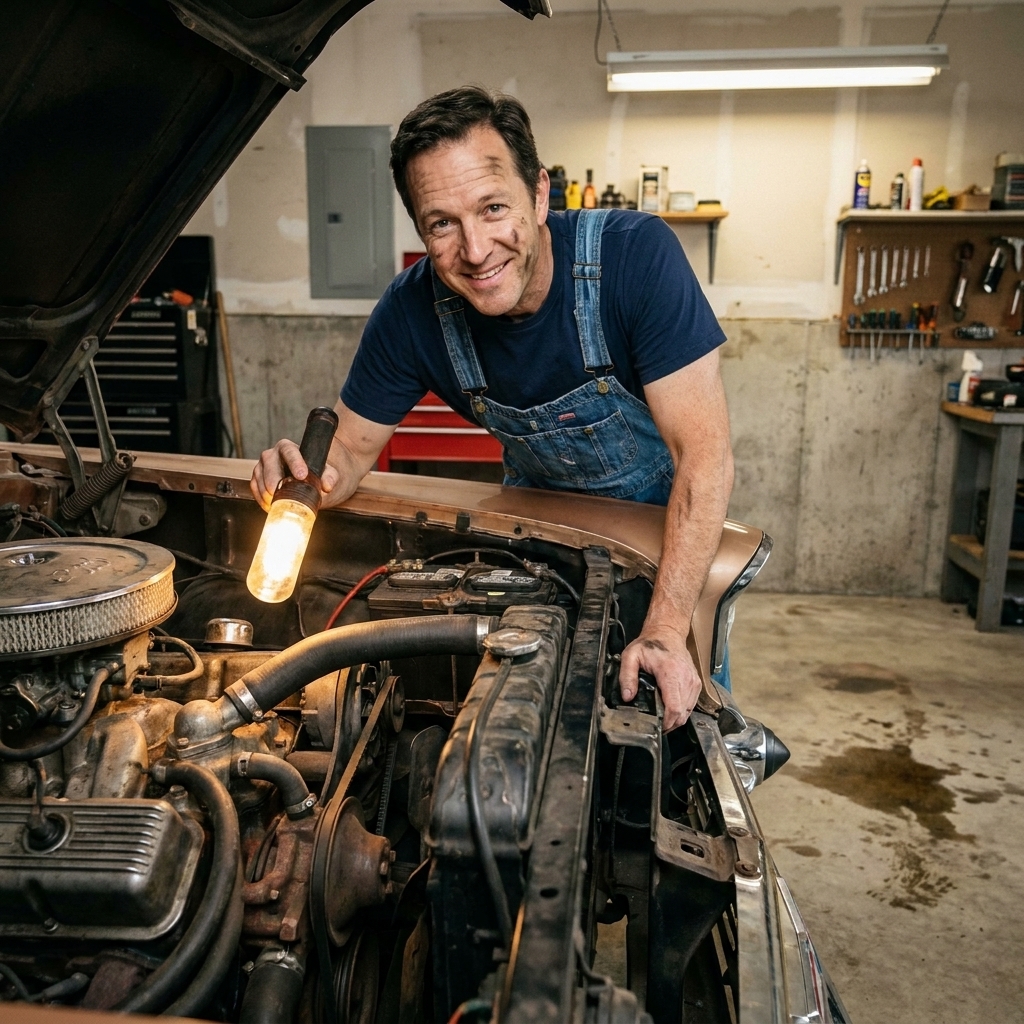
Under-hood scan (5 minutes)
- Belts: cracks, fraying, proper tension
- Hoses: soft spots, bulges, wet ends
- Battery: tight terminals, secure hold-down
- Loose wiring: anything rubbing on sharp metal
- Hood latch: make sure it closes and locks like it should, especially if you plan to pop the hood at the meet
Detailing shortcuts
Focus spots
At Cars and Coffee, everyone naturally looks at the same places. Clean these first:
- Wheels, tires, and wheel wells
- Front bumper and headlights (bugs, road film)
- Driver door jamb (greasy jambs are a dead giveaway)
- Glass (especially inside windshield haze)
- Exhaust tip (a quick wipe changes the whole rear view)
Paint
If you are tempted to machine polish the night before, pause. Polishing is where people can burn through clear coat, leave hazy trails, or create fresh swirl marks when they rush. A safe plan is:
- Good wash and dry
- Spot-treat tar or bugs with a dedicated remover
- Light spray wax or sealant for pop
Save full correction for a weekend when you can go slow.
Show a work-in-progress
The best project cars at a meet are the ones with a story. You do not need to pretend it is finished. You just need to present it like you care about it.
Clean the honest stuff
- Wipe down the engine bay plastics and painted surfaces.
- Avoid soaking electronics. Use a damp microfiber, not a pressure washer.
- Remove random loose hardware from the cowl and strut towers.
Be ready for three questions
- What is it? Year, model, and anything that makes it special.
- What have you done? Big-ticket items first: suspension, engine, brakes, drivetrain.
- What is next? Keep it simple: “Cooling system refresh” or “paint later, enjoying it now.”
You will be surprised how many people respect a clean, safe driver more than a shiny car that never moves.
EVs and hybrids
I have learned that EV and hybrid prep is basically the same, plus a few practical details that matter when the parking lot turns into a long hangout.
- Charge plan: Set enough state of charge for the meet plus detours. Accessories and showing off features can nibble range.
- Tires: EV weight and torque can accelerate tire wear, especially with sticky compounds, aggressive driving, or less-than-ideal alignment. Check cold pressures.
- Cabin clean: Minimalist interiors show dust fast. Wipe screens gently with a clean microfiber.
- Bring your adapter: If you use one regularly, toss it in the trunk. It is cheap insurance.
What to bring
You do not need a rolling toolbox, but a few items make the morning smoother.
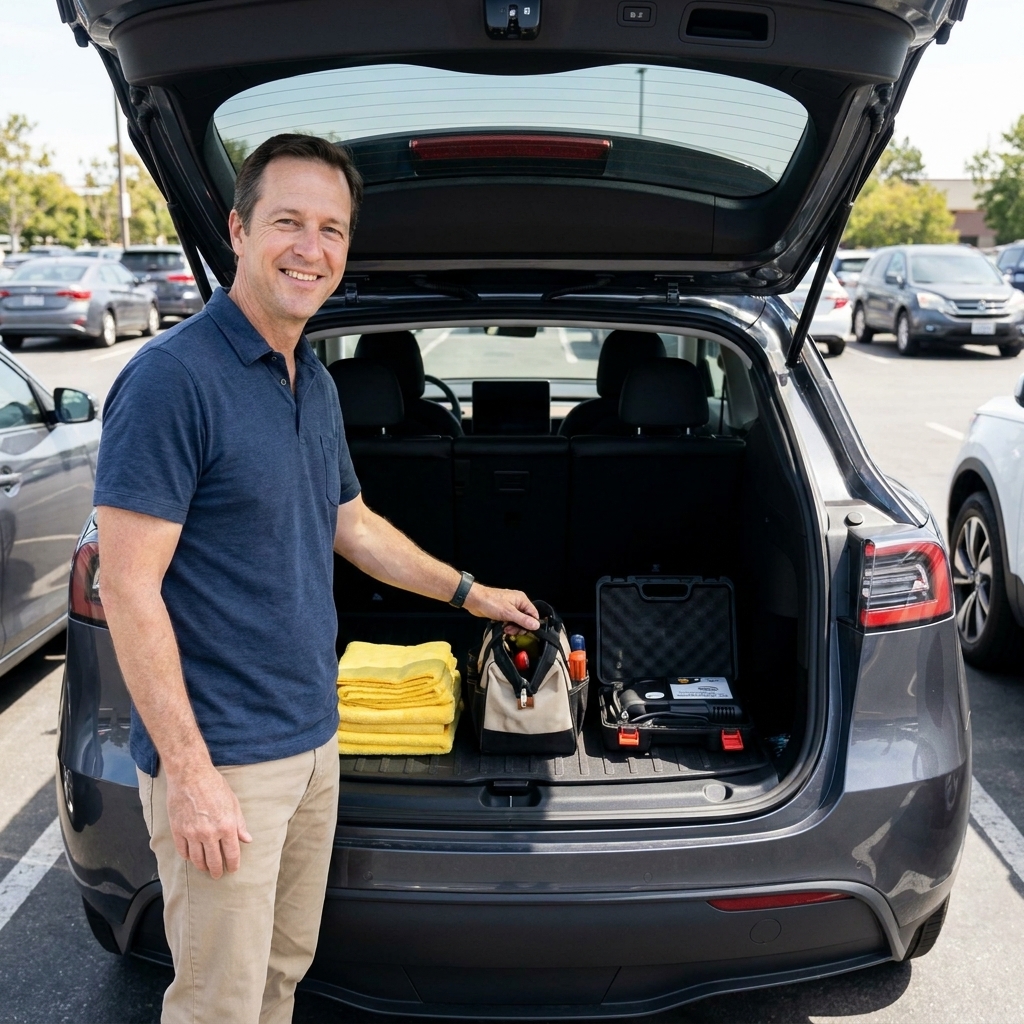
- Detailing: quick detail spray, glass cleaner, 2 to 3 microfibers
- Comfort: water, hat, sunscreen, folding chair if you like to hang
- Car info: a small notepad of parts and specs, especially if people ask about your setup
- Emergency: basic hand tools, jumper pack, tire inflator, small first aid kit
Plan the drive
- Know the address and entrance: some lots have a “good” entrance that keeps you off speed bumps and steep driveways.
- Fuel or charge: do it the day before so you are not hunting for a pump at 6:30 a.m.
- Paperwork check: registration, insurance, and plates should be current, especially if the car is freshly modified and getting extra attention.
- Have a bailout plan: if the car is temperamental, tell a friend your route or bring a buddy along. Worst case, you have a ride home.
If you only have 30 minutes
- Quick rinse or waterless wash on the top panels, then dry.
- Clean glass (especially inside windshield haze).
- Wheels: quick scrub and wipe the tires.
- Check oil level, tire pressures, and do a 60-second leak glance under the car after start-up.
- Throw microfibers, tire gauge, and that 10 mm in the trunk.
If you are trailering
No shame in it. Sometimes trailering is the smartest way to bring a new build without turning the morning into roadside diagnostics.
- Check trailer tire pressures and lug torque.
- Bring proper straps, not mystery ratchet straps from 2009.
- Verify ramps are pinned and secure.
- Do a quick light check on the trailer (brake lights and turn signals).
- Pack a spare strap and a basic jack for the trailer.
Parking etiquette
- Arrive early for better spots and fewer door dings.
- Park straight and give your neighbors room to open doors.
- Pop the hood only if you are comfortable and nothing is leaking or unsafe.
- No revving, no burnouts. Save the fun for the road, not the lot.
- Leave clean. Pick up after yourself, even if it is not your trash.
Fast checklist
Clean
- Wash and dry (cool panels, top first)
- Wheels and tires cleaned, light dressing wiped down
- Glass inside and out
- Cabin wipe and quick vacuum
Inspect
- Oil, coolant, brake fluid levels
- Tire pressures, lug torque if recently serviced
- Lights, signals, brake lights
- Look under car for fresh leaks after warm-up
- Hood latch closes and holds
Bring
- Microfibers, quick detail spray
- Tire gauge and inflator
- Basic tools, zip ties, tape
- Water and a plan to get home
Enjoy the best part
Cars and Coffee is not an exam. It is a hangout. Prep your project so it is clean and safe, then let yourself enjoy the conversations. The person who has the most fun is usually the one who actually drove their car there, imperfections and all.
If you are still wrenching late Friday night, my best mechanic advice is simple: stop one job earlier than you think you should. A running, driving project with a little patina beats a half-finished “upgrade” every single time.