I have watched more than one perfectly fixable car turn into an engine replacement because someone did the most natural thing in the world after a flood: hop in, turn the key, and hope for the best. I get it. When you are stressed and you just want normal life back, “let’s see if it runs” feels like progress.
But if floodwater reached the floor or higher, your first goal is not to start the car. Your first goal is to avoid hydrolock and electrical damage. A careful check that often takes 15 to 30 minutes can save you thousands.
Personal safety first: If there is standing water, treat the area like it could be energized or contaminated. Watch for downed lines, do not wade through water you cannot see through, and wear gloves. If the interior smells like sewage or heavy mold, protect your lungs and skin before you start pulling carpets or panels.
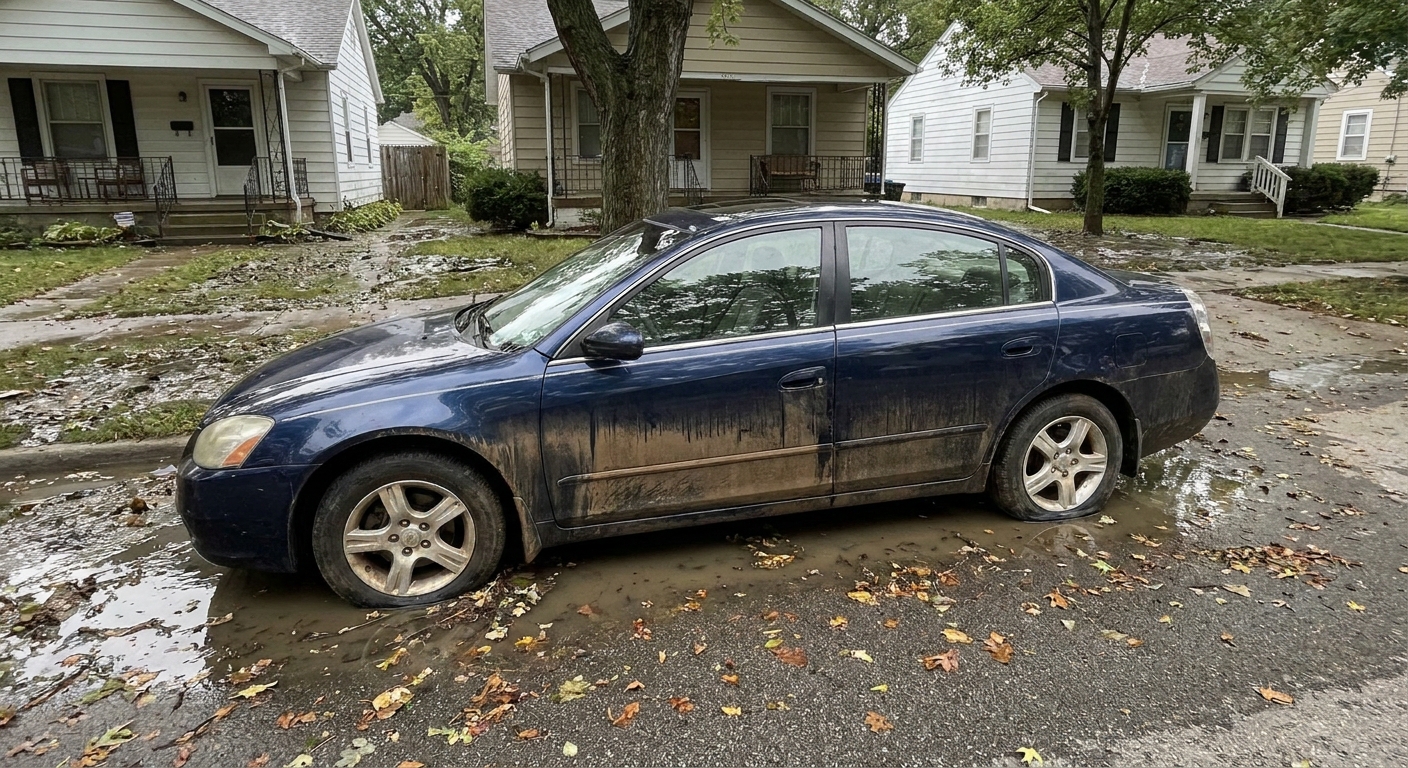
First rule: if water reached the intake, do not crank
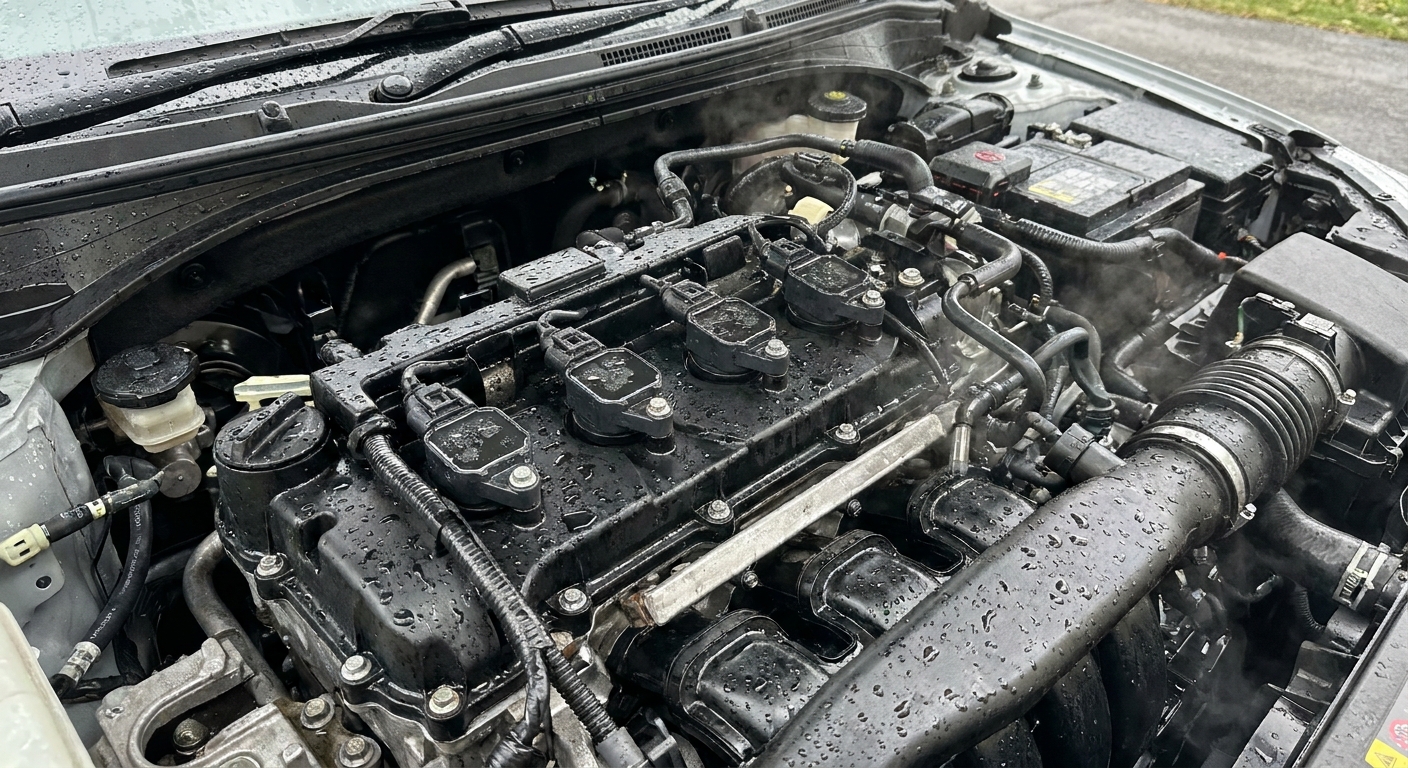
Engines are air pumps. If water got into the intake tract and makes its way into a cylinder, the piston cannot compress it. That is hydrolock. Best case, the engine stops abruptly. Worst case, you bend a connecting rod, damage bearings, or crack internal parts.
One quick definition, because not everyone talks “car.” Crank means making the engine turn over with the starter, either by turning the key to START or pushing the start button (usually with the brake pedal pressed). That first spin is the risky moment.
If you have any reason to think water got into the intake, do not crank the engine. That includes “just a quick try” and includes hitting push-button start. Cranking is what can turn a bad day into a catastrophic one.
Quick indicators that cranking is risky
- Water was above the bottom of the doors, or you found water inside the cabin
- The waterline on the outside is near the air intake area (often behind the grille, fender liner, or low in the bumper)
- The air filter box is wet, damp, or muddy
- You opened the intake tube and found moisture or silt
Step 1: Figure out how high the water got
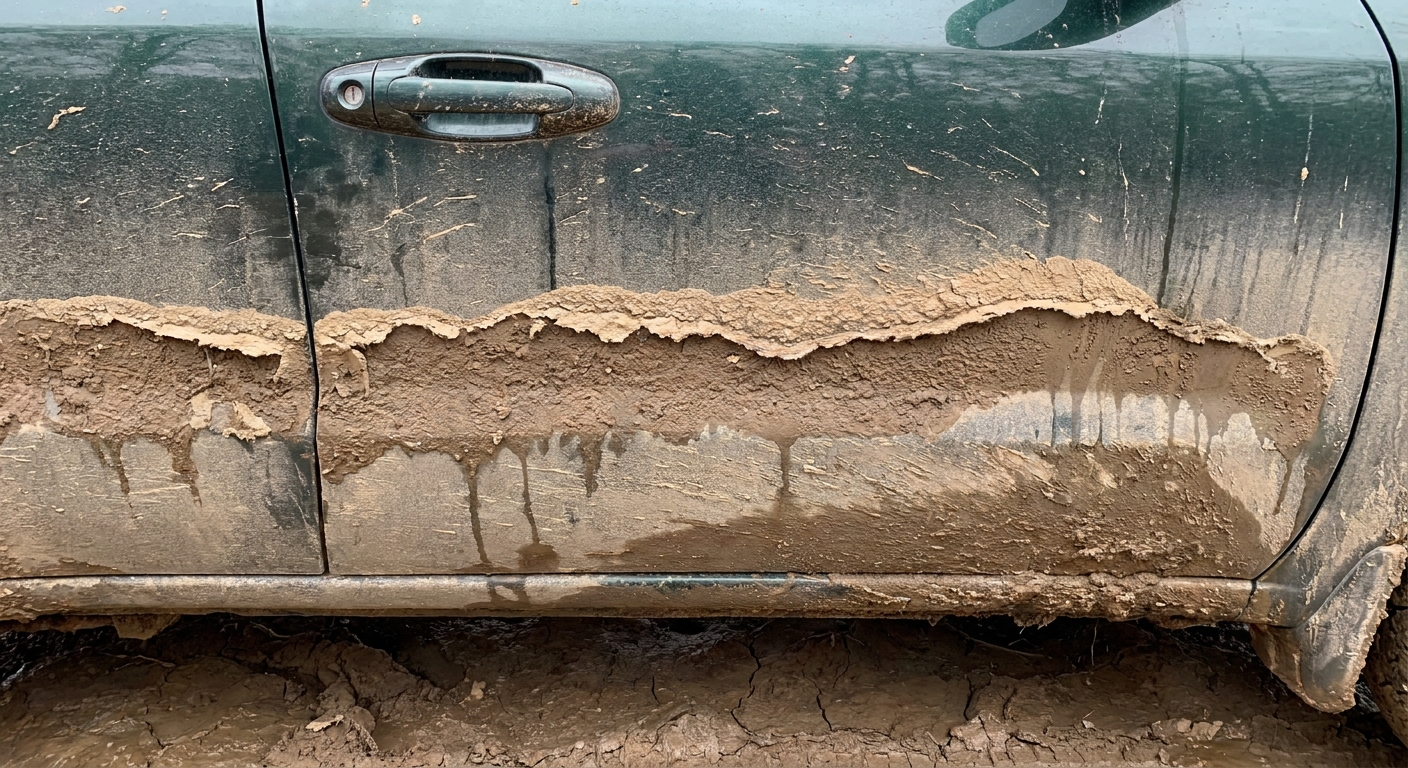
Before you touch the key, get a clear idea of the water level. Floodwater does not just splash. It carries silt that leaves a tide mark on paint, wiring, and plastics.
One important nuance: cabin water is a strong clue that the car sat deep, but hydrolock risk is ultimately about engine bay level and intake height. Some vehicles can get a wet cabin without the intake being submerged, and some can drown an intake without soaking the cabin. You are trying to determine both.
What to look for
- Outside waterline: a dirt or silt stripe on the doors, bumper, or engine bay plastics
- Inside evidence: wet carpet, damp sound deadening under the carpet, or a musty smell
- Trunk and spare tire well: water loves to hide back there
If the water got into the cabin, plan on electrical and module checks (and some hard decisions with insurance). If the water got into the engine bay up near the intake, plan on towing instead of attempting a start.
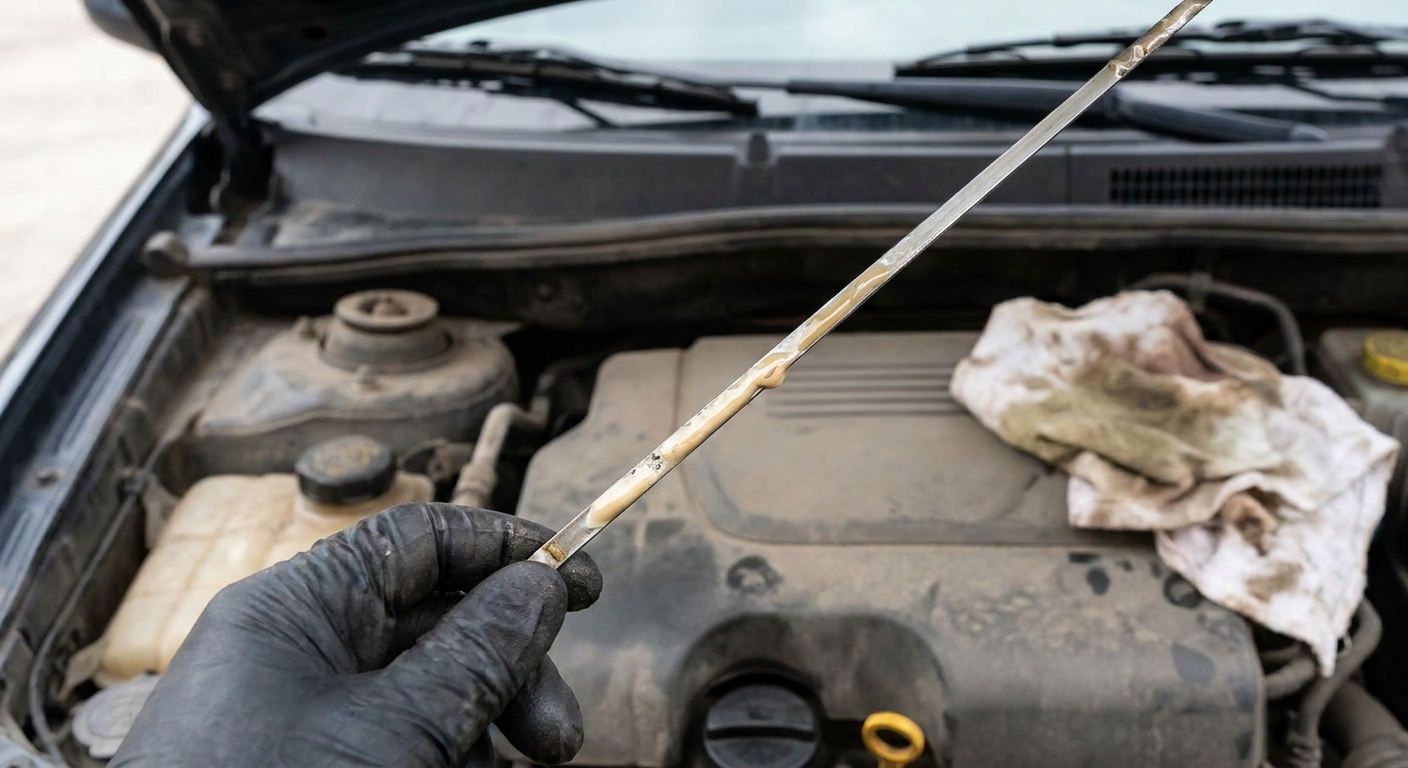
Step 2: Check the engine oil for milkiness
This is one of the fastest “stop right now” checks you can do.
How to check
- Pull the dipstick and look at the oil film.
- Look under the oil filler cap for milky residue.
Normal oil looks amber to dark brown or black and feels slick. Oil contaminated with water often looks tan, beige, or like a chocolate milkshake.
One caveat: oil appearance is not a perfect lie detector. Some engines can show light milkiness from condensation and short trips, and small amounts of water contamination may not look dramatic right away. But after a flood, any milkiness or foam is a stop sign.
If the oil looks milky or foamy, do not crank. At that point, you are looking at a tow and a proper inspection and fluid service. Running an engine with water in the oil can wipe out bearings fast.
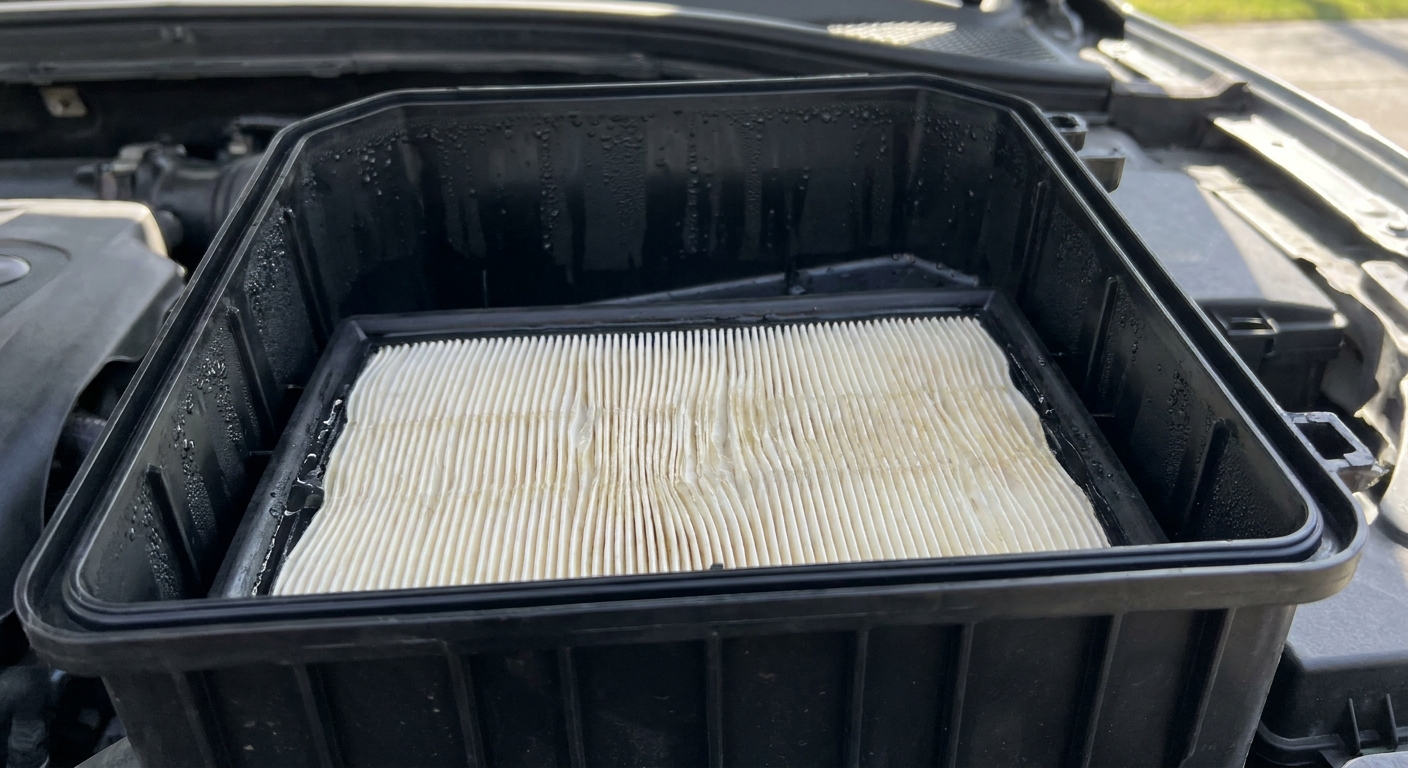
Step 3: Open the air box and inspect the air filter
If I could pick one flood check that catches disasters early, it is the air filter.
What you are checking for
- Wet filter element: even damp is a red flag after a flood
- Mud or silt inside the air box: indicates floodwater got pulled in or rose into the intake
- Standing water in the bottom of the air box
If the filter is wet or there is silt in the air box, stop and tow the car. Water in the intake path is where hydrolock stories begin.
If the filter is dry and the air box is clean, that is encouraging, but keep going. Flood damage is often a mix of water intrusion and electrical issues.
Step 4: Check fuse boxes and obvious electrical intrusion
Floodwater and modern cars are a rough combination. Even if the engine itself is fine, water in the wrong connector can create corrosion, short circuits, and weird no-start problems weeks later.
What to inspect before any start attempt
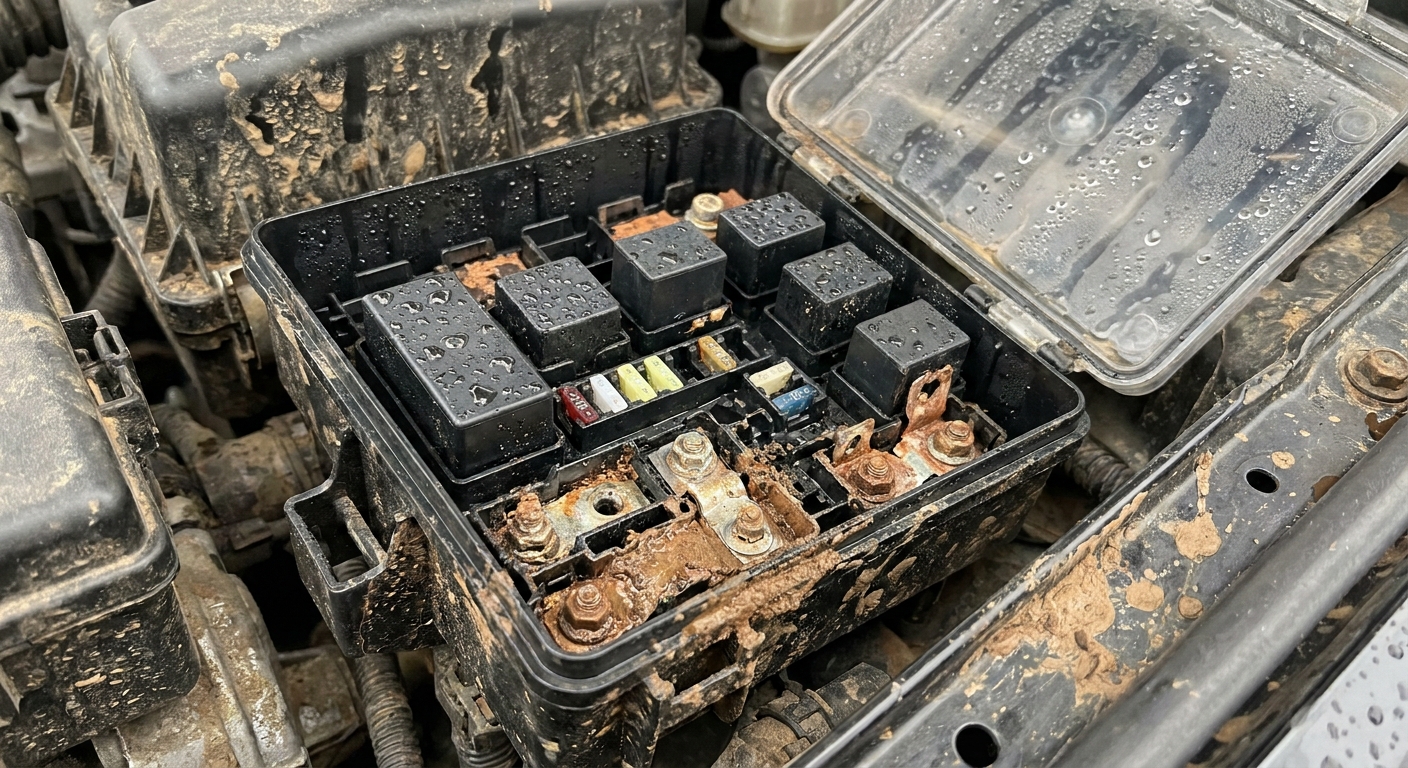
- Underhood fuse box: open the cover and look for moisture, mud, or greenish corrosion
- Interior fuse box: often low on the dash or kick panel area, exactly where floodwater rises
- Relays: if they are wet, do not power the system up
If a fuse box is soaked, do not attempt to start the car. Towing is the safer move, because energizing wet circuits can do more damage than the water already did.
Also check the obvious: standing water in footwells, damp carpet padding, and wet connectors you can see without disassembly. If you find mud inside the cabin, assume water got into low-mounted modules.
When you should tow it
If you only remember one thing from this page, make it this: floodwater plus cranking is how engines die.
Tow it if any of these are true
- Water reached the floorboards or you have wet carpet padding
- The oil is milky or looks overfull on the dipstick (possible water in crankcase)
- The air filter is wet or there is silt in the air box or intake tube
- The fuse box is wet, muddy, or shows corrosion
- The waterline is high in the engine bay, or you are not sure where the intake draws air
In those situations, a tow to a shop or qualified inspection point is not overreacting. It is how you preserve what is left.
Also, do not ignore the non-engine stuff that can strand you. Starters, alternators, and battery connections can be low-mounted and vulnerable. If you try again and again to start a flood car, you can cook a starter, drain a battery, and add electrical heat to wet wiring. One attempt is already too many if the basics are not checked.
If you must move it a few feet
If the car is in a dangerous spot and you need it out of the way, do not start it. Push it, winch it, or have it towed. Even rolling it in neutral is usually safer than spinning an engine that may have water in a cylinder.
If everything looks dry, what next?
If the water only barely reached the bottom of the doors, the cabin stayed dry, the air box is clean and dry, the oil looks normal, and the fuse boxes are dry, you may be in the rare lucky category.
Even then, I would still take a cautious approach:
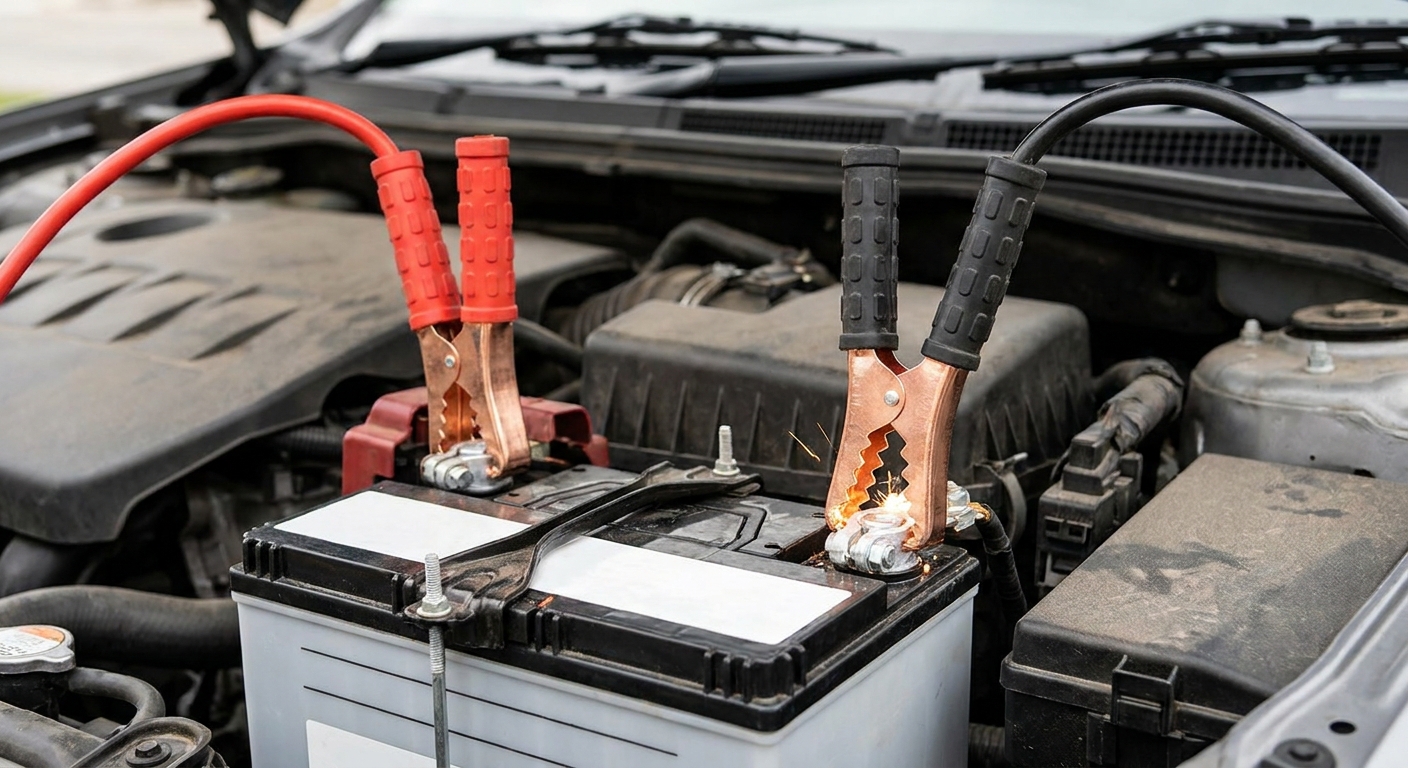
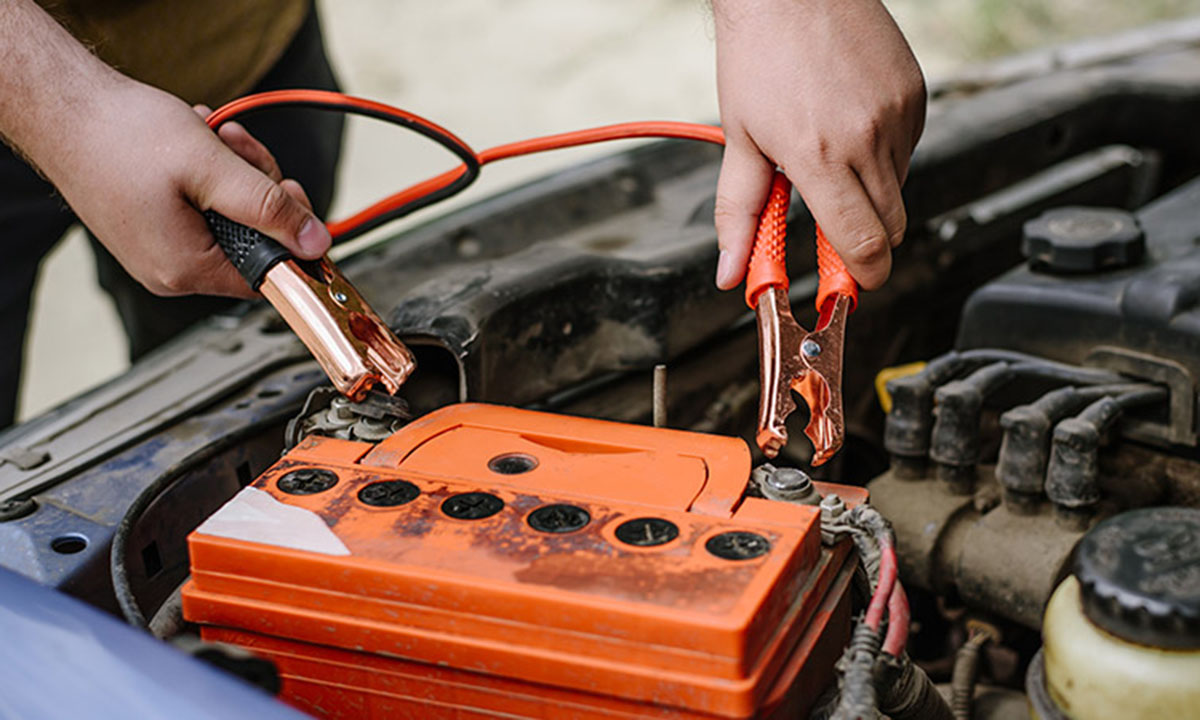
- Disconnect the battery and look for moisture around the terminals and main cable connections. Reconnect only when you are confident the area is dry.
- Let the car dry thoroughly with doors open when possible. Fans and a dehumidifier help if the interior is even slightly damp.
- Scan for codes if you have a scan tool. Flood events can trigger low-voltage and communication faults.
I am intentionally stopping short of “how to revive it” steps here. This page is about what to check before any start attempt so you do not create the problem you are trying to avoid.
Once it is at a shop (or once you have confirmed it truly stayed dry), expect more fluid checks. Transmission, differentials, and transfer cases can ingest water through breathers during submersion. That is not always a pre-start issue, but it matters a lot for long-term survival.
Special note for hybrids and EVs
If your hybrid or EV sat in floodwater, treat it as a tow situation unless you have manufacturer guidance and the proper training. High-voltage systems have multiple layers of safety, but floodwater adds unknowns, including contaminated water paths and compromised seals.
Do not attempt to power it up if water reached the floor or higher. Get it inspected by a shop equipped for high-voltage service.
Quick checklist
- Locate the waterline outside and check for cabin intrusion
- Check engine oil for milkiness or an overfull level
- Inspect the air filter and air box for wetness, water, or silt
- Inspect underhood and interior fuse boxes for moisture or mud
- If any item fails, do not crank and arrange a tow
FAQ
What if the car was off and just sitting in water?
That is actually the most common situation, and it is still risky. Water can enter the intake, wick into wiring, soak fuse boxes, and contaminate fluids even if the engine never ran during the flood.
What if the water only reached the bottom of the doors?
Sometimes you get lucky, but verify it. Check the carpets for damp padding, confirm the intake path stayed above water, and inspect the fuse boxes. If the cabin is wet, plan on towing and a deeper inspection.
Can I try starting it just once?
No. If there is water in a cylinder, “just once” can be the moment you bend a rod. The safe move is inspection first, start second.
My engine will not turn now. Did I seize it?
Floodwater can lead to lockup for several reasons, including water in a cylinder, a starter jam, or internal corrosion. At this point, the safest next step is to stop trying to start it and have it towed for a proper mechanical inspection. Continued cranking attempts can make the damage worse.
Will insurance total a flood car?
Often, yes, especially if water entered the cabin. Mold, corrosion in wiring harnesses, and water-damaged modules can turn into long-term problems that are difficult to repair reliably. If your carpets or seats were underwater, call your insurer early and document the waterline and interior condition.