I have seen it a hundred times at the shop: a car will not start, the dash lights up like normal, and the owner keeps trying the key because it has to be the battery or starter. Sometimes it is. But when an engine is truly seized, every extra crank attempt is just heat in the starter and heartbreak for the cables and your wallet.
This guide walks you through a safe, practical way to confirm whether your engine is locked up. We will cover the breaker bar test at the crankshaft pulley (also called the crank pulley), what a starter click or hum really means, and the clues that separate hydrolock from oil-starvation failure so you know when to stop and call a tow.
First: Stop Cranking
If you suspect a seized engine, pause before you touch the key again.
- Do not keep trying to start it. A locked engine can overheat and kill a starter quickly, overheat or damage the solenoid and contacts, or cook a battery cable.
- Set the parking brake and put the car in Park (automatic) or Neutral (manual).
- Disable ignition and fuel if you will be turning the engine by hand. For most modern cars, pulling the fuel pump fuse or relay is the cleanest move. If you are unsure, disconnecting the negative battery terminal while you set up is fine.
- If the engine was just running and then died suddenly, assume there could be internal damage. Treat everything gently and methodically.
What “Seized” Means
An engine is seized when the crankshaft cannot rotate. That lock can come from a few different places:
- Mechanical seizure from oil starvation (bearings wipe out, metal transfers, crank locks in place).
- Hydrolock (a cylinder fills with liquid and the piston cannot travel upward).
- Accessory or external lock (an A/C compressor, alternator, idler pulley, or even the starter itself jammed, making it feel seized).
- Timing failure interference (on interference engines, a failed belt or chain can allow valve-to-piston contact and stop rotation).
Your job is to figure out which one you are dealing with before you pay for the wrong repair.
The Best Test: Turn the Crank by Hand
If I could only do one test to confirm a seized engine, this is it. You are checking whether the crankshaft will rotate with a breaker bar on the crankshaft pulley bolt.
What you need
- Socket set and the correct size socket for the crank pulley bolt
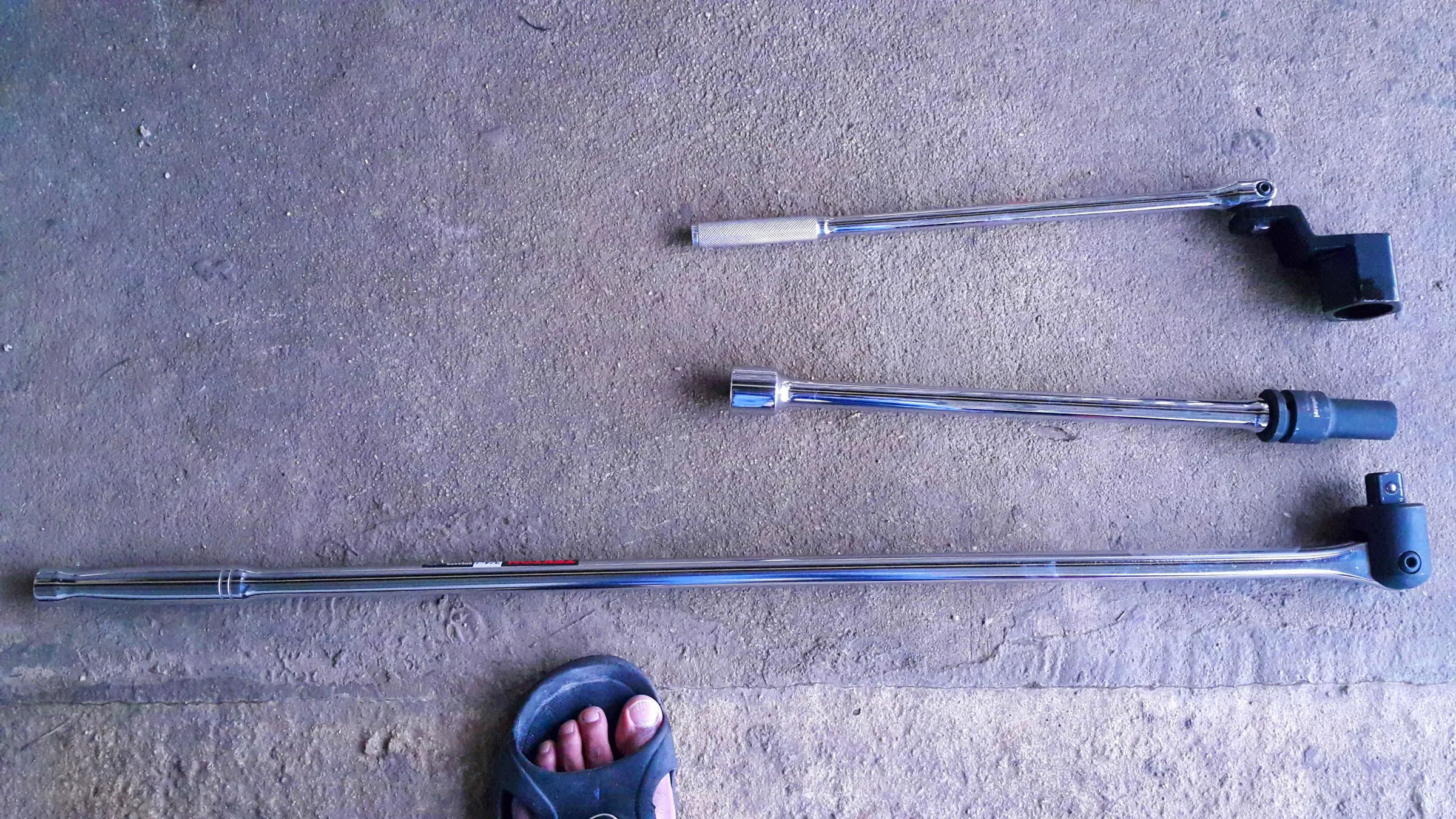
- Breaker bar (a ratchet can be damaged by sustained high torque)
- Gloves and a good light
How to do it
- Make sure the vehicle cannot start. Pull the fuel pump fuse or relay if you can, unplug ignition coils, or disconnect the battery while positioning tools.
- Access the crank pulley. On many cars you can reach it from the top. Others require removing a splash shield and going from underneath.
- Put the socket on the crank bolt and attach the breaker bar.
- Turn in the engine’s normal direction of rotation. On many engines, that is often clockwise when viewed from the crank pulley end, but it is not universal. If you can verify the correct direction for your specific engine, do that. The goal is rotation, not loosening the bolt.
- Apply steady pressure. Do not bounce your weight on it.
How to read what you feel
- Crank rotates smoothly: the engine is not seized. Your no-start is likely electrical, fuel, spark, or compression related.
- Crank rotates but feels “lumpy” with compression bumps: normal. You are feeling cylinders building compression.
- Crank moves a tiny amount then stops hard: could be hydrolock, a mechanical interference issue, or a severe internal failure.
- Crank will not move at all with steady force: high likelihood of seizure, but you still need to rule out external locks and hydrolock before you declare the engine dead.
Important: If it will not budge, do not jump straight to a cheater pipe. If the engine is hydrolocked, forcing it can bend a connecting rod. If the issue is a jammed accessory, you can damage the belt system. The next step is smarter isolation, not brute force.
One helpful trick: If the crank turns but feels extremely stiff, removing the spark plugs (gasoline engines) reduces compression load and makes this test much clearer. Do not do that unless you are comfortable working around ignition and fuel systems.
Starter Sounds: What They Tell You
Starter noises are helpful, but they are not a final verdict by themselves because low voltage can mimic a seized engine. Still, certain sounds are classic.
Single click
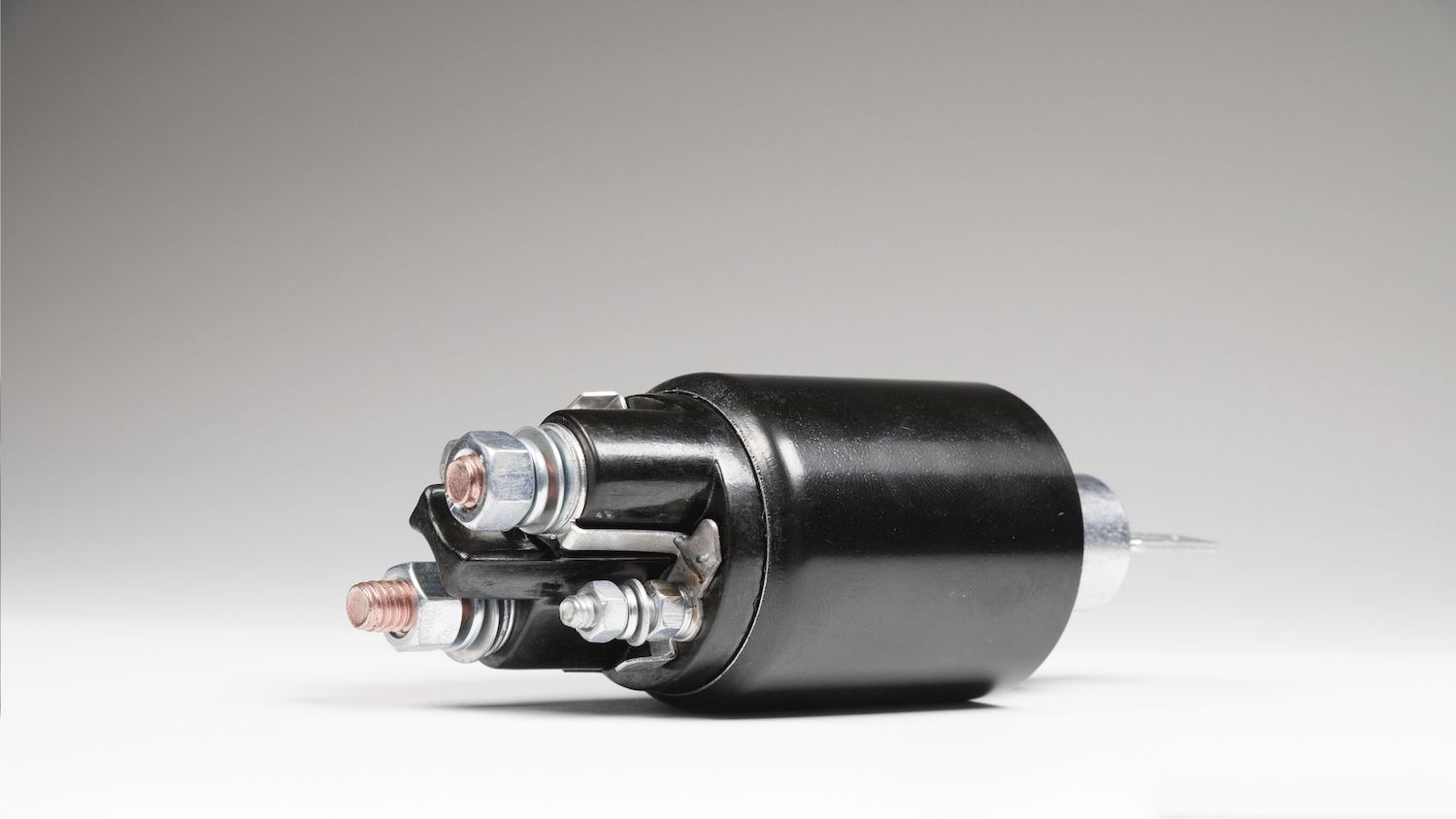
A single click often means the starter solenoid is engaging but the starter motor is not spinning. Common causes:
- Weak battery or poor connections
- Bad starter motor
- Poor ground path
- Stuck drive (Bendix) or a starter that is mechanically jammed
- Locked engine that the starter cannot turn
Quick sanity check: turn on headlights while someone tries the key. If the lights go very dim or drop out hard, either the battery is weak, cables are poor, or the starter is pulling huge current because something will not rotate.
Rapid clicking
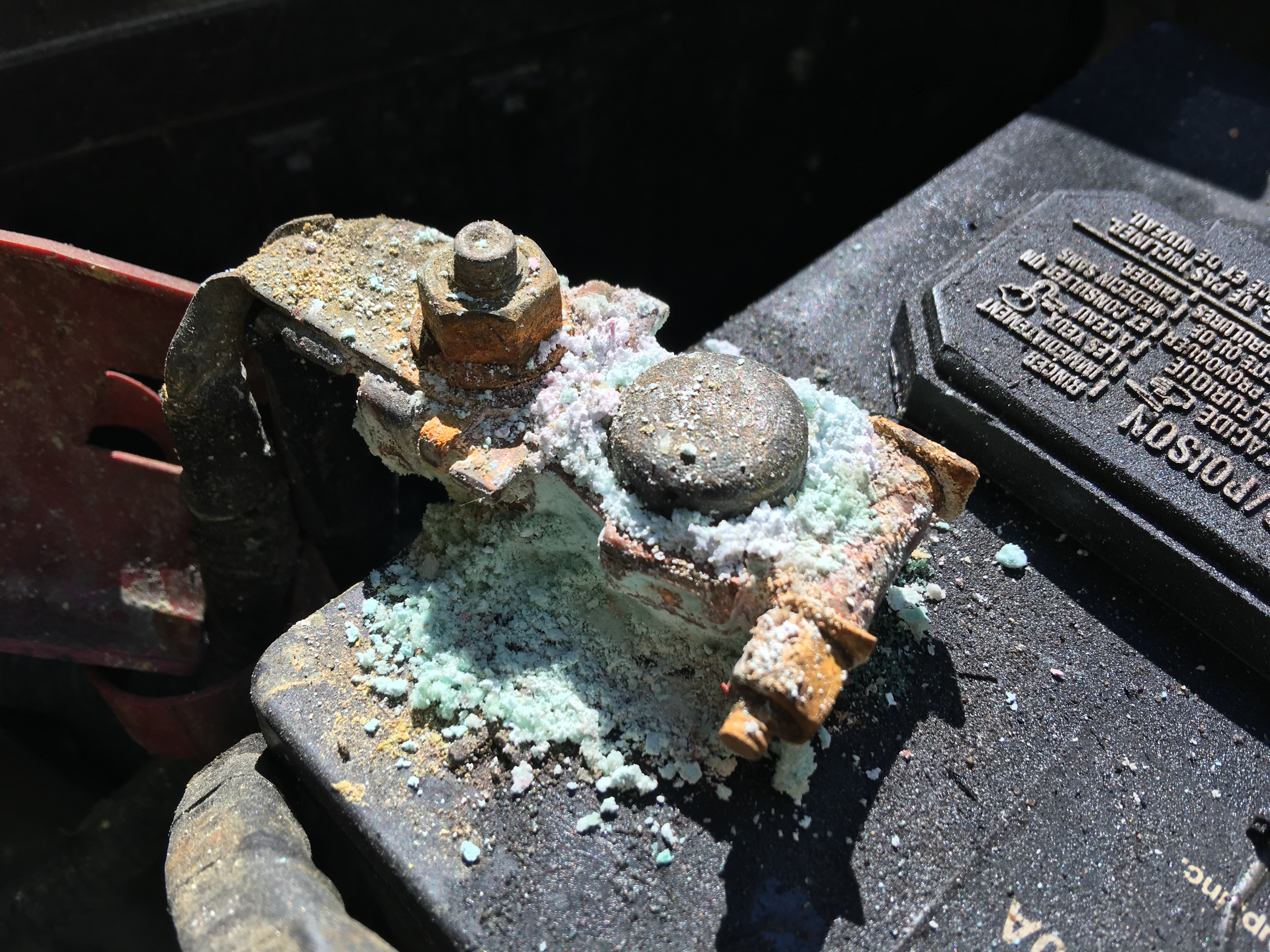
Rapid clicking is most commonly a low battery or poor cable connection. It is less typical of a seized engine by itself. Clean and tighten terminals and confirm battery state of charge before you call it seized.
Hum or hard thunk
A hum can mean the starter motor is trying to spin but cannot, or it can be a free-spinning starter that is not engaging the flywheel correctly. A heavy thunk can be the drive gear slamming into the flywheel and stalling. If your breaker bar test shows the crank will not turn, this is a stop-cranking moment. Continuing will often:
- Overheat the starter windings
- Damage the solenoid contacts
- Flatten the battery
- Burn or loosen cable ends
Rule Out a Locked Accessory
I have diagnosed engines as “seized” that were actually locked up A/C compressors. The starter cannot tell the difference. The crank pulley test can also feel locked if a belt-driven accessory is jammed hard.
Signs it might be an accessory
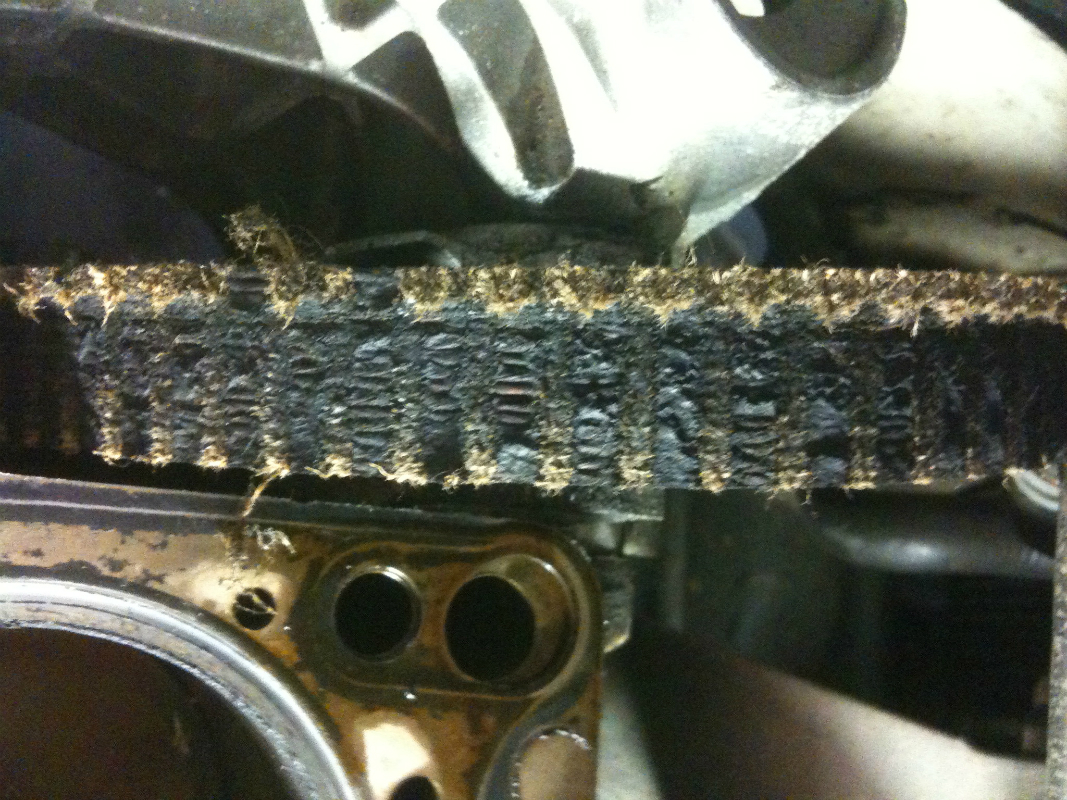
- The failure happened right after a squeal, belt smoke, or a burning rubber smell.
- You see belt shredding, glazing, or missing ribs.
- The crank pulley moves slightly, then stops in a way that feels like the belt is stretching.
What to do
If you are comfortable wrenching, you can remove the serpentine belt and try turning the crank again. If the crank turns normally with the belt off, the engine is likely fine and an accessory is locked.
Two cautions from the bays: Take a quick photo of belt routing before removal, and do not run the engine with the belt off. On some vehicles the belt drives the water pump, and overheating happens fast. Also, some engines use more than one belt, so confirm what you are removing.
Hydrolock vs Oil Starvation
Both hydrolock and oil starvation can stop an engine from rotating, but the clues around the failure are usually very different. Separating them matters because hydrolock can sometimes be addressed without total engine replacement, while oil starvation often means major internal damage.
Hydrolock
Hydrolock happens when a cylinder fills with liquid, usually water or coolant, sometimes fuel. Since liquid does not compress, the piston cannot travel upward and the crankshaft can stop abruptly.
Common causes:
- Driving through deep water and ingesting water through the intake
- Blown head gasket or cracked head allowing coolant into a cylinder
- Severe flooding from an injector stuck open (less common, but it happens)
Clues that point toward hydrolock:
- The engine died suddenly while driving through water or right after a big splash.
- You have a very recent overheating event plus coolant loss.
- Coolant level dropped with no obvious external leak.
- Spark plugs are wet, unusually clean, or you see coolant mist at a plug hole.
- Air filter is soaked or the intake tract shows water.
A safer confirmation step
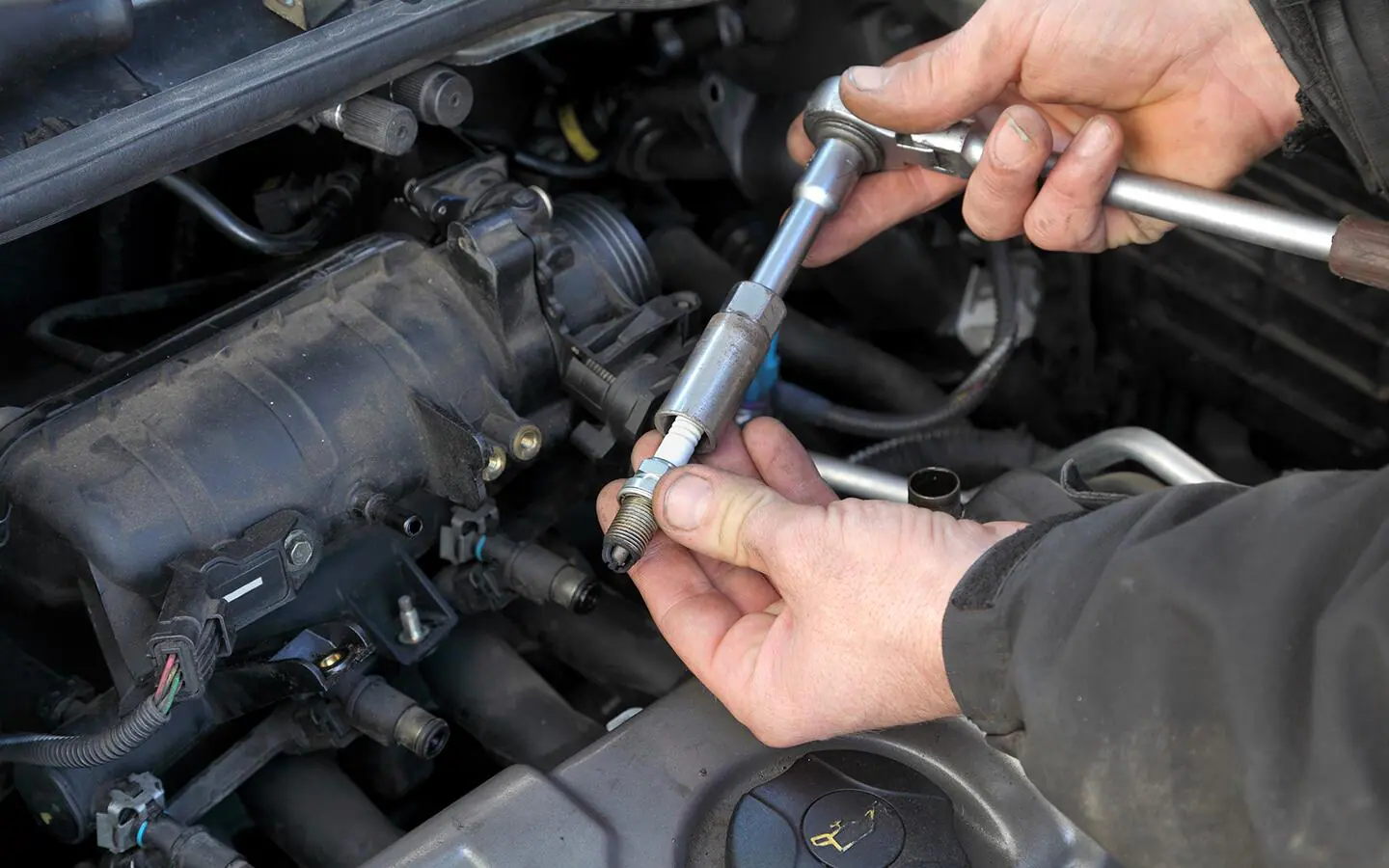
If you suspect hydrolock and you can access the spark plugs, removing all spark plugs and then gently trying to rotate the crank can reveal it.
- Disable fuel and ignition first. Pull the fuel pump fuse or relay and unplug coils or injectors so you are not spraying fuel or throwing spark while you test.
- Keep your face and hands clear of plug holes. Use rags to catch fluid.
If liquid sprays out of a plug hole, stop. The engine needs a careful assessment before you attempt to start it again because a bent connecting rod can result if it was forced while locked.
If you are not comfortable pulling plugs, do not guess. Tow it.
Oil starvation seizure
Oil starvation is the classic seized-engine story: low oil level, loss of oil pressure, or an oiling system failure leads to bearing damage and heat. Once enough metal transfers, the crank can lock in place.
Common causes:
- Driving with very low oil level or an oil leak
- Oil pump failure
- Clogged pickup screen or severe sludge
- Spun bearing after prolonged knocking
Clues that point toward oil starvation:
- Oil pressure light came on and was ignored.
- Ticking or knocking got worse over time, then the engine quit.
- Burnt oil smell, excessive heat, or the engine locked after running low on oil.
- Dipstick shows little to no oil, or oil is glittery with metal.
In oil-starvation cases, the crank often will not move at all by hand. If it does move, it may feel rough, gritty, or bind at certain points.
When to Stop Cranking
Here is my rule from the bays: once you have evidence the engine cannot rotate, the key stays out of the ignition.
Stop cranking if any of these are true:
- The crank pulley bolt test shows the crank will not turn with steady pressure.
- The starter makes a heavy thunk or hums and the engine does not rotate.
- The battery and connections are known good, but the engine still will not crank.
- You suspect hydrolock and have not cleared the cylinders.
A starter is designed for short bursts of work. When the engine is locked, all that energy turns into heat. It is common to see a starter fail completely after repeated attempts, which adds cost even if the root problem ends up being fixable.
Tow or Keep Testing
Tow it if
- The crank will not rotate by hand, and you cannot confidently rule out hydrolock or accessory lock.
- The engine stopped abruptly while driving and now will not turn.
- You found signs of water ingestion or coolant in a cylinder.
- You heard knocking, saw an oil pressure warning, or the oil level is dangerously low.
Keep diagnosing if
- The crank rotates by hand, even if it is a little stiff from compression.
- The symptom is rapid clicking and you have not verified battery health and cable condition yet.
- You suspect an accessory is locked and you are comfortable removing the belt to test.
Transmission Gotchas
- Manual transmission: Make sure it is in neutral for starter tests. You will hear people suggest rocking the car in gear to “free” an engine. Do not use that as your primary test. Use the crank pulley bolt test instead.
- Automatic transmission: Shifting through ranges will not diagnose a seized engine. Focus on crankshaft rotation at the crank pulley bolt.
What a Shop Will Do Next
If you end up towing it in, a good shop will usually confirm the basics quickly: battery and cable voltage drop, starter current draw, and whether the engine rotates at the crank. After that, the direction depends on the clues. Hydrolock suspicion may lead to plug removal and a borescope. Oil starvation suspicion usually leads to oil inspection for metal, filter inspection, and deeper mechanical checks.
Quick Checklist
- Battery and cables: terminals tight, clean, battery charged
- Starter behavior: click, rapid click, hum, or thunk noted
- Crank pulley bolt test: socket and breaker bar, try to rotate in normal direction
- Accessory isolation: if needed, remove belt and retest crank
- Hydrolock clues: recent water exposure, coolant loss, wet plugs
- Oil starvation clues: low oil, oil light, knock, metallic oil
- Decision: if crank will not turn, stop and tow
FAQ
Can a seized engine unseize?
If an engine is truly seized from bearing damage, it is not going to “free up” in a reliable way. Sometimes a jammed accessory or a starter issue gets misdiagnosed as a seized engine, and that is where the confusion comes from. That is why the crank pulley bolt test and belt isolation matter.
Does a seized engine always make noise first?
No. Oil starvation often gives you warnings like ticking, knocking, or an oil pressure light. Hydrolock can be sudden and dramatic with no warning beyond the event that caused it, like ingesting water.
Will jump-starting help?
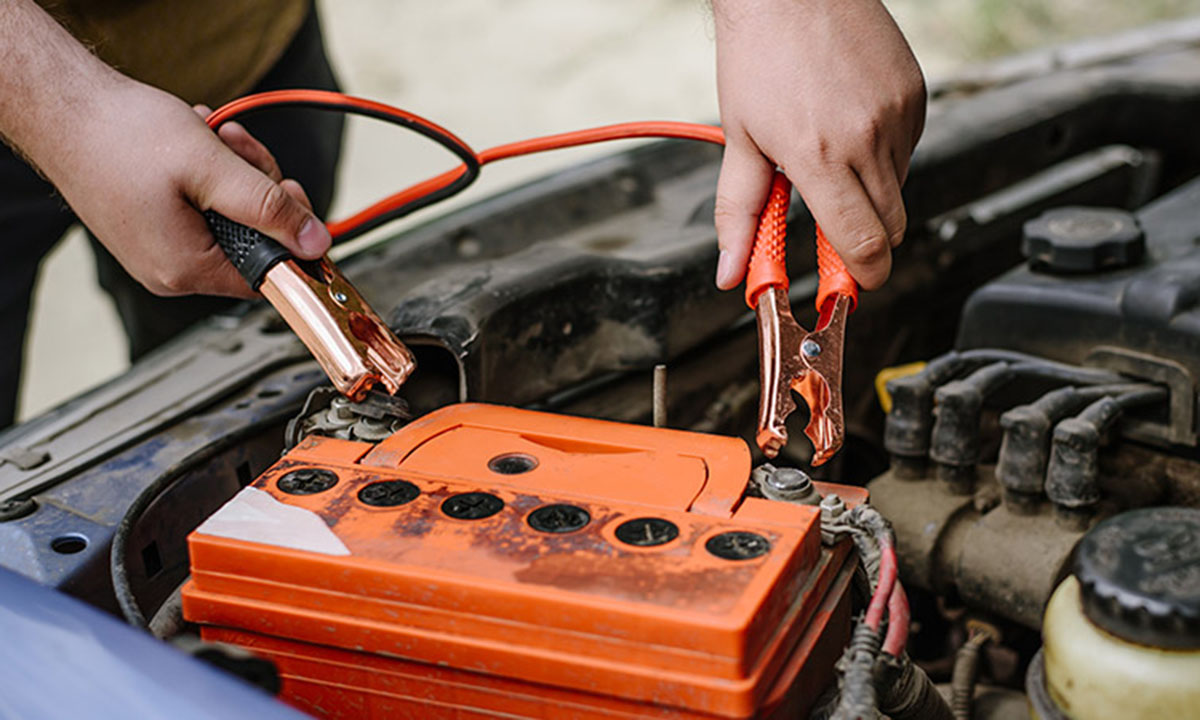
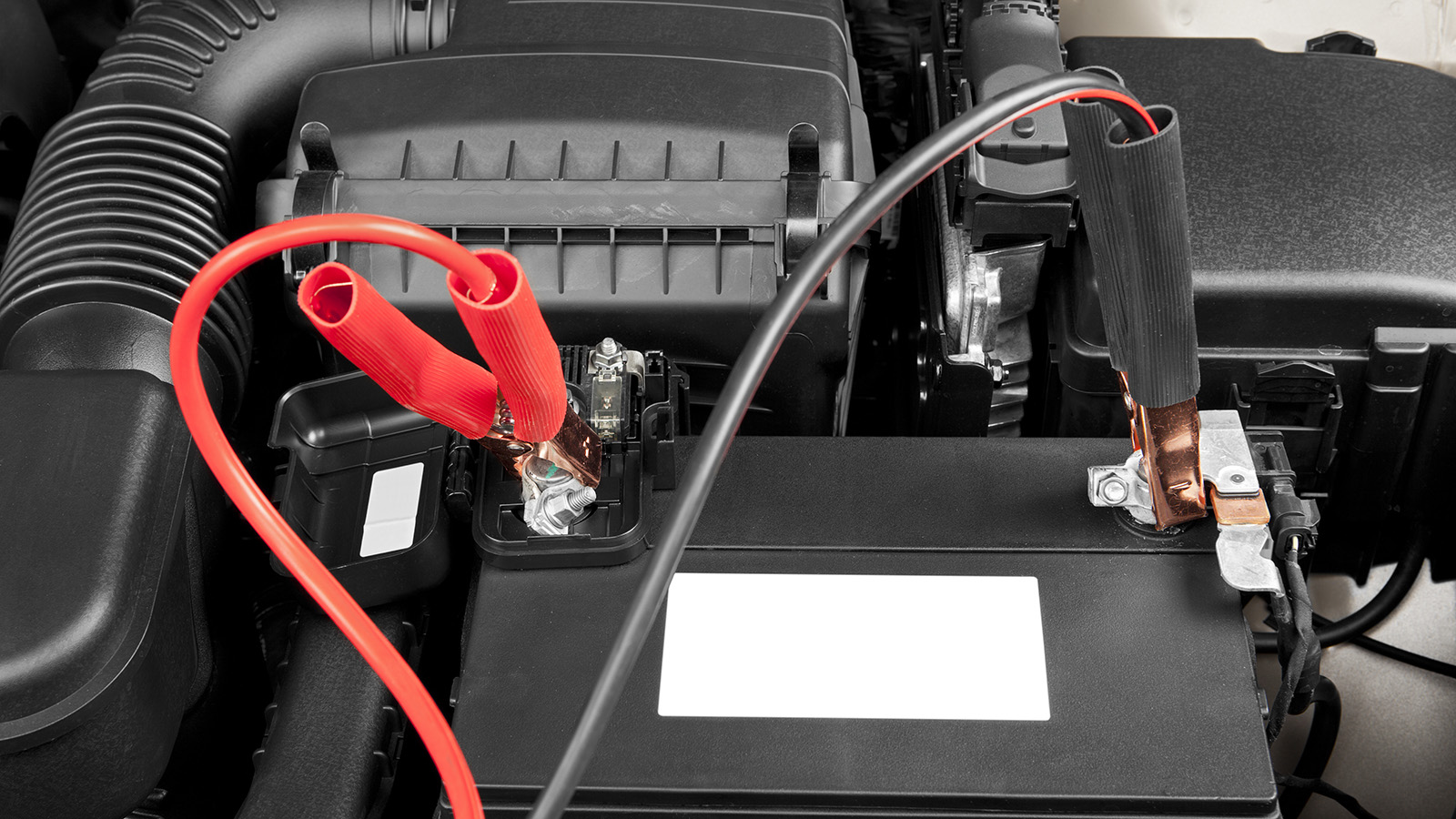
No. A jump can help a weak battery spin the starter. If the crankshaft cannot rotate, more voltage just works the starter harder and can cause more damage.
If the crank turns by hand, is the starter bad?
Not automatically, but it is a strong hint. If the engine rotates by hand, focus next on battery condition, cable voltage drop, starter health, and then fuel and spark depending on whether it cranks normally.
My Bottom Line
If your lights and radio work but the engine will not crank, do not assume it is electrical and keep trying the key. Put a socket and breaker bar on the crank pulley bolt and find out whether the engine actually rotates. If it will not turn, your next start attempt is not a test, it is damage.
When in doubt, tow it to a shop that can confirm hydrolock, accessory lock, or internal failure with the right tools and a cool head. That tow bill is often cheaper than a smoked starter plus whatever took the engine down in the first place.