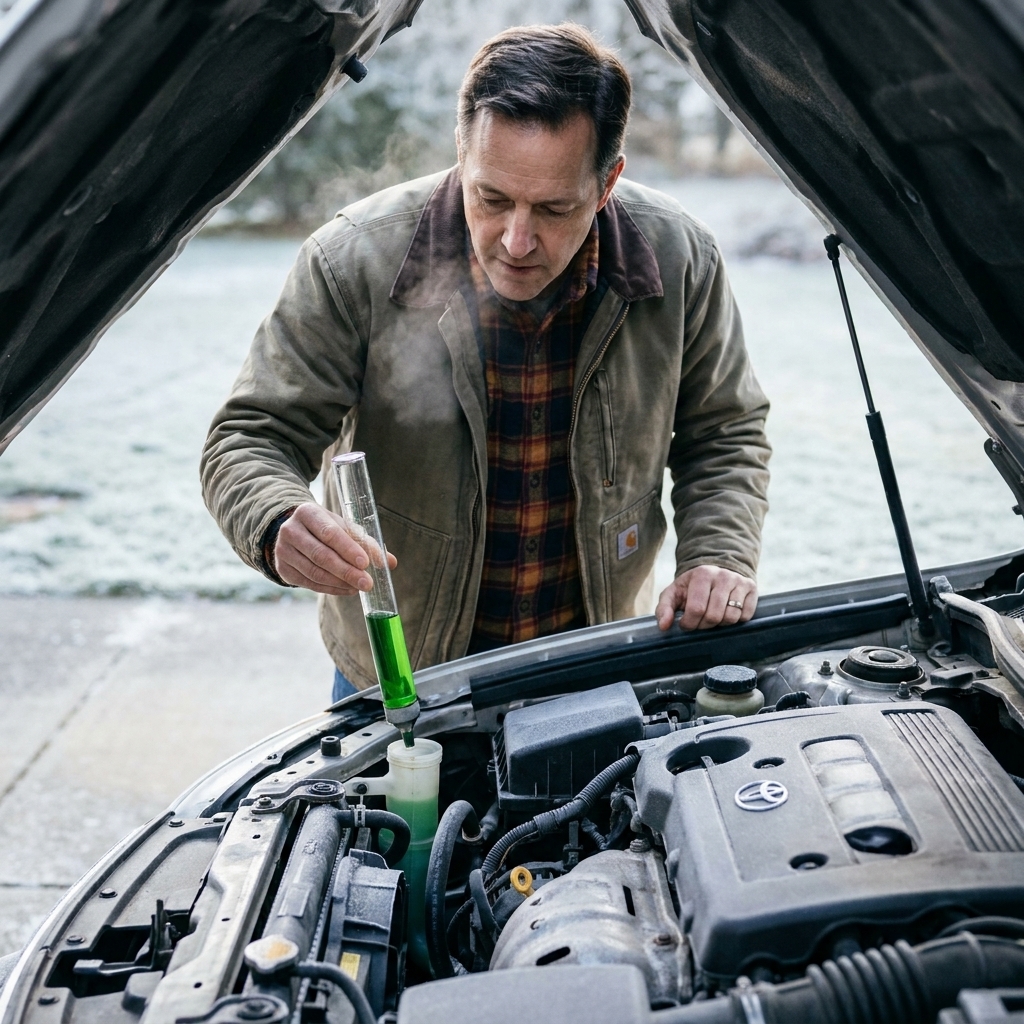
Nothing raises your blood pressure like turning the key and getting nothing, then noticing the headlights are bright and the radio turns on like it is a normal day. I have seen this exact situation hundreds of times in the shop. The key detail is this: lights and a radio take far less power than a starter motor. So “it has power” does not automatically mean “the battery and cables can deliver starting power.”
Use the steps below like a quick decision tree. Start at the top, do the simple checks, and stop the moment you find something that clearly explains the symptom.
First: What happens when you try to start?
Your next step depends on the sound and behavior. Pick the closest match.
- One click, or rapid clicking (often from the starter/relay area): usually battery voltage drop under load, dirty or loose connections, or a weak battery.
- No sound at all: could be a bad starter relay, ignition switch, neutral safety switch or clutch switch, immobilizer issue, or simply no start signal reaching the starter relay or solenoid.
- Engine cranks normally but will not fire: this is usually not battery or starter related. Think fuel, spark, immobilizer, or sensors. This article focuses on the “no crank” or “click” scenarios.
- Slow, struggling crank: weak battery, poor cable connections or grounds, or a starter drawing too much current.
Step 1: Battery and connections (most common)
Even if the dome light looks strong, the battery can still be too weak to crank, or the connections can be too corroded to carry starter current.
Quick at-home checks
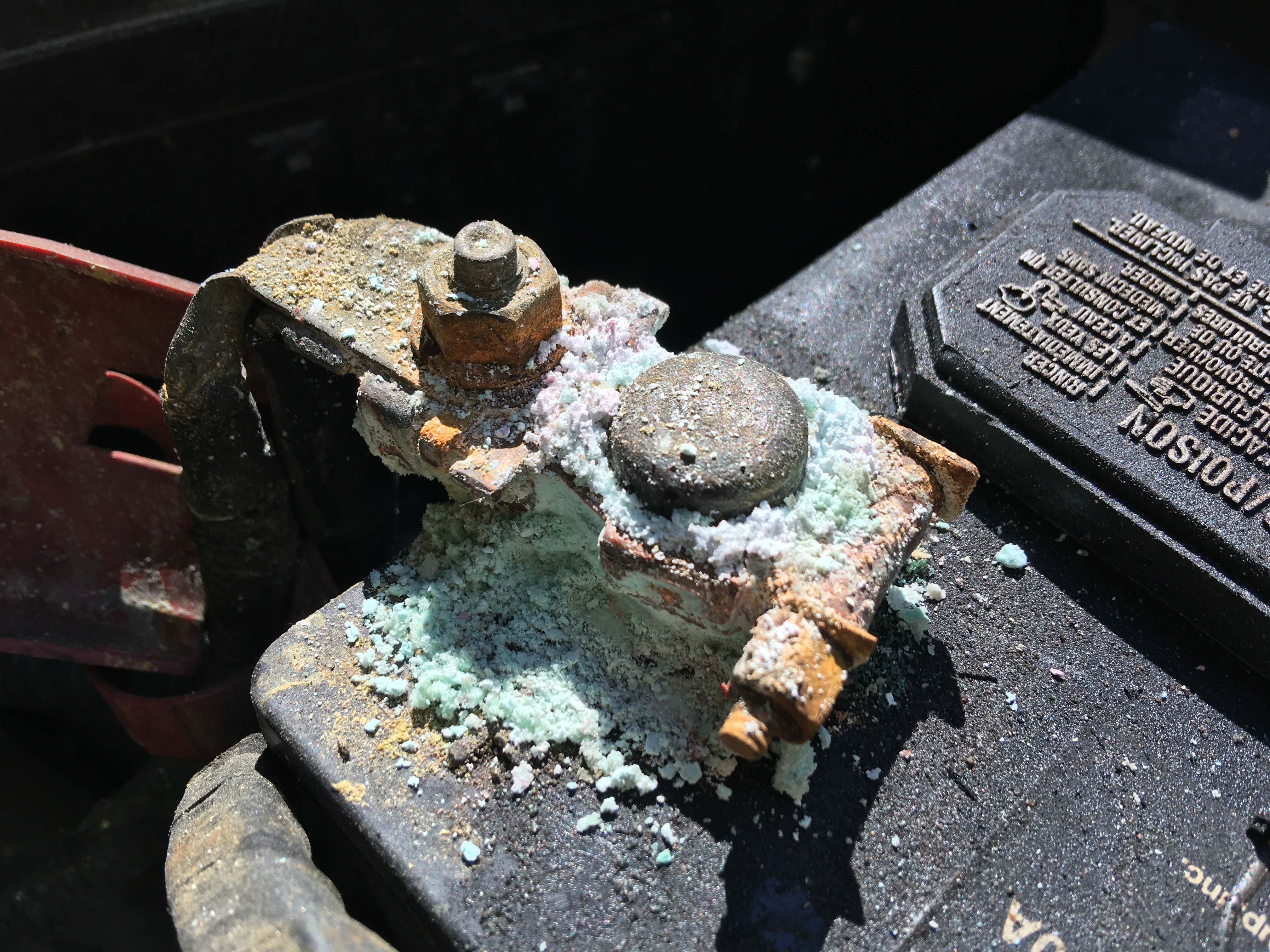
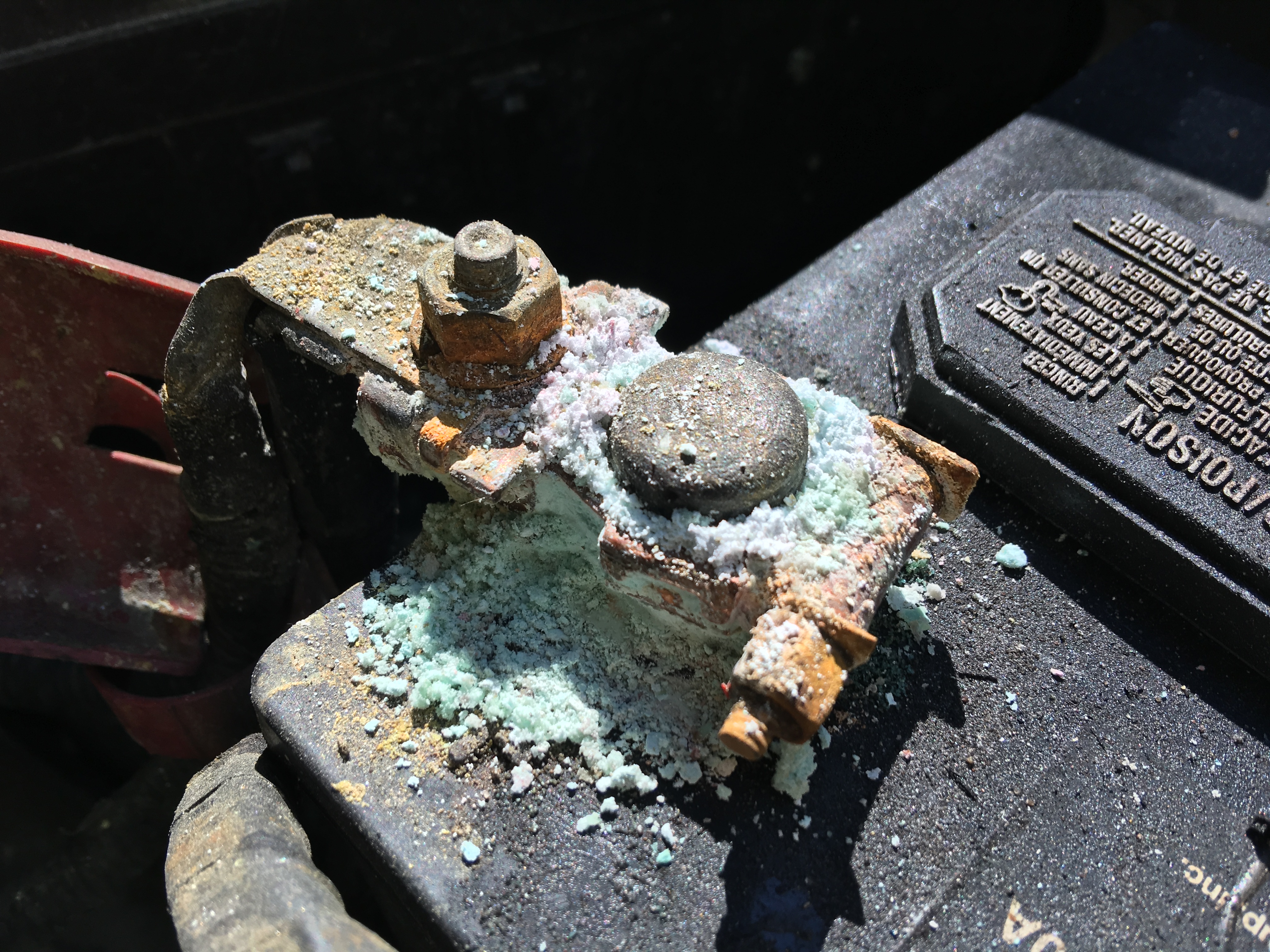
- Check the terminals: Pop the hood and look for white or blue-green fuzz on the battery posts, loose clamps, or a cable you can wiggle by hand.
- Check the grounds: Follow the negative cable to where it bolts to the body and to the engine. Loose, rusty, or oil-soaked grounds can cause a no-crank even when everything up top looks fine.
- Consider battery age: If your battery is 4 to 6+ years old, suspect it even if it sometimes takes a jump.
- Try a jump start: If it jump-starts immediately, treat that as strong evidence the issue is battery condition, battery connections, grounds, or charging system.
- Jumping tip that saves a lot of headaches: Make sure the clamps bite clean metal. If your negative clamp is on a painted bracket or dirty bolt, the jump can fail. Whenever possible, clamp the negative to a clean engine or chassis ground point.
- Turn headlights on, then try starting: If the headlights dim hard or go out when you turn the key, that is classic voltage drop under load.
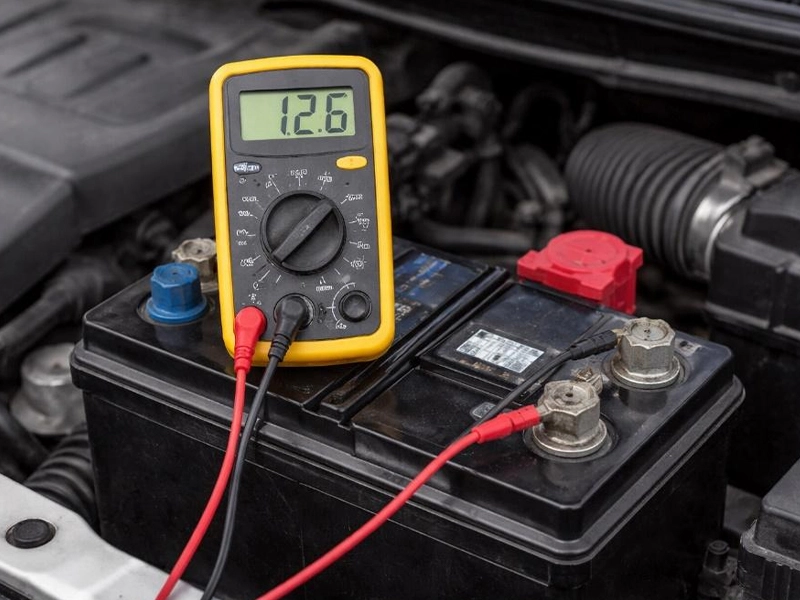
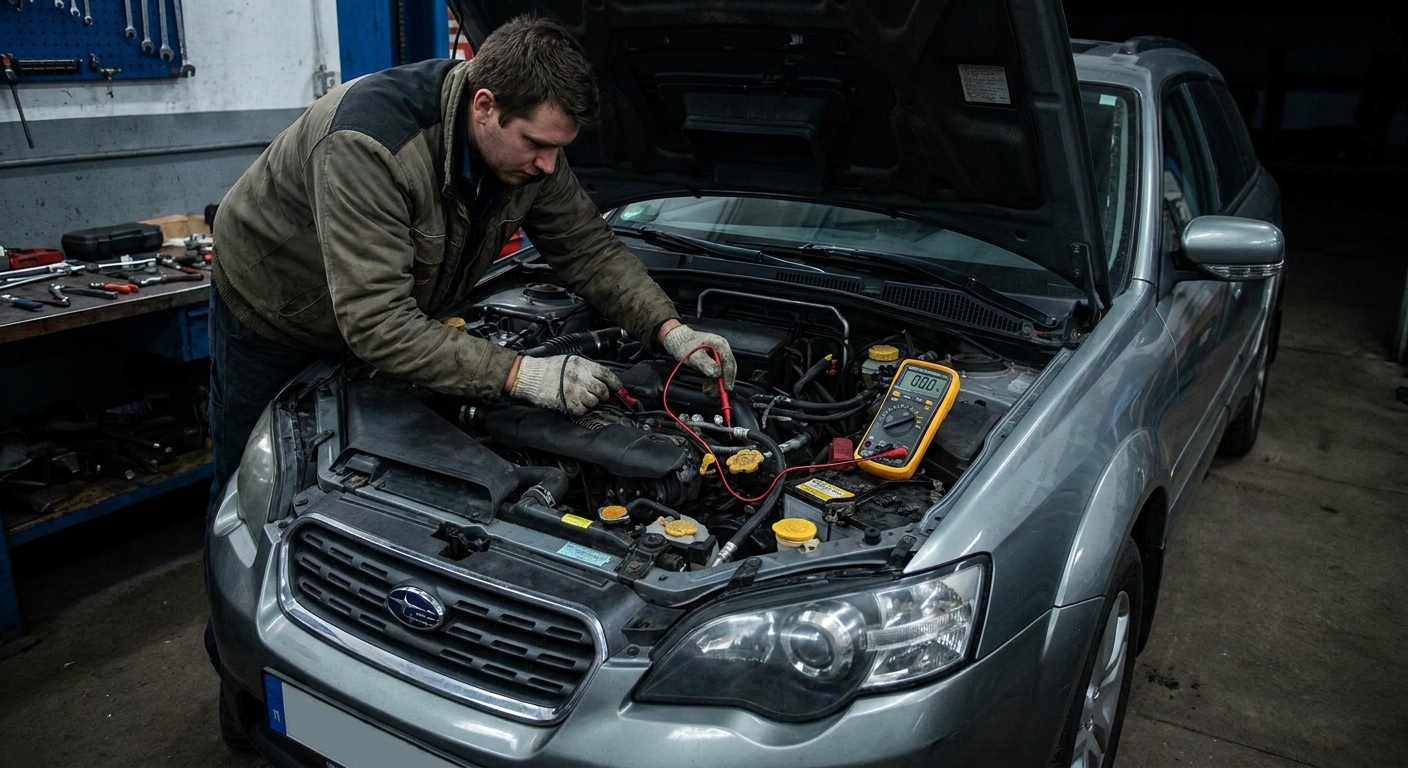
- If you have a multimeter:
- Resting voltage: 12.6V-ish is healthy. Around 12.2V is about half charged. Under 12.0V is usually trouble.
- Cranking voltage (measured at the battery posts): While someone tries to crank, if voltage drops to around 9.6V or lower at roughly room temperature, the battery is likely weak. If it is colder out, you can see lower numbers even with a decent battery.
- Important note: If the voltage is decent at the posts but still will not crank, that is when voltage drop testing across the cables and grounds helps you find resistance.
Terminal cleaning and tightening (fast fix)
If you see corrosion or loose clamps, clean and tighten before you do anything else.
- Turn the car fully off and remove the key.
- Disconnect negative first, then positive.
- Clean posts and clamps with a battery brush or baking soda and water, then dry.
- Reconnect positive first, then negative. Tighten so the clamp cannot rotate.
Safety note: Do not short the battery terminals with tools or jewelry. Avoid probing or bridging any high-current terminals unless you know exactly what you are doing.
If cleaning and a jump start get you going, do not ignore it. That is your car giving you a warning shot.
Step 2: Starter and starter circuit
If the battery seems solid (or you have strong jumper cables attached) and it still will not crank, the starter or the control side of the starter circuit moves to the top of the list.

Common starter clues
- Single loud click: Often the starter solenoid is trying, but the starter motor is not spinning. Could be a bad starter, weak battery, poor ground, or high resistance in the main cables.
- Rapid clicking: Usually low voltage getting to the starter, commonly battery, cable, or ground related.
- No click at all: Could be starter relay, ignition switch, neutral safety switch, clutch switch, wiring, or security system issue.
Fast checks you can do safely
- Try starting in Neutral: If you have an automatic, move the shifter to Neutral and try again. If it starts, suspect a misadjusted or failing neutral safety switch or shifter linkage.
- Try a second key or fob battery (if push-button): Some immobilizer issues present like a no-crank.
- Listen for a relay click: With the hood open and a helper turning the key, you may hear a click from the fuse or relay box. If the relay clicks but the starter does nothing, that points toward the starter, wiring, or the ground path.
Skip the “hit the starter with a hammer” advice unless you are in a true emergency and can do it safely. Yes, it can sometimes free a worn spot and buy you one more start, but it is also a good way to crack something or get hurt under a hot vehicle.
Step 3: Alternator (why the battery keeps dying)
The alternator is usually not the reason a car fails to crank in the moment. Most of the time it shows up as a dead or weak battery because the battery never got recharged. That said, some alternator failures can cause an immediate no-start indirectly, like a shorted component or a bad diode that drags the system down.
Signs the alternator is the underlying issue
- The car started fine yesterday, drove fine, then suddenly would not restart after a short stop.
- You needed jumps more than once in the last week.
- Battery light was on, or lights were pulsing brighter and dimmer while driving.
Quick alternator checks
- Battery voltage with engine running (if you can get it started): You typically want to see roughly 13.5V to 14.8V at the battery, depending on the vehicle, temperature, and smart-charging strategy.
- Listen for belt squeal: A loose belt can reduce charging, especially under load.
If the alternator is weak, you can have bright interior lights and a radio at idle, but still be slowly draining the battery every mile you drive.
Step 4: Ignition switch and start signal
If you turn the key and nothing happens, and you are confident the battery connections and grounds are clean and tight, the car may not be sending the “start” command to the starter relay or solenoid.
What this can look like
- No crank, no click, but accessories work normally.
- Wiggling the key slightly changes behavior.
- Intermittent no-start that comes and goes with temperature or steering wheel position.
At-home checks
- Try a different key (if available): Especially on vehicles with transponder chips.
- Check for a security light: If the immobilizer light is flashing or behaving oddly, you may have a key recognition issue rather than a starter problem.
- Gently turn the wheel while starting: If the steering wheel is hard locked, some cars can be finicky about key rotation. Do not force it, just relieve pressure on the lock.
Ignition switch and immobilizer diagnostics can get specific fast. If you have no click and no crank after battery and shifter-position checks, it is a good time to call a shop.
Step 5: Parasitic drain (dies overnight)
If your car will start with a jump, but keeps dying after sitting, you likely have a parasitic draw. That means something is staying on when the car is “off.”
Common culprits
- Glove box or trunk light stuck on
- Aftermarket stereo or remote start wired incorrectly
- Bad door latch switch causing modules to stay awake
- Charging ports, dash cams, or accessories plugged in
- A failing alternator diode (yes, the alternator can drain the battery when the car is off)
Two quick checks before you break out tools
- Look for obvious lights at night: Walk around the car in the dark. Check trunk, glove box, puddle lights, and the cabin.
- Unplug accessories: Remove anything from 12V outlets and USB ports and try overnight again.
Tracking a parasitic draw properly usually requires a meter and patience, but those two checks catch more issues than you would think.
Stranded-driver decision tree
- Lights and radio work, but it only clicks or cranks slow: Jump start it. If it starts, clean and tighten battery terminals and check grounds, then have the battery and charging system tested.
- Lights work, then everything goes dead or resets when you turn the key: suspect a bad battery connection, a failing battery (internal issue), or a main power or ground problem.
- Lights work, and you hear one click but no crank even with a jump: suspect starter, poor ground, or high resistance in the main cables.
- Lights work, no click, no crank: try starting in Neutral, check for security or immobilizer behavior, then suspect ignition switch, starter relay, or safety switch.
- It starts with a jump but dies again after sitting: suspect parasitic drain, a battery at the end of its life, or charging issues (including alternator diode problems).
When to stop and call a shop
- You smell burning insulation, see smoke, or the battery is hot to the touch.
- Battery terminals and grounds are clean and tight, and it will not crank even with a known-good jump pack.
- You suspect immobilizer issues and you cannot get the car to recognize the key.
- The car starts, then stalls and dies repeatedly (this is a different diagnostic path).
If you tell a shop “lights work, radio works, but it won’t crank” you will get a faster diagnosis if you also share what you heard: rapid clicking, single click, or total silence.
Quick FAQ
Can a battery be “bad” if the headlights are bright?
Absolutely. Headlights usually draw single-digit to low-teens amps (often roughly 8 to 15A on many halogen setups). A starter can demand roughly 150 to 300+ amps depending on engine size, temperature, and condition. A weak battery or corroded connection can pass small loads but collapse under starter load.
Why does it start with a jump, then fail again later?
Usually a weak battery, dirty or loose connections, bad grounds, a failing alternator, or a parasitic drain. Jumping gets you going, but it does not fix the underlying problem.
Could it be the alternator if the car will not start right now?
Indirectly, yes. A bad alternator often shows up as a dead battery. Less commonly, an alternator fault can drag the system voltage down and mimic a dead battery even before the battery is fully discharged.
Is it safe to keep trying the key over and over?
A few attempts are fine, but repeated long cranking can overheat cables, stress the starter, and drain the battery further. If it does not improve after basic checks and one jump attempt, pause and reassess.