A dead battery always seems to happen at the worst time: grocery run, early shift, rain rolling in. The good news is jump-starting a car is straightforward as long as you follow a safe sequence and you know when to stop because the problem is bigger than a simple jump.
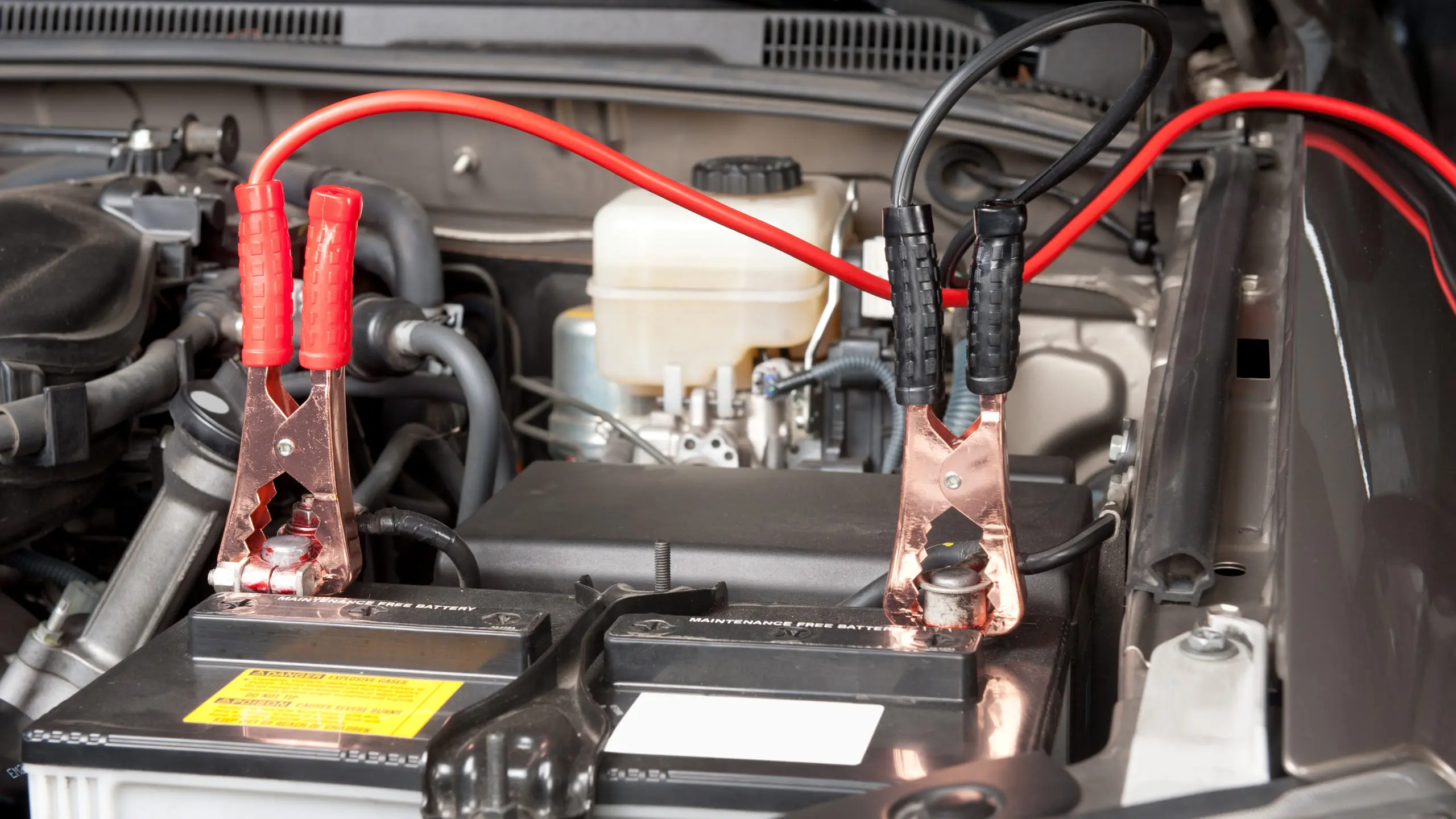
Before you connect anything
Take 60 seconds to set up safely. It prevents most of the mistakes that damage electronics or create sparks where you do not want them.
- Confirm it is a 12-volt system. Nearly all modern passenger cars are 12V. If you are dealing with something unusual (classic 6V, heavy equipment, 24V), do not jump it like a normal car.
- Use the right help. Ideally, use a portable jump starter or another vehicle with a healthy battery. Cables should be thick and in good shape (no green corrosion, broken insulation, or loose clamps).
- Park smart. Vehicles close enough for the cables to reach, but not touching. Put both in Park (or Neutral for manual), set parking brakes, and turn both ignitions off.
- Shut down electrical loads. Headlights, HVAC blower, radio, heated seats, phone chargers. Less load makes the jump easier.
- Look for obvious danger. If the battery case is cracked, leaking, swollen, smells like rotten eggs, or you see smoke, do not jump it. That is a tow and replace situation.
- Know where the battery actually is. If your battery lives in the trunk, under a seat, or behind a panel, many cars have designated under-hood jump points. Use those instead of hunting for the battery.
Know your terminals and the safest last connection
Most batteries are clearly marked + (positive) and - (negative). The positive terminal often has a red cover. The key safety concept is this:
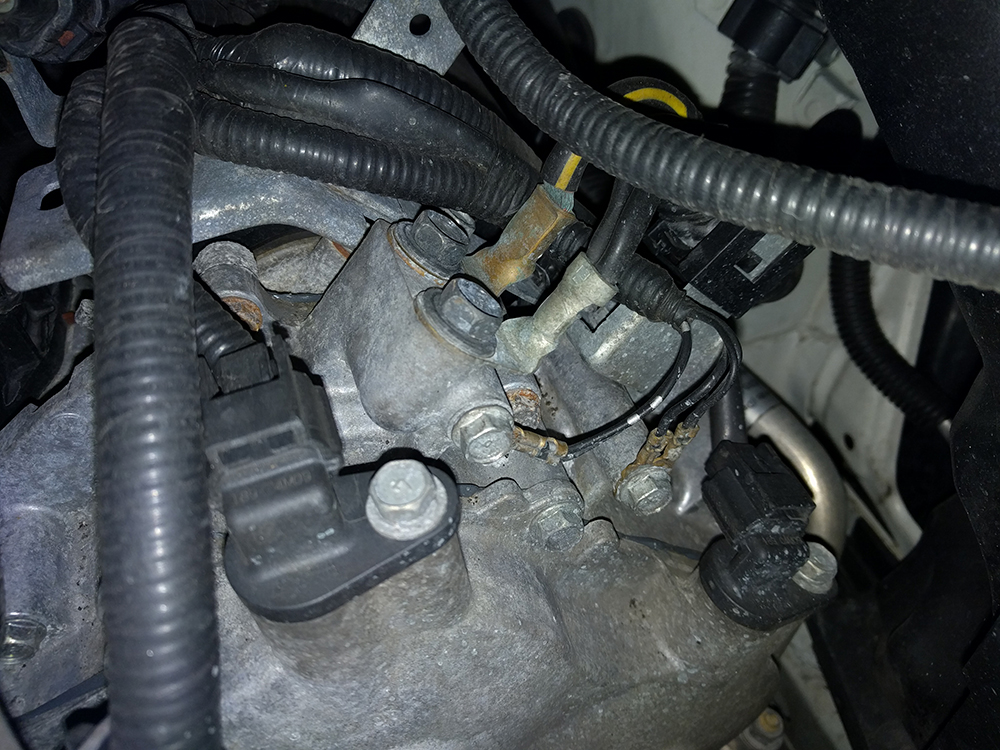
The final clamp you connect should be on a solid metal ground on the dead car, away from the battery. That reduces the chance of a spark near battery gases.
If the car has a remote positive post and a factory ground stud (common on newer vehicles), use them. They are there for a reason.
Step-by-step: the correct jump-start sequence
1) Connect red to the dead battery (+)
On the car that will not start, connect the red clamp to the positive (+) terminal. Make sure it is a solid bite on clean metal, not on plastic covers or loose hardware.
2) Connect red to the good battery (+)
Connect the other end of the red cable to the positive (+) terminal on the good battery (or the jump pack positive output).
3) Connect black to the good battery (-)
Connect the black clamp to the negative (-) terminal on the good battery (or jump pack negative output).
4) Connect black to a ground on the dead car (not the battery -)
Connect the remaining black clamp to a clean, unpainted metal point on the dead car: an engine lift bracket, a solid bolt on the engine block, or a designated grounding post. Avoid fuel lines, thin sheet metal, and anything that moves (belts, fans).
5) Start the helper vehicle first, then wait
Start the vehicle with the good battery and let it idle for 2 to 5 minutes. If it is very cold or the dead battery is really low, give it more time. A mild increase to around 1,200 to 1,500 rpm can help, but do not floor it.
6) Start the dead vehicle
Try to start the dead vehicle. Crank for no more than 10 to 15 seconds at a time, then rest for 30 to 60 seconds. If it does not start after 2 to 3 attempts, stop and move to the decision section below.
7) Let both run briefly to stabilize
Once the dead car starts, let it idle at least 2 minutes with the cables still connected. This helps stabilize voltage and reduces the chance it stalls the moment you disconnect.
Disconnect in reverse order
Remove the cables in the exact reverse of how you installed them. This keeps the last sparks (if any) away from the battery.
- Black clamp off the dead car ground
- Black clamp off the good battery (-)
- Red clamp off the good battery (+)
- Red clamp off the dead battery (+)
Keep the clamps from touching each other or any metal while you are removing them. Coil the cables away from belts and fans.
How long should you drive after a jump?
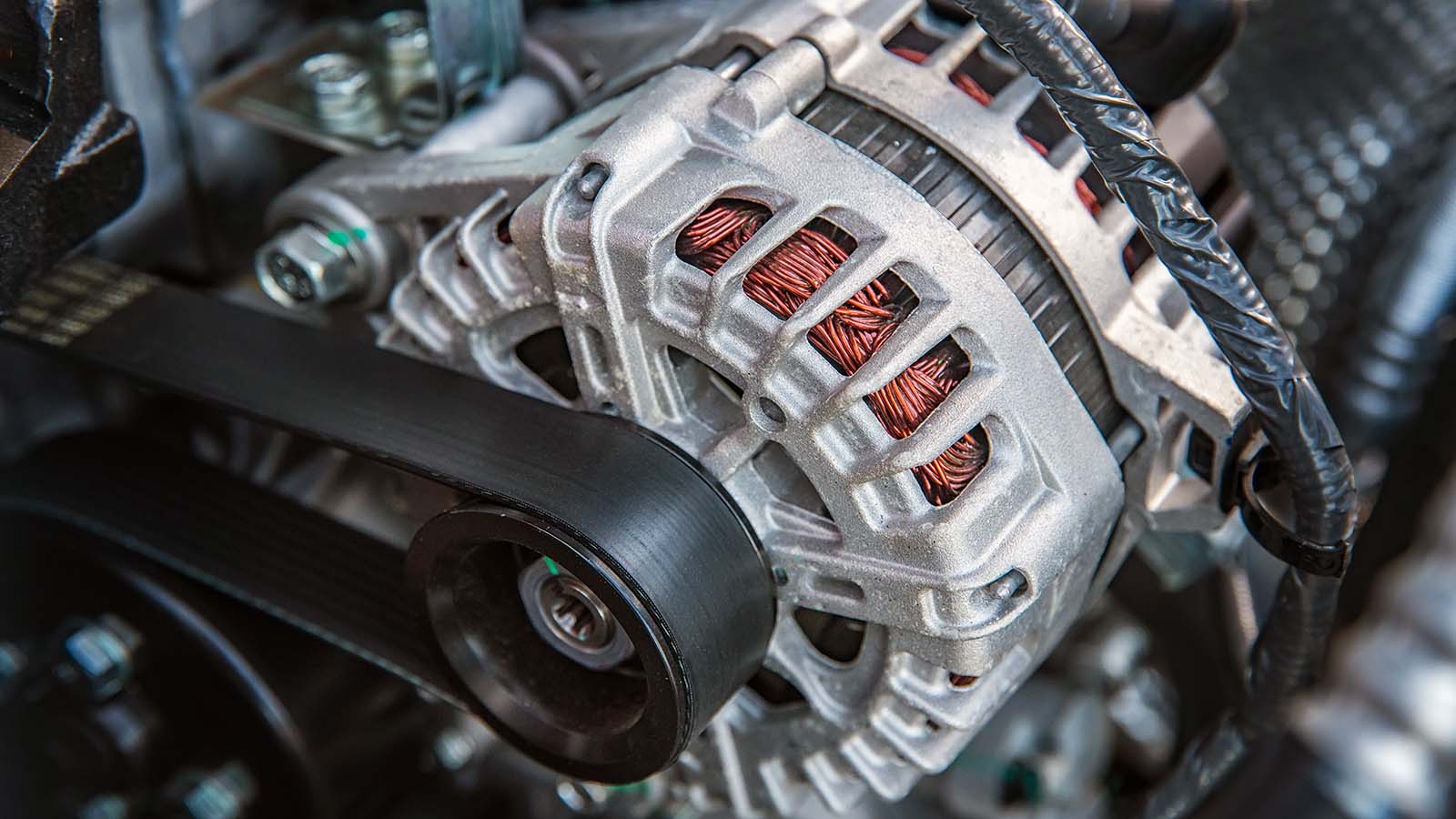
If the car starts and runs normally, drive it for 20 to 30 minutes to give the alternator time to put some charge back into the battery. That is often enough to get you back in business, but it may not fully recharge a deeply discharged or aging battery.
If the battery was run flat, the most reliable fix is a proper recharge with an external charger and then a battery test. Repeated short trips often do not restore a weak battery to full health.
If you used a portable jump starter, check its instructions. Some packs prefer you disconnect soon after the engine starts.
Safety warnings I want you to take seriously
- Never connect red to negative or black to positive. Reverse polarity can blow fuses, damage modules, or worse.
- Keep cables away from moving parts. Fans can kick on even with the engine off on some vehicles.
- Do not lean over the battery. It is rare, but batteries can vent or fail violently.
- Do not jump a frozen battery. In very cold conditions, a frozen battery can crack or rupture when charged.
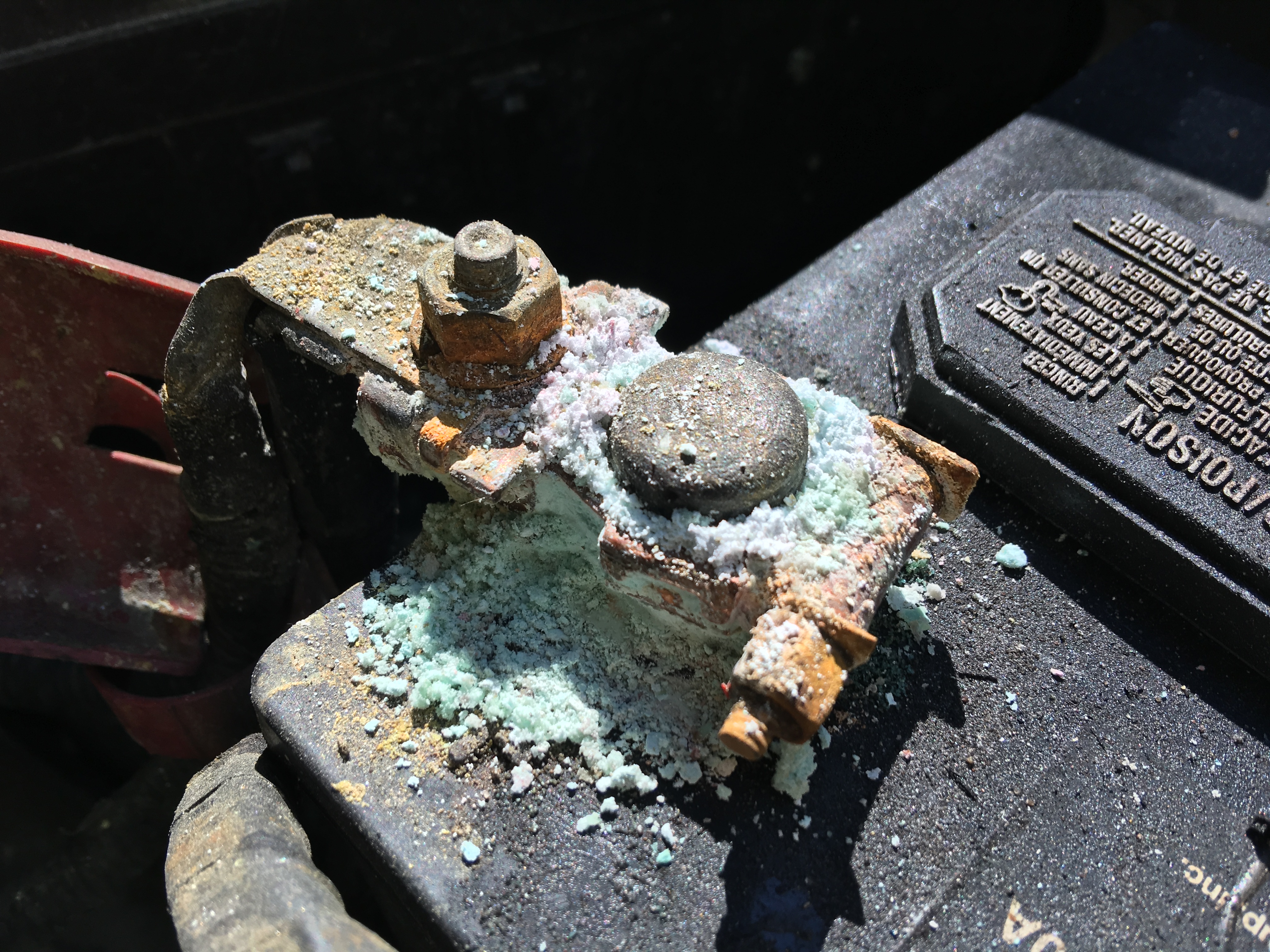
- Skip the jump if the battery looks damaged. Swelling, leaking, cracks, or heavy corrosion call for replacement and cleanup, not a boost.
Decision point: jump it, or diagnose it?
Sometimes a jump-start is the right move. Sometimes it is a clue that the battery or charging system needs attention. Use this quick decision check.
Go ahead with a jump if:
- The car was parked for a while, a light was left on, or it is suddenly very cold.
- You hear rapid clicking (a fast machine-gun chatter) or a slow crank, and interior lights are dim.
- The battery is not visibly damaged and connections look intact.
Stop and diagnose (or get help) if:
- It will not crank even with a jump. Could be a bad starter, poor cable connection, severe battery failure, or a security/neutral-safety issue.
- You only get a single heavy click. That can be a starter/solenoid issue, a seized engine accessory, or a battery connection problem, not just low voltage.
- It starts but dies as soon as you remove cables. Often a weak battery or charging problem.
- The battery keeps dying every day or two. Think aging battery, parasitic draw, or alternator issues.
- Dash battery light stays on while running. That is a charging system warning. Do not ignore it.
- Cables get hot or you see heavy sparking. Disconnect and re-check connections, polarity, and clamp placement.
- Warning lights go crazy after the jump and do not settle down. Low voltage can trigger multiple lights. Drive a short distance if it runs normally and re-check. If lights persist, scan for codes and address the root cause.
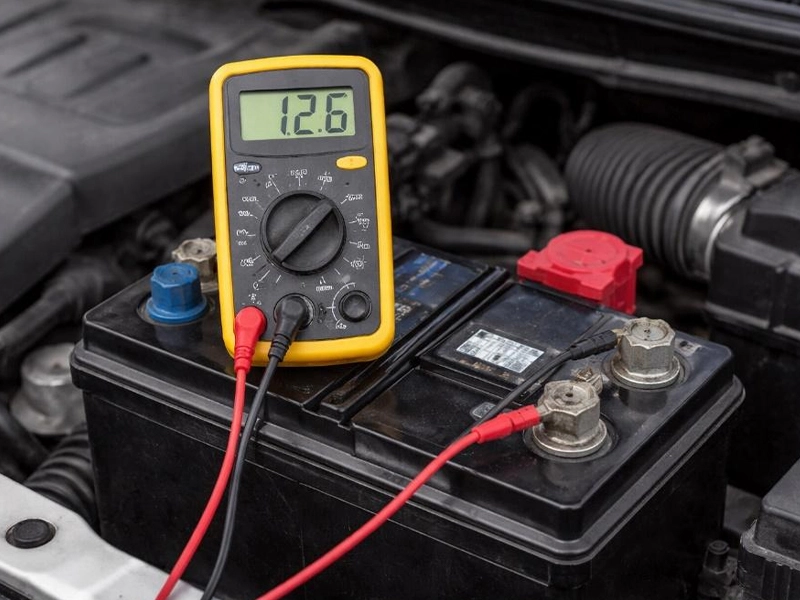
If you have access to a basic multimeter, here is a simple sanity check after the car is running: you often see roughly 13.5 to 14.8 volts at the battery with the engine idling, but smart-charging systems may sit lower, rise and fall, or vary with temperature and electrical load. If voltage is consistently very low or very high, consult service information or get the charging system tested.
Special notes for modern cars, hybrids, and EVs
Modern gas cars with lots of electronics
Use the correct sequence and avoid tapping clamps to make sparks. If the car has a designated under-hood jump point, use it. Manufacturers add those points to keep sparks and clamping away from the battery and sensitive wiring.
Hybrids
Many hybrids still have a normal 12V battery that powers computers and allows the car to go into READY mode. You are usually jump-starting the 12V system, not the high-voltage battery. Follow the owner’s manual for the approved jump points. Also, some hybrids are not meant to be used as the donor vehicle for jumping other cars, so check before you play hero.
EVs
Most EVs also have a 12V battery for accessories and control systems. The safe approach is the same conceptually, but jump points and procedures vary a lot. Some EVs explicitly discourage using the EV to jump other vehicles. If you are unsure, check the manual before connecting anything under the hood.
Troubleshooting if it still will not start
If there is no click and no crank
- Make sure the shifter is fully in Park or Neutral.
- Turn on headlights. If they are bright, the issue may not be the battery.
- Check battery terminals for looseness or heavy corrosion.
If it clicks rapidly
- Commonly low battery voltage or poor connections. Re-seat clamps, make sure your ground is solid bare metal, and try again after a few minutes of charging.
If it cranks but will not fire
- That is usually not a battery problem. Think fuel, spark, air, immobilizer, or sensor issues. A jump is not going to fix it.
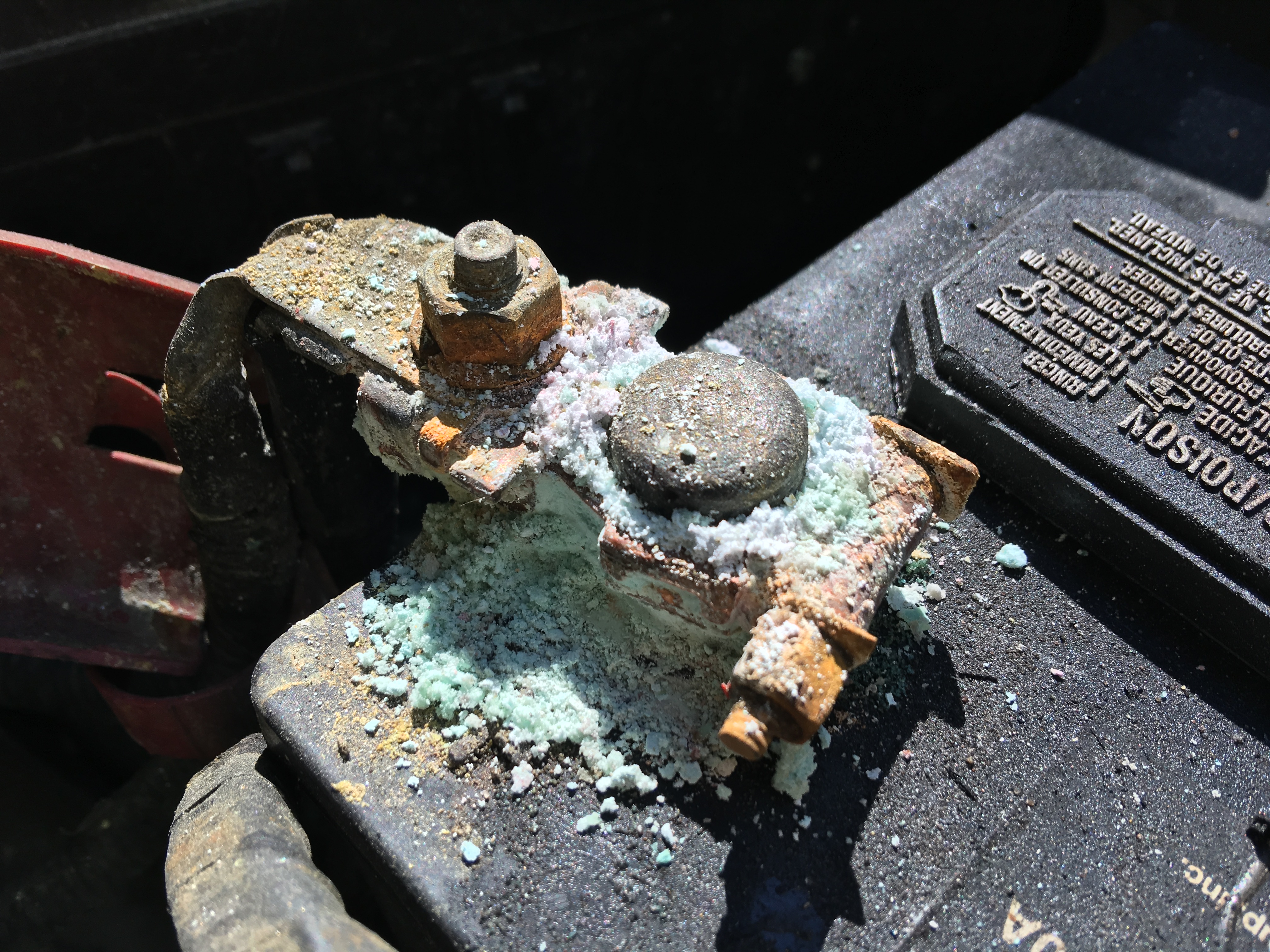
One more real-world snag: heavy terminal corrosion can block current even if you think the clamps are on tight. If the posts and clamps are furry with buildup, the right fix is cleaning and tightening the connections (safely), not endlessly trying to jump it.
Quick FAQ
Can I jump start in the rain?
Light rain is usually fine if you are careful and everything is in good condition. Avoid standing water, keep clamps secure, and do not let metal ends touch.
Do I need to rev the helper car?
Usually no. Let it idle for a few minutes. If you must, a mild increase to around 1,500 rpm is plenty. Do not floor it.
Which clamp goes on last again?
The black clamp to a ground on the dead car, away from the battery, should be your last connection. First clamp off during removal, too.
My take as a former shop guy
If you remember only two things, make them these: connect the cables in the right order, and make your last connection to a solid ground away from the dead battery. That one habit prevents a lot of drama.
And if you find yourself needing jumps repeatedly, do not keep playing battery roulette. That is your car asking for a proper battery and charging system check.