I still remember the first time I heard it in the bay. A customer swore the battery was strong because the starter spun like a champ, but the engine sounded… wrong. Too fast, too smooth, like it had lost all resistance. Sure enough, the timing belt had let go and the cam stopped turning. If your car cranks but will not start, a snapped timing belt or timing chain is one of those gut-punch possibilities you want to recognize quickly, because continuing to crank usually does not help and can make a bad situation worse, especially if the timing has jumped or something is partially engaged.
Quick triage: this article is for a crank-no-start situation (the starter turns the engine over). If you turn the key and you get clicks or nothing spins, that is a different problem.
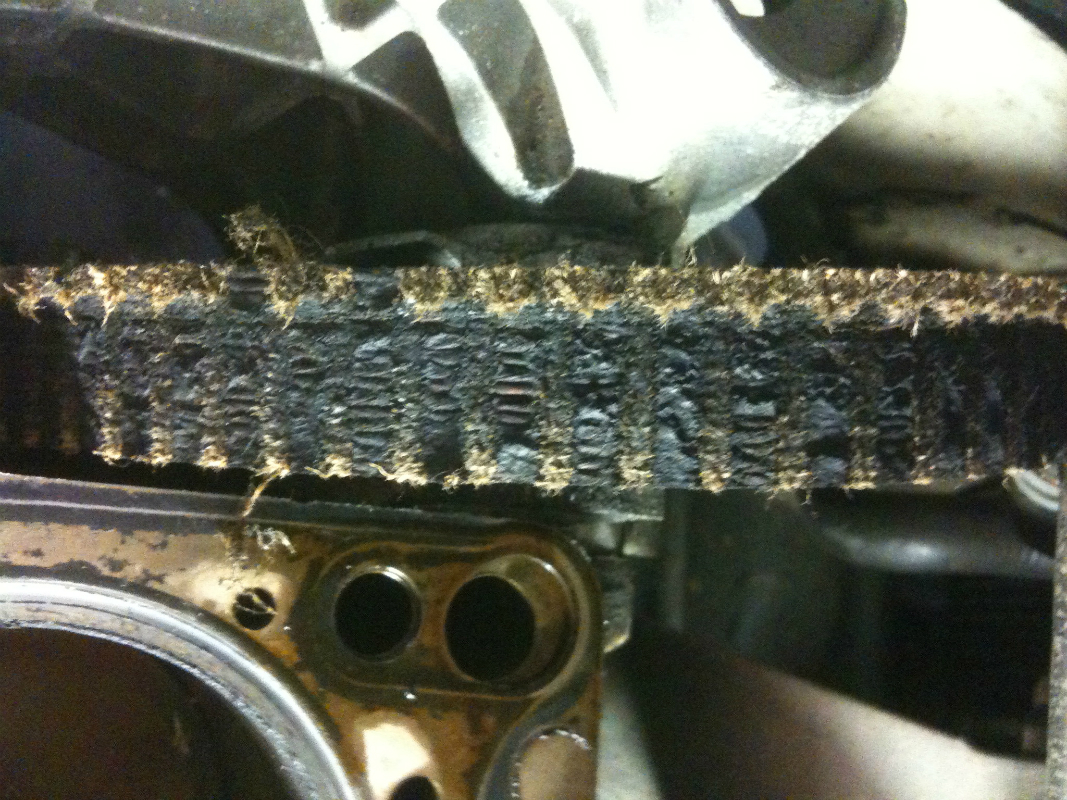
What a snapped belt or chain does
Your crankshaft is connected to the pistons. Your camshaft controls the valves opening and closing. The timing belt or timing chain keeps those two synchronized. When the belt or chain breaks, or when it strips teeth or jumps time, the crank can still spin when you crank the engine, but the camshaft may stop turning or fall out of sync.
That leads to two big outcomes:
- Compression often drops dramatically because the valves are no longer opening and closing when they should. Depending on where things stop, you typically see very low or uneven compression across multiple cylinders, not always a clean “zero across the board.”
- The engine cannot run because mechanical valve timing is wrong. On many modern cars the ECU also watches crank and cam signals, and if the cam signal is missing or correlation looks wrong, it may reduce or inhibit fuel and spark.
That is why you can have a perfectly “strong” crank and still get a dead no-start.
Common signs the belt snapped or timing jumped
1) Sudden stall while driving
This is the classic story. The car was running normally, then it felt like someone turned the key off. Often there is no drama, no gradual misfire, just a sudden stall. You might also notice the tachometer drop instantly.
2) Unusually fast cranking (the free-spinning sound)
If you turn the key and the starter spins the engine faster than normal, it is often because the cylinders are not building normal compression. People describe it as:
- “It sounds like it is cranking too easy.”
- “It cranks fast but never even tries to catch.”
- “It sounds different than yesterday.”
This is one of the strongest clues of a timing belt or chain problem, especially if it happened right after a sudden stall.
3) Very low compression across multiple cylinders
On a healthy engine, the starter has to fight compression in each cylinder. When valve timing is lost, you can end up with very low or uneven compression across several cylinders. A compression test or leak-down test confirms it. As a rule, one low cylinder can be lots of things. Multiple cylinders low at once is where timing problems start climbing the list.
4) The cam or valvetrain does not move while cranking
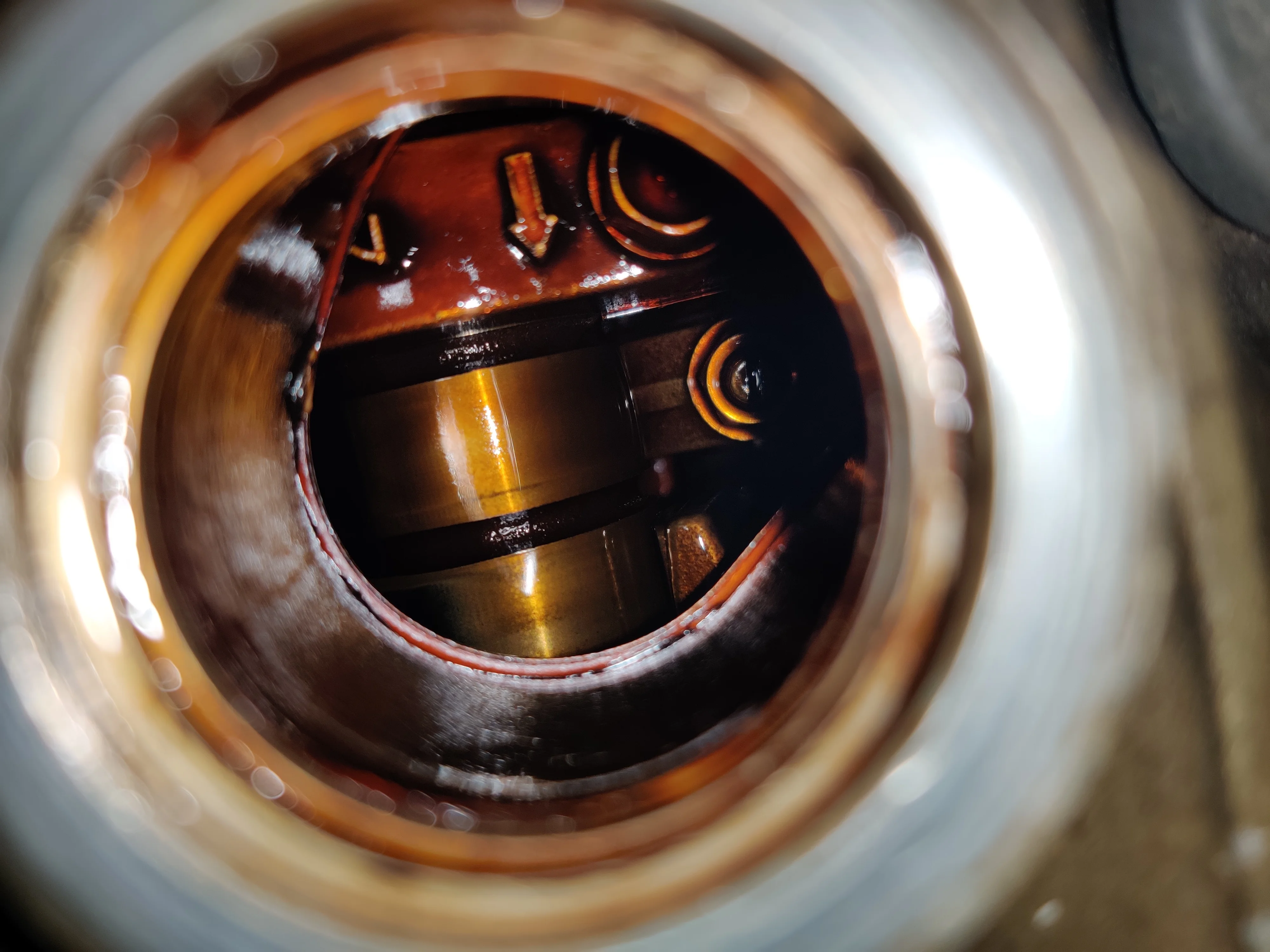
This is the more direct confirmation. On some engines you can remove the oil cap and look in with a flashlight while someone briefly cranks the engine. If you can clearly see a cam lobe, rocker, or other valvetrain component and it is not moving, stop cranking. On other engines you cannot see anything useful because of baffles and splash shields, so do not treat “I cannot see much” as proof either way.
Important: Keep hands, hair, clothing, and tools away from moving parts. Have a helper crank for only a second or two at a time.
Quick checks without tearing it apart
Listen first, then stop
If the engine cranks unusually fast and it just died moments earlier, do not keep trying in hopes it will “eventually start.” A broken belt or chain does not heal itself. And if the timing has jumped or is partially engaged, more cranking can turn an expensive problem into a much more expensive one.
Watch the tachometer while cranking
Not every car shows RPM during cranking. If yours does, a normal steady cranking RPM does not rule timing failure in or out, because RPM usually comes from the crank sensor. But if the tach stays dead when it normally moves, or it is clearly abnormal, that can point you toward a sensor or signal issue and away from guessing.
Check the distributor rotor (older engines)
If you have an older engine with a distributor, pop the cap and see if the rotor turns while cranking. If the rotor does not move, the camshaft may not be turning, but do not assume timing belt or chain automatically. Some designs use an intermediate shaft, and a stripped distributor gear can mimic the symptom without the belt or chain being the culprit.
Pull the upper timing cover if it is easy
On some engines, the top portion of the timing cover is accessible without major disassembly. If you can safely remove it and see a loose belt, shredded belt material, or missing belt teeth, you have your answer. If access is tight, do not force it. It is often faster and safer to tow it in than to break covers or bolts on the roadside.
Other causes that can look similar
Fast cranking is a big clue, but it is not a magic stamp. A few other problems can confuse the picture:
- Starter issues (starter drive not engaging, one-way clutch problems) can sound strange and inconsistent.
- Severe flooding or washed cylinders can reduce compression temporarily and create an odd cranking sound.
- Crank or cam sensor faults can create a crank-no-start even though the mechanical timing is fine.
- Immobilizer, fuel pump, ignition issues typically cause a normal cranking sound, not the classic “too easy” fast-crank.
Belt vs chain symptoms
The no-start symptoms can be very similar:
- Timing belt failure often shows up as sudden stall and fast cranking. Belts can strip teeth, snap cleanly, or delaminate.
- Timing chain trouble can be a clean break, but more commonly involves a failed tensioner, broken guide, or a stretched chain that eventually jumps time. You may get rattling on cold start, correlation codes, rough running, or hard starting before the final stall and no-start.
Either way, if the cam is not turning with the crank, you are in the same place: the engine cannot maintain valve timing.
Will it ruin the engine?
This is the question I get every time, and I wish the answer were always comforting.
Interference engines
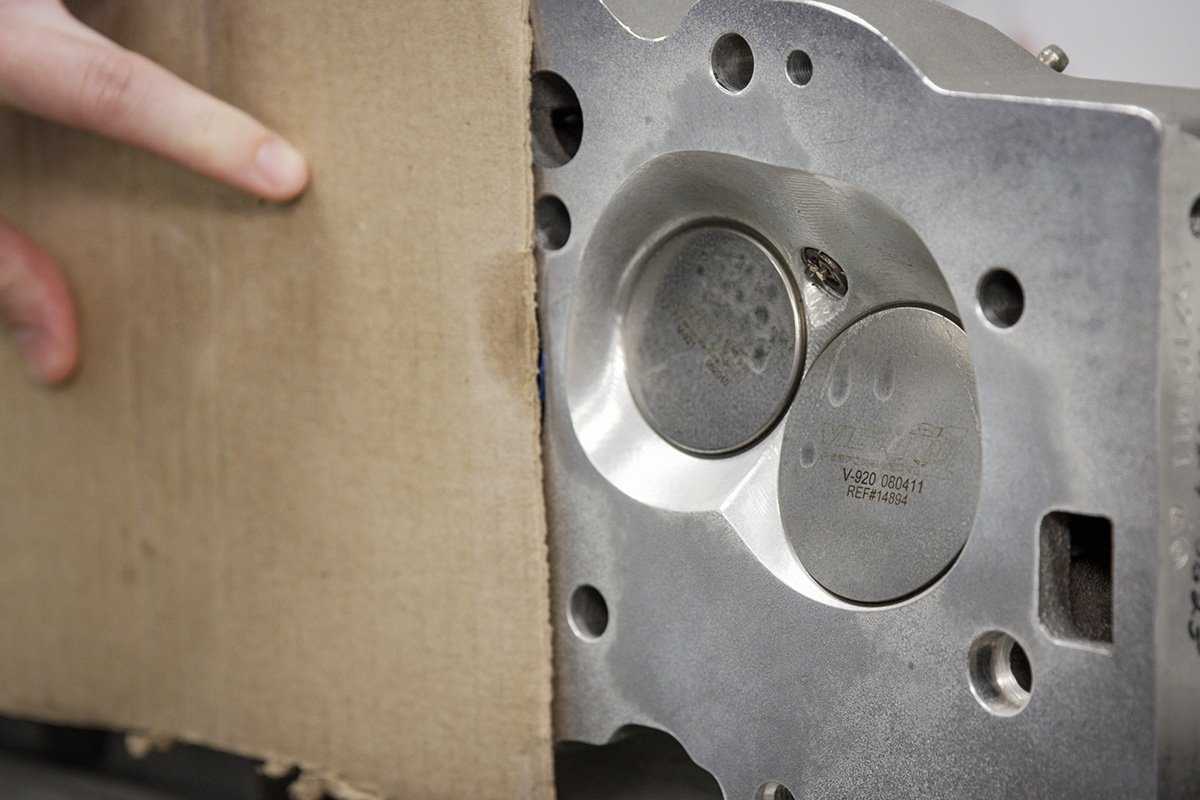
In an interference engine, the pistons and valves share the same space at different times. If the belt or chain breaks, strips teeth, or jumps far enough out of time, pistons can hit open valves. That can bend valves, mark pistons, and in worst cases damage guides or crack components.
Sometimes the damage happens the instant the belt fails at highway speed. Sometimes it happens during cranking afterward, especially if timing is partially off instead of completely stopped. That is one big reason I tell people to stop cranking once the fast-crank clue shows up.
Non-interference engines
In a non-interference engine, a broken belt or chain usually means a tow and a timing service, not internal carnage. But you still need to confirm the design for your specific engine, not just the model name. The same vehicle line can have different engines across years and trims.
Why more cranking will not help
If the belt or chain is broken, or the timing has jumped far enough, the engine is not getting the compression and valve timing it needs to run. Cranking longer will not “pull fuel in” or “warm it up” into starting.
What extended cranking can do:
- Risk more mechanical contact on interference engines if timing is off or partially engaged.
- Overheat the starter or drain the battery, adding another problem on top of the original one.
- Wash down cylinders with excess fuel on some setups, which can reduce lubrication.
If you are doing any repeated testing, be mindful of hot parts and moving components. In a shop setting we may disable fuel or ignition for certain tests, but roadside guessing is where people get hurt and engines get finished off.
What to do next
1) Stop cranking and get safe
If you are in traffic or a dangerous spot, prioritize safety. Get to a safe shoulder or parking lot if you can coast or push, then call for help.
2) Verify cam movement if you can
Checking for valvetrain motion through the oil fill (when it is actually visible), or checking rotor movement on distributor engines, can prevent a lot of wasted time and guesswork.
3) Tow it instead of repeatedly testing
Once timing failure is on the table, a tow is often cheaper than the damage that can come from repeated starting attempts, especially on interference engines.
4) Ask the shop for the right checks
A good shop will typically confirm timing failure with one or more of the following:
- Compression test
- Removing an inspection cover to view belt or chain condition
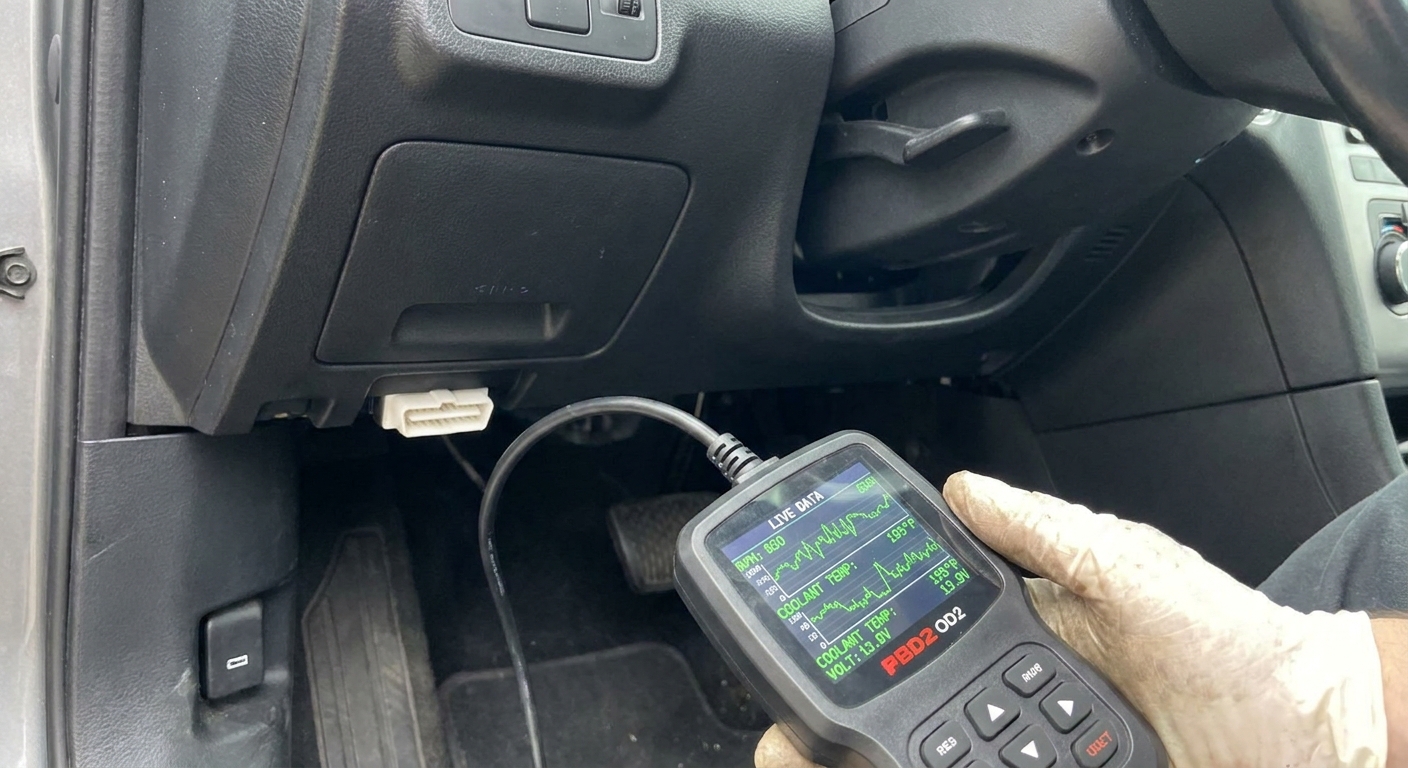
- Checking cam and crank correlation with scan data on newer vehicles
- Looking for relevant trouble codes such as cam-crank correlation faults (common examples include P0016 and P0017)
- Borescope inspection through a spark plug hole (sometimes)
FAQ
Can a timing belt snap without warning?
Yes. Some belts show warning signs like cracking, glazing, fraying, or oil contamination, but many fail with no obvious symptom until the moment they go. That is why mileage and time based replacement intervals matter.
What does a broken timing belt sound like when trying to start?
Most people notice very fast cranking with a smooth, almost whirring rhythm because compression is low. It usually does not sound like a weak battery slow crank.
Could it be something else besides the timing belt or chain?
Yes. Starter engagement issues, severe flooding, and sensor problems can overlap pieces of the symptom list. But the combination of sudden stall plus fast cranking plus confirmed lack of cam movement is strongly suggestive of a belt or chain failure, or timing that has jumped far enough to stop the cam from tracking the crank.
If my car has a timing chain, am I safe?
Chains generally last longer than belts, but they still fail. Tensioners, guides, oiling issues, and stretched chains can all create a no-start if the timing jumps or the chain breaks.
The bottom line
If your car died suddenly and now cranks unusually fast without even trying to start, treat a snapped timing belt or chain, or timing that has jumped, as a top suspect. The fastest confirmation is checking whether the camshaft or valvetrain moves while cranking, when that check is actually possible on your engine. And if timing failure is likely, stop cranking. Get it diagnosed and towed if needed. It is one of those moments where the calm, boring choice is usually the cheapest one.