I have seen this one a lot in the bay: you turn the key, the engine catches like it wants to live, it runs for a second or two, then it just quits. Not a long crank. Not a rough idle. More like the car is being allowed to start, then something shuts the party down.
The good news is that this pattern is surprisingly diagnosable because a small group of problems tend to cause an engine to fire and then immediately stall. The usual suspects are fuel delivery (or injector power), crankshaft position signal loss, immobilizer or theft deterrent authorization issues, EGR stuck open (more common on older setups), and a major unmetered air leak.
Below I will walk you through the most likely causes, what each one looks like, and what you can safely check at home without turning a simple stall into a tow bill.
First: is it safe to keep trying?
Before we chase causes, do a quick safety and damage check. A couple short start attempts are usually fine. Endless cranking is not.
Stop cranking and investigate if:
- You hear loud knocking or harsh mechanical noise during those brief run moments. Do not gamble with that.
- The oil pressure light stays on longer than it normally does for your car, especially if it stays on across multiple attempts. On many vehicles the oil light can stay on briefly at startup, and a 1 to 2 second run might not be long enough for it to go out even when everything is healthy. The red flag is when it is abnormal for that car, or it is paired with noise.
- You smell strong raw fuel from the tailpipe or under the hood. You can flood the engine or damage the catalytic converter if you keep cranking.
- The battery cables get hot, you smell electrical burning, or you see smoke. That is an immediate stop.
- The check engine light is flashing during those brief run moments. Misfire severe enough to flash can cook the catalytic converter.
It is usually OK to try a few more times if:
- The engine starts cleanly but dies consistently the same way.
- No abnormal noises, no burning smells, and the battery is still spinning the engine at a normal speed.
Quick triage
These fast observations narrow it down in minutes.
1) Watch the dash
- Security light flashing (or a key icon) right as it stalls strongly points to an immobilizer/theft deterrent issue.
- Tachometer drops to zero instantly during the stall can hint at crank sensor signal loss (not universal, but common).
2) Restart behavior matters
This is one of the most useful tests you can do with zero tools.
- Restarts immediately and repeats the same 1 to 2 second run: often immobilizer, sometimes a fuel pump relay/control dropout, main relay, or an injector power feed issue.
- Will not restart right away and needs a cool down or a longer crank: more often a crank sensor or heat related electronic fault, sometimes a failing fuel pump that is losing pressure and not recovering quickly.
3) Give it a tiny bit of throttle
On many cars, a slightly open throttle changes airflow enough to reveal an air or idle control problem.
- It stays alive only if you feather the gas: suspect a large vacuum leak, stuck open EGR, or a throttle body/idle air control problem.
- No change at all: suspect fuel delivery dropout, immobilizer, crank signal, or a power supply relay cutting out.
Important: Do not race the engine on a cold start just to keep it running. If it is going to stall, let it stall and diagnose the cause.
Most common causes
Fuel pump dropout (relay, module, wiring, or the pump)
A lot of fuel systems do a brief prime, then the pump is commanded on continuously once the engine is running. If the prime happens but the run command drops out, you get the classic: starts, runs for a second, dies.
Clues:
- Sounds normal for 1 to 2 seconds, then shuts off like someone flipped a switch.
- May restart immediately and repeat the exact same pattern.
- Sometimes you can hear the pump prime for about 2 seconds when you turn the key to ON.
Quick checks you can do:
- Key cycling test: turn key to ON for 5 seconds, OFF for 5 seconds, repeat 3 times, then start. If it runs slightly longer after priming, fuel pressure is suspect.
- Listen for prime: with the car quiet, key to ON. Many cars make a faint hum from the rear for about 2 seconds.
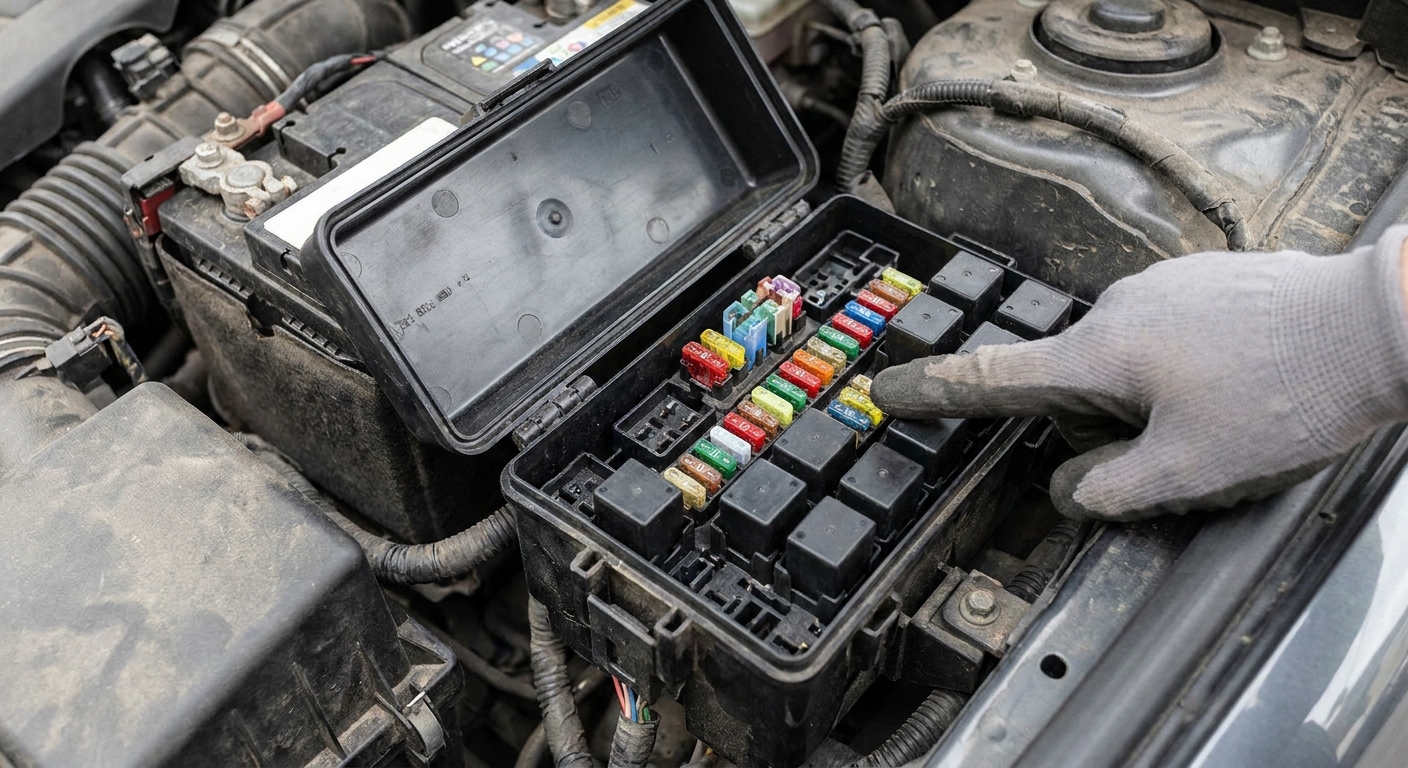
- Swap relays (only if you know what you are doing): some fuse boxes use identical relays for horn, A/C clutch, or fog lights. Swapping can be a quick clue if the relay is the problem.
When to stop cranking: If you are smelling a lot of fuel, stop. Otherwise, a few tries are generally safe while you confirm the pattern.
Crankshaft position sensor losing sync
The crankshaft position sensor tells the computer where the engine is in its rotation. Lose that signal and the ECU often shuts off fuel injection and spark for safety. Some crank sensors fail intermittently, and the first symptom can be a start and immediate stall.
Clues:
- Stall can feel abrupt, but sometimes it is accompanied by a stumble.
- Restart behavior varies by vehicle and failure mode. Some restart immediately. Others will not restart until it cools down.
- On some vehicles the tachometer drops to zero instantly during the stall.
- You may get a check engine light with crank sensor related codes, but not always immediately.
Quick checks you can do:
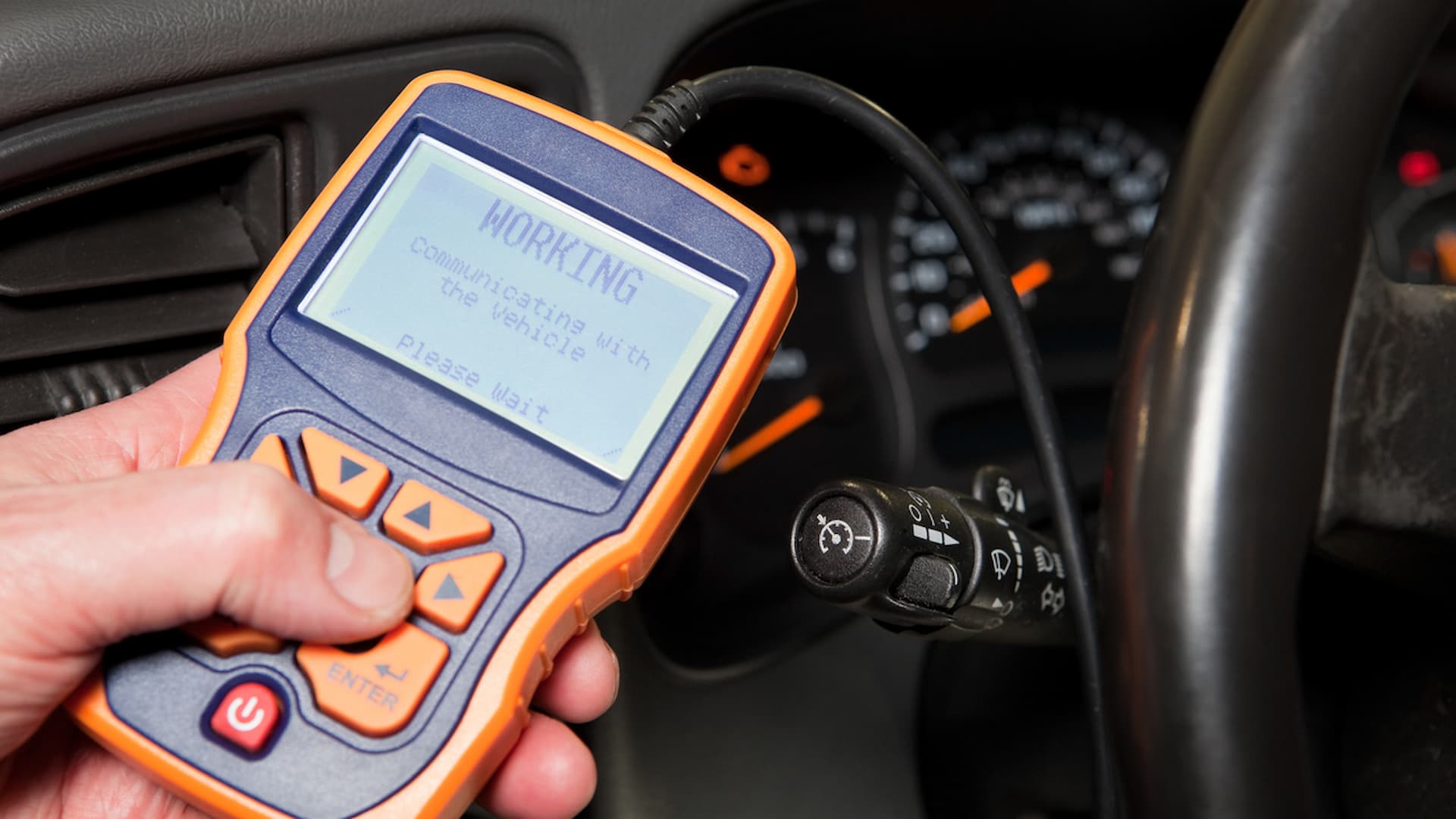
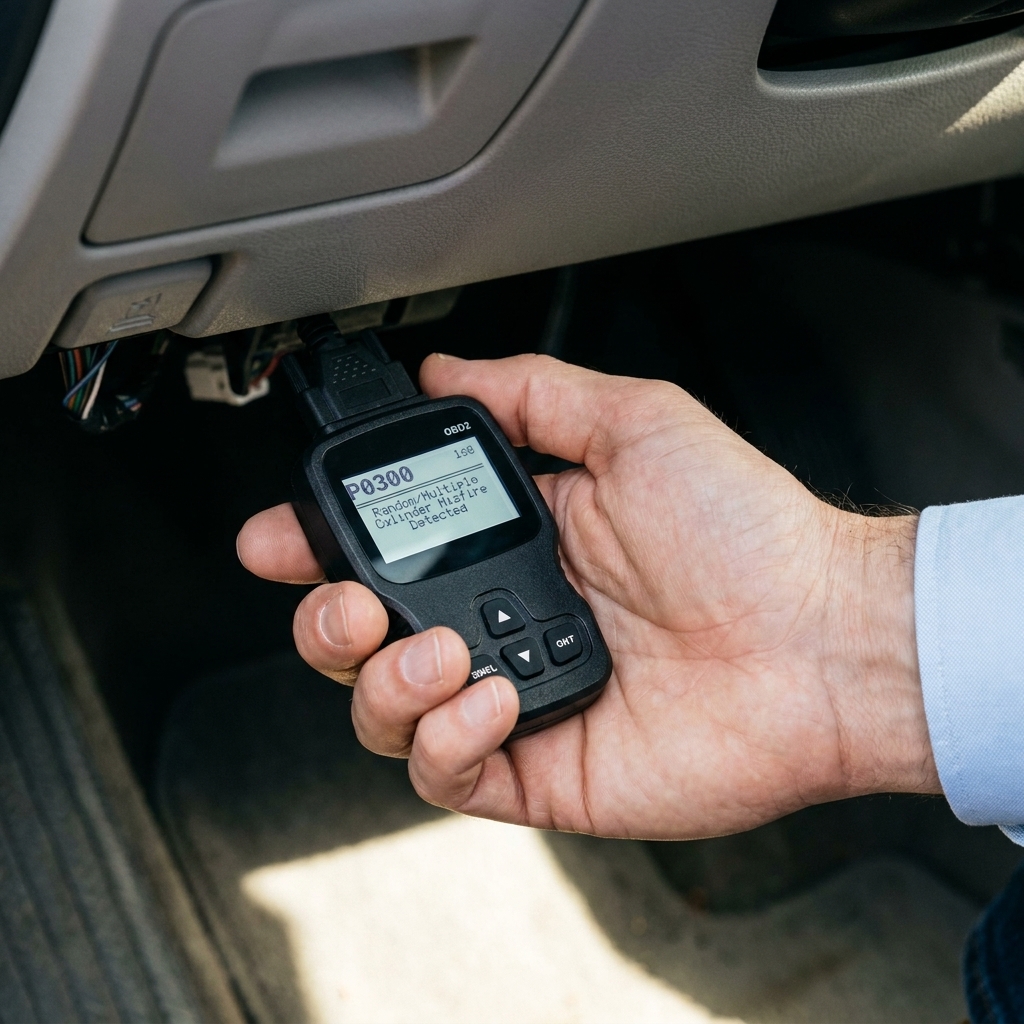
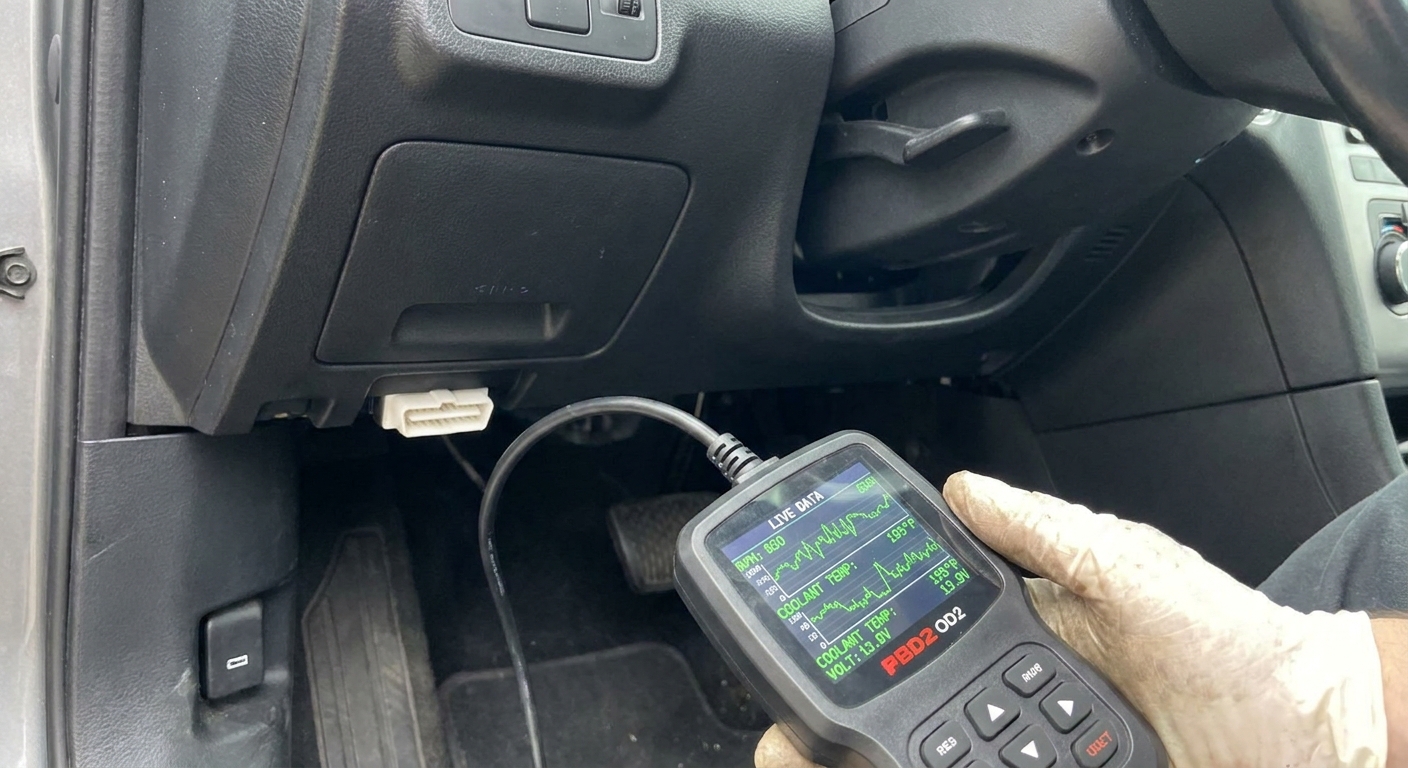
- Scan for codes if you have access to an OBD2 scanner. Look for crank sensor or engine speed signal faults.
- Watch RPM in live data while cranking. If RPM reads 0 while the engine is clearly turning, the ECU is not seeing the crank signal.
When to stop cranking: If you are cranking repeatedly with no start and the RPM signal is missing, stop and diagnose. Endless cranking just drains the battery and can overheat the starter.
Immobilizer or theft deterrent denying run authorization
Many immobilizer systems will let the engine fire, then cut fuel and or spark (or otherwise deny run authorization) if the key is not recognized. This creates a very consistent stall that happens at nearly the same time every attempt.
Clues:
- Security light flashing or staying on after it stalls.
- It will often restart immediately, but will always die again in 1 to 3 seconds.
- Sometimes the car will start with a spare key but not your usual key.
Quick checks you can do:
- Try the spare key. This is my favorite no tools immobilizer test.
- If you have a proximity key, replace the fob battery or hold the fob right against the start button or steering column area, depending on the vehicle. Weak fob batteries cause weirdness on some models.
- As a rare but easy rule-out: take other keys and fobs off the key ring and try again. It is not common, but it costs nothing to try.
When to stop cranking: If the security light is clearly indicating an immobilizer fault, stop cranking and switch to diagnosis. You are not going to try harder and win against the immobilizer logic.
Stuck-open EGR valve (vehicle-dependent)
An EGR valve that is stuck open can act like a massive vacuum leak, especially at idle. On many newer engines, EGR is commanded off at cold start and idle, so this is more of an older-design hit. But when an EGR physically hangs open, it can absolutely cause an immediate stall.
Clues:
- The engine may try to catch, then stumble and die.
- Sometimes it will run if you hold the throttle slightly open.
- May idle terribly if it does manage to stay running.
Quick checks you can do:
- Light throttle test: if it stays alive only with a bit of pedal, EGR stuck open becomes more likely.
- Visual inspection if the EGR is accessible: check for loose connectors, damaged vacuum lines (older vacuum operated EGR systems), or obvious carbon buildup around the valve area.
When to stop cranking: Usually safe to do a few brief attempts. Do not keep it revving high to power through because you are masking the issue and risking backfires on some engines.
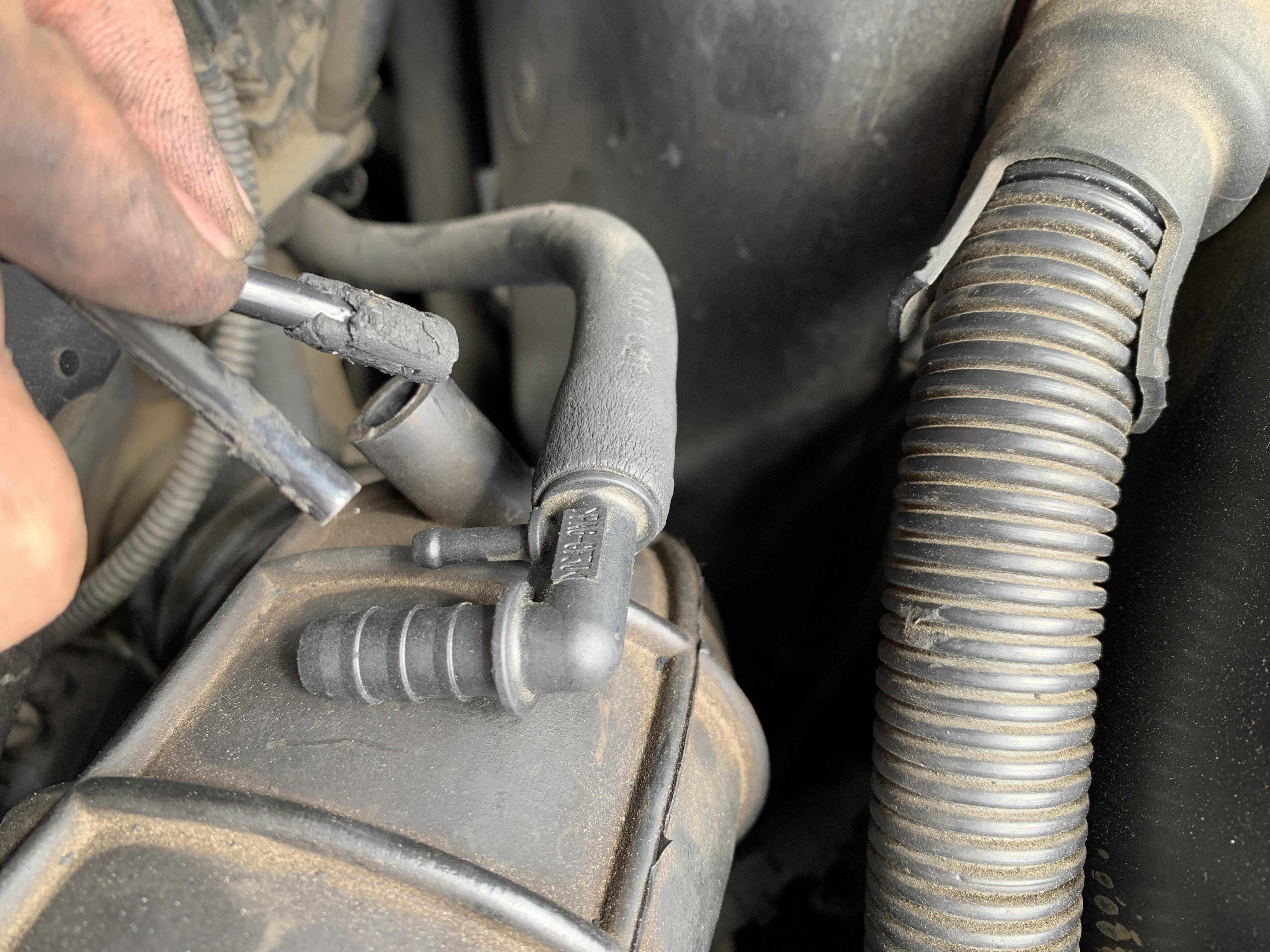
Large vacuum leak (broken hose, intake boot off, PCV line, brake booster hose)
A big unmetered air leak can lean the mixture so badly that the engine cannot stabilize at idle. The ECU tries to catch it, then it stalls.
Clues:
- Often starts better with your foot slightly on the gas.
- You may hear a loud hissing under the hood.
- Idle will be high or erratic if it stays running.
- Recently had work done near the intake, air box, throttle body, or PCV system. A loose intake boot after a filter change is more common than you might think.
Quick checks you can do:
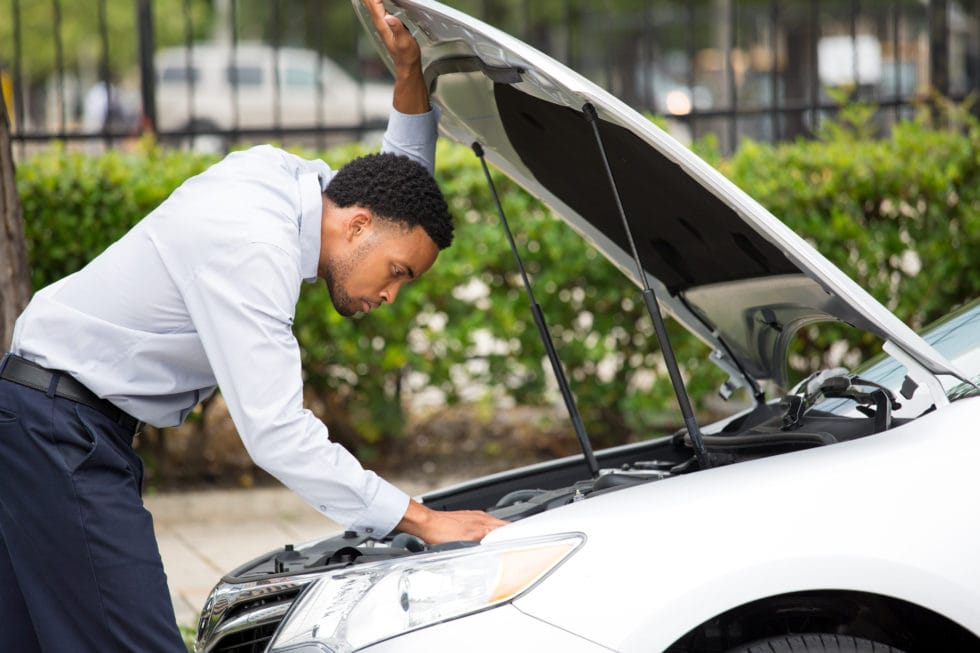
- Pop the hood and look for a hose dangling loose, a split elbow, or an intake tube that has slipped off after the mass airflow sensor.
- Check the brake booster hose (large hose going to the brake booster). If it is cracked or disconnected, it is a huge leak.
When to stop cranking: A few short tests are fine. If you are smelling fuel from repeated failed starts, stop and fix the air leak first.
Also common (quick mentions)
If none of the five above fit your situation, do not assume it cannot be something else. I have also seen these create a start-then-die pattern:
- Main relay or ECU power relay dropping out after the initial key-on event.
- Blown EFI fuse or injector power feed issue that allows a momentary run, then cuts injector power.
- Throttle body or idle air control failure, especially if it only stays running with your foot on the gas.
- MAF sensor or airflow plausibility faults on some models, particularly if the intake boot is cracked or the MAF was just disturbed during an air filter change.
- Camshaft position sensor or correlation faults (less common for a clean 2-second stall, but possible).
- Low fuel, bad fuel, or a weak battery/voltage drop causing the ECU to reset or lose control right after startup.
- Aftermarket alarm or remote start system interrupting the run circuit.
- Severe exhaust restriction (rare for this exact symptom, but it happens).
At-home checklist (10 minutes)
Here is what I would do in a driveway before I charged anyone for diagnostic time.
- Check the security light during the stall, then try the spare key.
- Listen for the fuel pump prime with key ON. No sound is not proof, but it is a clue.
- Inspect intake plumbing between the air box, mass airflow sensor (if equipped), and throttle body. Make sure clamps are tight and the boot is not torn.
- Look for a disconnected vacuum line, especially PCV hoses and the brake booster hose.
- Try a slight throttle input on the next start attempt. If it suddenly stays alive, shift your focus to vacuum leaks, EGR, and throttle body or idle air issues.
- Scan for codes if you can.
- If you have live data: watch RPM while cranking. RPM present but it still dies pushes you toward fuel, air, immobilizer, or power supply issues. RPM dropping out points more toward crank signal or ECU power.
When to call a pro
If the basics do not turn up anything, a shop can quickly confirm the root cause with:
- Fuel pressure testing (pressure at prime, pressure while running, and leak down).
- Scope testing or scan tool signal checks for crank and cam sensor dropouts.
- Immobilizer data showing key authorization status.
- Smoke testing for vacuum leaks that are not obvious.
- Voltage drop and power relay testing if it looks like the ECU or injector power is dropping out.
If you want to be kind to the tech, tell them exactly what the car does in seconds: "It starts, runs for about two seconds, then dies. It restarts immediately and repeats." That detail matters.
FAQ
Why will my car start with starting fluid and then die?
If it runs briefly on starting fluid, you have a strong hint that fuel delivery is the issue (pump, relay, injector power, or low pressure). Use starting fluid cautiously. It is flammable and can cause intake backfires. If you are not comfortable, skip it and go straight to fuel pressure testing. If fuel pressure and injector power check out, then you are into spark, timing, and compression territory.
Can a dirty throttle body cause a start then stall?
Yes. If the throttle plate is gummed up or the electronic throttle cannot hit its learned idle position, the engine may not get enough air to stabilize right after startup. This often shows up as starts if I press the gas behavior.
Does a bad MAF sensor cause an immediate stall?
It can, especially if the MAF is unplugged, contaminated, or the intake boot is cracked after the MAF. Some cars default to a backup strategy and keep running, others stall. If you recently serviced the air filter, recheck everything around the MAF housing and clamps.
Is it safe to keep trying to start it?
A few short attempts are fine if there are no warning signs (abnormal mechanical noise, burning smells, strong fuel odor, or a flashing check engine light). If you are repeatedly cranking with no progress, stop and diagnose. Starters and batteries are not cheap.