I have seen this one a lot at the shop: you drive to the gas station, run in for five minutes, hop back in, and suddenly the car cranks forever or does absolutely nothing. Then, after you wait 20 to 45 minutes, it starts like nothing ever happened.
That pattern matters. A hot-only no-start is usually a heat soak problem, meaning something works fine at normal temps, then quits when it gets heat soaked under the hood after you shut the engine off. It is a different animal than a no-start that happens every time, hot or cold.
Below are the three most common culprits I would chase first, plus what you can test fast while the problem is happening. That last part is key because once the engine cools off, the evidence can disappear.
Hot-only no-start vs every-time no-start
Before we dive into parts, let’s pin down what you are experiencing:
- Hot-only no-start (heat soak pattern): Starts fine cold. You drive it, shut it off briefly, and it will not restart until it cools down.
- Every-time no-start: It will not start consistently no matter the temperature. This points more toward a dead battery, failing alternator, bad ignition switch, immobilizer issue, loss of fuel pressure all the time, or a hard electrical fault.
If you can reliably recreate the issue only after a hot soak, focus on components that are sensitive to heat: sensors, fuel delivery, relays, and the starter and its wiring.
First, note what it does
The fastest way to narrow the diagnosis is to watch and listen during the failure. These three scenarios cover most hot restart problems.
1) It cranks normally, but will not fire
This usually means the starter is doing its job, but the engine is missing spark, injector pulse, or fuel pressure. The big suspects here are a crankshaft position sensor that fails when hot, hot fuel pressure problems, or a power or fuel pump relay that drops out when heat soaked. On some vehicles, an ignition module or main relay can also be the heat-sensitive offender.
2) It cranks slowly like the battery is weak
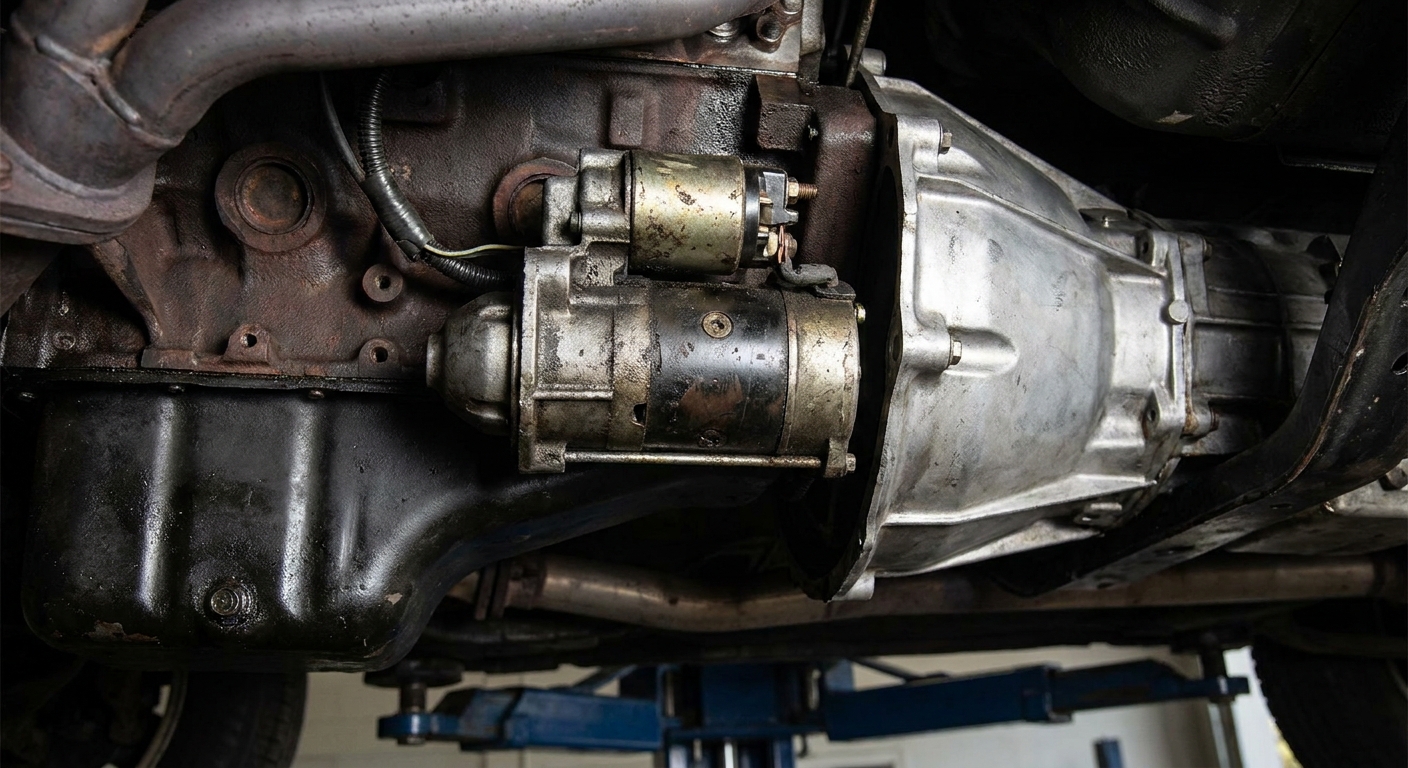
Classic heat-soaked starter behavior. Heat increases resistance inside the starter itself, and a worn starter can draw more current hot. The cable resistance change from heat alone is usually small compared to what corrosion, loose terminals, or a weak ground strap can add, but the combination is what gets you.
3) It does not crank, just clicks or does nothing
Also starter circuit territory: a starter solenoid that sticks when hot, weak voltage delivery, or a relay issue. Less commonly, a range selector or clutch safety switch problem can show up when components expand with heat, but I would verify starter voltage first.
Cause #1: Crank sensor fails hot
If I had to pick one that I see over and over, it is the crankshaft position sensor (and sometimes the camshaft position sensor). The sensor can develop an internal fault that opens up when hot. Once it cools, it works again. I am not saying it is the most common on every make and model, but it is one of the most common heat soak no-start patterns I run into.
Why it prevents starting: the ECU needs crank signal to know engine speed and position. No signal means no spark and often no injector pulse. The engine will happily crank all day and never catch.
What it feels like
- Starts perfectly cold
- After a short stop, it cranks normally but will not start
- No sputter, no “almost,” just nothing
- Sometimes sets a check engine light later, sometimes not
Crank vs cam sensor note
On many engines, a failed cam sensor can still allow the engine to start, sometimes with longer cranking. A failed crank sensor is more likely to be a true crank-no-start. There are exceptions, but it is a helpful rule of thumb.
Tests to do while it is failing
1) Check RPM while cranking
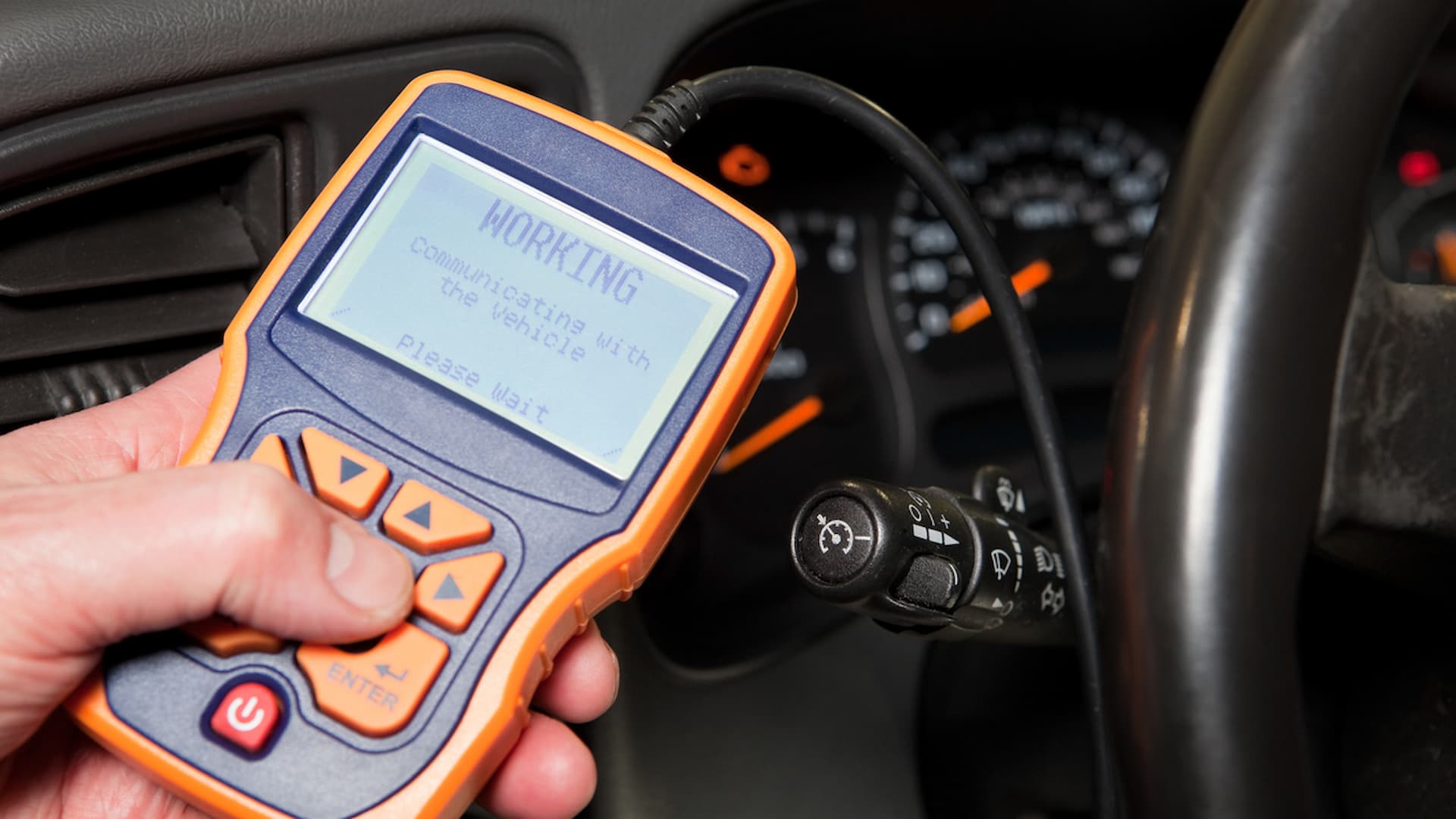
- If you have a scan tool (even a basic Bluetooth one), watch engine RPM while cranking.
- If RPM stays at 0 during crank, that is a huge clue the ECU is not seeing crank signal.
2) Check for spark immediately
- Use an inline spark tester or a spare plug grounded properly.
- No spark during the hot no-start points toward crank signal loss, ignition module issues, ECU control issues, or even an ECU power or ignition relay dropping out.
3) Look for related codes, but do not rely on them
- You might see codes like P0335 (crank sensor) or P0340 (cam sensor), but a hot-only failure can be intermittent and may not log right away.
4) Heat and cool test (carefully)
- If you can access the crank sensor area, sometimes you can reproduce the issue with heat, then bring it back with a careful cool down.
- A common trick is to let the car hot-soak into failure, then cool the sensor area with a gentle stream of air. If it starts right after, that is another strong clue.
If you suspect the crank sensor, do not wait days between “it acted up” and diagnosis. Try to test it the same day while it is actively refusing to start.
Cause #2: Hot fuel pressure problems
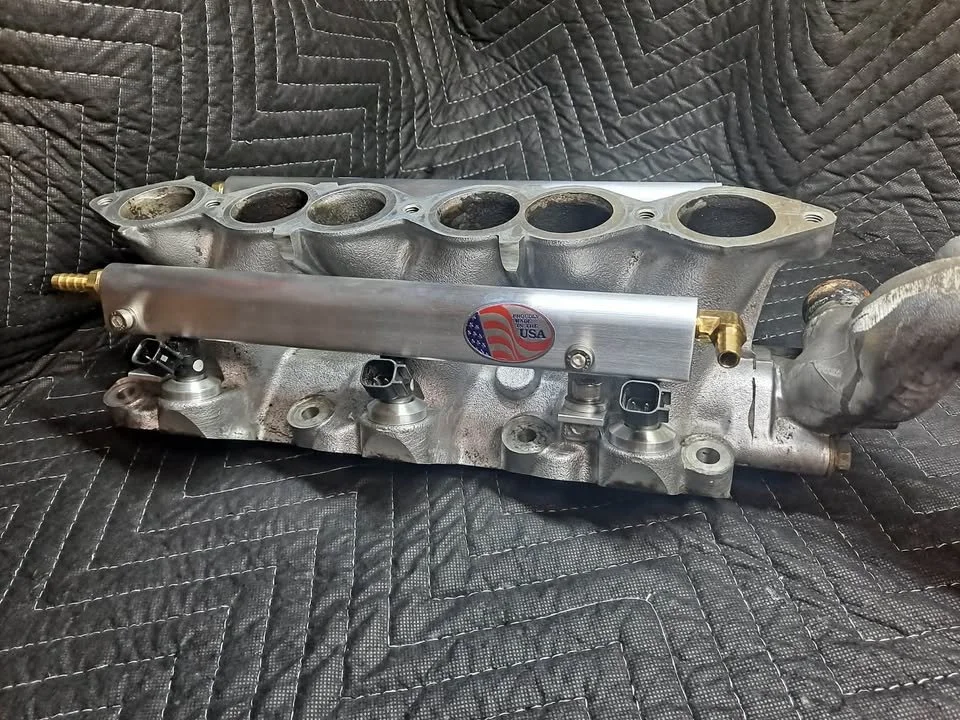
People call it “vapor lock,” but on most modern fuel-injected vehicles, true old-school vapor lock is not common. What I do see is a similar real-world problem: after shutdown, under-hood heat can make fuel handling messy. That can mean fuel pressure bleed-down, a weak pump or check valve that shows up hot, a regulator issue, or hot fuel that partially boils or aerates in the rail on some setups. The point is not the label. The point is to verify pressure while it is failing.
This is more likely when:
- It is very hot outside
- You just drove hard or climbed a long grade
- You shut down for 5 to 15 minutes, then try to restart
- The car has a history of weak fuel pressure or a tired pump/check valve
What it feels like
- Cranks normally
- May try to start, stumble, then die
- Sometimes starts if you hold the pedal slightly open on older cable-throttle cars because extra air can help when fueling is sloppy
- On many newer drive-by-wire cars, the ECU controls throttle during start, so pedal input may do little. Some vehicles use a clear-flood mode at wide-open throttle.
- Often worse with a low tank of fuel if the pump runs hotter
Tests to do while it is failing
1) Check fuel pressure during the hot no-start
- Best method is a fuel pressure gauge on the rail service port, if equipped.
- Compare key on engine off pressure and cranking pressure to the spec for your vehicle.
- If pressure is low only when hot, the pump, pump check valve, pressure regulator, relay power supply, or aerated fuel are all in play.
2) “Key cycling” can be a clue
- Turn key to ON for 2 to 3 seconds, OFF, repeat 3 to 4 times, then crank.
- If it starts after cycling, you may be building pressure that is bleeding off when hot. That can point to a weak pump, a leaking injector, a failing check valve, or a relay or wiring issue that is not consistently running the pump during the first prime.
3) Watch fuel trims after it finally starts
- If you have a scan tool, look at short-term and long-term fuel trims after a hot restart. Extremely skewed trims can hint at fueling issues.
Cause #3: Starter heat soak and voltage drop
If the engine is cranking slow, or you hear a click and nothing else, heat soak can be pushing a marginal starter system over the edge.
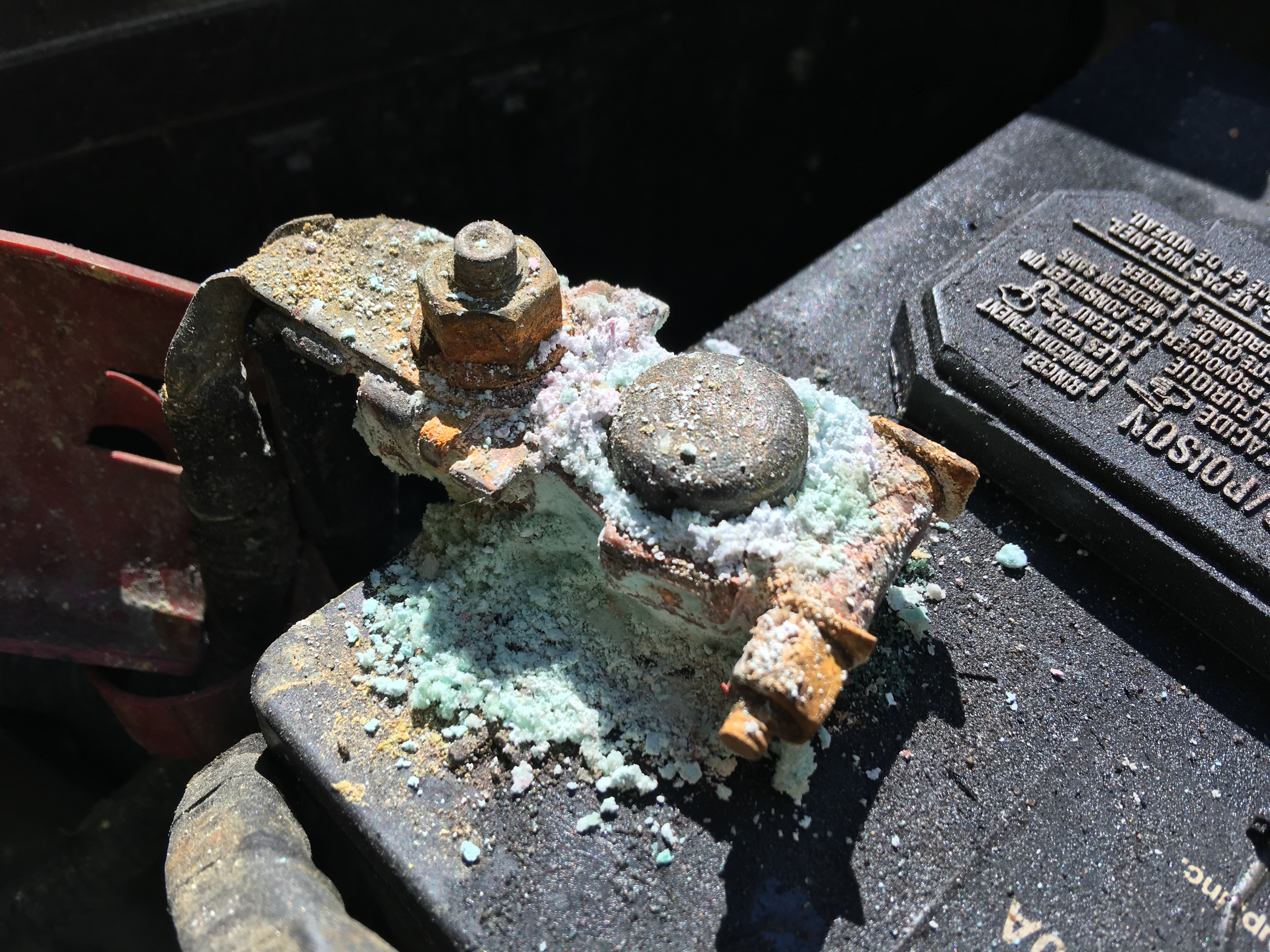
When a starter gets hot, internal resistance increases and worn internals can bind or draw more current. If your battery is aging, your terminals are crusty, or your ground strap is compromised, the starter may not get enough current to spin fast enough to start. Once everything cools, it works again.
What it feels like
- Slow crank after a short hot soak
- Starts fine in the morning
- Sometimes starts with a jump even though the battery is not truly dead
- Lights and radio may look normal, because those loads are tiny compared to a starter
Tests to do while it is failing
1) Measure battery voltage while cranking hot
- Hook a multimeter to the battery posts, not the cable ends.
- Have a helper crank the engine during the hot no-start.
- As a rule of thumb at moderate temperatures, voltage dropping below about 9.6V during crank suggests a weak battery or excessive draw. Treat this as a guideline, not a universal spec.
2) Do a voltage drop test on the starter cables
- This is my favorite because it finds bad cables and connections fast.
- Test the positive side (battery positive to starter main terminal) and the ground side (starter case to battery negative) while cranking.
- General DIY target: you want low drop on each side. Roughly 0.2 to 0.3V or less per side is a common goal on many vehicles, but consult service info if you have it.
- High voltage drop indicates resistance in cables, terminals, grounds, relay contacts, or the solenoid contacts.
3) Check solenoid signal if it is a no-crank
- If you can safely access the starter solenoid S-terminal, check for 12V at the S-terminal while the key is in START during the failure.
- If you have 12V and it will not crank, suspect the starter or solenoid.
- If you do not have 12V, suspect the starter relay, ignition switch control side, neutral safety or clutch switch, wiring, or a module that is not allowing crank.
4) Listen for the solenoid
- A single click with no crank often points to solenoid engagement but insufficient current or bad internal contacts.
- Rapid clicking often points to low voltage delivery.
5) Quick visual checks while it is hot
- Battery terminals tight and clean
- Engine ground strap intact
- Starter heat shield present, if your vehicle uses one
What to record when it happens
Intermittent problems get solved faster when you bring real details. When it acts up, jot down:
- Outside temperature and how long the engine was off
- Does it crank fast, slow, or not at all
- Does the tach move at all while cranking (some cars show it, some do not)
- RPM on a scan tool while cranking, if you have it
- Any stored or pending codes
- If key cycling helps
- If popping the hood and waiting makes it restart faster
What to do in the moment
I am not a fan of magic tricks, but a few practical steps can help you confirm the direction of the problem and sometimes get you moving.
- Give it time with the hood popped: Opening the hood helps heat escape faster. If it reliably starts after 15 to 30 minutes with the hood open, that supports heat soak as the root issue.
- Key cycle before cranking: If fuel pressure bleed-down is part of the problem, key cycling can help build pressure.
- Turn off electrical loads: Headlights, blower motor, rear defrost. This reduces load during cranking and can help a marginal starter circuit.
- If it cranks slow, do not grind it: Extended cranking can overheat the starter further and drain the battery, making diagnosis harder.
Avoid “starter tapping” unless you are already stranded and know exactly what you are doing. On some vehicles the starter is buried, and swinging tools near a hot exhaust is a good way to earn burns or worse.
Quick decision tree
Hot restart fails and it cranks normally
- Check RPM while cranking on a scan tool
- Check for spark while it is failing
- Check fuel pressure while it is failing
- If spark and pressure look good, consider heat-sensitive relays or ECU power feed issues
Hot restart fails and it cranks slowly or clicks
- Measure battery voltage during hot cranking attempt
- Run voltage drop tests on starter positive and ground sides
- If it is a no-crank, check for 12V at the solenoid S-terminal during START
- Inspect terminals and grounds for heat-related resistance
When to get help
If any of the following are true, it is smart to bring in a shop with proper tools:
- The car dies in traffic or the no-start is becoming more frequent
- You suspect a crank sensor but cannot access it or verify signal
- Fuel pressure testing requires special adapters or tank access
- You smell raw fuel strongly after repeated cranking
- Your vehicle is hybrid or EV and you are not trained on high-voltage safety
Intermittent hot failures are exactly where a shop’s scan tool data logging and in-the-moment testing can save you money. Replacing parts based on guesses gets expensive fast.
FAQ
Why does my car start after it cools down?
Because heat changes electrical resistance and mechanical clearances. A sensor can open internally when hot, a starter can draw more current when heat soaked, and fuel pressure can bleed down or fuel can aerate when everything under the hood heat soaks. Cooling removes the trigger, so the failure hides.
Can a bad battery cause a hot-only no-start?
Yes, especially if the battery is marginal. Hot soak increases starter load and can expose weak connections. Testing voltage under load during the hot failure is the proof.
Will a check engine light always come on with a bad crank sensor?
No. Many hot-only crank sensor failures are intermittent. You might get no light, a pending code, or a stored history code later. Use live data, especially RPM while cranking, when the no-start is happening.
How is this different from a car that will not start at all?
If it never starts, hot or cold, you are usually dealing with a consistent fault like a dead battery, a failed starter, immobilizer issue, blown fuse, or no fuel pressure all the time. A hot-only issue that “fixes itself” after cooling almost always points to heat soak related failures.