A healthy starting system has a certain sound and tempo: you hit the key, the starter spins the engine briskly, and the car lights off in a second or two. When it suddenly sounds lazy, like the engine is turning through molasses, that is slow cranking. It is one of those problems that tempts people to throw a battery at it, and sometimes that works. Other times, you just bought a battery and still have the same slow grind.
I have chased a lot of slow-crank complaints in the bay, and the pattern is consistent: the starter is not getting enough voltage under load, or the starter itself is dragging internally. The trick is separating slow crank from other no-start symptoms, then doing a couple of quick tests that tell you where the power is being lost.
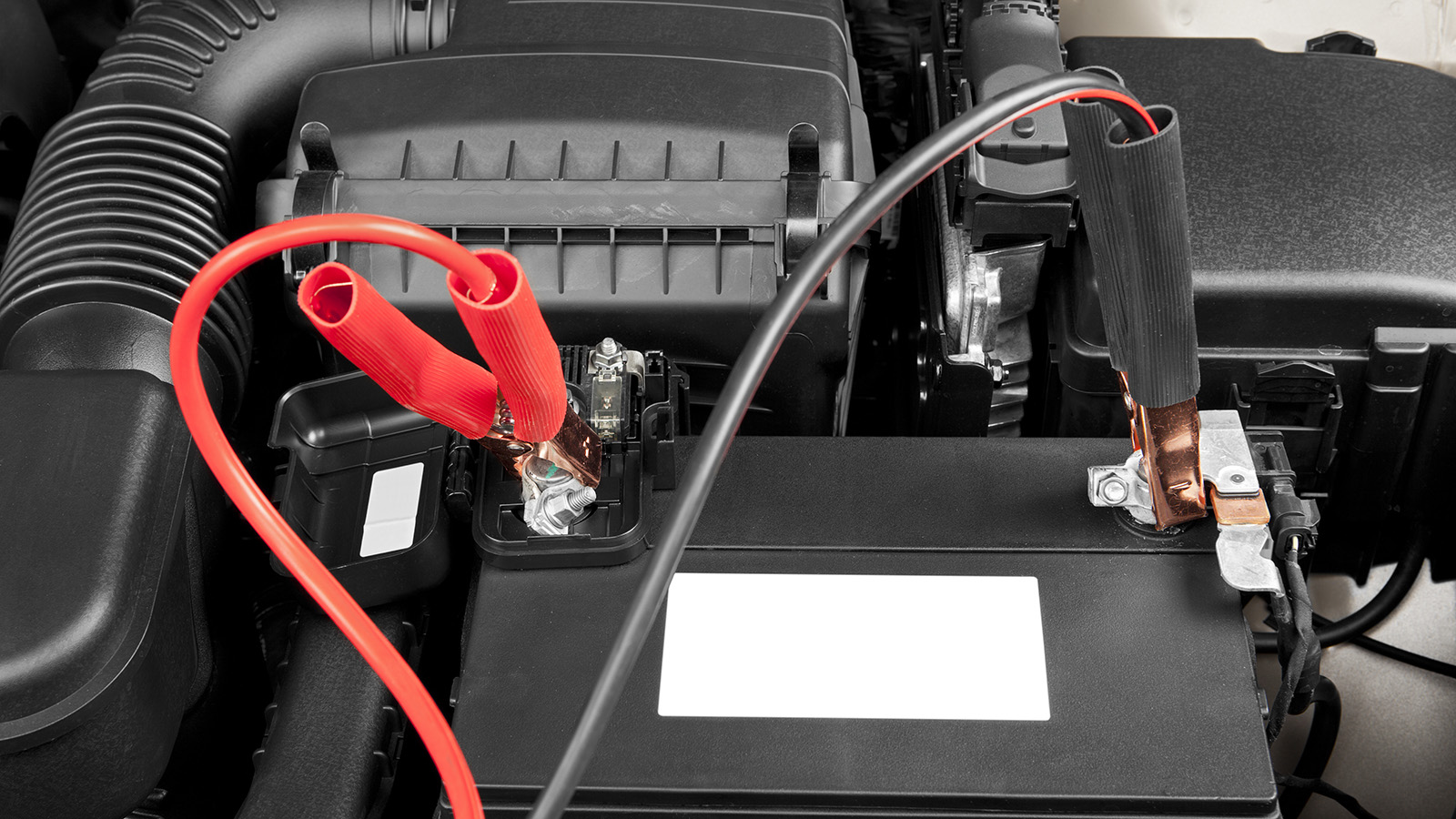
First, make sure it is actually slow crank
Before you test anything, listen and watch the dash. These three scenarios get mixed up all the time, and they do not share the same fixes.
Slow crank
- Sound: rrr… rrr… rrr… (engine turns, but noticeably sluggish)
- Dash: lights usually stay on but may dim a lot during cranking
- Most common causes: weak battery, high resistance in cables or grounds, thick oil in cold weather, failing starter
Single click, no crank
- Sound: one click (or repeated rapid clicks) and the engine does not turn
- Dash: may dim hard when you try to start
- Most common causes: very low battery, poor terminal connection, bad starter solenoid, bad starter relay, security or neutral safety issues
Completely dead dash
- Sound: nothing at all
- Dash: no lights, no chime, no power
- Most common causes: disconnected battery cable, blown main fuse or fusible link, failed battery, severe corrosion, poor ground connection
If your engine is turning, just slowly, keep reading. This article is for that exact “it wants to start but it is too weak” crank.
Start with the easiest checks
1) Check battery terminals and ground points
Slow crank is often just voltage loss at a connection. Make sure:
- The battery terminals are tight. You should not be able to rotate them by hand.
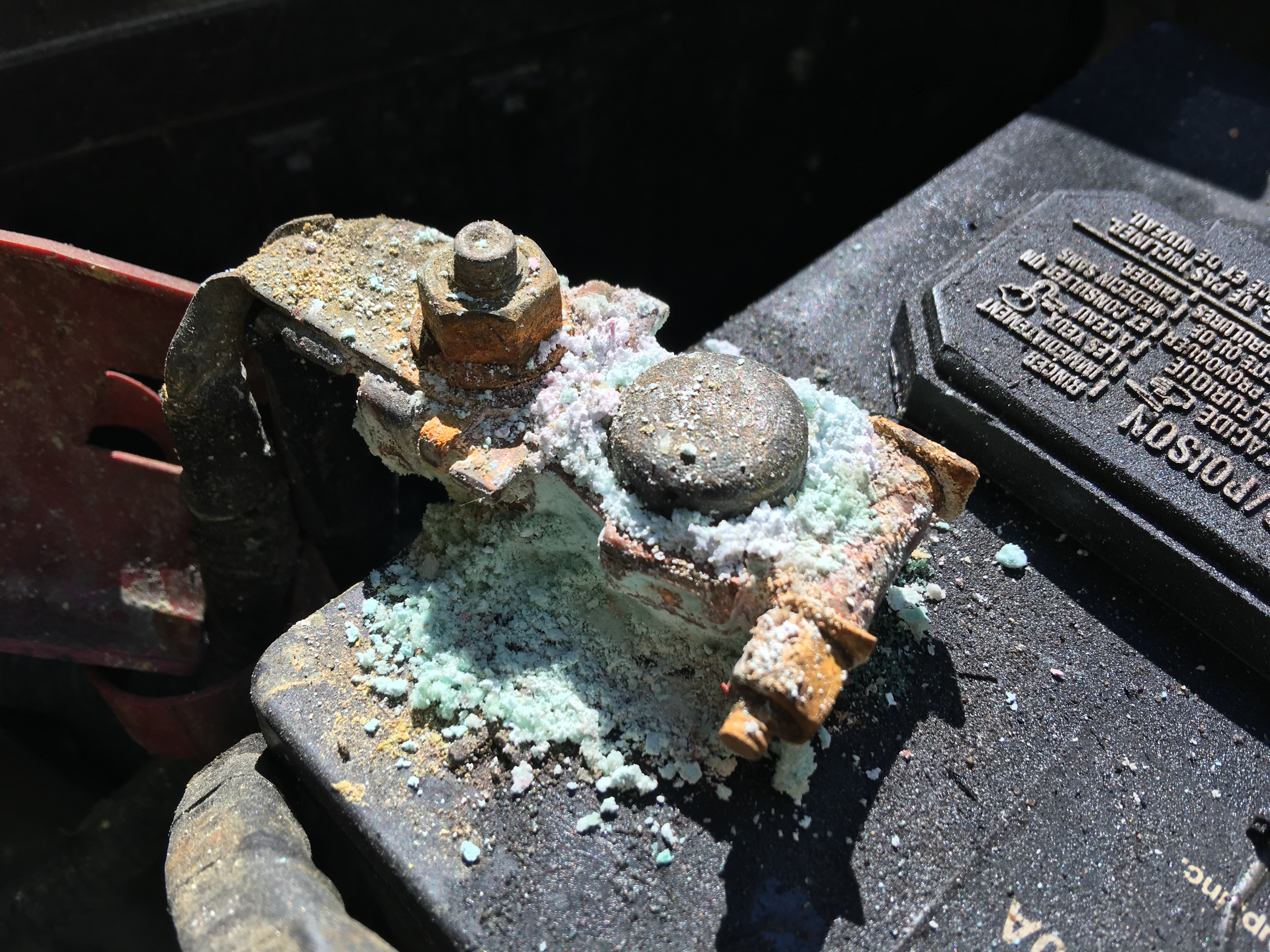
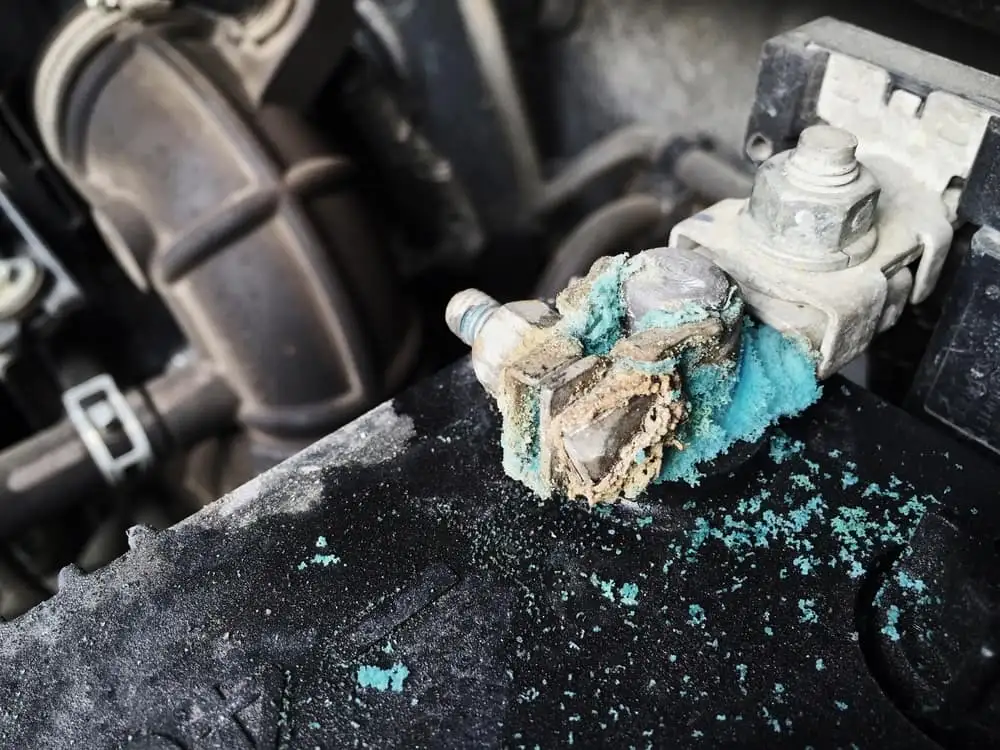
- The terminals are clean, not fuzzy, crusty, or oily.
- The negative cable connection to the body and engine is tight and clean.
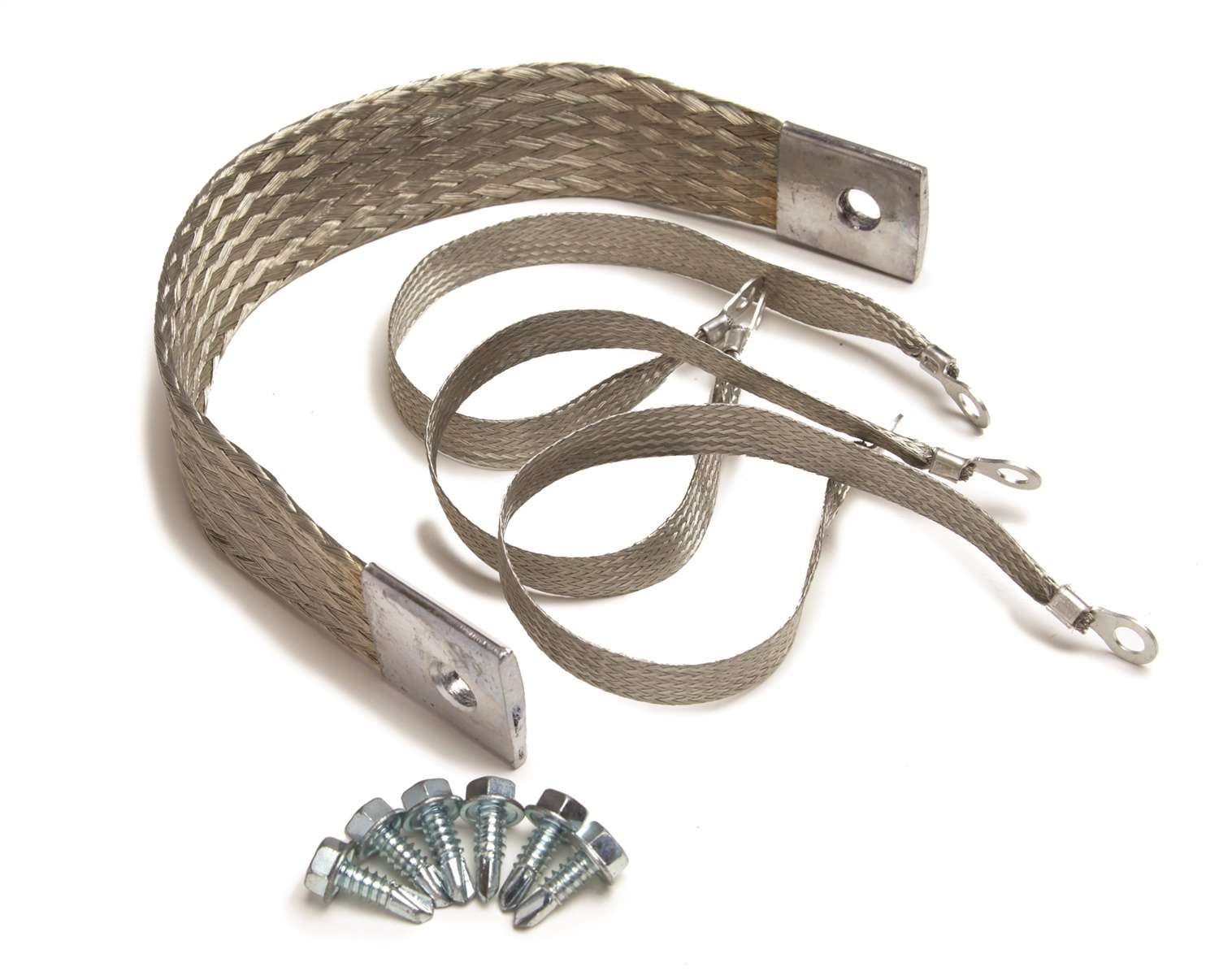
A sneaky one: on many cars the negative cable bolts to the body and there is a braided ground strap from engine to chassis. If that strap is loose, cracked, or green with corrosion, the starter can crank slow even if the headlights look fine.
The voltage-drop test
This is my go-to for slow crank because it tests the system under load. A battery can show 12.6 volts at rest and still fall on its face when the starter draws heavy current.
You need: a digital multimeter and a helper (or a remote starter switch).
Safety note: keep hands, hair, and clothing away from belts and fans. Set the parking brake. Put the car in Park or Neutral.
What voltage drop means
In a perfect world, the starter would get almost all the battery voltage. In the real world, cables, terminals, and grounds have a little resistance. Under heavy starter load, that resistance “uses up” voltage.
Important: in these tests you are not measuring system voltage at one point. You are measuring the difference between two points while cranking, so the meter should show a small number. A bigger number means you found where voltage is being lost.
Note on specs: the targets below are common guidelines that work well in the driveway. Exact allowable drops vary by vehicle, cable length, and starter design. If you have service manual specs for your car, use those.
Step 1: Measure battery voltage while cranking
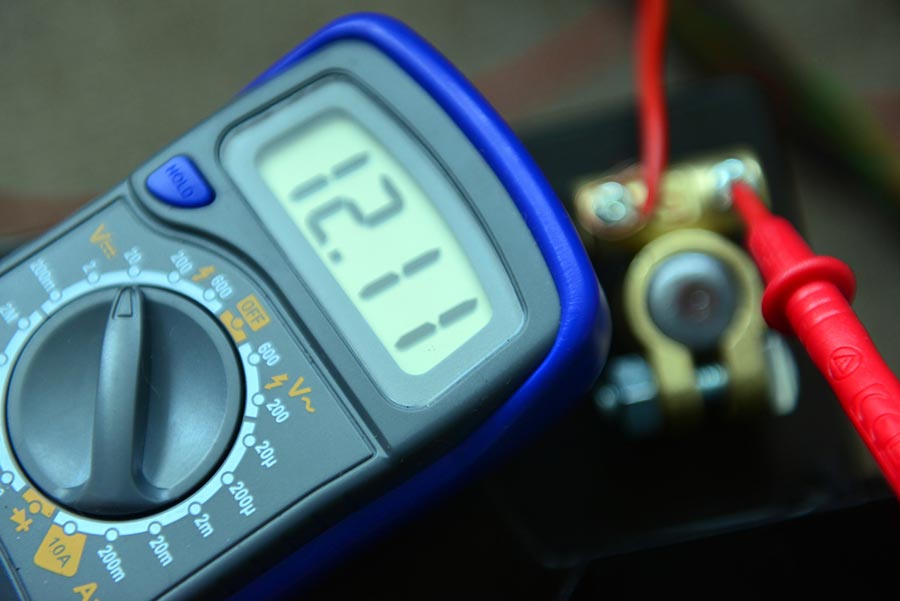
- Meter leads on the battery posts (not the cable ends). If your vehicle has remote jump posts, use those if the manual calls for it.
- Have your helper crank for 3 to 5 seconds while you watch voltage.
Rule of thumb: If voltage drops below about 9.6 volts during cranking at around 70°F (21°C), something is not happy. That can be a weak battery or a starter that is drawing excessive current. In cold weather you can see lower numbers, but it should still crank strongly.
Step 2: Test the positive side voltage drop
- Put the red lead on the battery positive post.
- Put the black lead on the starter main power stud (the big terminal with the thick cable).
- Crank the engine and read the meter.
Common guideline: roughly 0.2 to 0.5 volts drop on the positive side while cranking. If you see over 0.5 volts, you have excessive resistance between the battery and starter: corroded terminal, damaged cable, loose connection at the starter, or an issue in a junction block.
Step 3: Test the ground side voltage drop
- Put the red lead on the starter housing (bare metal).
- Put the black lead on the battery negative post.
- Crank and read the meter.
Common guideline: about 0.2 to 0.3 volts on the ground side. If you are seeing over 0.3 to 0.5 volts, the ground path is the problem: battery terminal, body ground, engine ground strap, or corrosion where the starter mounts to the engine.
Total drop sanity check: on many vehicles, battery positive post to starter case during cranking is ideally kept under about 0.5 to 1.0 volts total. Again, check service info if you have it.
Quick interpretation:
- High positive drop: focus on the positive cable, terminals, and power distribution.
- High ground drop: focus on grounds and starter mounting surface.
- Both normal but still slow: the battery may be weak under load, the oil may be too thick for the temperature, or the starter is dragging.
When the battery is the problem
I hear this all the time: “But the radio works and the headlights are bright.” That is normal. Headlights are a modest load compared to a starter. Low beams on many cars are often in the ballpark of 8 to 15 amps total, while the starter can demand well over 100 amps.
If your voltage-drop numbers point away from cables and grounds, the next question is whether the battery can deliver cold cranking amps (CCA).
What to do
- Check the battery label for its CCA rating.
- If the battery is more than 3 to 5 years old, or you live where winters are real, have it load-tested at an auto parts store or with a proper battery tester.
Tip from the shop: A battery can pass a simple voltage check and still fail a true load test. If your car slow-cranks most noticeably after sitting overnight, that is classic weak-battery behavior.
Cold weather and thick oil
When temperatures drop, two things happen at once:
- The battery’s chemical reaction slows, so it delivers less current.
- Engine oil thickens, so the starter has to work harder to turn the crankshaft.
If your car cranks fine at 60°F but slow at 15°F, that is a strong clue.
Check oil viscosity
Use the viscosity recommended on your oil cap or in the owner’s manual. Going thicker “for protection” can backfire in winter. For example, a car that calls for 5W-30 may crank noticeably slower with 10W-40 when it is cold out.
If you just had an oil change and the slow crank started right after, double-check what was used.
Dragging starter
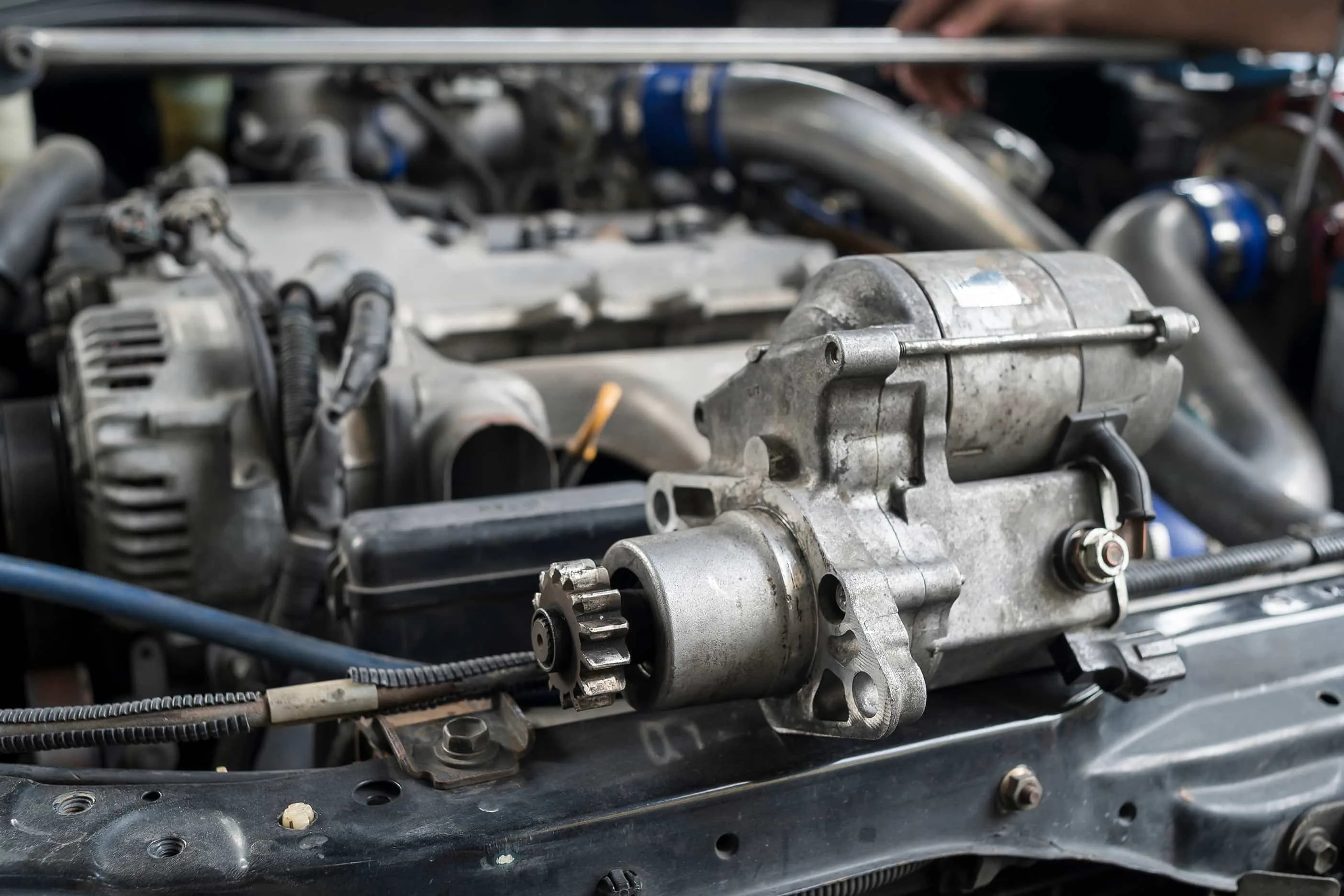
Sometimes the battery and cables are fine and the starter still turns slow because it is worn internally. Common causes include worn bushings (armature drags), burnt contacts, or heat-soak issues where the starter acts up when hot.
Clues that point to the starter
- Voltage drop looks good (both sides within guideline), but crank speed is still slow.
- Intermittent slow crank that gets worse when the engine is hot.
- One “good” crank after tapping the starter housing lightly (not a fix, but a clue).
- Burnt smell or visible heat damage near the starter.
A professional shop can confirm with a current draw test. Excessive amperage draw with normal voltage drop is a classic sign of a dragging starter.
Driveway decision tree
- Slow crank + battery cranking voltage under 9.6V: charge and load-test the battery. If the battery tests good, suspect excessive starter draw.
- Slow crank + positive voltage drop over 0.5V: clean and tighten terminals, inspect or replace positive cable or connections.
- Slow crank + ground voltage drop over 0.3 to 0.5V: service grounds, check engine ground strap, clean mounting points.
- Slow crank only when cold: confirm proper oil viscosity and battery health for winter.
- Voltage drop normal + still slow, especially hot: suspect a dragging starter.
When to stop and get help
If you are seeing melted insulation at the battery cable, smoke, very hot cables after a few start attempts, or you have to crank for extended periods, stop. High resistance can create a lot of heat fast, and starter circuits are not forgiving.
If you want to do cranking tests without the engine starting, do not guess. Many vehicles have safe procedures in service information for temporarily disabling fuel or ignition during testing, and others do not. If you are unsure, it is worth having a shop do a starting and charging system test.
Also, if your vehicle is a hybrid or EV with a 12-volt system (most still have one), the same voltage-drop logic applies, but access and procedures vary. If you are unsure where to safely place meter leads, let a shop handle it.
FAQ
Can a car crank slowly with a good alternator?
Yes. The alternator does not do the heavy lifting during cranking. Starting is mostly the battery, cables, grounds, and starter. A weak alternator can cause a weak battery over time, but a slow crank in the moment is usually not “the alternator failing right now.”
Why does my car crank slow after I drive it, then start fine later?
That pattern often points to heat soak in the starter or a marginal connection that changes resistance when hot. A voltage-drop test performed hot, right after the problem happens, is especially useful.
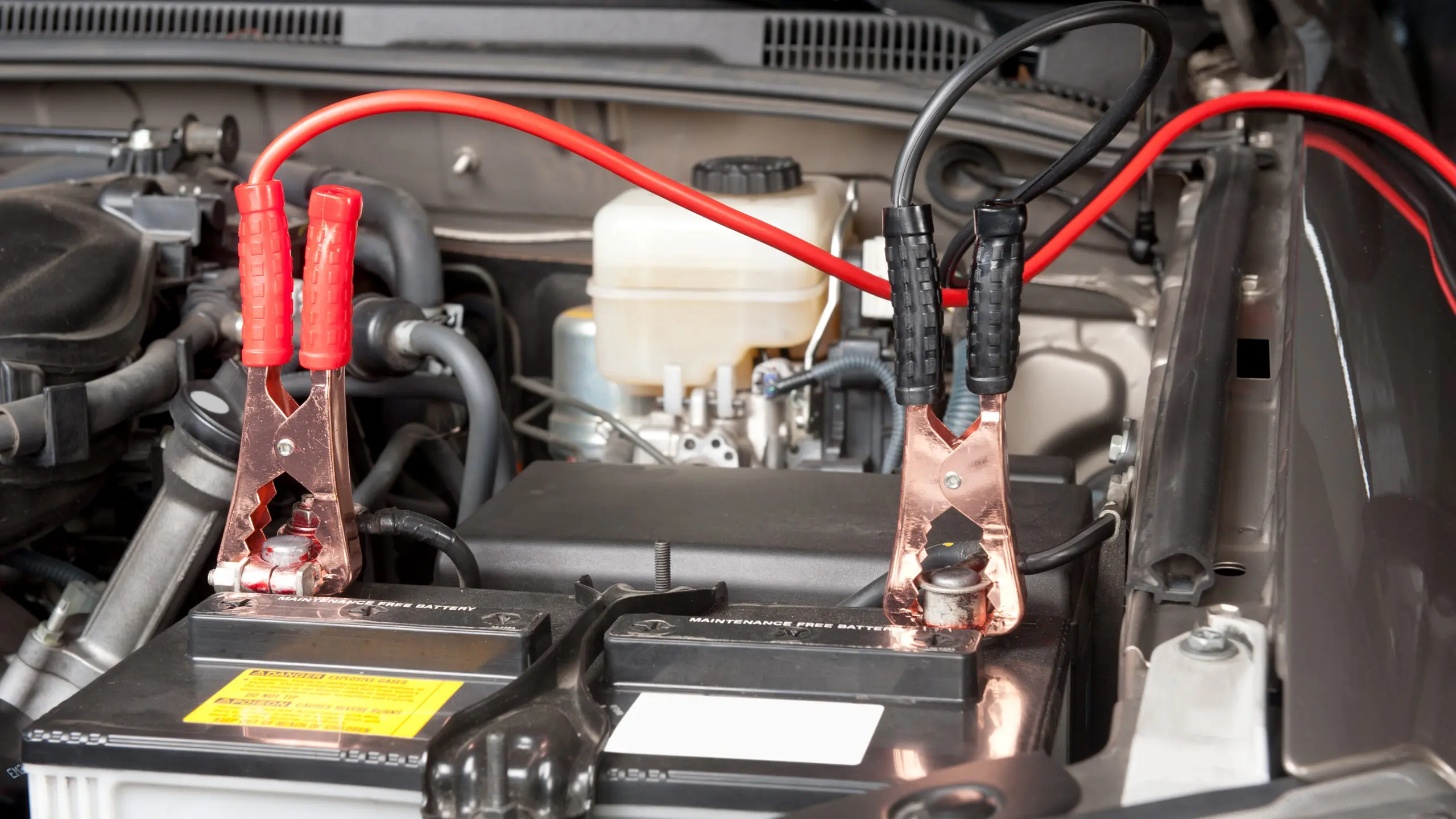
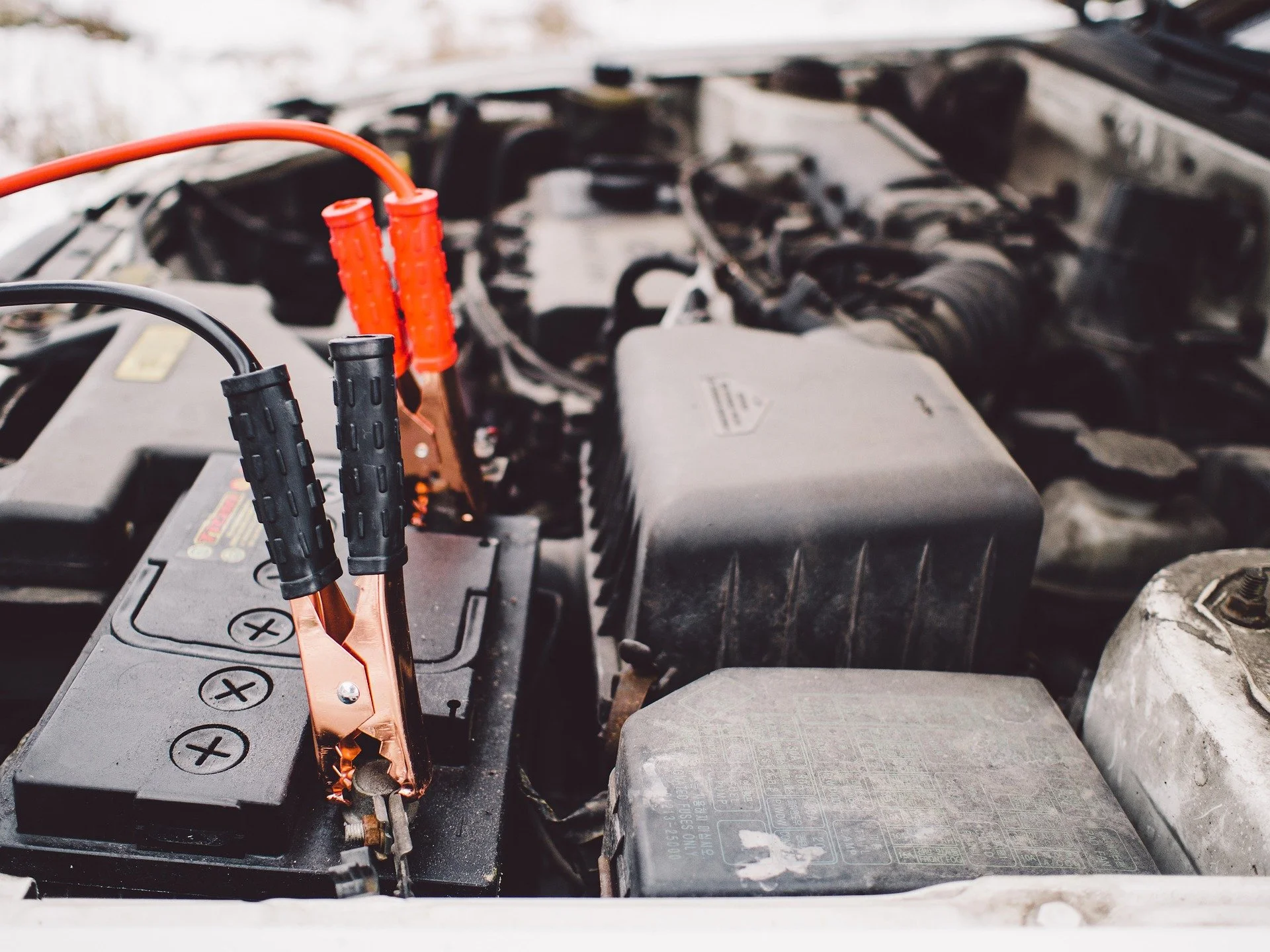
Is jump-starting a good test?
It is a clue, not a final answer. If a jump makes it crank fast, your battery is likely weak. But you can also “jump past” a slightly bad connection by adding extra available current. Use jump-starting as a hint, then confirm with voltage-drop numbers.
If my battery keeps testing weak, what next?
Then you zoom out. A battery that repeatedly goes low can be caused by a charging problem, a parasitic draw while the car sits, or simply an old battery that will not hold capacity anymore. That is a separate diagnosis from slow crank in the moment, but it is the right next step once you have the car starting reliably.