If your car acts totally fine in October but struggles to start the first cold morning of the year, you are not imagining it. Cold weather hits your battery from two directions at once: it reduces how much power the battery can deliver, and it increases how much power your car needs to crank and run.
I have watched plenty of perfectly “okay” batteries fail the minute temperatures drop. Winter does not create battery problems out of thin air, but it absolutely exposes the ones that were already brewing.
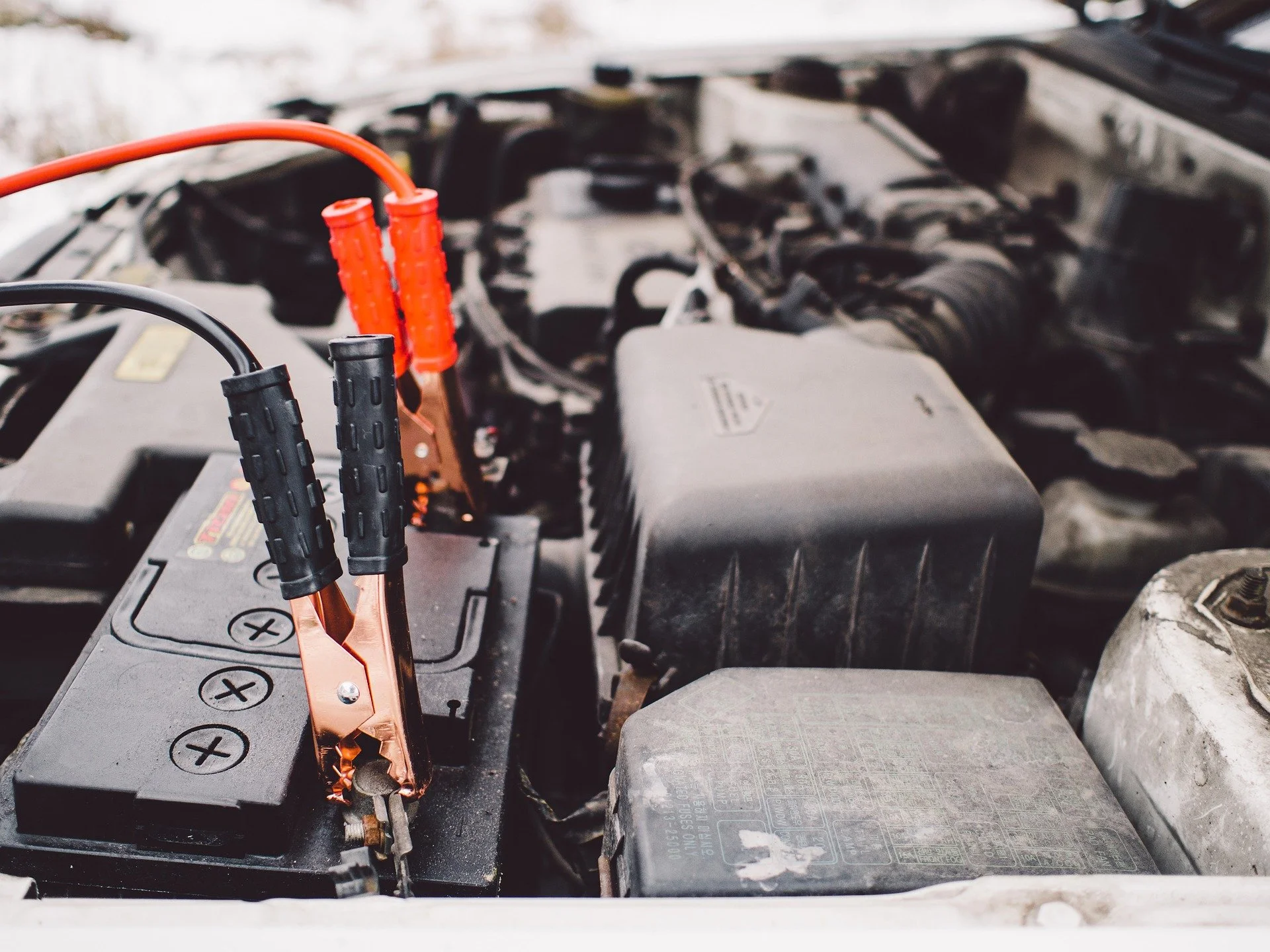
Cold slows battery chemistry
Most gas and hybrid vehicles on the road still rely on a 12-volt lead-acid battery (including AGM batteries). These batteries make electricity through a chemical reaction. When temperatures drop, that reaction slows down. Slower chemistry means less available current when you need it most.
Two quick truths that explain most winter battery drama:
- Your battery produces less power in the cold. As a rough rule of thumb, a fully charged lead-acid battery can lose about 30% to 40% of its available starting power around 0°F compared with warm-weather temps.
- Your engine needs more power to start in the cold. Engine oil thickens, internal friction increases, and the starter has to work harder and longer.
So on a cold morning, you are asking for more cranking power from a battery that is temporarily weaker. If the battery is even slightly aged or undercharged, the margin disappears.
Parked cars still draw power
Modern vehicles are packed with modules that stay awake in the background. Even with the key out, many cars keep a small amount of electronics powered for memory functions, security systems, keyless entry, cellular connections, and more.
This is called parasitic draw , and it is normal up to a point. The problem is that cold weather reduces battery performance, so the same “normal” draw can push a borderline battery over the edge.
Common winter-friendly habits that increase draw
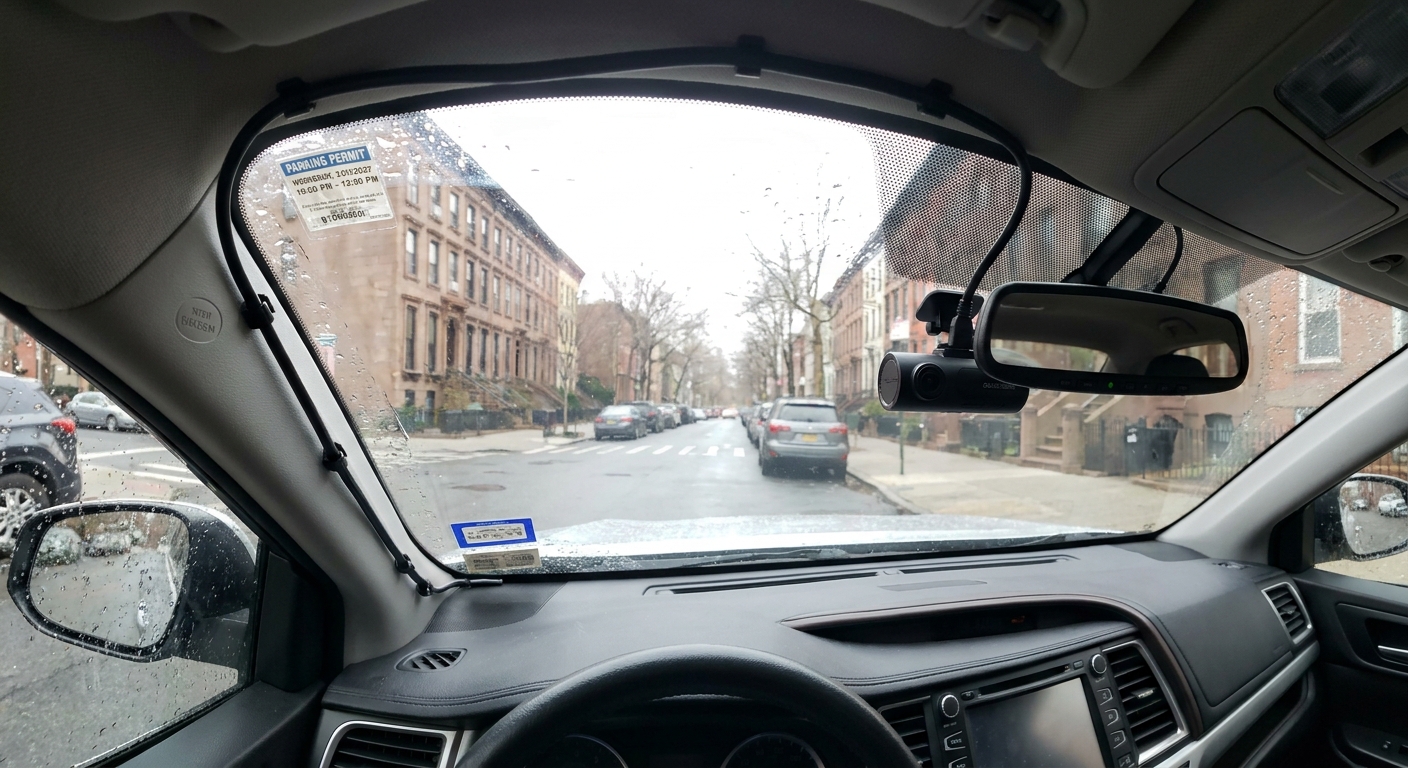
- Leaving a dash cam plugged in 24/7
- Charging devices from the car when the car is off
- Aftermarket remote starters or alarms with sloppy wiring
- A weak battery that holds less usable charge and may self-discharge more with age
One more wrinkle: in very cold conditions, a battery that is not fully charged is more likely to freeze, which can permanently damage it. A fully charged lead-acid battery can handle extreme cold, but a mostly discharged one can freeze around 20°F (about -6°C). If you live in a cold climate, keeping the battery healthy and charged is not just about convenience, it is about avoiding internal damage.
Short trips hit batteries hard
Short-trip driving is one of the biggest reasons “newer” batteries feel like they die early in cold months. Here’s what happens:
- Starting the car takes a big bite of energy.
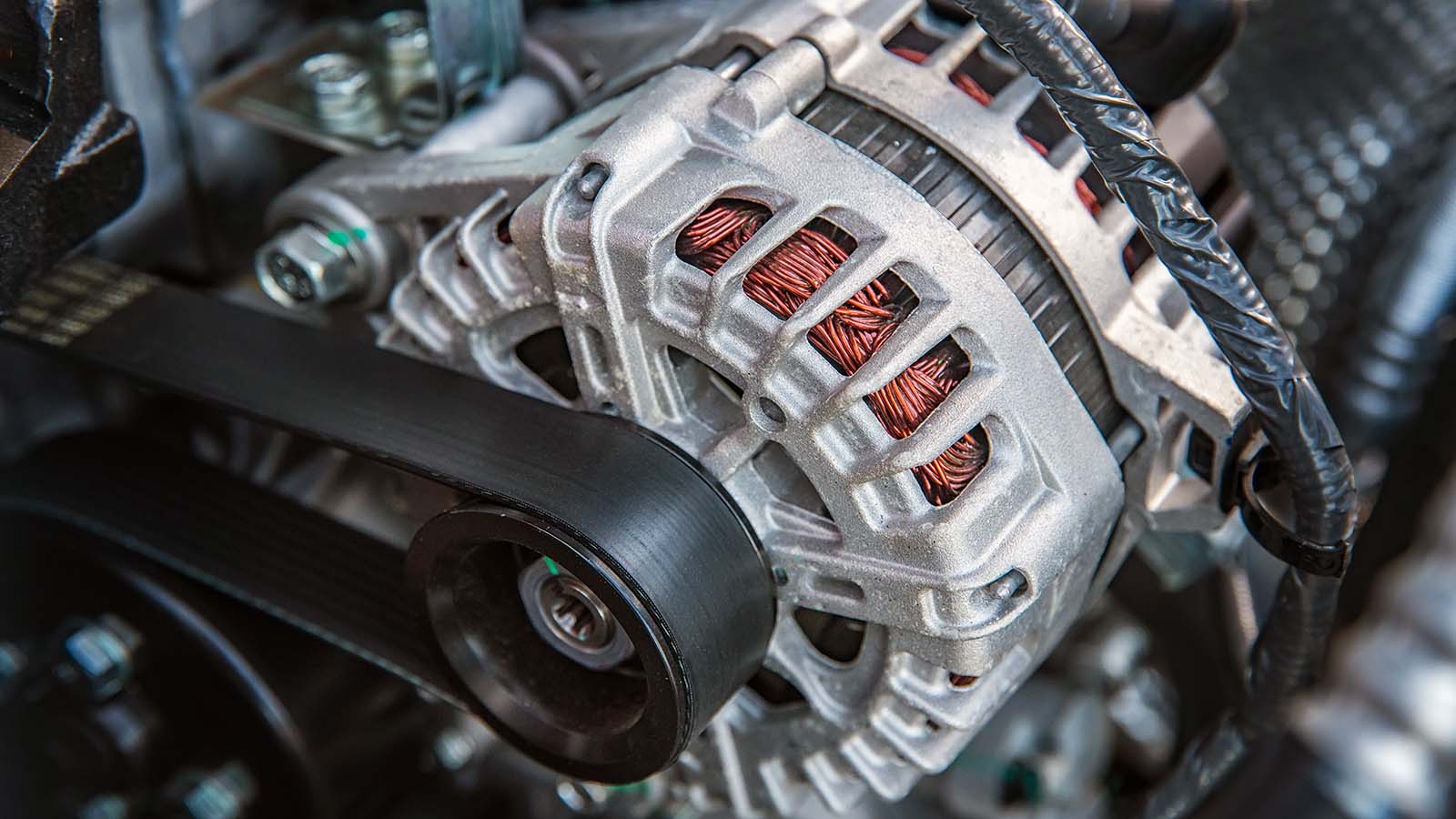
- Your alternator needs time at a decent engine speed to put that energy back.
- In winter, you often run more electrical loads: headlights, rear defroster, heated seats, blower motor, wipers, and sometimes steering wheel heat.
If your typical drive is 5 to 10 minutes, the alternator may not fully replenish what the start took out, especially with accessories on. Do that day after day and your battery lives in a constant state of partial charge, which accelerates wear.
Quick tip
If your routine is mostly short trips, try to give the car a longer drive once a week (20 to 30 minutes) or keep the battery topped off with a quality battery maintainer, especially if you park outside.
Charging issues show up in cold
A healthy alternator and charging system can mask a lot of battery weakness in warm weather. In the cold, the whole system is under more stress, and small problems become big ones.
Common charging-related issues that contribute to winter battery drain include:
- Worn serpentine belt that slips more easily in cold or wet conditions
- Weak alternator output that cannot keep up at idle with lots of accessories on
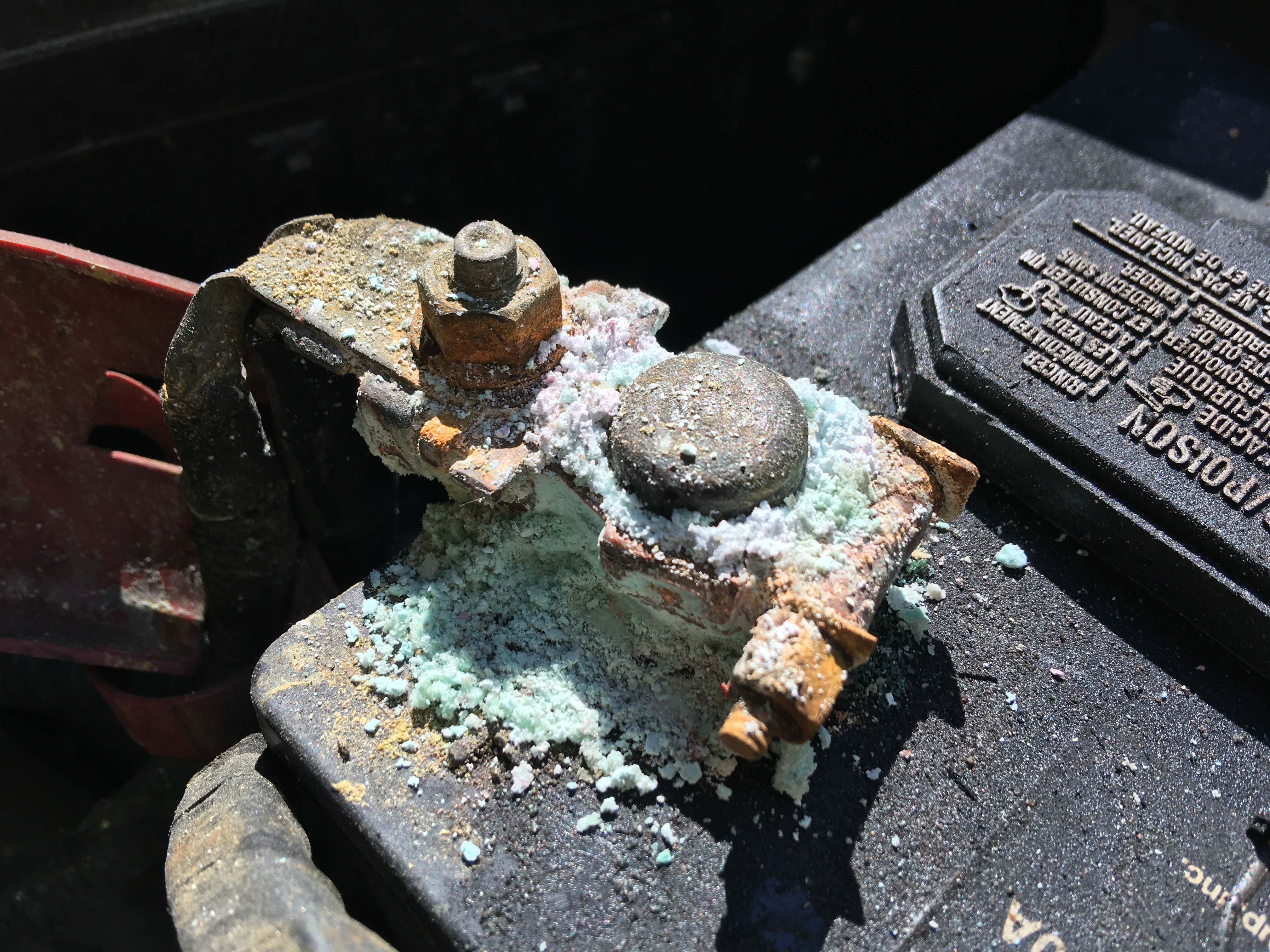
- Corroded battery terminals that add resistance and reduce charging effectiveness
- Poor ground connections that create voltage drop under load
Also, many modern vehicles manage alternator output strategically for fuel economy. That is normal, but it means a battery that is already marginal may spend more time slightly undercharged, especially with short-trip use.
Easy driveway checks
You do not need a full shop setup to get useful answers. A few simple checks can tell you if you are dealing with a worn battery, a charging issue, or a drain while parked.
1) Check battery age
Most batteries have a date code on the label or stamped into the case. If your battery is 3 to 5 years old, winter is often when it starts to show its age. In hot climates, it can be even sooner.
2) Check terminals and cables
Pop the hood and inspect the battery terminals:
- Terminals should be tight and not rotate by hand.
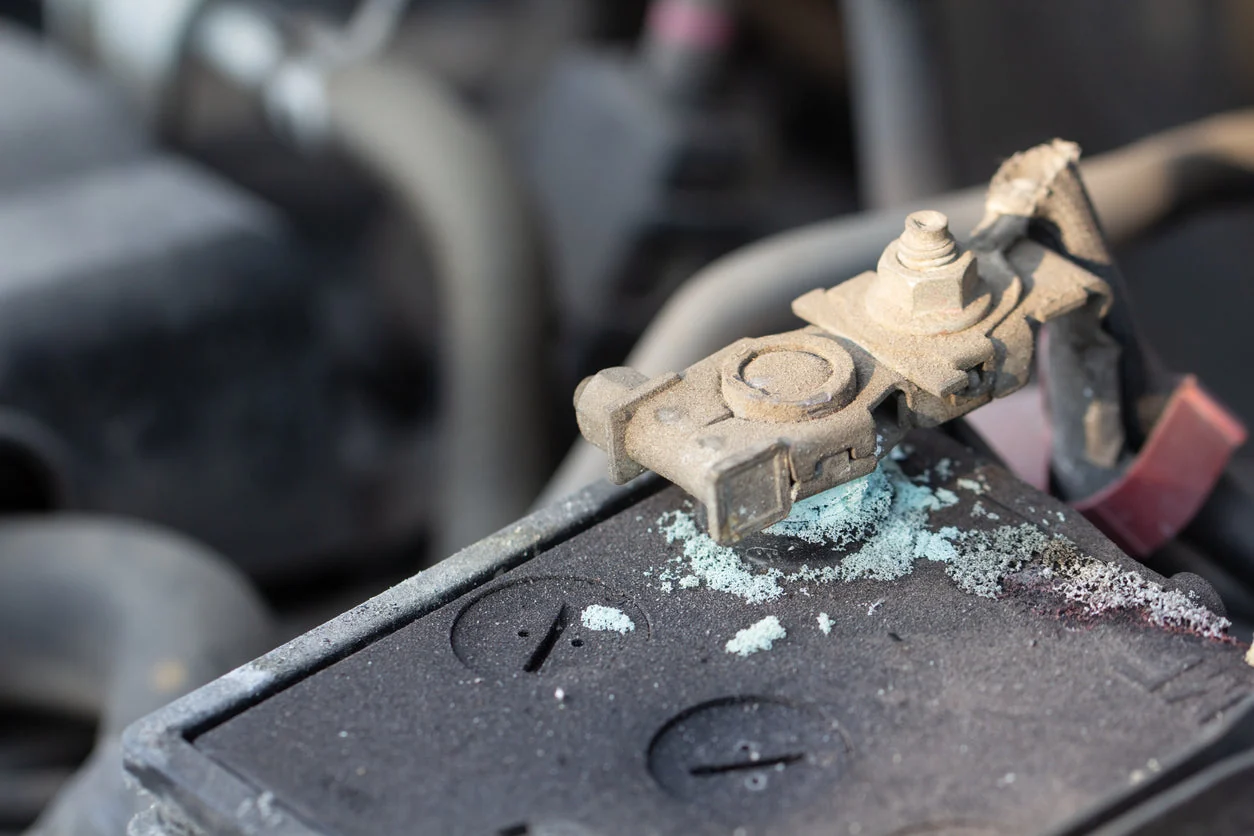
- Look for powdery white, blue, or green buildup on the posts and clamps.
- Check that the cables are not swollen, cracked, or oil-soaked.
Cleaning terminals and tightening connections can make a night-and-day difference, especially if your symptoms are intermittent.
Safety note: If you clean corrosion, wear eye protection and gloves. Disconnect the negative terminal first, reconnect it last, and keep tools from bridging the terminals. A little baking soda and water can neutralize acid residue, but avoid getting liquid inside battery vents.
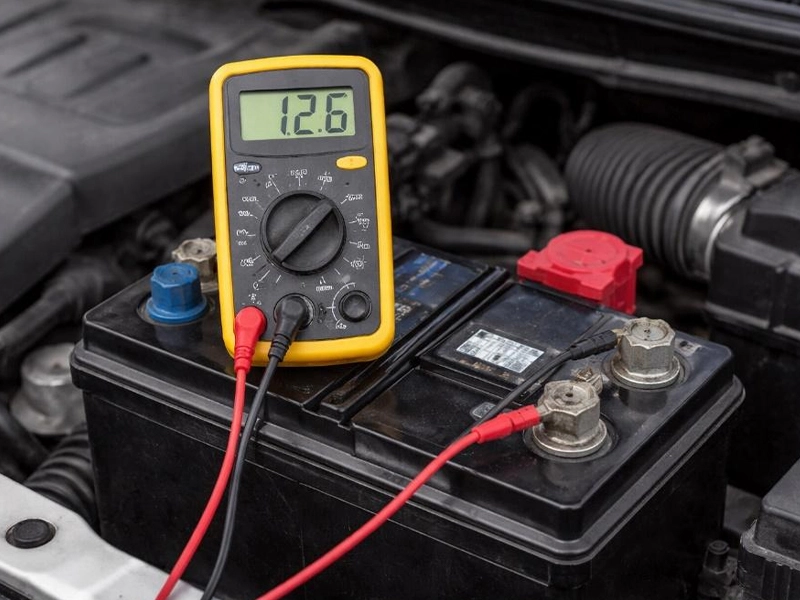
3) Check voltage with a multimeter
This is the best low-cost check. Let the car sit off for a few hours (overnight is ideal), then measure across the battery posts. Resting voltage varies with temperature, but these are good ballpark numbers around typical conditions:
- 12.7 to 12.8V is usually a fully charged battery at rest.
- 12.4V is roughly about 75% charged.
- 12.2V is getting low.
- 12.0V or below is essentially discharged and often points to a charging problem, parasitic draw, or an aging battery.
Next, start the engine and measure again:
- Many cars will show roughly 13.8V to 14.6V while running (exact numbers vary by vehicle and temperature).
If running voltage stays in the low 12s consistently, your car is not charging correctly and the battery is just along for the ride. One caveat: some smart-charging systems will dip voltage at times on purpose, so if you see it bounce around, check it again with the headlights and blower on, or have the system tested to be sure.
4) A simple parasitic draw reality check
If the car starts fine after a drive but is dead the next morning or after sitting for a day or two, suspect a draw. The proper test uses an ammeter in series and requires care because modern modules need time to go to sleep.
Be careful here. Incorrect meter hookups can blow fuses, wake up modules, or cause other headaches. Disconnecting batteries can also erase presets and, on some vehicles, create relearn steps. If you are not comfortable, a shop can test draw quickly.
But you can still do a practical check at home:
- Remove USB chargers and unplug accessories.
- Temporarily disable or unplug aftermarket add-ons if possible (dash cams, remote starters, audio gear).
- See if the symptom changes over a few days.
If the issue improves with accessories unplugged, you have a direction to investigate.
Signs your battery is done
Batteries usually give hints before they quit completely. In cold weather, those hints get louder.
- Slow crank or a “rr-rr-rr” start that feels lazier each morning
- Rapid clicking from the starter relay or solenoid when you turn the key
- Needing a jump start more than once in a season
- Headlights dim noticeably when you crank the engine
- Electrical glitches like radio resets, flickering interior lights, or random warning messages after a cold start
- Swollen battery case or acid smell (replace immediately and handle with care)
If you see a combination of these and the battery is several years old, you are usually better off replacing it before you get stranded.
What helps most in winter
If you want the biggest real-world improvement with the least drama, focus on these:
- Keep the battery fully charged. A maintainer is a game changer for vehicles that sit.
- Clean and tighten terminals. Good connections matter more in cold weather.
- Reduce accessory load on short trips. Rear defroster and high blower speed are heavy draws.
- Park smarter when you can. A garage or even parking out of the wind helps.
- Replace an old battery proactively. Waiting for “one more winter” is how you end up calling for a jump in the dark.
A quick note on chargers: a battery maintainer is for keeping a good battery topped off during storage. If your battery is already low, use a proper charger to bring it back safely, and avoid bargain trickle chargers that can overcook a battery if left on too long.
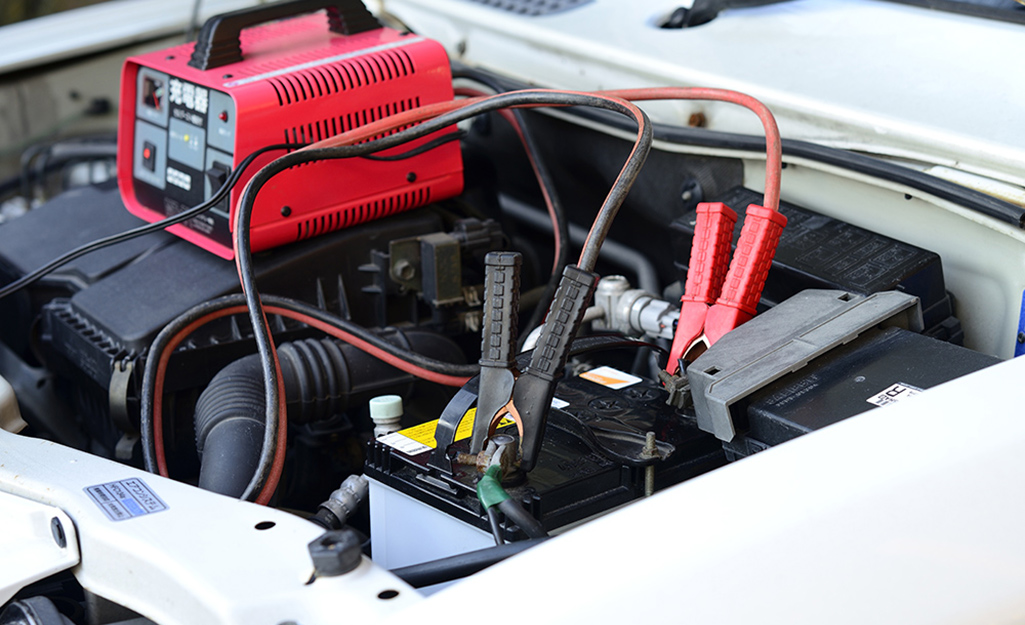
And if you do need a jump start, do not assume a short drive “fixed it.” A jump gets the engine running, but it can take a proper charge cycle to fully recover the battery. Repeated jump-starting can also stress electronics, so treat it like a warning sign, not a routine.
Quick FAQ
Is it normal for a battery to die overnight when it is cold?
No. Cold weather can reduce available power, but a true overnight failure usually points to a weak battery, an abnormal parasitic draw, or a charging system that is not replenishing the battery.
Why does my car start fine after a jump, then die again later?
A jump start gets you running, but it does not fix the cause. If the battery is sulfated or aged, it may not accept or hold a full charge. If the alternator is weak, the battery never recovers. If there is a draw, it will discharge again once parked.
Do EVs and hybrids have the same cold-weather battery issue?
They can. Hybrids and EVs still use a 12-volt battery to run computers and close high-voltage contactors. Cold weather and short trips can stress that 12-volt system too. The big traction battery is a separate topic, but it also experiences reduced performance in cold temperatures.
What about diesel trucks?
Diesels can be even more sensitive to winter starts. Higher compression, thicker oil, and glow plugs (or intake heaters) can all increase demand. That is why many diesels use higher-CCA batteries and sometimes dual batteries.
When to get it tested
If your battery is over three years old, you have slow cranking, or your multimeter readings look questionable, get a proper battery test. Most parts stores can do a load test, and many shops can test the full starting and charging system. A battery can show “12.7V” at rest and still fail under load, so a real test is worth it when winter reliability matters.
If you want to avoid guesswork, test it before the first deep cold snap. Your future self, standing in a parking lot at 6 a.m., will appreciate it.