Most alternators do not die in a dramatic moment. They usually give you a string of small warnings first, especially at night, in the rain, or when you are sitting in traffic with the headlights and A/C running. If you catch those clues early, you can avoid the classic scenario: the car runs fine until it suddenly does not, and then you are stuck with a dead battery that was never the real problem.
This guide walks you through the practical signs of a failing alternator, quick checks you can do in your driveway, what the dashboard lights are actually telling you, and how alternator problems differ from a plain old weak battery.
What the alternator does
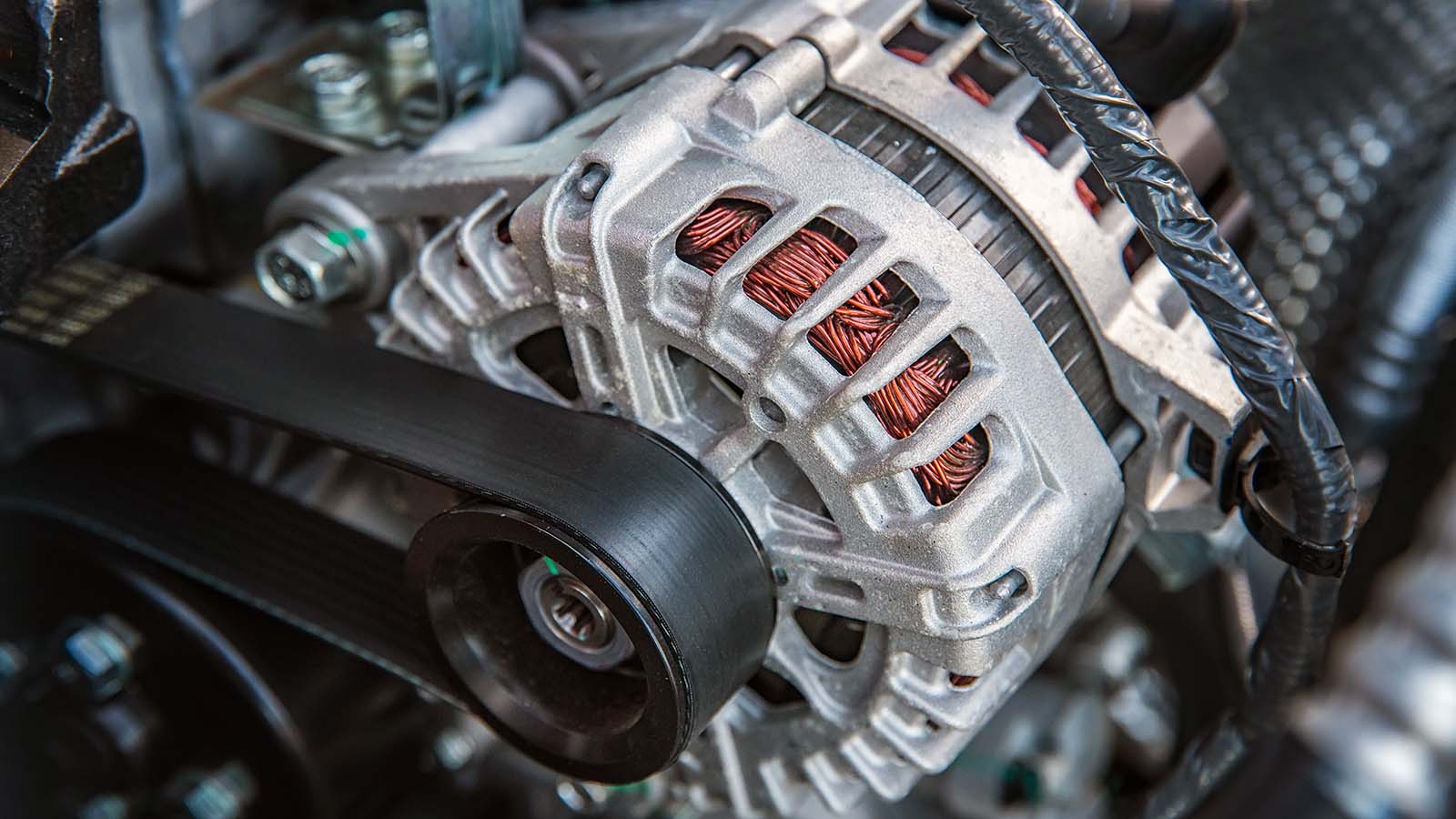
Your alternator has two jobs:
- Power the car’s electrical system while the engine is running (fuel pump, ignition coils, ECU, lights, blower motor, heated seats, and so on).
- Recharge the battery after starting, and keep it topped off.
When the alternator starts failing, the car often continues running for a while because the battery picks up the slack. But that is temporary. Once the battery voltage drops too far, modern cars get weird fast: warning lights multiply, the transmission can shift poorly, steering assist may change, and eventually the engine can stall.
Early warning signs
1) Dimming or flickering lights
This is one of the most common early tells. Watch for:
- Headlights that pulse brighter and dimmer with engine speed
- Interior lights that flicker at idle
- Dashboard backlighting that seems uneven or unstable
A healthy charging system should keep lighting mostly steady even at a stoplight. A small dip when a big load kicks on (radiator fan, rear defroster) can be normal, especially on older vehicles.
2) Battery light that comes and goes
That little battery icon is often misunderstood. It usually means the charging system is not charging the way the car expects. It can be caused by a failing alternator, a slipping belt, wiring issues, or even a blown alternator fuse on some vehicles.
If the battery light flickers, especially when you turn on accessories (blower motor, rear defroster), take it seriously. Intermittent alternator failures are real, and they tend to become permanent at the worst time.
3) Electrical gremlins
Low system voltage can cause symptoms that feel unrelated to charging, such as:
- Power windows moving slower than usual
- Radio cutting out or rebooting
- Dash gauges acting odd
- Backup camera glitches
- Random warning messages that clear after a restart
When voltage is unstable, modules can behave like they are failing even though they are fine.
4) Burning smell
A failing alternator can overheat internally, or the belt can slip and get hot on the pulley. If you notice a sharp, hot electrical smell or a rubbery belt smell, pop the hood when it is safe and take a look. Do not ignore smoke.
5) Whining noise with RPM
Alternators can develop bearing noise. A classic symptom is a high-pitched whine that rises and falls with engine speed. Sometimes you will hear it more with the hood up, near the belt drive side of the engine.
6) Hard starts or repeated dead batteries
If your battery is fairly new but keeps going dead, the alternator may not be replenishing it. Many people replace the battery first (reasonable), but if the new one dies again, it is time to test the charging system.

Quick checks at home
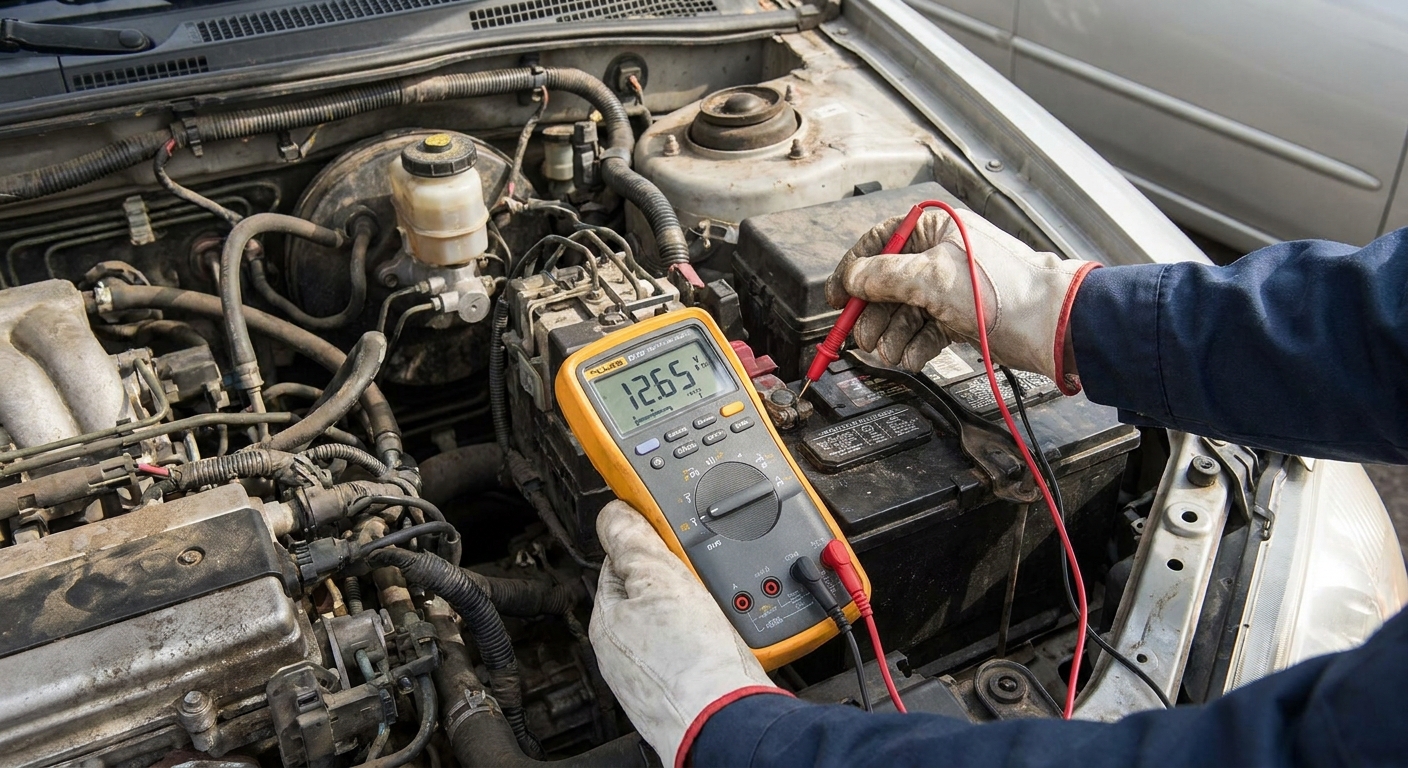
If you have a basic digital multimeter, you can learn a lot in 5 minutes. You are looking for two things: battery health at rest and charging behavior while running.
Before you test anything, do a quick visual check: make sure the serpentine belt is present, not shredded, and not obviously loose. A broken belt (or failed tensioner) can cause an instant no-charge situation.
Safety first
- Keep hands, hair, hoodie strings, and tools away from belts and fans.
- Set the parking brake and work on level ground.
- If you see frayed belt material or a wobbling pulley, shut it down.
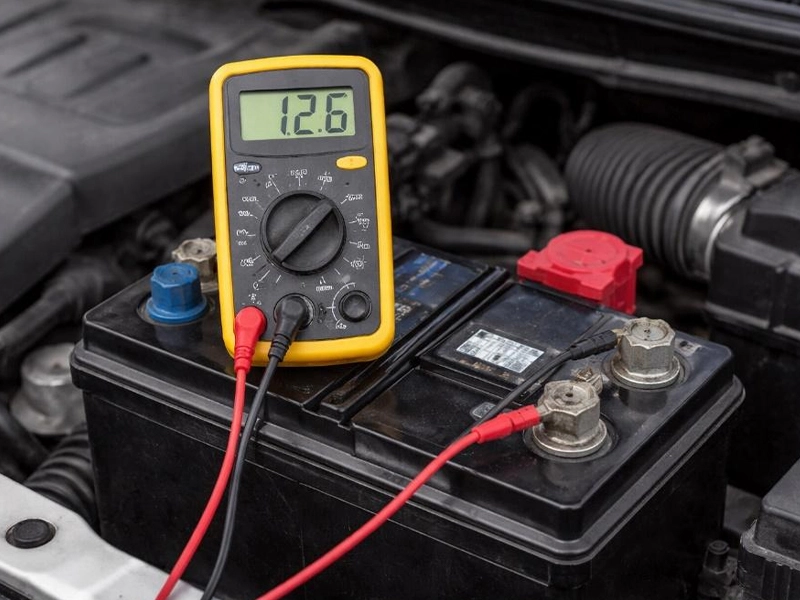
Step 1: Check battery voltage (engine off)
With the car off for at least a few minutes, measure across the battery terminals.
- 12.6V is a fully charged battery (roughly).
- 12.4V is partially charged.
- 12.2V or less is low and can cause starting issues.
This does not prove the alternator is bad, but it gives you context. A low reading could simply mean the battery is discharged from short trips, or it could mean the alternator is not charging.
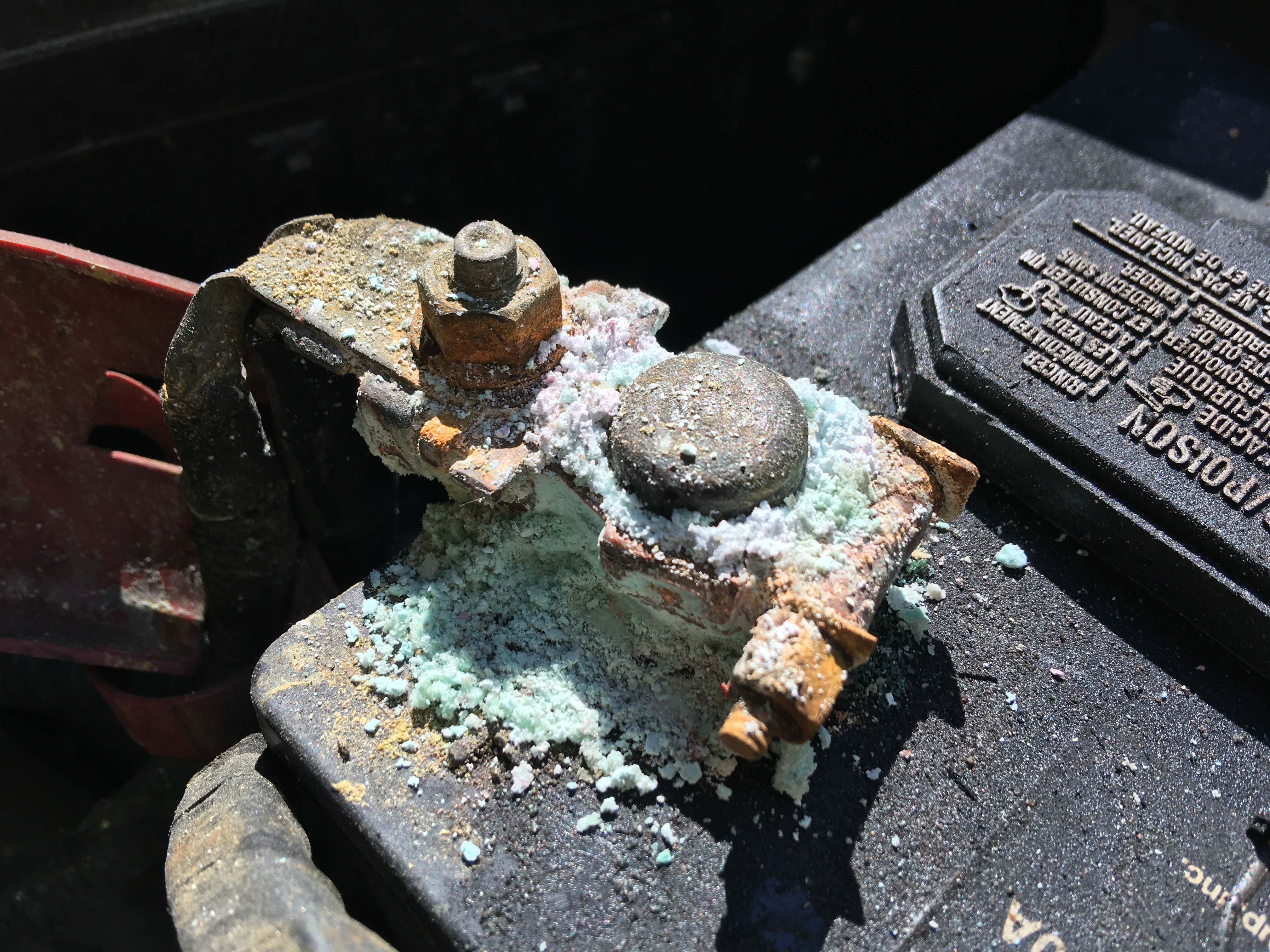
Small accuracy tip: If you can, measure on the actual battery posts (not just the cable clamps). A corroded or loose clamp can give misleading results, and it can also prevent the battery from charging even if the alternator is working.
Step 2: Check charging voltage (idle)
Start the engine and measure at the battery again.
- Many vehicles will show about 13.8V to 14.6V at idle.
- Smart charging note: On ECU-controlled systems, voltage can vary with temperature, battery state of charge, and driving conditions. It may dip into the low 13s or even briefly hover near ~12.6V after the battery is topped off and loads are low. A single idle reading is not the whole story.
- If you are seeing around 12.4V to 12.7V while running and it stays there under normal conditions, the alternator may not be charging (or the charge is not reaching the battery due to wiring, grounds, or a fuse).
- If you see 15.0V or higher and it is sustained (for example, more than a minute or two) or keeps happening during normal driving, you may have an overcharging issue, which can cook batteries and electronics. Reduce electrical load and diagnose it before continuing long trips.
Step 3: Load test with accessories
With the engine running, turn on:
- Headlights (high beams if safe)
- Blower motor on high
- Rear defroster
Voltage should stay mostly stable, often still above 13.5V on many cars. A small dip is normal, but if it drops toward ~12.4V to 12.7V or keeps falling, the alternator may be too weak under load.
Step 4: Watch for unstable readings
Even if the average voltage looks okay, pay attention to a reading that swings rapidly and erratically at steady RPM. Some fluctuation is normal because loads cycle and meters update at different speeds, but repeated, unexplained swings of several tenths of a volt can point to bad diodes, poor connections, or an internal regulator problem.
Old-school tip you should skip: You may hear advice to disconnect the battery cable while the engine is running to “test the alternator.” Do not do that on modern vehicles. The battery acts as a voltage buffer, and disconnecting it can create voltage spikes that can damage modules.
One more helpful option: Many parts stores will test the battery and alternator for free. In-car voltage checks are still valuable, but a proper battery load test or conductance test can save you from guessing.
Dashboard clues
Battery light behavior
- Battery light on steady: The car sees a consistent charging fault. Treat this as urgent.
- Battery light flickers: Often belt slip, a failing alternator, or a poor connection that worsens with vibration.
- Battery light briefly on at start then off: Usually normal bulb check. Not a problem by itself.
Multiple warning lights at once
If you suddenly get a “Christmas tree” of warning lamps plus odd shifting or power steering changes, low voltage may be the root cause. Many systems will throw codes when voltage drops, even if nothing else is broken.
“Charging System Service” messages
Some vehicles will display a message instead of a simple battery icon. Either way, the next steps are the same: check voltage, inspect the belt, and limit driving until you know what is going on.
Alternator vs. battery
This is where a lot of DIY troubleshooting goes sideways. Here is the clean way to separate them.
More likely the battery
- The car starts slow after sitting overnight, but runs perfectly once started.
- You measure good charging voltage while running (commonly around 13.8V to 14.6V, but it can vary on smart charging systems).
- The battery is 4 to 6 years old (varies by climate and quality).
- Corroded or loose battery terminals improve after cleaning and tightening.
Keep in mind: resting voltage alone does not prove a battery is good. A battery can show 12.6V and still fail a load test. If symptoms persist, have it properly tested.
More likely the alternator (or charging system)
- Battery keeps dying even after a jump and a decent drive, or it never seems to recover fully.
- You see ~12.4V to 12.7V while running and it stays there under typical conditions.
- Lights dim at idle, electronics glitch, or the battery light comes on while driving.
- The car dies while driving, then will restart only with a jump.
One important caveat: a severely sulfated or internally damaged battery can also die quickly even with a good alternator. If you are on the fence, test both systems.
What about parasitic drain?
A parasitic drain is when something in the car draws power while it is off, killing the battery overnight or over a few days. That can mimic alternator issues. The giveaway is usually this: once you jump it and drive, it seems fine, and charging voltage tests good. If the battery dies again after sitting, you may be dealing with a drain instead of an alternator.
Also note: a shorted alternator diode is a common parasitic drain source, so the alternator can be part of the drain story too.
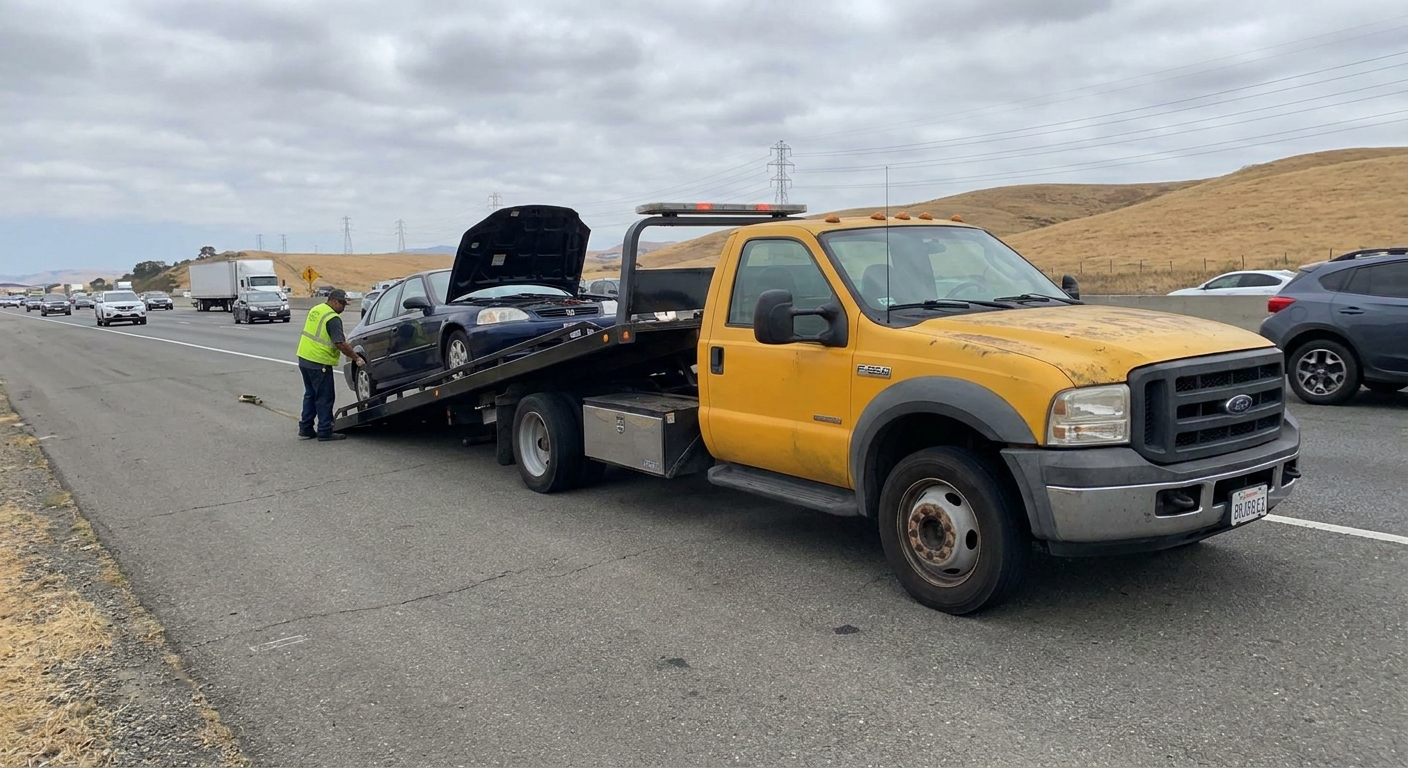
When to stop driving
If the alternator is failing, you are running on battery power like a flashlight with dying batteries. How long you have depends on battery size, vehicle demand, and what you have turned on. Sometimes it is 30 minutes. Sometimes it is 5.
Stop and get help if you notice
- Battery light on steady plus dimming lights
- Voltage at the battery while running is below about 13.0V and trending downward in normal conditions
- Power steering suddenly feels heavy (electric assist systems are voltage sensitive)
- Transmission begins shifting harshly along with warning lights
- Burning smell, smoke, or the belt is visibly slipping
- Voltage is 15.0V or higher and sustained or repeatedly sustained (overcharging)
If you are trying to limp home or to a shop, reduce electrical load: turn off heated seats, rear defroster, extra lighting, and keep the blower low. Do not shut the engine off unless you are confident it will restart.
Lookalikes
Loose or slipping serpentine belt
If the belt is worn, glazed, or the tensioner is weak, the alternator pulley can slip, especially under heavy electrical load. That can trigger the battery light and low voltage even if the alternator itself is fine.
Bad battery connections
Corrosion at the battery terminals can limit charging current and cause voltage drop. Clean and tighten connections before you condemn expensive parts.
Main fuse or fusible link issues
Many vehicles have a large alternator output fuse. If it blows, the alternator can be producing power but it never reaches the battery. A shop wiring diagram helps here, but if you have no charging voltage increase at the battery, a blown main fuse is worth checking.
Faulty ground straps
A poor engine-to-chassis ground can create voltage drops that mimic alternator failure. Symptoms can include slow cranking, flickering lights, and unstable voltage readings.
If the alternator is failing
At that point you have a few options:
- Replace the alternator with a quality new or remanufactured unit.
- Inspect and possibly replace the belt at the same time. If the belt has been slipping, it is often glazed and will keep slipping.
- Test the battery after alternator replacement. A weak alternator can deep-discharge a battery and shorten its life.
If you are sourcing a part, be careful with ultra-cheap units. Charging problems can be maddening, and the quickest way to double your diagnostic time is installing a questionable alternator.
FAQ
Can a car run with a bad alternator?
Yes, but only until the battery voltage drops too far. Once the battery is depleted, the engine can stall and may not restart without a jump.
Will a bad alternator drain the battery overnight?
Sometimes. A shorted alternator diode can create a parasitic draw even with the key off. If your battery dies overnight and your alternator tests poorly, that is a real possibility.
Is it safe to drive with the battery light on?
It is risky. The battery light usually indicates a charging system problem, which means you may be on borrowed time. If the light comes on while driving, head toward a safe stop or a nearby shop and minimize electrical load.
What voltage should I see while running?
Many vehicles will be around 13.8V to 14.6V, but smart charging systems can vary that number based on temperature, battery state of charge, and loads. What matters most is the pattern: consistently hovering near resting battery voltage (often ~12.4V to 12.7V) during normal conditions is a red flag.