I’ve lost track of how many times a customer described this exact problem: “It always starts, but it cranks forever first.” If your engine does fire up after several seconds of cranking, you’re not in full no-start territory. That’s good news.
But it’s still a real symptom, and it usually points to a handful of common issues. The big umbrella is start-up fueling, especially fuel pressure leak-down after shutdown. Under that umbrella, the usual culprits are a weak pump check valve, a leaking injector, a fuel pressure regulator issue on some systems, or a small external leak. Another common one is a coolant temperature sensor feeding the computer bad info so the mixture is wrong on cold starts.
Let’s walk through what long cranking means, how to separate it from a crank-no-start, and what you can check without randomly throwing parts at it.
Long crank vs. no-start
Here’s the distinction I want you to make before you do anything else:
- Long crank that eventually starts: the engine spins, then catches and runs. This often points to fuel pressure or fueling calculation issues during start-up.
- Crank-no-start: the engine spins but never fires. That can be spark, fuel delivery failure, immobilizer or security, major sensor failures, compression, timing, and more.
If your car always starts after 3 to 8 seconds of cranking, focus on why it’s taking time for the right fuel mixture and pressure to show up.
Most common: fuel pressure leak-down
On most fuel-injected cars, the fuel system is designed to hold pressure after you shut the engine off. That stored pressure helps the next start happen almost instantly.
If that pressure bleeds off while the car sits, the next start becomes a little “fuel system refill event.” The pump has to rebuild pressure before the injectors can deliver the right amount of fuel, so you crank longer.
Clues fuel pressure is bleeding off
- It cranks long after sitting overnight or for several hours, but starts faster if you restart it a few minutes after shutting it off.
- Turning the key to ON and waiting a couple seconds helps.
- Doing a couple key cycles (ON, OFF, ON) makes it start noticeably quicker.
Keep in mind, leak-down is not only a pump problem. Depending on the design, pressure can bleed off through the pump module, the regulator (return-style and some returnless setups), an injector, a damper, or even an external seep you cannot smell yet.
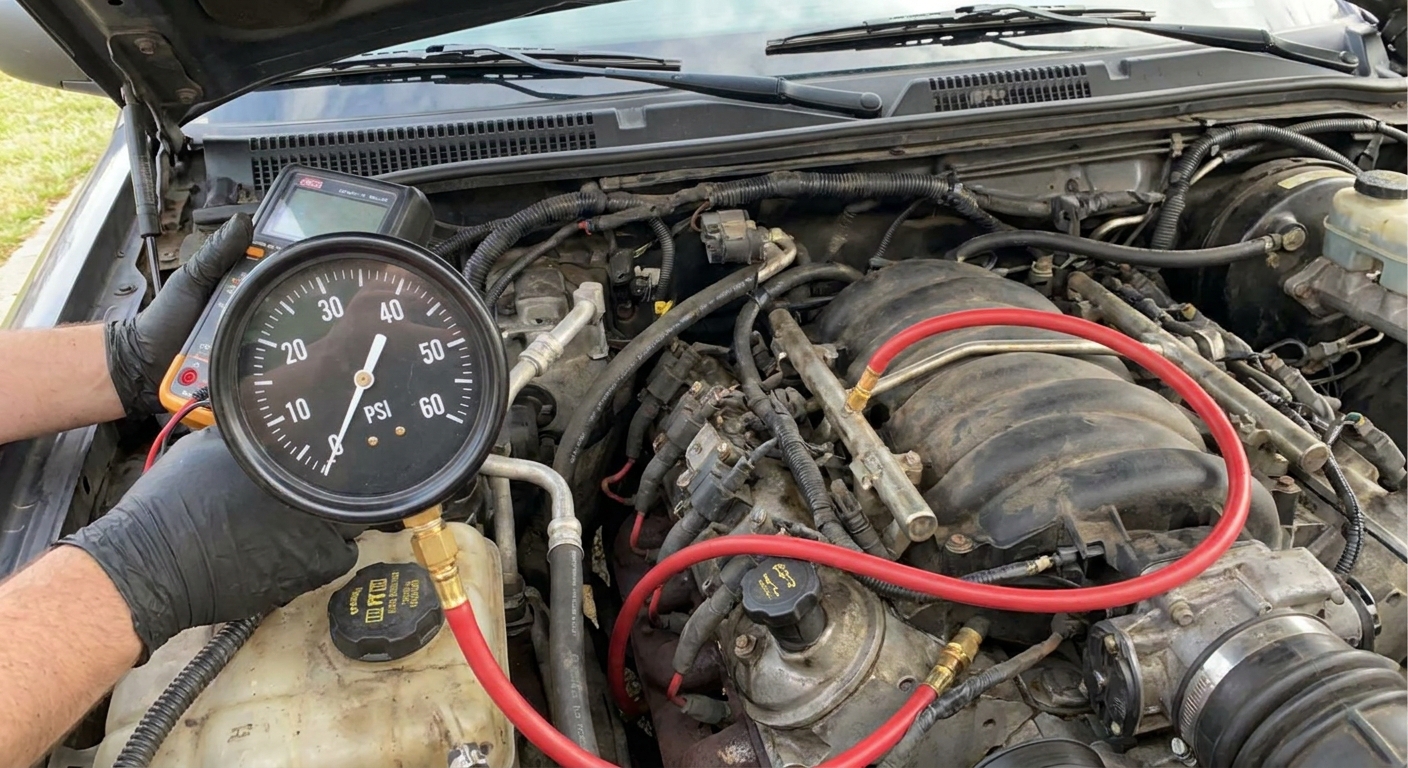
Safety note: Fuel system pressure testing involves gasoline under pressure. No smoking, wear eye protection, and if you’re not comfortable with it, let a shop handle the gauge hookup and leak-down test.
Pump check valve
Many in-tank electric fuel pumps have a check valve that helps keep fuel from draining back into the tank after shutdown. When that valve gets weak, pressure drops off faster than it should.
What you’ll notice
- Long cranks mainly after the vehicle sits.
- Starts improve if you “prime” the pump first, meaning you run it briefly to build pressure before you crank.
- No misfire once it’s running. It just takes forever to light off.
A quick at-home test
If your vehicle has a traditional key ignition (or a push-button that allows ignition ON without starting):
- Turn the key to ON (not START) and wait 3 to 5 seconds.
- Turn it OFF.
- Repeat 2 to 3 times, then crank.
If it starts dramatically faster, you likely have a pressure bleed-down issue or a delayed pressure build issue.
Important: This does not prove the pump is bad. It only proves the system is losing pressure somewhere, or not building pressure quickly enough on the first attempt.
One more caveat: On some vehicles, the pump does not prime just because the key is ON. Some will only run the pump when the ECU sees crank or cam signals, a door event, or a scan tool command. If key-cycling does nothing on your car, that test may simply not apply.
Leaking injector
A fuel injector that doesn’t seal can drip fuel into a cylinder after shutdown. That can cause two different problems, depending on how it leaks:
- Pressure bleeds off, so the pump has to rebuild pressure on the next start.
- The cylinder gets over-fueled, so the next start is rich and lazy, especially after sitting.
Signs an injector leak is more likely
- Rough start for a few seconds right after it fires, then it smooths out.
- A brief stumble or fuel smell on startup.
- Black smoke puff on startup (not always).
- One cylinder misfire code (like P0301 to P0308) that shows up mainly on first start.
How shops confirm it
A technician will usually:
- Check fuel pressure and watch how quickly it drops after shutdown.
- Do an injector balance test (scan tool plus pressure gauge) on many systems.
- Use a borescope to look for a wet-looking piston top in a suspect cylinder.
- Pull spark plugs after an overnight sit to look for one plug that’s unusually wet or unusually clean.
If you suspect an injector leak, don’t ignore it for months. A steady leak can wash oil off the cylinder wall and dilute engine oil over time. In worse cases, repeated overfueling can also beat up the catalytic converter.
Coolant temp sensor
When an engine is cold, it needs a richer mixture than when it’s warm. Your car’s computer decides how much extra fuel to add based largely on the engine coolant temperature (ECT) sensor.
If the ECT sensor lies, the computer can deliver the wrong mixture during crank:
- Sensor reads warmer than reality: the computer doesn’t add enough fuel for a cold start. Result: extended crank, then it finally catches.
- Sensor reads colder than reality: the computer over-fuels. Result: extended crank, sometimes a slightly rough or smoky start.
Clues the ECT sensor is the culprit
- Long cranking is worse on cold mornings.
- Starts are fine when the engine is already warm.
- You may notice odd temperature gauge behavior on some cars (not always, because many gauges are heavily damped).
- Fuel mileage may drift down if the sensor reads colder than it should.
DIY-friendly check
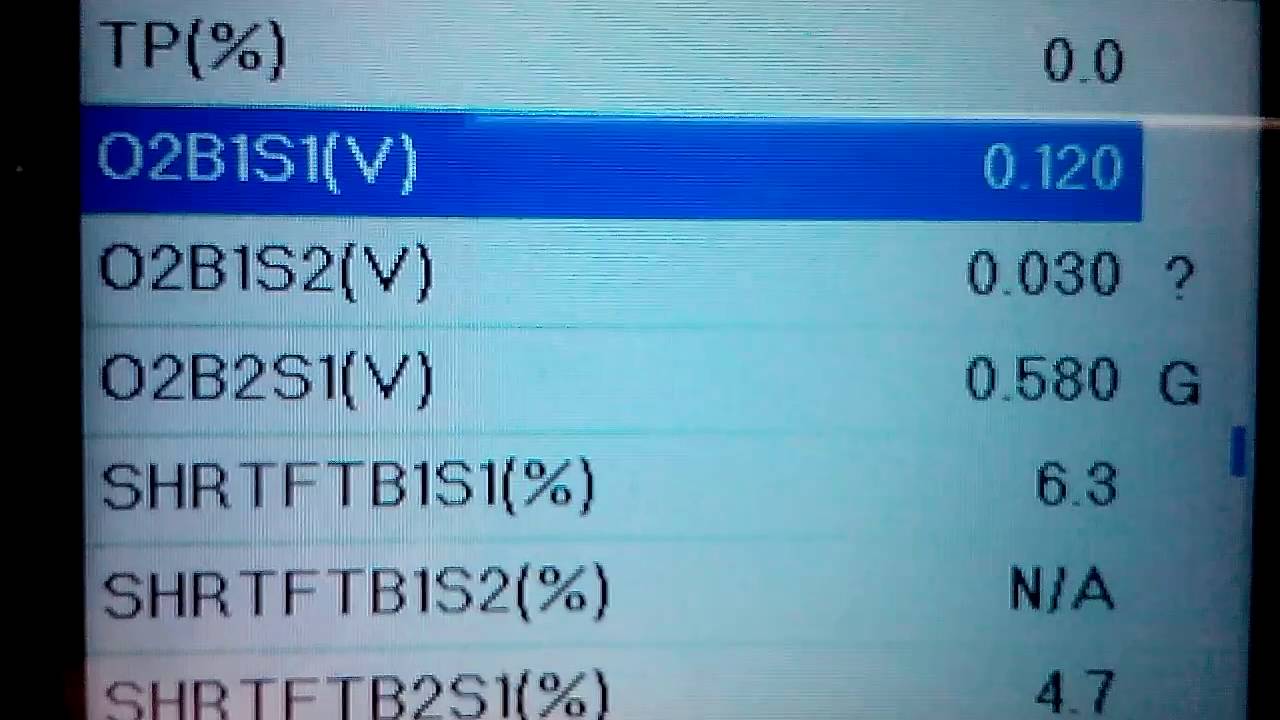
With the engine stone cold (sat overnight), plug in a scan tool and look at coolant temperature before starting. It should read close to outdoor temperature. If it’s wildly off, you’ve got a strong lead.
Other causes to consider
The issues above cover most long-crank complaints I see, but these can contribute too:
- EVAP purge valve stuck open: A classic pattern is long crank or rough start right after refueling. A stuck-open purge can feed stored fuel vapors into the intake at the wrong time and make the mixture too rich. On some setups it can also act like a vacuum leak and lean things out, so the exact feel can vary.
- Crankshaft or camshaft position sensor getting weak: Especially on hot soak, a marginal signal can mean the ECU takes longer to sync, so it cranks longer and then starts. This often comes with an occasional stall, intermittent no-start, or a code, but not always.
- Vacuum leak or intake air leak: A lean mixture on cold start can extend cranking, particularly if the leak is large enough to skew airflow at cranking RPM.
- Fuel pressure regulator problems (where applicable): On older return-style systems, a bad regulator or a leaking diaphragm can affect pressure control and hot restarts, and it can be another leak-down path.
- Direct injection considerations: On some DI engines, low pressure supply problems, high pressure pump issues, or rail pressure bleed-down can show up as long crank. You do not need to panic, but it is worth mentioning to a shop so they check commanded versus actual fuel pressure during crank.
- Dirty throttle body: More likely to cause a start and stall, low idle, or unstable idle right after start than pure extended cranking, but it can still be part of the picture on certain drive-by-wire vehicles.
- Weak battery or starter dragging: The engine still cranks, but at a lower RPM, making it take longer to light off. You’ll often hear the difference.
- Low fuel level plus a weak pump: Low fuel does not cause long crank by itself, but it can aggravate a struggling in-tank pump since fuel helps cool the pump and keep the pickup covered.
Smart troubleshooting order
If you want the highest odds of finding the problem without guessing, here’s the order I like:
1) Notice when it happens
- Only after sitting for hours? Think pressure leak-down or injector leak.
- Only when cold? Think coolant temp sensor or cold-start fueling strategy issues.
- Only when hot? Think heat soak issues, pump performance, or crank and cam sensor signal problems.
- Only after refueling? Think EVAP purge and vent behavior.
2) Try the key-cycle priming test
If priming helps and your car actually primes on key-on, you’re likely chasing fuel pressure leak-down or delayed pressure build.
3) Scan for codes and check live data
Even if the check engine light is off, stored or pending codes can point you toward ECT readings, misfires on cold start, crank or cam sensor issues, or mixture corrections.
4) If you’re headed to a shop, ask for a leak-down test
Ask specifically for a fuel pressure leak-down test and, if it is direct injection, ask them to look at commanded versus actual fuel pressure during crank. Those checks often turn a vague complaint into a clear answer fast.
When it is urgent
I’m not trying to scare you, but a few situations deserve quick attention:
- Raw fuel smell after starting, especially in the cabin or near the engine bay.
- Misfires for more than a few seconds after it starts.
- Oil level rising or oil smelling like fuel, which can happen with a leaking injector.
- Check engine light flashing (misfire severe enough to risk catalytic converter damage).
FAQ
Is it okay to keep driving if it cranks long but starts every time?
For a short period, usually yes. But long cranking is your early warning. If the cause is a leaking injector or a weakening pump, it can get worse, and it can leave you stranded at the worst moment.
Why does it start faster the second time?
Because the system is already primed. Fuel pressure is up, and the computer has more stable sensor feedback once the engine has run for a moment.
Could it be spark plugs if it still starts?
Worn plugs can contribute, especially if you also have misfires under load or rough idle. But a pure “long crank then runs great” is more commonly fuel pressure or fueling calculation than plugs alone.
My engine cranks long only after getting gas. Does that change anything?
Yes. That pattern is a big clue for an EVAP purge valve issue or EVAP venting behavior. If it consistently happens right after refueling, mention that detail to the shop because it narrows the diagnosis a lot.
Bottom line
If your car cranks for several seconds before it starts, treat it like a start-up fueling problem, not a full no-start. In my experience, the top culprits are fuel pressure leak-down (from a pump check valve, an injector, a regulator, or another leak-down path) or an ECT sensor that skews the cold-start mixture.
If you tell me when it happens (cold, hot, after sitting, after refueling) and whether key-cycling helps, I can usually point you toward the most likely next test.