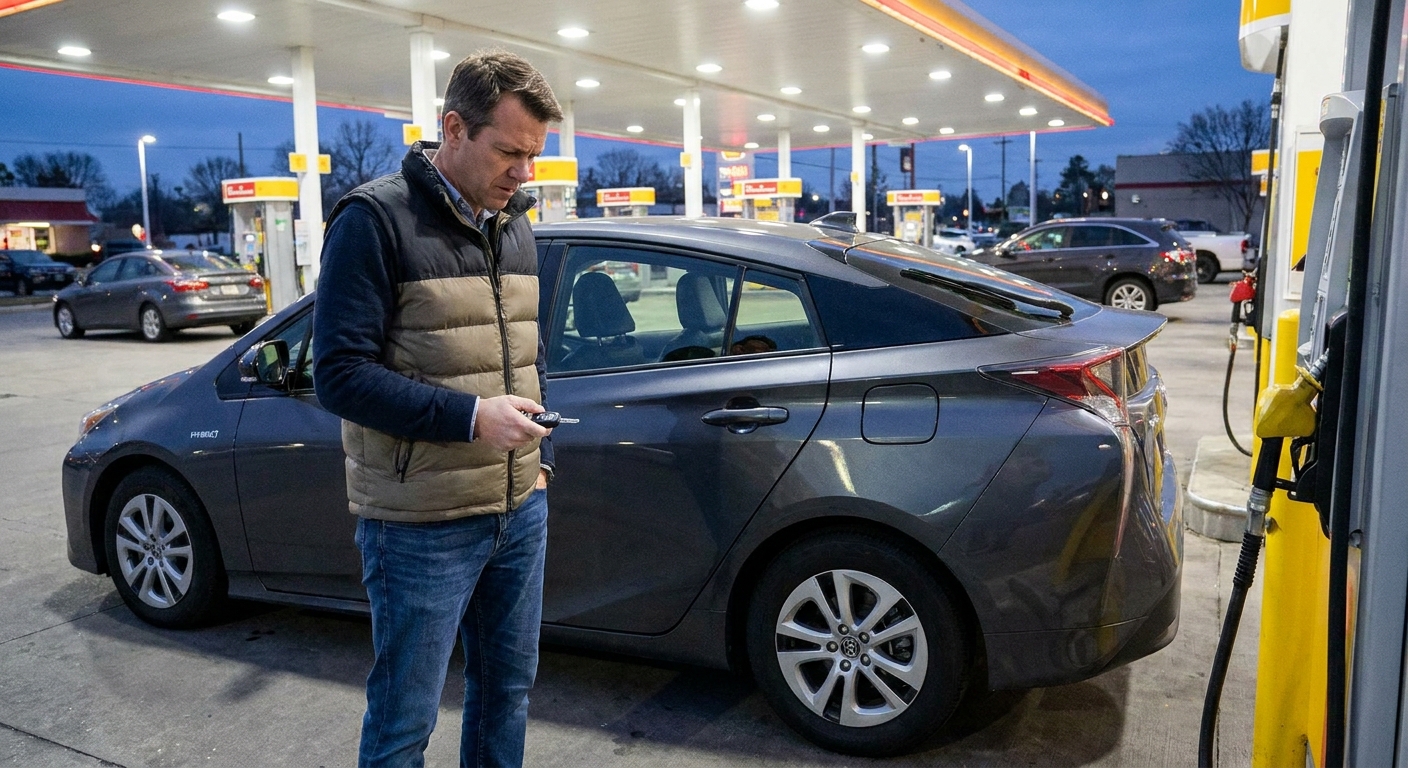
If your car started fine when you pulled into the station and now it won’t start immediately after filling up, you’re not crazy and you’re not alone. A no-start that begins at the pump has a short list of usual suspects, and most of them revolve around the EVAP system (the emissions setup that handles fuel vapors) or fuel quality.
Let’s keep this focused on the “it died or won’t fire right after I fueled up” scenario. I’ll walk you through what’s safe to try right there in the station lot, how to avoid cooking your starter with repeated long cranks, and when it’s time to call for a tow.
First, confirm what kind of no-start you have
Before you troubleshoot anything, separate these two situations. The advice changes.
- Cranks but won’t start: The engine turns over normally but never catches. This is the most common after-fuel-up symptom and usually points to purge valve issues, a flooded canister, or bad fuel.
- No crank (just clicks or nothing): That is usually battery, starter, or a shifter or neutral safety issue. It can happen coincidentally at the pump, but it is not caused by adding gas.
This article is about cranks but won’t start that begins right after fueling.
What you can safely do at the pump (and what you should not)
Safe in the station lot
- Move the car out of the fueling lane if you can. Only do this if it will start and roll under its own power, or if you have enough help to push it safely without risking injury or getting into traffic.
- Try a proper flooded-start procedure (I’ll show you exactly how below).
- Make a quick note of what happened: did you top off after the click, did the pump shut off repeatedly, did the car stumble when you started it, did it run for a second then die?
- If the station has it, ask the attendant about recent fuel delivery or other complaints. It is not definitive, but it is a clue.
Not recommended at the station
- Do not keep cranking for long stretches. You can overheat the starter and drain the battery fast.
- Do not disconnect fuel lines or open the fuel system. Gas stations are the worst place to introduce fuel vapor and spill risk.
- Do not spray flammable starting fluid near a station. If you suspect flooding, the fix is airflow and proper cranking technique, not extra flammables.
The three most common causes when a no-start begins right after you fill up
1) Purge valve stuck open (the classic “just got gas” no-start)
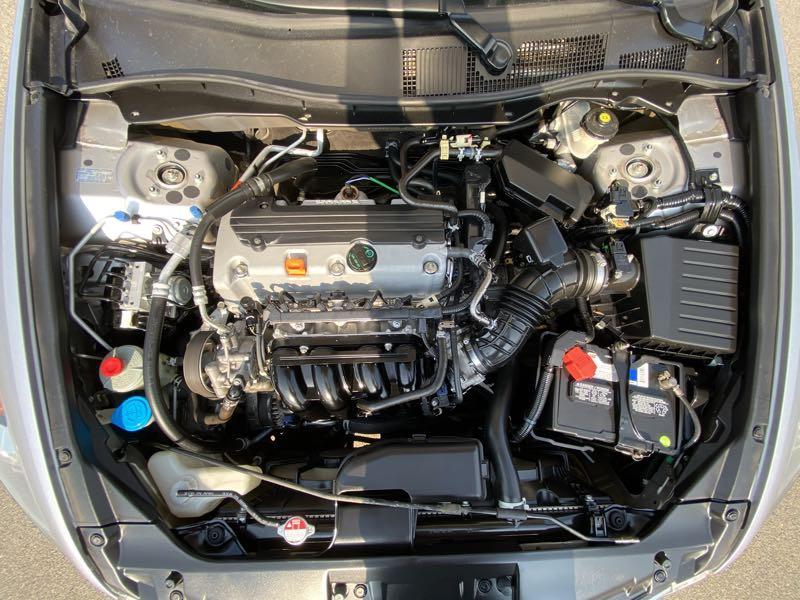
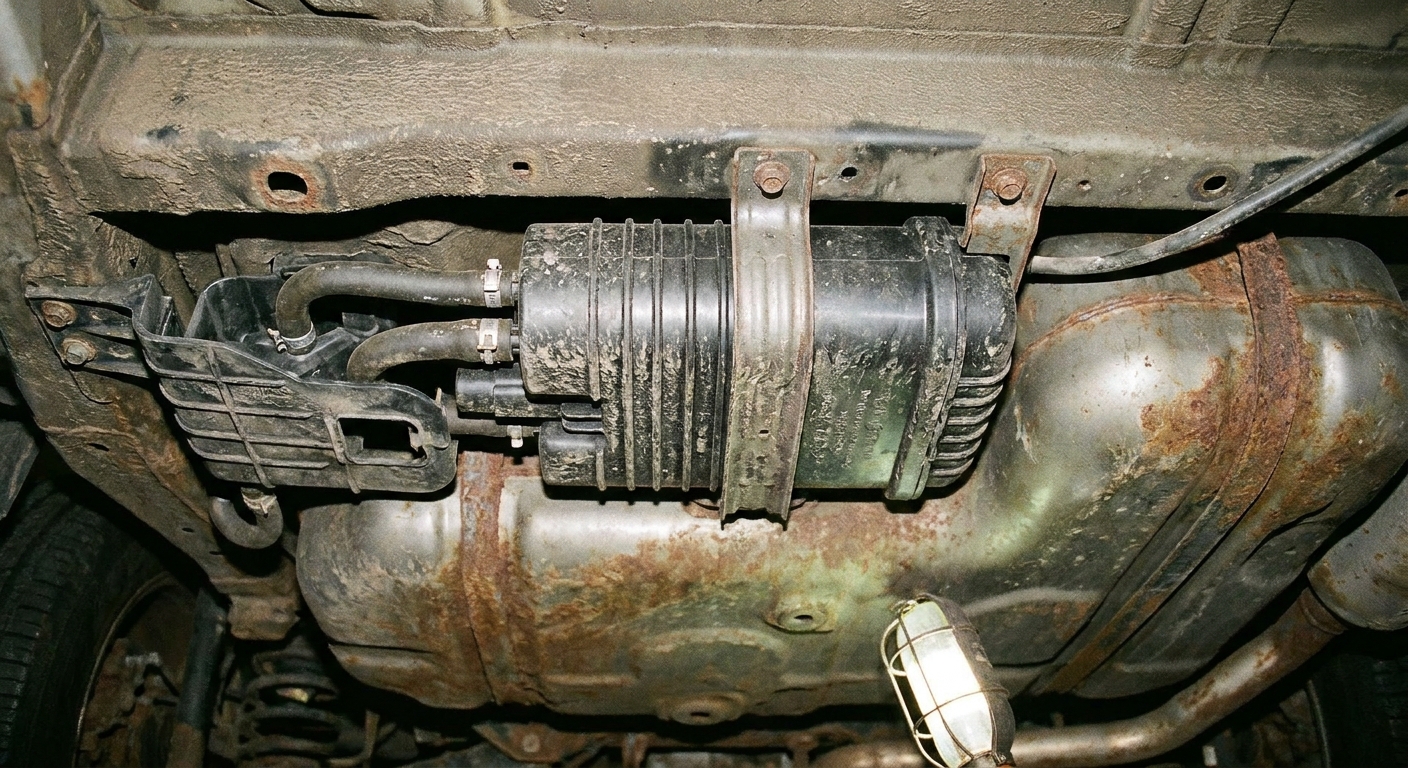
Your EVAP system stores fuel vapors in a charcoal canister, then the engine “purges” those vapors to burn them later. The part that controls that flow is usually called the purge valve or purge solenoid.
When the purge valve sticks open, the engine can get a big slug of fuel vapor at the wrong time, especially right after refueling. The mixture goes too rich and the engine may crank and crank without lighting off, or it may start and immediately stall.
Clues that point to a stuck-open purge valve:
- The problem happens right after refueling, especially on warm days.
- You may smell fuel near the engine bay (not always).
- Once it finally starts, it may run rough for a short time.
- A check engine light may come on later with EVAP codes. Common ones that fit purge-flow problems include P0441 (incorrect purge flow) and P0496 (high purge flow). You can also see leak codes like P0455, but that code is more general and not specific to a purge valve.
What to do right now: Use the flooded-start method below. It often works because you are basically adding extra air and, on many vehicles, reducing fuel delivery during cranking.
2) Overfilling may saturate the charcoal canister or vent lines
If you “top off” after the pump clicks off, liquid gasoline can sometimes be pushed into places where only vapor is supposed to go. Depending on the vehicle’s vent routing and valves, this can sometimes saturate the charcoal canister and or EVAP vent lines. The canister is designed to hold vapors, not liquid fuel.
When the canister gets saturated, it can temporarily overwhelm the purge system and effectively flood the engine with excess vapor during the next start attempt.
Clues this is the issue:
- You continued filling after the first click, or you rounded up by repeatedly squeezing the handle.
- The pump nozzle kept clicking off early, so you kept trying to force more in.
- The problem is worst immediately after fill-up, then improves after the car sits for a bit.
What to do right now:
- Stop trying to add more fuel.
- Try the flooded-start procedure.
- If it starts, expect a brief rough idle. Drive gently.
- If it does not start, it may need time for vapors to clear, or the canister and purge components may be saturated enough to require diagnosis and parts.
Prevention for next time: When the pump clicks off, you are done. That extra half-gallon is not worth the headache.
3) Water-contaminated fuel or truly bad gas
It is less common than EVAP issues, but it does happen: water in the station’s underground tank, a bad delivery, or contaminated fuel can cause an immediate stumble, a start-then-die, or a crank-no-start.
Clues pointing to bad fuel or water:
- The engine started but ran terribly for a few seconds, then died.
- Multiple cars at the same station are having issues (if you hear it, take it seriously).
- The car keeps trying to catch but will not stay running, even with a proper flooded-start attempt.
- If you were nearly empty and just filled up, symptoms can be more dramatic.
What to do right now: There is not a magic parking lot fix for contaminated fuel. Repeated cranking mostly just drains the battery, overheats the starter, and can contribute to plug fouling or catalyst-damaging misfires if it intermittently fires while running poorly. This is usually a tow situation. A shop may need to sample the fuel, drain the tank, replace the fuel filter if applicable, and possibly flush lines.
How to clear a flooded engine without repeated long cranks
If your engine is flooded (too much fuel, not enough air), the worst thing you can do is crank for 20 to 30 seconds at a time, over and over. That is how starters die and batteries get flattened.
Instead, do this:
Step-by-step flooded-start method
- Stop cranking and wait 60 seconds. Give the starter a break and let vapors clear a bit.
- Press the accelerator pedal all the way to the floor. Keep it there.
- Crank the engine for 5 to 8 seconds max. Then stop. On a key-start car, hold the key in START. On many push-button cars, you may need to press and hold the button as your owner’s manual describes during starting.
- Wait 30 to 60 seconds and try once more the same way.
- If it starts to catch, ease off the pedal gradually. Do not instantly let off like a light switch.
Why this works: On many fuel-injected vehicles, “pedal to the floor while cranking” requests a clear-flood mode that reduces fuel delivery during cranking. On other vehicles, the computer may ignore pedal input during starting, but the extra airflow and a disciplined crank pattern can still help.
Important: If you feel cranking speed slowing down noticeably, stop and preserve the battery for a tow or a jump.
Other things that can look like a fuel-up no-start
Not everything that happens at a gas station is caused by gas. A few less common, but real, possibilities:
- Weak battery or heat soak: A marginal battery or starter can act up after a hot shutdown. This can turn into a slow crank or a no-crank, but sometimes it starts as “it cranks, just not quite fast enough.”
- Fuel pump failure: Not caused by fueling, but a failing pump can choose any stop to give up. If it never starts again and you do not hear a brief pump prime on key-on (varies by car), this jumps up the list.
- Immobilizer or key issue: Some cars crank and then immediately die when the anti-theft system is unhappy. Watch for a security light on the dash.
- Misfueling: If you accidentally put diesel in a gas car, or E85 in a non-flex-fuel vehicle, do not keep cranking. Shut it down and arrange a tow. The fix is usually draining the tank, not “trying again.”
Quick decision: keep trying or call for a tow?
Keep trying for a few minutes if
- The engine cranks strong and consistent.
- You just topped off or suspect EVAP purge behavior.
- It briefly sputters like it wants to start.
Call for a tow if
- The engine cranking speed is slowing (battery getting weak).
- You smell raw fuel strongly and it is not improving after two or three clear-flood attempts.
- The car started and died repeatedly, especially if you suspect bad fuel.
- You are blocking pumps or in an unsafe spot and cannot move the car.
- The check engine light is flashing when it does run briefly (that can indicate a misfire severe enough to damage the catalytic converter).
As a former shop guy, I know nobody wants to pay for a tow. But if you are five minutes into hard cranking in a station lot, you are often trading a tow bill for a starter, a battery, and a very annoyed set of people waiting for your pump.
If it starts, what should you do next?
If you get it running, do not treat that as “problem solved.” Treat it as “I have enough momentum to get to a safer place.”
- Drive gently and avoid hard acceleration for the first few minutes, assuming it is running smoothly enough to do so.
- If it is misfiring badly or shaking hard, shut it back down and reassess. A severe misfire can damage the catalytic converter.
- Do not top off again on the way home.
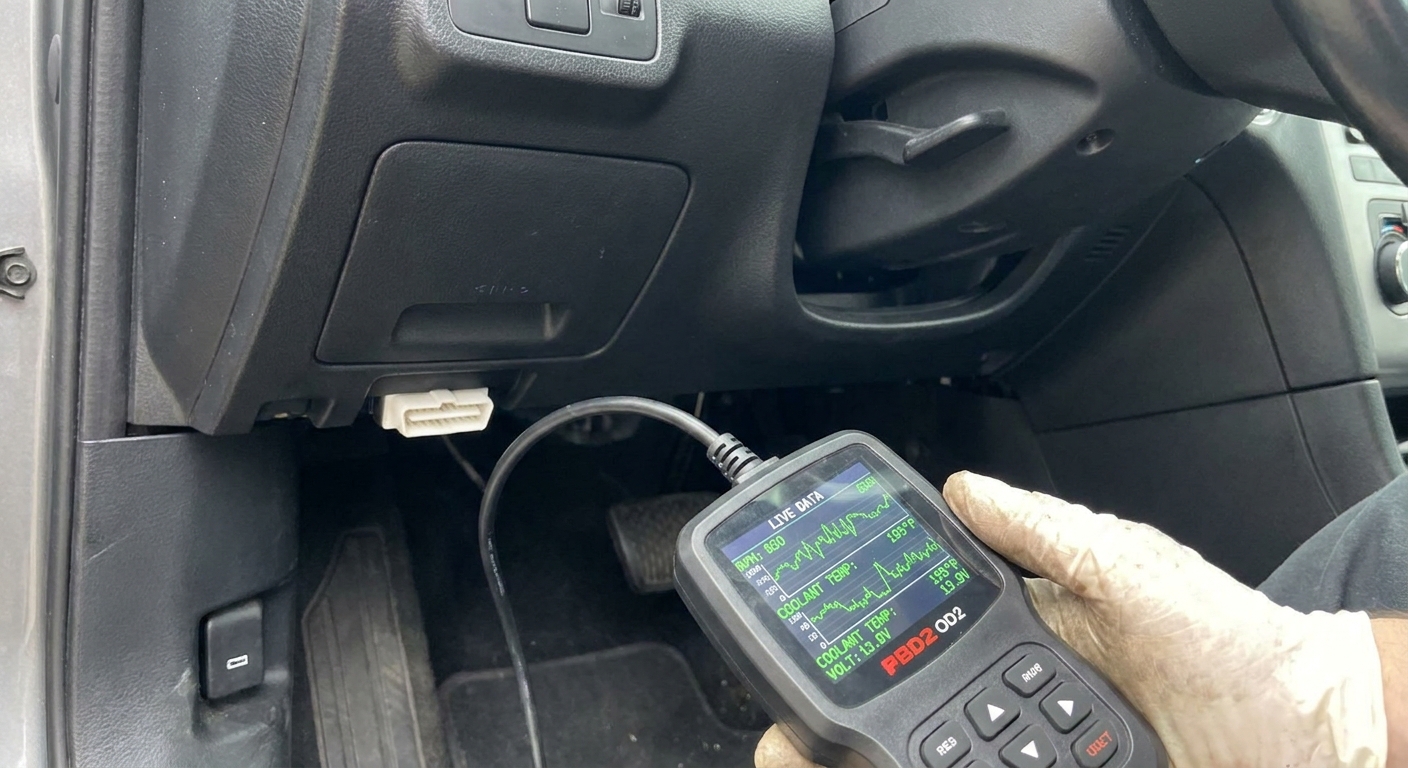
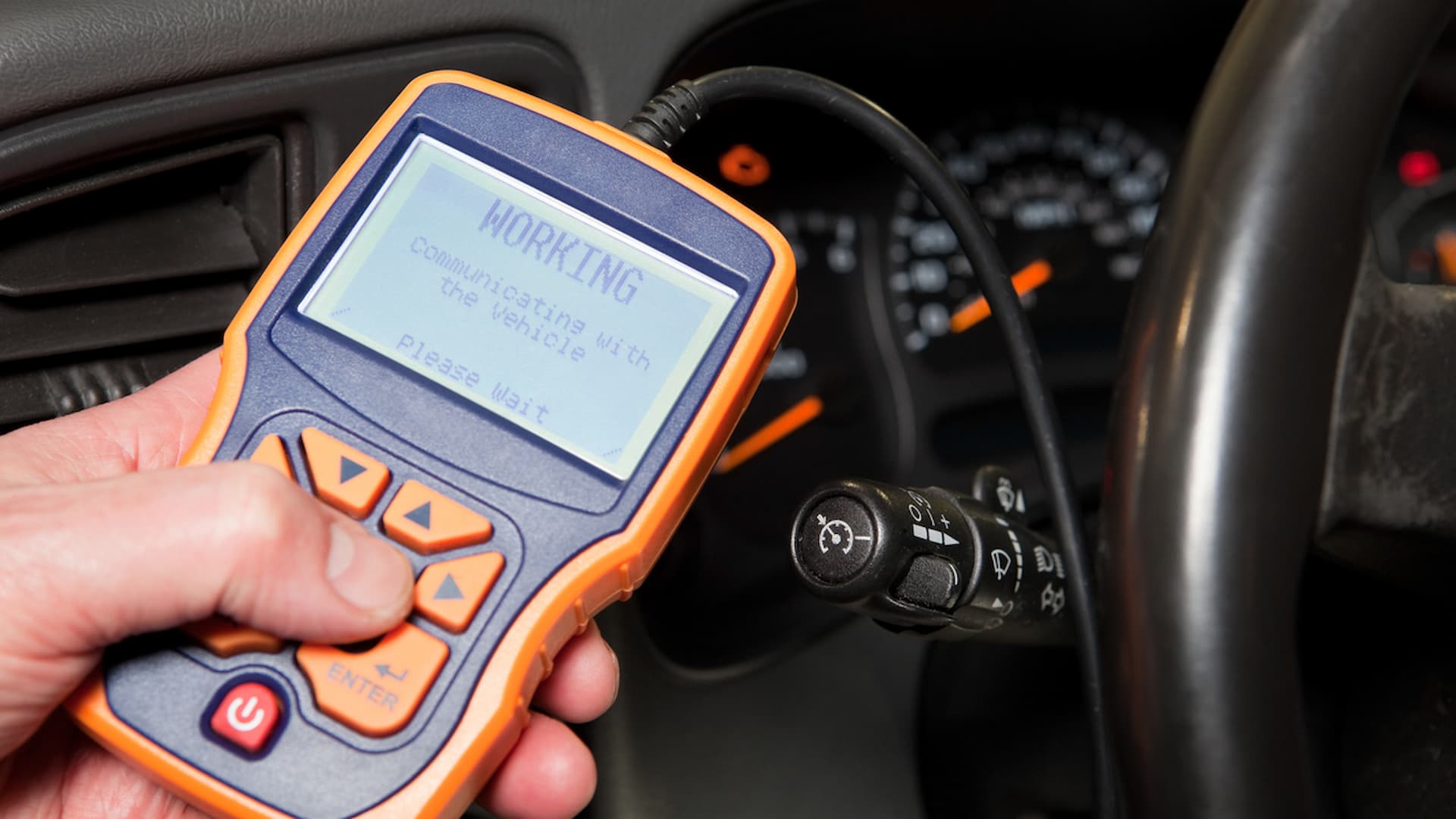
- If you have a scan tool, check for EVAP-related codes later. A purge valve stuck open is a common, straightforward fix on many vehicles.
- If it continues to hesitate after fuel-ups, schedule a diagnostic. Replacing parts at random gets expensive fast.
FAQ
Can filling the tank really cause a car not to start?
Yes. Refueling is the moment when the EVAP system is most involved, and if the purge valve is stuck open or the canister gets saturated from topping off, the engine can end up too rich to start.
My car cranks fine and all the lights work. Is it still the battery?
It can be, but if the timing is immediately after a fill-up, EVAP purge and canister saturation jump much higher on the list. Strong, steady cranking usually means the battery has enough power to spin the engine.
Is it safe to keep trying to start it?
It is safe to try a couple of short clear-flood attempts with breaks in between. It is not smart to do repeated long cranks. If cranking speed slows or you smell heavy raw fuel, stop and plan for a tow.
Will a bad purge valve always trigger a check engine light?
Not always right away. Some failures are intermittent, and some monitors only run under certain conditions. You may get a no-start symptom before the light appears.