A rough idle is one of those symptoms that feels bigger than it is. The car shakes at a stoplight, the RPM needle hunts, and suddenly you are imagining worst-case engine damage. In reality, most rough idles come from a handful of common issues that are pretty approachable to check in your driveway. That said, the exact root cause can vary a lot by engine design and condition. Turbocharged engines, direct injection, and high-mileage vehicles all have their own usual suspects.
This guide walks you through the first seven things I check, in the same order I used in the shop. We will keep it practical, with simple tests and the “stop here and get help” line clearly marked.
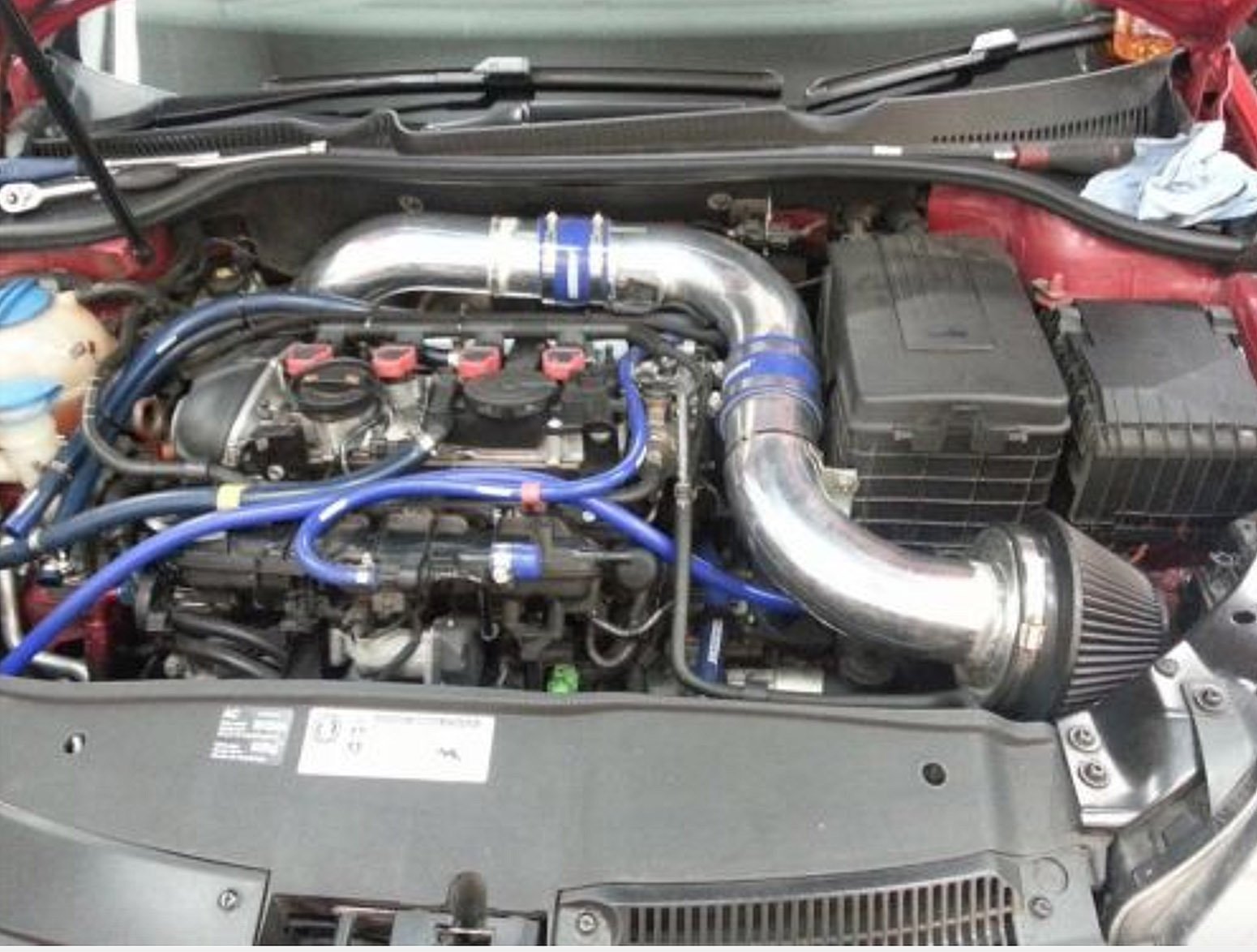
Before you start: safety and setup
- Work in a well-ventilated area, parking brake on, hood open.
- Keep hands, hair, and clothing away from belts and fans while the engine is running.
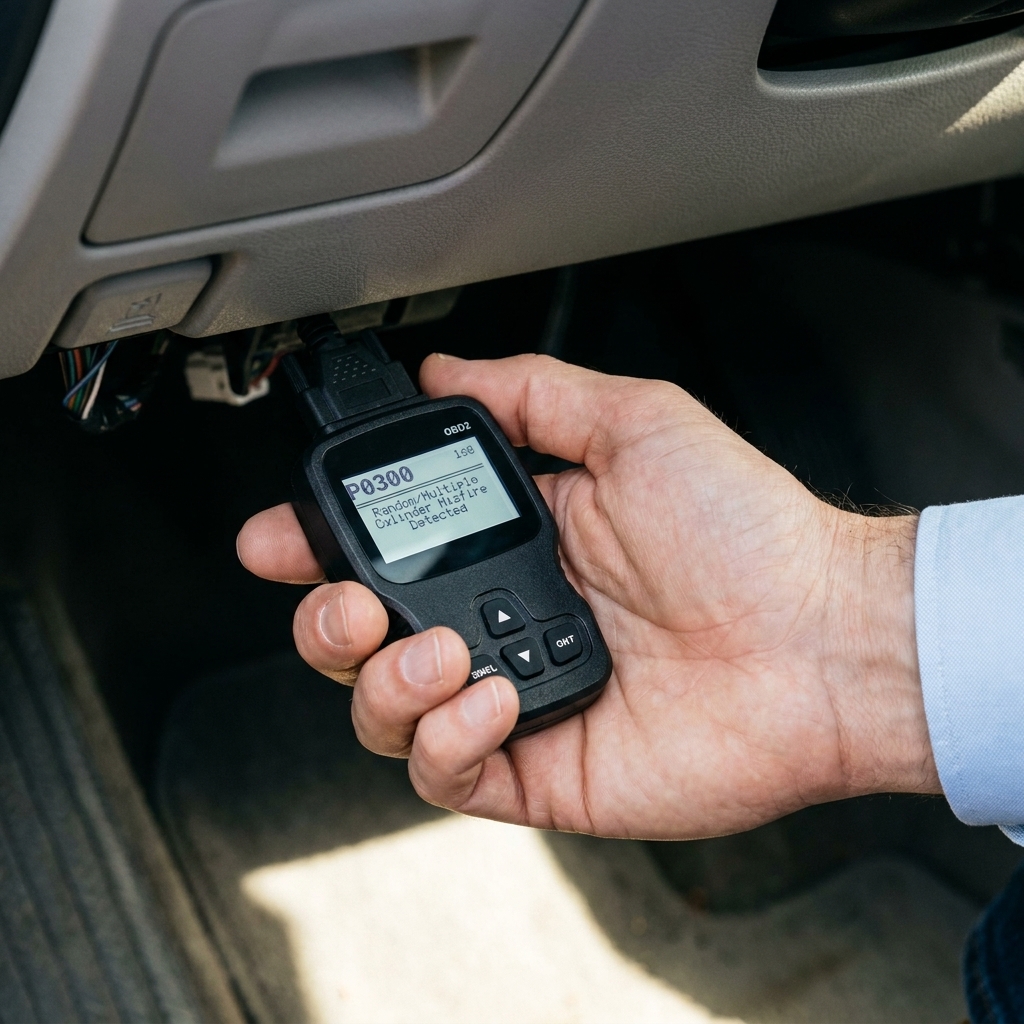
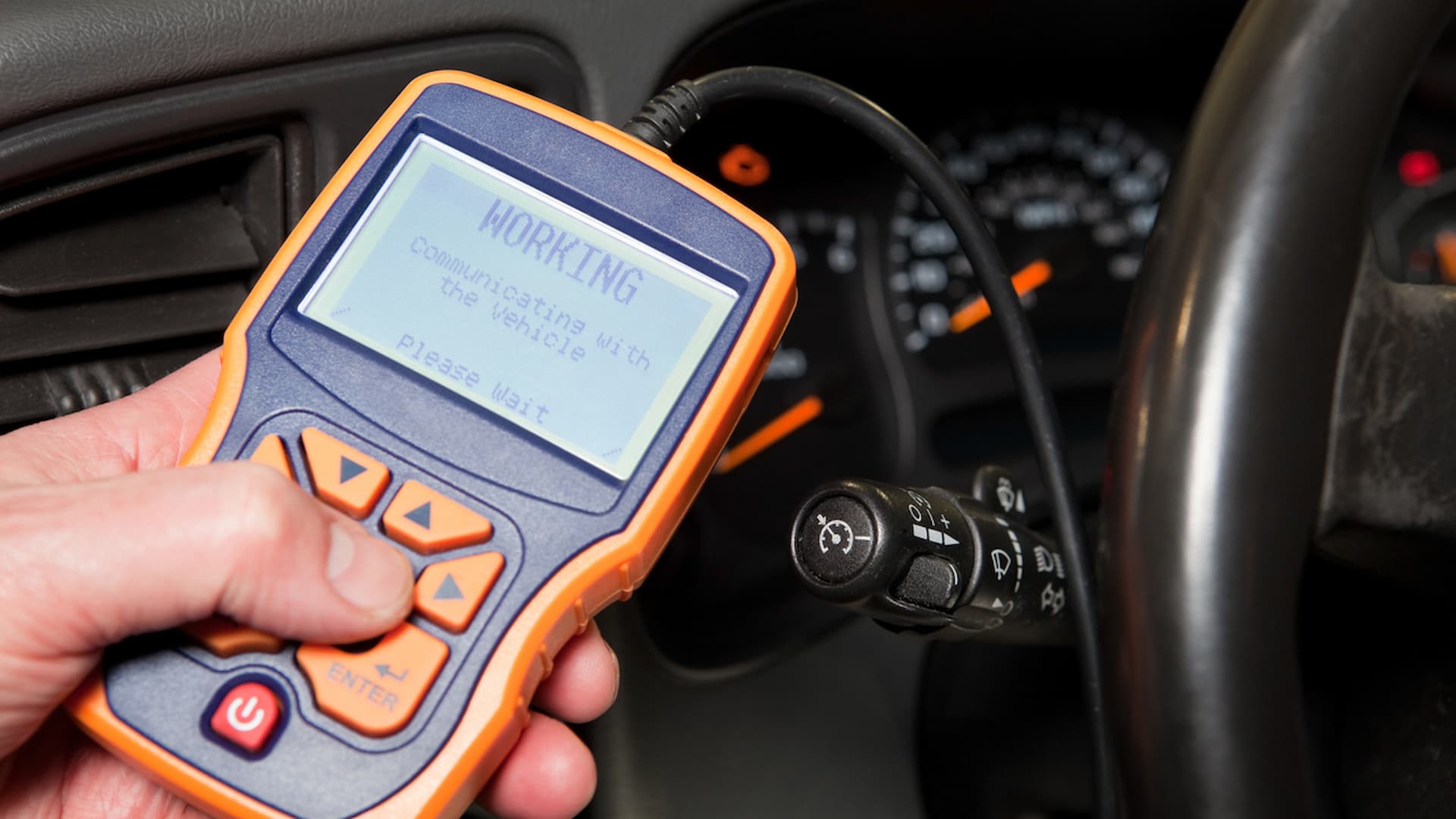
- If the check engine light is on , read codes first. Even a cheap scan tool can save hours of guessing.
- Rough idle can be worse on cold start or only when in gear. Note when it happens, that detail matters.
1) Vacuum leaks and unmetered air
If I had to bet on one cause of a rough idle, it is unmetered air getting into the engine. At idle, the engine is very sensitive to small air leaks. A cracked vacuum hose, loose intake clamp, split intake boot, EVAP purge valve stuck open, or leaking intake manifold gasket can lean out the mixture and create a shaky idle.
Common clues
- Idle is rough but improves when you raise RPM a bit
- Hissing sound from the engine bay
- Fuel trims show lean condition if you have scan data
Simple checks
- Visual and wiggle test: With the engine off, inspect vacuum hoses for cracks, oil saturation, collapsed sections, and loose ends. Check the air intake tube between the air box and throttle body for splits.
- Brake booster quick check: Inspect the large brake booster hose for cracks and loose fittings. If you hear a big hiss near the brake booster area or the brake pedal feel changes, do not ignore it.
- Listen up: With the engine idling, listen for a steady hiss around the intake, brake booster hose, and PCV plumbing.
- EVAP purge valve check: A purge valve stuck open can act like a vacuum leak at idle. If you have rough idle plus EVAP codes, or it gets worse right after refueling, put the purge valve high on your list.
- Quick intake clamp check: Make sure clamps at the throttle body and air box are snug. A slightly loose clamp can cause a big idle issue.
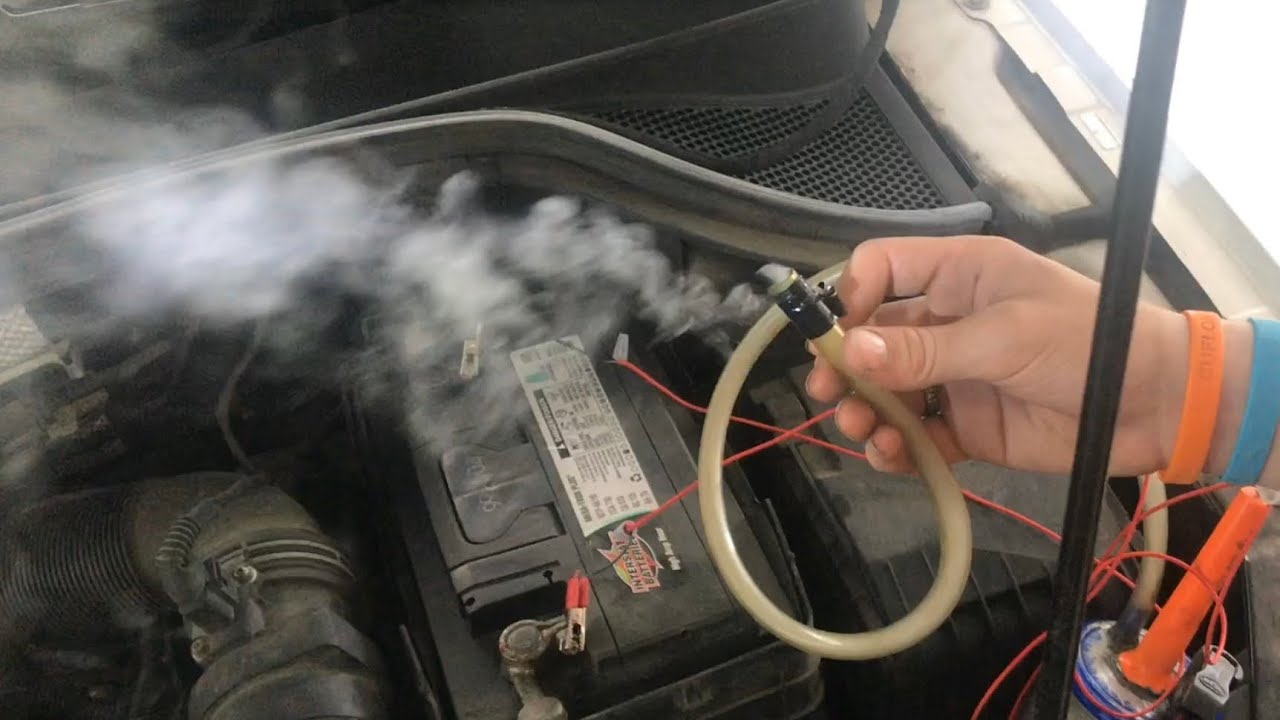
When it is beyond DIY: If you cannot find the leak visually, a shop smoke test is the fastest way to pinpoint it. It is money well spent because it prevents random parts swapping.
2) Ignition problems (spark plugs, coils, wires)
Misfires at idle feel like a rough, uneven shake. Modern engines can run “okay” under light throttle but stumble badly at idle when a plug or coil is weak.
Common clues
- Check engine light flashing or misfire codes (P0300, P0301-P0308)
- Noticeable shake that comes and goes in a rhythm
- Smell of fuel from the exhaust (unburned fuel)
Simple checks
- Scan for misfire codes: Even if you do nothing else, this points you to the cylinder.
- Inspect plugs if accessible: Look for worn electrodes, heavy deposits, oil fouling, or a cracked insulator.
- Coil swap test (coil-on-plug engines): If you have a misfire on one cylinder, swap that coil to another cylinder and see if the misfire follows (code changes). That is a strong indicator of a bad coil.
When it is beyond DIY: If plugs are seized, buried under intake plumbing, or you see oil in the plug wells, pause. Broken plugs or stripped threads can turn a weekend job into a tow.
3) Dirty throttle body and idle control
Carbon buildup around the throttle plate is a classic rough-idle culprit, especially on higher-mileage cars or vehicles that do lots of short trips. Many newer cars control idle through the electronic throttle body rather than a separate idle air control valve, but the symptom is similar.
Common clues
- Idle hunts up and down
- Stalling when coming to a stop
- Rough idle after disconnecting the battery (idle relearn may be needed)
Simple checks
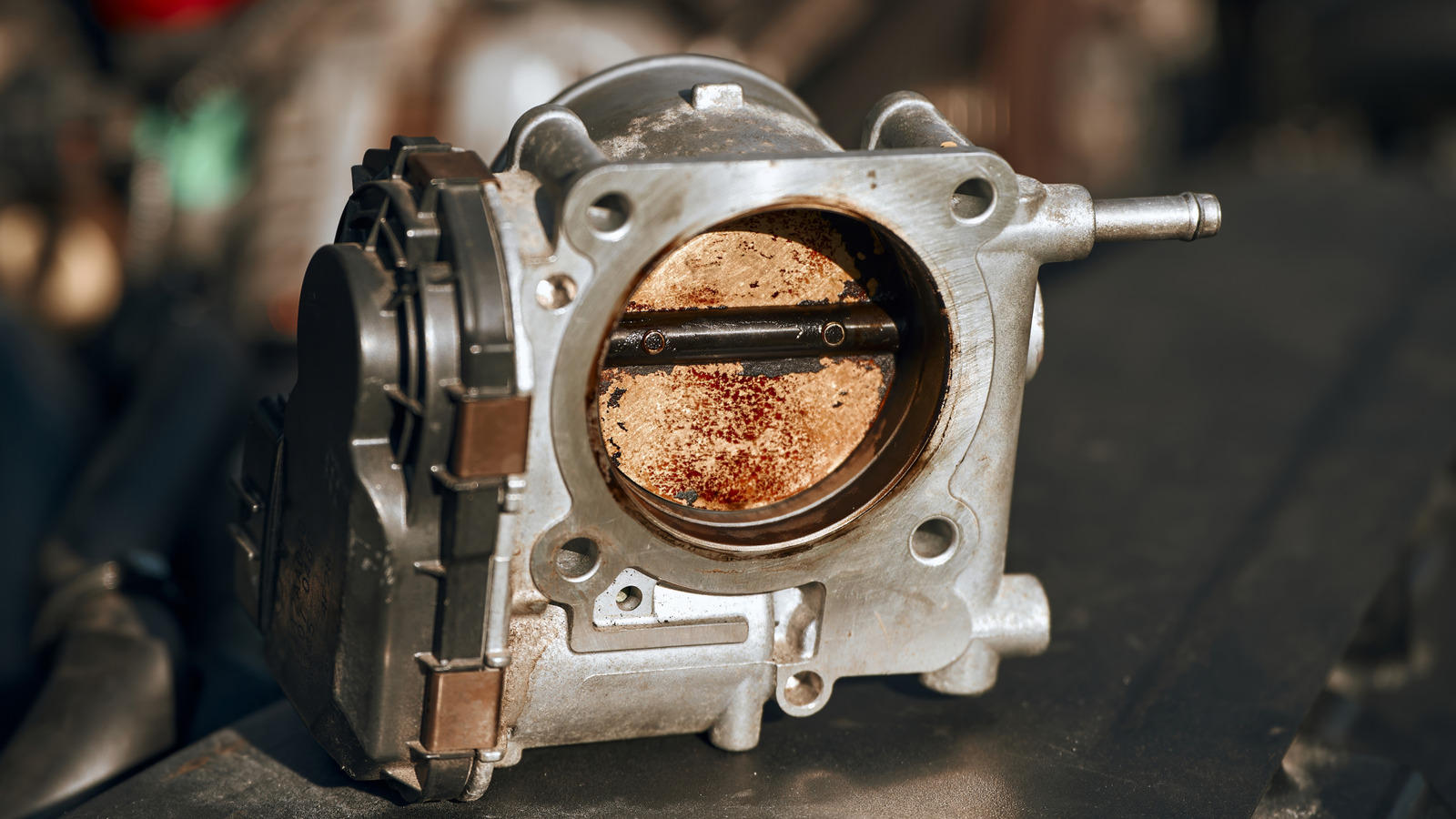
- Look inside the throttle body: With the intake tube removed, inspect for black carbon around the plate.
- Clean carefully: Use throttle body cleaner and a clean microfiber. Follow your OEM procedure. On some electronic throttle bodies you should not force the plate open by hand, and some vehicles prefer key-on commands through a scan tool service function.
- Idle relearn (model-specific): Some vehicles relearn on their own after a short drive. Others require a specific idle relearn procedure. A common example is idling warm with accessories off, then adding loads like A/C, but do not assume that works for every make.
When it is beyond DIY: If the throttle body is electronic and you are unsure about the correct cleaning method or relearn, a shop can handle it quickly without risking damage.
4) Fuel delivery issues (injectors, pressure, bad gas)
If the engine is not getting the right amount of fuel at idle, it will stumble. The usual suspects are a weak fuel pump, clogged fuel filter (where serviceable), dirty injectors, or an injector that is electrically failing.
Common clues
- Long crank or hard starts
- Rough idle that gets worse under load
- Lean codes (P0171/P0174) that do not trace back to an air leak
Simple checks
- Consider bad fuel: If the problem started right after filling up, do not ignore it. Avoid that station, keep the receipt, and consider diluting the tank with fresh fuel from a trusted place. If it runs very poorly, do not keep driving it and hoping it clears.
- Listen for injector ticking: A steady clicking at each injector is normal. One silent injector can indicate an issue (a mechanic’s stethoscope helps, but careful listening works too).
- Basic scan data: If fuel trims are high positive at idle and stay high off-idle, you may be looking at a fuel delivery problem. Just keep in mind similar trim patterns can also come from a MAF that is reading low or an exhaust leak upstream of the front O2 sensor.
When it is beyond DIY: Proper fuel pressure and injector balance testing requires tools and experience. If you suspect low pressure, do not keep driving it hard. The bigger risk shows up under load, where lean running can push combustion and catalyst temperatures in the wrong direction.
5) MAF or MAP sensor problems
Your engine computer relies on airflow and pressure sensors to calculate fuel. A dirty mass airflow (MAF) sensor or a faulty manifold absolute pressure (MAP) sensor can throw off fueling most noticeably at idle.
Common clues
- Rough idle plus hesitation on tip-in
- Fuel economy drops
- Codes related to MAF/MAP, system too lean or too too rich
Simple checks
- Inspect the air filter: An overly dirty filter or debris in the air box can contaminate sensors.
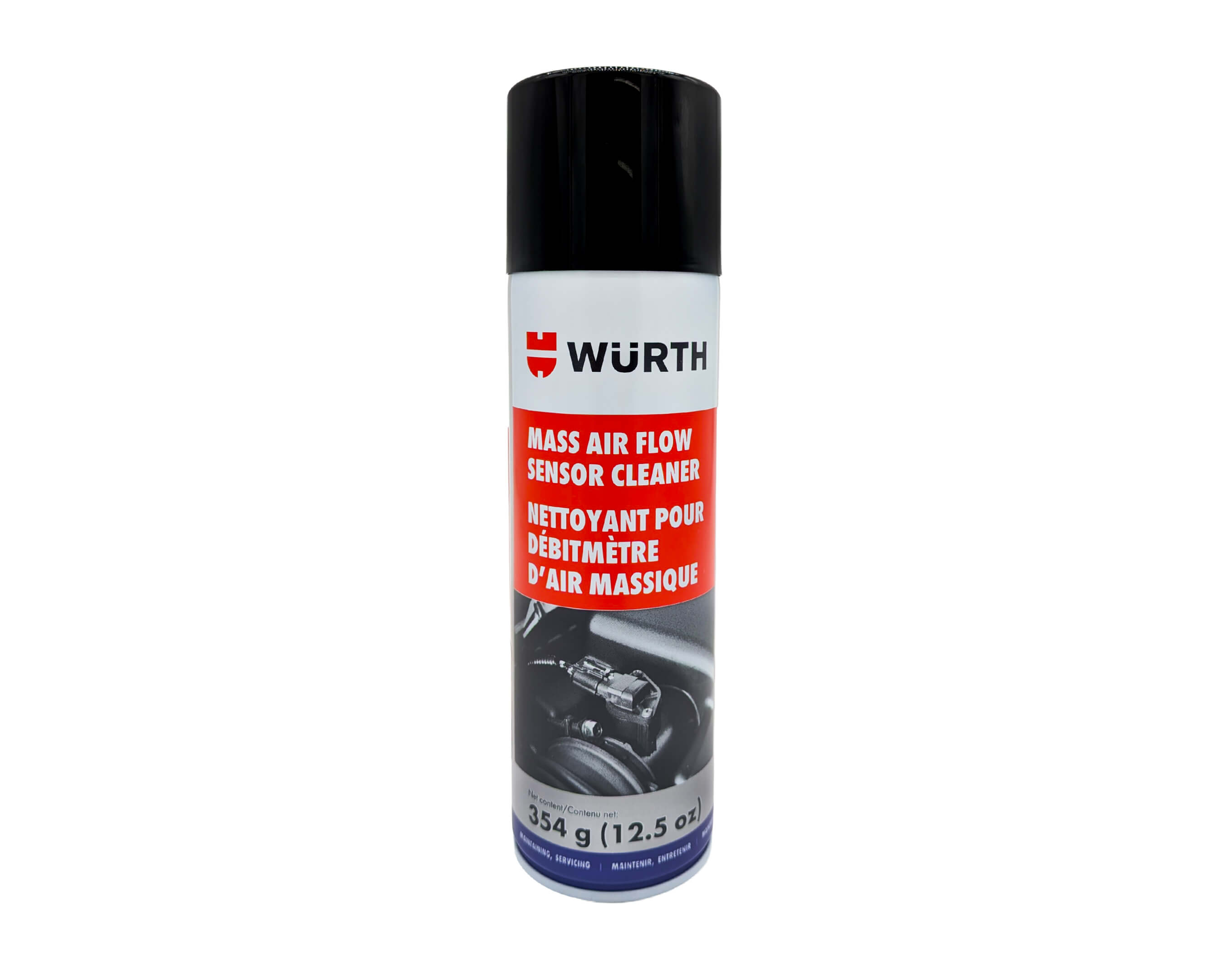
- Clean the MAF correctly: Only use MAF cleaner. Do not touch the sensing element. Let it dry fully before reinstalling.
- Check intake plumbing: A crack after the MAF lets air in that the sensor never measured, which mimics a “bad MAF.”
- Do not forget exhaust leaks: A leak upstream of the front O2 sensor can make the system look lean and send you chasing the wrong parts.
When it is beyond DIY: If cleaning does not help and data readings look off, sensor diagnostics with live data and a scope can confirm the fault without guesswork.
6) PCV and EGR issues
Two emissions-related systems can create a nasty idle when they malfunction: the PCV system (positive crankcase ventilation) and the EGR system (exhaust gas recirculation).
PCV problems
A stuck-open PCV valve or torn PCV diaphragm acts like a vacuum leak, leaning out the idle.
- Check: Inspect PCV hoses for cracks and soft spots.
- Extra tells: On engines with an integrated PCV diaphragm in the valve cover, listen for whistling, watch for lean codes, and check for unusually strong suction at the oil cap at idle.
EGR problems
EGR is not supposed to flow much at idle on many engines. If the EGR valve is stuck open, you can get a rough idle or stalling because exhaust is diluting the mixture when the engine is trying to idle cleanly.
- Check: If you have an EGR-related code, inspect wiring and connectors first. Carbon buildup can also hold the valve slightly open.
When it is beyond DIY: EGR diagnosis can be simple or maddening depending on the vehicle. If access is tight or the system is electronically controlled, it is often faster to have a shop confirm with scan tool commands and flow tests.
7) Mechanical issues (compression, timing, carbon)
If you have checked air leaks, ignition, throttle body, and fueling basics and the engine still idles rough, it is time to consider mechanical health. Low compression from worn rings, burned valves, head gasket issues, or incorrect valve timing can all show up as a persistent rough idle.
One more modern reality: on some direct-injection engines, intake valve carbon buildup can contribute to rough idle and cold-start misfires because fuel is not washing the back of the valves like it did on port injection.
Common clues
- Rough idle that never really changes, even after tune-up items
- Noticeable power loss
- Oil consumption, coolant loss, or white smoke
- Misfire that stays on the same cylinder even after swapping coils and plugs
Simple checks
- Compression test: A basic compression gauge can reveal a weak cylinder.
- Leak-down test: More informative, but requires an air compressor and a bit of know-how.
- Check engine vacuum: A vacuum gauge can hint at timing or valve issues, but interpreting it takes experience.
When it is beyond DIY: If compression is low or leak-down numbers are poor, you are in “diagnose and decide” territory. At that point, paying for a professional evaluation can save you from throwing good money after bad.
Often missed: quick reality checks
- Motor mounts: Sometimes the engine is idling normally, but a torn mount makes it feel like a misfire. If RPM is steady and trims look normal, look for excessive engine movement or clunks when shifting from park to drive.
- ECT and O2/A/F sensors: A bad engine coolant temperature sensor can command the wrong fueling on cold start. Aging front oxygen or air-fuel sensors can also skew trims slowly over time.
- EVAP purge valve: Worth repeating because it is common and easy to overlook.
A quick rough idle checklist
- Scan for codes and note when it happens (cold, hot, in gear, A/C on)
- Inspect intake tube, vacuum hoses, brake booster hose, and PCV hoses for leaks or cracks
- Check for misfire codes, inspect plugs, consider coil swap test
- Inspect and clean throttle body if dirty, then follow the correct idle relearn procedure for your model
- Clean MAF (if equipped) and check air filter and intake sealing
- Consider EVAP purge valve and exhaust leaks if trims are lean and leaks are not obvious
- Consider fuel delivery if trims suggest lean and other causes are ruled out
- If misfire persists on the same cylinder, test compression or book a diagnostic
When to stop and call a pro
I am all for DIY, but there are a few lines I do not like crossing without the right tools.
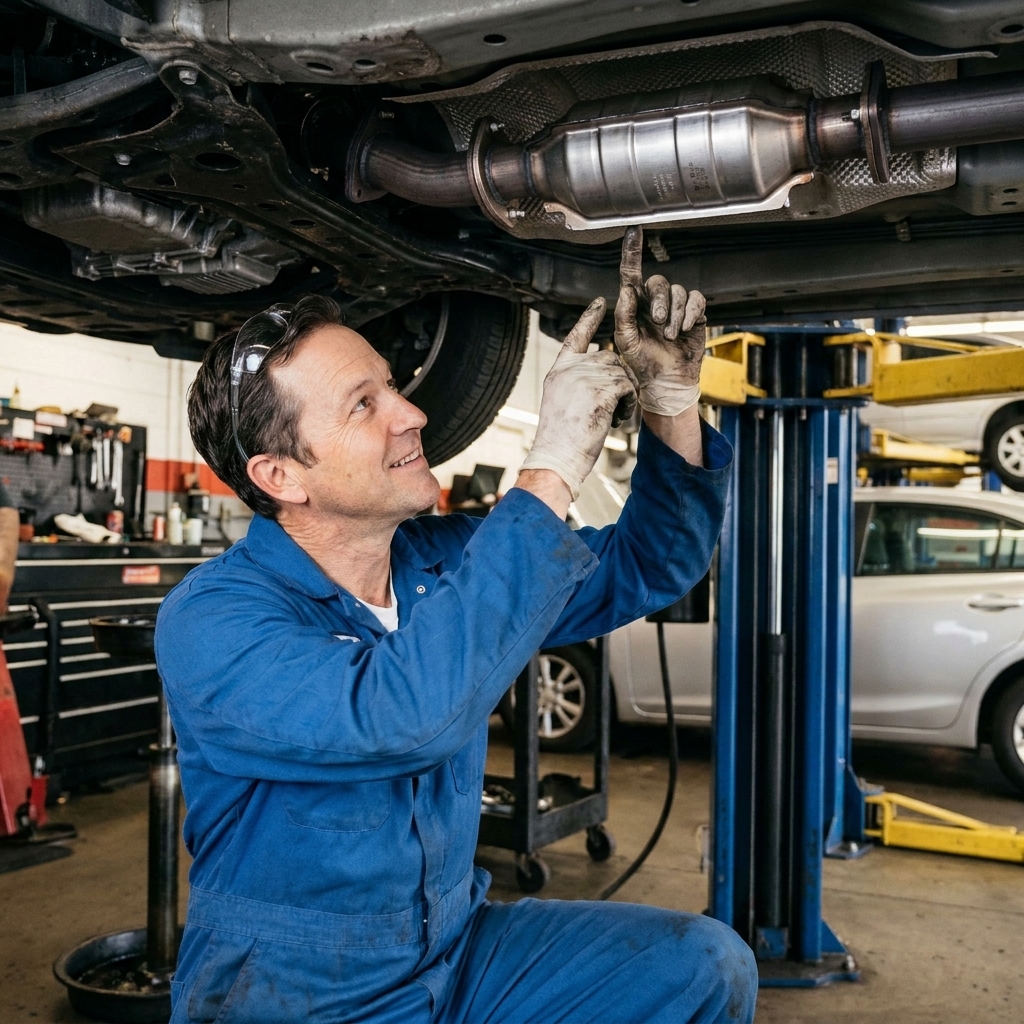
- Check engine light flashing: That usually indicates an active misfire that can damage the catalytic converter.
- Strong fuel smell, leaking fuel, or wet spots: Fire risk. Stop and address immediately.
- Stalling in traffic or severe shaking: Safety issue.
- No improvement after the basics: A one-hour professional diagnostic is cheaper than guessing at sensors, coils, and injectors.
FAQ
Can a rough idle go away on its own?
Sometimes, especially if it was caused by moisture, a temporary contamination issue, or a borderline sensor reading. But if it returns, treat it as an early warning. Small vacuum leaks and weak ignition components tend to get worse, not better.
Is it normal for a rough idle to get worse with the A/C on?
A slight dip when the compressor kicks on can be normal. A heavy shake or near-stall is not. That points to an idle control issue, dirty throttle body, vacuum leak, or misfire that the added load exposes.
What if the rough idle only happens at cold start?
Look closely at vacuum leaks, coolant temperature sensor issues, and ignition components. Cold engines need a richer mixture and stronger spark. Any weakness shows up more when the engine is cold. On some direct-injection engines, cold-start roughness can also be a clue that intake valves are carboned up.
What is the cheapest thing to check first?
Start with the easy, free stuff: intake tube clamps, vacuum hose condition, and a quick visual inspection for disconnected lines. Then scan for codes. Even a basic code reader is often the best money you can spend.