I have seen this exact story in the shop more times than I can count: the car ran perfectly on a dry day, then it rained hard or you went through a car wash, and suddenly it will not start. The lights come on, the radio works, and you are left wondering how water on the outside can strand you.
When a no-start only happens after the car gets wet, you can skip a lot of the usual battery and starter guesswork and focus on one theme: moisture is getting into places it shouldn’t. Sometimes it is a quick dry-out and you are back on the road. Other times, water intrusion is a warning sign that a seal, drain, or connector problem is about to get expensive if you ignore it.
One reality check before we dive in: failures can be coincidences. A starter can die on the same day it rains. But if the pattern repeats, wet weather is a meaningful clue.
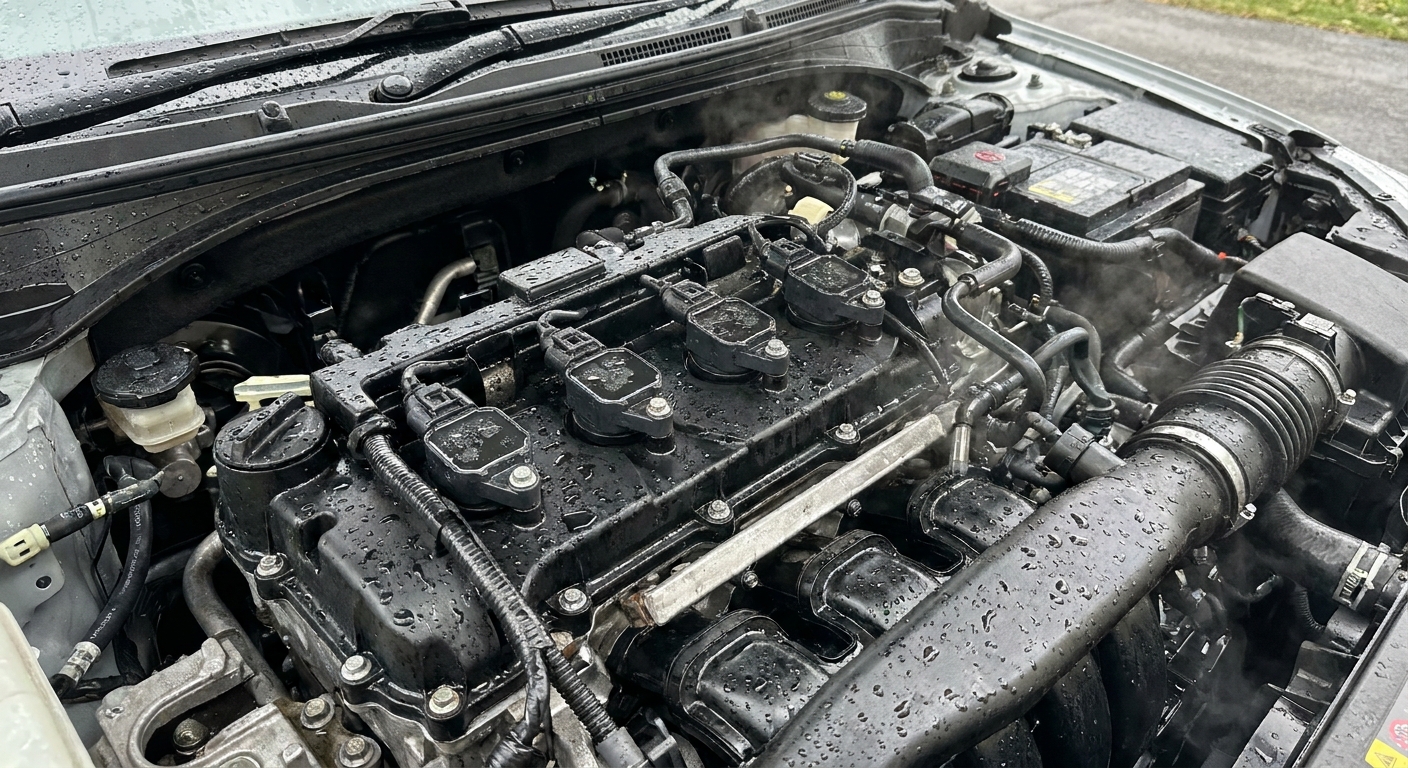
First, define “won’t start”
These situations point to different moisture problems. Before you touch anything, listen and watch.
It cranks but won’t fire
The starter spins the engine normally, but it never catches. After rain, this most often points to ignition misfire so severe it will not start, or moisture affecting air and fuel metering.
It does not crank or it only clicks
The dash lights may be bright, but the starter will not engage. After rain, this often points to a wet electrical connection, a flooded control module, or moisture at a fuse box, relay, ground point, or a starter control circuit.
It starts later after sitting
If it magically starts after an hour or two, that is a classic moisture-related symptom. Water can create an unintended conductive path, leakage, or a resistance change at a weak connection, then evaporate and everything behaves again.
Safe steps in a parking lot
You can do a lot without tools, and you can do it safely. The goal is to remove moisture without damaging electronics or creating a bigger problem.
- Turn the key off and stop repeated cranking. If it is flooding or misfiring, repeated attempts can soak spark plugs, overheat the starter, and drain the battery. Low voltage also makes modern cars act weird, including immobilizer and key-recognition issues.
- Open the hood and let heat work. If the engine is warm, popping the hood for 15 to 30 minutes often helps evaporate moisture around coils and connectors.
- If you have a hair dryer, use it on low heat. Keep it moving and stay a safe distance away. Do not concentrate heat on one spot, and do not use a heat gun.
- Use compressed air only if you can control it. Short bursts can blow water out of plug wells and connectors. Do not blast directly into sensors at point-blank range.
- Wipe standing water, do not spray chemicals. Avoid soaking anything with WD-40 or contact cleaner unless you are disconnecting connectors properly. Spraying blindly can damage some plastics or rubbers, wash contaminants deeper into connectors, or temporarily mask the real issue.
- Do not jump straight to disconnecting modules. If you are not confident, it is easy to bend pins or create a new problem.
What not to do: Do not yank on connectors by the wires. Do not probe yellow airbag wiring. Do not pull coils off a hot engine without care. And do not spray high-pressure water into the engine bay to “test” anything.
A quick safety note: If you drive an EV or hybrid, avoid poking around orange high-voltage cables and components. Moisture issues can still happen on the 12-volt side, but high-voltage systems require extra caution and proper procedures.
Common causes if it cranks but won’t start
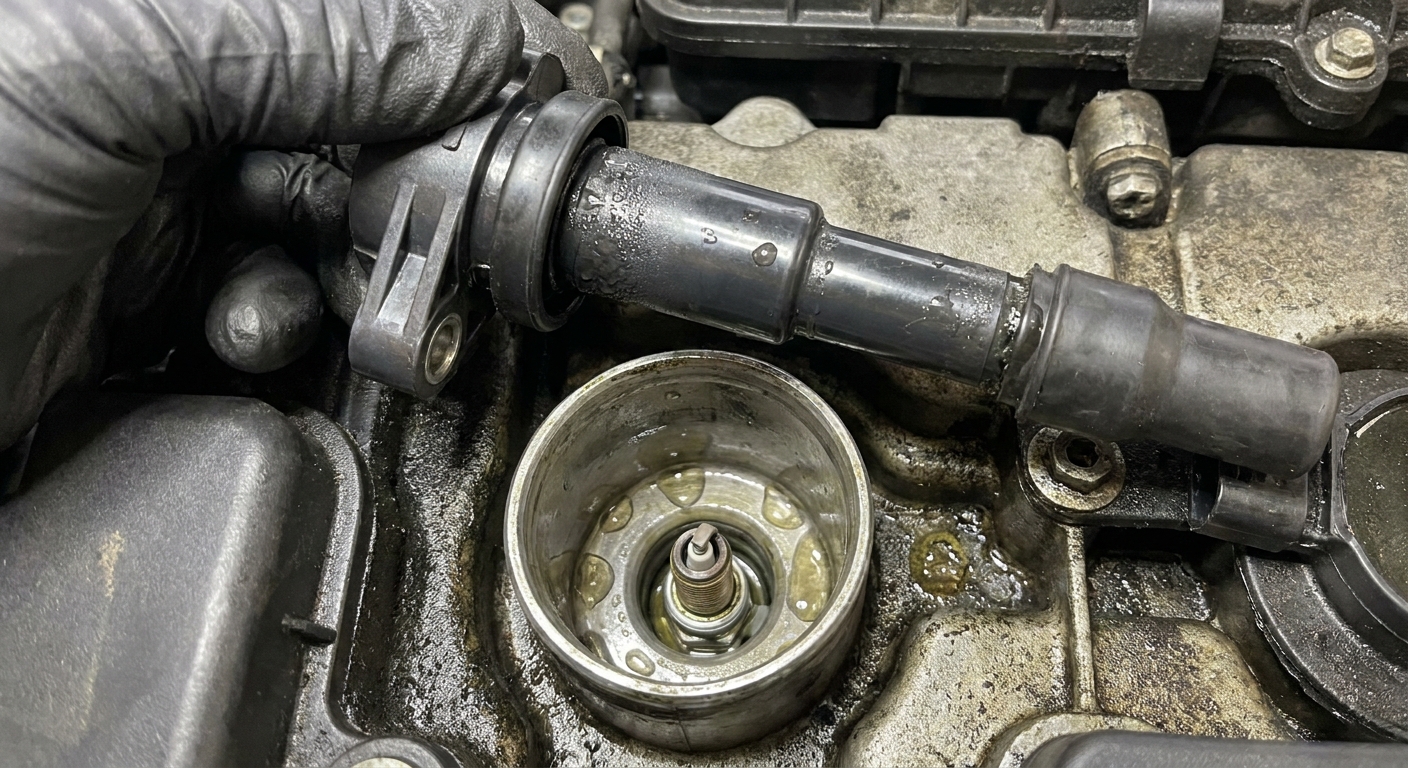
Wet coil boots and spark plug wells
This is one of the biggest repeat offenders, especially on coil-on-plug engines. Water gets down into the spark plug tube, or inside the rubber coil boot, and the spark takes the easiest path. Instead of jumping the plug gap, it leaks to ground. Result: weak spark, multiple-cylinder misfire, or a dead no-start right after a wash.
Clues: rough start attempts, a strong raw-fuel smell at the tailpipe, and once it finally catches it may misfire badly and may flash the check engine light or store misfire codes.
What you can do: let it air out, then try again. If you are comfortable removing an engine cover, look for standing water around coil tops. If you can safely access the coils and you know what you are doing, coils can be removed and the plug wells dried with a clean rag wrapped around a long screwdriver or with gentle compressed air.
Moisture in plug wires and distributor parts (older cars)
If your vehicle uses plug wires and a distributor cap, rain can expose small cracks and weak seals. Condensation inside the cap or moisture tracking across the outside can kill spark.
Clues: it ran fine until rain, then cranks with no hint of firing. Later it starts and runs better as it dries.
What you can do: dry the outside of the distributor area, then use low heat from a hair dryer to gently warm the cap and wires. If it repeats, the long-term fix is replacing a cracked cap, rotor, wires, and sometimes the coil.
Water in the intake or a soaked air filter
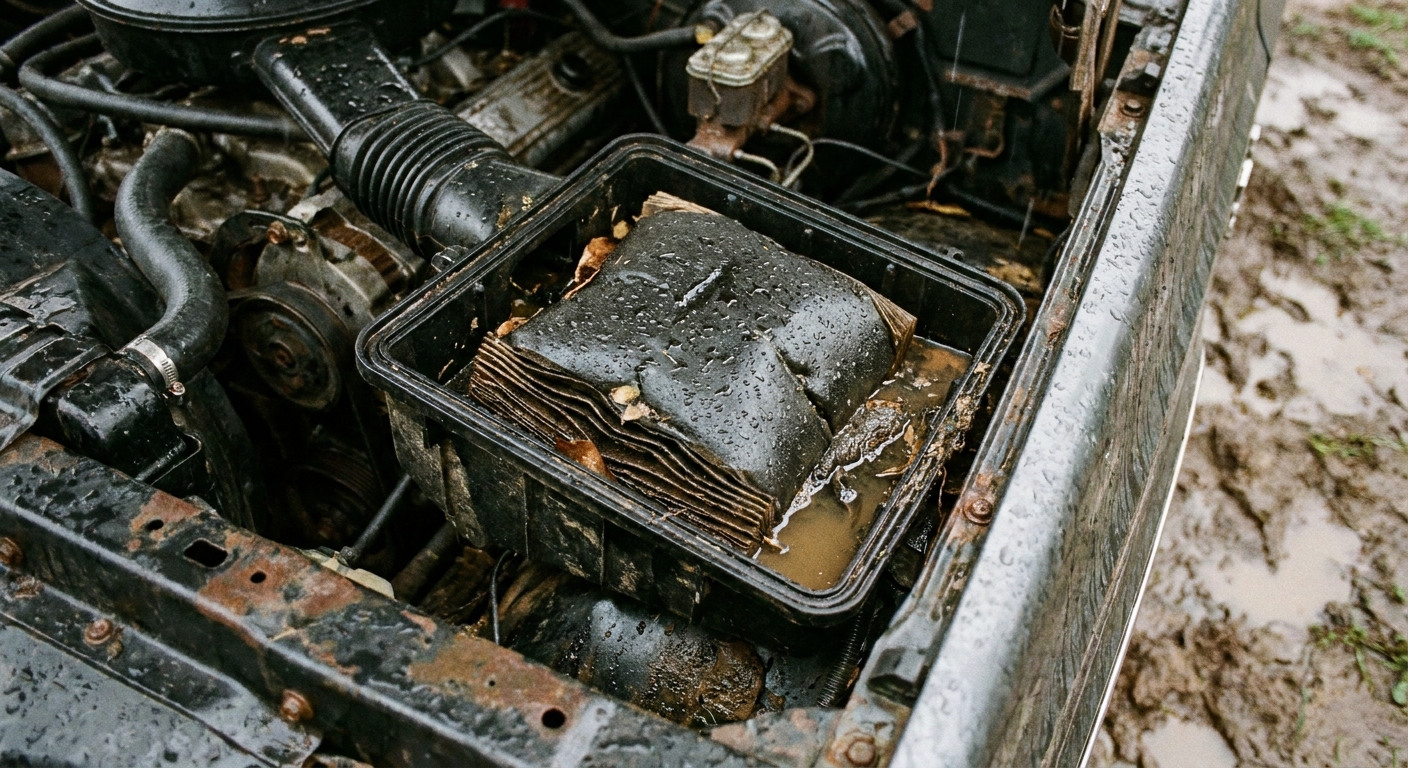
A normal car wash should not flood your intake, but it can happen if the intake snorkel is missing, a fender liner is broken, or the air box is not sealed. In heavy rain, puddle splash can also soak the air filter. Even without full hydrolock, a wet filter or water pooled in the air box can cause a no-start or very rough start.
Clues: it tries to start but feels like it is not getting air, you hear odd intake noises, or you recently drove through deep water.
Important: If you suspect water ingestion from a deep puddle, stop and do not keep cranking it. Pulling spark plugs and checking for water is the right move, but that is usually not a parking lot job for most people.
What you can do: check the air filter box for standing water and a soaked filter. If it is saturated, it needs to dry or be replaced before you keep trying.
Common causes if it won’t crank or only clicks
Cowl leaks dripping onto the fuse box, BCM, or wiring
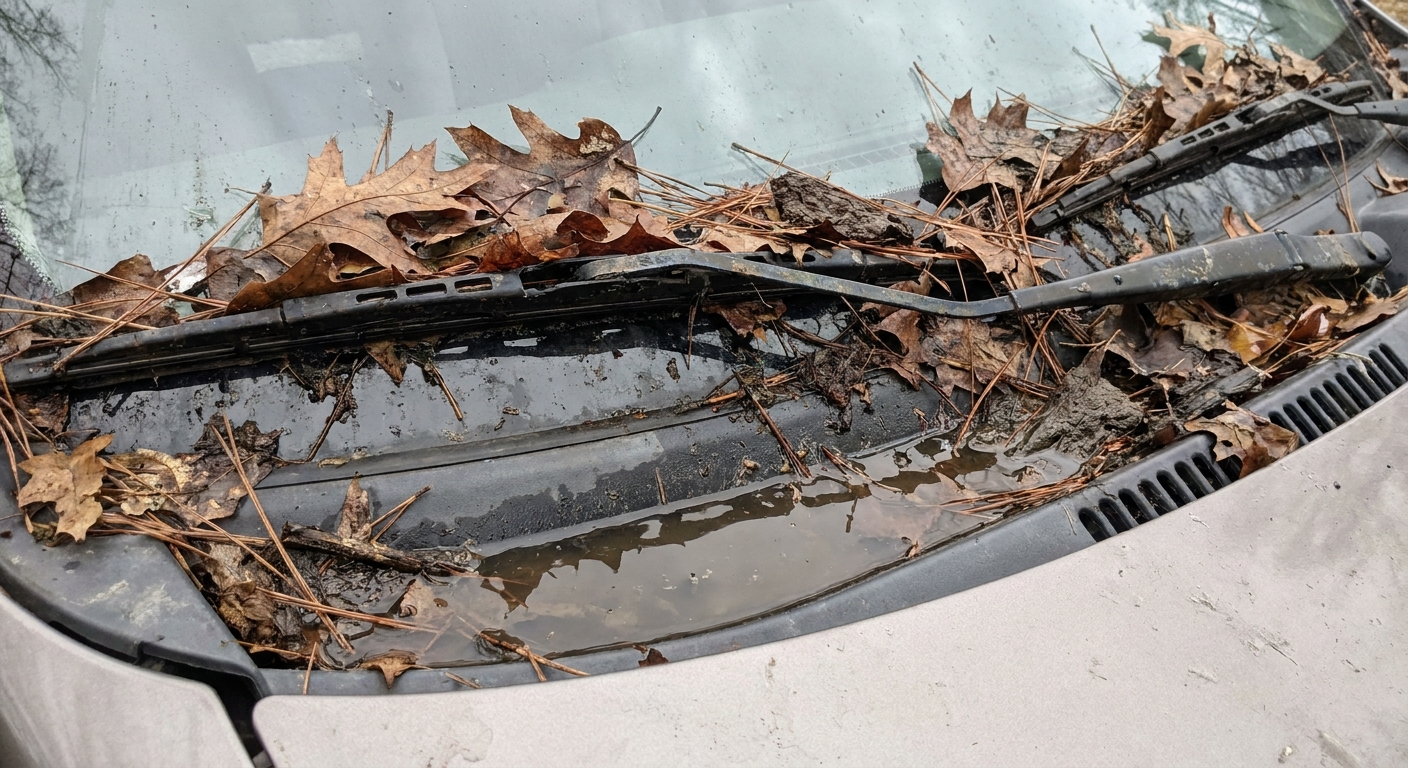
The cowl is the panel area at the base of the windshield. It is supposed to manage water and route it away through drains. When those drains clog with leaves and debris, water pools and finds the easiest path, often right into places you do not want it. I have seen cowl water drip onto fuse panels, body control modules (BCM), and main harness connectors, creating intermittent no-crank issues that only show up after rain.
Clues: damp carpet near the firewall, foggy windows, a musty smell, weird electrical behavior (wipers, locks, or interior lights acting up), or a no-start that comes and goes with weather.
What you can do: if you can see into the cowl area safely, remove leaves and debris. If water is pooling under the windshield trim, the drains need to be cleared properly. Be careful with trim clips and wiper arms, and do not shove a sharp tool into a drain where it can puncture a hose.
Sunroof drains overflowing and soaking the cabin
Sunroofs have drain tubes, usually one in each corner, that route water down the A-pillars and out under the car. When those drains clog or pop loose, water runs into the headliner and down into the cabin. From there, it can soak carpets and reach wiring junctions or control modules under seats and along the rocker panels.
Clues: wet headliner edges, damp A-pillars, wet floorboards, or a sloshing sound when you corner. Some cars will not crank if a module under the dash or seat gets wet, even though other electronics still power up.
What you can do: dry the interior as best you can and avoid repeatedly cycling the ignition. If you find standing water under a seat or in the spare tire well, you are past “parking lot fix” territory. That needs a proper inspection before corrosion sets in.
Connectors that fail only when damp
A lot of modern no-starts are caused by connectors that are just barely hanging on. The terminal tension is weak, the seal is torn, or there is corrosion starting inside. When the connector gets damp, leakage and voltage drop can be just enough that the ECM, immobilizer, crank sensor, or starter relay signal does not behave like it should.
Common culprits:
- Crankshaft position sensor connector
- Camshaft position sensor connector
- Main engine ground straps and ground points
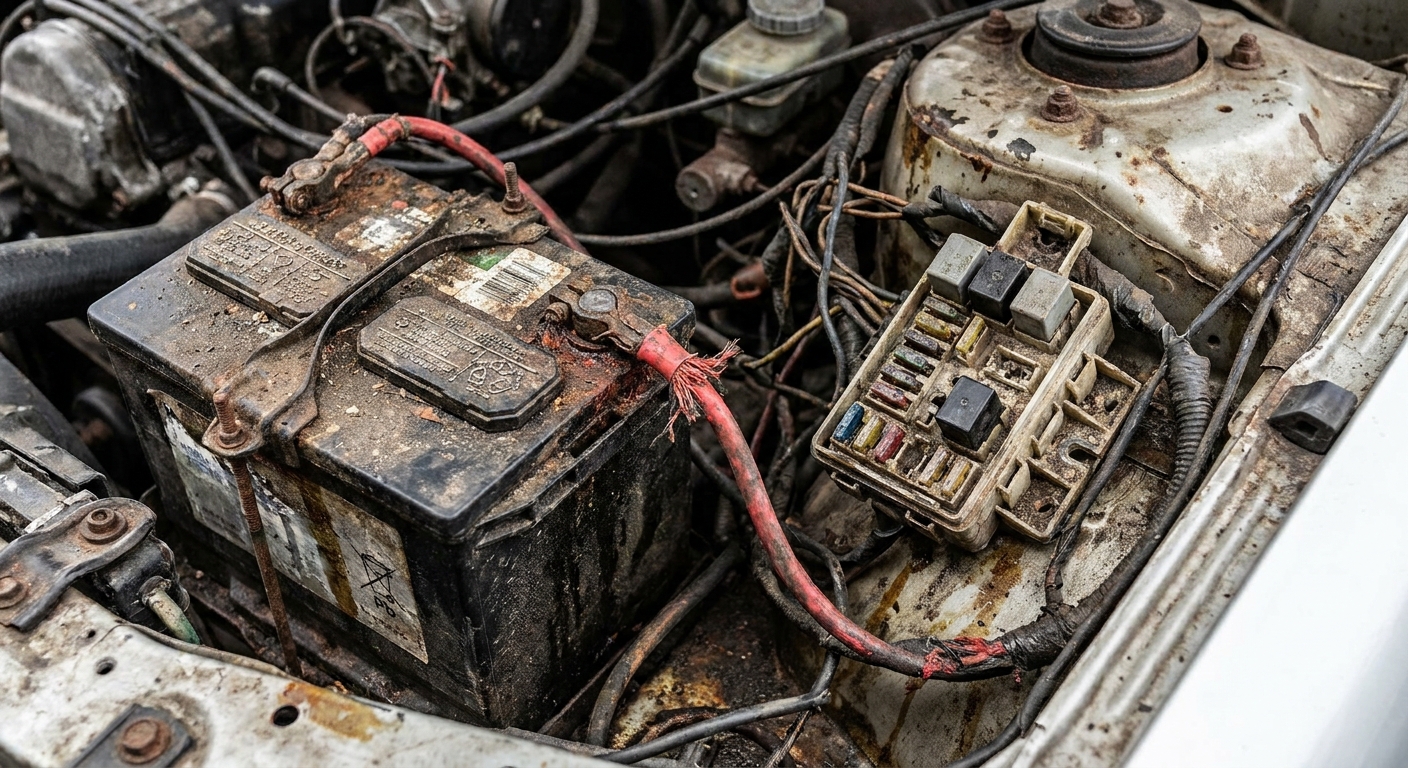
- Underhood fuse and relay box connections
- Starter solenoid signal wire and connections
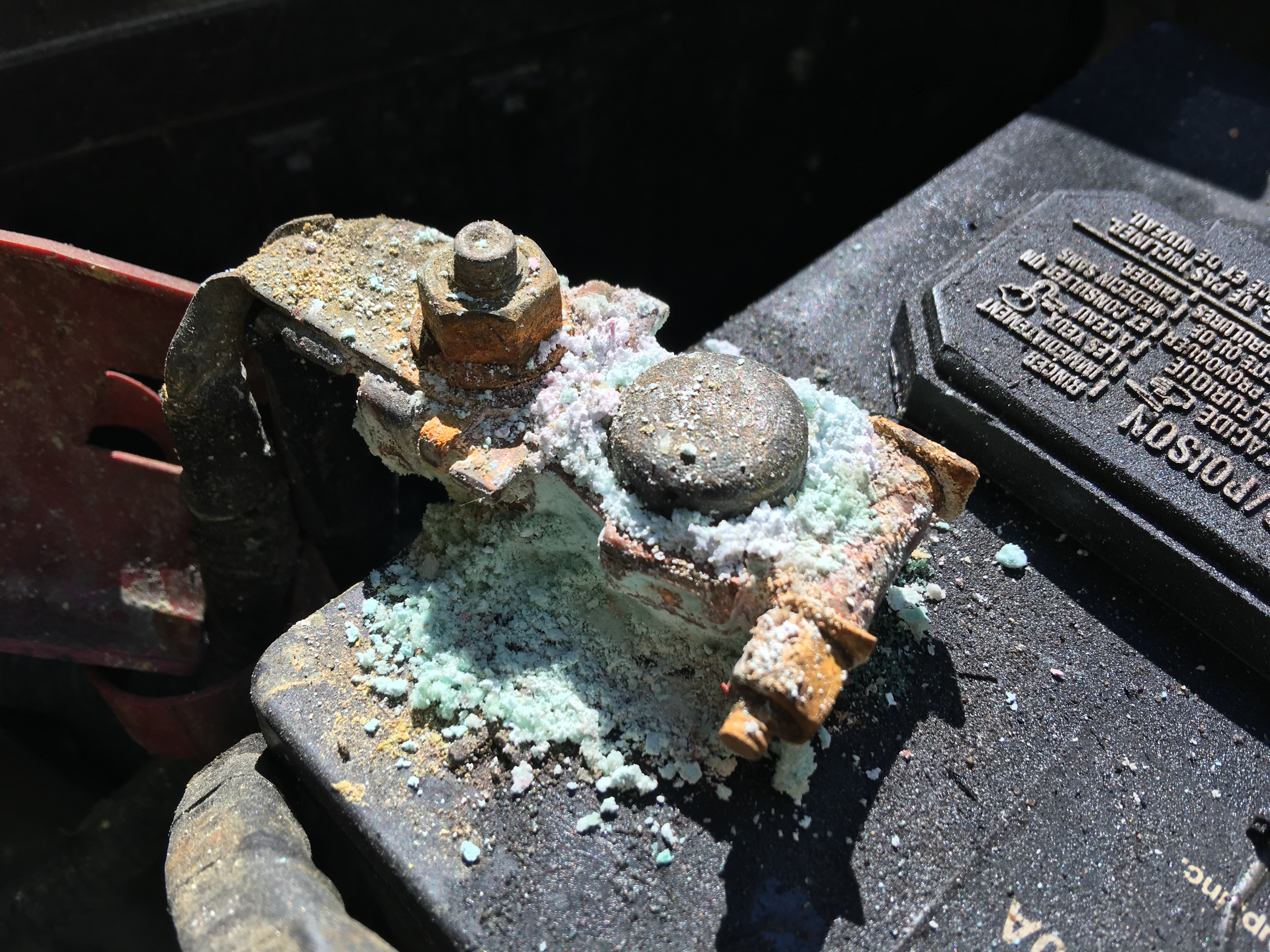
- Battery terminal connections that look tight but are not clean inside
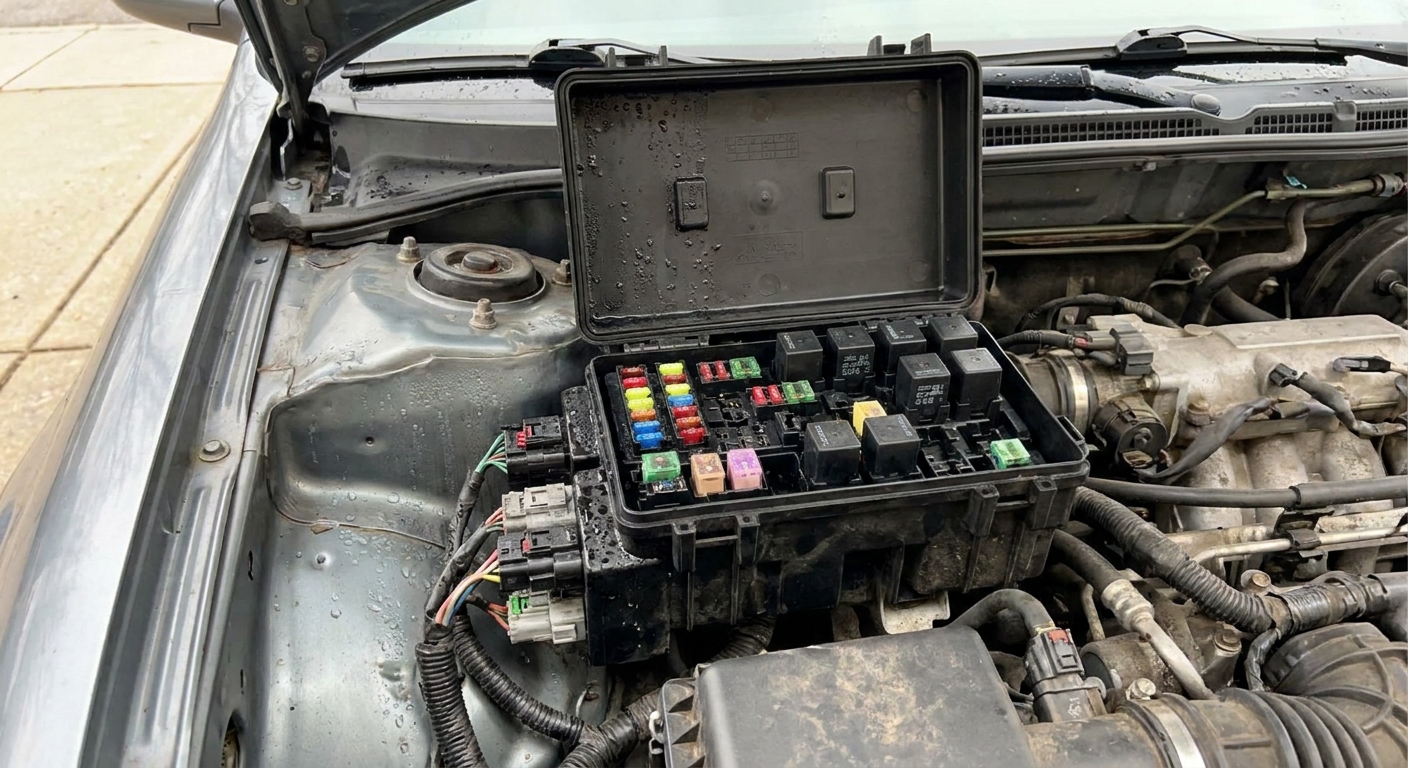
What you can do: check battery terminals for looseness, then look for obviously wet fuse boxes or exposed connectors. If you suspect a wet fuse box, do not spray it. Let it air dry, and if you have compressed air, use gentle bursts around the perimeter. Also take a quick look at the fuse box lid and seal: a warped cover, broken clip, or pinched gasket can let water in every time it rains.
Aftermarket alarms and remote starts
This one is so common I always ask about it. Poorly sealed splices, add-on relays, and wiring tucked into a wet kick panel can create a no-crank or no-start that only shows up in damp weather. Sometimes it presents as an intermittent crank, an immobilizer-style no-start, or a dead silence when you turn the key.
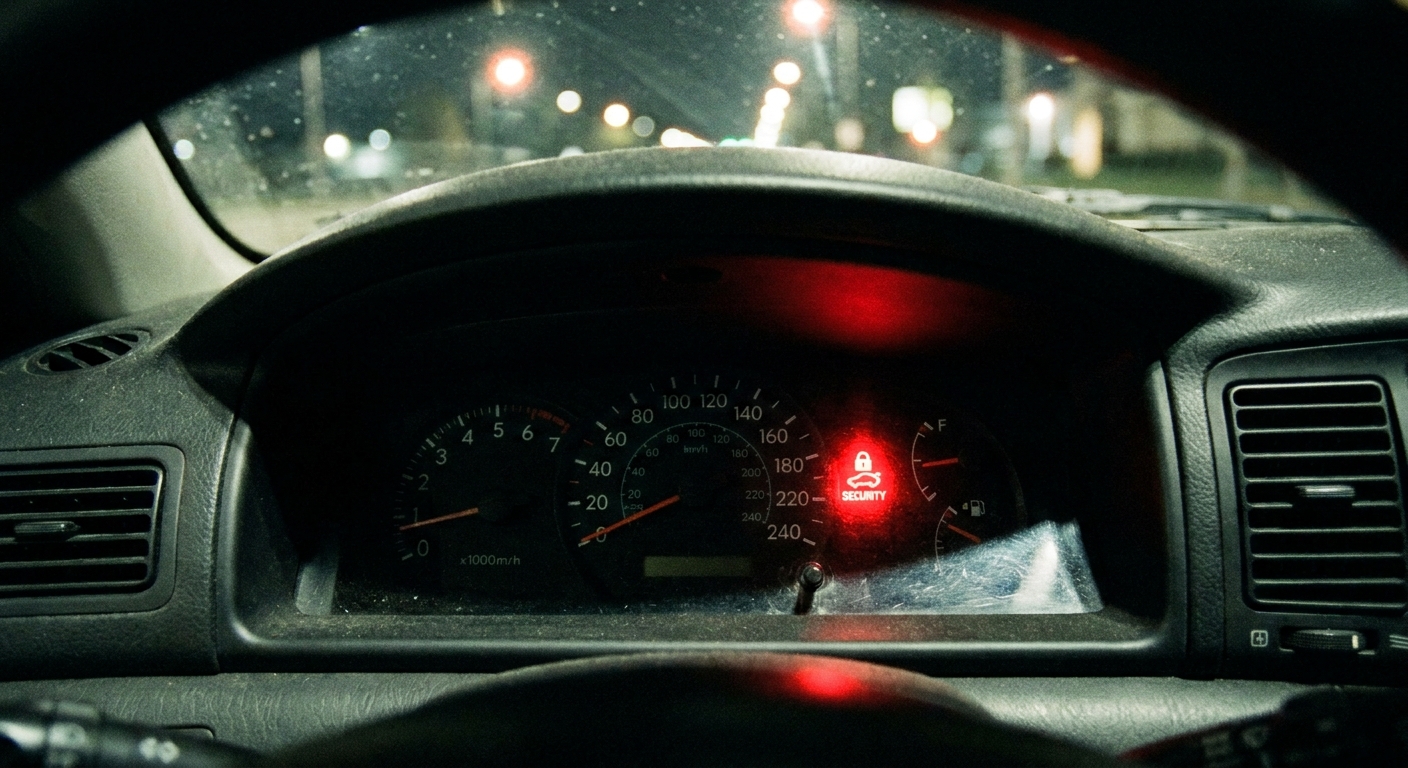
Clues: non-factory wiring under the dash, a flashing security light, a remote start module, or a problem that started after an audio or alarm install.
What you can do: not much safely at the roadside. If the car consistently fails after rain and you have aftermarket electronics, tell the shop up front. It saves diagnostic time.
Dry it out, in order
If you are stranded and you suspect moisture, here is a practical order of operations that I recommend:
- Wait 15 minutes with the hood open. It is amazing how often this works, especially after a car wash.
- Try a single start attempt. If it cranks strongly but will not catch, stop and move to drying the ignition side.
- Dry what you can reach. Wipe pooled water, blow out plug well areas if accessible, and dry the top of the engine around coils.
- If the interior is wet, prioritize that. Pull floor mats, blot carpet, and run the heater with A/C on if the engine will run. If it will not run, open windows if weather allows and start drying immediately.
- After it starts, do not call it “fixed.” Moisture-related no-starts usually come back until you correct the water path or the failing part.
When it needs a tow
I am all for DIY, but water intrusion can turn into module damage fast. Get a tow and a proper diagnosis if any of these are true:
- You suspect the engine ingested water from deep standing water and it now will not crank, cranks abruptly or unevenly, or sounds abnormal. Do not keep trying.
- The car will not crank and you have wet carpets or signs of cabin flooding.
- You smell burning plastic, see smoke, or find a hot spot around a fuse box or wiring.
- The dash is lighting up with multiple warnings right after the rain event.
- It starts after drying but dies repeatedly when you hit puddles or after the next wash.
- You drive a hybrid or EV and water reached electrical components you cannot confidently identify. Safety first.
How a shop will diagnose it
If you want to know what you are paying for, here is what a good technician typically does on moisture-related no-start complaints:
- Scan for codes, including body and immobilizer modules, not just engine codes
- Check for misfire data and crank sensor signals during cranking
- Inspect coil boots for carbon tracking and plug wells for water
- Inspect cowl and sunroof drains, then confirm water paths with controlled water testing
- Voltage drop test grounds and power feeds while the failure is present
- Inspect connectors for corrosion and damaged seals
- Check for TSBs or known water-intrusion patterns for that model
The key is reproducing the condition. Intermittent moisture problems can look “fine” once everything dries, so the best shops look for evidence of water tracks, staining, corrosion, and drain issues rather than waiting for it to fail in the bay.
Prevention
- Keep the cowl area clean. Clear leaves and pine needles regularly, especially in fall.
- Verify sunroof drains flow. If you have a sunroof, watch for slow draining or water on the headliner corners.
- Avoid blasting water into the engine bay. Modern engine bays can handle rain, but direct high-pressure spray can push water past seals.
- Replace cracked coil boots and aged plug wires. Rubber does not last forever, and moisture finds the cracks first.
- Fix missing splash shields and fender liners. They are not just for looks. They control where water can travel.
- Make sure fuse box covers seal. A missing clip or damaged gasket is an easy way to invite water.
Quick FAQ
Why do my lights and radio work but the car won’t start after rain?
Those accessories can operate on relatively low current, while starting and engine control need clean, stable power and signals. A damp ground, wet relay, wet fuse box, flooded module, or moisture in an ignition component can prevent starting even though the cabin electronics seem normal.
Can I spray WD-40 or contact cleaner to “fix” it?
I would not treat that as a first step. Spraying chemicals without disconnecting and inspecting can damage some plastics or rubbers, push contamination deeper, or temporarily mask a problem that needs a real repair. Drying and inspection beats guessing with a can.
Is this dangerous for the car?
It can be. Repeated no-starts from water intrusion can lead to corrosion inside connectors and modules, and the repair can go from a simple drain clean-out to a harness or module replacement. If you find wet carpets or standing water, treat it as urgent.
If it starts once it dries, do I still need to fix anything?
Yes. A rain-only no-start is usually the car telling you where it is vulnerable. Drying is the band-aid. The real fix is sealing the water path or replacing the component that fails when damp.