I’ve lost count of how many “no-start” cars I’ve seen towed in that had a perfectly decent battery, bright dash lights, and a radio that played just fine, but the engine still refused to fire. Then you notice it: the security light blinking like it’s trying to tell you a secret.
In a no-start situation, a flashing security light often means the car’s anti-theft system is not authorizing the start. That is a totally different problem than a weak battery, a bad starter, or a check-engine light situation. Below is how I’d walk you through it in the driveway, coffee in hand.
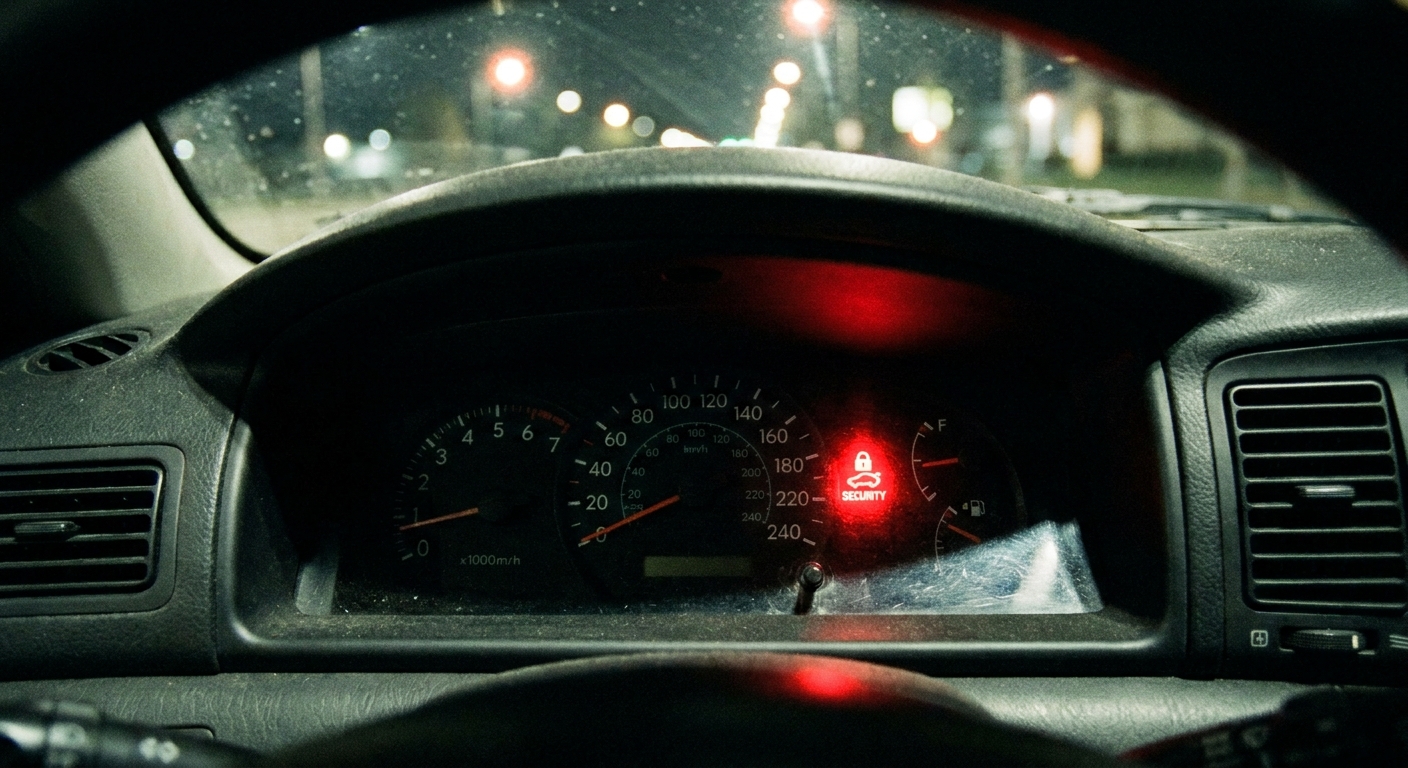
What the flashing security light means
Most modern vehicles use an immobilizer. The car looks for a coded signal from your key or key fob. If it does not see the right code, it may:
- Disable the starter (you turn the key and nothing happens, or just a click).
- Allow cranking but disable fuel and/or spark (it cranks strongly but will not start, sometimes starts for 1 to 2 seconds and dies).
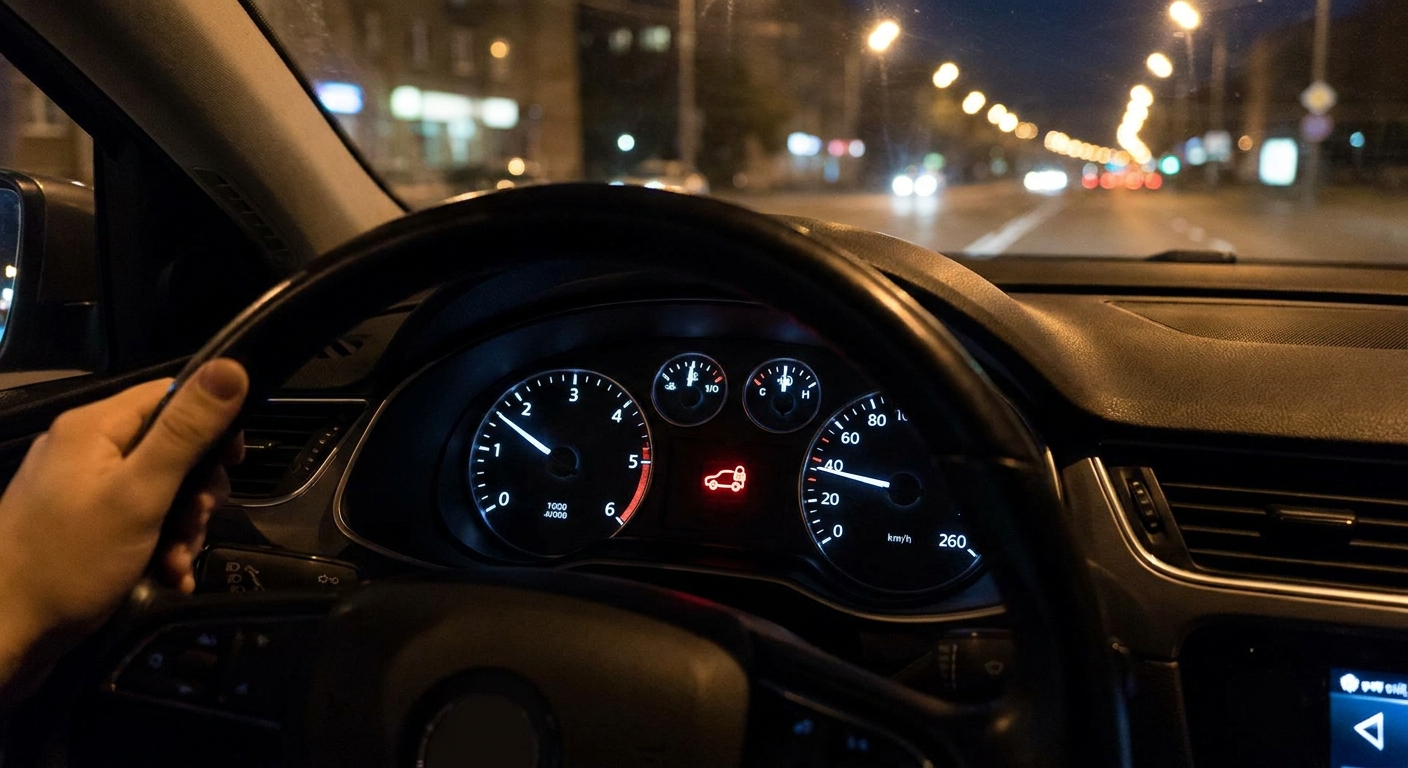
Here is the important nuance: on many cars, the security light will blink normally when the vehicle is parked or locked as a theft deterrent. What gets my attention is a security light that stays on solid with the key ON, or flashes rapidly while you are trying to crank or start.
Light meanings and lockout behavior are make and model specific. If you have the owner’s manual handy, it is worth checking what your vehicle considers normal vs abnormal security light behavior.
Immobilizer vs check-engine light
A check-engine light is an emissions and engine management warning. It might point to misfires, sensors, or fuel issues, and it usually does not intentionally block starting.
A flashing security light is anti-theft related and can intentionally block starting even when everything else is fine.
Immobilizer no-start vs dead battery
A weak battery usually shows up as slow cranking, rapid clicking, dim lights, or electronics resetting.
An immobilizer issue often shows up as normal dash lights and sometimes strong cranking, but the engine never catches.
Quick triage
Before you chase parts, note exactly what the car does:
- No crank: the starter is not turning the engine at all. The alarm or immobilizer may be cutting the starter circuit, but so can a bad battery, starter relay, or neutral safety switch.
- Cranks but will not start: immobilizer commonly cuts fuel and/or spark.
- Starts then dies: a classic immobilizer symptom on many vehicles.
If the security light is acting up with the key ON or during a start attempt, move immobilizer and alarm checks to the top of your list.
Common causes to check first
1) Wrong key or unprogrammed spare
This is the number one “easy fix.” Many spare keys can unlock doors but cannot start the car unless their transponder chip is programmed to the immobilizer.
- Try your other key if you have it.
- If the other key starts the car, your problem is not the battery or starter. It is key programming or a failing transponder.
Tip: A plain metal copy from a hardware store often has no transponder chip. Some shops can clone or program chip keys, but a basic cut-only copy usually will not start an immobilizer-equipped car.
2) Dead fob battery or a fob not being detected
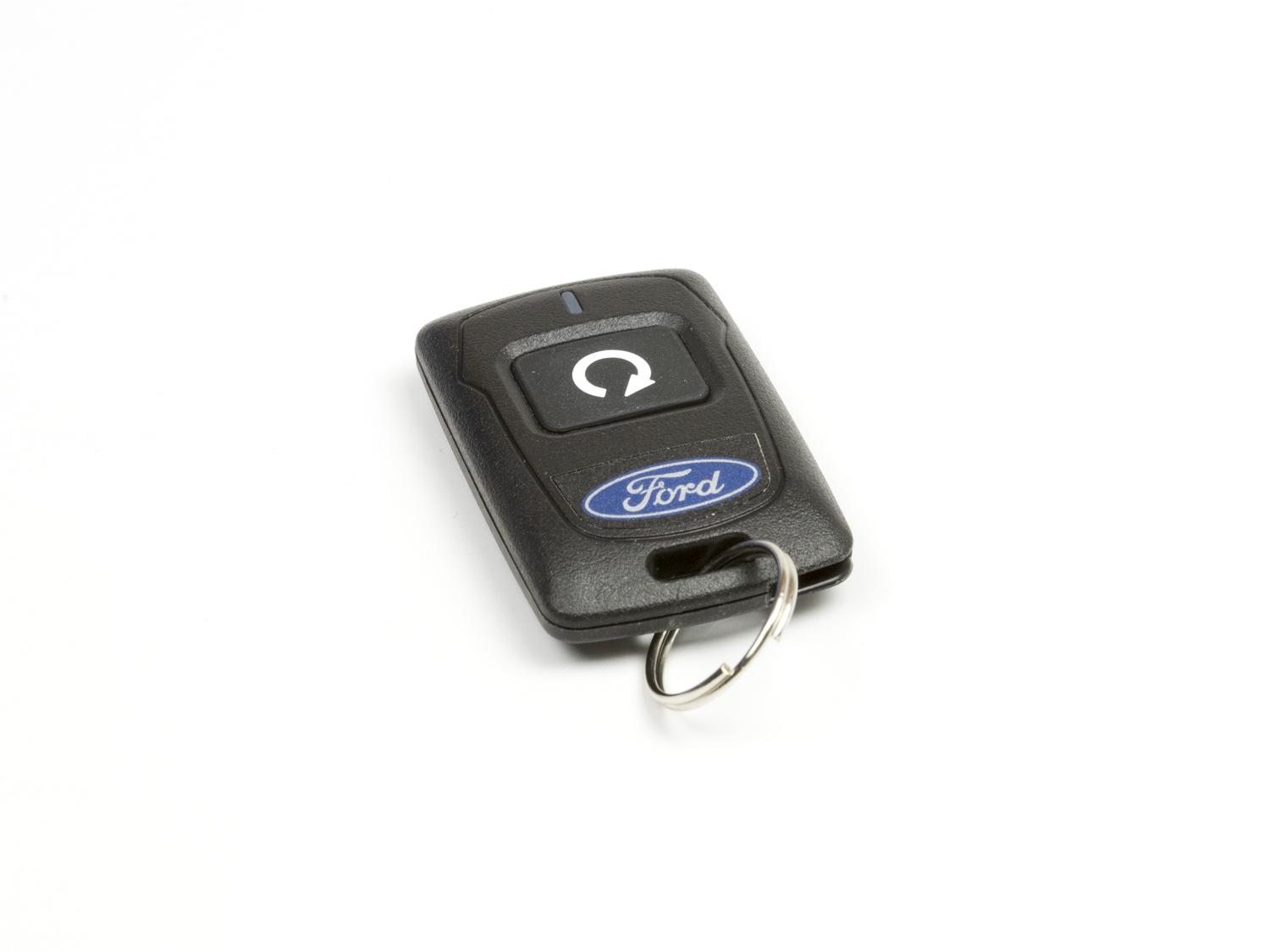
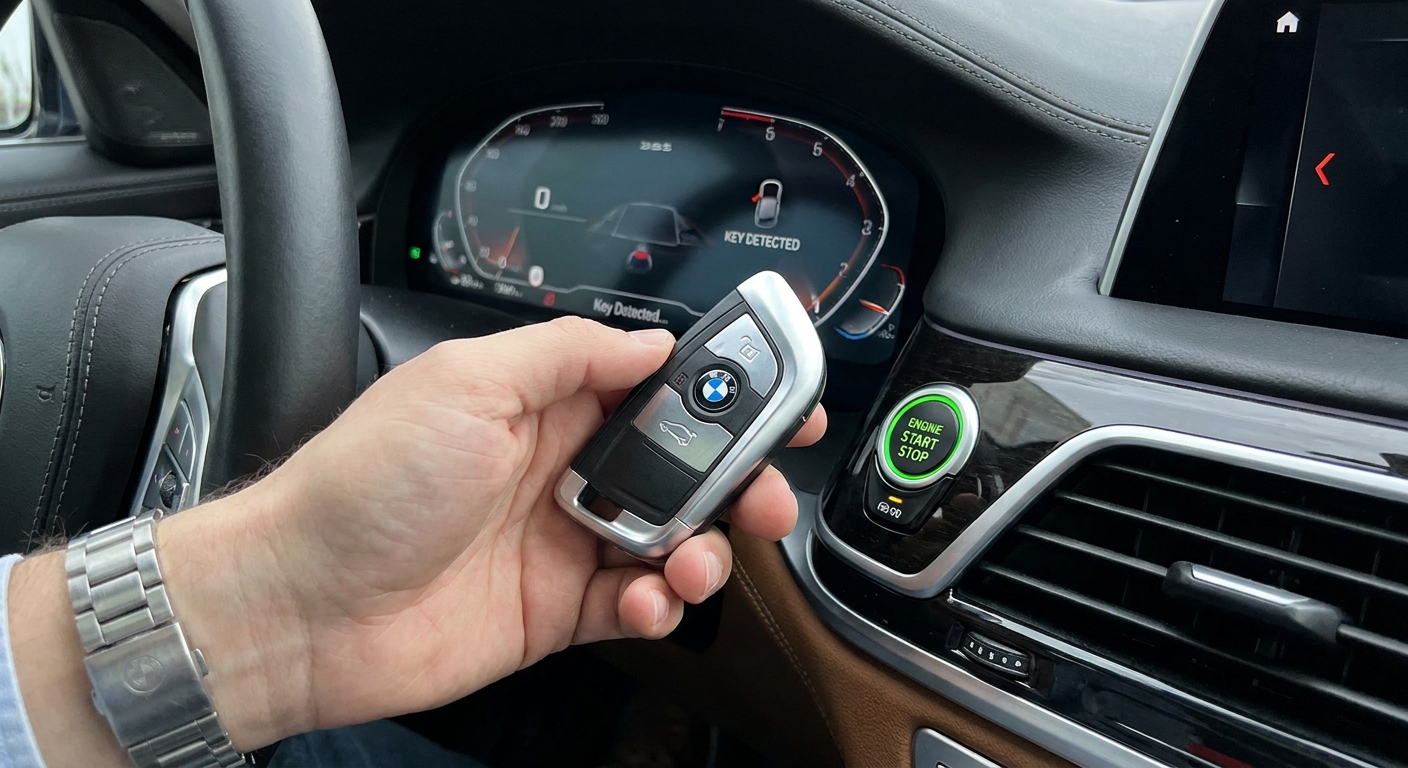
On push-button start cars, a weak fob battery can prevent the car from recognizing the fob. Many vehicles have a built-in backup method:
- Hold the fob right against the start button and try again.
- Or place the fob in the designated pocket (often in the center console or dash) and then start.
If it starts using the “touch the fob” method, replace the fob battery first.
If it still will not recognize the fob, you may be dealing with a failed fob, interference, or a receiver issue rather than just a battery.
3) RFID interference and proximity weirdness
This one is not the most common, but it is real. Other RFID keys on the ring, metal key cases, or strong nearby RF sources can occasionally make a proximity system act flaky.
- Take other keys and fobs off the ring and try again.
- If you are in a parking garage or right next to a big radio tower, try starting in a different spot if you can safely move the vehicle.
4) Transponder antenna ring issues (keyed ignition)
Vehicles with a traditional key often have an antenna ring around the ignition cylinder that reads the key’s chip.
Clues the antenna ring or its wiring is acting up:
- Security light flashes and the car will not start, then randomly starts later.
- Wiggling the key slightly changes behavior.
- Aftermarket items on the keychain are heavy and pull on the cylinder.
What you can do at home:
- Try starting with the key in a neutral position, not twisted hard against the spring.
- Remove other keys, fobs, and heavy keychains and try again.
- Try your spare key to rule out a weak transponder chip in the main key.
5) Aftermarket alarm or remote start problems
Aftermarket security systems and remote starts commonly use a starter-kill relay or similar interrupt. When they malfunction, you can get a “dead key” feeling even with a good battery.
Common clues there is an aftermarket module involved:
- Non-factory fobs, odd chirps, or an LED stuck on the dash or near the steering column.
- Remote start was installed by a previous owner.
- Problem began after a battery replacement or jump start.
What to try:
- Lock and unlock the driver door with the physical key (some systems reset this way).
- Try the factory fob: lock, unlock, then start.
- If you look under the dash, do not probe random connectors. Avoid yellow airbag connectors and do not cut, bypass, or twist wires together. A professional can usually diagnose this quickly.
6) Low vehicle voltage confusing modules
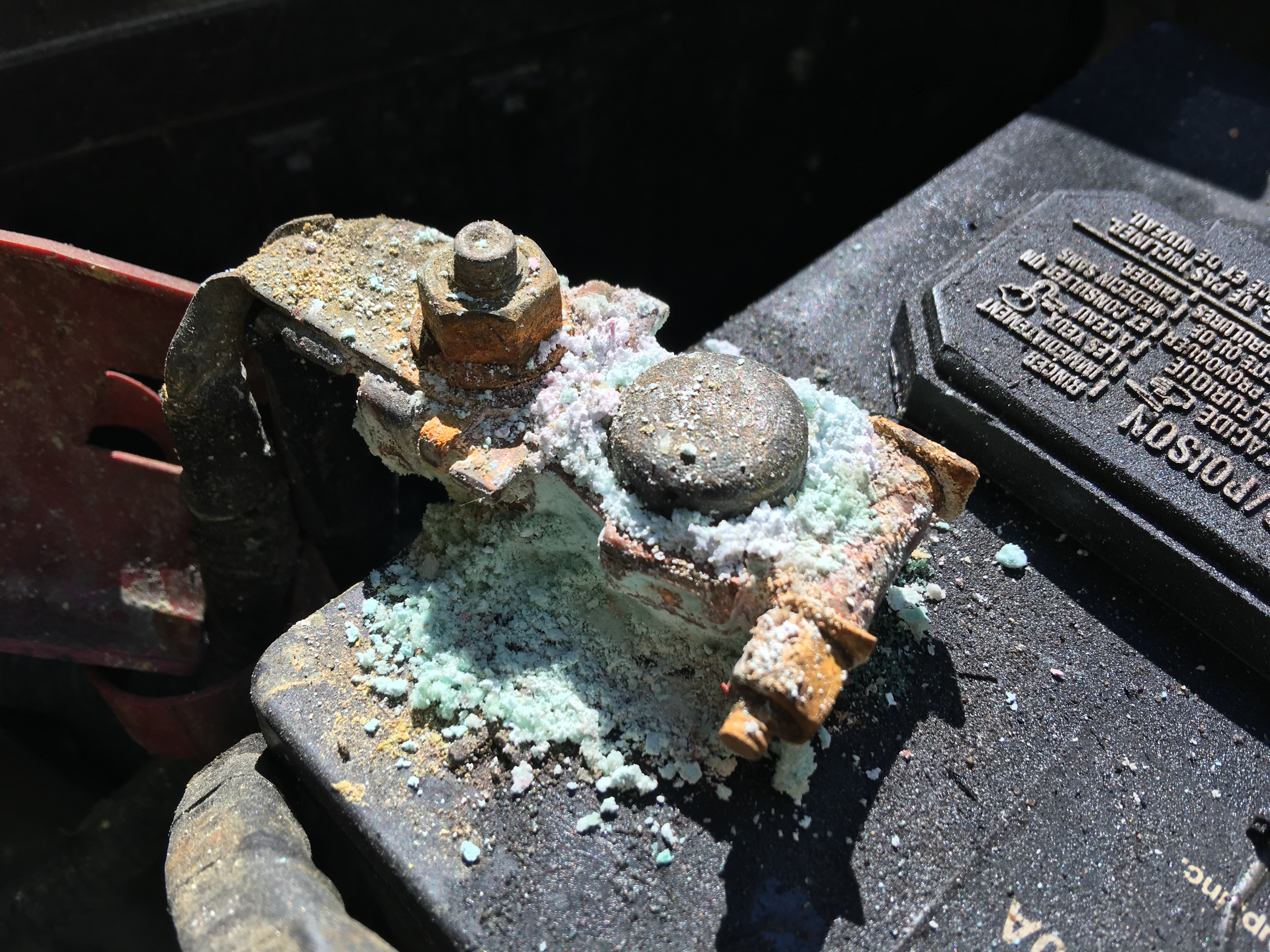
Even if the lights and radio work, the battery can still be weak under load. Modern modules are picky about voltage. If the immobilizer or body module browns out during cranking, the car may lose key authentication.
At-home checks:
- If you have a multimeter: battery should be around 12.6V fully charged (engine off). During cranking it typically should not drop below about 9.6 to 10V, though cold weather can pull it lower.
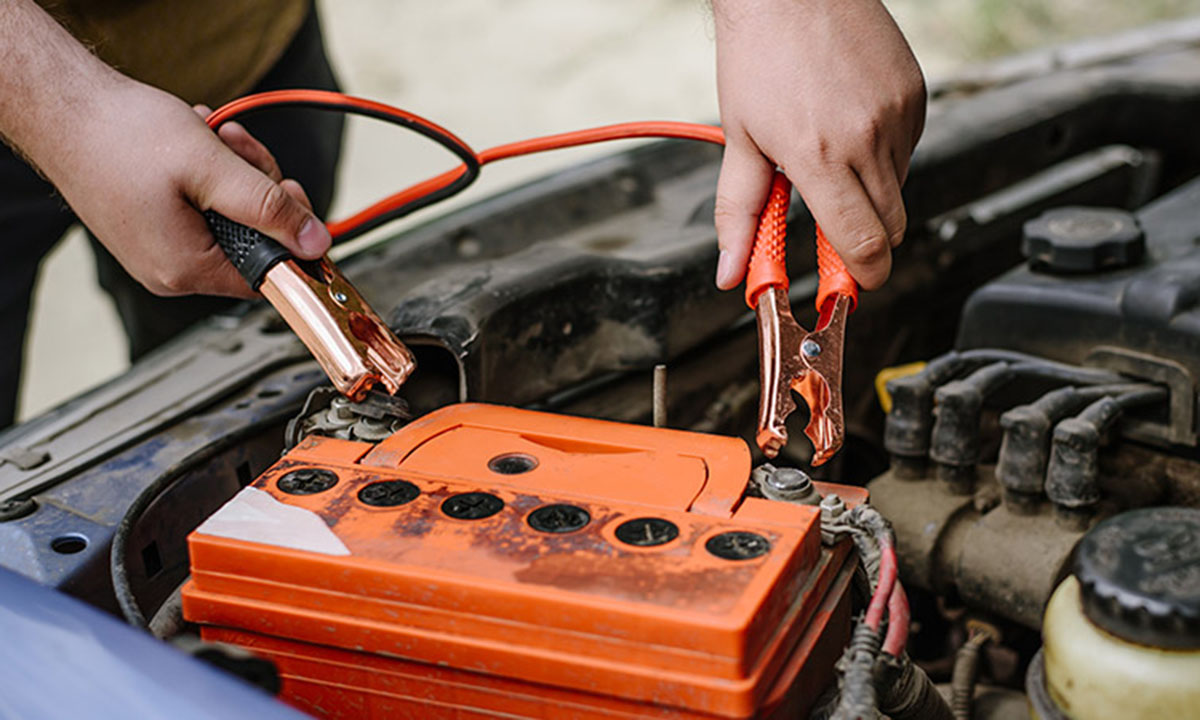
- If you do not: try a known-good jump start or charge the battery fully, then retry.
If a jump start fixes it once but the problem returns, test the battery and charging system. A failing battery can create “ghost” security issues.
7) Blown fuses after a jump start
If the trouble started immediately after a jump start, battery replacement, or any electrical work, check the obvious fuses. A blown fuse feeding the BCM, immobilizer, or ignition circuit can look like an anti-theft issue.
If you are unsure which fuse is which, use the diagram on the fuse box cover or the manual.
8) Steering lock faults (some push-button cars)
Some push-button vehicles use an electronic steering lock. When it fails, the car may not authorize a start and you can see security-related warnings.
Sometimes turning the wheel slightly while pressing the start button helps, but repeated failures usually need diagnosis and parts.
Reset steps worth trying
Key relearn attempt
Some vehicles will re-sync the key and immobilizer with a timed key-on procedure. One common pattern is:
- Turn the key to ON (not start) and leave it for 10 to 15 minutes.
- Watch for the security light to stop flashing or change behavior.
- Turn key OFF for 10 seconds.
- Try starting.
This does not apply to every make and model. Some require a longer procedure (sometimes multiple cycles) or a scan tool. If nothing changes after 15 minutes, stop and move on to other checks instead of looping it all afternoon.
Battery disconnect
Battery disconnects can reset some aftermarket alarms. They do not usually fix a true factory immobilizer mismatch, and they can create extra headaches (radio codes, window calibration, steering angle sensors). If you disconnect the battery, do it deliberately:
- Key out of ignition, doors closed, wait a couple minutes for modules to sleep.
- Disconnect negative terminal for a few minutes, reconnect securely.
If you are seeing a security light issue during start attempts, I’d rather you try a second key, fob battery, and the relearn first.
Is it anti-theft or something else?
More likely immobilizer or alarm
- Security light stays on solid with key ON, or flashes rapidly during crank or start attempts.
- Cranks strong but never fires, or starts then stalls immediately.
- Swapping to the spare key changes the outcome.
- Push-button start works only when the fob is held to the button or placed in the pocket.
More likely a conventional no-start
- Security light acts normal for your vehicle and does not change during start attempts.
- Slow crank, lots of clicking, or electronics dim heavily during start attempt.
- Fuel-related symptoms like long crank and eventual start, stumbling, or recent low-fuel issues.
- Clear mechanical symptoms such as grinding starter, smoke, or severe noises.
What a shop will do
When this shows up at the shop, the first steps are usually straightforward:
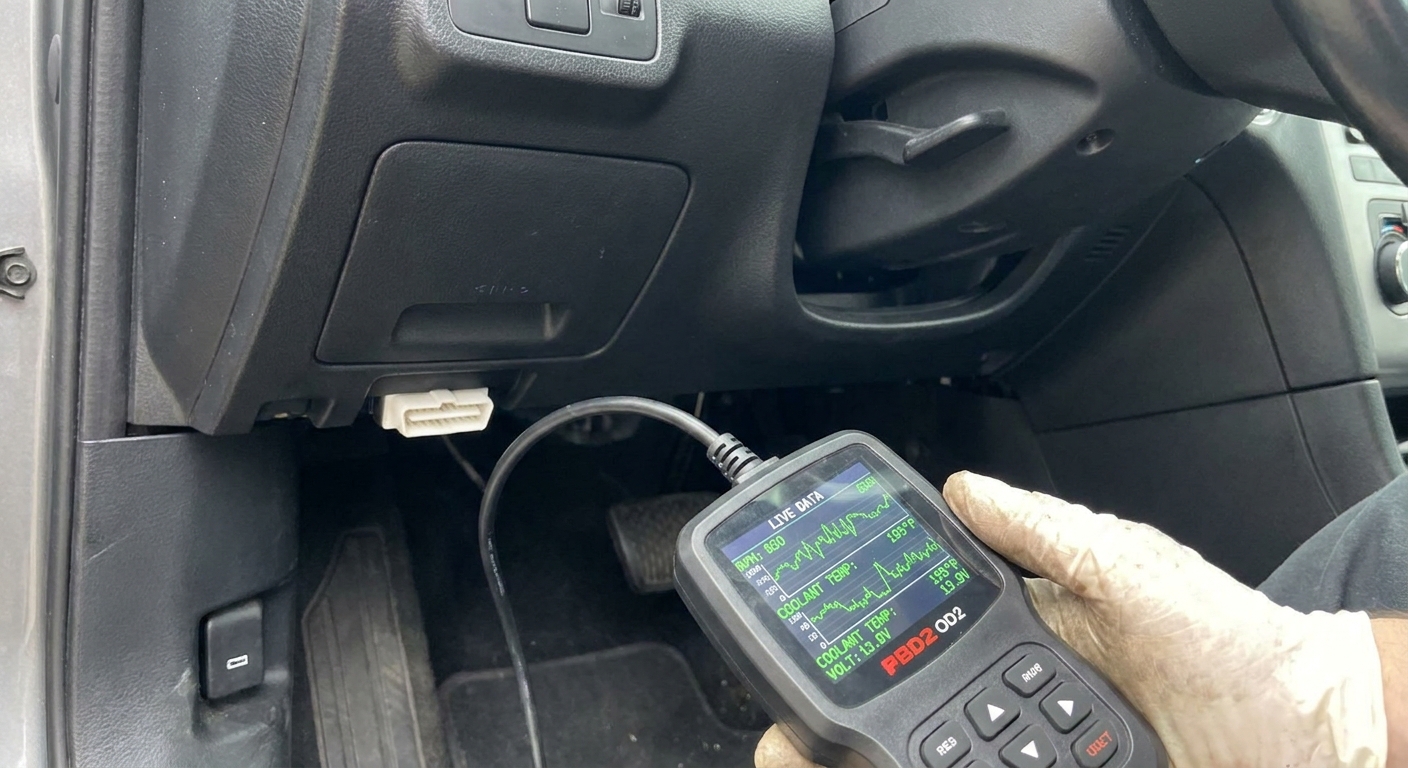
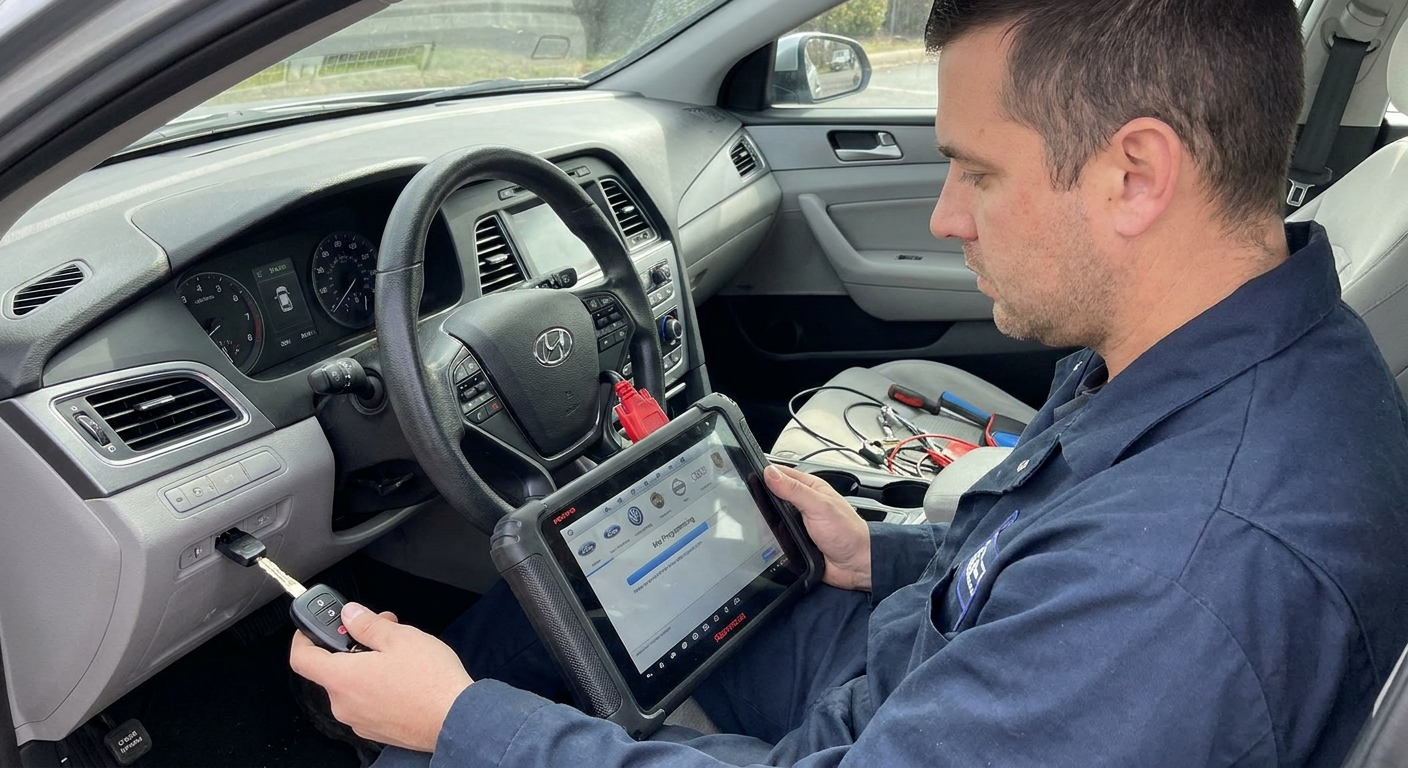
- Scan body control module and immobilizer codes, not just engine codes. Many parts-store scanners only read the engine computer.
- Verify key recognition data: does the immobilizer see a valid key ID, and is it authorized?
- Check immobilizer antenna signal and wiring integrity.
- On aftermarket systems: test starter-kill relay and inspect splices under the dash.
- Confirm basic engine signals if needed (like crank sensor RPM while cranking) so an unrelated no-start does not get misdiagnosed as anti-theft.
Programming a new key or reprogramming keys typically requires dealer-level tools or a locksmith with the right equipment.
When to call for help
Get professional help if:
- You only have one key and it is not being recognized.
- The security light is abnormal during start attempts and the vehicle repeatedly starts then dies.
- You suspect an aftermarket alarm or remote start and wiring under the dash has been disturbed.
- You see evidence of rodent damage or water intrusion near the steering column or fuse boxes.
A qualified automotive locksmith can often handle immobilizer and key issues faster than a general tow-to-dealer approach, especially if you need keys cut and programmed on-site.
FAQ
Can a flashing security light drain my battery?
The light itself uses almost no power. The bigger issue is repeated start attempts and leaving the ignition on, which can drain a marginal battery quickly.
Will an OBD2 scanner tell me what is wrong?
Sometimes, but not always. Basic scanners often miss immobilizer and body codes. You may need a scan tool that can read BCM and anti-theft data, or a locksmith and dealer-level tool.
Is it safe to keep trying to start it?
A few attempts are fine. If it is an immobilizer lockout, endless cranking usually will not help and can overheat the starter or drain the battery. Switch to key and fob checks instead.
My driveway checklist
- Confirm the security light is acting up with key ON or during start attempts, not just blinking normally when parked.
- Try the spare key or spare fob if you have one.
- For push-button starts, hold the fob against the start button or use the fob pocket.
- Replace the key fob battery if it is old or unknown.
- Remove other keys and RFID fobs from the key ring and try again.
- Charge or jump the car to rule out low system voltage.
- Try a 10 to 15 minute key-on relearn once.
- If there is an aftermarket alarm or remote start, plan on professional diagnosis instead of random wire chasing.
If you tell me your year, make, model, whether it cranks, and exactly how the security light behaves (solid, slow blink, fast blink), I can help you narrow it down even more.