I have seen this one a lot at the shop counter: the engine starts right up, idles smoothly in Park or Neutral, then the second you shift into Drive or Reverse it shudders and dies. It feels like a transmission problem, but often it is the engine failing to handle the extra load that shows up the moment a gear engages.
Below is how I diagnose it, what you can safely check in your driveway, and the situations where you should stop and get professional help.
What changes when you shift into Drive
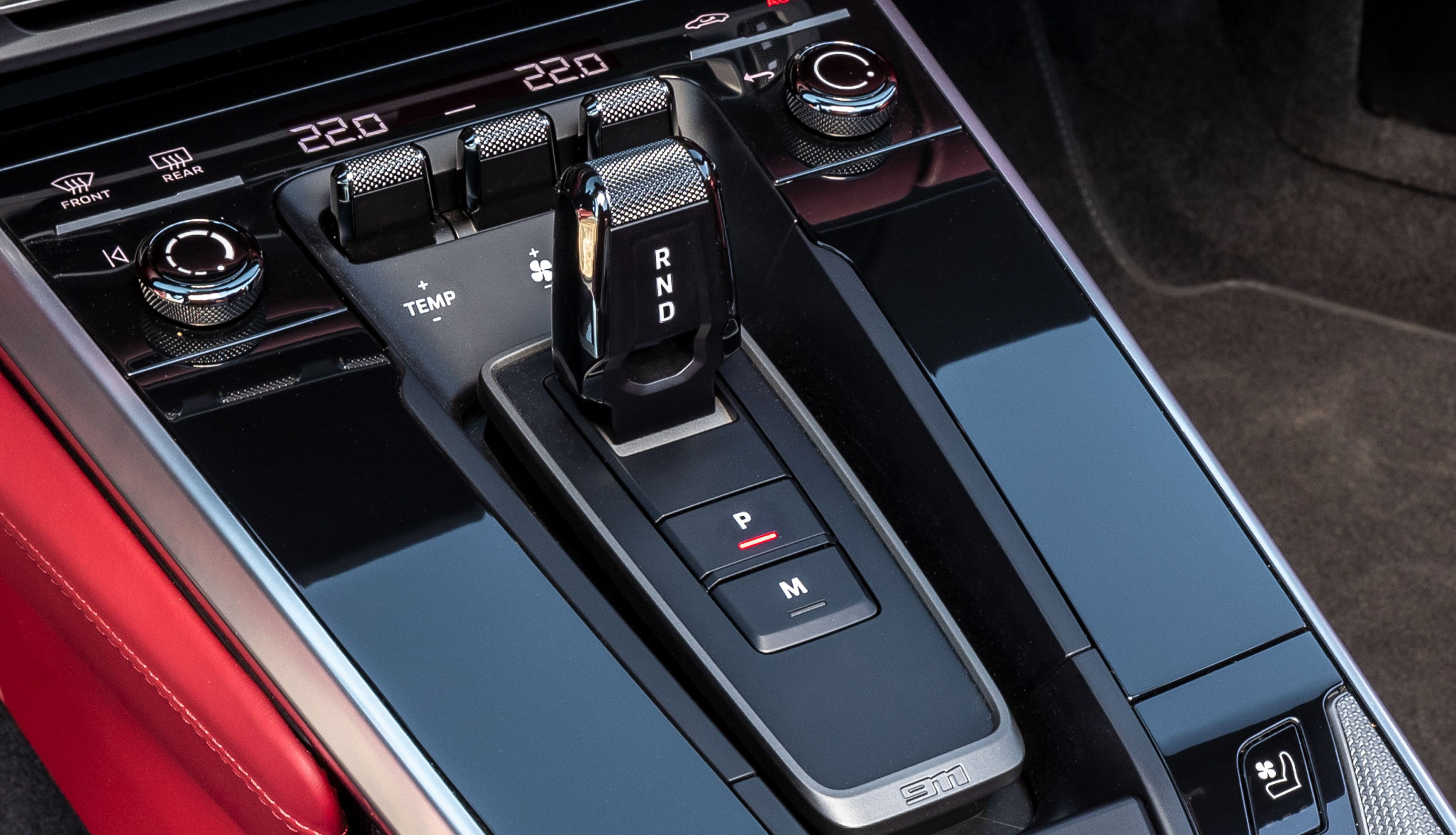
In Park or Neutral, the drivetrain is not applying load through the torque converter the same way. When you select Drive or Reverse:
- The torque converter loads the engine. Even at idle, it couples engine power into the transmission.
- The idle target and airflow needs change. The computer has to bump idle control to prevent a stall.
- Torque reaction loads the mounts and engine bay parts. Worn mounts can let the engine rock, tug on hoses or wiring, or create a harsh bind.
If anything in the fuel, air, ignition, or idle control system is marginal, that added load can be enough to snuff the engine out.
Before you diagnose: quick safety checks
Do these first. They prevent a minor drivability issue from becoming a broken bumper or a tow bill.
- Set the parking brake hard and keep your foot firmly on the brake pedal.
- If the stall is violent or the car lunges, shut it off and do not keep repeating the test.
- If the check engine light is flashing (misfire), avoid running it and get it scanned soon.
- If you smell raw fuel or see smoke, stop and investigate for leaks.
Fast driveway triage
1) Does it stall only in Drive, or also in Reverse?
Both Drive and Reverse points to an engine idle control, air and fuel metering issue, vacuum leak, or torque converter clutch problem. If it is only one direction, I start thinking about mount movement, wiring strain, or something physically contacting under torque.
2) Does it improve if you lightly press the gas?
If a little throttle keeps it alive, the engine likely is not getting enough air or fuel at idle, or the idle control system is not responding fast enough.
3) Watch the RPM drop, and give it a few seconds
Most cars dip some RPM when you shift into gear. A small dip is normal, and many will recover within 5 to 10 seconds as the computer catches up. A big drop followed by a stall, or an RPM that never stabilizes, means the engine cannot compensate for load.
Common causes (and what to check)
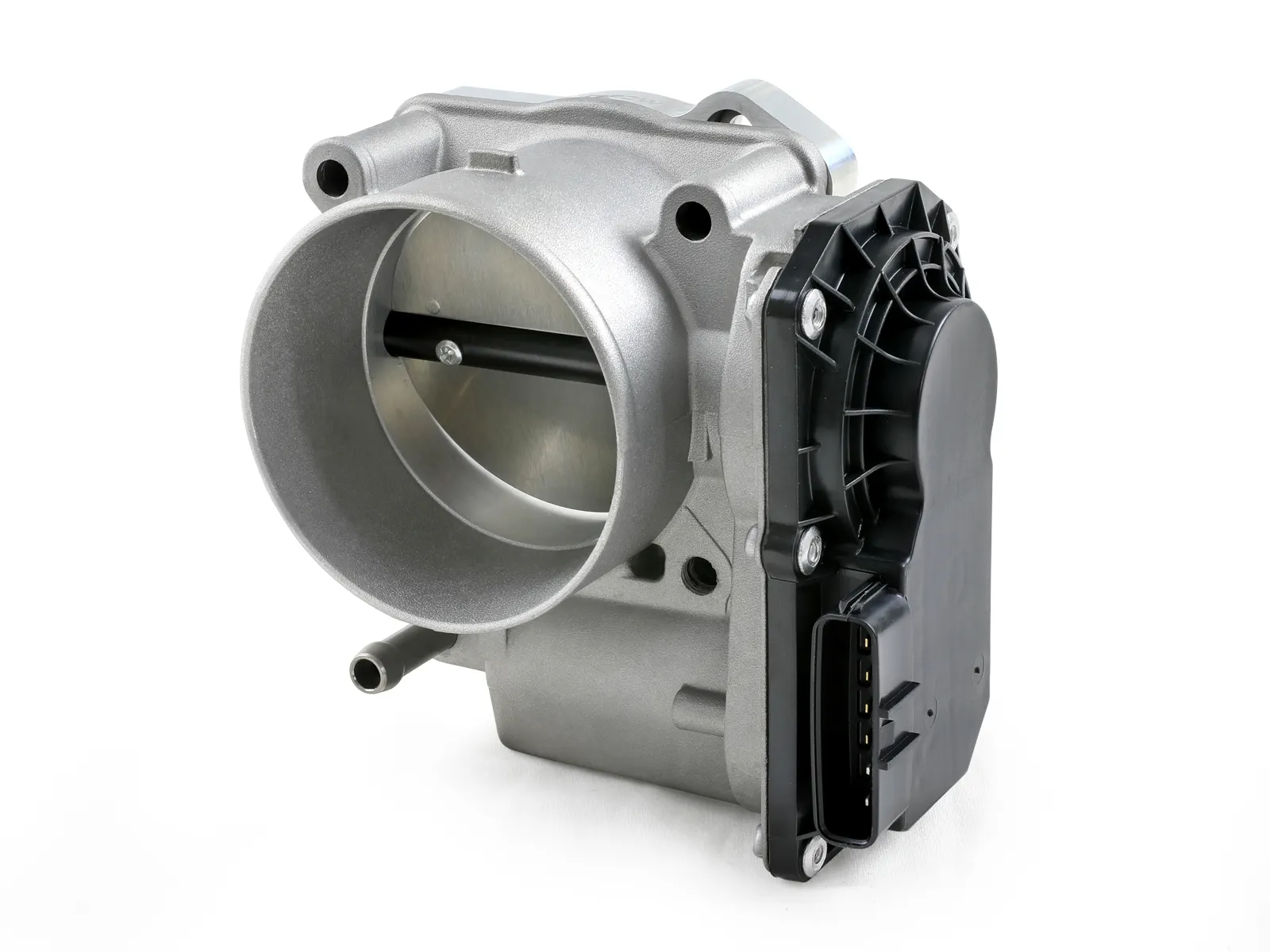
Idle control problems (IAC valve, electronic throttle body, dirty throttle plate)
On older cable throttle setups, the idle air control (IAC) valve meters bypass air. On newer cars, the electronic throttle body handles idle. If the throttle plate is gummed up with carbon or the IAC is sticking, the engine may idle in Park but cannot add airflow quickly when the transmission loads it.
- Clue: Idle is low or hunts. Turning on the AC makes it worse.
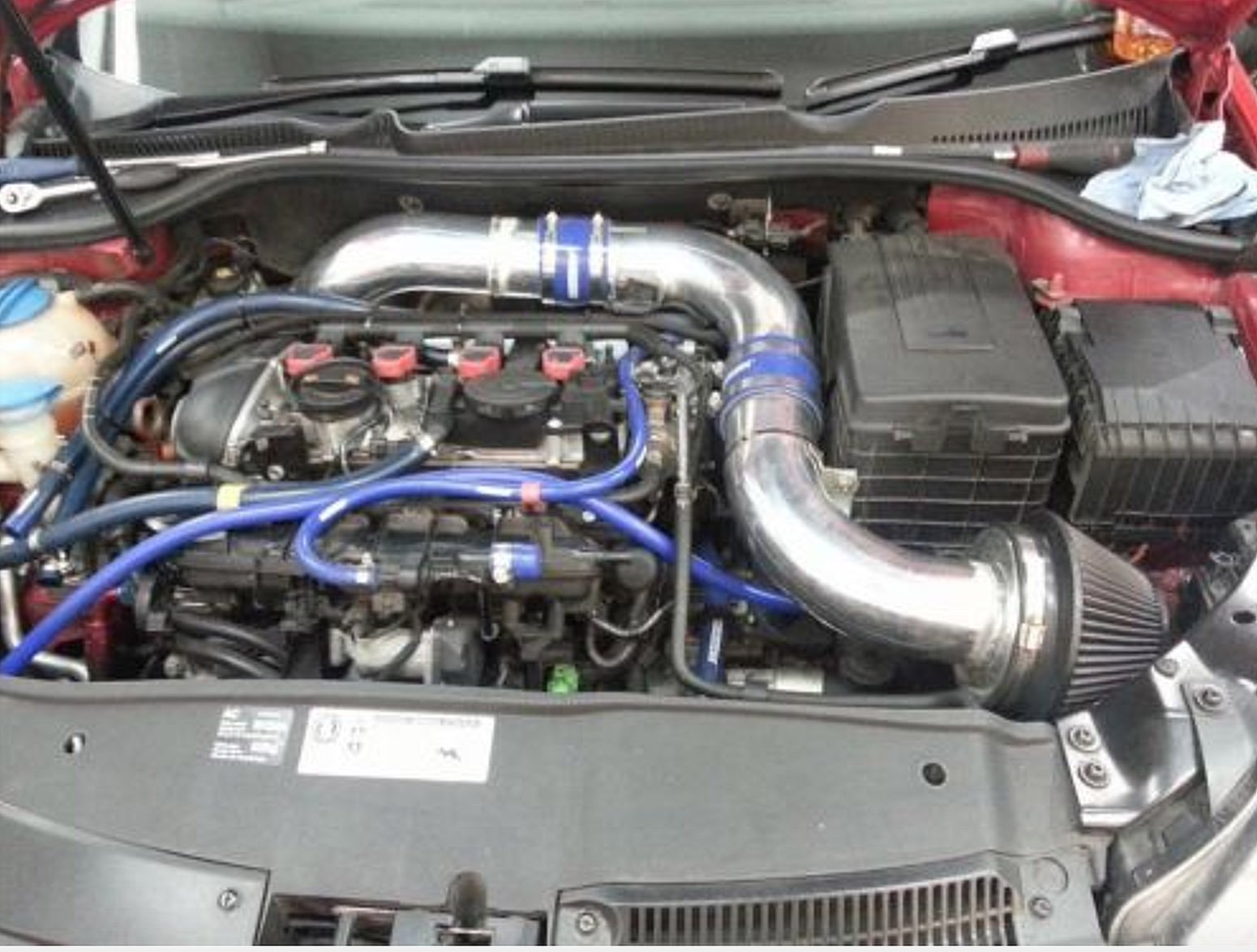
- DIY check: With the engine off, inspect the intake ducting for cracks and verify clamps are snug.
- DIY service (moderate): Clean the throttle body bore and plate using throttle body cleaner and a lint-free rag. Do not force open an electronic throttle plate unless the service info says it is OK for your vehicle.
- Important: Some vehicles need an idle relearn after cleaning or battery disconnect. If it runs worse right after cleaning, look up the correct relearn procedure for your exact make and model.
Vacuum leak (less margin in gear)
A vacuum leak can be sneaky. Even though manifold vacuum is lower once you are truly under load, the stall happens because the engine has less idle-control and fuel-trim margin in gear. In Park it might barely cope. In gear, the mixture goes lean enough (or the idle air calculation is off enough) that it stalls.
- Clue: High or unstable idle in Park, lean codes (like P0171 or P0174), hissing sound.
- DIY check: Look for split rubber elbows and collapsed PCV lines. Make sure the oil cap and dipstick are seated.
- Brake booster clue: If the idle changes when you press and release the brake pedal while stopped, suspect a brake booster or its hose (do this with the parking brake set and your foot firmly on the brake).
- Best test: A smoke test finds leaks quickly. Many shops can often do this in about an hour, but times vary.
Torque converter clutch stuck on (or commanded on when it should not be)
This is the one that really mimics a transmission failure. If the torque converter clutch (TCC) is stuck applied, shifting into gear can feel like letting out the clutch on a manual without pushing the pedal. The engine drags down and stalls.
- Clue: It stalls immediately and consistently right as you select Drive or Reverse (even after letting the idle settle). Sometimes it will also stall when coming to a stop after driving, but not always.
- What to check: Scan for codes like P0740, P0741, P2769, or TCC solenoid related faults (varies by make).
- Next steps: Diagnosis can involve fluid condition checks, solenoid testing, scan-tool data (commanded vs actual TCC apply), and in some cases transmission pan inspection.
Low fuel pressure or weak fuel delivery at idle
Engaging a gear adds load, and even though the increase is modest, any marginal fuel delivery can show up right then. A weak fuel pump, clogged fuel filter (if serviceable), failing pressure regulator, or restricted injectors can contribute to a stall-in-gear complaint.
- Clue: Long crank sometimes, sputter on tip-in, lack of power under load, or random lean misfire codes.
- DIY check: Listen for the fuel pump prime at key-on. Make sure the gas cap is tight.
- Proper test: Fuel pressure and volume test with a gauge, plus verifying pressure behavior during load changes.
Ignition misfire that becomes obvious under load
An engine can idle surprisingly well with a weak coil, worn plugs, or marginal spark. The moment you load it, the spark demand rises and it misfires hard enough to stall.
- Clue: Shaking or stumbling right before it dies. Flashing check engine light indicates active misfire.
- DIY check: If plugs are overdue, replace them first. Inspect coil boots for oil contamination on engines where valve cover leaks are common.
EGR valve stuck open
If the exhaust gas recirculation (EGR) valve is stuck open at idle, it acts like a vacuum leak and can kill the engine when you add load.
- Clue: Rough idle, stalling when coming to a stop, EGR-related codes.
- DIY check: Vacuum-operated EGR valves can sometimes be tested with a hand vacuum pump. Electronic units typically need scan-tool data and command tests.
Bad motor mounts or excessive engine movement
This one is overlooked. When you shift into gear, the engine twists against the mounts. If a mount is torn, the engine can rock far enough to:
- pull open a cracked intake boot
- stress a wiring connector
- kink a vacuum line
- cause metal-to-metal contact that drags the engine down
Clue: Big clunk when shifting, excessive vibration in gear, visible engine movement.
DIY check: With the hood open and a helper in the driver seat holding the brake, watch the engine as they shift between Reverse and Drive. You are looking for excessive lift or slam. Keep hands and tools away from belts and fans.
Other common culprits (easy to miss)
If the basics above check out, I start looking at the systems that control fueling and airflow calculations at idle.
- MAF or MAP sensor skew: A dirty MAF (or a MAP reading wrong) can make the mixture too lean or too rich right when the load changes. Clues include odd fuel trims and stalling that improves after cleaning the sensor (with proper MAF cleaner only) or after fixing an intake air leak.
- EVAP purge valve stuck open: A purge valve that leaks vapor at idle acts like a controlled vacuum leak. Clues include hard starts after fueling, lean codes, and rough idle. A shop can test purge command and flow with scan data.
- Low voltage or charging issues: Weak battery, poor grounds, or a failing alternator can reduce idle control authority (electronic throttle, IAC, fuel pump). If the stall is worse with headlights, rear defrost, AC, or steering load, check battery terminals, grounds, and charging voltage.
What to do first: a simple priority order
If you want the most efficient path without throwing parts at it, here is the order I recommend for most vehicles:
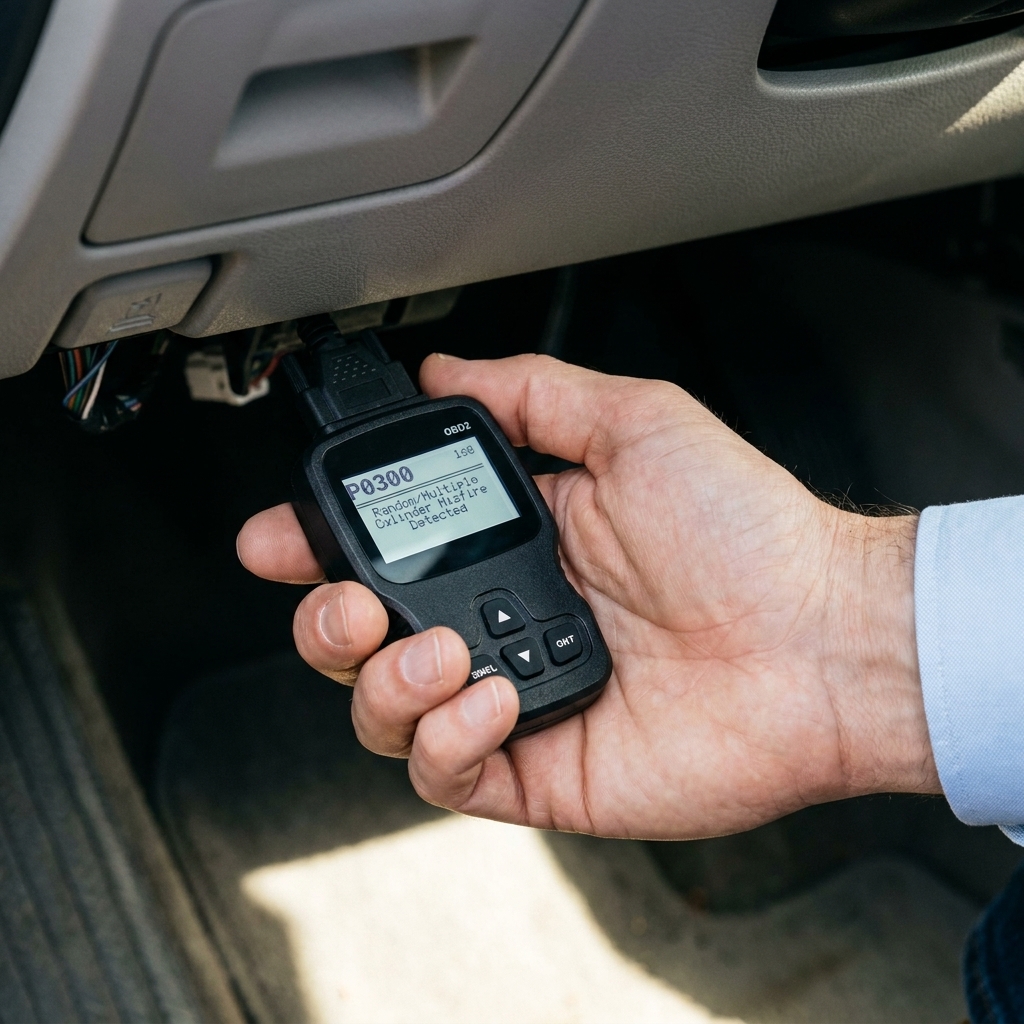
- Scan for codes and look at freeze frame data. Even a cheap code reader helps.
- Check basics: intake duct cracks, loose clamps, disconnected vacuum lines, oil cap and dipstick seated.
- Check electrical basics: battery terminals tight and clean, main grounds intact, charging voltage reasonable.
- Clean the throttle body if it is accessible and clearly dirty (and follow any required idle relearn).
- Look for vacuum leaks (smoke test if possible).
- Address tune-up items if overdue: spark plugs, air filter, and any known weak ignition components for your engine.
- If symptoms are immediate stall and consistent, prioritize torque converter clutch and related solenoid or control issues.
- If engine-side checks look good and the TCC is not being applied, it is time for transmission diagnosis for internal drag or control problems.
When to stop DIY and call a shop
- The car tries to lunge or the stall feels like the drivetrain is locked.
- Transmission fluid smells burnt or you find metal flakes in the fluid.
- You have a flashing check engine light or severe shaking.
- It stalls in the middle of intersections or cannot stay running reliably.
The right shop will use scan-tool live data to watch idle control, fuel trims, commanded TCC state, charging voltage, and misfire counts while loading the engine in a controlled way.
FAQ
Can low transmission fluid cause stalling when put in Drive?
Typically, low or aerated transmission fluid causes delayed engagement or slipping, not a clean stall the instant you select a gear. It is still worth checking the fluid level correctly for your vehicle. In rare cases, very low fluid or internal issues can create abnormal drag or engagement behavior, so do not ignore it.
Why does it idle fine until I turn the steering wheel or AC on?
Those add load too. If steering input or AC makes it stall, that is a strong sign the idle control system is not compensating, or the engine is already running lean or weak at idle.
Is it safe to keep restarting it and trying again?
If it stalls gently, a couple of tests are fine. If it slams, lurches, or stalls instantly every time, stop. Repeated stall events can overheat the starter and mask the real issue.
What is the most common fix?
On higher-mileage gas cars, I most often find a dirty throttle body, a vacuum leak, or neglected tune-up items. On some models, a sticking torque converter clutch solenoid is the repeat offender. The scan results usually tell the story.