If your car starts and will happily run as long as you keep your foot on the gas, but it dies the moment you let the pedal go, you are dealing with a very specific kind of “no idle” problem. This is not a classic crank-no-start. It is also not the same as a rough idle where the engine keeps running on its own. In this situation, the engine can make power, it just cannot maintain the tiny, controlled airflow and fueling it needs at idle.
In plain mechanic terms: your engine is missing its base idle, meaning the minimum stable airflow and fueling it needs with your foot off the pedal. That usually comes down to a few big buckets.
- The idle air path is stuck closed (idle air control issues, electronic throttle adaptation, gunked-up throttle body).
- A large vacuum leak is throwing off the air and fuel balance at idle.
- The throttle plate cannot hold base idle (throttle plate too closed, carbon buildup, misadjusted stop screw on older setups, or an electronic throttle not learned correctly).
What “no idle unless I press the gas” means
At idle, your engine needs a small, steady amount of air, and the computer needs to add the right amount of fuel to match it. When you press the gas pedal, you are manually doing the part the idle system is supposed to handle: opening the throttle enough to let air in.
So when the engine will only stay running with the pedal, it typically means one of these is true:
- Not enough air is getting in through the proper idle route.
- Too much unmetered air is leaking in somewhere else, confusing the computer’s fueling corrections.
- The throttle plate is not where it needs to be at idle, either from carbon buildup or an electronic control or learning issue.
Quick safety check
Before you chase the cause, do two quick checks.
If the check engine light is flashing
Stop driving. A flashing light usually means a catalyst-damaging misfire on OBD-II vehicles, and unburned fuel can overheat and damage the catalytic converter fast. Some vehicles can flash for other urgent faults too, so either way, treat it as a “do not drive it” warning.
If the engine will not respond normally
If pressing the gas barely changes RPM, or the pedal feels “dead,” you may be in limp mode or have a major air or fuel delivery issue. That is a tow-it situation in my book, especially if the car stalls unpredictably in traffic.
Top causes
1) Idle air control problem
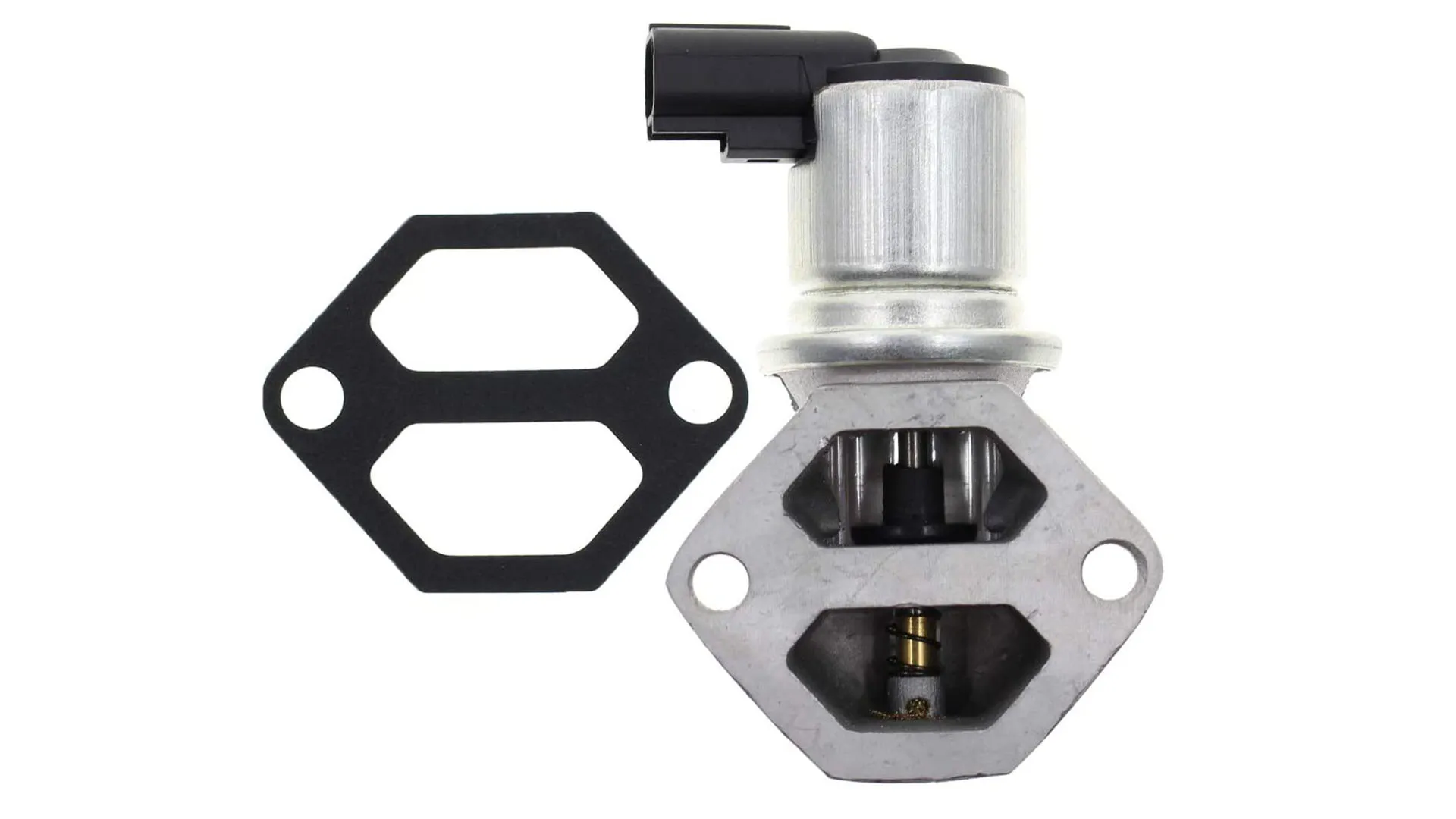
Older cable-throttle cars often use an Idle Air Control (IAC) valve. Many newer cars use an electronic throttle body to manage idle. Either way, the symptom can be the same: the engine gets almost no air at closed throttle, so it dies unless you crack the throttle open yourself.
Common clues:
- It starts, runs, and revs fine with the pedal.
- It dies immediately as RPM drops toward idle speed.
- It may idle briefly if you “feather” the throttle, then stall.
What to look at first:
- IAC-equipped cars: IAC electrical connector loose, IAC stuck from carbon, damaged gasket, or clogged idle passages.
- Electronic throttle cars: dirty throttle bore, failing throttle actuator, or lost idle/throttle adaptation after battery disconnect.
2) Dirty throttle body or throttle plate too closed
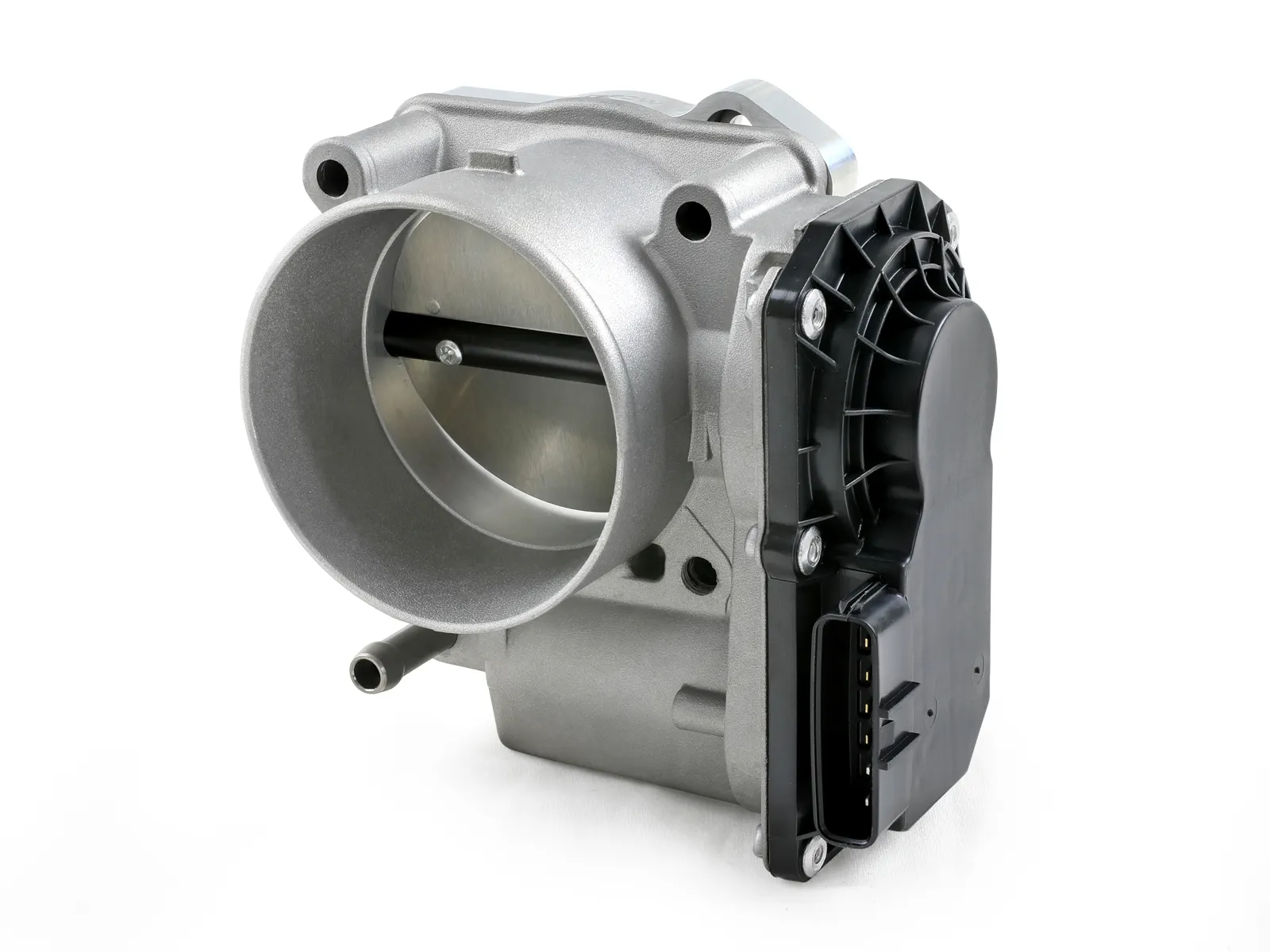
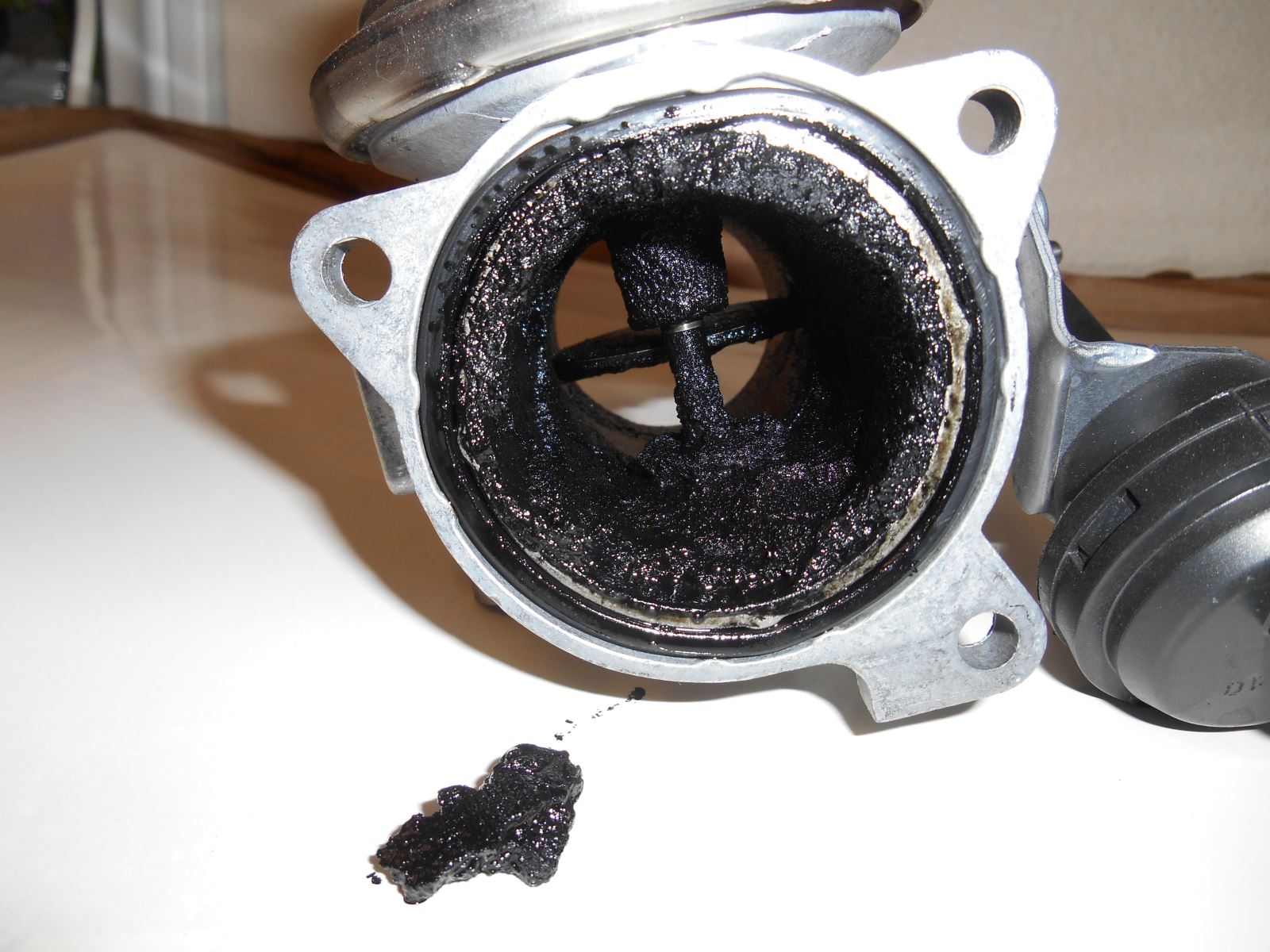
This is one of the most common real-world fixes I saw at independent shops. Carbon and oily residue build up right where the throttle plate rests at idle. The computer expects a certain amount of airflow at that angle, but the gunk restricts it. Result: it will not idle unless you add throttle.
Signs you are in throttle-body territory:
- The problem developed gradually over weeks or months.
- It is worse with the A/C on or in gear (automatic).
- You recently cleaned the engine bay or had an intake tube off and the issue started after.
Important: On many electronic throttle bodies, you should not force the throttle plate open with your fingers. Some designs can be damaged. If you are cleaning an electronic throttle body, use proper throttle body cleaner and follow the service info for your vehicle.
3) Large vacuum leak
A vacuum leak is extra air entering the engine that the computer did not measure correctly. Many vacuum leaks cause a rough idle, a high idle, or a lean code. But a big leak can also cause a stall at closed throttle because the mixture and idle control get pushed out of the range the computer can correct. Leak location and engine strategy matter, so do not assume every leak looks the same.
Common vacuum leak sources that can cause a no-idle condition:
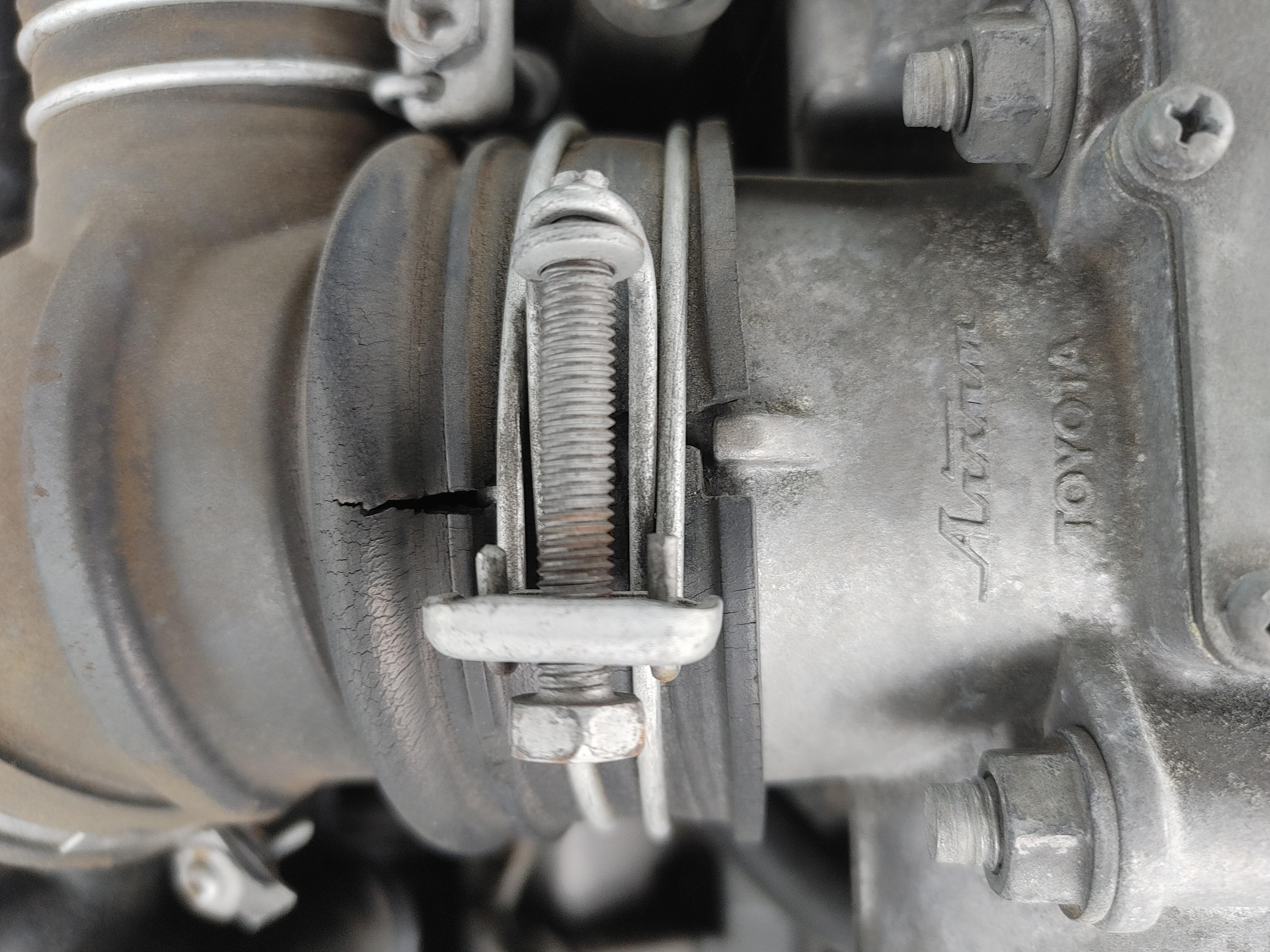
- Intake boot or duct torn between the MAF sensor and throttle body.
- PCV hose cracked or popped off.
- Brake booster hose split or disconnected.
- Brake booster diaphragm or check valve failure (less common, but it can be a huge leak).
- Intake manifold gasket failure (more common on some engines than others).
- EVAP purge valve stuck open, acting like a controlled vacuum leak.
Quick driveway check: With the engine running only if you hold the throttle slightly open, listen for a loud hissing. Also inspect every rubber elbow and hose you can see and touch. A hose that has slipped off a plastic barb is a gift, because it is an easy win.
4) MAF sensor issue or unmetered air after the MAF
If your car uses a MAF sensor, any air that sneaks in after the MAF is “invisible” to the computer. That can make fueling too lean at idle. A badly contaminated MAF can also misread airflow and contribute to stalling.
Quick note: Not every car has a MAF. Some engines are “speed-density” and use a MAP sensor strategy, and vacuum leaks can show up a little differently depending on how the system calculates airflow.
Clues:
- Stalling or dying is worse right after start.
- The engine runs better when you open the throttle more than usual.
- You recently replaced an air filter, worked on the intake, or drove through deep water or heavy dust.
Note: Do not spray a MAF with random cleaners. Use MAF sensor cleaner only, and let it fully dry before restarting.
5) Fuel delivery problems
If fuel pressure or fuel volume is low, the engine can go lean and become unstable. Sometimes that shows up as a stall at idle because combustion is least tolerant of a weak mixture when airflow is minimal. Other times, you will feel it more under load. Either way, low fuel pressure can absolutely produce a “starts and runs with throttle, dies at idle” complaint.
Possible causes:
- Weak fuel pump
- Clogged fuel filter (where serviceable)
- Failing fuel pressure regulator (return-style systems)
- Restricted injectors
Clues:
- Lack of power under load as well as no idle
- Long crank times
- Lean codes (P0171, P0174) alongside fuel trim issues
6) Less common, but worth keeping in mind
- EGR valve stuck open: can dilute the mixture at idle enough to kill the engine on some setups.
- Coolant temperature sensor or air temperature input way off: can skew fueling and idle control, especially cold starts.
What to check in 15 to 30 minutes
Here is the order I would tackle this in my own driveway, because it minimizes parts swapping and catches the common stuff first.
Step 1: Confirm the symptom
- Start the car.
- Keep it alive with a light touch on the pedal.
- Slowly release the pedal and note whether it dies as RPM drops to a certain point.
If it dies consistently at the same RPM range, you are likely dealing with an idle airflow control issue or a big air leak.
Step 2: Inspect the intake tract
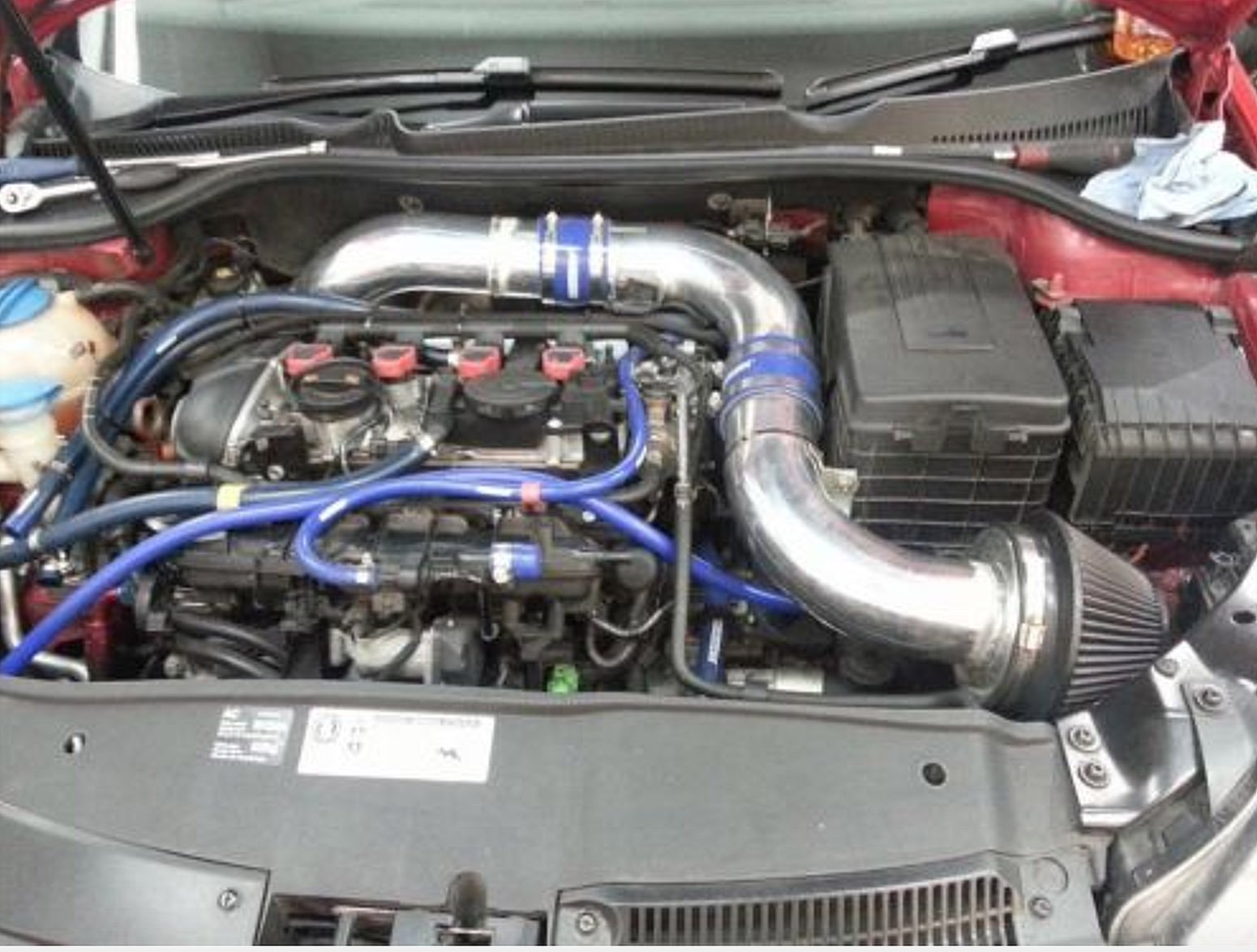
- Check the big intake tube from air box to throttle body for cracks or loose clamps.
- Look for any hoses off their fittings, especially PCV and brake booster lines.
- Listen for a loud hiss.
Step 3: Check the basics
- Is the air filter correctly seated and the air box closed?
- Is the MAF sensor connector fully seated (if equipped)?
- Any recent battery disconnect or jump start that could have reset idle learning?
Step 4: Scan for codes
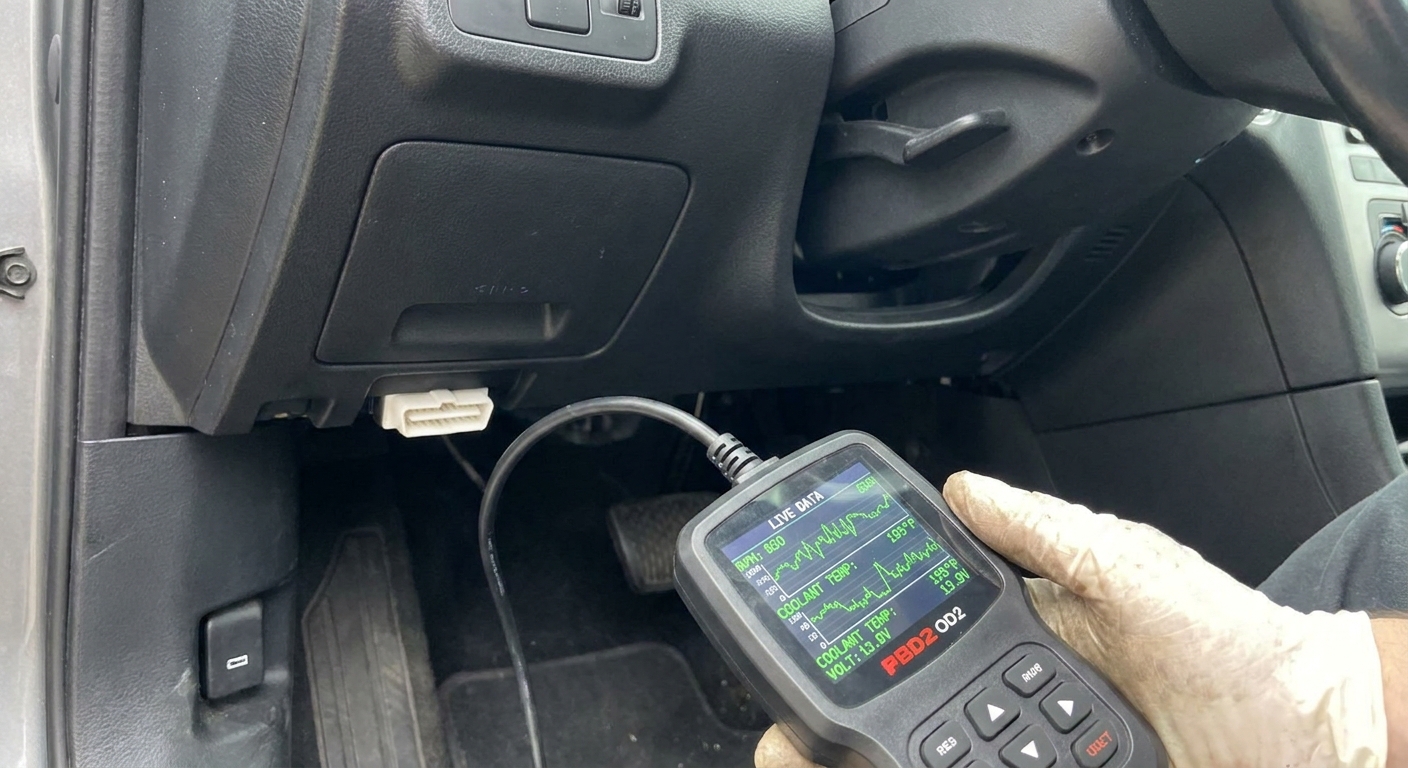
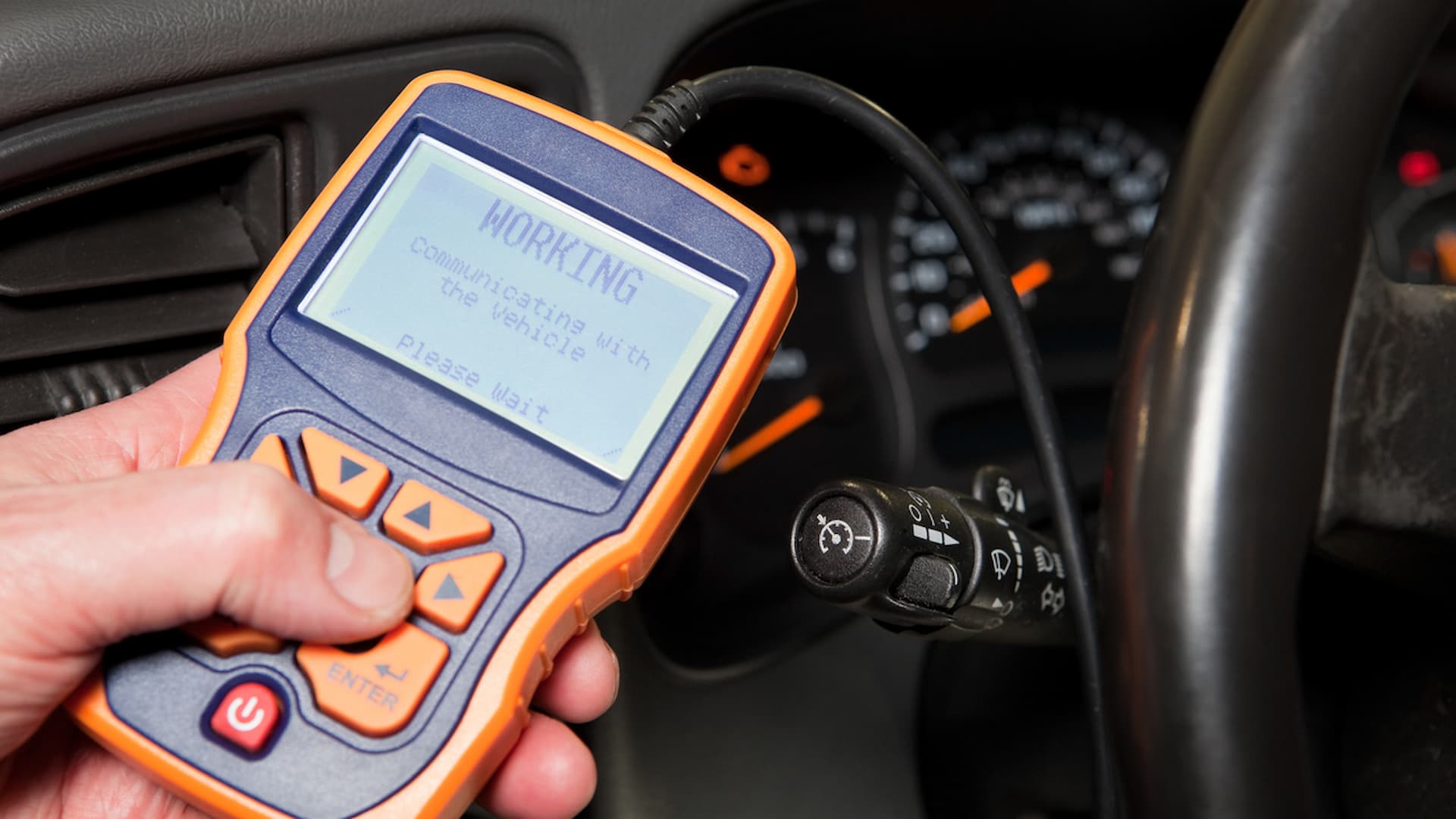
A basic code reader is enough. Codes do not always tell you the bad part, but they often point you to the system that is angry.
- P0505 family often relates to idle control.
- P0171/P0174 often suggests a lean condition, which can be vacuum leaks, fuel pressure, or MAF issues.
- P0101 and similar can indicate MAF performance problems.
- Throttle actuator and throttle position codes can point toward electronic throttle issues.
A quick warning about leak hunting
A lot of people reach for brake cleaner or carb cleaner to “spray around” and listen for RPM changes. I get why, but it is risky: those are flammables, and you are spraying them around a hot engine and ignition sources. If you need to confirm a leak beyond a visual inspection, smoke testing is the safer, cleaner way.
Cleaning the throttle body
If you have a dirty throttle body and no obvious vacuum leaks, cleaning can absolutely bring an idle back. I have fixed plenty of “dies unless I hold the gas” complaints with nothing more than a careful cleaning and a proper idle relearn.
General best practices:
- Use a dedicated throttle body cleaner.
- Use a clean microfiber or lint-free rag.
- Do not flood the intake with cleaner.
- On electronic throttles, avoid forcing the throttle plate open unless the service information for your vehicle says it is safe.
After cleaning: Some vehicles need an idle relearn procedure. Sometimes it is as simple as a specific key-on wait period and a few minutes of idle time. Other times it requires a scan tool function. If your car idles worse after cleaning, it may simply not have relearned yet, or you knocked loose deposits that are now affecting airflow.
When to stop DIY
I love a good driveway diagnosis, but there are points where a pro and a proper scan tool save money.
- You have electronic throttle control warnings or throttle actuator codes.
- The engine will not stay running long enough to test anything safely.
- You suspect a major intake leak under the manifold that needs smoke testing.
- You smell raw fuel, see fuel leaks, or have a flashing check engine light.
A shop with a smoke machine can find vacuum leaks quickly. A scan tool that shows live data can also reveal whether the throttle is commanded to a certain angle, what the idle target is, and how fuel trims behave right before it stalls.
FAQ
Is this the same as “starts then dies”?
Not quite. In the situation we are talking about here, the engine will keep running as long as you hold the throttle open. “Starts then dies right away” often includes cases where the engine stalls even if you try to catch it with the pedal, or it dies within a second due to security, sensor reference issues, or other immediate shutdown causes.
Can a bad alternator cause this?
Yes, low system voltage can cause unstable idling and stalling, and it can also trigger electronic throttle control weirdness because the ECU, throttle motor, and sensors all need solid voltage. If you have dim lights, battery warnings, random throttle warnings, or a dead battery after short drives, put charging system testing on the list. That said, the most common causes are still intake leaks, throttle body condition, and idle control issues.
Will a vacuum leak always make idle high?
No. Some leaks raise idle, some mainly make it rough, and a big enough leak can push the mixture lean enough to stall. It depends on leak size, leak location, and how much correction authority the system has at idle.
Could this be spark plugs or coils?
Bad ignition parts usually cause misfires that show up under load, at idle, or both. They can cause stalling, but the very specific “it only lives with my foot on the gas” pattern is more commonly airflow and idle control related unless you have obvious misfire codes or a flashing check engine light.
Bottom line
If your car will only run while you press the gas pedal, focus your thinking on idle airflow and unmetered air. Start with the simple visual checks: intake tube, vacuum hoses, PCV connections, and anything you recently touched. Then move to throttle body condition, idle control function, and code scanning. Once you find the root cause, the fix is often straightforward, and you can stop doing the stressful routine of keeping it alive with your foot on the gas at every stoplight.