If your car cruises down the road like nothing’s wrong, then coughs and dies the moment you roll up to a light, you’re not imagining things. That specific “runs great until I stop” pattern usually points to a small handful of systems that matter most at idle: the throttle body and idle control, unmetered air leaks, the torque converter clutch (automatic transmissions), or charging voltage that can’t keep up when RPM drops.
In this guide, I’ll walk you through a driveway-friendly diagnosis to separate those causes without throwing parts at it. We’re not covering a rough idle that never stalls, and we’re not covering a stall that happens in the first second after cranking. This is the classic: it drives normally, then dies when I come to a stop or sit in gear.

First: confirm the stall pattern
The fastest way to avoid chasing the wrong problem is to be specific about what the stall feels like. Here are the patterns that matter:
- Stalls as you’re slowing down, right as RPM drops: often throttle body or idle control, sometimes vacuum leak, sometimes EGR sticking open.
- Stalls only after you’re fully stopped and sitting in Drive: can be idle control, vacuum leak, low charging voltage at idle, or a torque converter clutch that stays locked.
- Stalls only with A/C on, headlights on, or blower on high: suggestive of charging voltage dipping at idle or an idle system that isn’t compensating for load.
- Stalls when turning the steering wheel at a stop: additional load from power steering can trigger a marginal idle control or charging issue.
Safety note: if the car stalls in an intersection, treat it as urgent. Even if it restarts, you want this fixed before it strands you somewhere unsafe.
First 10 minutes: quick checks
This is the fast triage I do before diving into deeper testing.
Step 1: Check for warning lights and codes
If the check engine light is on, you’re in luck because the car is already giving you clues. Even if the light is off, many cars store “pending” codes.
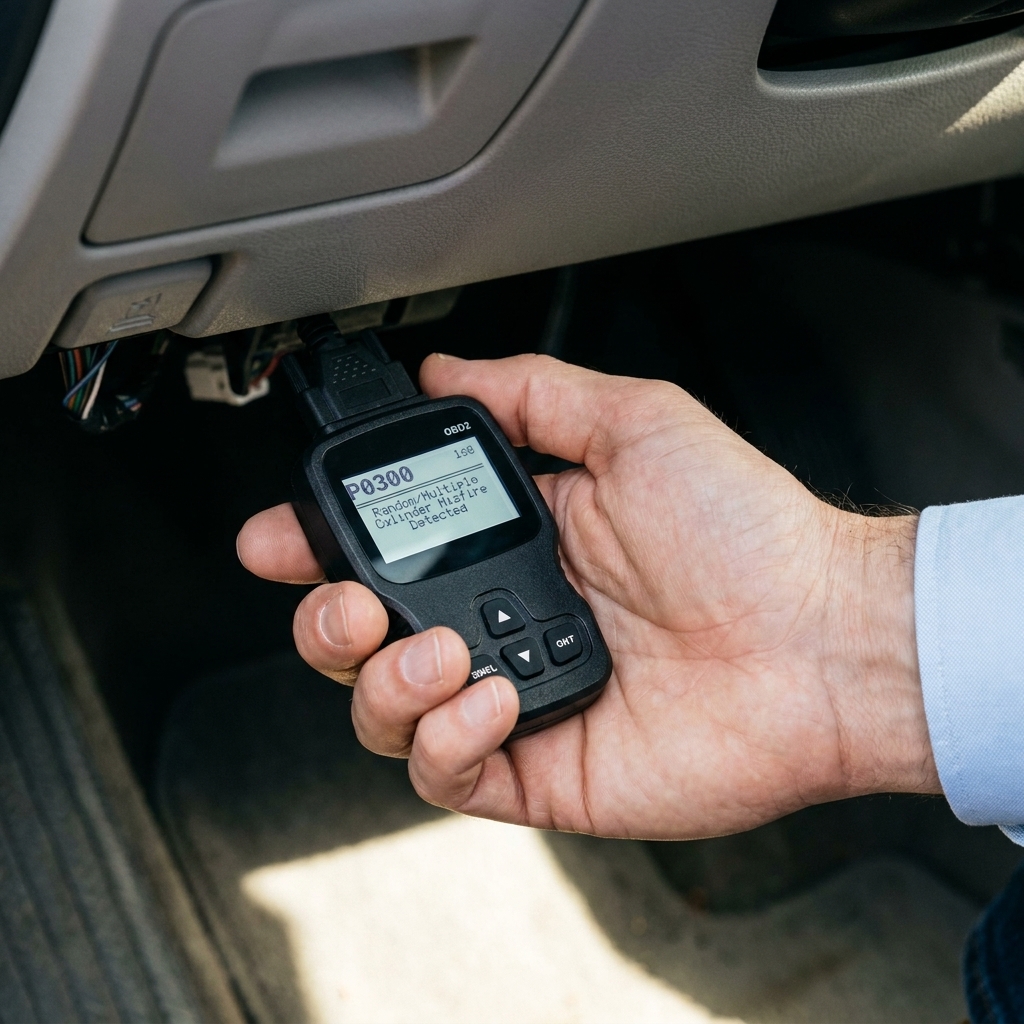
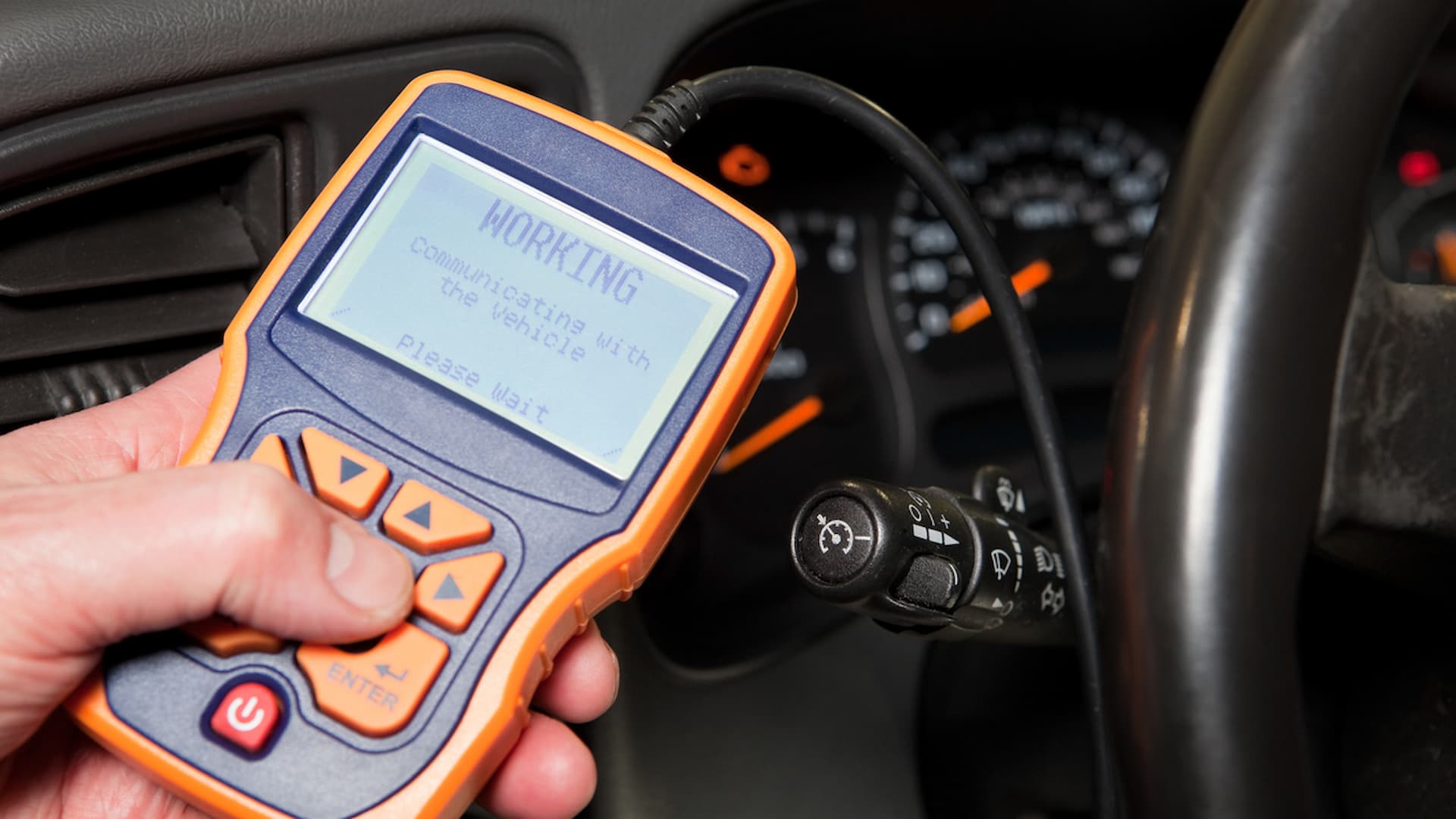
- If you have access to a basic OBD2 reader, scan for codes. Common ones tied to stalling at stops include
P0505(idle control),P0171/P0174(lean condition),P0401/P0402(EGR flow issues), and sometimes torque converter codes likeP0741(not always present even when the converter is acting up). - If the battery light flickers at idle right before the stall, or you see any kind of charging or voltage warning, jump ahead to the charging section.
No scanner? You can still do a solid diagnosis with symptoms and a couple of simple checks.
Step 2: Try the quick save tests
Next time it tries to die as you stop, do one of these and note what happens:
- Lightly press the gas pedal to hold it around 1,000 to 1,200 RPM. If it stays running easily with just a touch of throttle, that’s a strong hint the car is not controlling idle airflow correctly (dirty throttle body, idle air control fault, electronic throttle adaptation issue, vacuum leak, EVAP purge stuck open).
- Shift to Neutral (automatic) as you come to a stop. If it suddenly stops stalling when you do that, the problem may be torque converter clutch behavior or an idle system that can’t handle the in-gear load. It is suggestive, not definitive, because some vehicles change their TCC strategy depending on speed, gear, and brake input.
Baseline checks worth doing
These are boring, but they catch a surprising number of “it only stalls at stops” complaints.
- Make sure the engine is fully warm: If the temperature gauge never really comes up, a stuck-open thermostat can keep fueling and idle strategy in warmup mode.
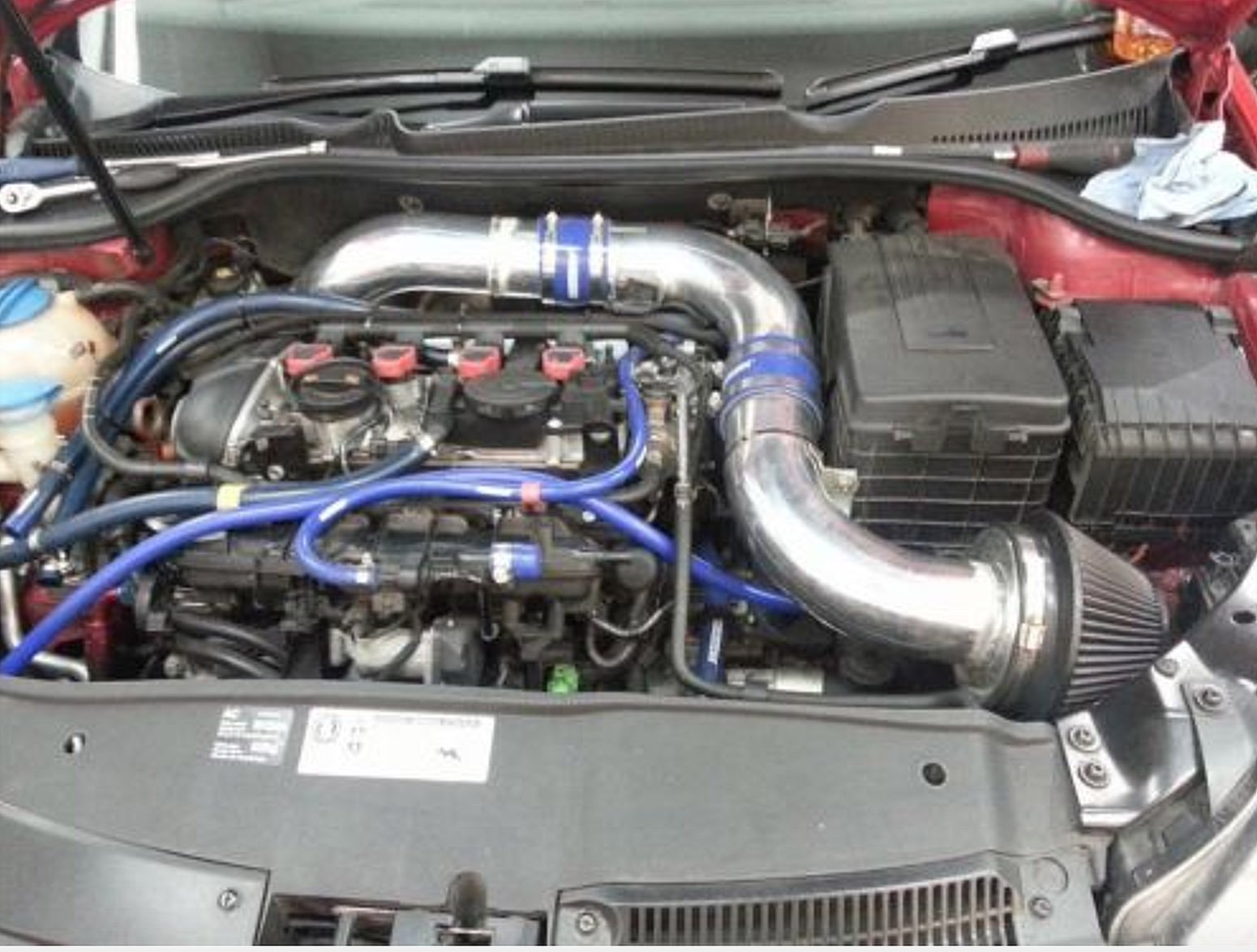
- Check the air intake tract: air filter seated, airbox closed, intake tube snug and not cracked, clamps tight at the throttle body and airbox.
- Think back to recent work: battery disconnect, throttle body cleaning, MAF swap, intake work, or vacuum hose movement can create an idle relearn issue or a small air leak.
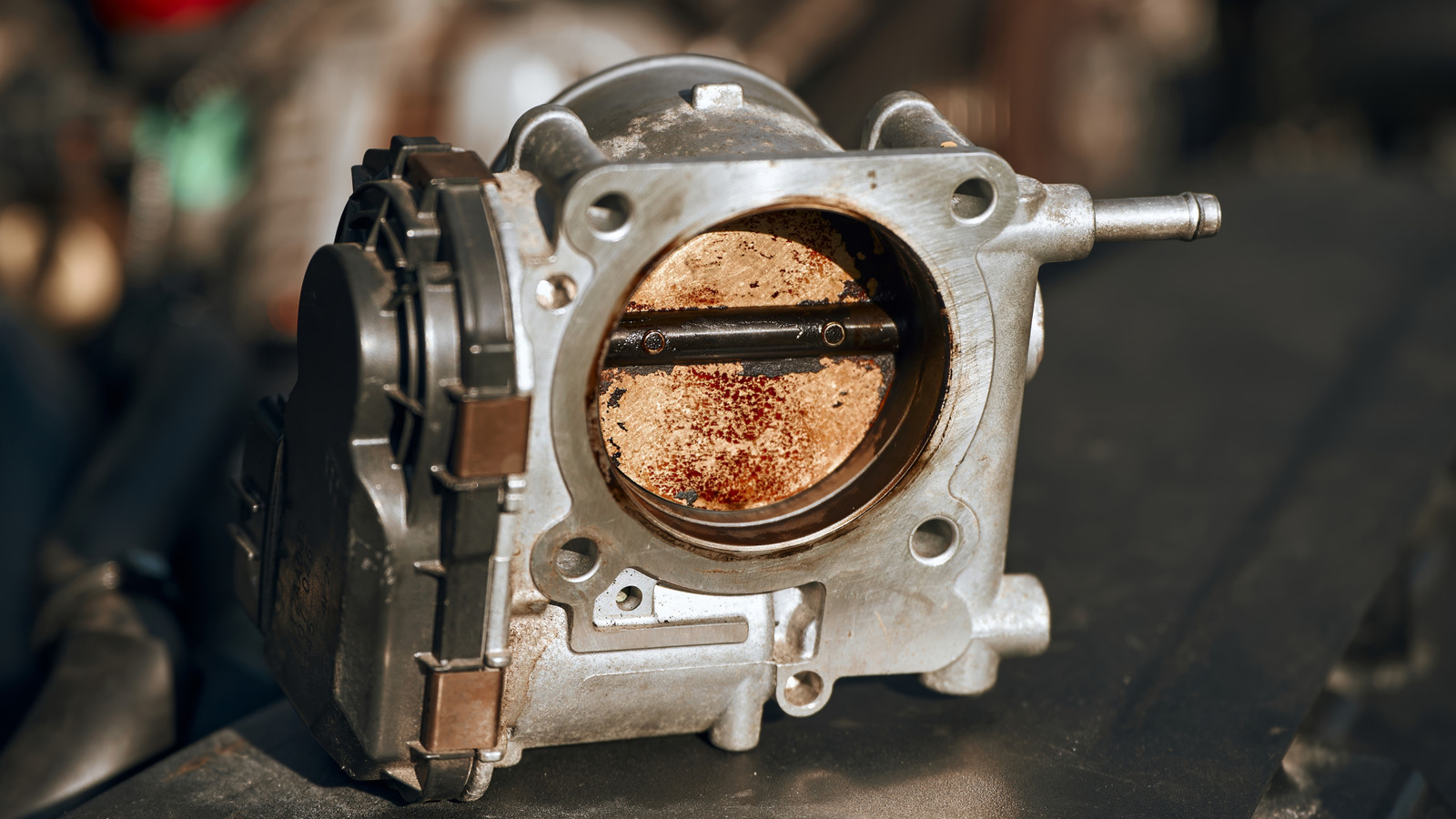
Cause 1: Dirty throttle body
At cruise, the throttle plate is open enough that a little grime doesn’t matter. At idle, the throttle plate is nearly closed. Carbon buildup around the plate and bore can choke off the tiny amount of air the engine needs to idle, especially right after a decel when the engine is trying to catch itself.
Clues
- Stalls when coming to a stop, especially after highway driving.
- Sometimes it will idle if you keep your foot barely on the gas.
- Idle may dip too low right as you stop, then recover, or it may dip and die.
- No obvious vacuum leak noise.
Driveway fix
If you’re comfortable doing basic DIY maintenance, throttle body cleaning is often a good first step because it’s cheap and high-yield.
- Use a cleaner labeled throttle body cleaner (not brake cleaner).
- On many vehicles, you can remove the intake tube and clean the bore and throttle plate carefully.
- On drive-by-wire throttles, avoid forcing the plate open aggressively. Some designs can be damaged if you pry on them. If you’re unsure, remove the throttle body and clean it on the bench, or leave it to a shop.
After cleaning, some cars need an idle relearn (procedure varies by make). If idle is weird right after cleaning, that can be normal until it relearns.
Cause 2: Idle control faults
Older cable-throttle cars often use an idle air control valve that meters bypass air around the throttle plate. Many newer cars don’t have a separate IAC. They use the electronic throttle body to manage idle airflow. Either way, if the system can’t respond quickly to changing load, the engine can stall right as you stop or when you sit in gear.
Clues
- Stalls more often with extra load: A/C on, defroster on, headlights on, turning the steering wheel at a stop.
- Idle drops too low, then hunts, then dies.
- Sometimes it starts and idles fine in Park, but dies in Drive at a stop.
Driveway checks
- Watch for idle compensation: with the engine warmed up, turn A/C on. RPM should dip briefly, then recover. If it dips and dies, idle control may be slow or maxed out.
- Inspect connectors: if your car has an IAC, check for broken wires, corrosion, or a loose plug.
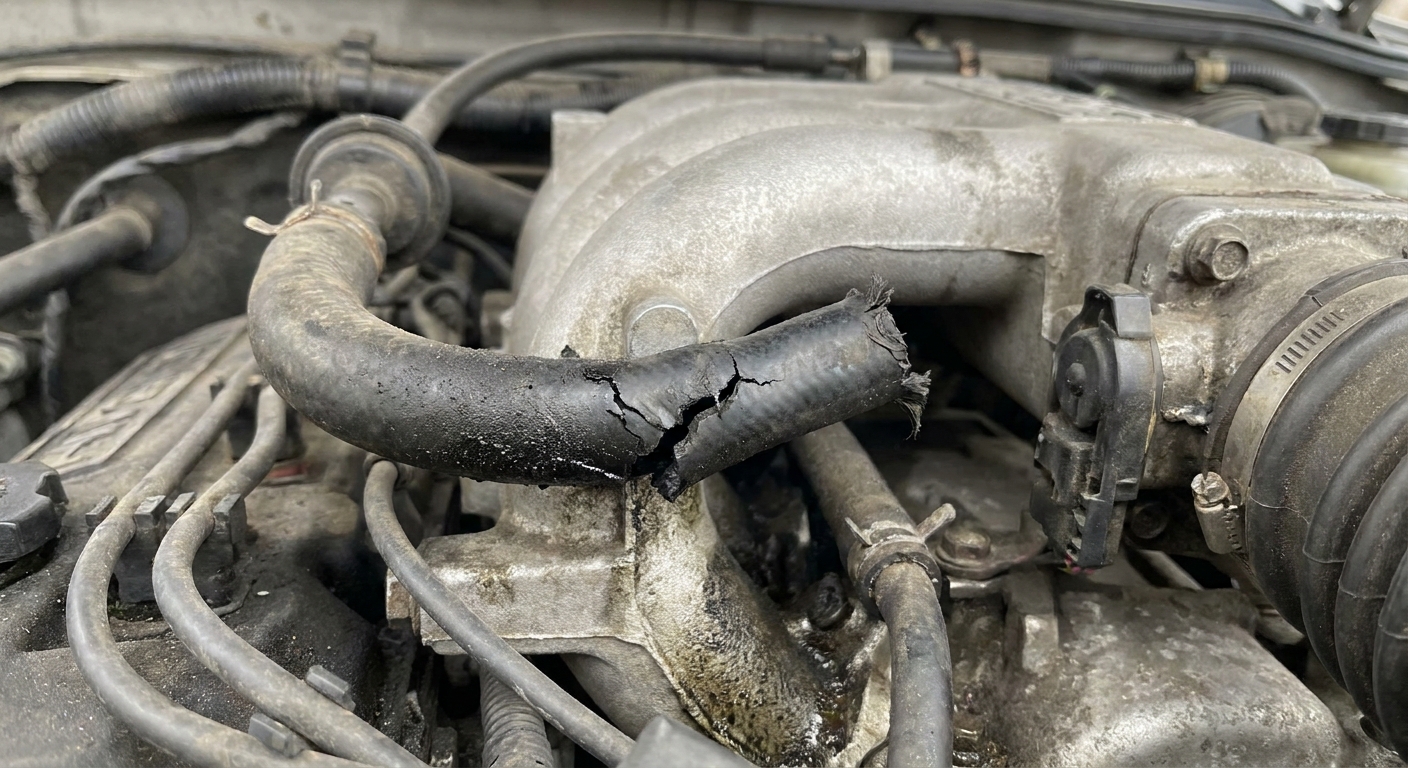
- Check for intake boot cracks: a split intake tube can look like an idle problem because the engine can’t meter airflow correctly.
If an IAC is sticking, cleaning can sometimes help. If the motor or position feedback is failing, it usually needs replacement and sometimes an idle relearn.
Cause 3: Vacuum leaks and unmetered air
A vacuum leak means extra air is entering the engine after the mass airflow sensor (on many cars) or bypassing what the computer expects. At higher RPM, the engine can often tolerate a small leak. At idle, that same leak can make the mixture go lean enough to stall, especially as you come off throttle and the system transitions back to idle fueling.
Clues
- Stalling at stops plus occasional high idle or surging idle.
- Hissing sound under the hood, especially near the intake manifold area.
- Lean codes like
P0171orP0174, though not guaranteed. - Recently replaced battery, air filter, intake parts, or any work that involved hoses being moved.
Easy places to look
- PCV hose and PCV valve
- Brake booster vacuum hose (a leak here can also make the brake pedal feel odd)
- EVAP purge valve stuck open (more on this below)
- Intake manifold gasket area
- Cracked intake snorkel between airbox and throttle body
If you’re chasing a suspected vacuum leak and don’t have a smoke tester, a reputable shop can confirm it quickly. Guessing gets expensive fast.
Cause 4: EVAP purge valve stuck open
This is common enough that I like calling it out separately. The EVAP purge valve is supposed to meter fuel vapor from the charcoal canister into the engine under the right conditions. If it sticks open, it can act like a vacuum leak at idle and during decel, and that can trigger stalling at stops.
Clues
- Stalling is worse right after filling the tank.
- Hard starts after refueling.
- Lean codes, or EVAP-related codes on some vehicles.
What to do
Checking purge behavior properly is easiest with a scan tool and a smoke machine, but even a basic scan tool that shows purge command can help. If you suspect purge and the symptoms line up, this is a good one to have a shop confirm instead of firing the parts cannon.
Cause 5: EGR sticking open
On many older engines (and some newer ones), an EGR valve that sticks open at idle can make the engine stumble and stall when you come to a stop. EGR flow is helpful at cruise, but at idle it can dilute the mixture too much, especially if the valve is hanging open when it should be closed.
Clues
- Stalls right as you’re slowing down or right after you stop.
- Rough idle that can feel like a misfire, then it dies.
- EGR-related codes sometimes show up, but not always.
EGR diagnosis depends heavily on the design (vacuum-operated, electronic, internal EGR via cam timing), so if this is on your radar, a make-specific test procedure is the safest route.
Cause 6: Torque converter clutch staying locked
This one fools a lot of people because the engine itself can be perfectly healthy. On an automatic, the torque converter clutch (TCC) locks at cruising speed for efficiency. When you slow down, it should unlock. If it stays locked, it acts like you’re coming to a stop in a manual transmission without pushing the clutch. The engine gets dragged down and stalls.
Clues
- The car drives normally until you slow to a stop, then the engine shudders and dies.
- It feels like a manual stalling, a noticeable lugging right before it quits.
- Shifting to Neutral as you stop often prevents the stall (suggestive, not definitive).
- Restart is usually immediate, then it may happen again at the next stop.
Driveway check
The Neutral test is the big one, but I treat it like a pointer, not a verdict. If Neutral consistently stops the stalling, I start thinking about TCC operation, brake switch input, and transmission control.
Fixes range from a bad brake switch signal (the car never “realizes” you’re braking), to a sticking solenoid, to internal converter issues. This is where a scan tool that can view TCC command and slip speed becomes extremely helpful, so a transmission-capable shop is usually the right next step.
Cause 7: Charging voltage too low at idle
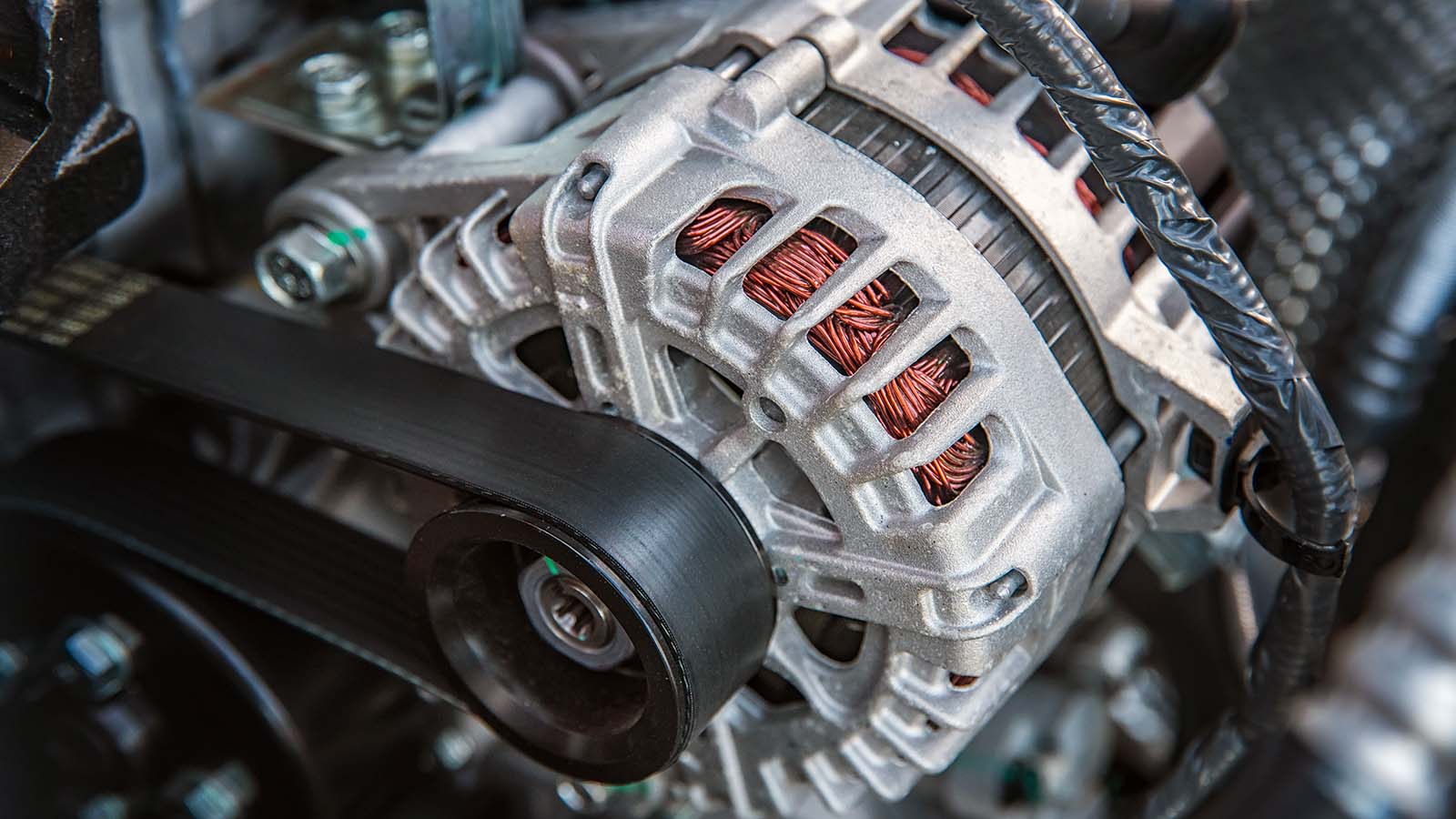
Engines and their control modules do not love low voltage. At road speed, even a weak alternator might keep up. At idle, output drops and electrical demand can spike: radiator fan, blower motor, rear defroster, headlights, fuel pump, ignition coils, plus the PCM itself. A voltage dip can cause unstable idle control, and in more severe cases (very low voltage, bad connections, or a failing alternator), it can contribute to stalling.
Clues
- Stalls more with electrical loads on: headlights, A/C, blower, heated seats.
- Lights dim at idle, then brighten when you rev it.
- Battery light flickers at idle, or any charging or voltage warning shows up.
- After the stall, it restarts, but the idle feels weak or shaky.
Simple multimeter test
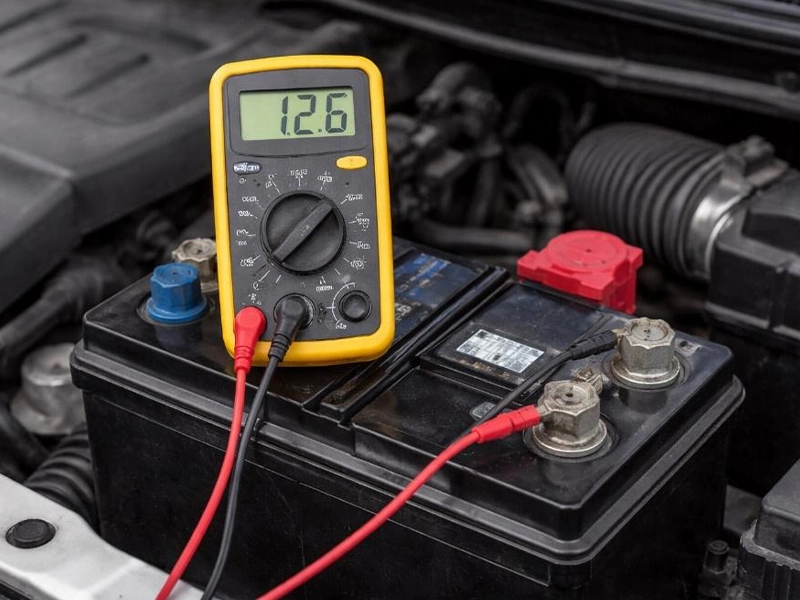
If you have a basic multimeter, you can do a quick check at the battery terminals:
- Engine off: a healthy fully charged battery is usually about 12.6V. Around 12.2V is roughly half charged. Much lower suggests a battery state-of-charge issue or charging trouble.
- Engine idling, no loads: many conventional charging systems will sit roughly 13.5V to 14.7V. Some smart-charging systems vary more widely and may run in the low 13s or change voltage based on battery state, temperature, and demand.
- Engine idling, loads on: turn on headlights and blower. You generally want to stay in a stable charging range. If it drops toward the low 12s or into the 11s and stays there, that is a strong sign of a problem.
Also inspect battery terminals for corrosion and confirm the ground cable to the engine is tight. A bad ground can mimic a bad alternator.
Scanner tips that speed this up
If you have a scan tool that shows live data, two quick checks can keep you from guessing.
Fuel trims: leak vs throttle body
- If trims are high positive at idle (adding fuel) but improve at 2,500 RPM, that often points to a vacuum leak or purge valve issue.
- If trims are not especially high but idle airflow and idle control look maxed out or unstable, a dirty throttle body or idle control strategy issue moves up the list.
TCC data
If you can see TCC command and TCC slip, you can often confirm whether the converter is being told to unlock and whether it actually is unlocking as you come to a stop.
Manual transmission note
If you drive a manual and it stalls when you stop, the throttle body, idle control, vacuum leaks, EVAP purge, EGR, and charging checks still apply. The torque converter clutch section does not. If it only happens when you push the clutch in, add clutch switch issues and driver technique to the list, but do the basics first.
Quick decision guide
- It stalls only in Drive, but survives in Neutral: think torque converter clutch behavior or idle control struggling with in-gear load.
- A tiny bit of throttle keeps it alive: think dirty throttle body, idle control, vacuum leak, or purge valve.
- It stalls more with A/C, headlights, blower, or fan: think charging voltage at idle first, then idle control.
- You hear hissing or have lean codes: think vacuum leak (including EVAP purge stuck open).
- It feels like a manual stalling in an automatic: think TCC not unlocking and confirm with data if you can.
What not to do
Do not start with random parts
I get it. It’s tempting to toss an idle valve, a throttle body, and a battery at it and hope. The problem is that stalling-at-stops issues overlap, and you can spend real money without ever proving the cause.
Do these first
- Check for codes (even pending).
- Confirm whether Neutral changes it (automatic).
- Confirm whether a light touch of throttle prevents it.
- Check charging voltage at idle with loads on.
- Inspect intake tubing and obvious vacuum hoses for cracks or disconnections.
When to stop DIY diagnosing
Get professional help sooner if:
- The car is stalling in busy traffic and you cannot predict it.
- You smell fuel, see smoke, or have a flashing check engine light.
- You suspect torque converter clutch issues and do not have a scan tool that can read transmission data.
- Voltage readings suggest the charging system is failing.
A good shop can quickly confirm idle air targets, fuel trims at idle versus off-idle, purge behavior, EGR command, TCC lockup commands, and charging output under load, which beats guessing every time.
FAQ
Why does it only stall when I stop, not while driving?
Stopping forces the engine into its hardest balancing act: very low RPM, minimal airflow, and lots of changing loads (brakes, steering, A/C, fans). Problems that are invisible at 2,000 RPM can show up instantly at 650 RPM.
Can a dirty throttle body really make it die at lights?
Absolutely. I’ve fixed plenty of “perfect on the highway, dies at stops” complaints with nothing more than a proper throttle body cleaning and an idle relearn.
Could this be the fuel pump?
It can be. It is just less common for a fuel delivery problem to cause a stall only at stops while the car otherwise drives normally. Fuel issues often show up under load too, like hesitation on acceleration. That said, if you have long crank times, loss of power uphill, a whining pump noise, or lean codes that do not respond to fixing air leaks, a fuel pressure test (and checking the regulator, if equipped) becomes very relevant.
Is it safe to drive if it stalls at stoplights?
I do not recommend it. Even if it restarts every time, losing power steering assist and power brake assist at the wrong moment is a safety issue. Diagnose it as soon as you can.