I’ve had this one roll into the shop more times than I can count: the car was running fine, then it stalled while you were driving, and now it cranks at a normal speed but will not fire. That combo matters. A no-start that happens after a moving stall usually points to a component that quit under load or a mechanical failure that happened instantly on the road, not a slow “it’s been hard to start lately” scenario.
In this article, I’ll walk you through the most common causes in the real world and the quickest, safest checks to separate fuel, ignition, and timing problems without turning your driveway into a science project.
First things first: get safe and read the clues
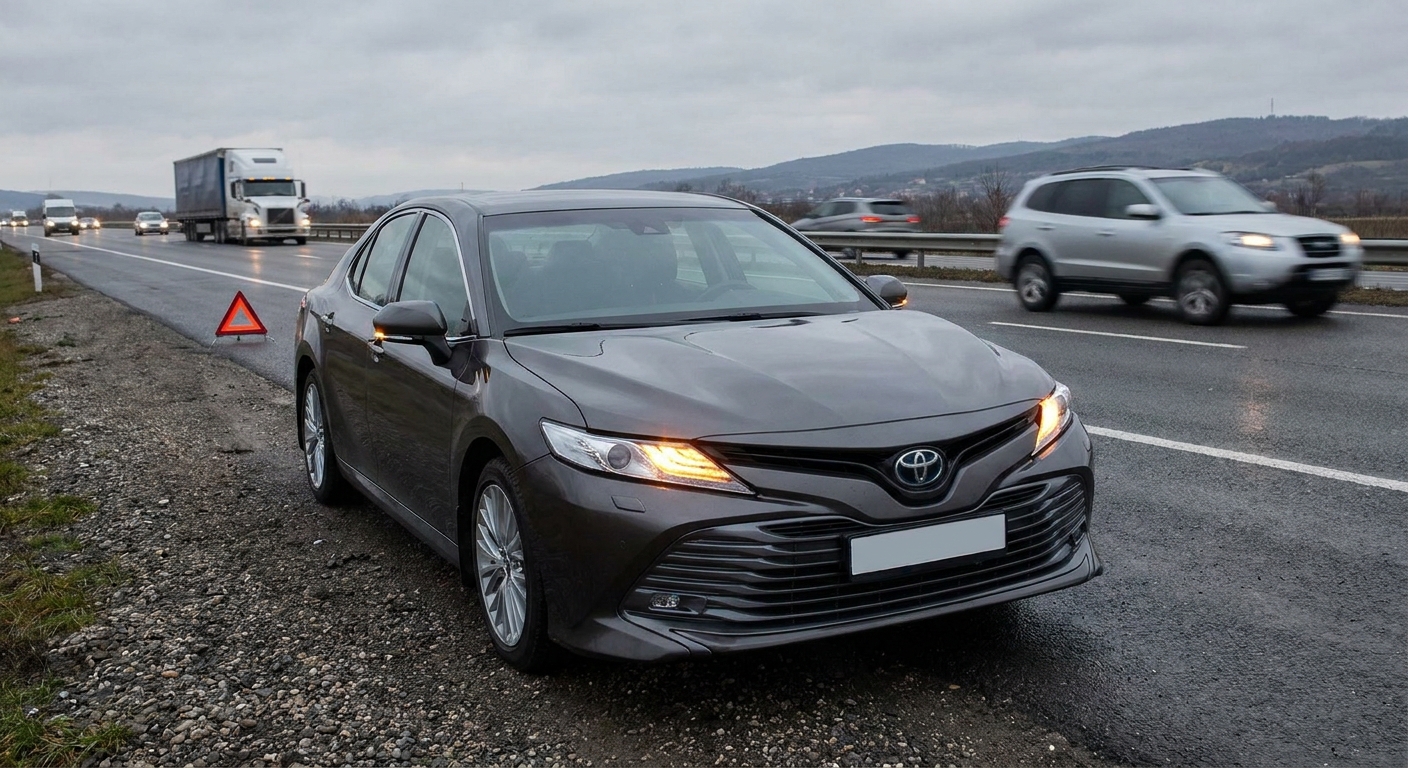
If the car stalled in traffic or at speed, safety comes first. Get it off the road, set hazards, and give everything a minute to settle. Then think back to what it felt like right before it died, because those few seconds are diagnostic gold.
- It cut out like someone flipped a switch (no sputter): often crank sensor dropout, ignition power loss, or timing failure.
- It stumbled, lost power, then died: often fuel delivery, especially a weak pump finally quitting under load.
- Any loud snap, bang, sudden new vibration: raises the odds of a timing belt failure or accessory issue that took out a belt system.
- Tachometer dropped to zero instantly while still rolling: classic hint of a crankshaft position sensor signal loss on many cars.
Now, confirm what you’re actually dealing with: normal cranking speed usually means the battery and starter are doing their job. That narrows the problem to fuel, spark, timing, or compression.
The three most likely causes after a moving stall
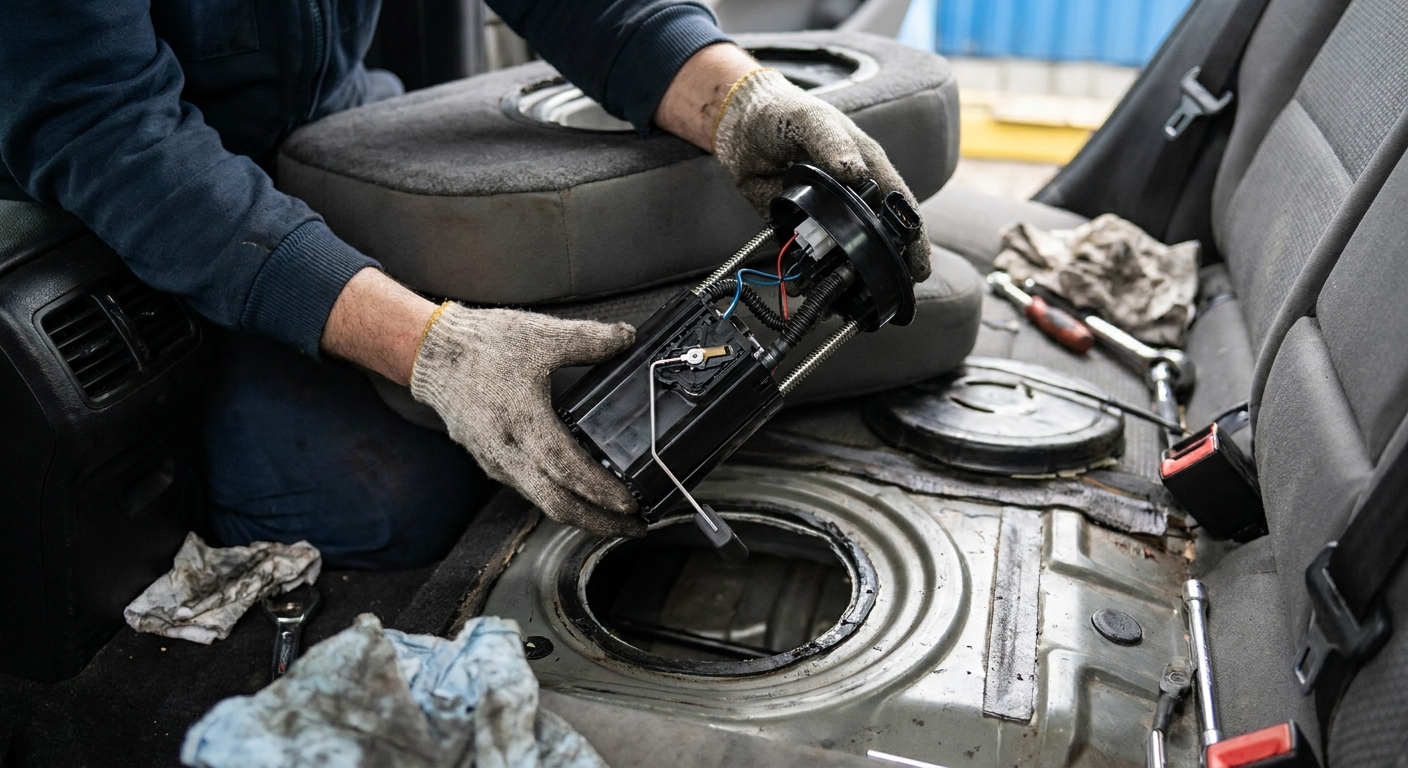
1) Fuel pump quit under load (very common)
A fuel pump can be weak for months and still start the car in the driveway. Then you merge onto the highway, demand goes up, the pump overheats or loses pressure, and the engine dies. After that, it will often crank all day without catching because the injectors are not getting enough fuel pressure.
Quick checks you can do:
- Listen for the pump prime: turn the key to ON (not START). Many cars run the pump for 1 to 2 seconds. Stand near the fuel tank area or open the fuel door and listen for a brief hum. No hum is a clue, but not definitive on every model.
- Check for fuel pressure (best test): if you have a fuel pressure gauge and a Schrader valve on the fuel rail, compare your reading to spec. “Some pressure” is not enough. Many port-injected systems are often in the 40 to 60 psi range, but some run lower or higher, so check the spec for your exact vehicle.
- Direct injection reminder: direct injection has a low-pressure side and a high-pressure side. Low side pressure still matters (often roughly 50 to 80 psi depending on the setup), and the high-pressure side is typically hundreds to thousands of psi. If low side pressure is weak, the high-pressure pump cannot do its job.
- Starting fluid test (use caution): if the engine briefly tries to fire on a tiny shot of starting fluid into the intake, you likely have a fuel delivery problem. If it does nothing, that leans toward spark or timing. This is not definitive on every modern intake and drive-by-wire setup, and some engines will not respond cleanly even when the issue is fuel. Avoid spraying on hot components and never overdo it.
Common related failures: fuel pump relay, fuse, wiring at the pump connector, inertia or fuel cut switch (some vehicles), or a clogged fuel filter on systems where it is serviceable.
2) Crankshaft position sensor dropout (sudden stall, normal crank, no restart)
If I had to pick a “most classic” pattern for crank sensor failure, this is it: the engine is running, then suddenly it dies, and afterward it cranks normally but never even tries to catch. The ECU needs a clean crank signal to time spark and injector pulse. No crank signal, no start.
Clues that point to a crank sensor issue:
- Stall feels instant, like the key was turned off.
- Tach drops to zero immediately.
- After cooling for 10 to 30 minutes, it may restart briefly (heat-soak failure), then die again.
- Check engine light may come on, but not always immediately.
Best confirmation: scan for codes like P0335 and related crank sensor circuit faults, and look at live data while cranking to see if RPM is registering. If the scan tool shows 0 RPM while cranking on a car that normally reports it, that’s a strong indicator.
One nuance: if you do see a steady RPM signal while cranking, that usually makes total crank-signal loss less likely, but it does not 100 percent clear the crank sensor. Some failures are intermittent or noisy enough to confuse spark and injector timing without dropping RPM to zero.
Note: A camshaft position sensor can cause similar symptoms on some vehicles, but crank signal loss is the one that most often creates a hard no-start after a moving stall.
3) Timing failure that happened on the road (belt or chain event)
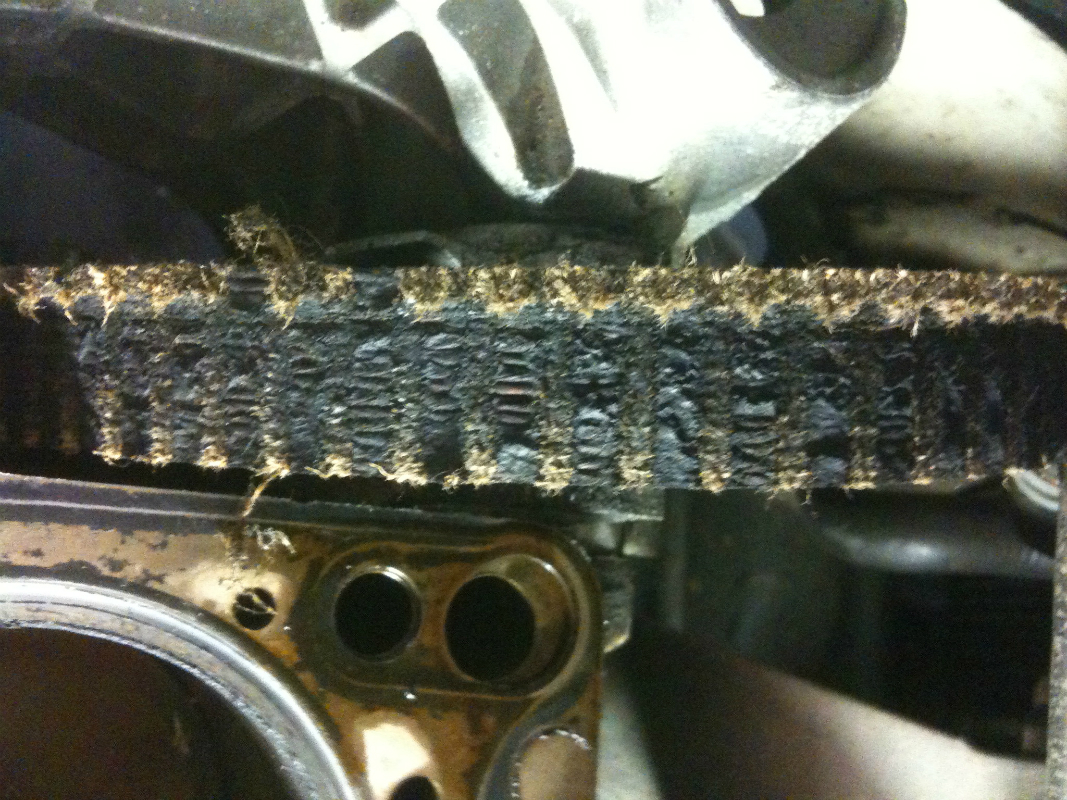
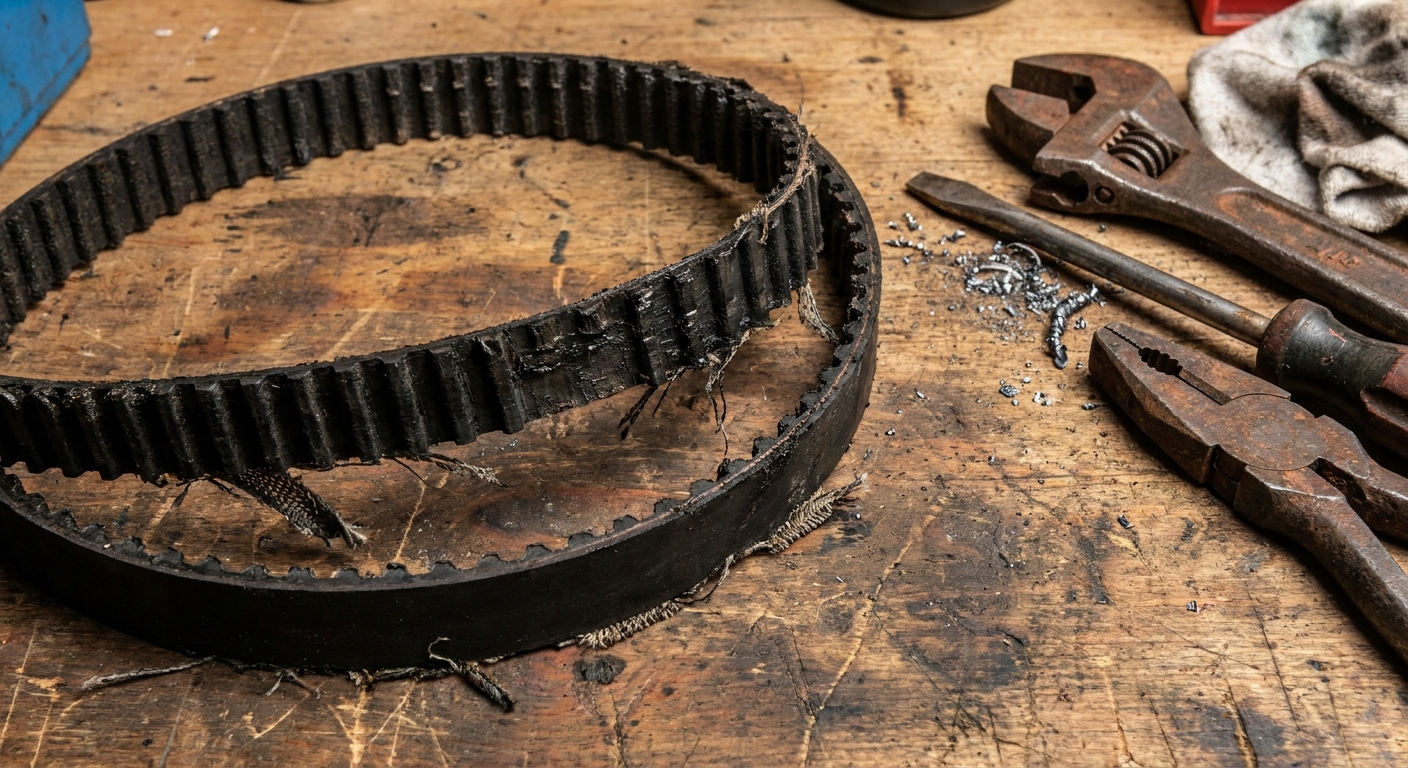
This is the one you can’t ignore. If a timing belt breaks (or a chain jumps due to a failed tensioner or guide), the engine can stall instantly and then crank normally but never start again. On many engines, a broken belt can also mean internal damage because valves and pistons can collide.
Red flags for a timing issue:
- Cranking sounds “too fast” or has an unusually even, free-spinning rhythm (often described as a “whirring” sound). That can indicate low or no compression.
- There was a sudden pop, snap, or the engine died with zero warning.
- Recent history of overdue timing belt maintenance.
What to check without tearing the engine apart:
- On some cars, you can remove a small upper timing cover inspection plug and verify belt movement while cranking (keep hands and tools clear of moving parts).
- Perform a compression test if you have the tools. Very low compression across multiple cylinders points strongly to a timing event.
- If you can see the camshaft through an oil cap opening on certain engines, you may be able to confirm whether it turns during cranking. This varies a lot by design, so do not force anything.
If you suspect timing failure on an interference engine, I recommend stopping the repeated cranking and getting it properly diagnosed. Extra cranking can sometimes worsen damage depending on what failed.
Fast triage: fuel, spark, or timing?
Here’s a simple way I think about this problem in the bay: if it cranks normally but will not start, you are missing fuel, spark, or compression (often due to timing). Your job is to rule them in or out quickly.
Step 1: Is the engine getting fuel?
- Listen for pump prime.
- Check fuel pressure if possible.
- Try a cautious starting fluid test. If it tries to run for a second or two, fuel delivery is the lead suspect. If it does nothing, do not assume fuel is fine. Move on to spark and timing checks.
Step 2: Is it getting spark?
- Use an inline spark tester at a coil or plug wire. Crank the engine and look for consistent spark.
- Safety note: do not “freehand” spark testing by holding a plug or coil near metal. Use a proper tester and keep hands clear of moving parts.
- No spark can be crank sensor, ignition module, coil driver, ECM power or ground, blown fuse, or immobilizer related depending on the vehicle.
Step 3: Does it likely have compression and correct timing?
- Listen to the cranking cadence. Very fast and even often suggests low compression.
- If you have a scan tool, check cranking RPM. If RPM is present but it still will not hit, timing or fuel becomes more likely than total crank-signal loss.
- Compression test if you can do it safely.
Other culprits that still fit this exact symptom
Ignition coil or ignition module failure
This one can look exactly like a crank sensor failure from the driver’s seat: running fine, sudden stall, then a crank-no-start. On some vehicles a failing ignition module or coil pack will quit hot and come back briefly after cooling, which adds to the confusion.
Checks: verify you have spark with an inline tester. If there is no spark but you do have injector pulse, ignition hardware moves up the list. If you have neither spark nor injector pulse, start thinking crank signal, main relay, or ECU power.
Main relay or ignition power feed failure
Some vehicles use a main relay (or a set of relays) to power the ECU, injectors, coils, or fuel pump. A relay that heats up and opens can kill the car on the road, then leave you with a crank-no-start until it cools or is replaced. On some Chrysler, Jeep, and Dodge vehicles, people will recognize this as ASD relay behavior, but lots of brands have their own version.
Checks: inspect related fuses, try swapping an identical relay (only if you are sure it is the same part number and function), and look for loss of injector pulse or coil power.
No injector pulse (even with fuel pressure)
Fuel pressure can be fine, but if the injectors are not being commanded, it still will not start. This can be crank signal related, an ECU power issue, or sometimes an anti-theft strategy.
Checks: a noid light on an injector connector is the quick way to see injector pulse while cranking. If you are not equipped for that, a shop can confirm it quickly.
Immobilizer or key recognition issue
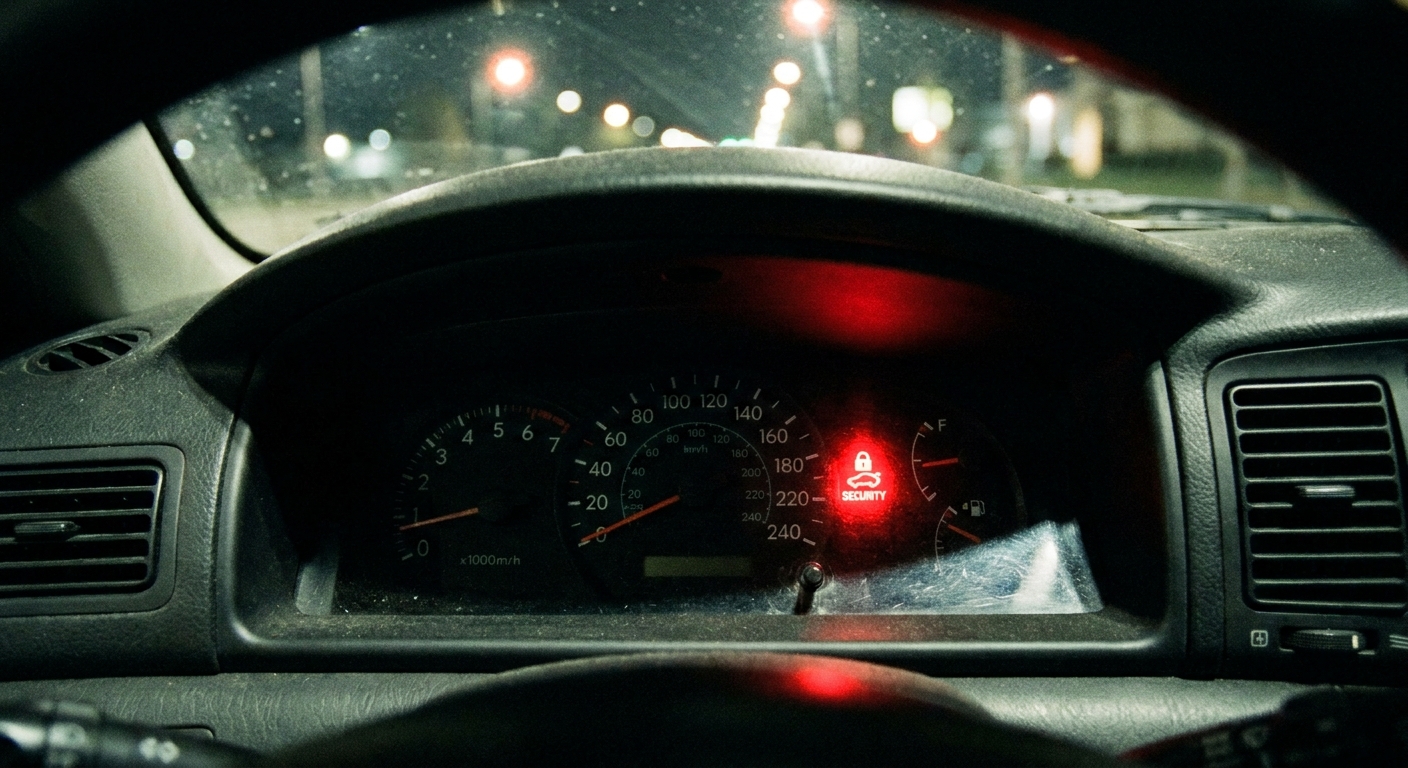
Less common for a stall while driving. More often, an immobilizer issue prevents restart after a stall, or it allows a brief start and then shuts the engine down, depending on the system. Usually you will see a security light behavior on the dash.
Checks: try your spare key, watch the security indicator during crank, and scan for body or immobilizer codes if you have a tool that can read them.
ECM ground or power connection problem
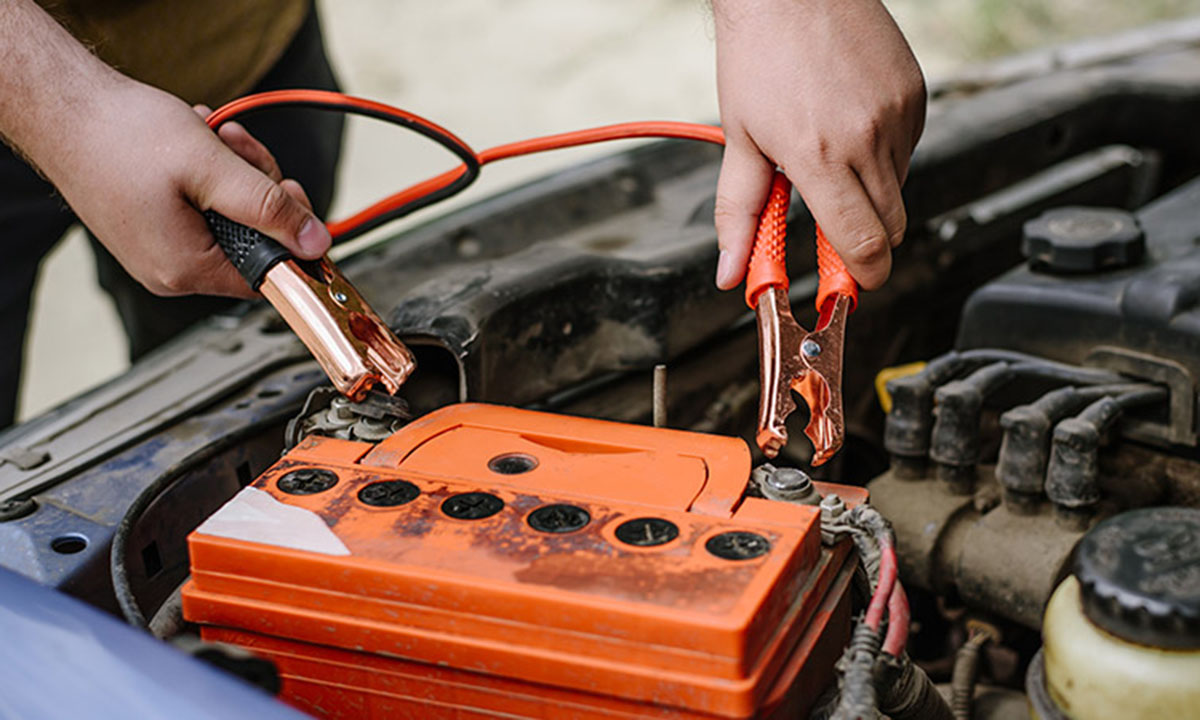
A loose battery terminal, corroded ground strap, or failing power distribution connection can cut power to engine management while leaving enough juice for the starter to crank.
Checks: verify battery terminals are clean and tight, check the engine ground strap condition, and look for obvious corrosion at the main fuse box.
What you should not do on the roadside
- Do not keep cranking for minutes at a time. Crank for 5 to 10 seconds, then rest 30 to 60 seconds. You can overheat the starter and drain the battery, and if timing is off you can risk damage.
- Do not open fuel lines to “see if fuel comes out.” Modern fuel systems run high pressure and can spray fuel dangerously.
- Do not ignore a sudden change in cranking sound. If it sounds unusually fast, stop and consider a timing or compression problem.
When to tow it immediately
If any of the following are true, I’d lean toward a tow rather than more guessing:
- The engine cranks noticeably faster than normal (possible compression loss).
- You heard a sharp snap or bang at the moment it stalled.
- You smell fuel strongly after repeated cranking.
- You are on a busy shoulder or in an unsafe area.
- The car died at highway speed and will not even sputter on starting fluid.
Quick FAQ
Can a bad alternator cause a stall and then crank-no-start?
Yes, but usually the story includes warning signs first: battery light on, dimming lights, or the electrical system acting weird before it died. If the battery still has enough charge, it may crank normally for a while. A quick voltage check helps. A healthy, rested battery is about 12.6V. During cranking it will drop, but if it falls very low (often around 9.6V at moderate temperatures), you have a battery, cable, or connection issue. Temperature and test method matter, so treat that number as a guideline, not a hard universal cutoff.
If it has fuel pressure, does that mean the pump is good?
Not necessarily. You need correct pressure under cranking, and ideally volume as well. A pump can prime to a weak pressure and still fail under load. That is why comparing to spec matters.
Why did it stall while driving but still cranks strong?
Because the starter system can be totally fine while the engine management side fails. A fuel pump can die, a crank sensor can lose signal, an ignition module can quit hot, or timing can jump, and the starter will still spin the engine like normal.
Is “no codes” proof the crank sensor is not the issue?
No. Some failures do not set a code right away, and code setting can depend on how long the fault is present and what the ECU sees. Live data (like RPM while cranking) is often more useful than waiting for a stored code.
If you tell me three details, I can narrow it fast
If you want to troubleshoot this like we are standing next to the car at cars and coffee, here are the three questions that narrow it down the quickest:
- Did it sputter before it died, or was it instant?
- Does it sound like it is cranking normal or faster than normal?
- When you turn the key to ON, do you hear the fuel pump prime?
Answer those, plus year, make, model, and engine, and you can usually get to the most likely culprit in a couple of messages.