The first time I saw this problem in a shop, the customer swore the car was “possessed.” Every time they cranked the wheel into a parking spot, the dash went dark and the radio rebooted. Straighten the wheel, and everything came back like nothing happened.
When power cuts out only while the steering wheel is turning, that is your clue. You are usually not chasing a simple “bad battery” situation. You are typically chasing an electrical interruption that happens when something moves, most often in or near the steering column, but occasionally somewhere else that shifts during steering.
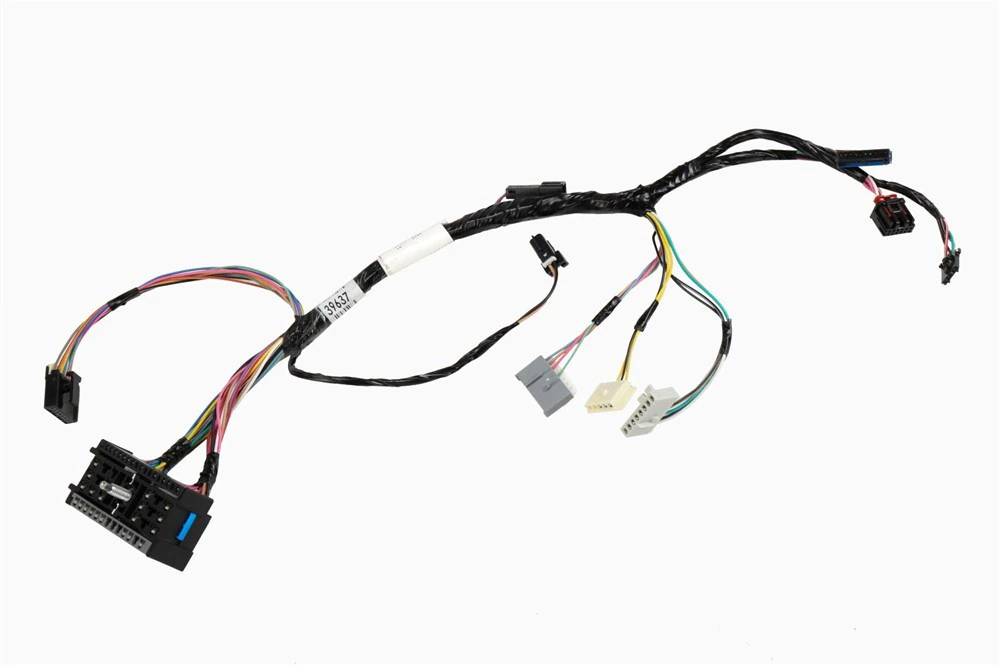
Below is how I’d sort this in a driveway, safely, with simple tests that separate a worn ignition switch from a clock spring issue and from a basic wiring or ground fault.
Safety first
If your dash and radio cut out when you turn, treat it as more than an “annoying electrical glitch.” Depending on the vehicle and how the circuits are laid out, you can lose:
- Airbag system readiness (SRS warning may pop on when power returns)
- Power steering assist on some electric power steering setups (hydraulic steering will not be affected)
- Headlights or running lights if the fault is on a shared feed
- Engine power in the worst cases if ignition-run power drops out
If the engine stumbles or shuts off during turns, or if you lose headlights even once, stop troubleshooting and get it towed. Intermittent loss of ignition-run power can turn into a sudden no-warning shutdown.
Airbag note: If your testing takes you anywhere near yellow SRS connectors or steering wheel airbag wiring, follow the OEM service manual procedure. In general that means disconnecting the battery and waiting the specified time before touching SRS components. If you are not comfortable with that, stop and book a shop.
What the symptom points to
When the steering wheel turns, only a few things move and flex:
- The steering wheel and clock spring (spiral cable) behind it
- The column tilt and telescoping mechanisms (if equipped)
- The wiring harnesses clipped to the column that can tug or chafe
- The ignition switch actuator on many columns (especially if the key cylinder is in the column)
So the likely causes cluster into these buckets:
- Worn ignition switch or loose ignition switch connector
- Damaged wiring near the steering column (chafed, stretched, pinched, loose connector)
- Clock spring failure (usually affects horn, airbag, and steering wheel controls, but symptoms can vary on some designs)
- Less common but real: a steering-related harness short elsewhere, like near an EPS motor, steering rack area, or a body harness that shifts under the dash during steering
Battery and alternator reality check
I get why people go there first. The radio resetting feels like “low voltage.” And on some electric power steering (EPS) vehicles, turning the wheel can add a big electrical load.
Still, if everything is stable until you turn the wheel, that steering-angle trigger usually points to a connection, harness, or switch that is being disturbed by movement. A weak battery or alternator problem tends to show up based on load and charging conditions in general, not at one repeatable steering angle.
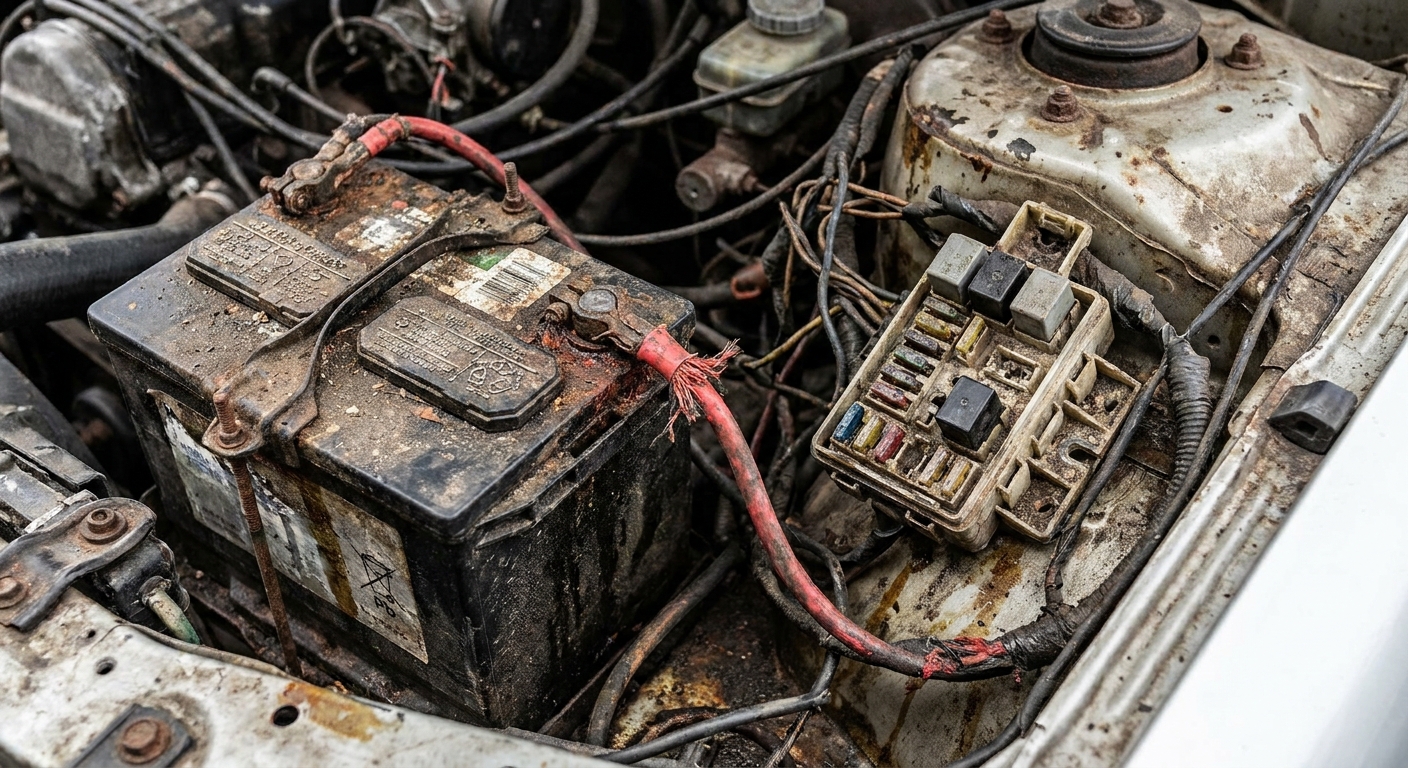
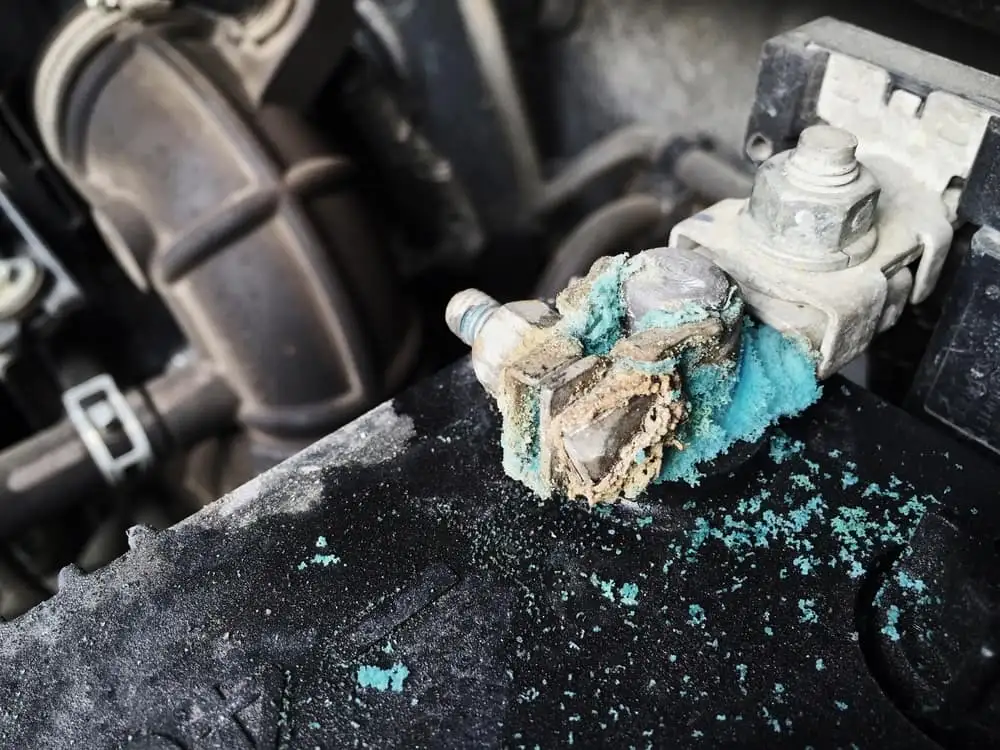
My practical advice: always confirm the basics first (battery terminals tight and clean, main grounds not crusty). Then follow the steering-angle clue where it leads.
Quick driveway test plan
Tools that help
- Flashlight
- Phone camera (to record the cluster while you move the wheel)
- Basic OBD2 scan tool (optional but helpful)
- Multimeter or a 12V test light (helpful, but do not use a test light on airbag circuits)
Test 1: confirm what dies
With the car safely parked, engine running if possible, do a slow turn left and right and watch what happens.
- Radio-only reboot, engine fine suggests an accessory feed, radio feed, or radio ground issue.
- Entire cluster goes black suggests a broader ignition-run or body power feed dropout.
- More than one system resets (cluster, HVAC, power outlets) suggests a shared power or ground problem.
Quick definition: “Ignition-run” power is the power that should be present with the key in RUN/ON to keep the cluster and modules alive, not just the radio.
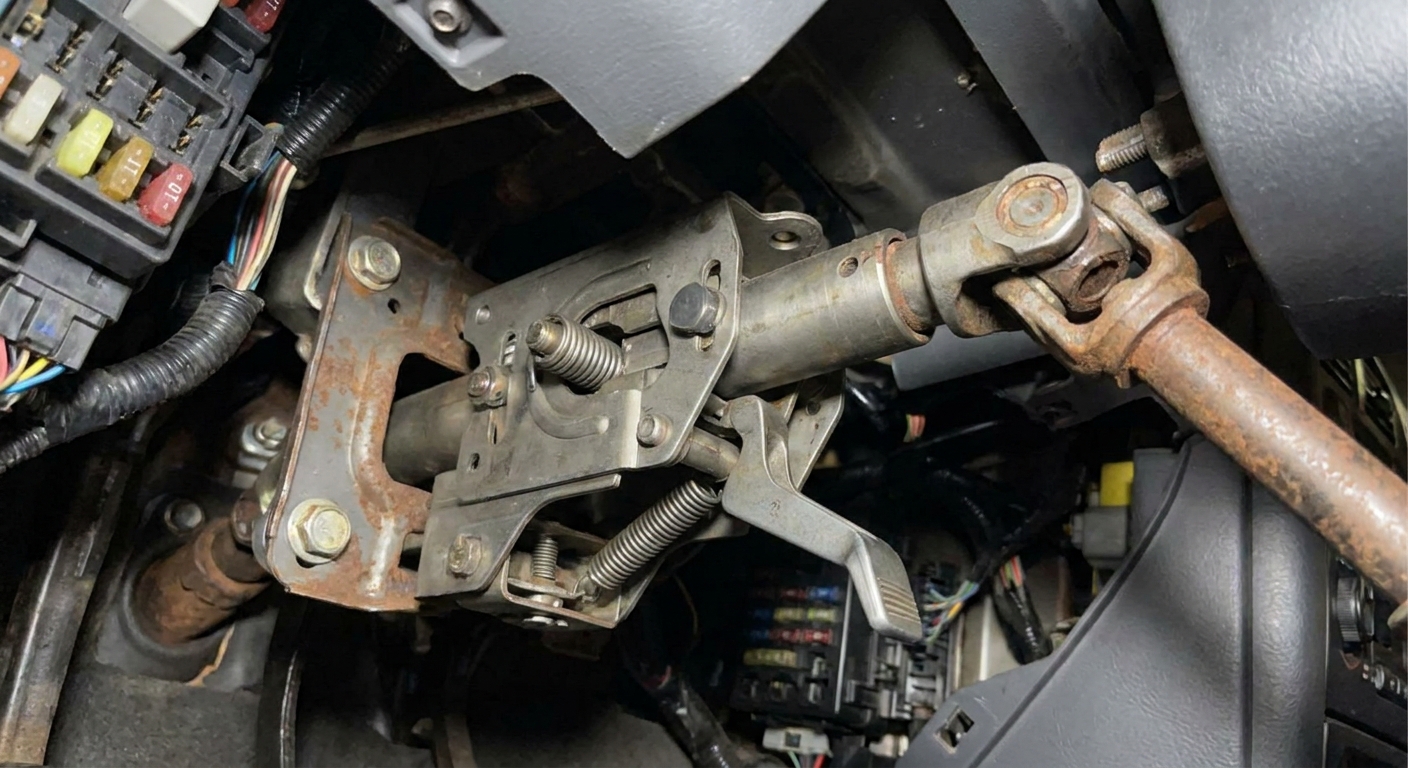
Test 2: change tilt or telescope position
If your column tilts or telescopes, put it at its highest position and test again, then lowest and test again. If the problem gets worse in a certain position, you are often dealing with:
- a harness that is stretched tight
- a connector that is barely making contact
- a wire chafing on the column bracket
Test 3: key wiggle test
This is the fastest separator for “ignition switch versus clock spring.”
- Key in RUN, engine running if possible.
- Very gently move the key and the key ring up and down and toward you and away from you. Do not force it.
- Watch for any flicker in the dash or radio.
If you can make the dash or radio cut out by lightly wiggling the key, that strongly implicates the ignition switch electrical portion or its connector. The clock spring is behind the wheel and should not care what your key is doing.
If the key wiggle does nothing but turning the wheel does, move on to column wiring and clock spring related checks.
Test 4: steering wheel controls and SRS clues
A failing clock spring often shows up as one or more of these symptoms, especially when turning:
- Horn works only sometimes
- Steering wheel radio buttons cut in and out
- Cruise control buttons act up
- Airbag light comes on intermittently (common codes mention “driver airbag circuit” or “squib”)
If you have airbag light plus horn or steering wheel controls that fail when you turn, put the clock spring high on the suspect list.
Important: a clock spring problem by itself usually does not kill the entire instrument cluster and radio. If your whole dash is losing power, look harder at ignition-run power, a loose connector, or a harness and ground issue. On a few vehicles that route more through a steering column module, symptoms can vary, so treat this as a strong clue, not a verdict.
Top suspects
1) Ignition switch (electrical part)
On many vehicles, the key cylinder is mechanical, but the actual power switching happens in an electrical switch mounted to the steering column. Over time, internal contacts wear, heat builds up, and the switch can open momentarily.
Typical signs:
- Dash and radio cut out during turns and also sometimes over bumps or when adjusting the column
- You can influence the failure by lightly moving the key
- Accessories return instantly when you release pressure or straighten the wheel
Driveway check: With the car in RUN, reach under the column (without getting tangled in pedals) and gently touch the ignition switch harness connector. If the dash flickers when you barely move the connector, you likely found the neighborhood.
Why turning the wheel affects it: On some columns, steering movement and tilt mechanisms slightly shift the ignition switch harness or actuator link. If the connector fit is loose, that tiny movement can open the circuit.
2) Clock spring (spiral cable)
The clock spring is a ribbon cable wound like a spiral behind the steering wheel that keeps electrical connection to the airbag, horn, and steering wheel controls while the wheel turns.
Typical signs:
- Horn, cruise, or steering wheel buttons cut out at certain wheel angles
- Airbag light comes on, especially after turning
- Sometimes a faint rubbing or scraping sound inside the wheel area
Driveway check: In a safe parked position, turn the wheel slowly while pressing the horn (if it is safe to do so where you are). If the horn drops out at a repeatable point in wheel rotation, that is classic clock spring behavior.
Big warning: Do not probe airbag circuits with a test light. Do not unplug SRS connectors casually. If you suspect a clock spring and you are not comfortable disabling the airbag system properly per the service manual, this is a good stopping point for DIY.
Other causes
Loose ground or power splice
Sometimes the wheel turn is just the trigger that shifts a harness under the dash. A loose ground point or power splice can make modules reset when the harness moves.
Clues: Multiple interior systems reset together, sometimes including HVAC and power outlets. You might see weird behavior like the cluster going dark but backlighting staying on, or vice versa.
What to check:
- Battery terminals clean and tight
- Main ground cable to body and engine tight and not corroded
- Ground points under the dash near the steering column area
Chafed harness on a bracket
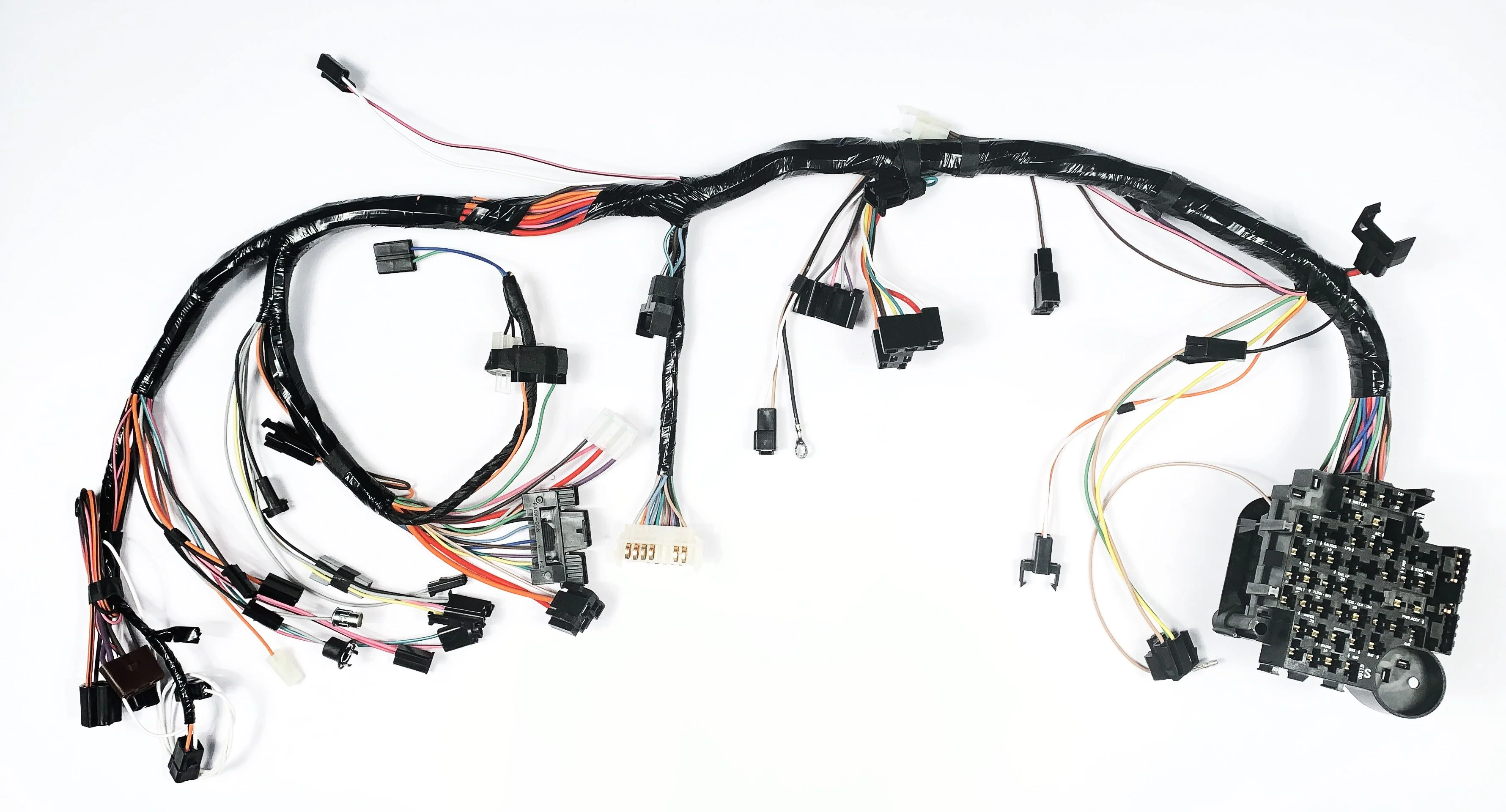
This is more common than most people think, especially on vehicles that have had remote start installs, stereo installs, alarm systems, or previous column work. A harness can rub through insulation and intermittently short or open as the column flexes.
What to look for:
- Wiring that is shiny, flattened, or has missing loom
- Aftermarket T-taps or twist connections
- Harnesses pulled too tight with zip ties
Column junction connectors
Many cars have intermediate connectors and junction blocks under the dash near the column. If one of those connectors is loose, partially unseated, or has backed-out pins, the movement from steering and column flex can make it drop out and come right back.
Accessory or ignition-run relay
Relays usually do not care about steering angle, but a relay with a loose socket fit, heat damage, or corrosion can drop out when the body flexes slightly.
Clues: You can sometimes reproduce the dropout by tapping the fuse box area with your hand. If turning the wheel nudges the harness feeding the fuse box, it can look like a steering-related issue.
Steering rack or EPS harness issue
Less common, but worth mentioning: on some models, a harness near the steering rack, EPS motor, or related wiring can chafe or tug during steering. If your problem seems to happen more with suspension movement, bumps while turning, or you have EPS warnings along with the resets, widen your inspection beyond the column.
Tracing the power drop
If you want one clean, practical method, focus on whether you are losing ignition-run power to multiple modules or just the radio’s feed.
Step 1: watch an always-on clue
Pick an indicator that should stay alive whenever the car is operating, like the instrument cluster, or a scan tool connected to the diagnostic port.
- If the scan tool disconnects or reboots when the wheel turns, you may be losing power or network communication to multiple modules.
- If the scan tool stays connected but the radio reboots, you may have a radio-specific power or ground issue.
Note: the diagnostic port power is vehicle-dependent. Some DLC ports are battery-fed all the time, and some scan tools have their own internal battery. Use this as a clue, not proof.
Step 2: scan codes after a dropout
After the dash cuts out and comes back, scan for codes. Even if the check engine light is off, you may find:
- U-codes for lost communication (modules went offline)
- B-codes in body modules related to ignition voltage
- SRS codes if the clock spring or airbag circuit is involved
Codes do not automatically name the bad part, but they can tell you which network went dark and help narrow where power was lost.
When to call a pro
I am all for driveway diagnostics, but a few situations deserve professional help quickly:
- Airbag light is on and steering wheel functions are acting up
- Engine cuts out when turning the wheel
- You smell burning plastic from the column or see melted connectors
- The car has a history of aftermarket wiring under the dash that looks questionable
A shop can do voltage drop testing and monitor ignition circuits while articulating the column. That is often the fastest path when the failure is intermittent.
Most common fixes
- Ignition switch electrical portion and sometimes the connector pigtail if heat damaged
- Clock spring if SRS and steering wheel controls fail with turning
- Steering column harness repair where wires are chafed, stretched, or pinched
- Cleaning and tightening grounds under dash or at body and engine
After repairs, confirm the wheel turns lock-to-lock without any resets, and make sure column tilt and telescope positions do not recreate the issue.
FAQ
Can low power steering fluid cause the dash and radio to cut out?
No. Low power steering fluid can make the steering groan or feel heavy, but it will not reboot your electronics. If electronics reboot when turning, you are chasing an electrical interruption.
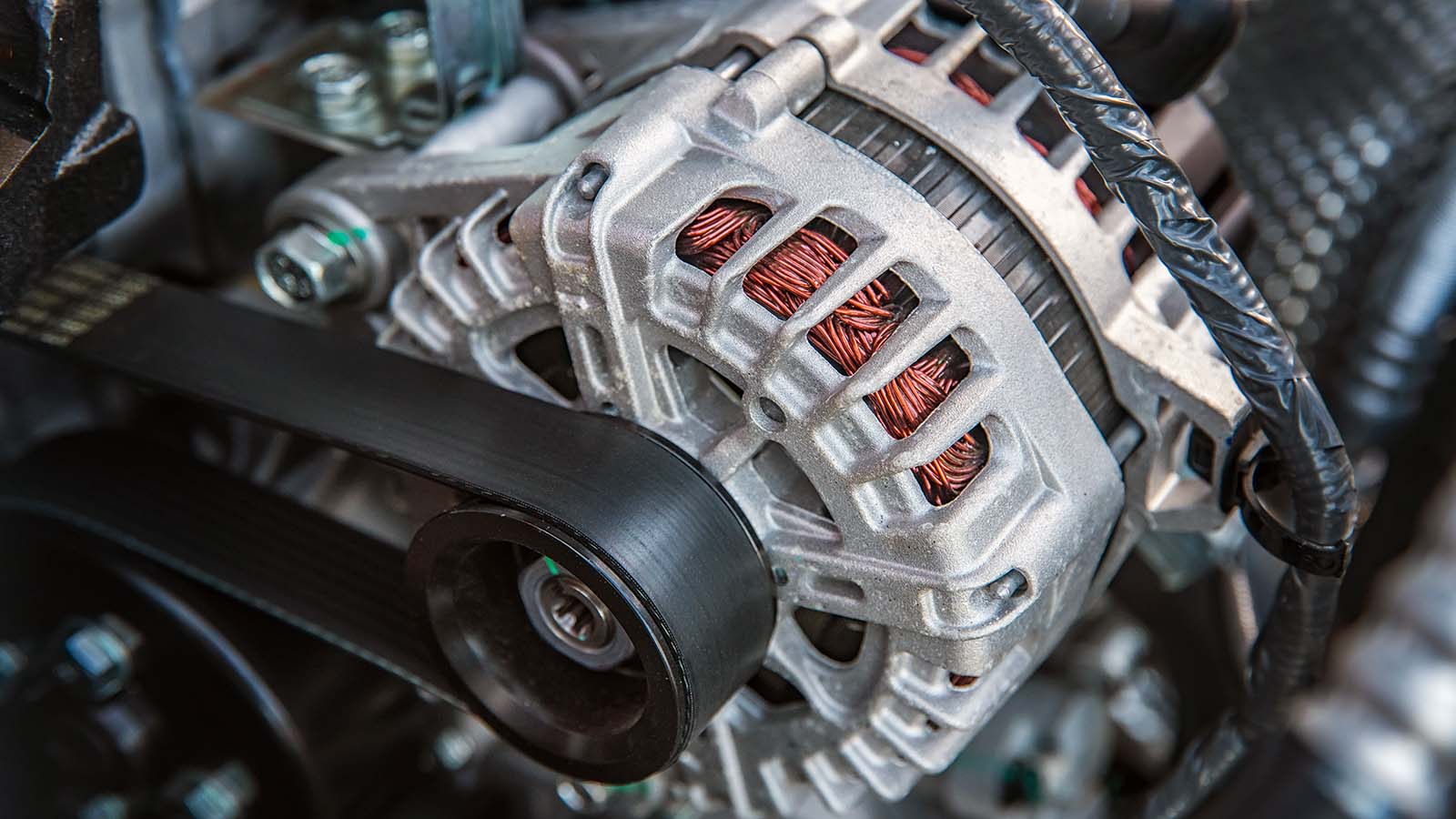
Could it be the alternator?
If the dash and radio cut out strictly during steering input and behave normally otherwise, an alternator is less likely. Alternator problems usually show up as system-wide low voltage under load regardless of steering angle. Still, confirm battery terminals and grounds first.
Is it safe to keep driving?
If it is only the radio and the engine never stumbles, you may be able to limp it to a shop, but it is still a risk. If you lose the cluster, headlights, steering assist, or the engine even once, stop driving it and tow it.
Does a bad clock spring kill the entire dash?
Usually no. A clock spring most often affects the horn, airbag circuit, and steering wheel buttons. If your whole dash goes dead, look harder at ignition switch power, grounds, or a harness issue near the column, and consider less common steering-related harness problems elsewhere on the vehicle.