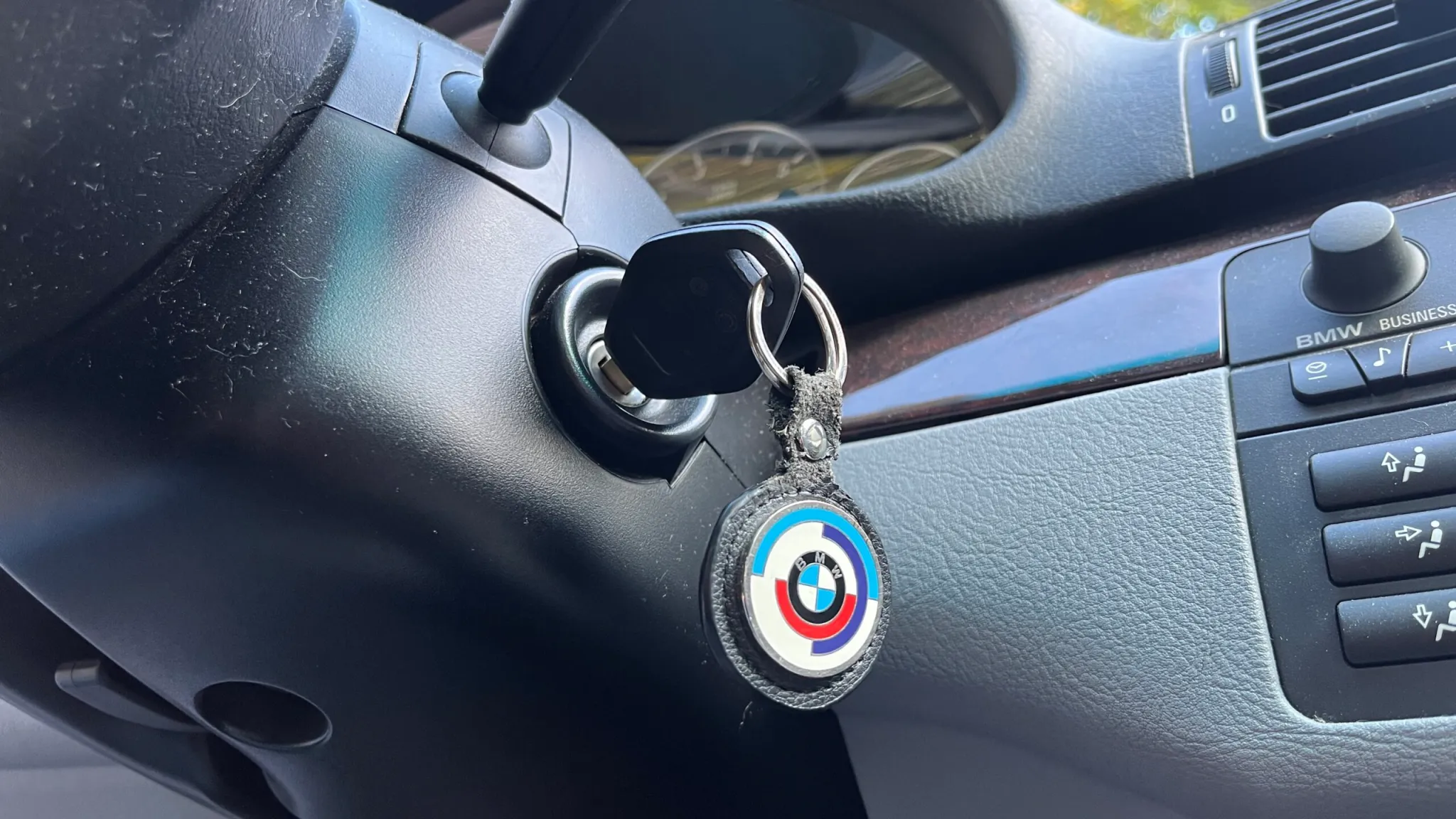
I’ve had customers describe this one the same way for years: “Ben, it won’t start unless I jiggle the key a little.” And they’re not imagining it. This article is about traditional keyed ignitions. If the car cranks only when the key is held in a very specific spot, you are usually dealing with wear in the ignition key and lock cylinder, the actuator mechanism in the steering column, or the electrical ignition switch itself.
The trick is separating that from two other situations that look similar from the driver’s seat: a key that will not turn at all (mechanical bind), and a no crank with a steady click no matter how you hold the key (often battery cables, battery voltage, starter, or solenoid).
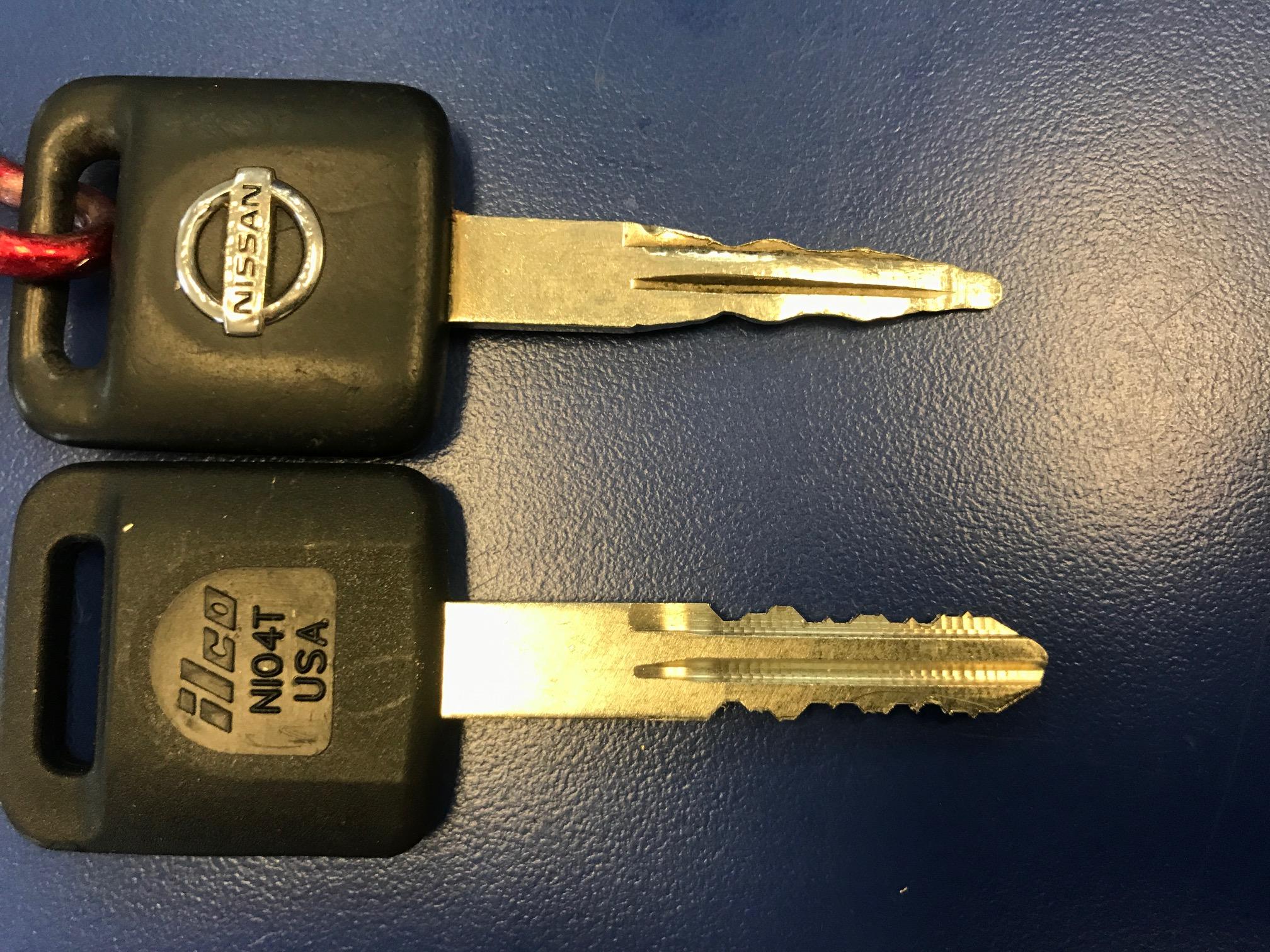
What “starts only when I wiggle the key” means
When wiggling the key changes what happens, something is right on the edge of making contact. Move the key a couple millimeters and one of three things happens:
- The lock cylinder turns the actuator more effectively (mechanical wear inside the cylinder or column linkage).
- The electrical ignition switch contact closes (worn or burnt contacts inside the switch, or a loose connector).
- The key is worn enough that the cylinder’s internal pins do not line up consistently.
Any of these can make the START circuit intermittent, which is why it “catches” only in a certain position.
Confirm the symptom first
1) The key turns, but it only cranks in a sweet spot
This is the classic “wiggle to start” scenario. The engine will crank and start if you hold the key just right, or if you push the key inward, pull it outward slightly, or twist while lifting the key ring.
Most likely culprits: worn key, worn ignition lock cylinder, worn steering column actuator, or a failing ignition switch.
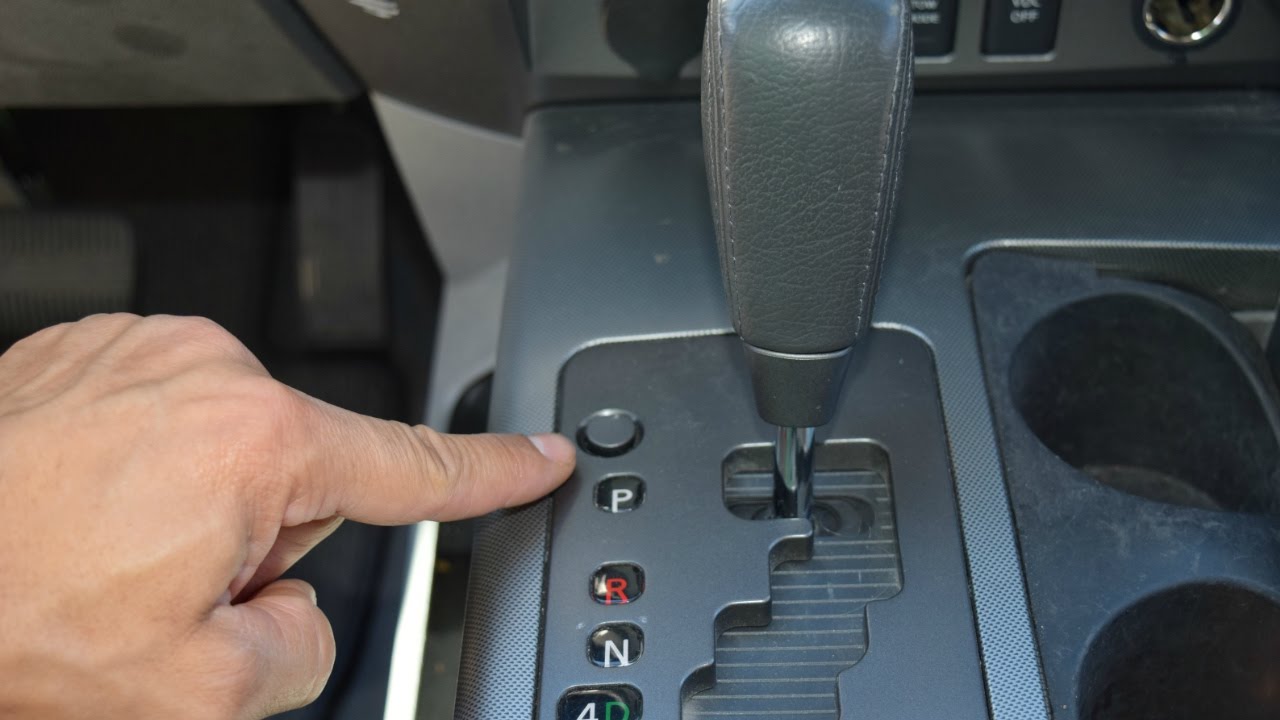
Two common lookalikes: an out of adjustment neutral safety switch (automatic) or a clutch safety switch (manual). If it starts in Neutral but not Park, or it starts only when you press the clutch harder or move the pedal slightly, don’t ignore those.
2) The key will not turn at all
That’s a different failure mode. If the key physically will not rotate from LOCK to ACC or ON, you are dealing with a mechanical lockout or bind, not an electrical start contact issue.
Common causes: steering wheel tension against the steering lock, vehicle not fully in Park, or a damaged key or lock cylinder.
3) You get a click no matter how you hold the key
If you turn the key to START and hear a single click (or rapid clicking) regardless of whether you wiggle the key, that points away from the ignition lock and more toward high current starting issues.
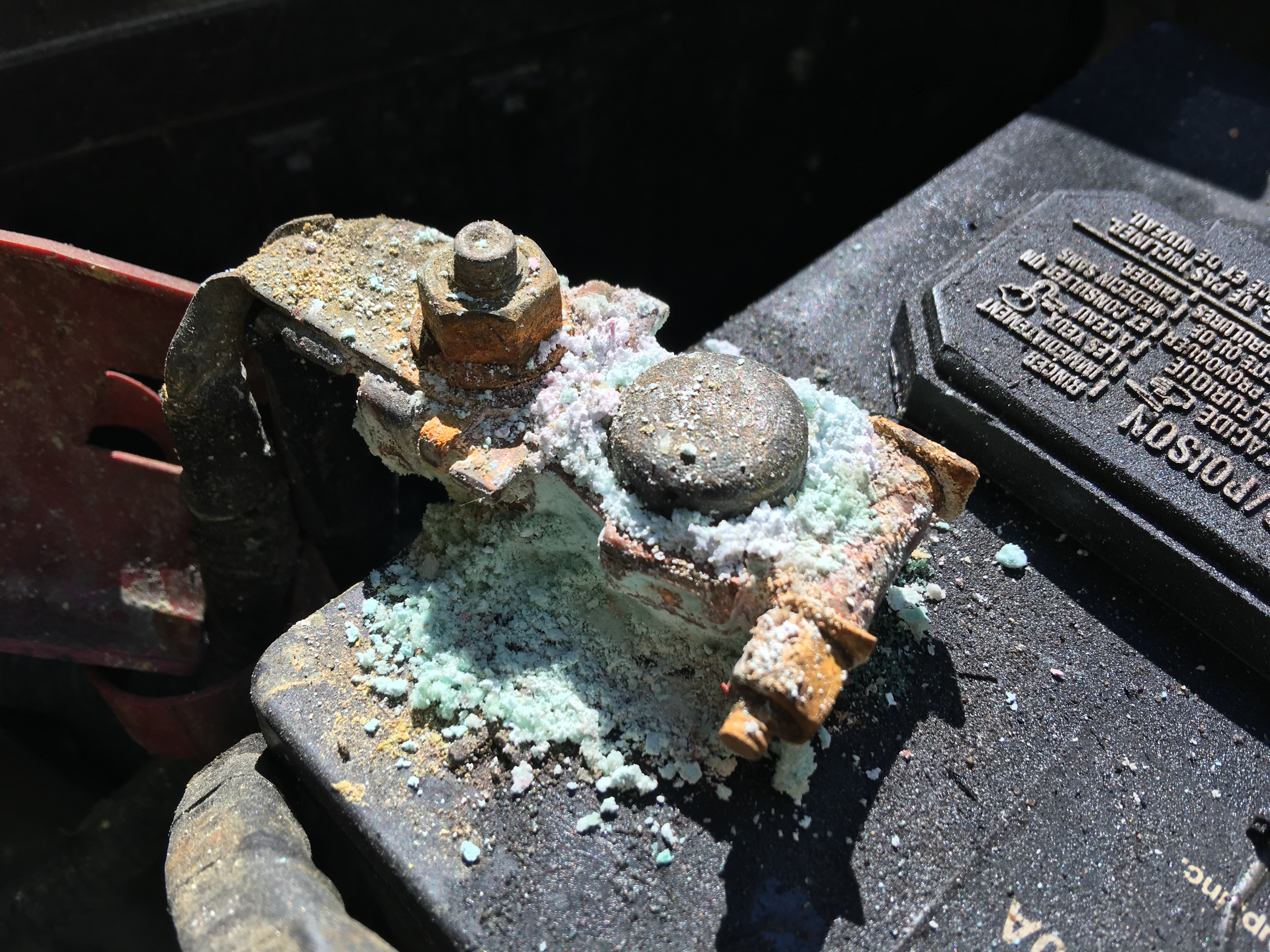
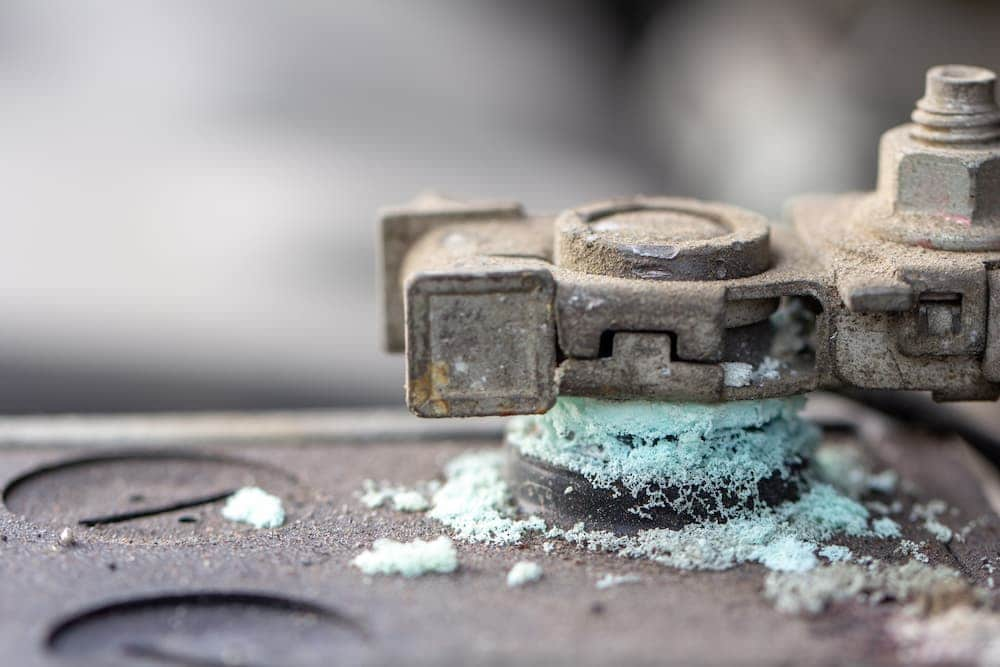
Common causes: weak battery, corroded battery terminals, bad ground, voltage drop in battery cables, failing starter, or starter solenoid problems.
Quick driveway checks
You do not need a scan tool for the first round of diagnosis. Here’s what I’d do before buying parts.
Safety note: If you plan to remove steering column covers, be mindful of airbag wiring. If you are not sure what you are looking at, stop and get help. Many vehicles require battery disconnect and a wait period before working around SRS components.
Try your spare key (or a freshly cut key)
If you have a spare key, try it for a few days. A worn key can absolutely cause intermittent starting, especially on older vehicles.
- If the spare works normally, your main key is worn. Get a new key cut from the vehicle’s key code if possible (a good locksmith can often do this). A copy made from a worn key can repeat the problem.
- If both keys act the same, look deeper at the lock cylinder, actuator, switch, or wiring.
Reduce keychain weight and test again
A heavy key ring can accelerate wear in the lock cylinder and ignition switch actuator over time. For diagnosis, remove everything and try starting with only the key.
If it suddenly becomes more consistent, you likely have wear that is being made worse by the downward pull on the key.
Notice what movement helps (hints only)
These are clues, not a guaranteed diagnosis, but they can point you in the right direction:
- Pushing the key inward helps: often points to lock cylinder wear or actuator alignment.
- Pulling the key outward slightly helps: can indicate cylinder wear or the cylinder not fully returning from START.
- Twisting while lifting the key ring helps: often points to column actuator play or a tired lock cylinder housing.
Switch vs. lock cylinder
Drivers call it all “the ignition,” but there are two main parts doing different jobs.
The lock cylinder (mechanical part)
This is the part you put the key into. It is mechanical and has tumblers or pins that align with the key cuts. When it wears, the key can feel sloppy, sit too deep or too shallow, or turn inconsistently. On many vehicles, the lock cylinder also interfaces with a steering column actuator rod or gear.
Clues it’s the lock cylinder or key:
- The key feels loose, wobbly, or can be removed in odd positions.
- It takes finesse to get it to rotate smoothly, not just to crank.
- The problem changes dramatically between your main key and spare key.
The ignition switch (electrical part)
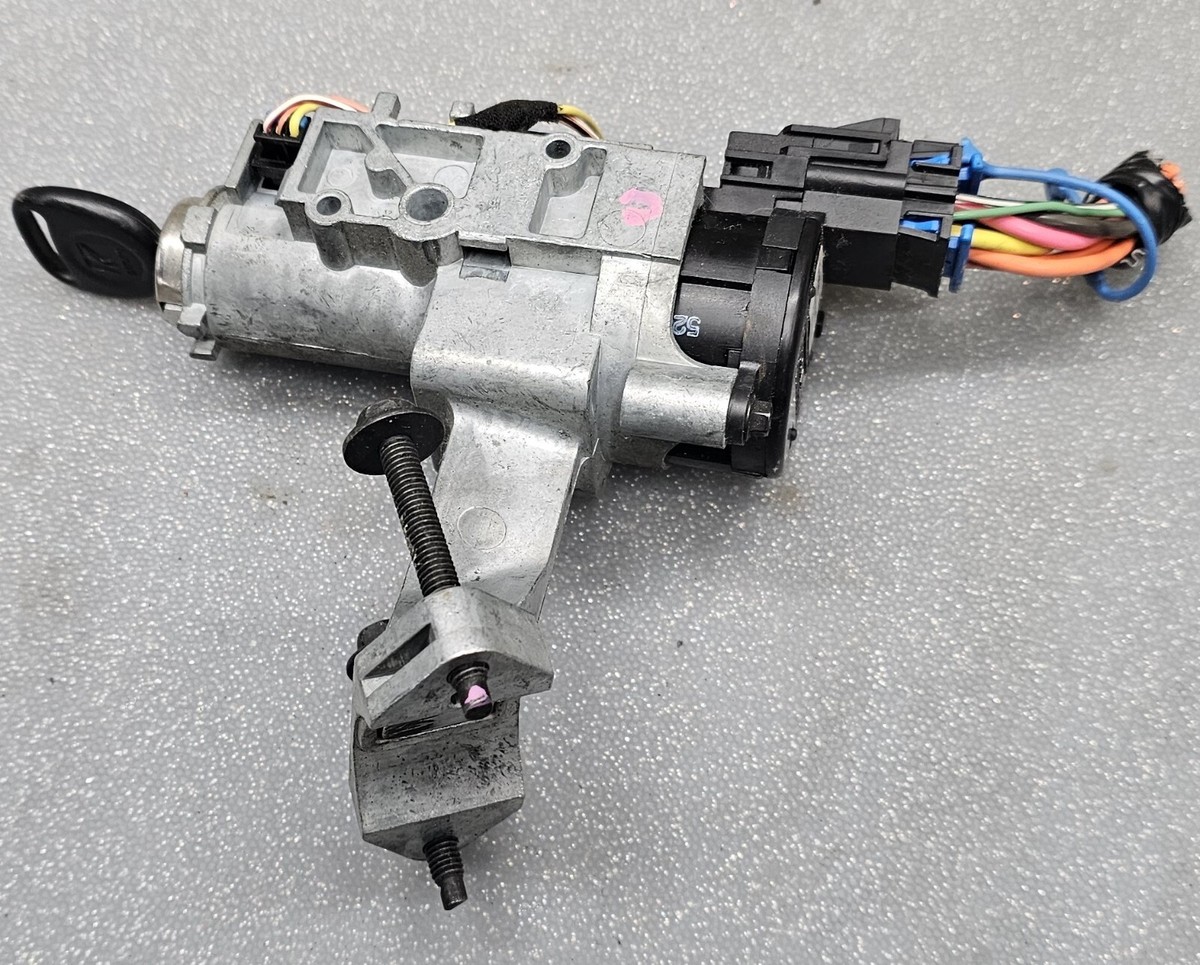
This is the electrical switch that sends power to accessories in ACC, ignition in ON, and the starter signal in START. On many cars it is mounted on the steering column, not where the key goes. The key and cylinder move it through a mechanical linkage.
Clues it’s the ignition switch or its connector:
- Dash lights or accessories flicker when you gently move the key in ON.
- Sometimes you get nothing when turning to START, and sometimes it works, with no change in how the key feels mechanically.
- You can feel the key turn normally, but the starter signal is intermittent.
Switch problem or starter problem?
If your car does not crank, you are trying to figure out whether the starter is not receiving the start signal, or whether it is receiving it but not responding.
Watch the dash lights in START
- Lights stay bright, no crank, and wiggling the key changes the outcome: likely ignition switch, lock cylinder, actuator, or a start circuit connection.
- Lights go very dim and you hear rapid clicking: low battery or bad battery connections.
- Single solid click but no crank, and wiggling does nothing: often starter solenoid or starter motor, but also very commonly high resistance in cables, grounds, or terminals. A voltage drop test is the clean way to sort that out.
Listen for consistency
An ignition switch issue is often inconsistent in a very “human input” way. You move the key slightly, and the behavior changes. A failing starter, weak battery, or corroded cable tends to be more consistent regardless of how you hold the key.
Another common wild card: aftermarket remote start systems, alarms, and kill switches can create intermittent no-crank symptoms that feel key-related. If your vehicle has add-on wiring under the dash, keep it on the suspect list.
Steering column wear
Here’s the part many people do not realize exists: on a lot of vehicles, the key cylinder does not directly “click” an electrical switch. It moves an actuator rack, rod, or cam inside the steering column, which then moves the electrical ignition switch.
If that actuator mechanism wears or cracks, you can end up with:
- A key that turns normally but does not always push the switch far enough into START.
- A start that works only when you add extra torque or move the key slightly off its natural stop.
This is more common than you’d think on higher mileage vehicles, especially ones that have lived with a heavy keychain for years.
What not to do
- Do not force the key. Breaking a key in the cylinder turns an annoying problem into a tow and a locksmith bill.
- Do not spray random lubricants into the ignition. If you need lubrication, use a product intended for locks. Dry PTFE is commonly recommended, and some locksmiths use graphite, but not every lock manufacturer likes graphite. Follow OEM or locksmith guidance for your specific cylinder.
- Do not keep driving with an intermittent START circuit. It can leave you stranded at the worst time, and intermittent high resistance or arcing at a failing contact can create heat and accelerate failure.
When to call a pro
If you are seeing any of the signs below, I’d move from DIY checks to a qualified shop or automotive locksmith:
- You can start the car only by holding the key in a very specific position, and it is getting worse week to week.
- Accessories cut out in ON when the key is bumped.
- The key feels hot after multiple attempts (possible high resistance in the switch).
- The steering wheel lock or shifter interlock is acting up at the same time.
A shop can test for a missing starter signal at the starter solenoid, verify switch output with a meter, and check for column actuator play. That prevents the common and expensive mistake of throwing a starter at a car that is not consistently being told to crank.
One more caveat on newer vehicles: immobilizer and anti-theft problems usually cause a crank and no-start, but on some models they can also inhibit cranking. If you see a security light flashing or a “key not detected” message, that is its own diagnostic path.
Typical fixes and cost range
Prices vary wildly by vehicle and region, but here are realistic ballparks and the usual order of operations.
- New key (cut properly): often $5 to $30 for a basic metal key, more if it is a transponder or high-security key.
- Ignition lock cylinder replacement: commonly $150 to $400 installed on older keyed cars, but can go higher if rekeying, disassembly, or programming is involved.
- Ignition switch replacement: often $150 to $350 installed, with labor varying based on steering column trim and airbag precautions.
- Steering column actuator repair: often $250 to $600 installed, and sometimes more, because it can require deeper steering column work.
If your vehicle uses an immobilizer transponder key, keep in mind: an engine that cranks but will not stay running is a different rabbit hole than a no crank that depends on key position.
FAQ
Can a bad ignition switch cause the car to start only when I hold the key?
Yes. Worn internal contacts or a failing switch can open the START circuit unless the switch is held in a very specific spot. That can feel like “wiggle the key and it works,” even though the problem is electrical, not the key itself.
Is it safe to keep using the wiggle trick?
It is a temporary band-aid. Intermittent contact can fail completely without warning, and high resistance in a failing contact can create heat. I’d treat it like a “fix soon” item, not a “someday” item.
Why do my lights and radio work, but it still won’t crank unless I wiggle the key?
The starter circuit is separate from accessory power. A worn ignition switch can still power ACC and ON reliably while failing to send a solid signal on the START position.
Could this be my starter?
It can be, but if wiggling the key changes the outcome, I look at the key, lock cylinder, column actuator, ignition switch, and their wiring first. A starter problem is usually unaffected by tiny changes in key position.