I have seen this one a hundred times in the shop: the dash lights up, the radio plays, you turn the key (or press Start), and nothing happens. No crank. No click. You try Park again, try Neutral, still nothing. Or it only cranks in Neutral but not Park. When that happens, your car is usually doing exactly what it was designed to do: it is refusing to crank because it does not believe the transmission is safely in Park or Neutral.
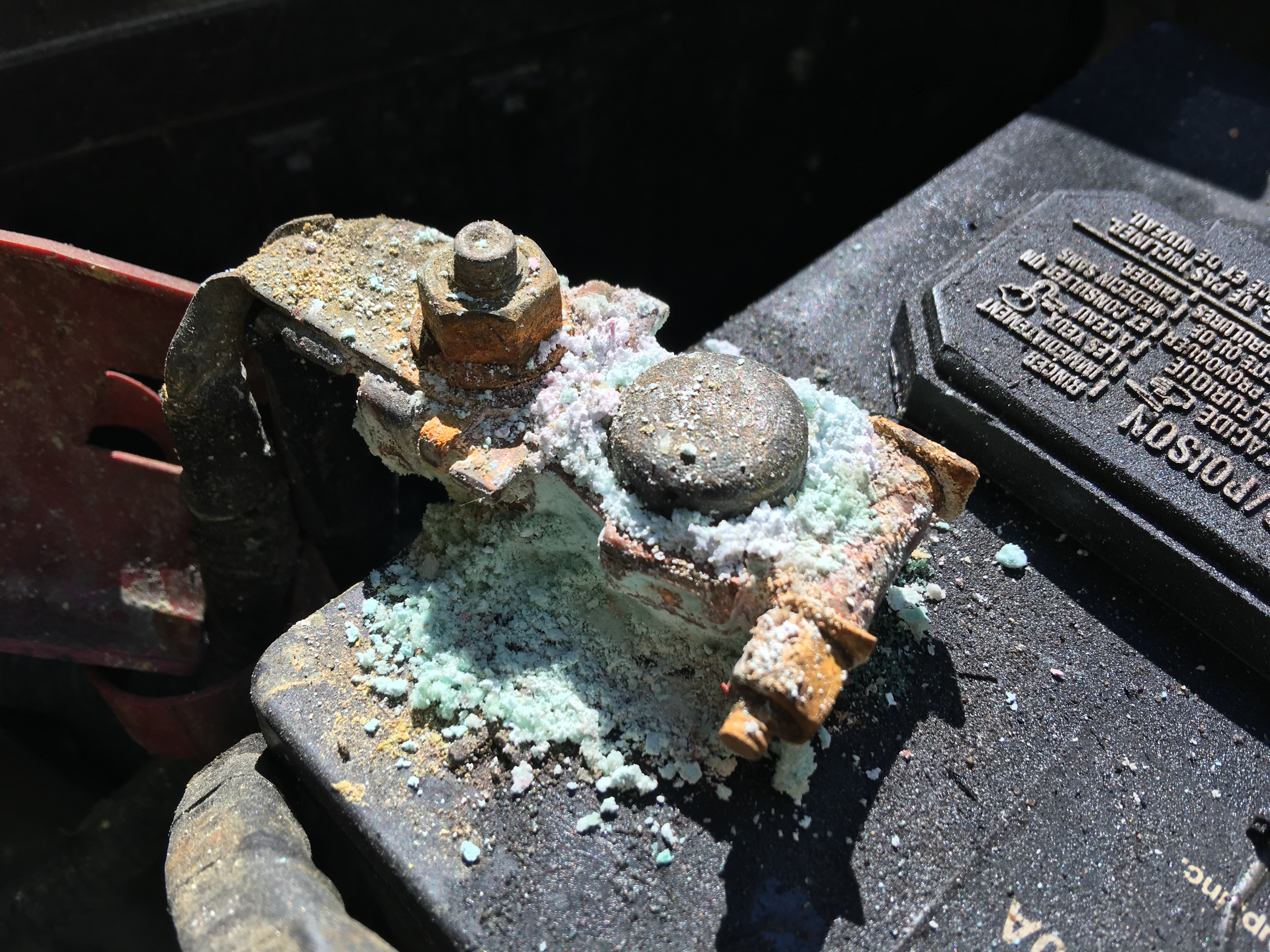
Before we get deep into shifters and sensors, do one basic sanity check: a weak battery or bad cable connection can fool you because the lights still work. If the headlights are dim, the interior lights drop hard when you try to start, or the battery terminals look crusty or loose, address that first.
The good news is that this is often a shifter alignment or sensor issue, not a dead engine. The bad news is that forcing the shifter or “bypassing” the system the wrong way can create a safety hazard and an expensive repair. Let’s walk through it the way I would with you in my bay.
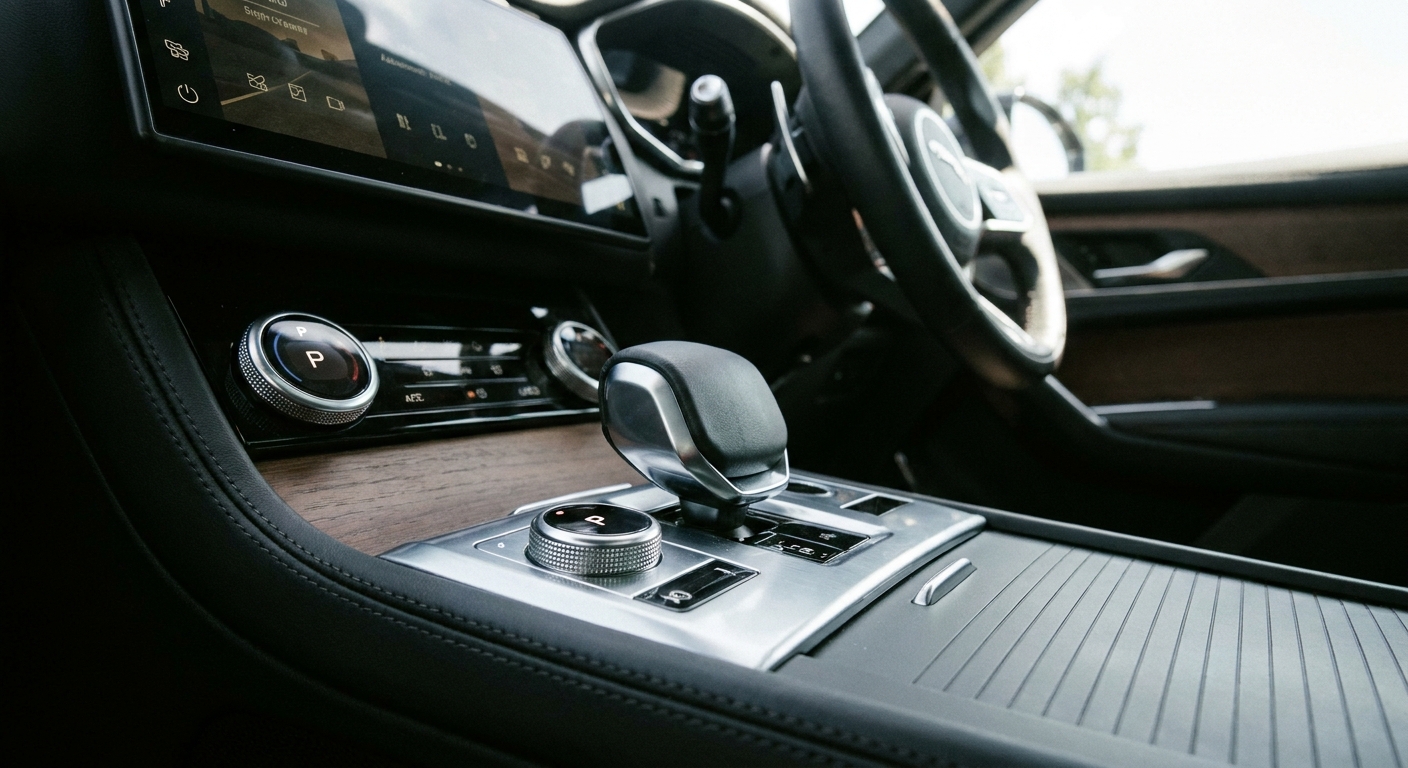
What the car checks before it will crank
On an automatic, the vehicle has to confirm the transmission is in Park (P) or Neutral (N) before it will allow a start. On older cars, that confirmation might literally be part of the starter control circuit. On many late-model cars, it is a start authorization decision made by modules (BCM, PCM, or a starter control module) based on the gear position signal. Either way, the idea is the same: no valid P or N, no crank.
Depending on the vehicle, the device that reports or verifies gear position is called:
- Neutral safety switch (common term on older vehicles)
- Transmission range sensor (often shortened to TRS on newer vehicles)
- PRNDL switch or gear position sensor
If the system does not see a valid P or N signal, the start request is blocked and the starter will not engage. This prevents the car from starting in Drive or Reverse and launching unexpectedly.
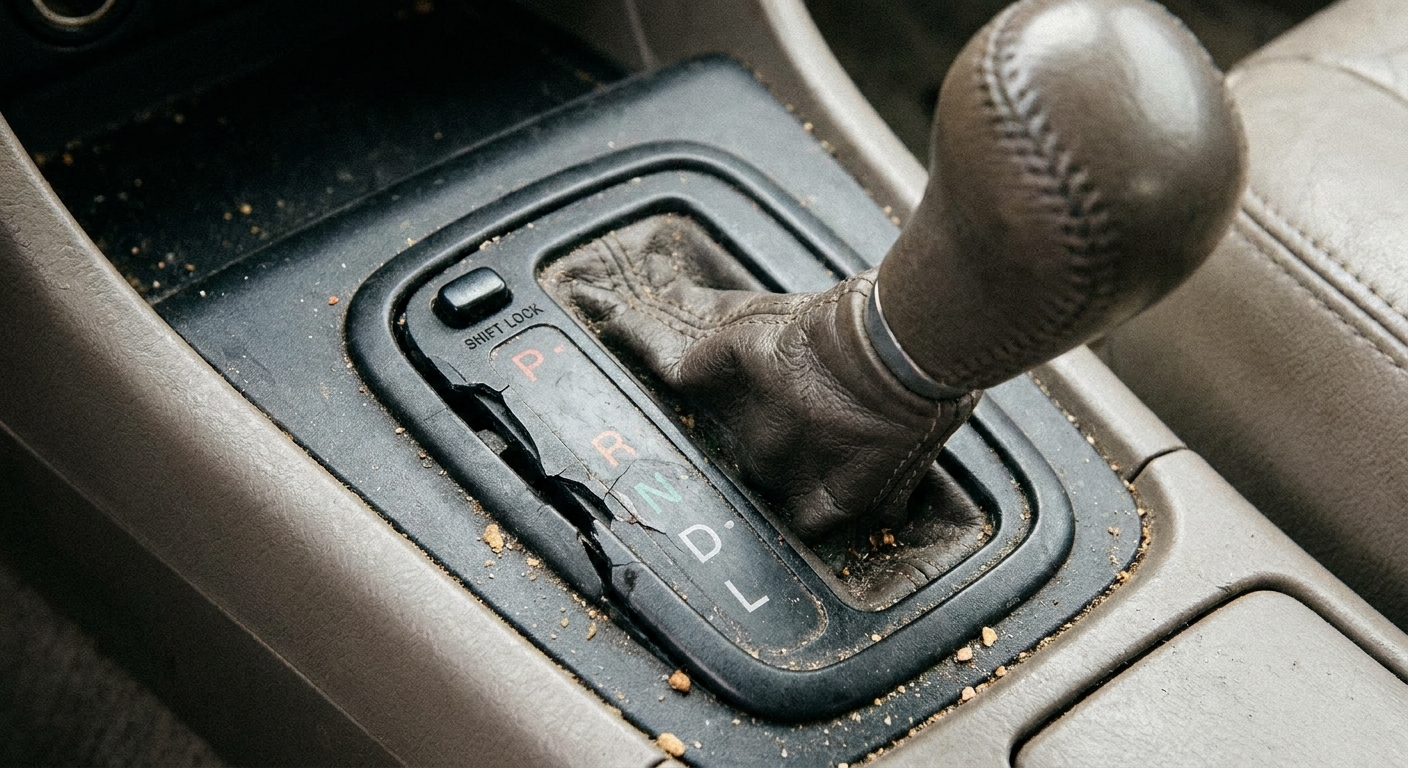
There is also a separate system people confuse with this: the shift lock that keeps you from shifting out of Park unless you press the brake. That is a different problem. Here we are focused on no crank.
First checks (safe and fast)
1) Try the other range, but do it gently
If it will not crank in Park, hold the brake and move the shifter to Neutral, then try starting. If it will not crank in Neutral, try Park.
- Starts in Neutral but not Park: often a shifter cable adjustment issue or a TRS that is slightly out of alignment.
- Starts in Park but not Neutral: less common, but it can still point to linkage alignment or a TRS issue, depending on how that vehicle is designed.
- Starts in neither: could still be the TRS or shifter cable, but also keep “classic” no crank causes in mind like a weak battery, bad battery cables/grounds, a bad starter relay, a bad starter, or an issue with the brake pedal switch on push-button start vehicles.
Important: Do not force the lever past its normal detents. If it feels stuck, binding, or gritty, stop. You can break the shifter mechanism or cable ends, and on some cars you can damage the transmission manual lever at the case.
2) Wiggle test (light pressure only)
With your foot firmly on the brake, attempt to start the car while applying light pressure on the shifter toward Park, then toward Neutral. On a keyed ignition you might hold the key in Start briefly. On push-button start cars, you may need to re-attempt start in short presses if the system times out.
If the starter suddenly engages during that gentle wiggle, it strongly suggests the gear position signal is borderline. That usually means:
- Shifter cable is slightly out of adjustment
- TRS is out of alignment
- TRS is failing internally
- Shifter assembly is worn (less common, but it happens)
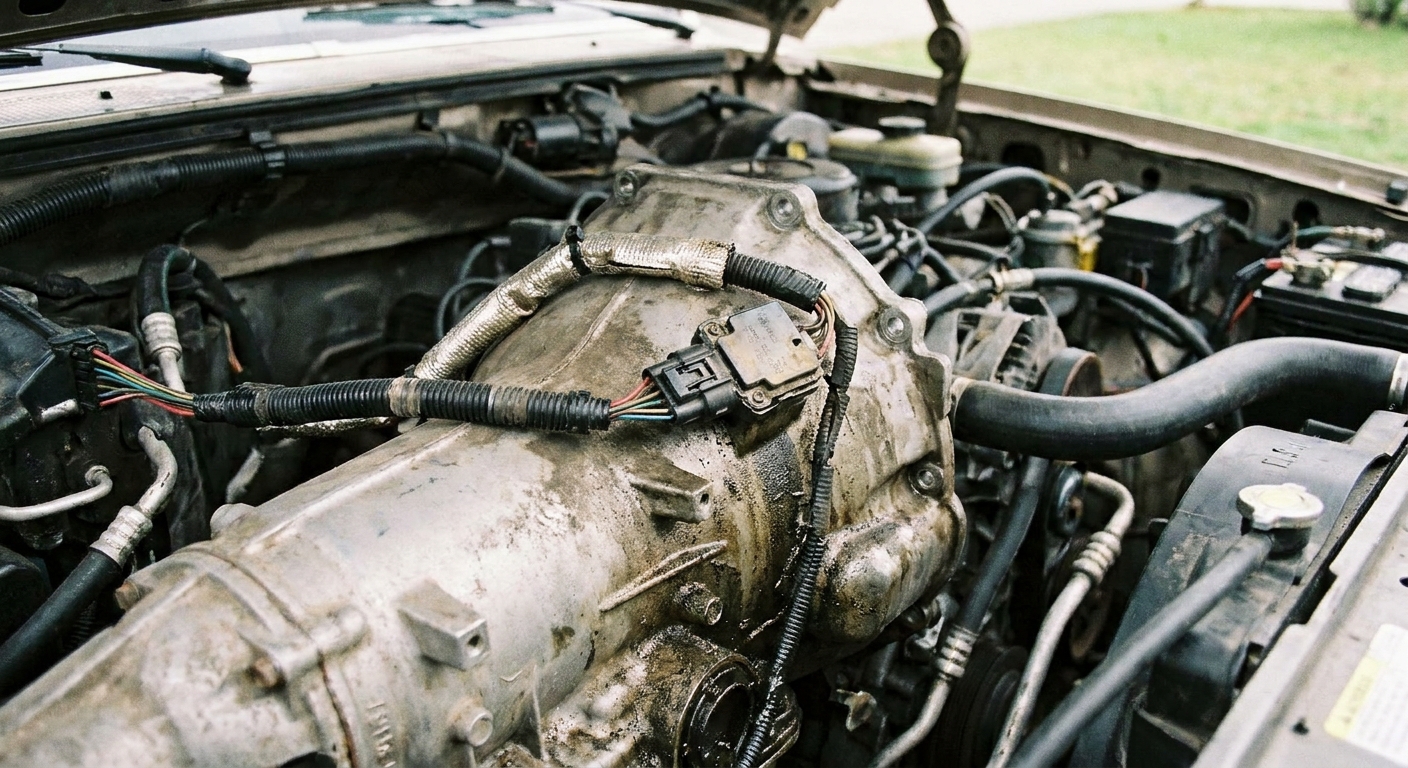
When it cranks only in Neutral
This is the most common variation I run into: customer says, “It only starts in Neutral.” What is going on is usually one of these:
- Park detent mismatch: The shifter inside the cabin says Park, but the transmission manual lever on the case is not fully in the Park position. The TRS never sees a clean Park signal.
- Cable stretch or bushing wear: Over time the shifter cable can stretch slightly or the plastic bushings at either end can wear, changing the effective position.
- TRS alignment drift: Many TRS units have slotted mounting holes and can be aligned. If it has shifted, Park might no longer line up electronically even though Neutral does.
Neutral is physically one detent away, so it is often easier for a misadjusted setup to land on a “valid” Neutral signal than a “valid” Park signal.
Check the shifter cable and lever position
If you are comfortable doing a quick under hood check (and you can do it safely), here is what I recommend. Console shifters and column shifters can both do this. The linkage looks different, but the symptom is the same: the cabin indicator can say P while the transmission is not quite there.
Safety first
- Park on level ground.
- Set the parking brake.
- Chock a wheel if you have a chock available.
- Keep your foot on the brake any time the shifter is moved.
What you are looking for
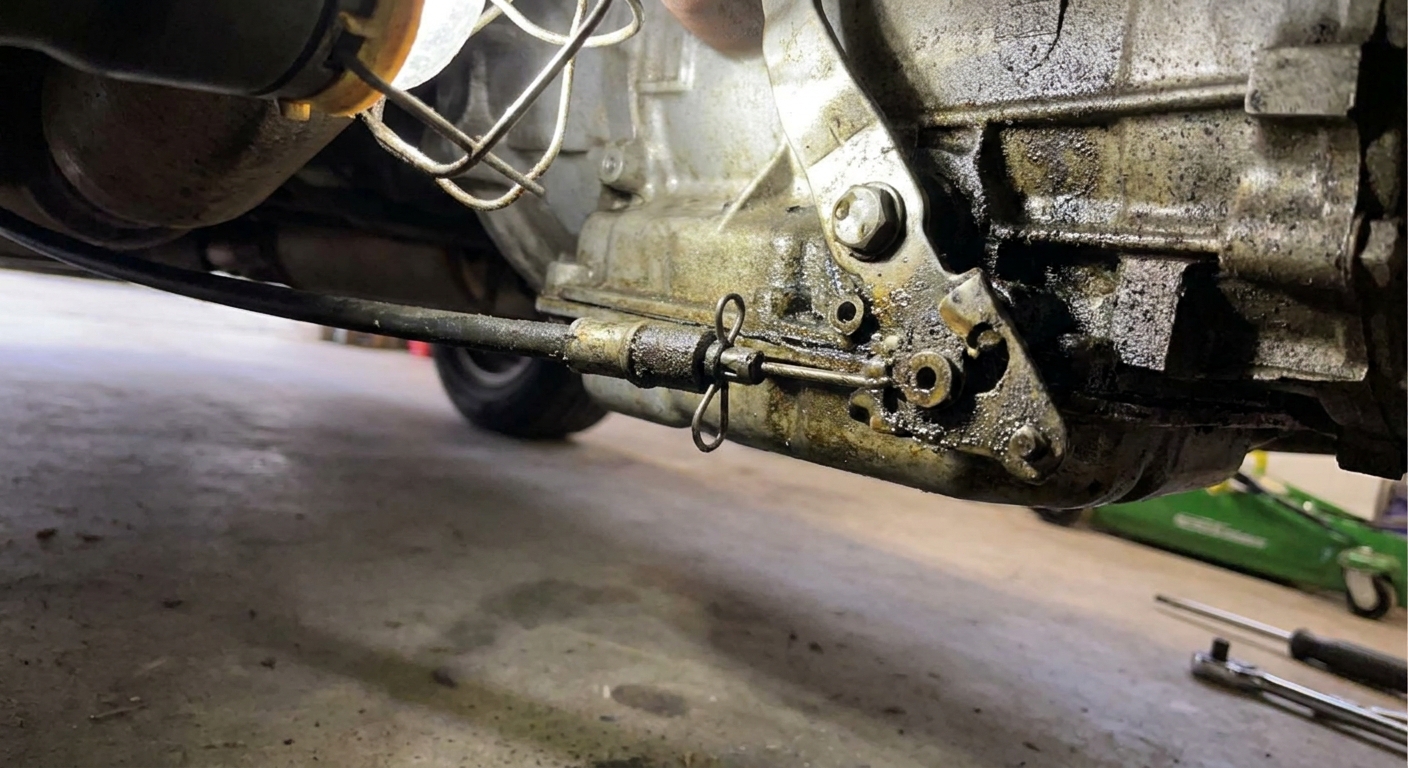
Most automatic transmissions have a manual selector lever on the transmission case that the shifter cable attaches to. The cabin shifter moves the cable, the cable moves that lever, and the lever positions the transmission in P, R, N, D, etc.
Things that commonly go wrong:
- Loose cable adjustment: There may be an adjuster or locking tab where the cable sheath mounts (often near the transmission bracket or at the shifter end).
- Worn or popped cable bushing: You may see the cable end loose on the lever stud, or partially disconnected.
- Binding cable: The lever at the transmission does not move smoothly through detents.
If the cable is loose or the bushing is failing, the shifter might show Park while the transmission is actually sitting between detents. That can absolutely cause a no crank.
Do not try to “fix” this by forcing the lever harder into Park. If the detent feels vague or the lever does not want to seat, you need adjustment or parts, not muscle.
TRS and neutral safety switch failures
Whether your vehicle uses a separate neutral safety switch or an integrated transmission range sensor (TRS), the job is the same: report gear position so the car can decide whether to allow cranking and, on many vehicles, control backup lights and shift strategy.
Common symptoms
- No crank in Park and Neutral, intermittent cranking, or cranks only in one position
- PRNDL indicator does not match the shifter position
- Reverse lights do not work, or work in the wrong position
- Check engine light with codes related to gear range, such as range sensor correlation or invalid gear
- Harsh shifts or limp mode on some vehicles (because the computer is confused about the selected range)
Why the start authorization can fail only in Park
Inside the sensor are discrete contacts or position tracks. If the Park contact is worn, contaminated, or slightly out of alignment, it may not close the Park circuit or report a valid Park state. Neutral might still read cleanly, so the car starts in Neutral only.
On newer vehicles, the gear signal is often interpreted by a module before it authorizes cranking. The principle is the same: if the system cannot confirm Park or Neutral, it will not allow the start request.
What you can test at home
Listen for the starter relay click
With the hood open, have a helper attempt to start the car while you listen near the fuse and relay box. A single click from a relay can indicate the vehicle is receiving a start request, but the starter is not turning. No click at all can indicate the start request is being blocked, sometimes by the TRS signal.
This is not definitive, but it helps you decide where to focus.
Watch the gear indicator behavior
If your dashboard shows P R N D, watch for:
- Flickering between two ranges
- Blank indicator
- Indicator shows N while the shifter is in P (or vice versa)
Any mismatch strongly supports a TRS or linkage issue.
Scan tool clue (even a basic one)
If you have access to an OBD2 scanner that can show live data on some vehicles, look for a PID that reads TR (transmission range) or gear commanded. If the computer never reports Park or Neutral when you select it, you have your direction.
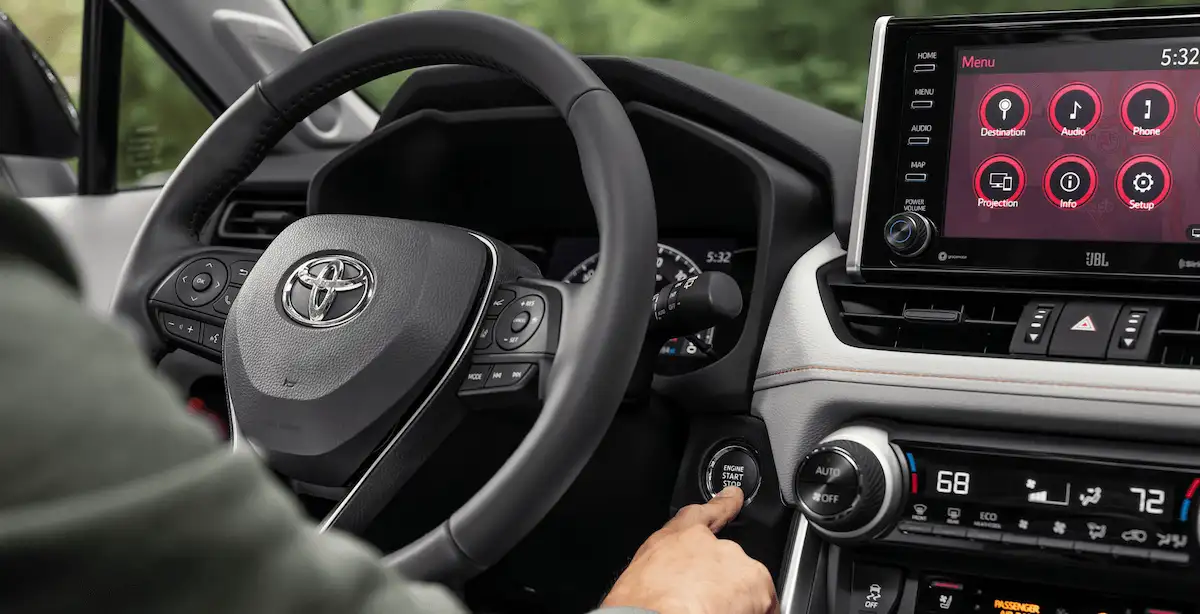
Push-button start and the brake switch
On many push-button start vehicles, the car also requires a valid brake pedal input to crank. If the brake switch is failing, it can mimic a Park/Neutral no crank because the vehicle never authorizes the start request.
A quick clue is whether the brake lights come on when you press the pedal. No brake lights can point to:
- Brake light switch issue
- Blown brake light fuse
- Wiring problem
You can still have a TRS issue, but I always like to verify the brake lights before diving too deep.
When to stop and call for help
If any of the following are true, I recommend getting a professional diagnosis or towing it in:
- The shifter feels stuck or you cannot select ranges smoothly
- You have to hold the shifter in a weird position to make it crank
- You believe the car is starting in Drive or Reverse. First confirm the indicator is correct and the actual transmission range is what you think it is. If it truly cranks in gear, stop and get it checked immediately.
- You see transmission warning messages, limp mode, or multiple electrical symptoms
- You suspect rodent damage or wiring issues at the transmission connector
A shop can verify the start authorization inputs, confirm the TRS signal on a scan tool, and check alignment specs. Many sensors require a specific alignment procedure, and getting it wrong can create new problems like incorrect shifting or no reverse lights.
Quick do and do not list
Do
- Try starting in both Park and Neutral
- Use a gentle shifter wiggle while attempting a start to confirm a borderline range signal
- Verify brake lights on push-button start cars
- Inspect the shift cable ends if you can do so safely
- Rule out battery terminal and ground issues early
Do not
- Force the shifter lever harder into Park or Neutral
- Bypass safety circuits with random jumpers unless you know the exact procedure and risks
- Assume it is the starter just because it does not crank
FAQ
Why won’t my car start in Park or Neutral but the lights work?
Lights and radio only prove the battery has some power, not that it can deliver cranking amps. A no crank in both Park and Neutral can still be a weak battery, bad battery cables/grounds, starter relay, starter, or a blocked start authorization due to the TRS or brake switch (on push-button start cars). If it sometimes starts when you move the shifter slightly, the TRS or linkage is the leading suspect.
My car starts in Neutral but not Park. Is it safe to keep doing that?
It is a useful temporary workaround to get you home, but it is not a “let it ride” fix. The underlying issue is usually getting worse, and you do not want it to strand you in a parking lot. Get the cable adjustment or TRS checked soon.
Can low transmission fluid cause a no crank in Park or Neutral?
Not typically. Low fluid can cause slipping, delayed engagement, or shifting problems, but it usually does not prevent the starter from cranking. A no crank tied to shifter position is almost always an electrical interlock or linkage alignment problem.
What is the most common fix?
The most common fixes I see are shifter cable adjustment, replacing a worn shift cable bushing, or replacing and properly aligning the transmission range sensor (TRS). Which one applies depends on what you find during the quick checks above.