I’ve been there. You hop in, turn the key, and it feels like the ignition is welded shut. No click, no crank, nothing. The good news is a key that physically will not rotate is often a simple mechanical lockout, not some mysterious electrical gremlin.
Start with the two most common, zero-cost fixes: unloading the steering wheel lock and confirming the shifter is truly in Park. Then we’ll work through a worn key, a tired ignition cylinder, debris in the keyway, and cold weather lock freeze. I’ll finish with the telltale signs that point to a cylinder that needs replacement versus a lock that just needed to be freed up.
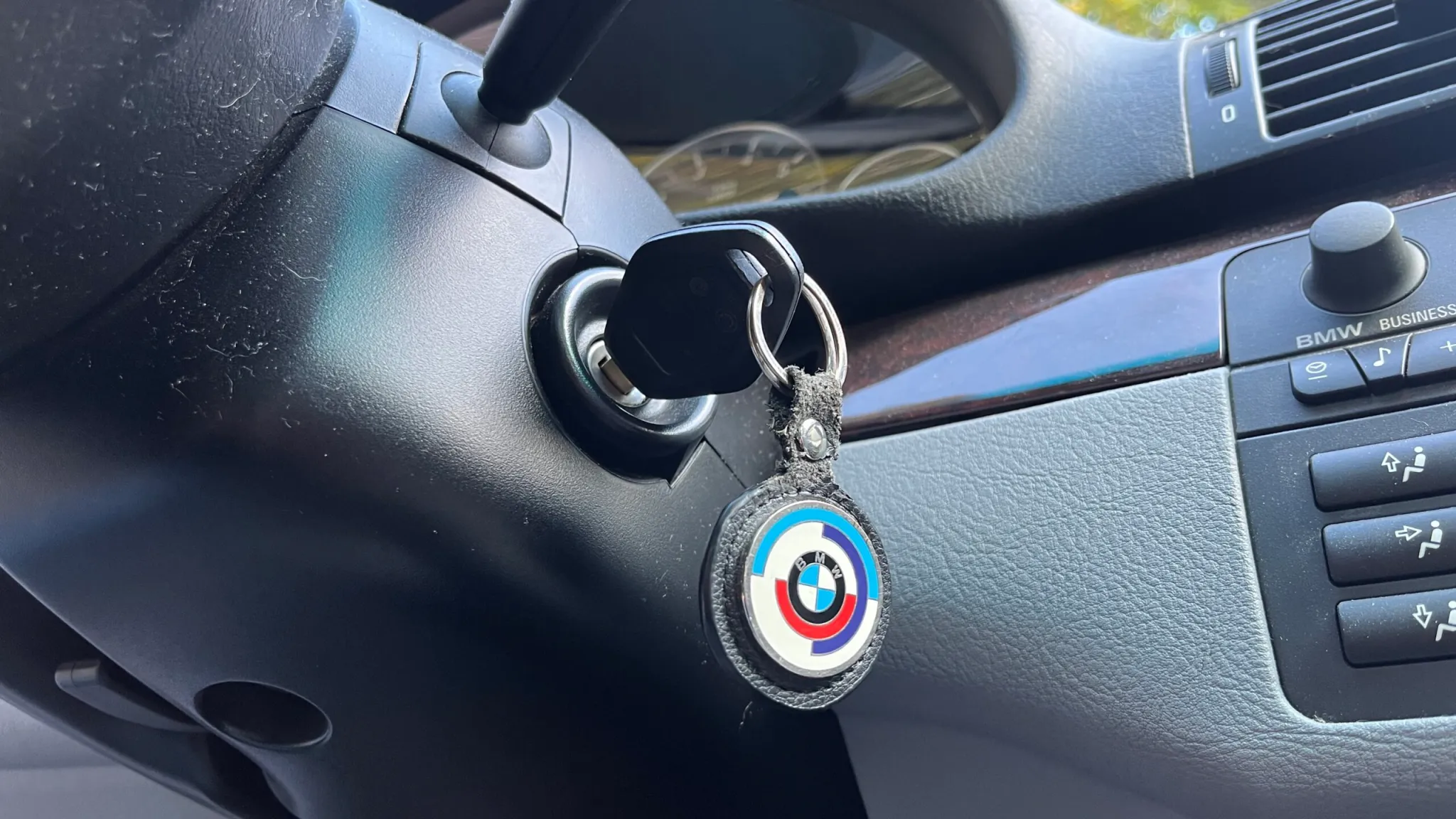
Safety first
If the key will not turn at all, do not muscle it. Forcing a stuck key can snap the key off in the cylinder, which turns a small inconvenience into a tow and a locksmith bill.
- Make sure you’re fully parked. Foot on brake, parking brake set if you’re on a slope.
- Turn accessories off. Headlights, blower motor, radio. This keeps you focused and avoids draining the battery while you troubleshoot.
- Use the correct key. Sounds obvious, but I’ve seen valet keys, worn spares, and near-identical keys cause a lot of drama.
Step 1: Unload the steering lock
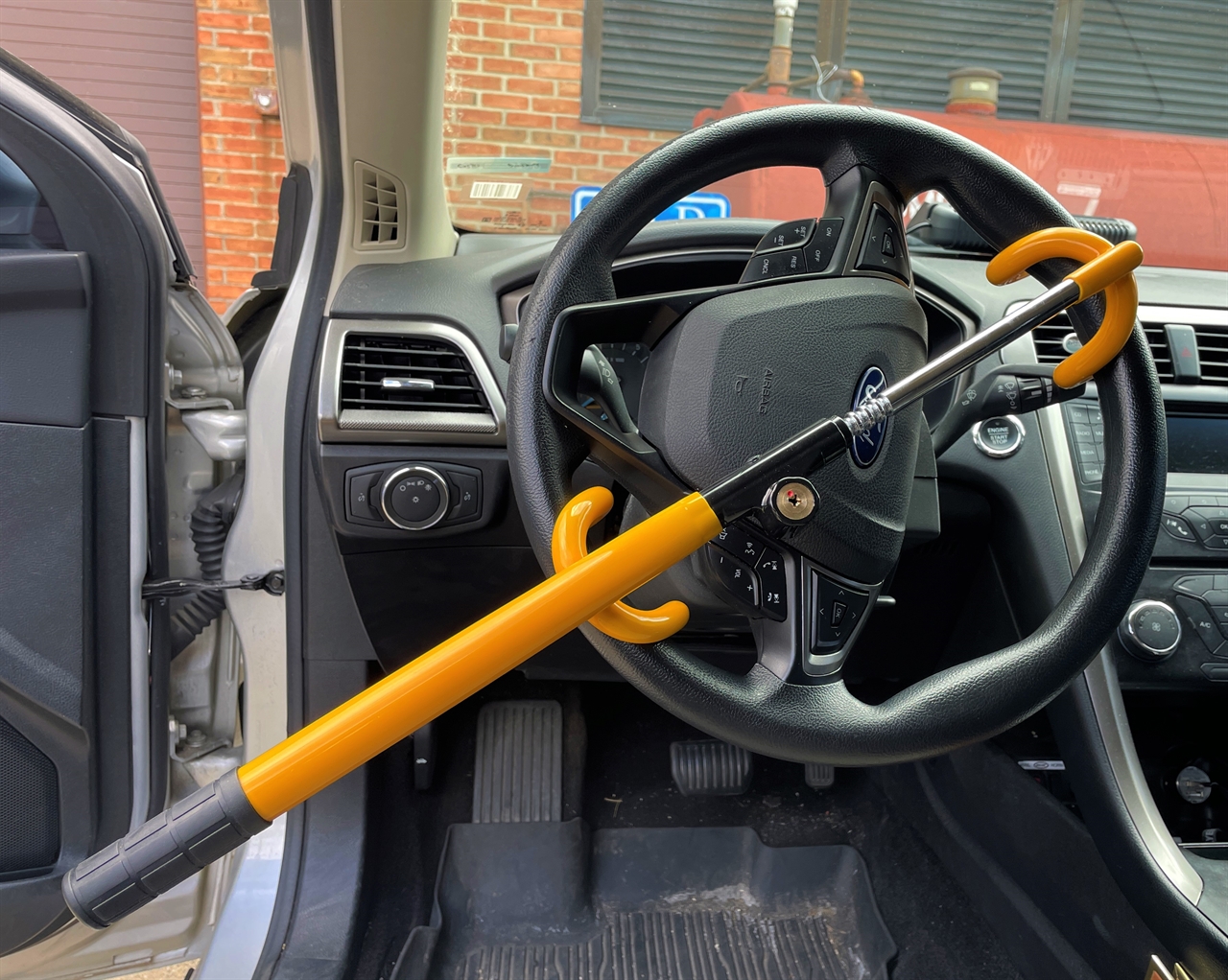
On many vehicles, turning the wheel after you shut the car off engages the steering lock. If the front tires are pressed against a curb or the wheel is held hard in one direction, the lock can bind so tightly that the key won’t rotate.
What to do
- Insert the key fully. Wiggle it gently in and out once to ensure it is seated.
- With your other hand, turn the steering wheel left and right. You’re looking for the direction that gives you a tiny bit of movement.
- While holding the wheel against that “free” direction, turn the key. Use steady pressure, not a jerk.
If the wheel is really loaded, you may feel it fight you. That’s normal. The trick is to take pressure off the locking pin by nudging the wheel, then turn the key at the same time.
If you’re parked against a curb: try turning the wheel slightly away from the curb side while you turn the key. That is usually the direction that unloads the tension.
Step 2: Confirm Park
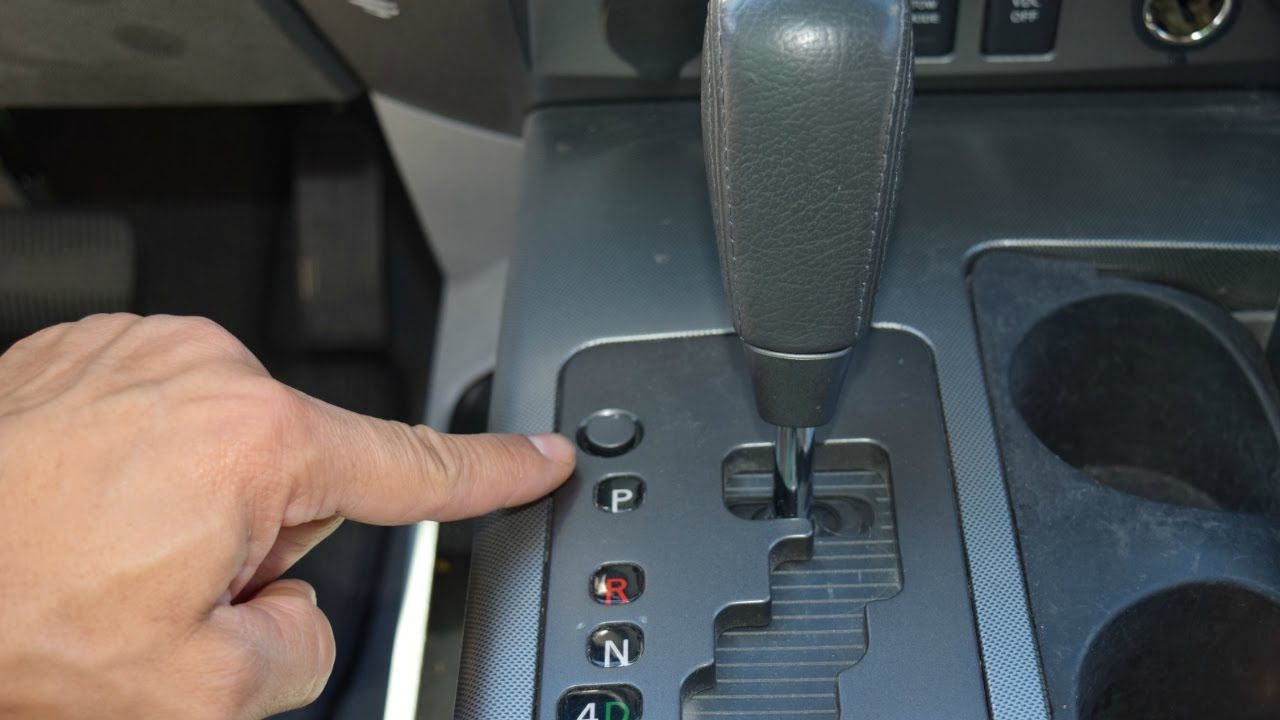
Many automatics use a shift interlock tied to the shifter position. Depending on the make and model, being not quite in Park can keep the key from rotating smoothly, keep it from turning all the way to LOCK, or keep it from coming out.
What to do
- Press the brake pedal and move the shifter firmly into Park.
- Rock the shifter gently forward and back while keeping it in the Park gate.
- If you have a column shifter, pull it slightly toward you as you shift into Park, then try the key again.
If your gear indicator is acting weird (shows R or D when you’re in Park, or flickers), you may have a shift cable adjustment issue or a worn shifter mechanism. That can create repeated “key won’t turn” moments.
Step 3: Gentle key movement
If the steering lock and Park check did not fix it, the next step is to see whether the key and the wafers inside the cylinder are simply not lining up.
Do this, not that
- Do: Apply light turning pressure on the key and use slight up and down pressure to see if it frees up.
- Do: Try turning the key to ACC first rather than jumping straight to START.
- Do not: Twist the key hard. If it feels like it is going to bend, stop.
Sometimes a cylinder that is starting to wear will only turn when the key is held a certain way. That is a clue, and it matters later when you decide whether this is a one-time bind or a part that is on its last legs.
If the key will not insert fully
This is a slightly different symptom, but it often shows up alongside “won’t turn.”
- Inspect the keyway. If you see obvious debris, do not start poking around with picks or screwdrivers. It is easy to damage wafers or push junk deeper.
- Try your spare key. A bent or burred key can hang up before it seats.
- Stop if it feels wrong. Forcing insertion can jam the cylinder and make removal harder.
If the key consistently will not go all the way in, that is a good moment to call a locksmith before you create a bigger problem.
Step 4: Check the key
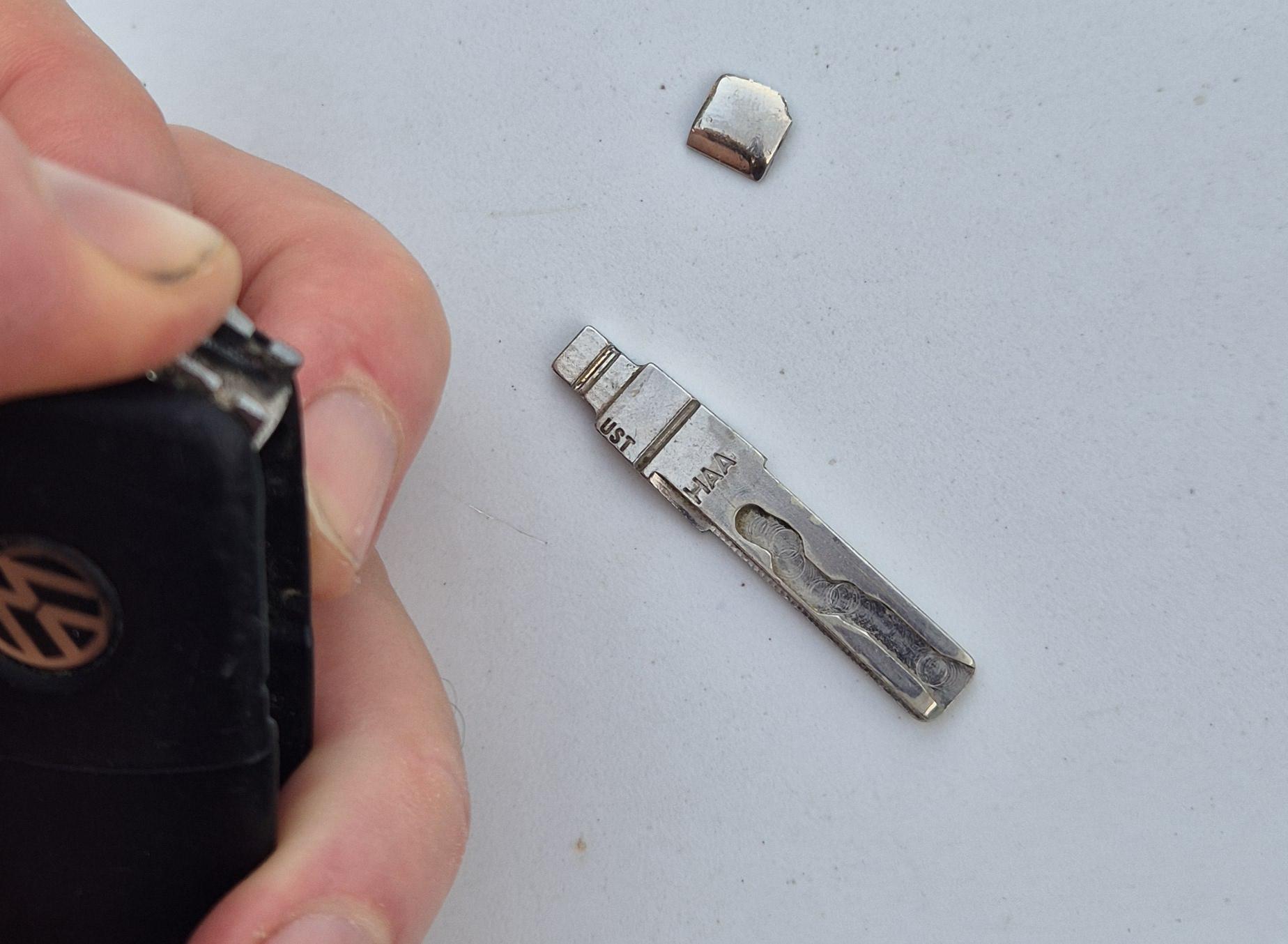
Keys wear. The sharp “peaks” that used to move the tiny pins or wafers inside the cylinder slowly round off, especially if your keychain is heavy or you use the key to pry, open packages, or generally live a hard life.
Quick checks
- Try your spare key if you have one. If the spare turns smoothly, your main key is the problem.
- Inspect the blade. Look for rounding, chips, or a slight bend.
- Clean the key. Sticky pocket lint or grime can keep it from fully seating. Wipe it with a clean rag.
Important: If your vehicle uses a transponder chip key or a proximity fob with an emergency blade, a new cut key may need programming to start the vehicle. But for the problem we’re solving here, the mechanical cut is what affects whether it physically turns.
Step 5: Binding ignition cylinder
If the key is in good shape or the spare acts the same, the ignition cylinder itself may be worn. Inside are small wafers and springs that align to the key cut. Over time, those wafers wear, stick, or fail to return to position.
Signs the cylinder is binding
- The key sometimes turns and sometimes will not.
- You have to wiggle the key in a specific way every time.
- The key feels gritty or notchy when it does move.
- The issue is worse with a heavy keychain or after the wheel locks.
If you are at home and the car is secure, a simple test is to remove extra keys from the keychain and try again. Less weight hanging from the key can help a tired cylinder behave long enough to get you moving.
Step 6: Frozen lock
In cold climates, moisture can get into the cylinder and freeze, especially after a warm day and a sudden drop in temperature. When that happens, the key may insert but will not rotate, or it may not insert fully.
Safe ways to thaw it
- Warm the key in your hand or pocket for a few minutes, then insert it and try again.
- Warm the area gently with cabin heat if you can unlock the vehicle and sit in it safely, or by parking in sunlight if possible.
- Use a proper lock de-icer if you have it.
Avoid open flame on or near the steering column and trim. Also avoid dumping hot water into the ignition area. Water finds its way into places you do not want it, then refreezes later.
Push-button and modern keys
If you drive a push-button start vehicle, you may still have an emergency key blade, but you might not have a traditional ignition cylinder that turns. Some cars use an electronic steering lock and key validation, and low voltage or a system fault can keep things from unlocking normally.
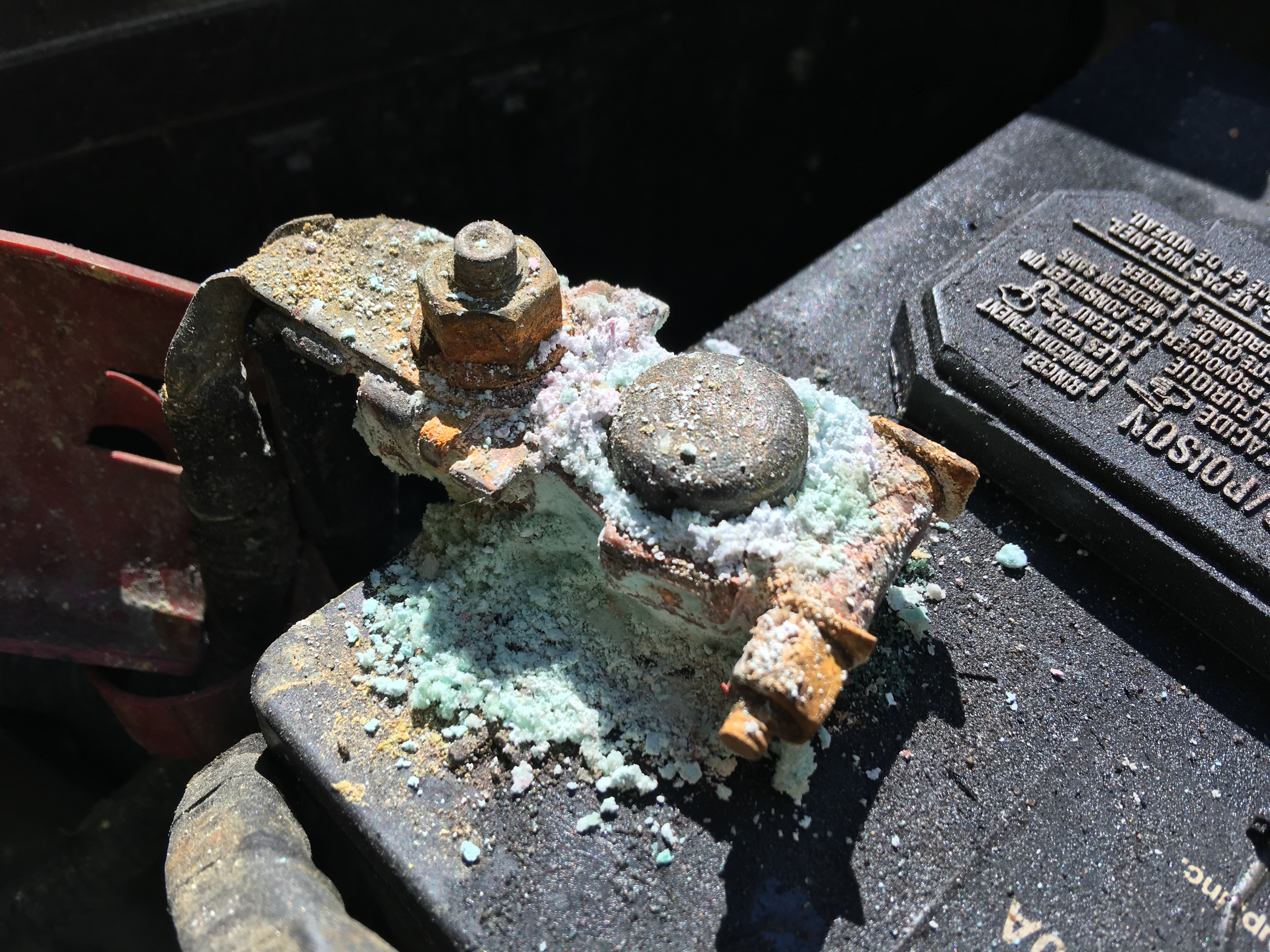
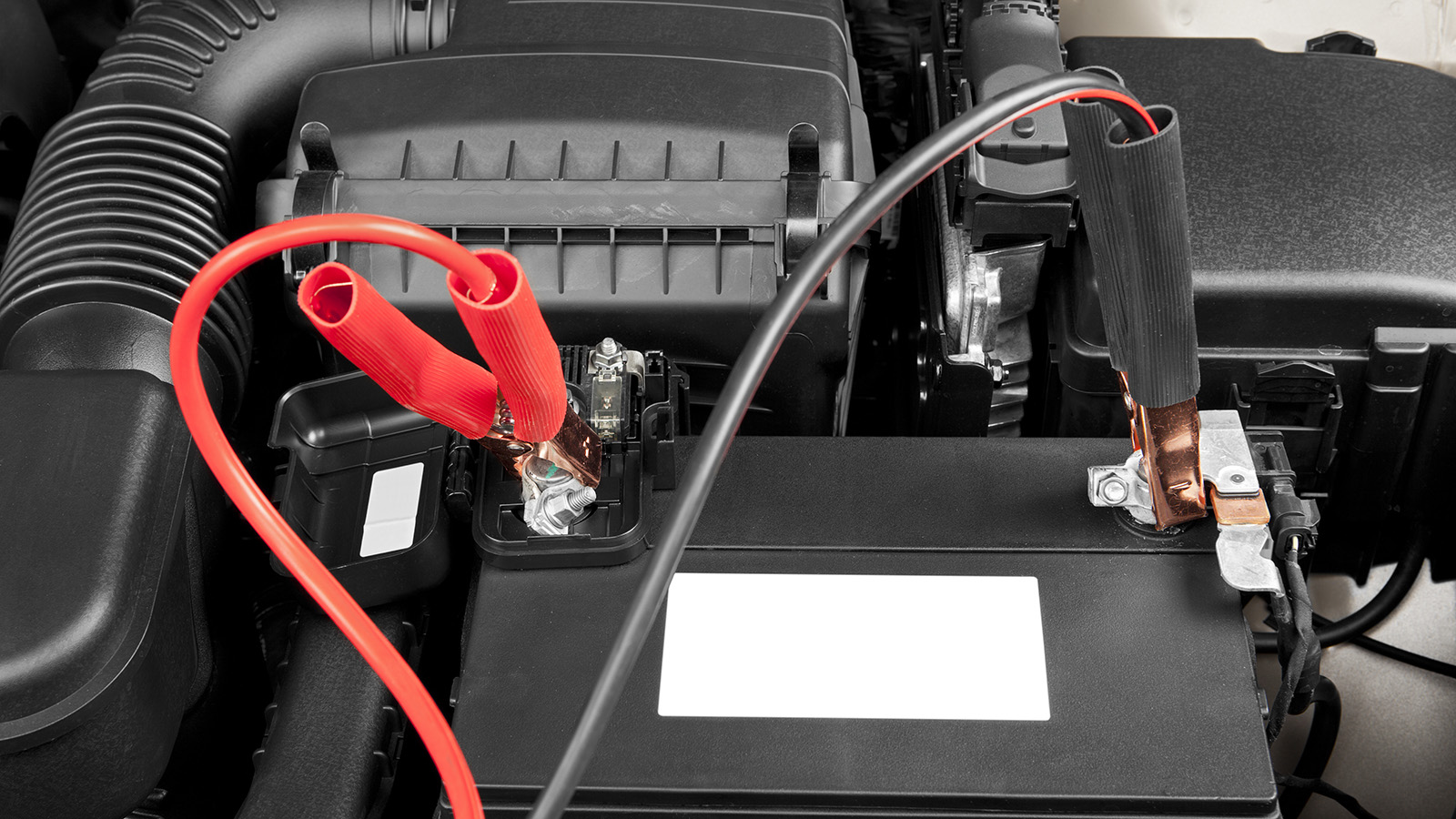
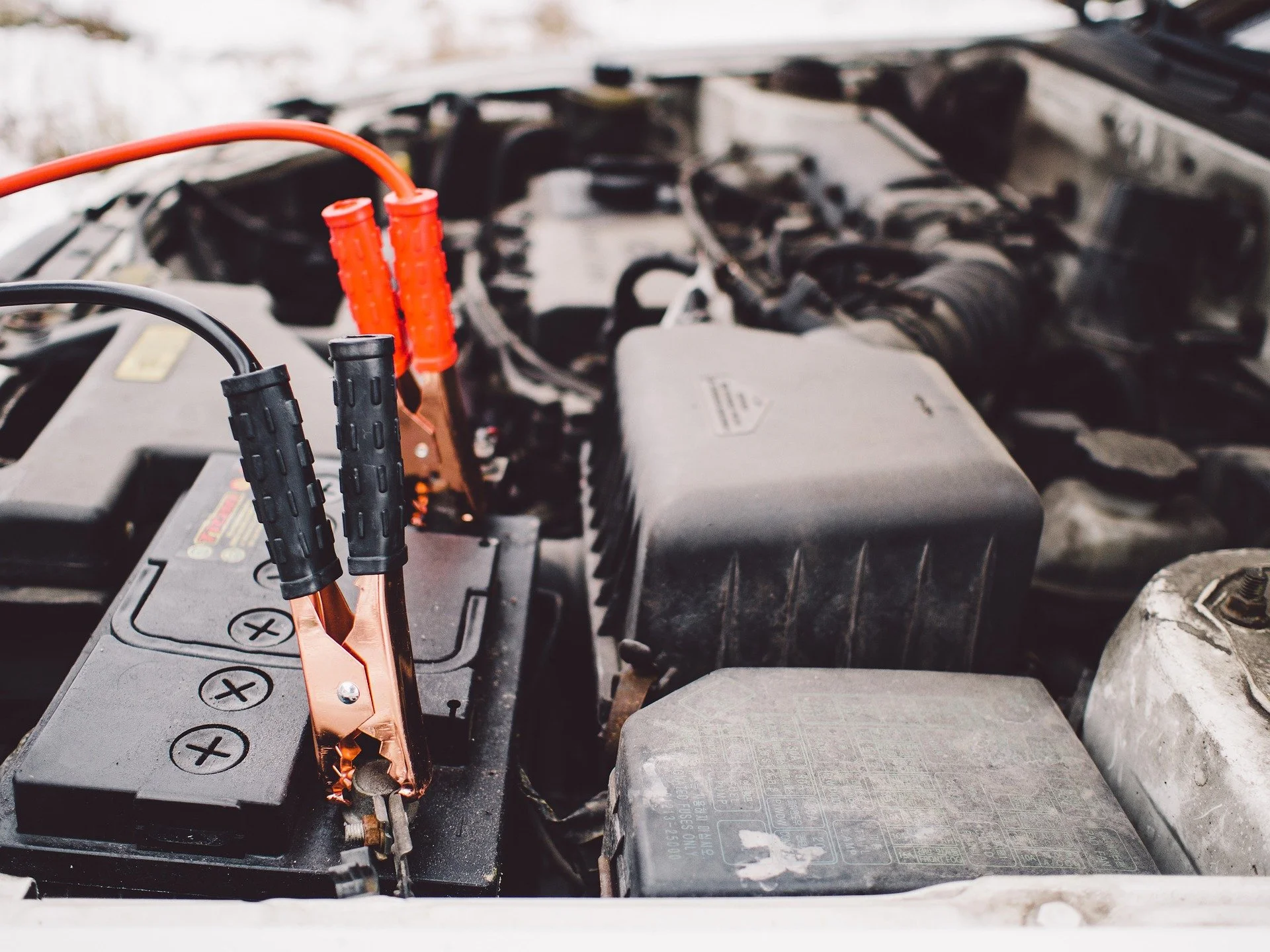
If your dash is completely dead or the car seems electrically lifeless, checking the 12V battery condition is worth doing before you assume it is purely mechanical. That said, if you have a physical key in a physical cylinder that will not rotate, the causes above still cover most real-world cases.
What not to do
- Do not force it. A broken key in the cylinder is a much bigger job.
- Do not spray random lubricants without thought. Oil-based sprays can attract dirt and gum up a worn cylinder over time.
- Do not jam tools into the cylinder. It is easy to damage wafers and turn a sticky lock into a lock that needs replacement.
- Do not repeatedly yank the steering wheel. Gentle back-and-forth is fine, but aggressive pulls can damage column components on some vehicles.
When to call a pro
If the key is stuck and you cannot get it to rotate after the steering lock and Park checks, you have three common next steps depending on your situation:
- Mobile locksmith: Often the fastest for a stuck cylinder, broken key extraction, or cutting a new key on-site.
- Dealer or specialty shop: Helpful when your vehicle uses an integrated anti-theft system, push-button start with an electronic steering lock, or requires specific programming.
- Trusted independent shop: Great for mechanical cylinder replacement and steering column access work.
If the steering wheel is locked and the car is in an unsafe spot, do not fight it in traffic. Get help and keep it safe.
Replace it or free it?
This is the part most drivers want to know: is this a one-time bind, or is the ignition cylinder on its way out?
Usually frees up
- The key would not turn only after the wheel locked, and once you unload the wheel, it works normally again.
- The problem happens only in cold weather, and warming or de-icing resolves it without recurring symptoms.
- The key turns smoothly after you confirm fully in Park, and you do not need special wiggling next time.
Likely wearing out
- You regularly need a specific wiggle routine to get the key to rotate.
- Your spare key works better than your main key, then eventually both act up.
- The key feels rough, gritty, or catches at the same spot in rotation.
- The issue is getting more frequent week to week.
- The key has ever stuck in the cylinder and was hard to remove.
My rule of thumb from shop life: if it frees up once and never returns, chalk it up to steering lock tension or shifter position. If it’s becoming a ritual, plan for a key replacement or an ignition cylinder replacement before it strands you somewhere inconvenient.
Quick FAQ
My key won’t turn but the wheel isn’t locked. Now what?
Go straight to the Park check (automatic), then try your spare key. If both keys behave the same and you need to use slight up and down pressure to get movement, the cylinder is likely binding.
Can a dead battery cause the key not to turn?
Not usually for a traditional mechanical ignition, because the lock is mechanical. On some newer vehicles with electronic steering locks or key validation, low voltage can cause strange behavior. If the dash is dead on a modern car, checking the battery is a smart next step.
Is it okay to use graphite or spray lubricant in the ignition?
Be cautious. Some locks tolerate graphite, but many modern cylinders do better with a lock-specific dry lubricant, and oil-based sprays can attract dirt. If you suspect contamination or wear, a locksmith can recommend the right product for your specific lock design.