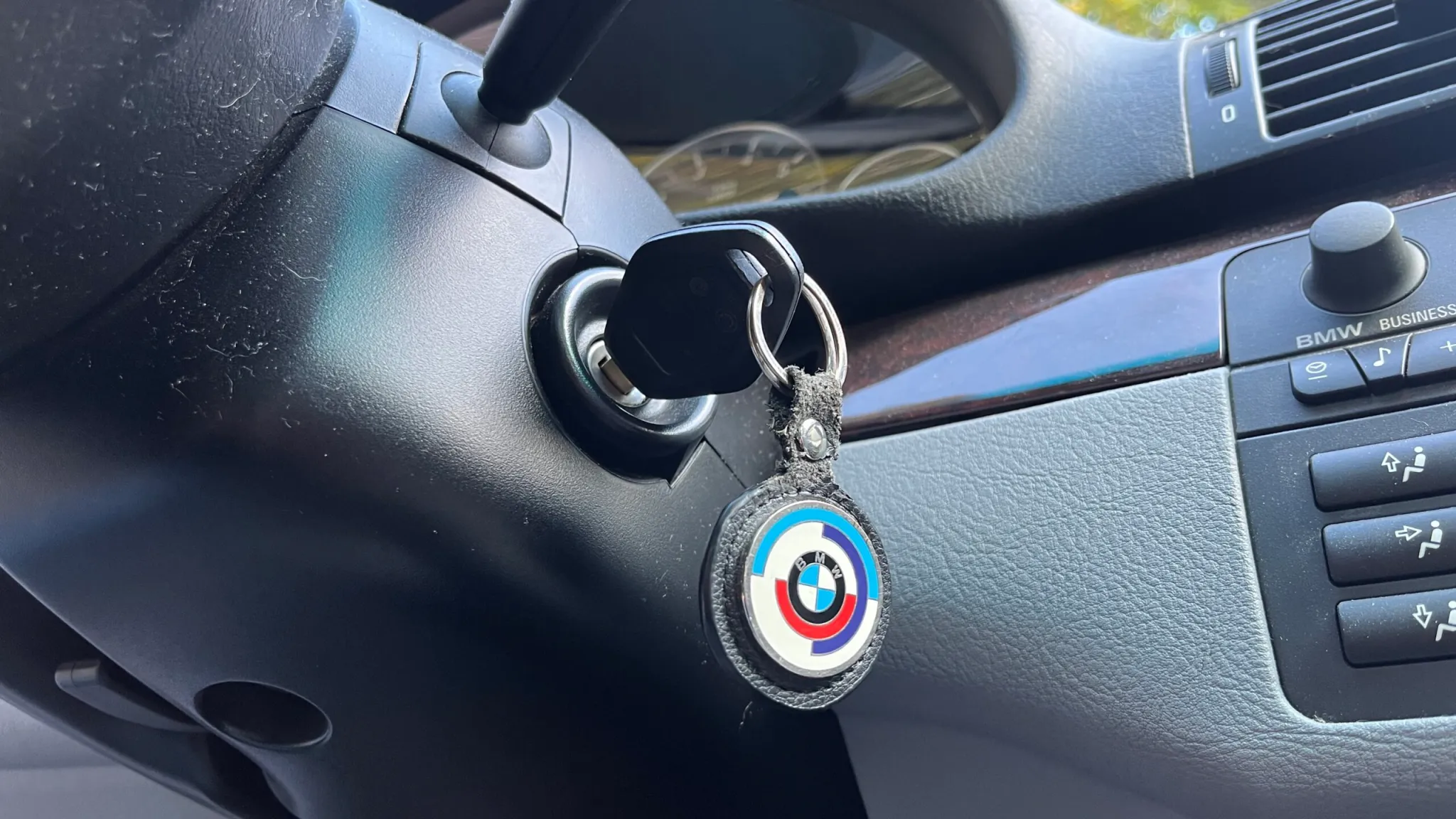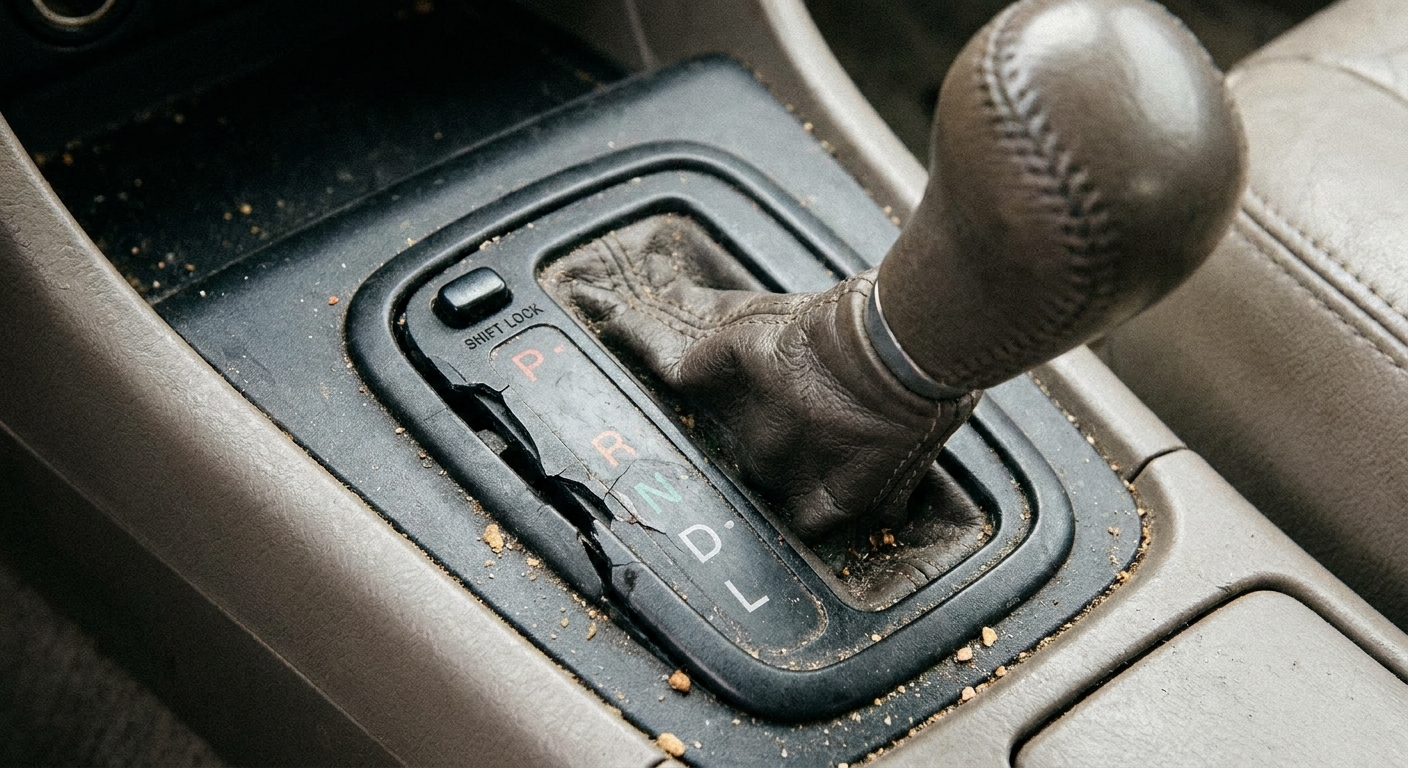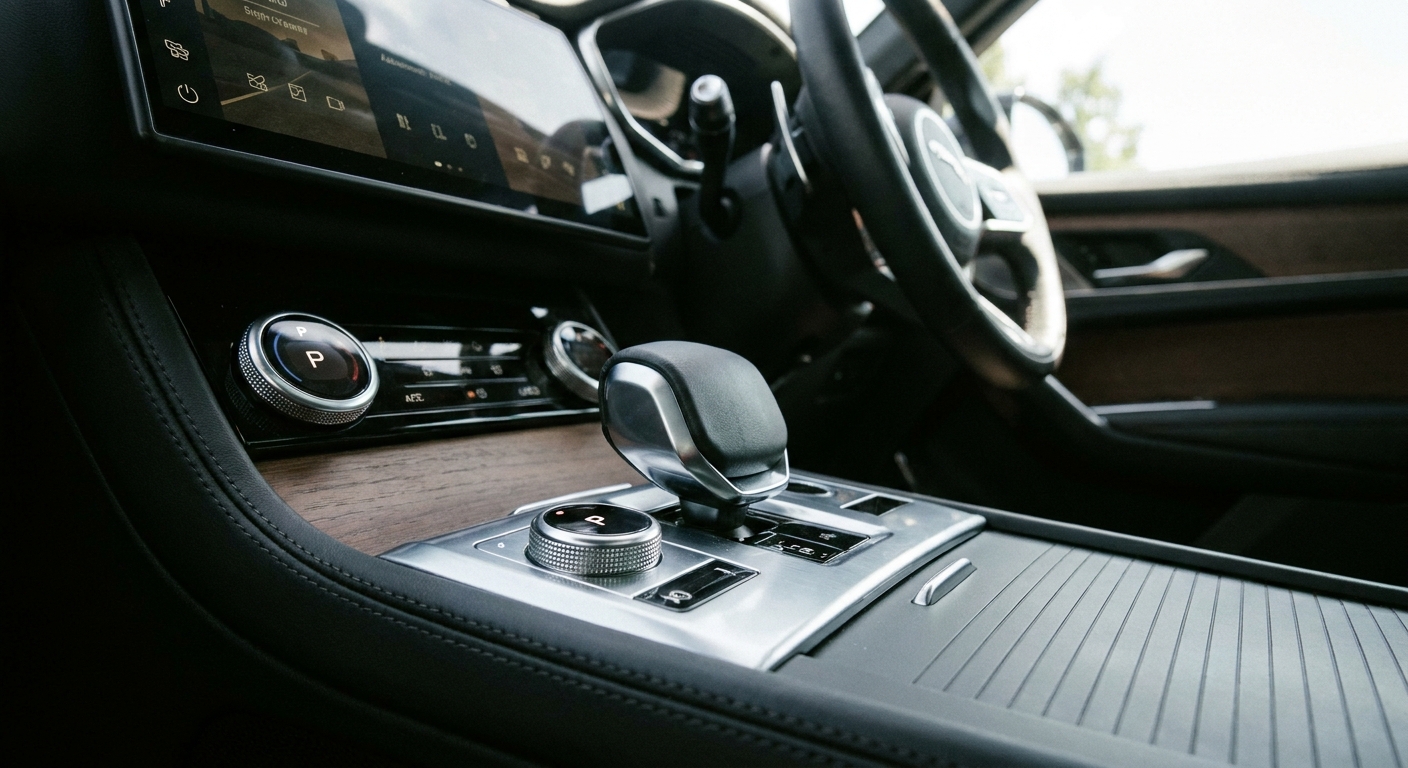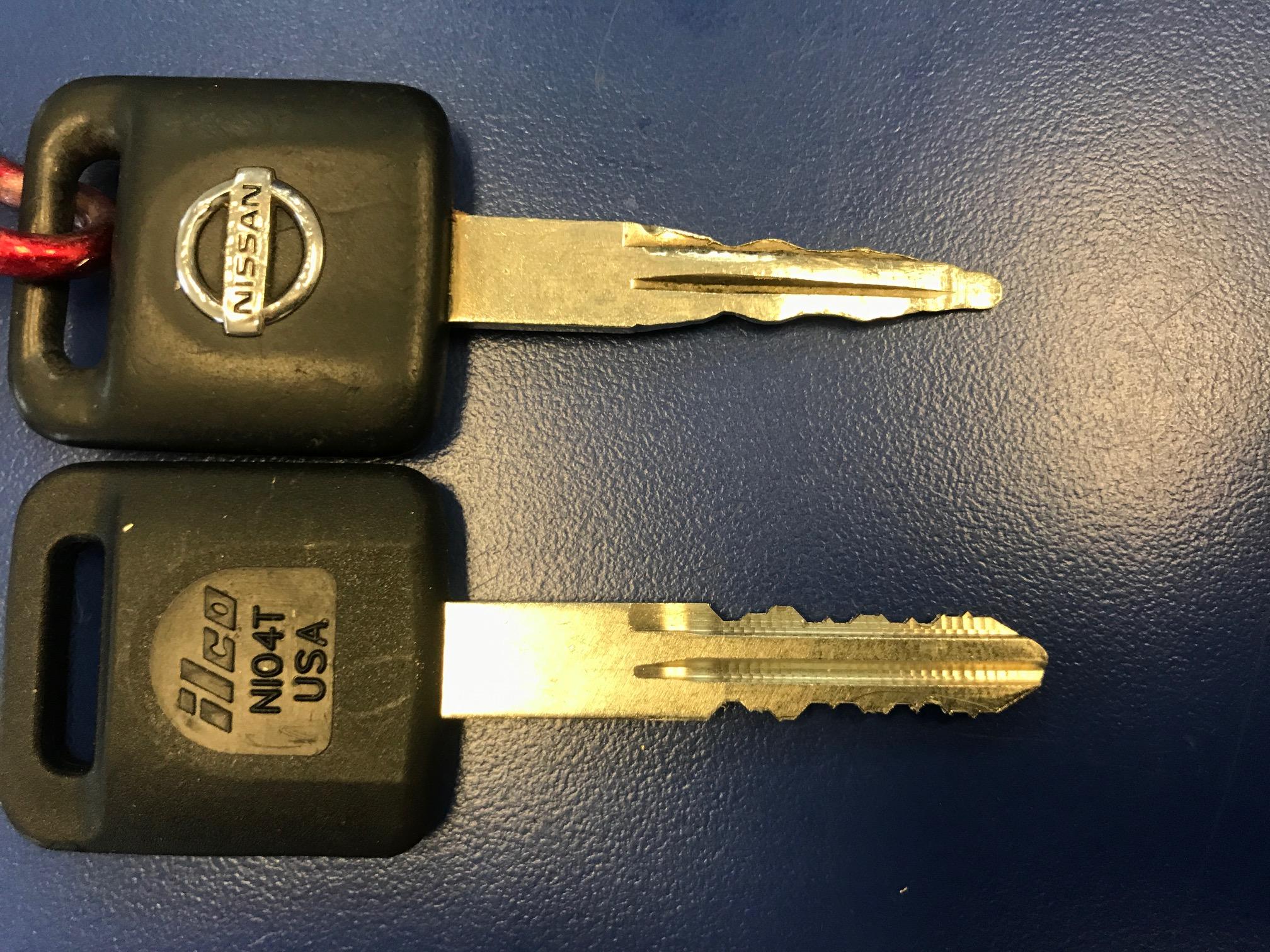
I have seen this one a lot at the shop: the engine is off, you are ready to hop out, and the key just will not come out of the ignition. No drama, no warning. Just a key that feels like it is physically trapped.
The good news is that most modern cars are designed to trap the key on purpose if the car thinks it is not safely in Park, or if a release interlock is not being satisfied. The goal is to keep the vehicle from rolling away, or to keep you from walking off with the shifter not actually locked in Park.
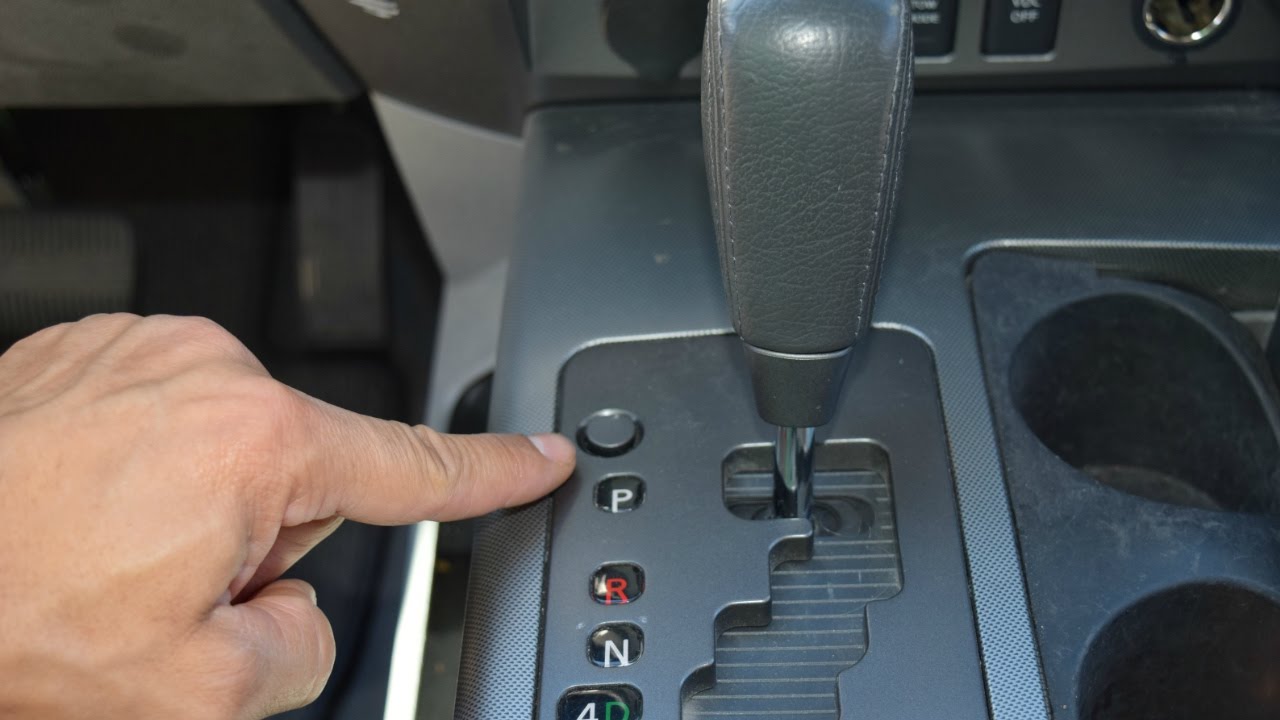
Below are the most common causes and a clean, mechanic-style order of operations to get your key out without breaking anything.
First: do not force the key
If you crank on a stuck key hard enough, you can bend it, snap it, or damage the ignition cylinder. I have replaced plenty of cylinders that were taken out by a frustrated twist and yank.
- Do not use pliers on the key head unless you are already committed to potentially replacing the key and cylinder.
- Do not spray random lubricants into the cylinder unless you know what you are doing. Many oils attract dirt and can make a worn cylinder worse over time.
- Do not disassemble the steering column unless you are comfortable working around airbags and clockspring wiring.
Instead, start with the interlock checks below.
Make sure the shifter is truly in Park
The number one reason a key will not pull out is simple: the car does not believe it is in Park, even if the indicator says P.
What to try
- Press the brake pedal and hold it.
- Move the shifter out of Park (to Reverse or Neutral) and then push it firmly back into Park.
- With your foot still on the brake, wiggle the shifter gently while trying to remove the key.
If it works after you “re-seat” Park, you likely have a misadjusted shift cable, a worn shifter mechanism, or a finicky park-position switch. It is not an emergency today, but it is a real sign the system is getting sloppy.
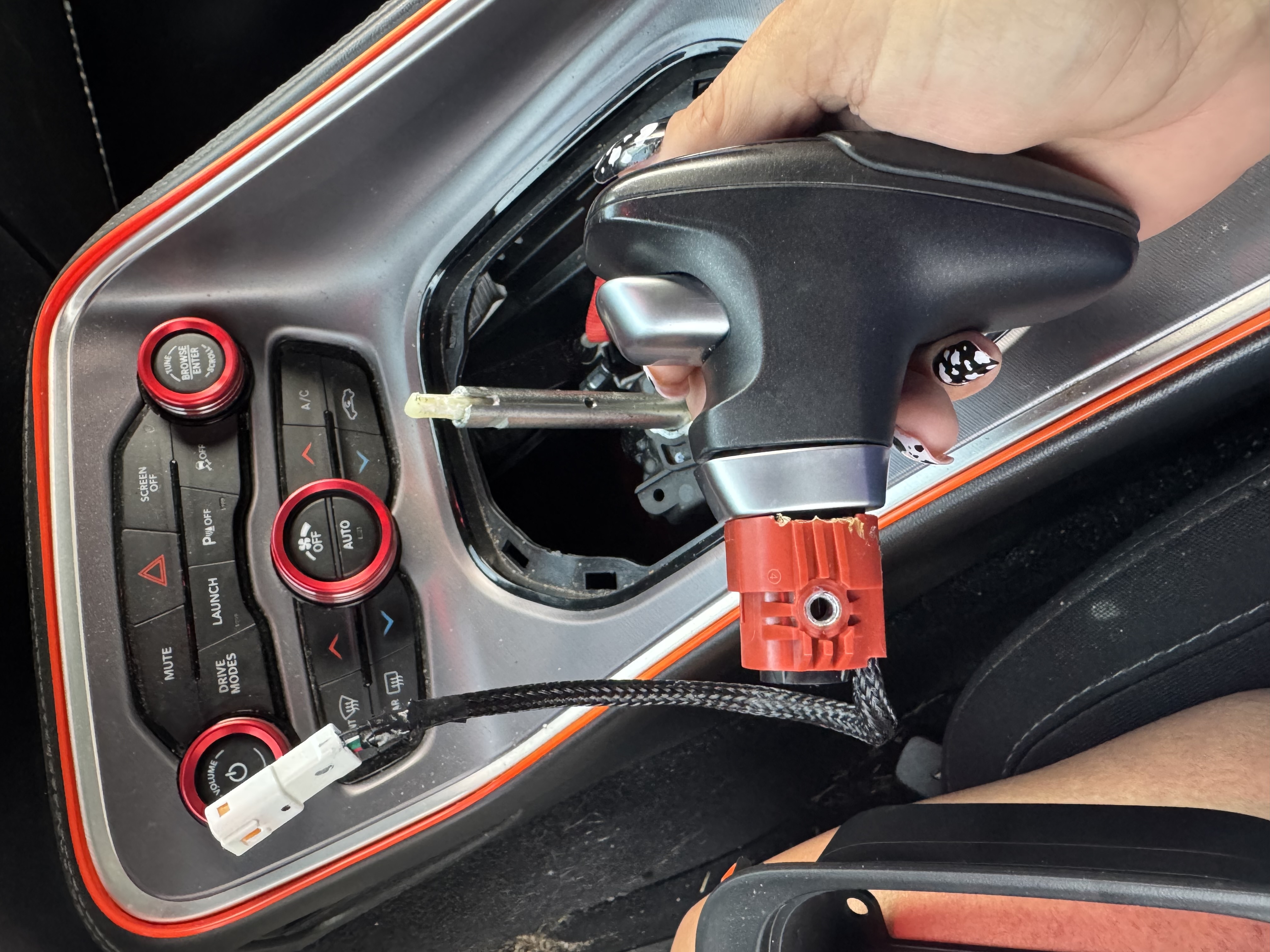
Check the key release button or solenoid
Some vehicles have a key release button or a release mechanism tied to the shifter housing. If that button is sticky, broken, or not being triggered, the key stays locked in.
Signs this is your issue
- You normally press a small button or the shifter must be in a very specific position before the key comes out.
- The key comes out sometimes, but other times it takes multiple tries.
- You feel a “dead stop” when pulling the key out, not gritty resistance.
What to do
- Look for a small release button near the ignition cylinder bezel or shifter trim and press it while pulling the key out.
- If the button feels stuck, work it gently a few times. Do not pry on trim.
If pressing the release button consistently frees the key, the long-term fix is typically cleaning or replacing the small release mechanism or addressing what is preventing it from fully actuating.
Confirm the brake lights work
This surprises people, but it is very common. Many vehicles use the brake pedal signal to control the shift-lock system, and in some designs it also affects key release logic. If the car never sees “brake applied,” it may keep the interlocks engaged.
Quick test
- Turn the car to a mode where electrical accessories are on (engine can stay off).
- Press the brake pedal and see if the brake lights illuminate (use a helper, a wall reflection, or your phone camera).
If the brake lights do not work
Common culprits include a failed brake light switch at the pedal, a blown fuse, or wiring issues. A bad brake light switch can cause multiple weird symptoms at once, including shift interlock problems.
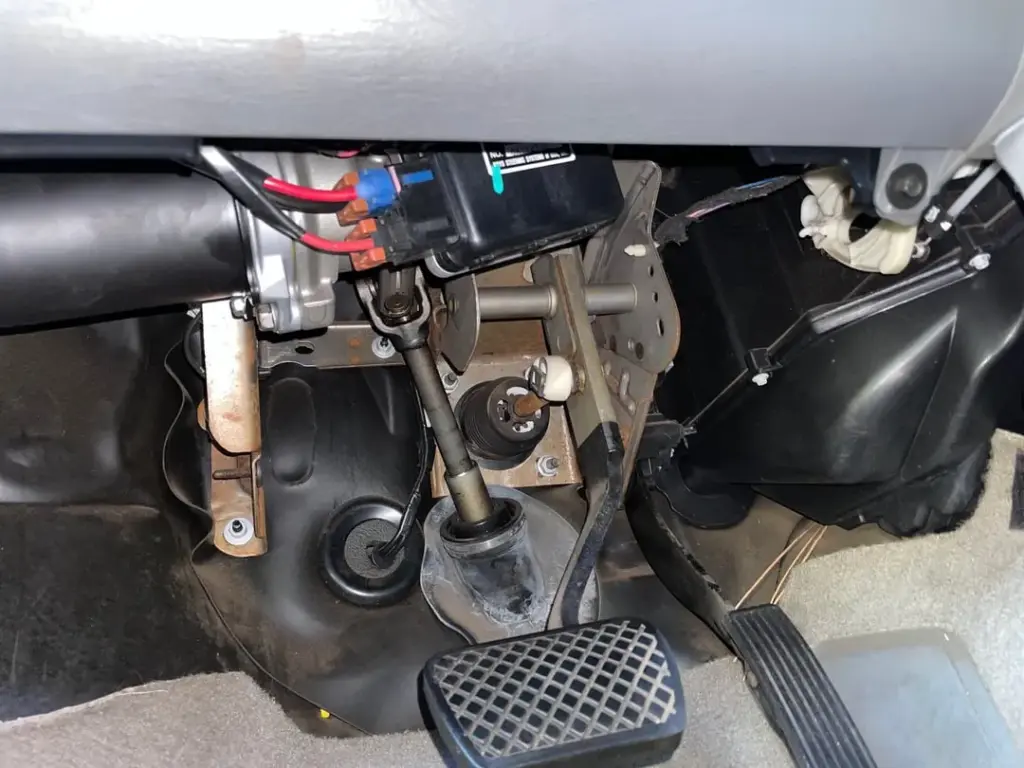
Listen for the shift-lock solenoid
The shift-lock solenoid is the little actuator that helps prevent shifting out of Park without the brake applied. If it sticks, fails, or is not getting power, the system can behave inconsistently, and on some vehicles it can also interfere with key removal.
What to listen for
With the car in a safe, parked state, press the brake pedal and listen near the shifter for a faint click. No click does not prove it is bad, but it is a clue.
Common reasons it misbehaves
- Weak or failing solenoid
- Spilled drinks and sticky residue in the shifter assembly
- No brake switch signal (see brake light test above)
- Low system voltage from a weak battery
If you have intermittent problems with key release and shifting behavior around Park, a contaminated shifter assembly is more common than most folks think.
If the key only comes out “just right”
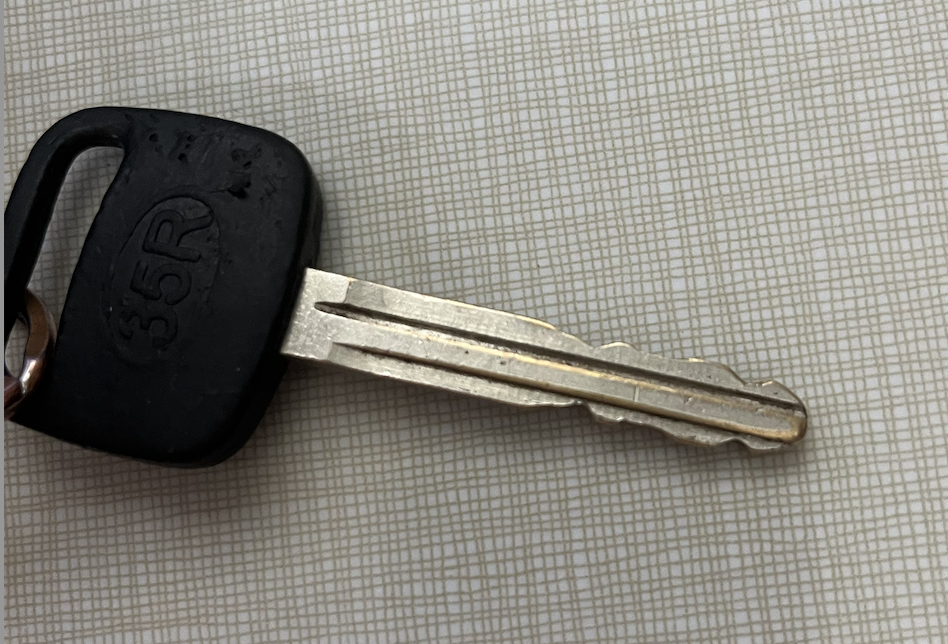
If you have to slightly rotate the key back and forth within the OFF position, or pull the key outward while rotating it gently to get it to release, that points to a worn ignition lock cylinder or worn key.
Clues the cylinder is wearing out
- The key feels loose in the cylinder.
- The key is hard to insert or remove even when it is not “stuck.”
- You have one key that works better than the other.
- The problem has gotten worse over weeks or months.
What you can try right now
- Try your spare key if you have one. A worn key blade can cause binding.
- Make sure the keychain is not heavy. A heavy keychain can accelerate wear over time.
If a spare key fixes it, get a fresh key cut from the proper code if possible, not copied from the worn one. If both keys behave the same, plan on an ignition cylinder repair or replacement.
What about the steering wheel lock?
The steering wheel lock is more associated with a key that will not rotate, not a key that will not pull out. But if your wheel is jammed against the lock, it can add tension and make everything feel worse.
If the wheel feels bound up, lightly relieve pressure by turning the wheel a tiny bit left and right while you gently try the key. Keep it light. If you are fighting it, stop and go back to the Park and interlock checks.
When to stop driving
If the key only releases after a lot of fiddling, I recommend treating it as a near-term repair. Here is when I would stop and address it before you get stranded:
- The key is bending or feels like it might snap.
- The key gets stuck along with other ignition weirdness (accessories staying on, key positions not feeling distinct).
- You also have shifter problems around Park, or the car sometimes does not recognize Park.
- The key will not come out and you cannot get the car reliably into a true off state.
A tow is cheaper than a broken key lodged in a cylinder, especially if the vehicle needs rekeying.
Fast checklist
- Press brake, shift out of Park, then firmly back into Park
- Hold brake and gently wiggle shifter while pulling key
- Try the key release button if equipped
- Verify brake lights work
- Listen for shifter click from shift-lock solenoid
- Try a spare key
- If it is worsening, plan for ignition cylinder service
FAQ
Can a dead battery cause the key to get stuck?
Yes, low voltage can keep an interlock solenoid from moving fully, depending on the vehicle design. If the battery is weak and you notice other odd electrical behavior, that can be part of the story.
Should I spray WD-40 into the ignition cylinder?
I avoid it. If the cylinder is dirty, the better approach is a lock-specific lubricant. But if the key is trapped due to an interlock or Park signal issue, lubricant will not fix it.
Is it safe to keep driving if this happens once?
If it was a one-time “not fully in Park” situation and it never repeats, you are probably fine. If it repeats, treat it as a developing problem. The trend is what matters.
Will replacing the key fix it?
Sometimes. If your original key is worn, a properly cut replacement can make a big difference. If the cylinder itself is worn, a new key will only help a little, if at all.