I have jump-started more cars in parking lots than I can count, and the same question always comes right after the engine catches: “So… how long do I need to drive to charge the battery?”
Here’s the honest answer: plan on at least 20 to 30 minutes of steady driving if the battery was only mildly discharged. If it was deeply drained (left overnight with lights on, sat for weeks, or needed multiple jump attempts), driving alone may not bring it back and you are better off using a proper battery charger and getting the battery tested.
One quick caveat: recharge time varies a lot with battery size and age, how low it got, ambient temperature, your electrical load, and whether your drive is steady or stop-and-go.
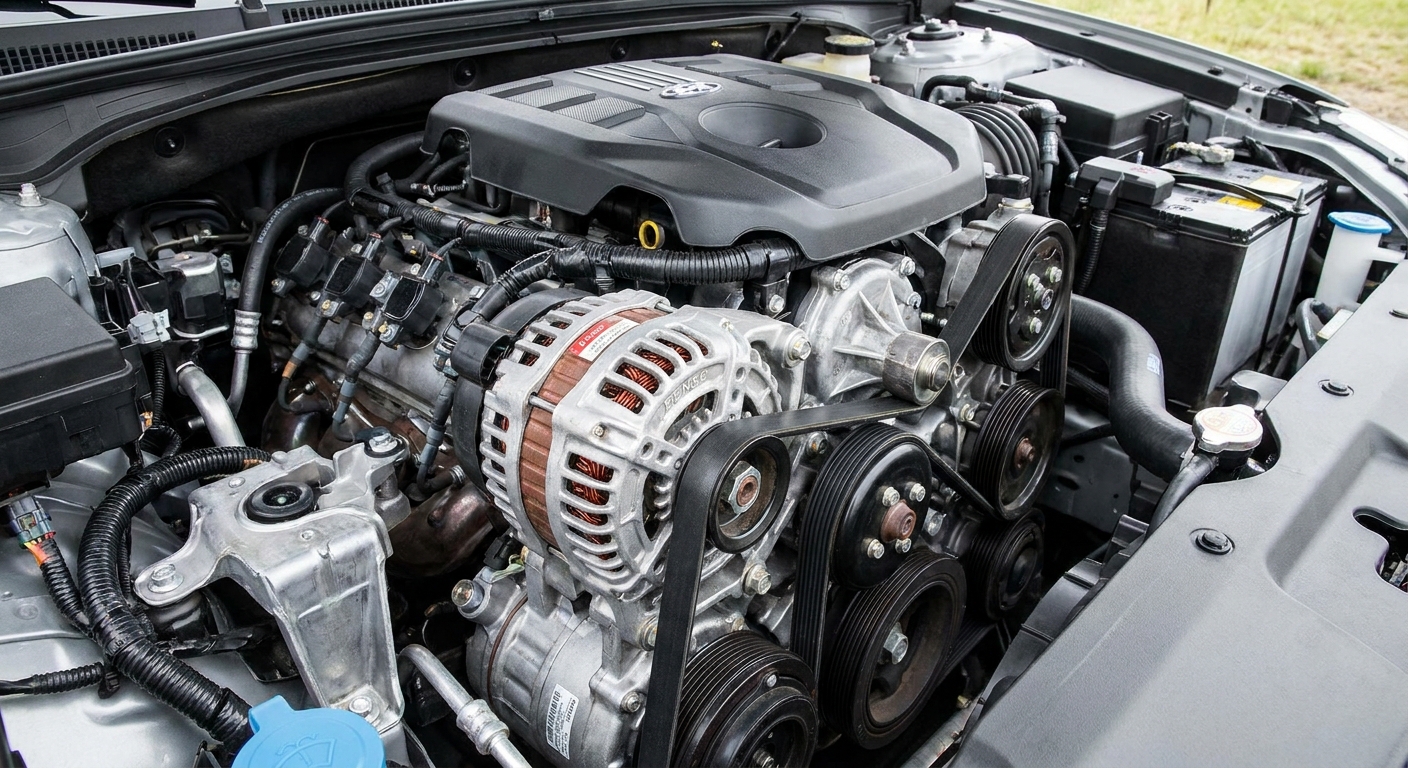
The quick guideline
Use this as a practical baseline after a successful jump start:
- Minimum: 20 minutes of driving. This is the shortest “worth doing” trip if you want the alternator to put meaningful charge back into the battery.
- Better: 30 to 45 minutes of steady driving at normal road speeds. This gives the charging system time to recover the battery while still running the vehicle’s systems.
- If the battery was very low: 60+ minutes might still not fully recharge it. A deeply discharged lead-acid battery can take hours to recover properly, and an alternator is not optimized for long, deep-recovery charging the way a smart charger is.
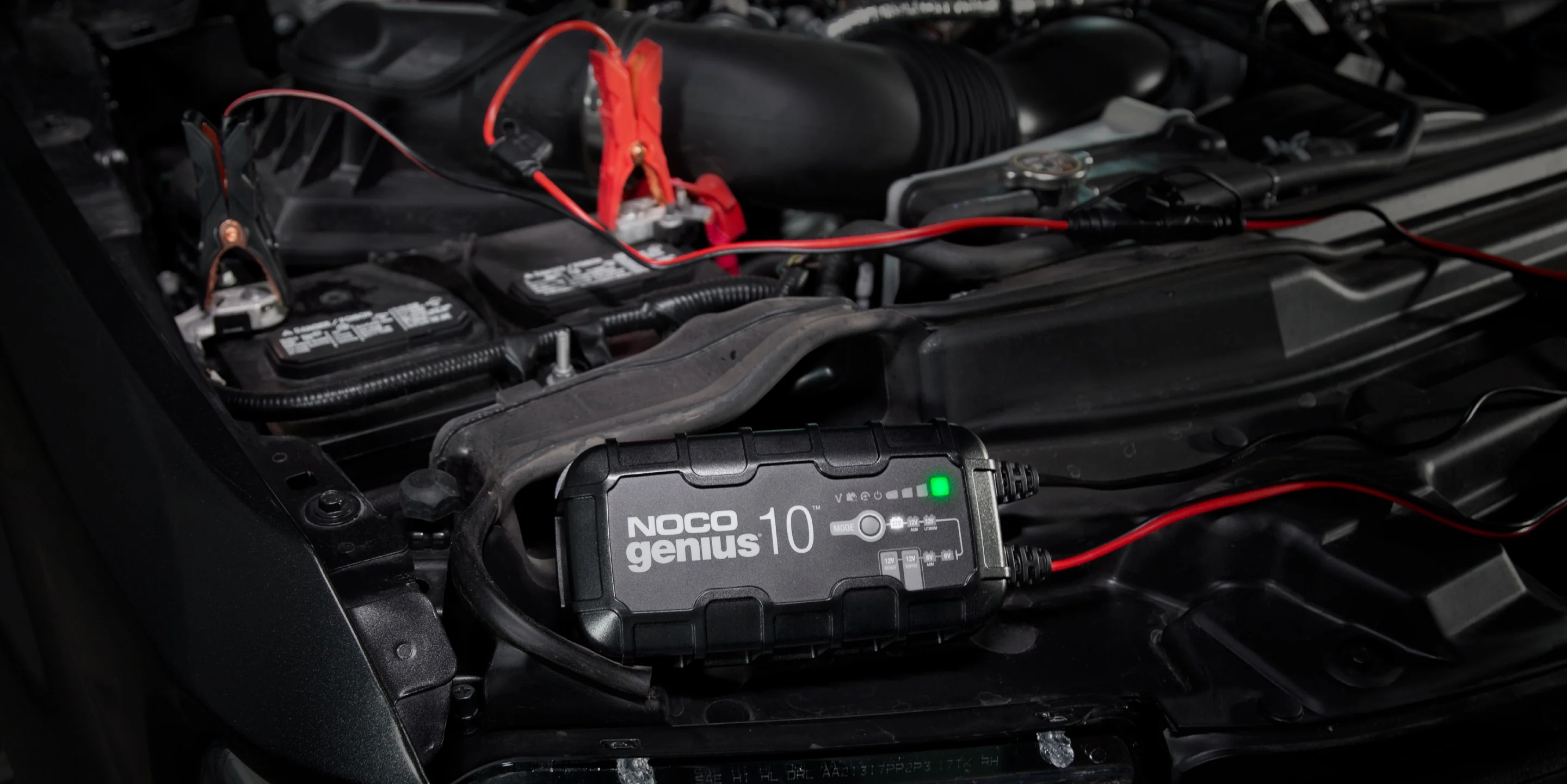
If you have access to a charger, charging at home is usually the gentler, more reliable option than “driving around and hoping.”
If you are choosing between “idling in the driveway” and “driving,” driving wins almost every time.
Why idling is usually not enough
Idling feels convenient, but it is one of the slowest ways to replenish a battery. Here’s why:
- Alternators make less output at idle. Alternator speed tracks engine RPM. At idle, many alternators are only producing modest current.
- Your car still has baseline electrical needs. Fuel pump, ignition, engine computer, and sensors all consume power. Add headlights, cabin blower, rear defrost, and heated seats and you can eat up most of what the alternator is producing at idle.
- A very low battery pulls hard. When a battery is discharged, it can accept a lot of current at first. That sustained demand can run the alternator hot.
If you must idle because you cannot safely drive yet, let it idle 3 to 5 minutes to settle and ensure it is running smoothly, but do not assume a short idle “charged the battery.” It usually did not.
Driving with loads off
You will often hear advice like “turn everything off and drive around.” There is truth in it, with limits.
What it can do
- Helps the alternator send more current to the battery. Less power used by accessories means more left over for charging.
- Reduces the chance of stalling out again if your battery is weak and the charging system is struggling to recover it.
What it cannot do
- It cannot fix a failing battery. If the battery has a bad cell, severe sulfation, or simply aged out, it may accept surface charge but won’t hold it.
- It cannot make up for repeated short trips. A quick 5 minute drive, shut down, then restart later is a classic way to get stuck again.
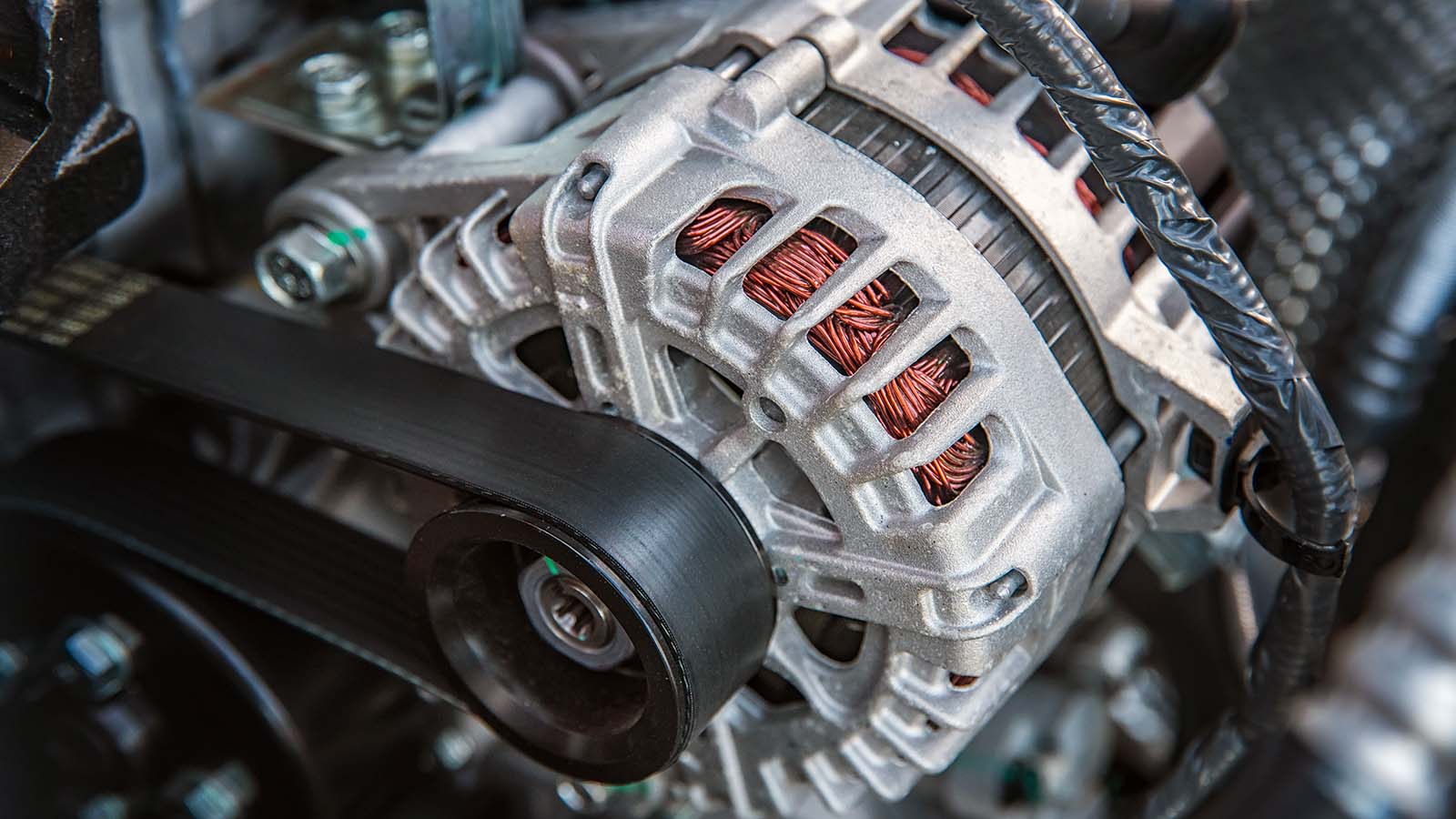
- It cannot override a charging system problem. If the alternator, belt, wiring, or related fuses are failing, no amount of “driving with loads off” will reliably recharge the battery.
My practical approach: keep safety items on as needed. If it is dark or raining, use your headlights and wipers. The goal is to reduce unnecessary loads, not to create a hazard.
Why driving may not recharge it
Even with a healthy alternator, a jump-start situation can leave you with less battery recovery than you expect. Common reasons include:
- The battery was deeply discharged. Lead-acid batteries hate being run flat. Deep discharge accelerates damage and reduces capacity.
- The alternator is sized to maintain, not revive. Alternators can put out plenty of current, but they are primarily built to run the vehicle and keep a good battery topped off. Asking one to recover a near-dead battery can mean sustained high output and heat.
- Modern vehicles have heavy electrical demand. Cooling fans, heated glass, fuel pumps, multiple computers, infotainment, and driver-assist sensors can all add up. (Some vehicles also use electric steering assist, which can add load too.)
- Your drive was mostly stop-and-go. Lots of idling at lights means less alternator output. A steady drive at normal road speeds is far more effective.
- A fully dead battery may not accept charge well. Some batteries that were run flat are damaged enough that they take a surface charge but do not recover capacity. A smart charger can sometimes bring them back enough to test, but not always.
When to use a charger
If any of the situations below describe your car, skip the “drive around and hope” strategy and put the battery on a charger:
- The car needed a jump after sitting only a few days. That is usually a sign of a weak battery, a parasitic draw, or unusual conditions.
- The battery went dead due to lights left on or another obvious drain.
- You drove 30 to 45 minutes, shut it off, and it barely cranks or won’t restart.
- The battery is 3 to 5+ years old (varies by climate and use, but age matters).
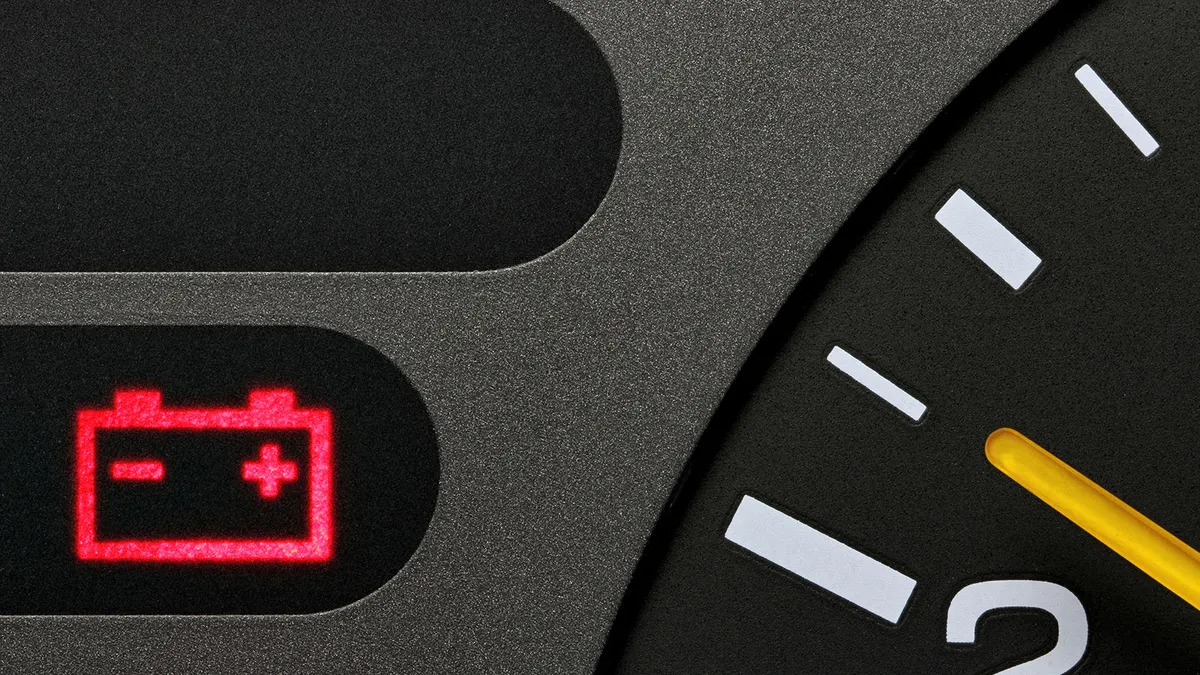
- You saw a battery warning light on the dash while driving.
A 4 to 8 amp smart charger can recharge a low battery gently over several hours. Once it is fully charged, a low-amp maintainer can help keep it topped off if the car sits.
When to test the battery
Charging time is only half the story. The other half is: will the battery hold what you just put into it?
You should get a proper battery test (parts store test or shop test) if:
- The battery needed a jump more than once in a short period.
- The car cranks slowly even after a decent drive or full charge.
- The battery is older and you are heading into extreme heat or cold.
- You suspect a parasitic draw (something in the car stays on and drains it while parked).
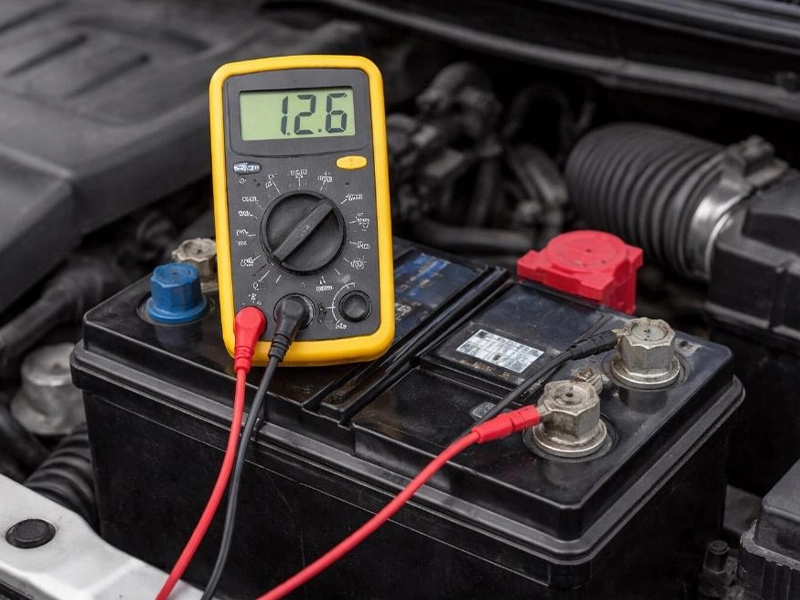
Important: A battery that just got jumped can show “good voltage” temporarily. If possible, test it after it has been fully charged and then allowed to rest, or ask for a test that includes a true load and conductance measurement.
Signs of alternator trouble
If the battery went dead for no obvious reason and it keeps happening, do not assume the battery is the only culprit. Watch for:
- Battery light on the dashboard while running
- Headlights that brighten and dim with engine speed
- Electrical glitches like radio resets, flickering interior lights, or warning messages
- Burning smell from the engine bay or a squealing belt
If the battery or charging light is on while you are driving, do not take a long trip and hope it clears up. Get somewhere safe and have the charging system checked as soon as possible. A failing alternator can leave you stranded even with a new battery.
After-jump checklist
Once you are running and ready to head out, here’s what I suggest to improve your odds of getting home and starting again later:
- Drive continuously for at least 20 to 30 minutes. Avoid shutting the engine off in between stops if you can.
- Reduce unnecessary loads: turn off heated seats, max blower, rear defrost, and extra USB charging if you can.
- Listen for weak cranking next restart. If it cranks slow, do not ignore it.
- Plan a backup: park where you can access another vehicle or help if it does not restart.
FAQ
Is 10 minutes of driving enough?
Usually not. Ten minutes can put a little surface charge into the battery, but it often is not enough to guarantee a restart, especially if the battery was run low or the trip is stop-and-go. Aim for at least 20 to 30 minutes.
Is highway driving faster?
It often helps because the engine stays at a higher, steadier RPM, which typically allows the alternator to produce more output than idling in traffic. It is not magic, but it is generally more effective than city stoplights.
Can a jump start damage my battery?
The jump itself is not what usually “damages” the battery. The damage typically comes from the battery being deeply discharged in the first place. A battery that has been run flat may never be the same again.
What if it dies as soon as I disconnect the cables?
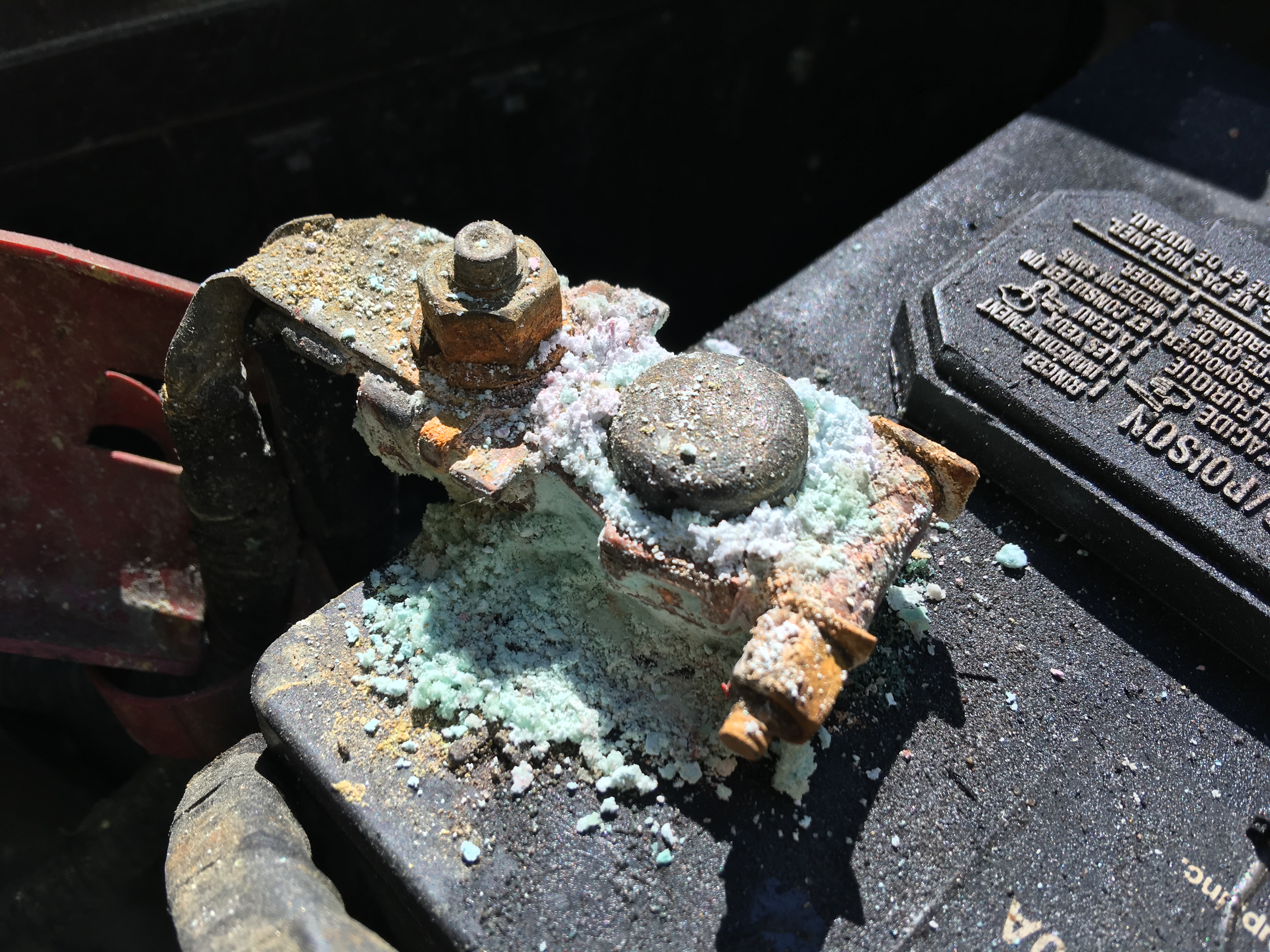
That points away from “needs more driving” and toward a problem keeping the engine running electrically. First, check the simple stuff: make sure the battery terminals are tight and clean and the jump connection was solid. If the battery light is on or it keeps dying immediately, stop repeating jump attempts and have the battery connections and charging system checked.
The bottom line
Drive 20 to 30 minutes after a jump start if you want a realistic shot at restarting later, and 30 to 45 minutes is better. But if the battery was deeply drained, died after only a few days of sitting, or the problem repeats, do not keep gambling with one more lap around the block. Put it on a smart charger and get the battery and charging system tested. That is how you stop a one-time jump from turning into a weekly ritual.