I have lost count of how many tow-ins I diagnosed with the same sentence from the owner: “It cranks strong, it just won’t fire.” In that moment, you do not need to guess. You need one quick, controlled test that answers a big question: do you have spark?
This guide walks you through a safe driveway spark test for an engine that cranks but will not start, using the right tool and a couple of simple decision points to narrow it down to a dead coil, a bad plug wire or boot, or an ignition control problem like crank-signal loss.
Safety first: spark testing can shock you and start a fire
An ignition system is not like touching a 12-volt battery. Coil output can be tens of thousands of volts. The current is low, but it can absolutely bite you, and involuntary movement around belts and fans is no joke.
- Work in a well-ventilated area. If the engine has been cranking, fuel vapor can be present.
- No smoking, no open flames, no trouble lights with hot bulbs.
- Keep hands, tools, and clothing clear of belts, pulleys, and fans. Electric fans can kick on unexpectedly.
- Use insulated pliers and gloves if you must handle ignition components during cranking.
- Do not hold a plug wire and “watch it arc”. That is the old-school move that gets people shocked and can damage electronics on some vehicles.
- Do not repeatedly crank for long stretches. Crank 5 to 10 seconds at a time, then rest the starter.
If you smell strong raw fuel, stop and let things air out before you continue.
What you need (and what not to use)
The best tool: a spark tester that fits your ignition
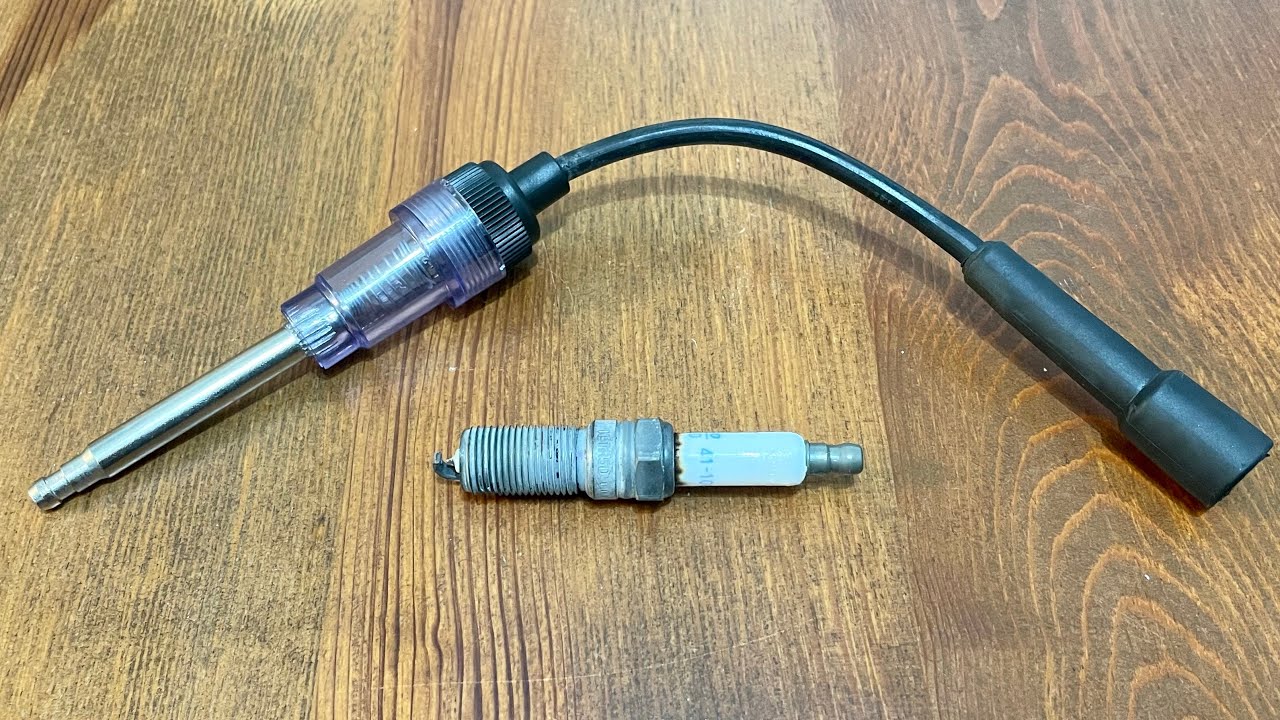
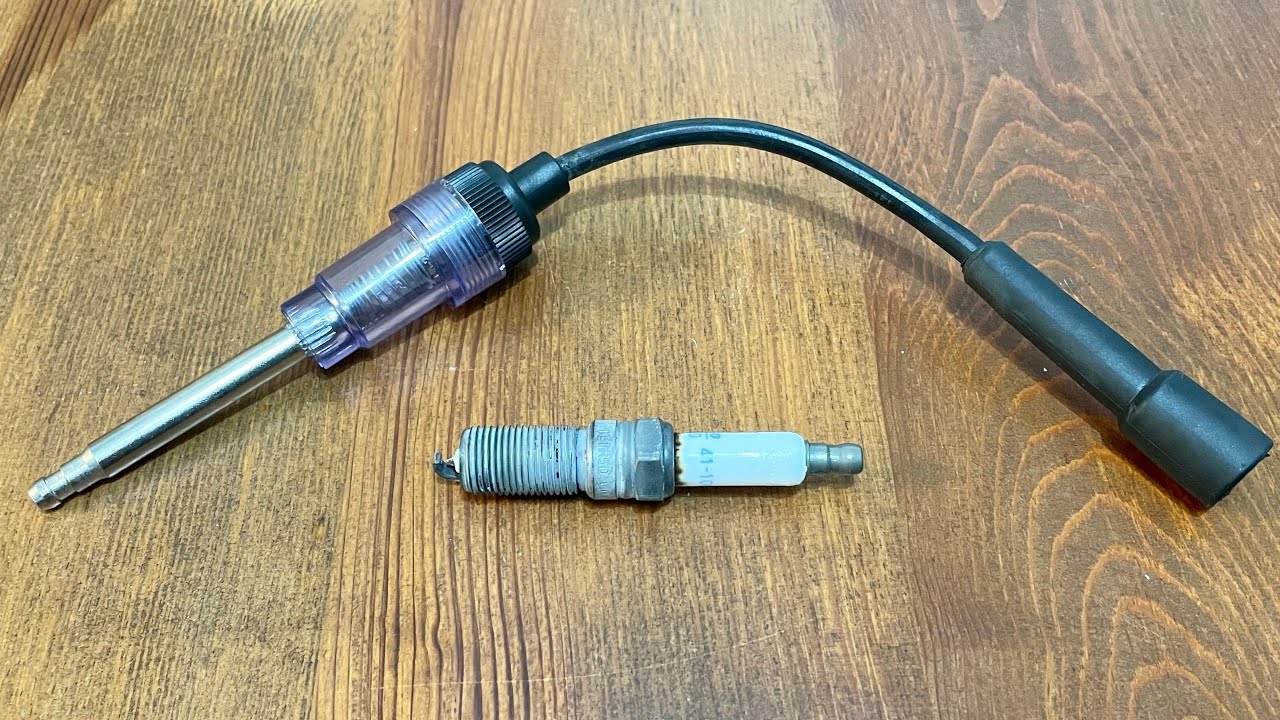
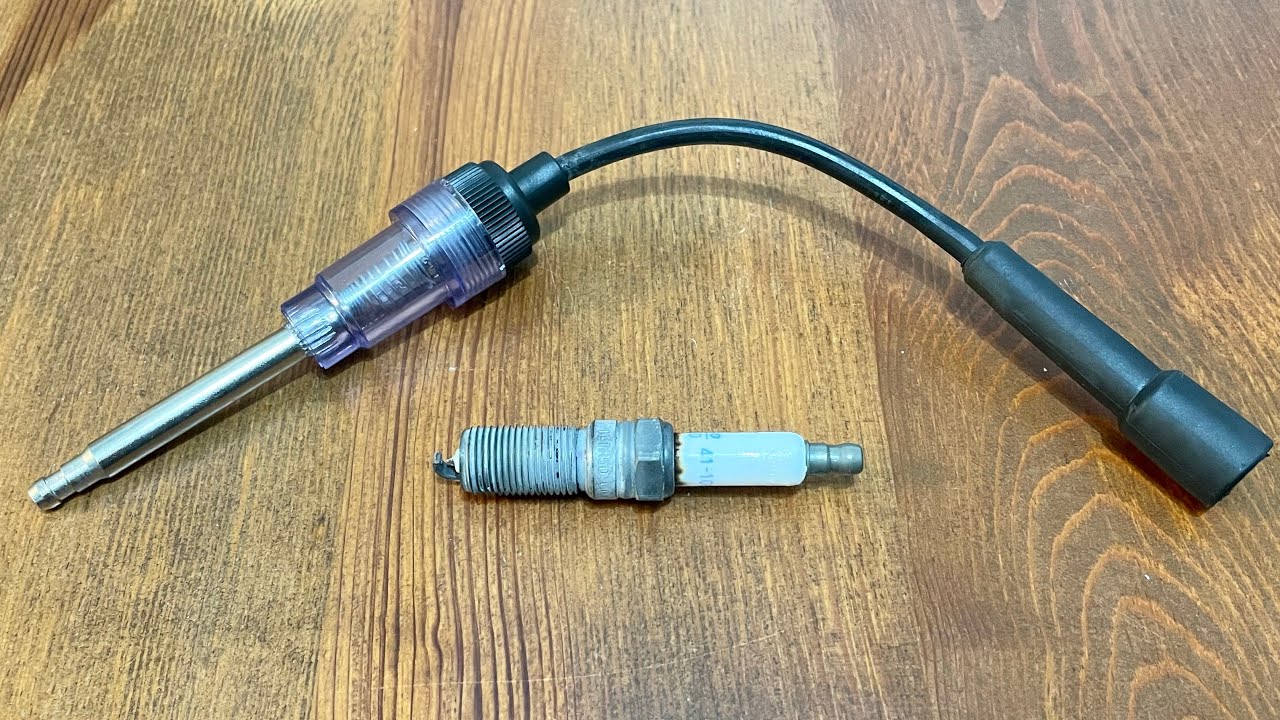
A cheap spark tester is one of the best diagnostic buys you can make. The key is getting the right style for your setup.
- Plug wire systems: a standard inline spark tester that installs between the wire and the plug.
- Coil-on-plug systems: a COP-compatible spark tester, or an inline tester used with the proper COP adapter lead or extension so it physically fits and makes a solid connection.
- DIS coil packs (two-tower packs): a standard inline tester usually works, one plug wire at a time.
- Spark tester (matched to your ignition type)
- Basic hand tools to access coils or plug wires
- Helper to crank the engine (optional, but nice)
- Safety glasses and gloves
Skip the screwdriver-in-the-boot trick
Jamming a screwdriver into a boot and holding it near metal can create misleading results, increase shock risk, and on some cars it can stress the coil and driver circuitry. Use a tester.
Step 1: Disable fuel before you test for spark
You want the engine to crank without injecting fuel while you are focusing on ignition. That reduces fire risk and helps prevent additional fuel from being sprayed into the engine.
Use one of these common methods:
- Pull the fuel pump fuse or relay (often in the under-hood fuse box). This stops further pumping, but residual pressure can still remain trapped in the rail on many returnless systems.
- Unplug the injector connectors (can be time-consuming on some engines).
- Disable via scan tool if you have one, depending on vehicle.
If you are not sure which fuse or relay is the pump, check the fuse box legend on the cover or your owner’s manual.
Quick reminder: You will be putting fuses, relays, and connectors back exactly as you found them when you are done testing.
Step 2: Do the spark test
If you have coil-on-plug (COP) coils
Most modern engines have a coil sitting directly over each spark plug.
- Pick one easy-to-reach cylinder.
- Keep the coil electrical connector plugged in so it can fire. If you must unplug it to reposition for access, reconnect it before cranking.
- Remove the coil from the plug (usually one small bolt holds it down).
- Use a COP-compatible tester, or use an inline tester with the correct adapter lead, and connect it between the coil output (boot) and the spark plug.
- Have a helper crank the engine for 5 to 10 seconds while you watch the tester.
If you have spark plug wires (distributor or remote coil)
- Pull one plug wire off the spark plug.
- Connect the inline tester between the wire and the plug.
- Crank and watch for consistent flashing in the tester.
If you have a DIS coil pack (two-tower wasted spark)
These typically fire two cylinders at once through two plug wires.
- Test one plug wire at a time with an inline tester between the coil tower wire and the spark plug.
- If both wires for a coil pair show no spark, suspect that coil pack section, its power or ground, or its trigger.
- If one wire is dead and the paired wire is strong, look hard at that single wire, boot, plug, or terminal fit.
What a good spark looks like: a strong, consistent flash while cranking. Weak or inconsistent flashes can indicate a weak coil, poor connection, low cranking voltage, or an intermittent trigger. When in doubt, compare to a known-good cylinder and check cranking RPM on a scan tool if you can.
How to read the results
This is where you stop replacing random parts and start narrowing it down.
Result A: Strong spark on the tester
If you have strong spark on at least one cylinder, your problem is likely not a total ignition failure. At that point, you are usually looking at fuel delivery, injector pulse, severe flooding, or an air and timing issue.
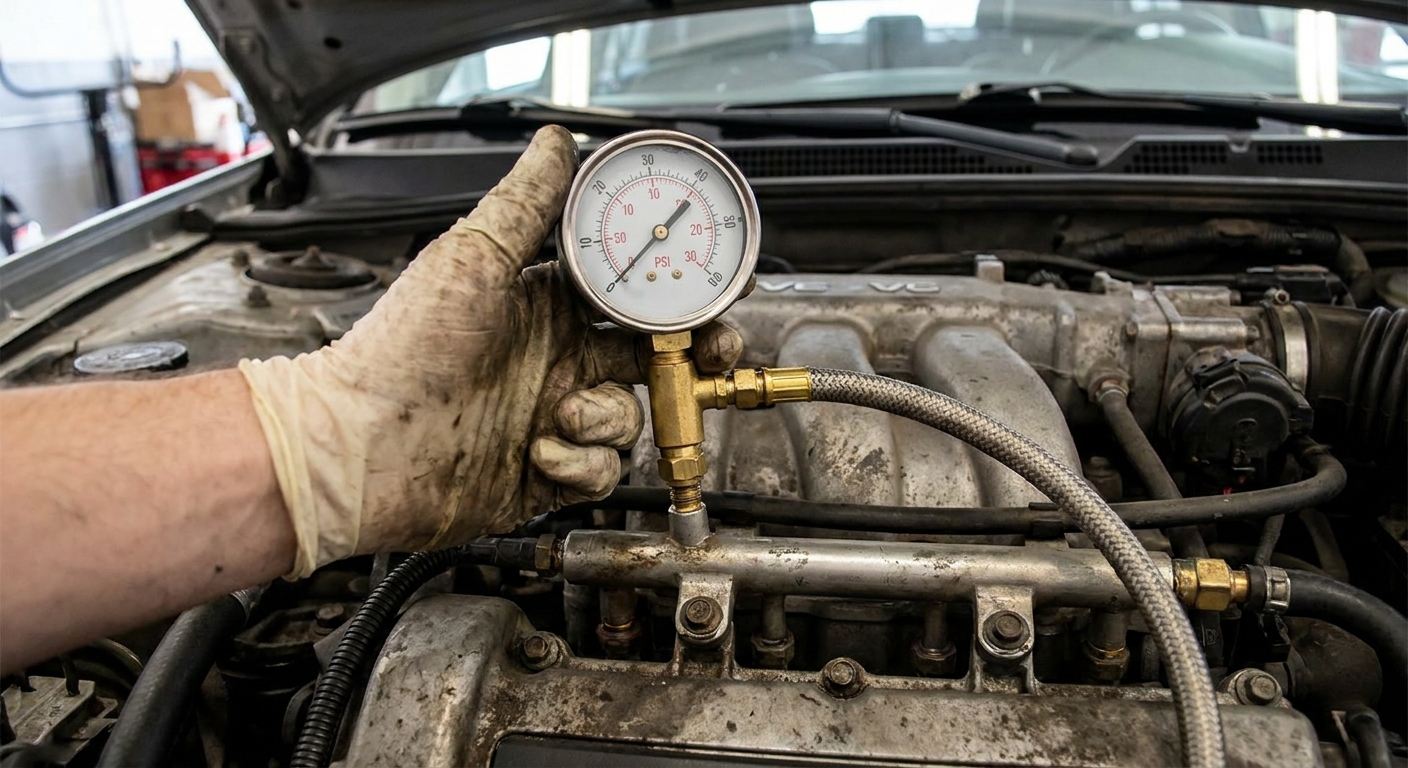
For this article, I will leave fuel-pressure gauge testing and compression testing as separate jobs. Spark testing just tells you the ignition side is alive.
Result B: No spark at all on that cylinder
Now you need to figure out if it is a single-cylinder ignition failure (like one dead coil) or a system-wide no-spark (like loss of crank signal).
Check 1: Test a second cylinder
- One cylinder has no spark, another cylinder has spark: likely a bad coil, bad boot, bad plug, bad wire, or in rare cases a wiring issue to that coil.
- No cylinders have spark: suspect crankshaft position sensor, cam sensor (on some vehicles), ignition module, ECM power or grounds, main relay, a blown IGN or ECM fuse, or an anti-theft immobilizer issue.
Check 2: Separate a bad coil from a bad plug or boot (COP systems)
If only one cylinder is dead and you have coil-on-plug:
- Swap that coil to a different cylinder.
- Retest for spark on the new cylinder position.
If the no-spark follows the coil, you likely have a bad coil. If the no-spark stays on the same cylinder, suspect the plug itself, the coil boot or spring, moisture or oil in the plug well, poor coil ground at the mounting point, or a wiring issue to that coil.
Check 3: Separate a bad wire from the rest (plug wire and DIS systems)
If you have plug wires and only one cylinder is dead:
- Try the tester on a different wire.
- Inspect the dead cylinder’s wire for burns, cracking, oil saturation, loose terminals, or a torn boot.
- If practical, swap two plug wires (routing matters, so keep it neat) and see if the problem follows the wire.
Check 4: When there is zero spark anywhere
If you have no spark on any cylinder, the engine computer often is not seeing a valid crank signal, or it is refusing to fire coils for a reason.
Common causes include:
- Crankshaft position sensor failure (very common crank-no-start culprit)
- Camshaft position sensor failure on some models
- Ignition control module failure (on vehicles that use an external module)
- Blown ignition or ECM fuse or missing coil power supply
- Bad main relay (varies by make)
- Poor engine ground or loose ground strap after repairs
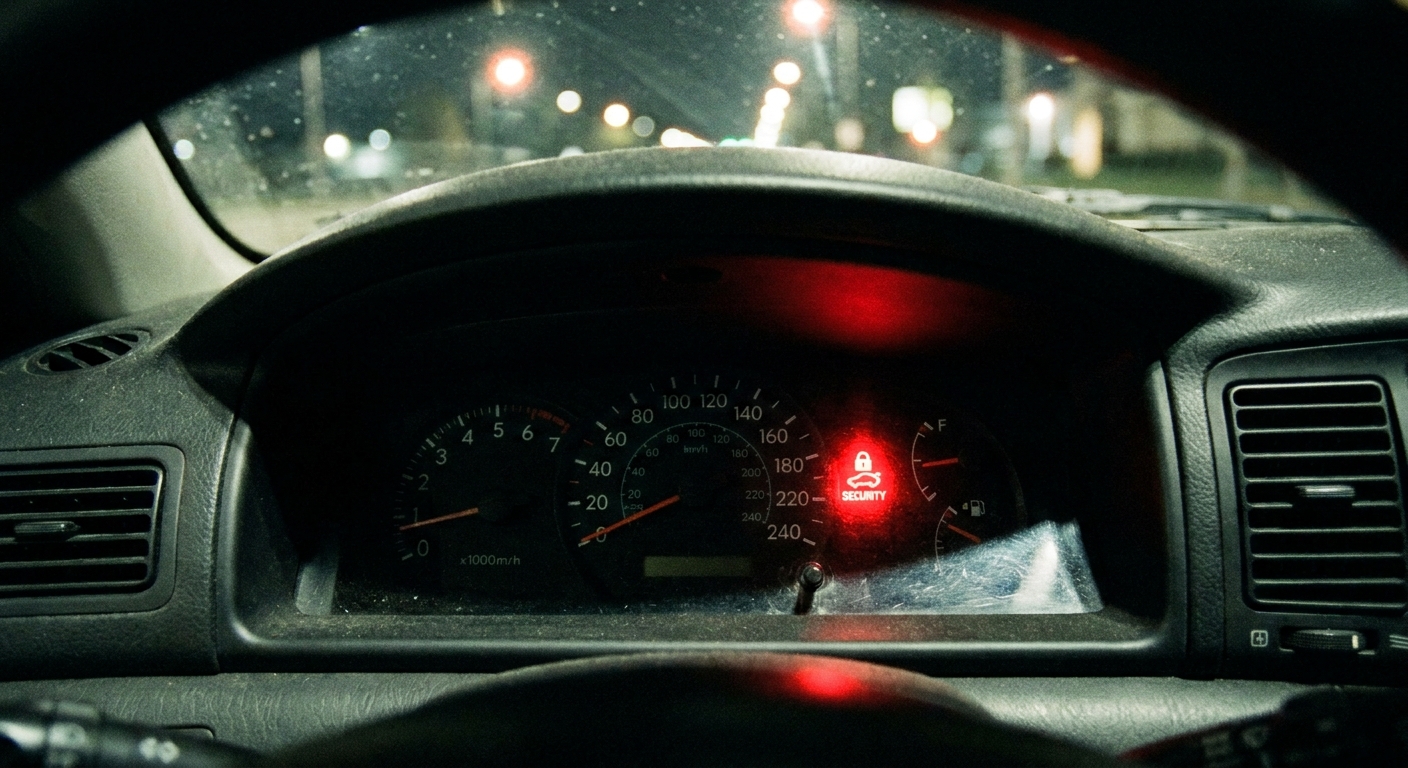
- Immobilizer or anti-theft lockout (often accompanied by a security light)
- Aftermarket alarm or remote start fault that interrupts ignition power or crank signal
At that point, your next step is usually checking for coil power and ground, and scanning for codes. A basic code reader is still useful, but cheaper readers may have limited live data and may not show some manufacturer-specific codes. Even so, any crank or cam sensor code, power supply code, or immobilizer hint is worth following.
Quick checks before you buy parts
Listen and look while cranking
- Tachometer movement: On some cars, the tach needle will bump slightly while cranking if the crank signal is present. If it stays dead flat, it can hint at crank sensor or signal issues. Not a guaranteed test, but it is a clue.
- RPM on a scan tool: If you can view live data, see if engine RPM shows about 150 to 300 RPM while cranking. If it reads 0, the ECU may not be getting crank signal.
- Security light: If the immobilizer light is flashing or showing a fault while cranking, many vehicles will disable spark, injector pulse, or both.
Check coil connectors for obvious issues
I have fixed more no-starts than I care to admit by finding:
- Coil connectors not fully seated after recent service
- Broken connector locks
- Rodent damage to wiring
- Oil soaked plug wells shorting the spark path
Battery voltage matters
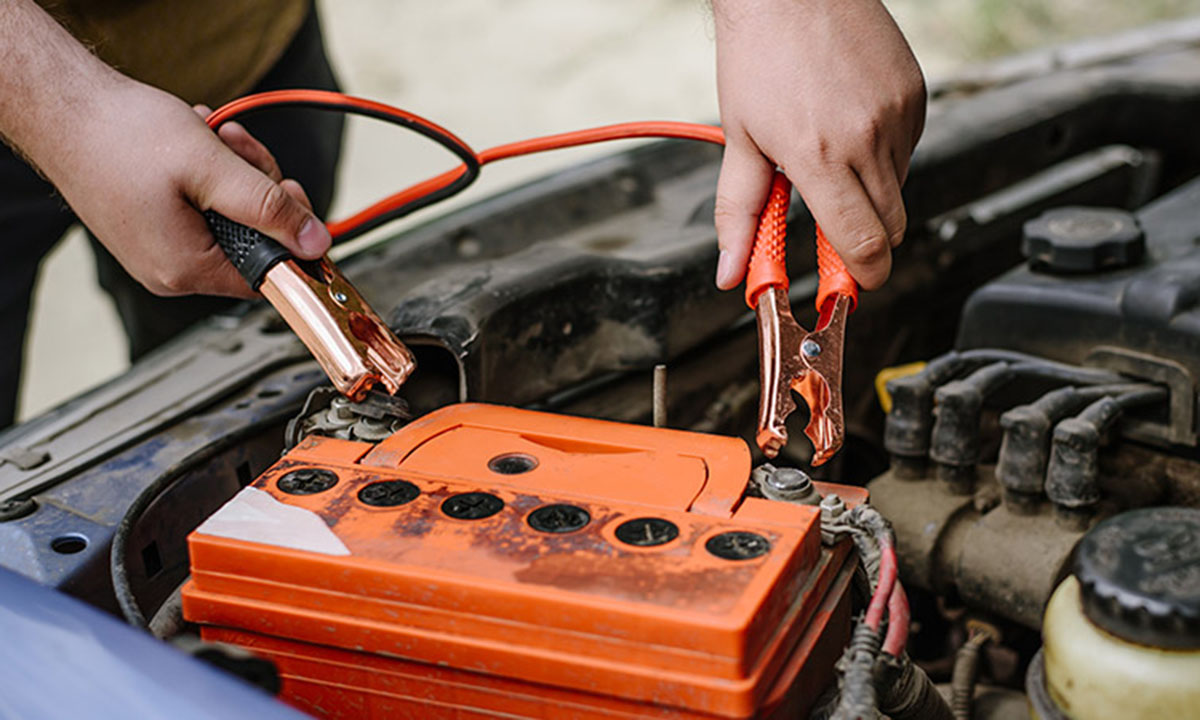
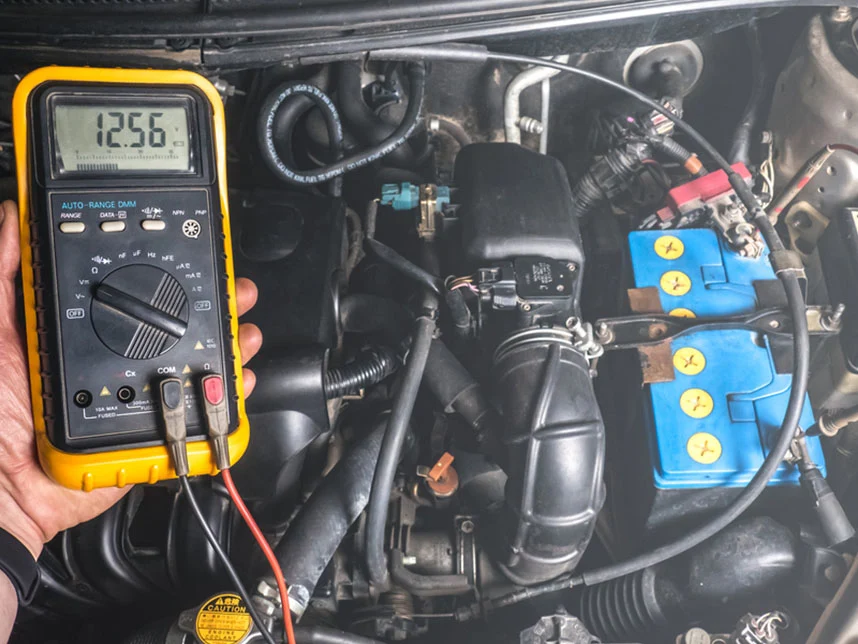
A weak battery can crank an engine but drop voltage low enough that the ECU or ignition system acts up. If cranking sounds sluggish, charge the battery or test it before chasing ignition ghosts.
What not to do
- Do not pull a plug wire and let it arc to the engine. That can damage coils and ignition drivers.
- Do not crank endlessly. You can overheat the starter and flood the engine.
- Do not test spark near fuel vapors. If you have been cranking with fuel enabled, air the area out first.
- Do not ignore a backfire. A loud pop through the intake or exhaust can point to timing issues or crossed plug wires.
Finish up
When you are done testing, put the car back to normal before you chase the next step.
- Reinstall the fuel pump fuse or relay, or reconnect injectors.
- Reconnect any coil connectors you unplugged.
- Reinstall coils, bolts, and plug wires fully.
If you set a few codes while cranking with fuel disabled or connectors unplugged, do not panic. Some are temporary and can be cleared after repairs or with a scan tool.
When to stop and call in help
If you have confirmed no spark anywhere and you are not comfortable checking sensor signals, ECU power and grounds, or digging into wiring diagrams, this is where a good independent shop earns its keep. Diagnosing a missing crank signal or an intermittent module failure can be fast with the right scan tool and scope, and painfully expensive by guesswork.
If you do one thing at home, do the spark test with the right tester. It is the cleanest way to turn “it won’t start” into a real diagnosis.
FAQ
Can I test spark by pulling a spark plug and grounding it to the engine?
You can, but I rarely recommend it on modern cars. It is easier to get shocked, you can crack a plug, and it is not as controlled as a tester. If you do it, keep fuel disabled, hold the plug with insulated pliers, and keep it away from the plug hole and any fuel vapor.
If I have spark, does that mean my ignition system is fine?
It means the system can generate spark under cranking conditions on at least that circuit. You can still have weak spark under compression, incorrect timing, or spark present on one cylinder but missing on others. Testing multiple cylinders gives a clearer picture.
What if it sparks once and then stops while cranking?
That can point to a trigger or power issue: crank sensor signal dropping out, ECU losing power during crank, a failing relay, a loose ground, or a wiring fault. It can also happen if the battery voltage drops too low while cranking. Confirm by comparing to a known-good cylinder and checking for cranking RPM on a scan tool if possible.
Should I test fuel pressure next?
Fuel pressure testing is a great next step if spark is confirmed, but it is its own procedure with its own safety rules. Same goes for compression testing if you suspect a mechanical issue. I treat those as separate questions because they deserve full, careful walkthroughs.