If your car will crank, catch for a second on starting fluid, then immediately die, you actually just ran a pretty useful test. In my shop days, I loved this clue because it narrows the problem fast: the engine can fire, but it is not staying alive on its own.
Most of the time that points straight at fuel delivery or injector control, but it is not always fuel. A few air metering and engine management problems can mimic the same pattern. Let’s translate what that result means, what it does not mean, and how to chase the common failures without turning your driveway into a parts cannon.
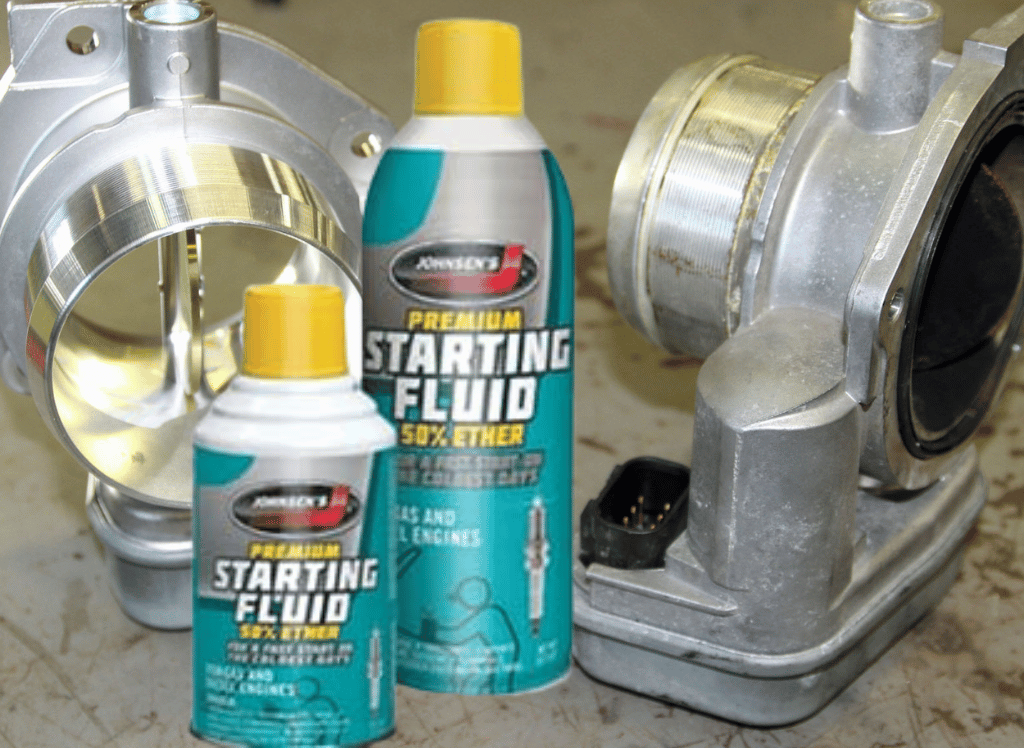
What starting-fluid success proves
An engine needs three basics to run: air, fuel, and a strong spark at the right time, plus enough compression to make combustion happen. When the engine fires on a short burst of starting fluid, it strongly suggests:
- You have ignition (at least enough spark to light an easy-to-burn fuel).
- You have some compression (enough to create a combustible charge).
- Your mechanical timing is probably close enough to run briefly.
In plain language: the engine is capable of running. It is just not continuing to run on its own, which usually means gasoline is not being delivered correctly or the computer is not commanding it.
What it does not prove
This test is a great pointer, not a final diagnosis. An engine can still start on starting fluid and die immediately with issues like:
- Massive vacuum leak or unmetered air (especially on MAF-based systems if an intake boot is torn downstream of the sensor).
- Stuck-open EGR on some engines, which can act like a huge vacuum leak at idle and during start.
- Crank or cam signal problems that let you get a brief pop but then cause the ECU to cut fuel because it cannot reliably see RPM.
- Security or immobilizer intervention that allows cranking but disables injector operation.
- Severe mechanical timing issues that still allow a momentary catch.
So yes, fuel is the usual suspect, but keep your eyes open for the outliers if pressure and injector pulse check out.
What it usually means
If it runs on starting fluid but not on gasoline, the most common causes live in the fuel system or fuel control. Your job is to figure out which part is failing:
- No fuel pressure (dead pump, no power to pump, empty tank, severe restriction).
- Low fuel pressure or poor flow (weak pump, restricted pickup, kinked line, failing regulator, clogged filter on vehicles that have a serviceable one).
- Fuel pressure is OK, but injectors are not delivering (no injector pulse, injectors stuck, anti-theft disabling injectors, wiring or ECU driver issue).
- Bad fuel quality (water contamination, wrong fuel, very old fuel).
- Ethanol-related trouble on older systems (water absorption leading to phase separation, degraded rubber components, varnish loosened and carried into filters and injectors).
Stop spraying it
I get it. When you are stranded, it is tempting to keep feeding the engine ether just to “get it to run.” Most starting fluids are extremely flammable and often ether-based, and repeated use can cause real problems:
- Detonation and pre-ignition risk: Starting fluid lights very easily, which can create harsh knock, especially on higher compression engines.
- Reduced lubrication during cranking: Repeated short run cycles and harsh combustion can be hard on rings and cylinder walls. Starting fluid is not a lubricant, so do not treat it like fuel.
- Intake backfire hazards: Spraying into the intake can create an explosive mix. A backfire can damage intake boots, plastic air boxes, and sensors.
Use starting fluid only as a quick diagnostic, not a workaround.
Safety first
- Work in a well-ventilated area, away from open flames.
- Keep a fire extinguisher nearby if you are working around fuel.
- Relieve fuel pressure before disconnecting lines.
- Wear eye protection. Fuel in the eyes is a bad day.
- If your vehicle is direct injected, do not mess with high-pressure fuel lines or the rail unless you have the right tools and training. Focus on low-pressure supply tests.
Step-by-step checks
1) Confirm there is fuel
Yes, really. I have seen inaccurate gauges, bad sending units, and people chasing electrical ghosts when the tank was empty. Add a couple of gallons from a known-good source if you are not 100 percent sure.
2) Listen for pump prime
On many cars, turning the key to ON (not START) will run the fuel pump for 1 to 3 seconds.
- No prime sound does not guarantee a dead pump, but it is a strong hint.
- If you have a helper, put your ear near the fuel tank area, or lightly touch the tank and feel for vibration.
3) Scan for codes
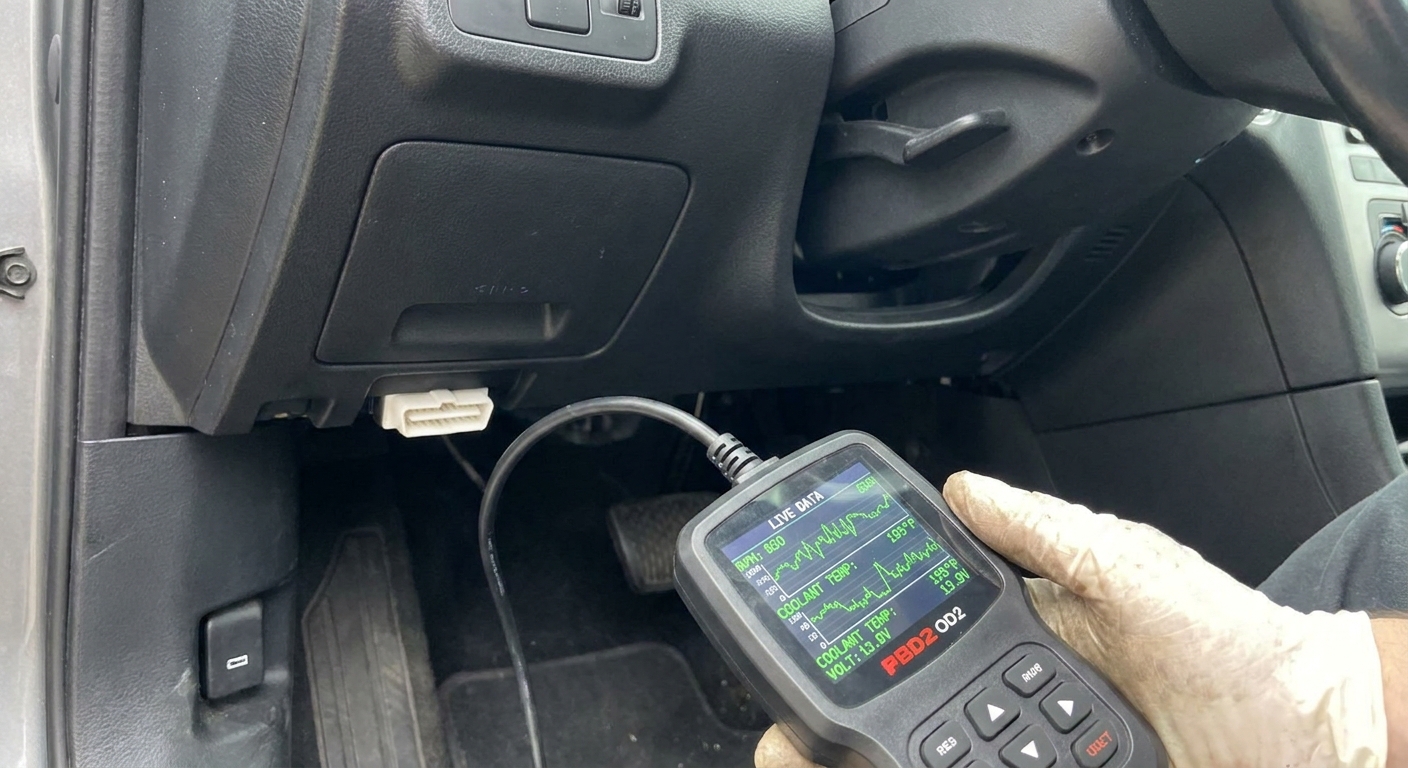
Before you get too deep, plug in a basic scan tool and check for stored codes. Even if the check engine light is off, pending codes can save you hours.
- P0335 and friends can point to crank sensor signal trouble.
- Immobilizer and security codes can explain a no-injector situation.
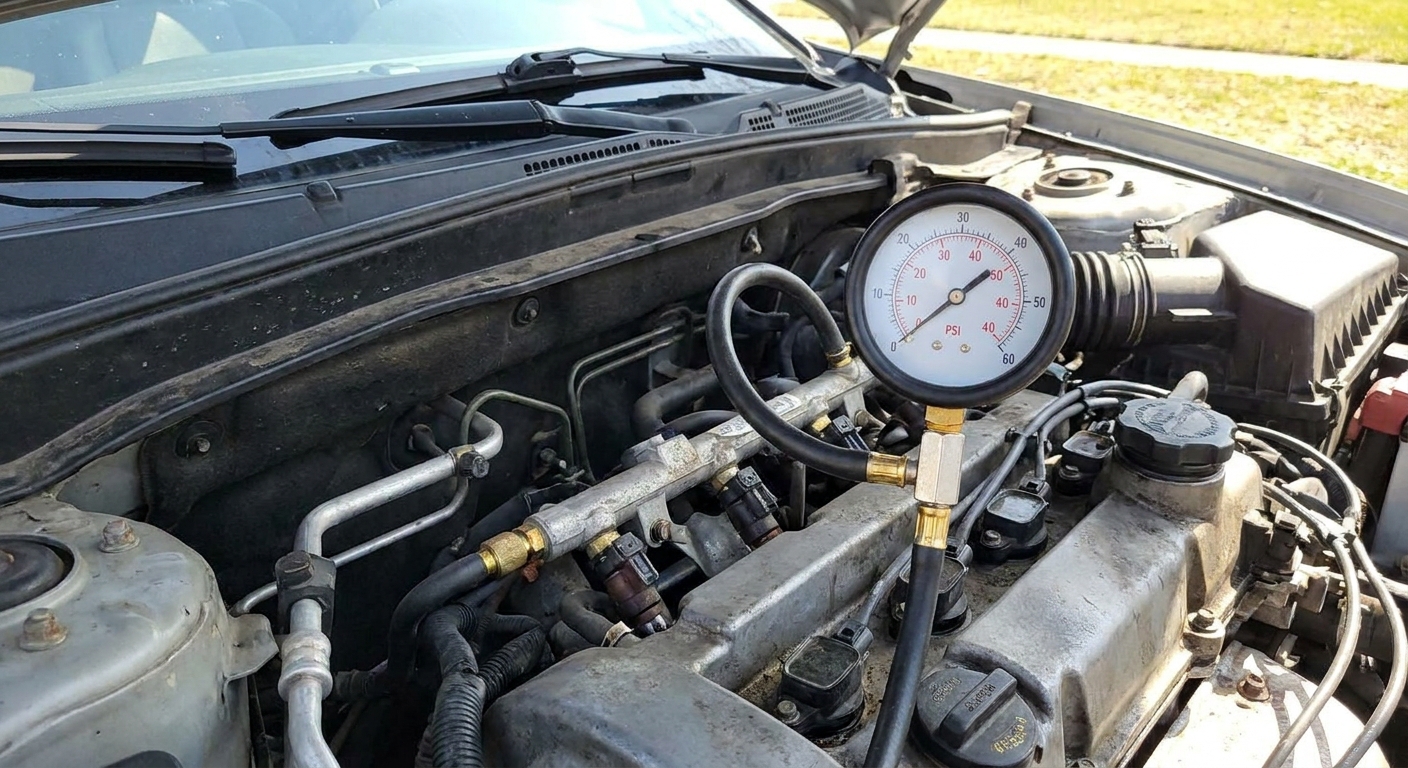
4) Check fuel pressure
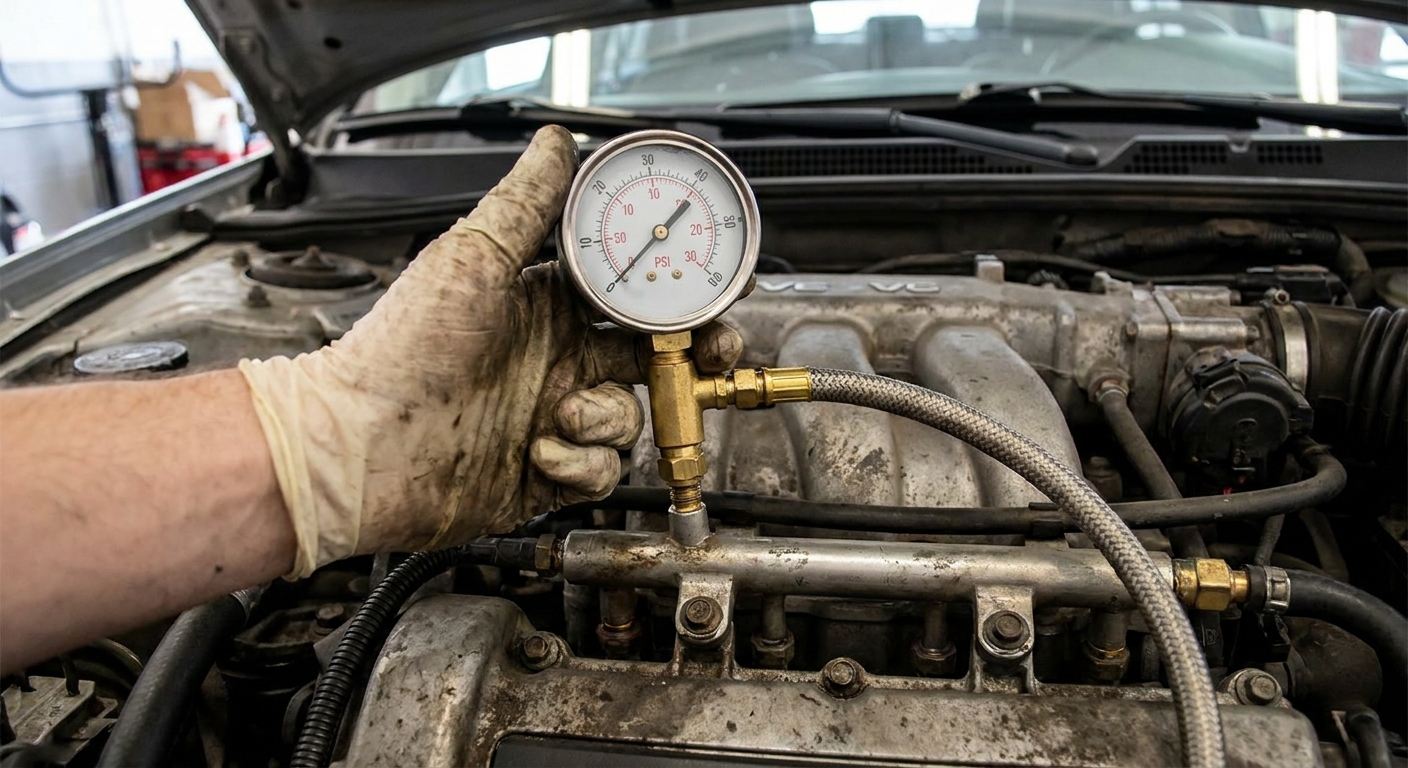
This is the cleanest fork-in-the-road test. If your fuel rail has a Schrader valve (looks like a tire valve), connect a fuel pressure gauge. If it does not, you will need an adapter inline, or you will test at the feed line depending on design.
Important: There is no universal “normal” fuel pressure. Look up the spec for your exact vehicle. Also, returnless systems and in-tank regulators can change where and how you test.
What to look for:
- Zero pressure: suspect pump power or ground, pump, relay, fuse, inertia switch (some Fords), or a major restriction.
- Low pressure: suspect weak pump, restricted pickup sock, pinched line, or a regulation issue. On vehicles with an external serviceable filter, a clogged filter can still do this, but many modern cars do not have one you can replace separately.
- Normal pressure but still no start: shift your attention to injector operation (pulse and flow), not ignition.
5) If pressure is low or zero
- Fuel pump fuse and relay: A blown fuse can point to a shorted pump or wiring issue. A bad relay is common and cheap.
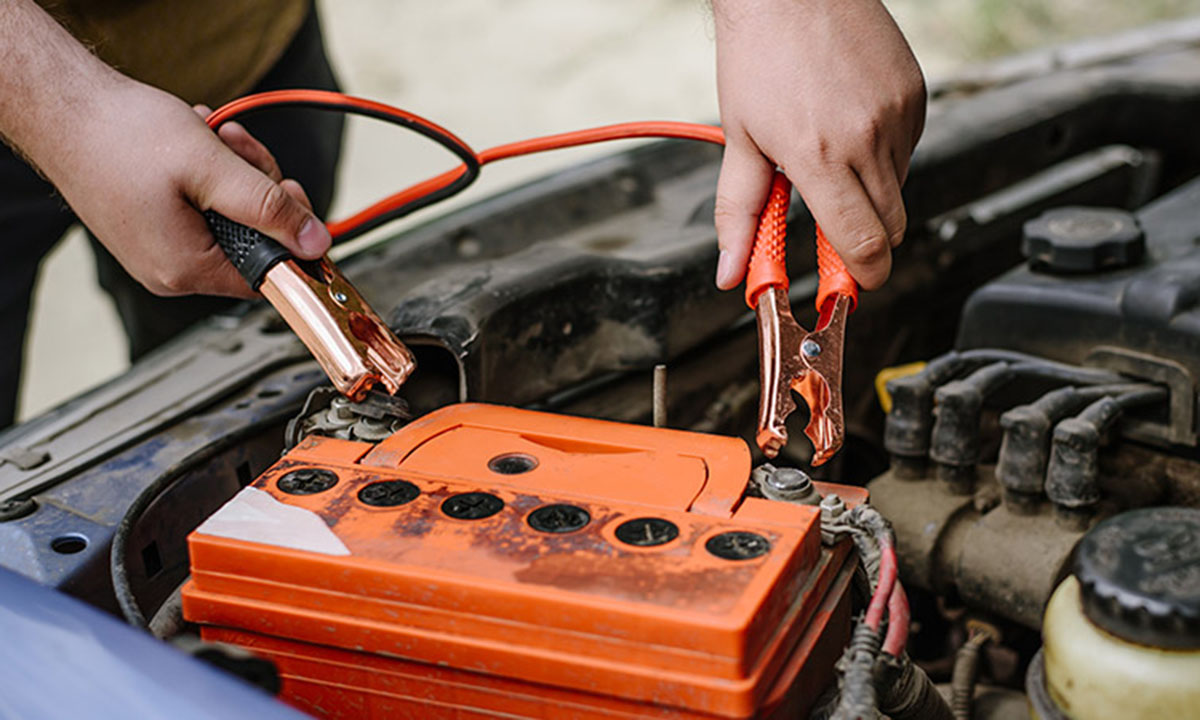
- Power and ground at the pump connector: If you have battery voltage during prime and crank but the pump does not run, the pump is highly suspect.
- Filter and restriction reality check: On older vehicles with a serviceable filter, a neglected filter can starve the engine. On many newer vehicles, the filter and regulator are in the tank, so the fix may not be a simple filter swap.
- Regulator issues: On return-style systems, a stuck-open regulator can dump pressure back to the tank.
6) If pressure is good
At this point, the engine has fuel available, but it may not be injecting it.
- Quick smell check: After several start attempts, do you smell fuel at the tailpipe? No smell can support a no-inject condition.
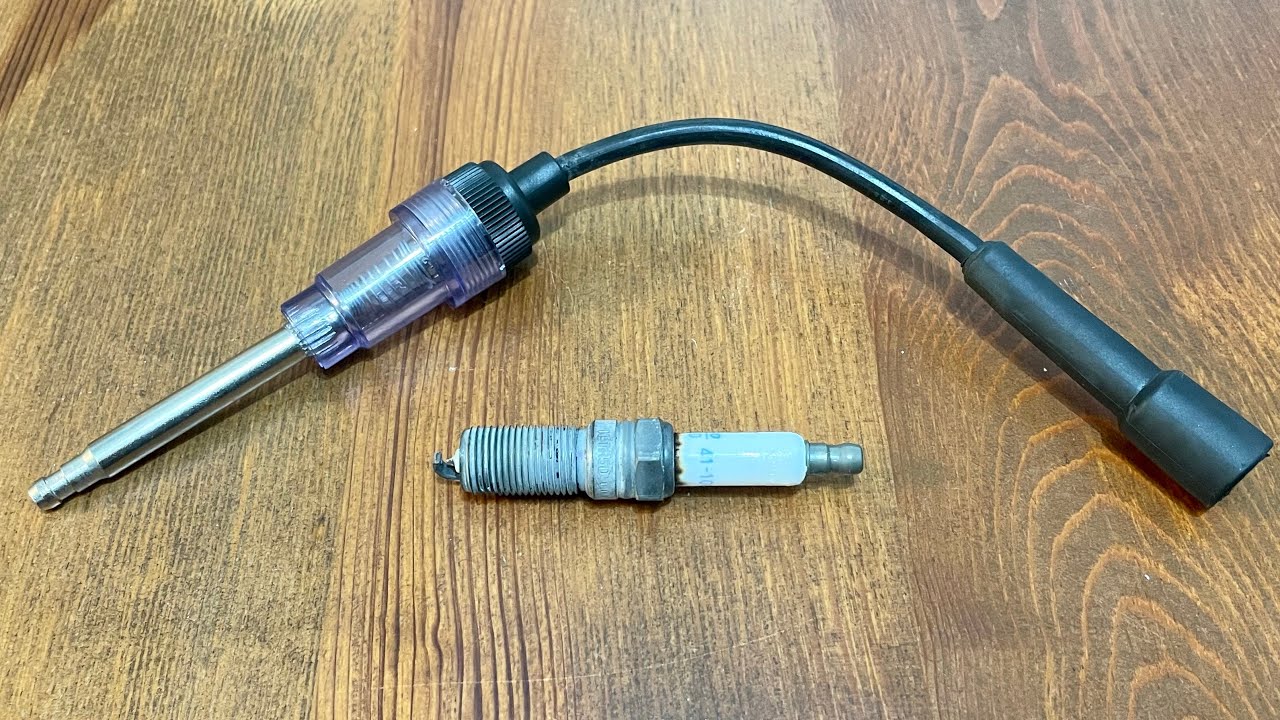
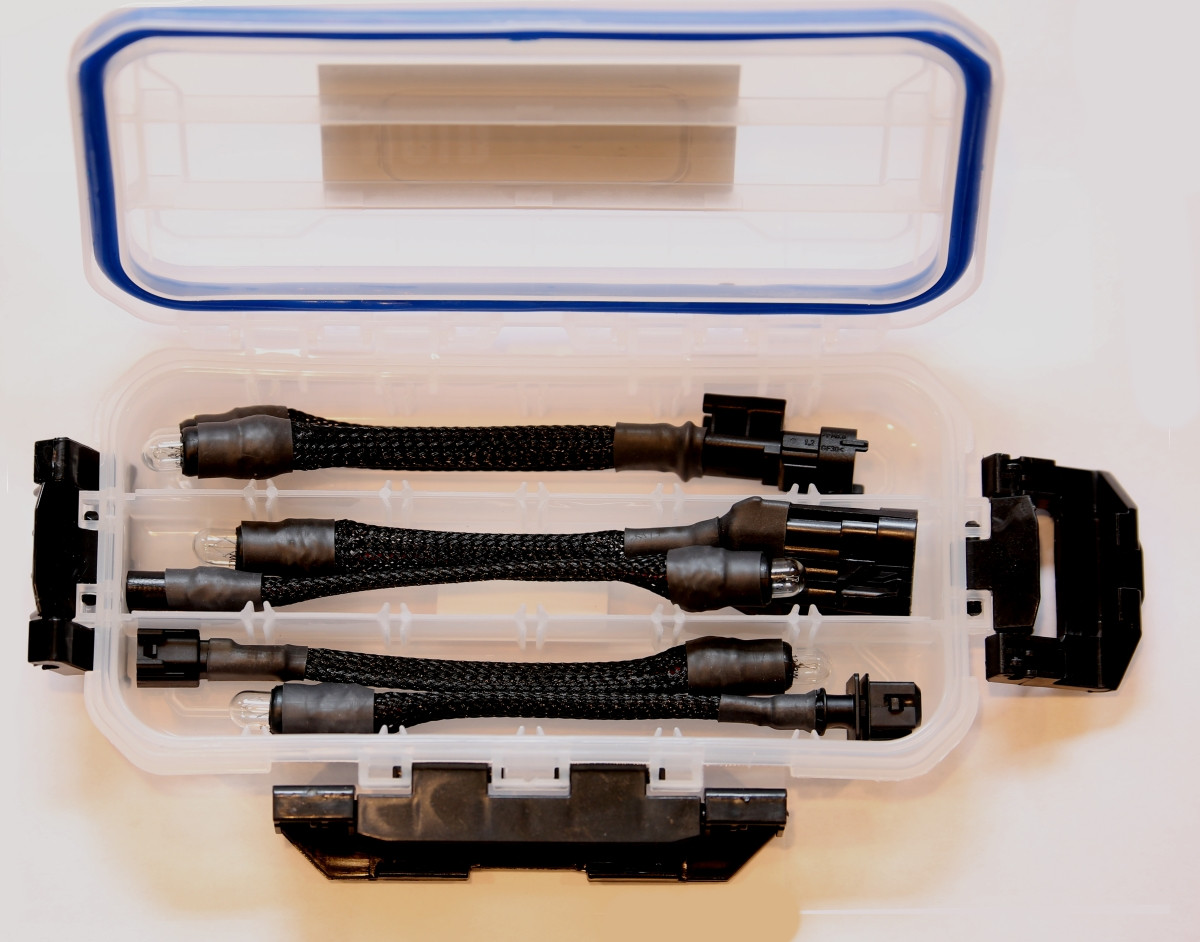
- Noid light test: Unplug an injector connector and plug in a noid light. Crank the engine. A flashing noid light indicates the ECU is pulsing the injector circuit.
- No pulse: Common culprits include anti-theft immobilizer intervention, crank sensor or cam sensor signal issues (the ECU may not fire injectors without an RPM signal), wiring damage, or ECU driver faults.
7) If you have injector pulse
If the ECU is commanding fuel but the cylinders stay dry, injectors can be clogged or stuck, especially after long storage or with contaminated fuel.
- Stuck injectors sometimes respond to professional cleaning or replacement.
- Water in fuel can create a no-start that starting fluid temporarily masks. A fuel sample from the rail or tank can reveal separation.
8) Quick air check for MAF systems
If you are getting good fuel pressure and injector pulse but it still dies, take a hard look at the intake plumbing.
- Check the intake boot between the MAF and throttle body for tears or hoses that popped off.
- Look for giant vacuum leaks that would make the engine too lean to idle. Starting fluid can briefly hide a lean condition, then it dies as soon as that extra fuel is gone.
Common causes
Failed fuel pump
Often no prime sound, zero fuel pressure, and the car may have died while driving earlier. Some pumps fail gradually and show low pressure first.
Restricted filter or pickup
More common on older vehicles with serviceable external filters, but restrictions still happen in modern tanks too (pickup sock, debris, collapsed lines). Restrictions can cause low pressure or enough pressure to start but not enough flow to keep running.
Bad relay or wiring
Intermittent no-starts are common. Sometimes the car starts when cold, then will not restart hot, or it starts after tapping the relay area. Testing beats guessing here.
Anti-theft cutting injectors
Many systems allow cranking but disable injectors. You may see a security light flashing, or a message on the dash. If fuel pressure is normal but there is no injector pulse, this jumps up the list.
Crank sensor signal problem
You can get a brief pop on starting fluid and still have the ECU refuse to keep fueling without a reliable RPM signal. If you have no injector pulse and an RPM needle that never moves while cranking (on cars that display it), it is worth investigating.
Stuck-open EGR or massive air leak
These can cause a start-and-die that looks like fuel trouble. If pressure and injector pulse are good, widen the net to air and EGR faults.
Do and do not
Do
- Use starting fluid only as a short diagnostic burst.
- Verify fuel level with added known-good fuel if unsure.
- Scan for codes early, then verify fuel pressure with a gauge if possible.
- Check for injector pulse with a noid light if pressure is good.
- Inspect intake boots and vacuum lines if pressure and pulse are present.
Do not
- Keep spraying starting fluid repeatedly to “make it run.”
- Assume a new part fixed it without confirming pressure and pulse.
- Open fuel lines without relieving pressure and protecting your eyes.
- Probe or loosen high-pressure direct injection components without proper equipment.
When to call for help
If you have no fuel pressure and you are not comfortable testing power and ground at the pump, it is reasonable to hand it off. Same deal if you have good pressure but no injector pulse, because that can turn into security system diagnostics or oscilloscope work on crank and cam signals.
A good independent shop can usually diagnose this faster than you can swap parts, and it is often cheaper in the long run.
FAQ
Does starting fluid mean my spark plugs and coils are good?
It means you have enough ignition to light starting fluid, which is easier to ignite than gasoline. Ignition can still be marginal, but this test points you toward fuel and fuel control first.
Can a clogged catalytic converter cause it to run only on starting fluid?
A severely restricted exhaust can cause start-and-die or no-start symptoms, but the classic starting-fluid-only pattern most often traces back to fuel pressure, injector delivery, or injector command. If you have confirmed pressure and injector pulse, then you widen the net.
My car runs for 2 to 3 seconds on starting fluid. Is that normal?
That is typical. The engine is consuming the sprayed fuel, then dying when it has to rely on the car’s own fuel system.
Is it safe to spray starting fluid into the intake?
It is relatively common, but it is not safe in the way a normal repair is. Use minimal amounts, keep your face and hands clear, and avoid repeated attempts. Backfires happen.