If your engine revs climb but your car does not pick up speed like it should, it can feel like the vehicle is “thinking about it” before it finally goes. That sensation is what most drivers mean by transmission slipping. Sometimes it’s as simple as low fluid. Other times it’s an early warning that internal clutch material is wearing out.
Below I’ll walk you through the most common causes, the telltale signs, how to separate slipping from an engine problem, and what you can safely check at home before you commit to a repair bill.
What slipping means
A transmission’s job is to transfer engine power to the wheels through the right gear ratio. In an automatic transmission, that happens using hydraulic pressure, clutch packs, bands, and valves. When something cannot hold the selected gear properly, the engine can rev higher while the transmission fails to apply full power to the wheels. That’s a slip condition.
Common ways it shows up:
- Delayed engagement when shifting into Drive or Reverse
- RPM flare during an upshift (tach jumps up, then the shift “catches”)
- Feels like it pops out of gear or hunts between gears
- Loss of pull on hills or under moderate throttle
Signs of slipping
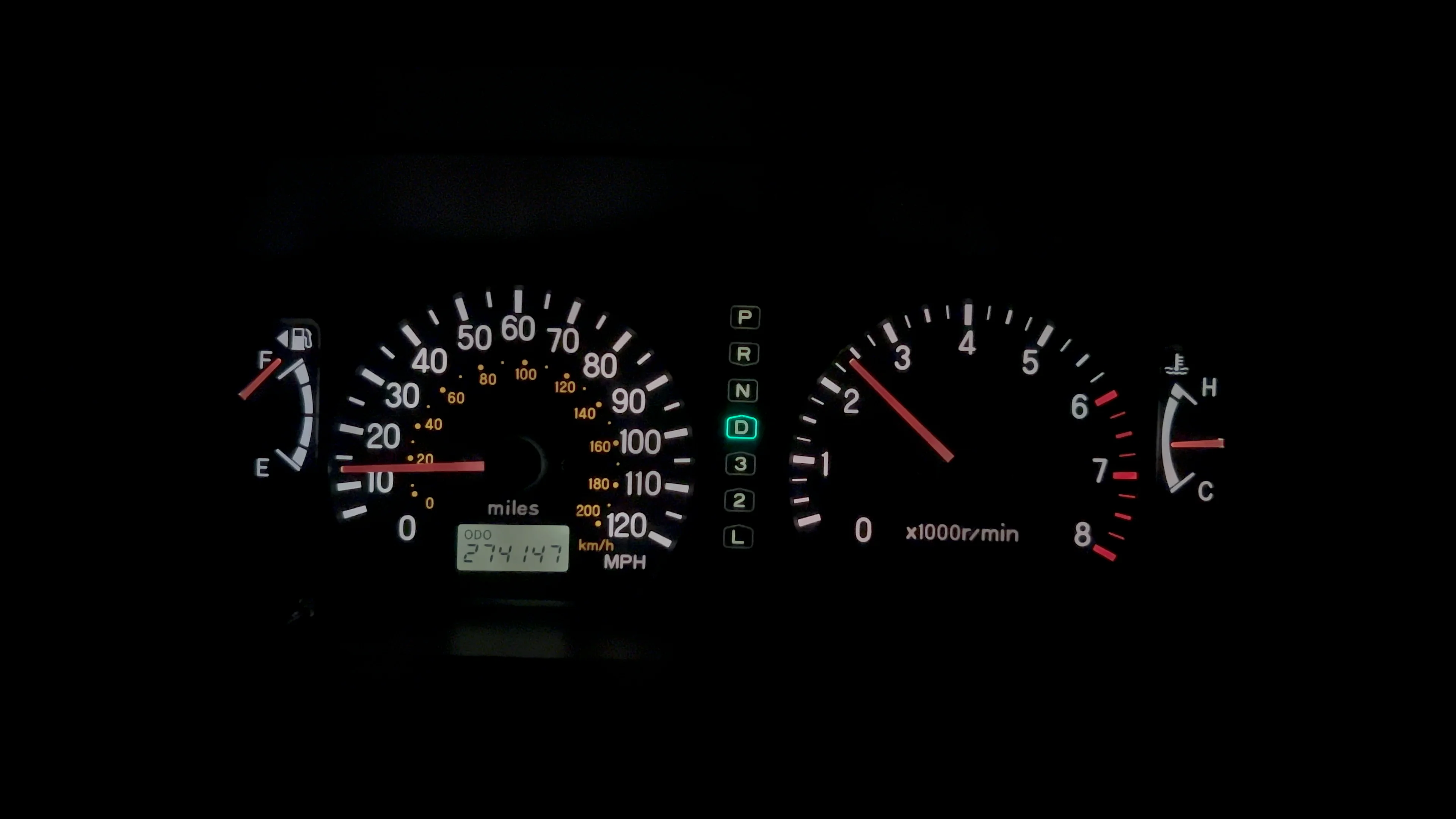
1) Revs rise without matching speed
This is the classic symptom. You press the gas, the tach climbs, but road speed does not follow in a smooth, connected way.
2) Hard shifts, delayed shifts, or shift flare
A flare is when the engine revs up between gears like the transmission let go for a moment.
3) Burning smell or dark fluid
Overheated automatic transmission fluid often smells sharp and burnt. The fluid may look darker than it should when compared to new fluid or the normal appearance for your OEM spec. Not every healthy fluid is red, so the best baseline is your owner’s manual, the correct fluid spec, or what fresh fluid looks like for your vehicle.
4) Warning lights
Many vehicles will trigger a Check Engine light for transmission-related faults because the transmission control system talks to the engine computer. Some cars also have a dedicated transmission or drivetrain warning.
5) Whining, buzzing, or unusual noises during shifts
Noises are not always present, but a failing pump, low fluid, or internal wear can create a whine that changes with gear selection.
Common causes
Low transmission fluid
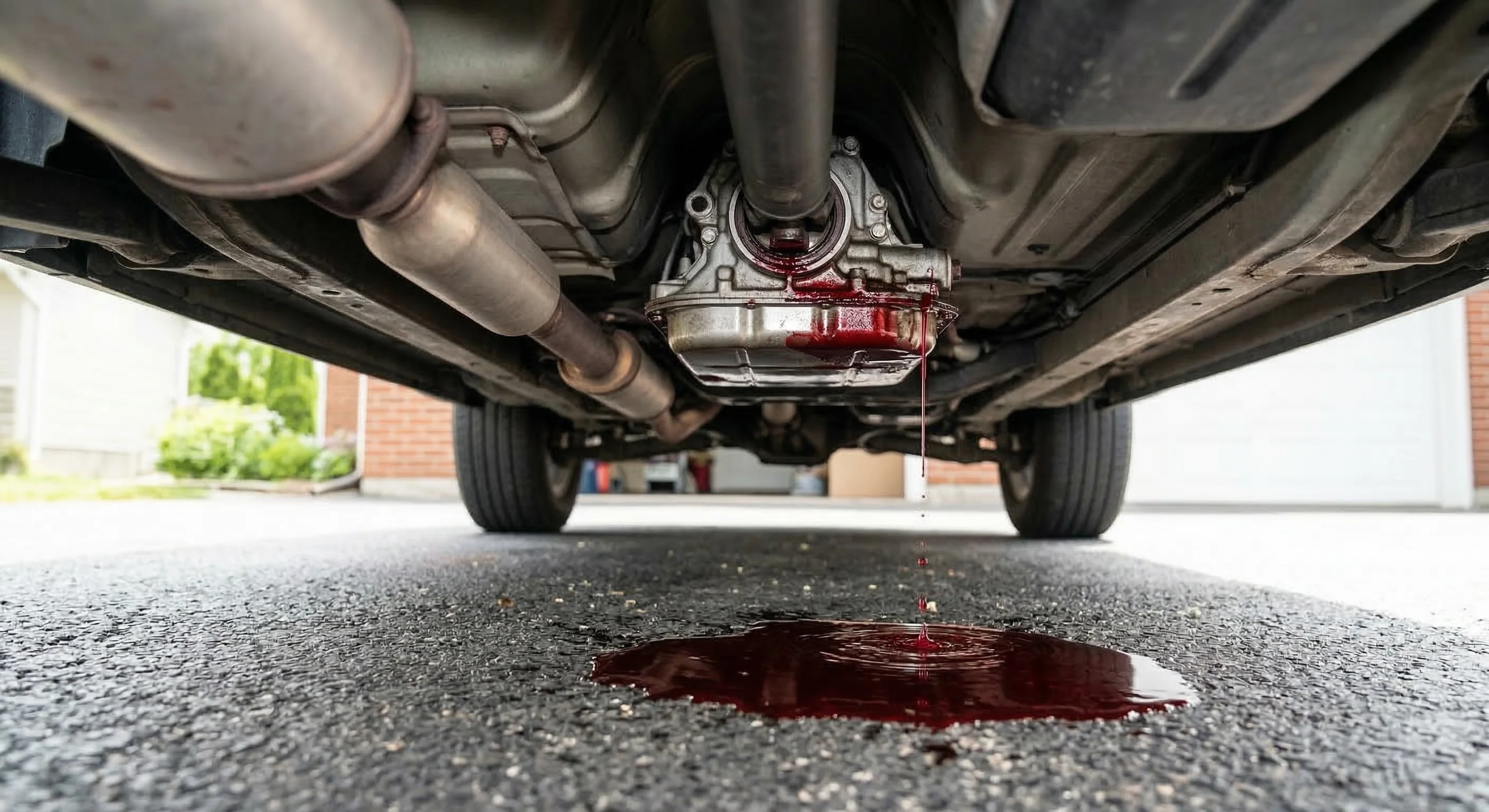
Automatic transmissions rely on hydraulic pressure. If fluid is low due to a leak or improper service fill, pressure can drop and clutches can slip.
- Why it happens: cooler line leaks, pan gasket leaks, axle seal leaks, radiator or cooler leaks, or simply not filled correctly after service
- Why it matters: low fluid can quickly overheat and damage clutch material
Old, burnt, or wrong fluid
Fluid does more than lubricate. It provides the friction characteristics needed for clutch engagement and it carries away heat. Old or overheated fluid can lose its ability to maintain proper pressure and friction. Using the wrong spec fluid can cause shift issues too.
Clutch pack or band wear (internal wear)
This is the “needs rebuild or replacement” category. As friction material wears down, slipping usually gets worse under load, especially in higher gears.
Solenoids or valve body issues
Modern automatics use shift solenoids to route hydraulic pressure. A sticking valve, clogged passage, or weak solenoid can cause delayed engagement, harsh shifts, or a slip-like feel.
Torque converter problems
A failing torque converter can cause shudder, overheating, poor acceleration, or RPM behavior that mimics slipping. Some vehicles also have a torque converter clutch that can slip when it should lock up.
Overheating
Heat is one of the biggest transmission killers. Towing beyond the vehicle’s limits, stop-and-go driving in hot weather, or a restricted cooler can push temperatures up. Hot fluid breaks down fast, then slipping follows. If you tow, using Tow/Haul mode (when equipped) and staying within the rated limits helps.
Software or adaptive shift issues
Not the most common cause, but on late-model vehicles, a software update or a relearn procedure can sometimes resolve odd shift behavior that feels like slipping.
Manuals and CVTs
“Slipping” gets used as a catch-all, but it looks different depending on what you drive.
Manual transmission (clutch slip)
With a manual, the transmission itself is not usually “slipping.” The clutch is. A worn clutch can let engine RPM rise without the car accelerating, most noticeable in higher gears under load (like a hill in 4th or 5th). You may also notice a burning smell and a clutch pedal engagement point that has changed over time.
CVT behavior
CVTs can feel “rubber bandy” by design. Under acceleration, the engine may rev and stay high while the vehicle speed builds, even when everything is working normally. True CVT problems often come with warning lights, overheating messages, harsh engagement, whining, or a sudden change from its usual feel. If you suspect a CVT issue, correct fluid spec and diagnosis matter even more than usual.
Slip vs. low fluid vs. engine misfire
A lot of drivers come in saying “my transmission is slipping,” but the root cause is sometimes engine-related or even traction-related. Here’s how to separate the big three.
Slip feel
- Tach climbs smoothly (not jerky), but speed does not match
- Often happens during shifts or in a specific gear
- May improve or worsen with transmission temperature
Low fluid feel
- Delay going into Drive or Reverse, especially on the first start of the day
- Intermittent slip around turns or on inclines as fluid sloshes away from the pickup
- Often paired with visible leaks or a wet pan or lines
Engine misfire feel (often mistaken for slipping)
- Shuddering or bucking, like the engine is stumbling
- RPM may jump around, but it is usually accompanied by a rough feel and sometimes a flashing check-engine light
- Often shows up under load, and you may notice poor idle or a rough start
Quick sanity check: If the engine feels rough even when you are not shifting (like at idle or steady cruise), don’t assume transmission first. Misfires are common and can feel dramatic.
One more common mimic: Traction control can cut power or apply brakes when it senses wheel slip (snow, gravel, wet pavement), which can feel like “it revved but didn’t go.” If the traction light flashes when it happens, factor that in.
Safe at-home checks
You can learn a lot in 15 to 30 minutes at home. The goal is not to “fix” a failing transmission in the driveway, but to catch the easy stuff early and avoid making it worse.
Safety first: Work on level ground, set the parking brake, and keep hands, clothing, and tools clear of belts and fans. If you need to look underneath, use proper jack stands. Do not crawl under a running vehicle.
1) Look for leaks
- Check the ground where you park for fresh drips.
- Look around the transmission pan, cooler lines, and where axles enter the transmission.
- Transmission fluid is often red or reddish-brown, but older fluid can be dark, and some OEM fluids are other colors.
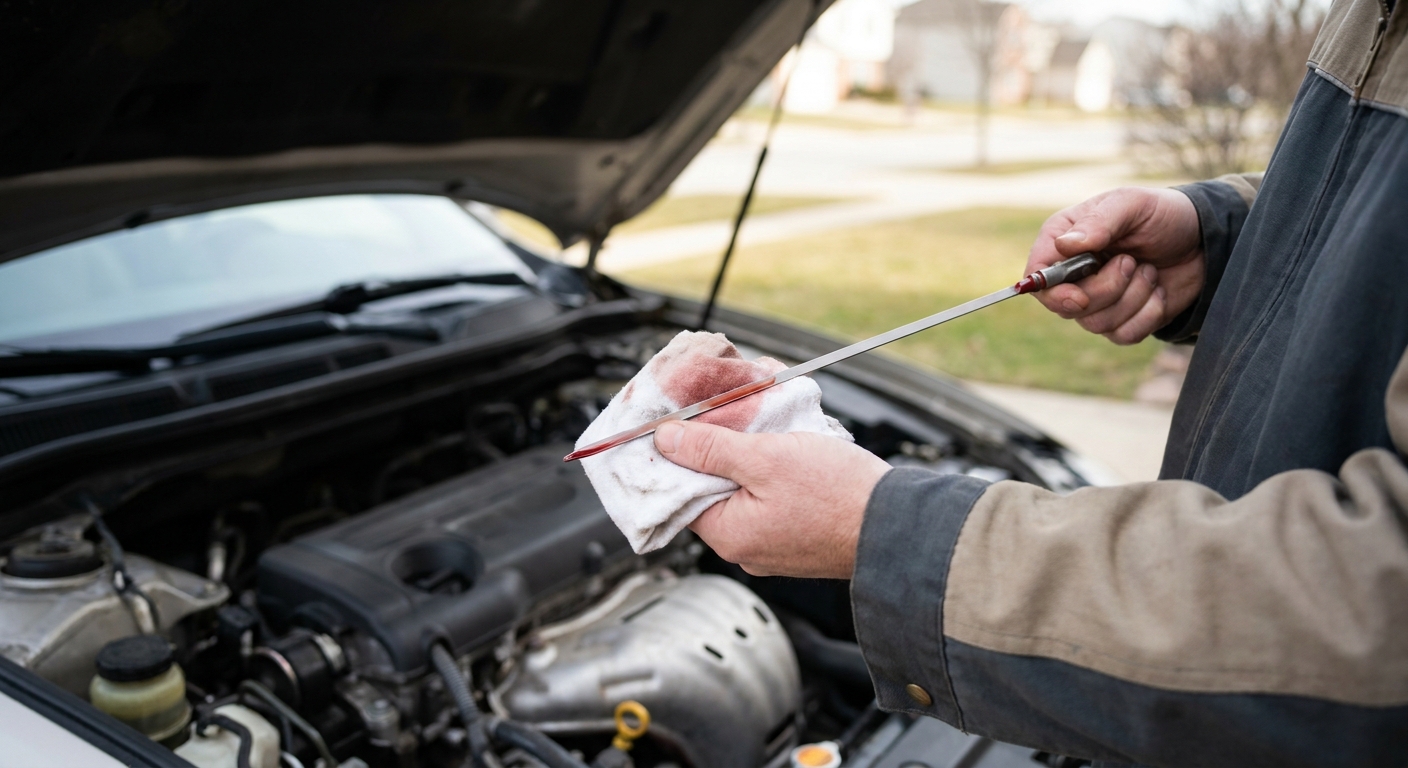
2) Check fluid level (only if your vehicle has a dipstick)
Many newer vehicles do not have a traditional dipstick. If yours does, follow the procedure in your owner’s manual because it matters whether the car should be running, warm, and on level ground.
- Healthy level: within the marked range
- Too low: can cause delayed engagement and slip
- Too high: can foam and cause pressure problems
If it’s low and you do not know what fluid spec it takes, pause and look it up by VIN or manual. “Transmission fluid is transmission fluid” is how expensive mistakes happen.
3) Check fluid condition
- Color: compare to what is normal for your fluid type or what new fluid looks like for your spec
- Smell: burnt odor suggests overheating and clutch wear
- Debris: sparkly metallic sheen is a bad sign
4) Pay attention to when it happens
Make a quick note:
- Only on cold start, or only once warm?
- Only on the 2-3 shift, or only in overdrive?
- Only under heavy throttle or also under light throttle?
This information is gold for a shop diagnosis.
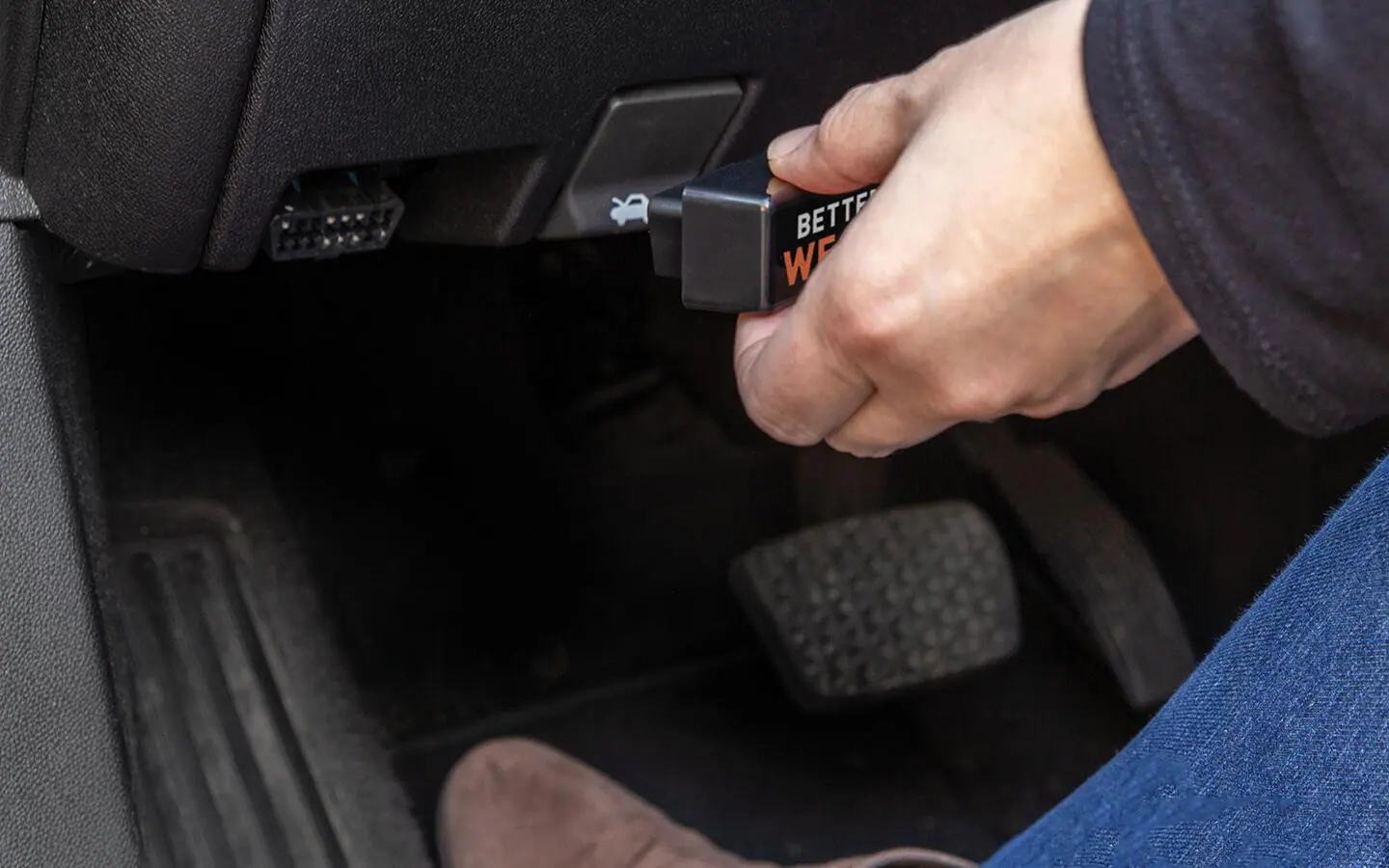
5) Scan for codes (if you have a scanner)
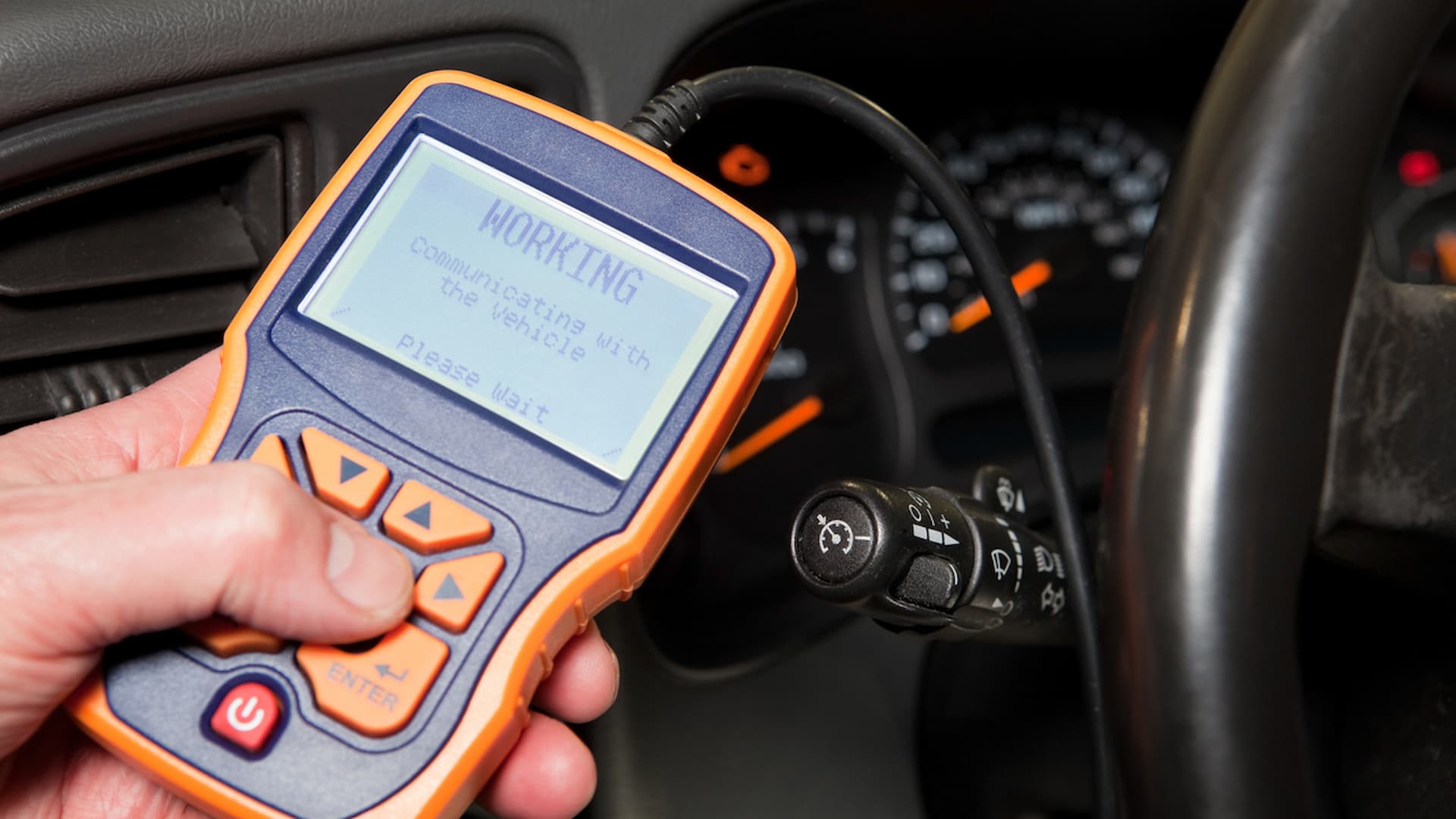
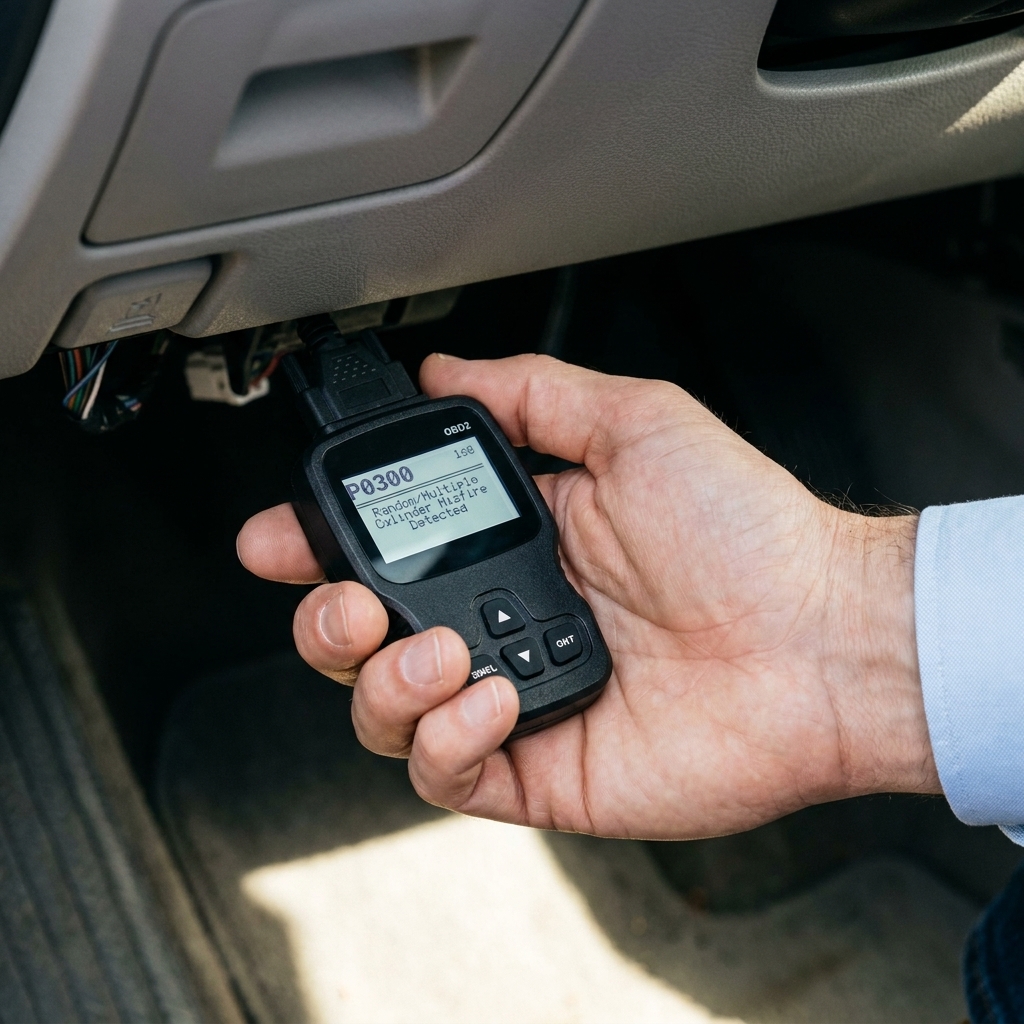
A scanner can pull powertrain codes, but how much you see depends on the vehicle and the tool. Many basic readers will show generic OBD-II codes, while enhanced transmission codes may require a better scan tool or a shop-level scanner. Either way, codes do not automatically mean “replace the transmission,” but they can point toward solenoids, speed sensors, pressure control, or misfire issues.
Minor or major?
More likely minor (but don’t ignore it)
- Fluid is slightly low, fluid seems normal for its spec, and symptoms started recently
- There is an obvious small leak you can address quickly
- A check-engine light points clearly to an engine misfire and the transmission behavior seems like a side effect
Next step: Correct the root cause and recheck. If you top off fluid to confirm symptoms, treat it as temporary, then fix the leak and verify the correct level and spec.
Needs professional attention soon
- Burnt-smelling fluid, very dark fluid compared to what your spec should look like, or repeated slipping after topping off
- Slipping in multiple gears or worsening rapidly
- Grinding noises, no movement in Drive or Reverse, or severe delays
- Transmission overheating warnings, limp mode, or flashing drivetrain messages
Next step: Get it diagnosed before continued driving turns a repairable problem into a full replacement.
Stop driving and tow
- The car suddenly will not move reliably in Drive or Reverse
- You smell strong burning and see smoke
- You see a large fluid puddle forming quickly
What to do next
- Confirm the symptom: RPM rises without matching acceleration, or flare during shifts.
- Check for misfire clues: rough idle, shaking, flashing check-engine light.
- Check for leaks and fluid level if your vehicle allows it.
- Scan codes if possible.
- Book a diagnosis if fluid smells burnt, the level is correct but symptoms continue, or the behavior is severe.
If you’re heading to a shop, bring your notes about when it happens and whether it is worse hot or cold. That can save diagnostic time and money.
FAQ
Can slipping be fixed by adding fluid?
If the only problem is low fluid, topping up to the correct level can improve symptoms quickly. But low fluid usually means a leak, and driving while low can cause permanent damage. Use the correct fluid spec and fix the leak.
Will a flush fix slipping?
Fresh fluid can help if the issue is degraded fluid or minor control problems, but it is not a cure for worn friction material. On high-mileage or already-worn units, a flush may not help and sometimes failure happens soon after, even if the transmission was already on its way out. Many shops prefer a drain-and-fill first, then reassess symptoms.
Is it safe to drive with a slipping transmission?
Short trips to a repair facility might be possible if it is mild, but continued driving can quickly overheat fluid and destroy clutches. If it slips badly, goes into limp mode, or you lose drive intermittently, towing is the safer and often cheaper option.
Can cold weather cause slipping?
Cold can make shifting feel sluggish until fluid warms up, but it should not feel like persistent slipping. Cold-only symptoms can point to low fluid, thickened old fluid, or pressure control issues.