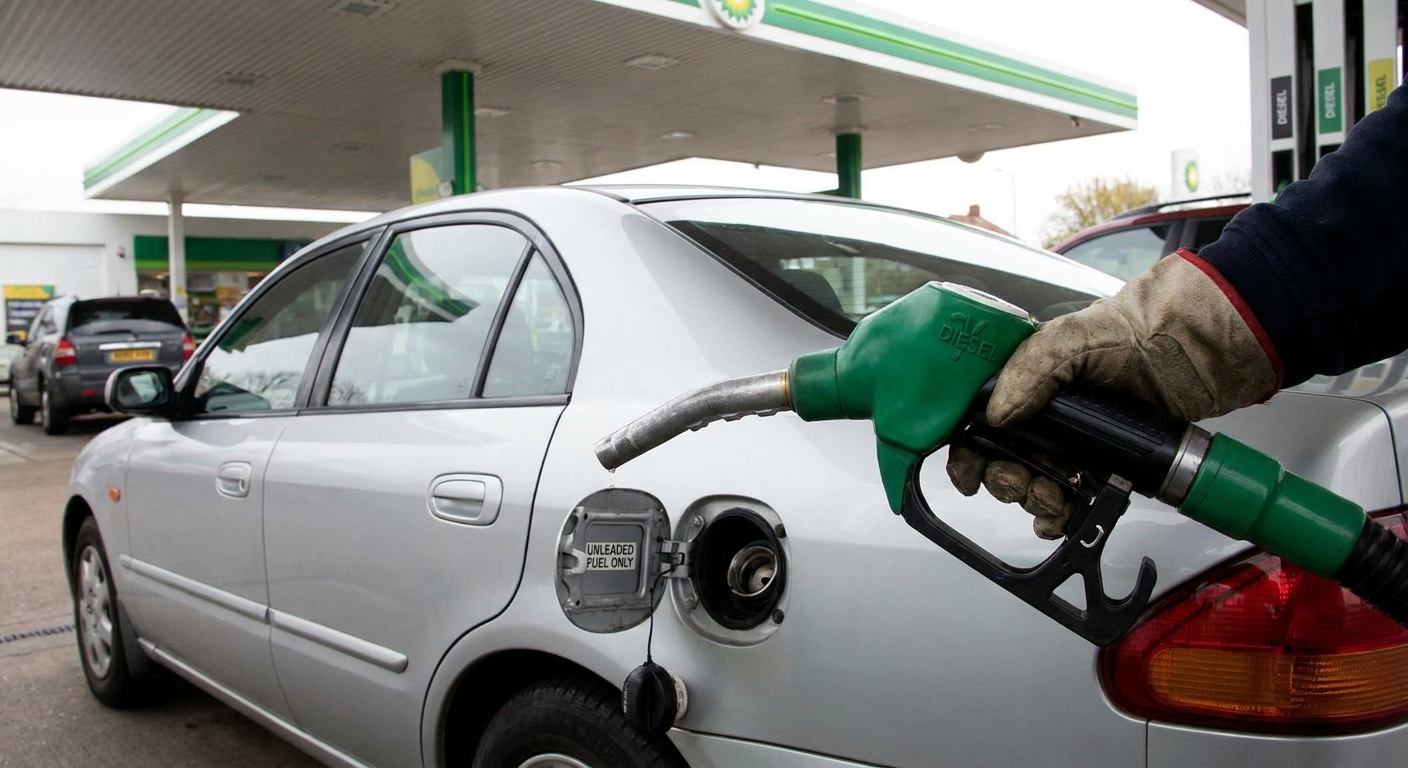
I have seen a lot of honest mistakes in my years as a mechanic, and misfueling is one of the more common ones. If you put diesel in a gasoline car, treat it like an emergency for your fuel system. The best-case scenario is you caught it early and only need the tank drained. The worst-case scenario is you keep trying to start it and end up paying for a lot more than a tow.
Here is the headline advice: do not keep cranking the engine, do not try to “dilute” a mostly full tank with gasoline, and arrange to have the fuel drained before the engine is run.
This guide is specifically for diesel accidentally added to a gasoline vehicle, not the other way around.
Stop now: the first 5 minutes matter
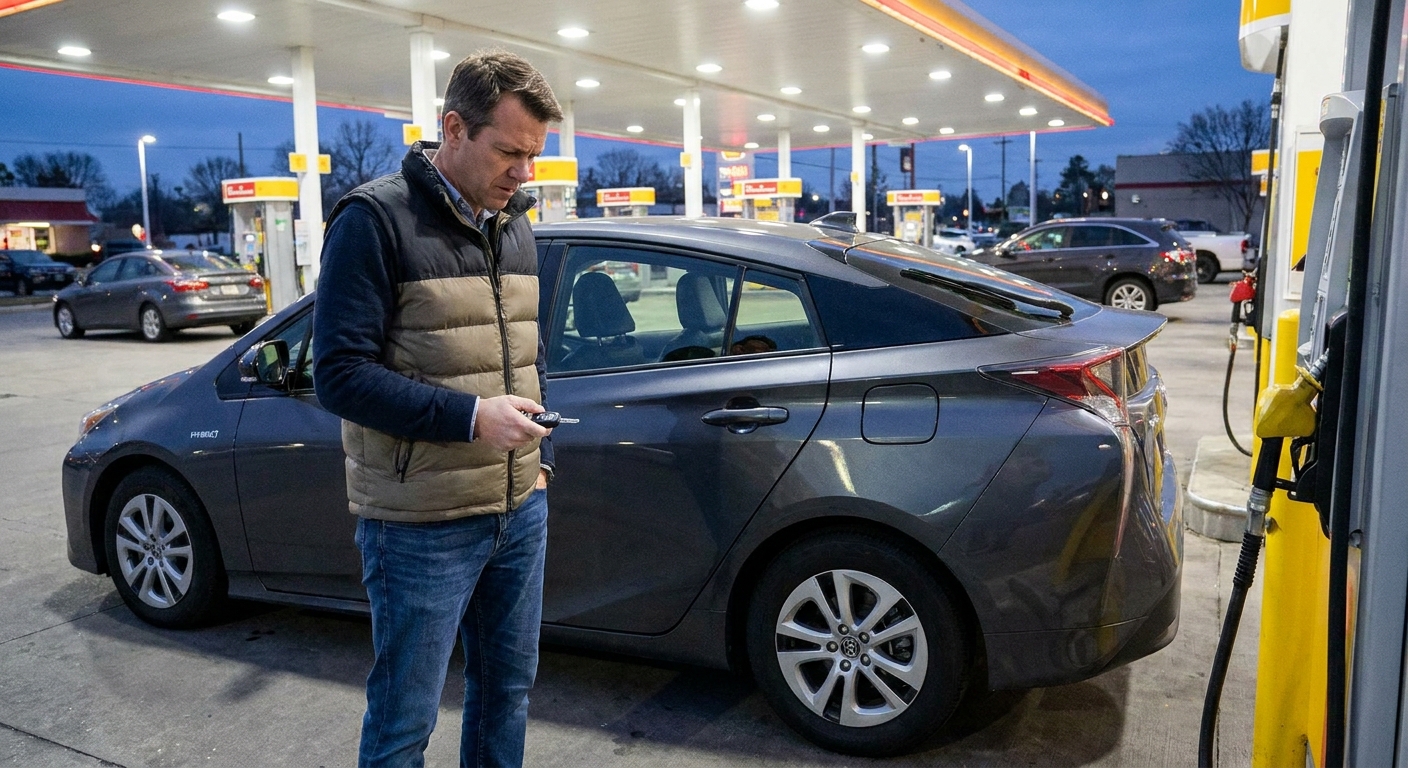
If you are still at the pump, you can prevent most of the damage just by stopping the process before diesel gets pushed through the system.
If you have not turned the key on
- Do not start the car.
- Do not turn the key to ON (or press the start button without your foot on the brake) “just to check.” Many cars prime the fuel pump as soon as the ignition is switched on.
- Fire safety first. Shut the fuel door, keep the area clear, and do not attempt siphoning at the station. Follow station instructions.
- Push the car out of the way only if it is safe, allowed, and you have help. Otherwise, leave it where it is and get assistance from station staff.
- Call for a tow to a shop that can drain and refill the tank, or a mobile misfuel service if available in your area.
If you did start it, even briefly
- Shut it off immediately.
- Do not restart it “to see if it clears up.”
- Arrange a tow. At this point diesel may have moved from the tank into the pump, lines, rail, and injectors, depending on the vehicle design and how long it ran.
If you are wondering what “counts” as starting: if the engine ran for even a few seconds, assume there is a real chance the wrong fuel has been pulled forward into the system.
Why diesel in a gas car is such a problem
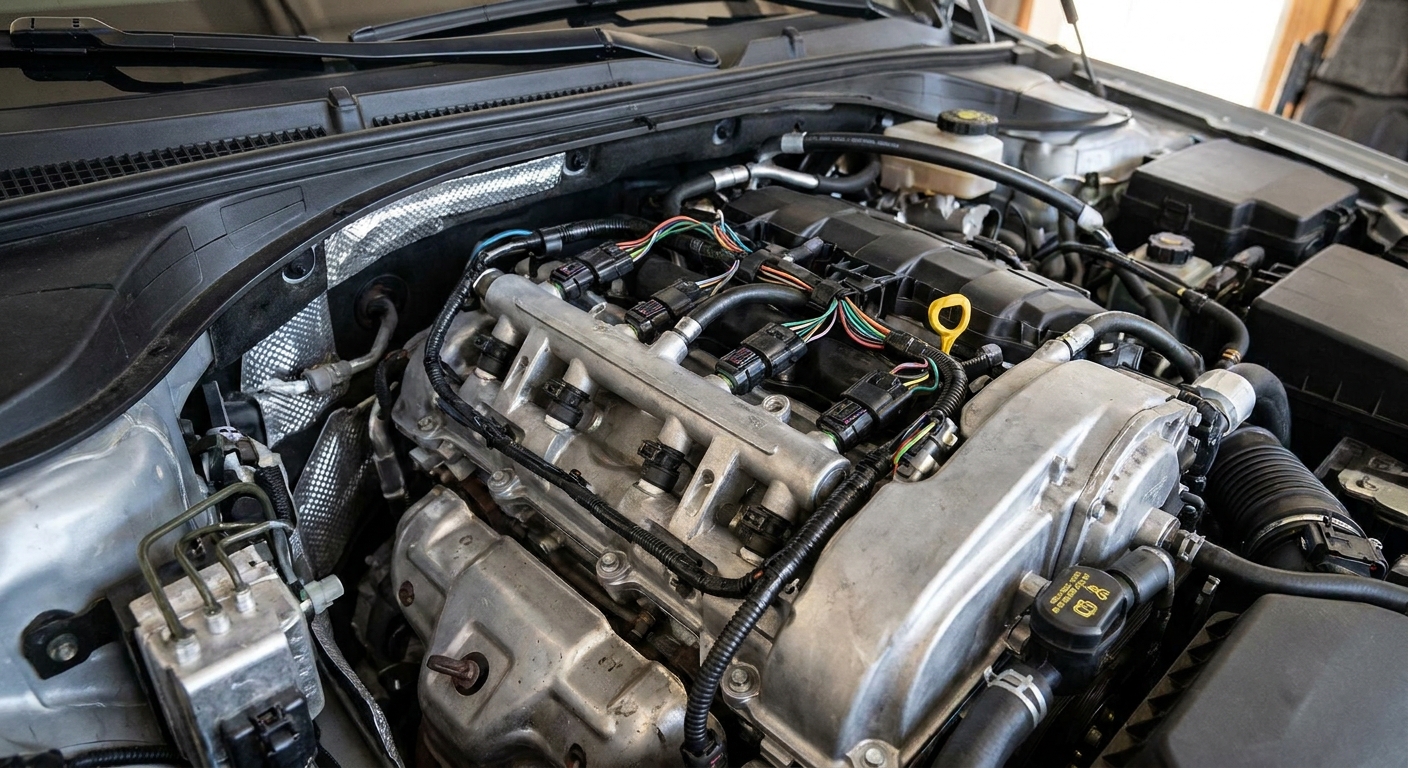
Gasoline engines are designed to vaporize gasoline and ignite it with a spark. Diesel is heavier and does not atomize and burn the same way under normal gasoline-engine conditions. When diesel gets into a gasoline engine:
- It can foul spark plugs and make the engine misfire or refuse to start.
- It can contaminate injectors and fuel system components, leading to poor spray pattern and drivability issues.
- It can overwhelm the catalytic converter if the engine runs rich and misfires, sending unburned fuel into the exhaust.
That last point is why I get so firm about not cranking it repeatedly. A few extended crank attempts can turn a simple “remove contaminated fuel” job into “spark plugs, an oil change if fuel washdown is suspected, and hope the catalytic converter survives.” Ignition coils are not a typical direct casualty here, but sustained misfire can stress ignition parts in general.
Do not dilute a full tank with gasoline
A common instinct is to think, “If I top it off with gasoline, it will be fine.” That sometimes works in very specific cases where the contamination is truly tiny, the tank is already mostly gasoline, and the vehicle is not run into a misfire. But it is not the right play when you have put a meaningful amount of diesel into the tank, especially if the tank is now half-full or more of the wrong mix.
If you want a simple rule of thumb: if it was more than a splash, or you are not sure how much went in, treat it as a drain-and-refill situation. Modern fuel and emissions systems do not leave much room for guessing.
Here is why dilution is risky:
- You cannot control the final mix well enough to protect the system, especially with modern direct injection and tight emissions controls.
- The contaminated fuel still has to pass through everything on its way out: pump, lines, injectors.
- If it does not start, you are stranded anyway, except now the tank is even fuller of bad fuel, making draining messier and more expensive.
If you accidentally added a very small amount of diesel to a nearly full gasoline tank and have not turned the key on, a shop can advise you on whether removal is still needed for your exact car and ratio. But if you pumped a noticeable amount of diesel, assume you need the fuel removed.
The correct fix: drain the tank before the engine runs
The goal is simple: remove the contaminated fuel before the fuel pump sends it forward.
Depending on the vehicle, the shop may:
- Access the fuel tank through an access panel under the rear seat or cargo area, or by lowering the tank.
- Drain the tank using approved containers and equipment.
- Rinse or flush the tank with a small amount of fresh gasoline (not always necessary, but common when diesel contamination is significant).
- Purge fuel lines to move any contaminated fuel out before it reaches injectors.
- Replace the fuel filter if your vehicle has a serviceable one (many newer cars have the filter integrated into the pump module).
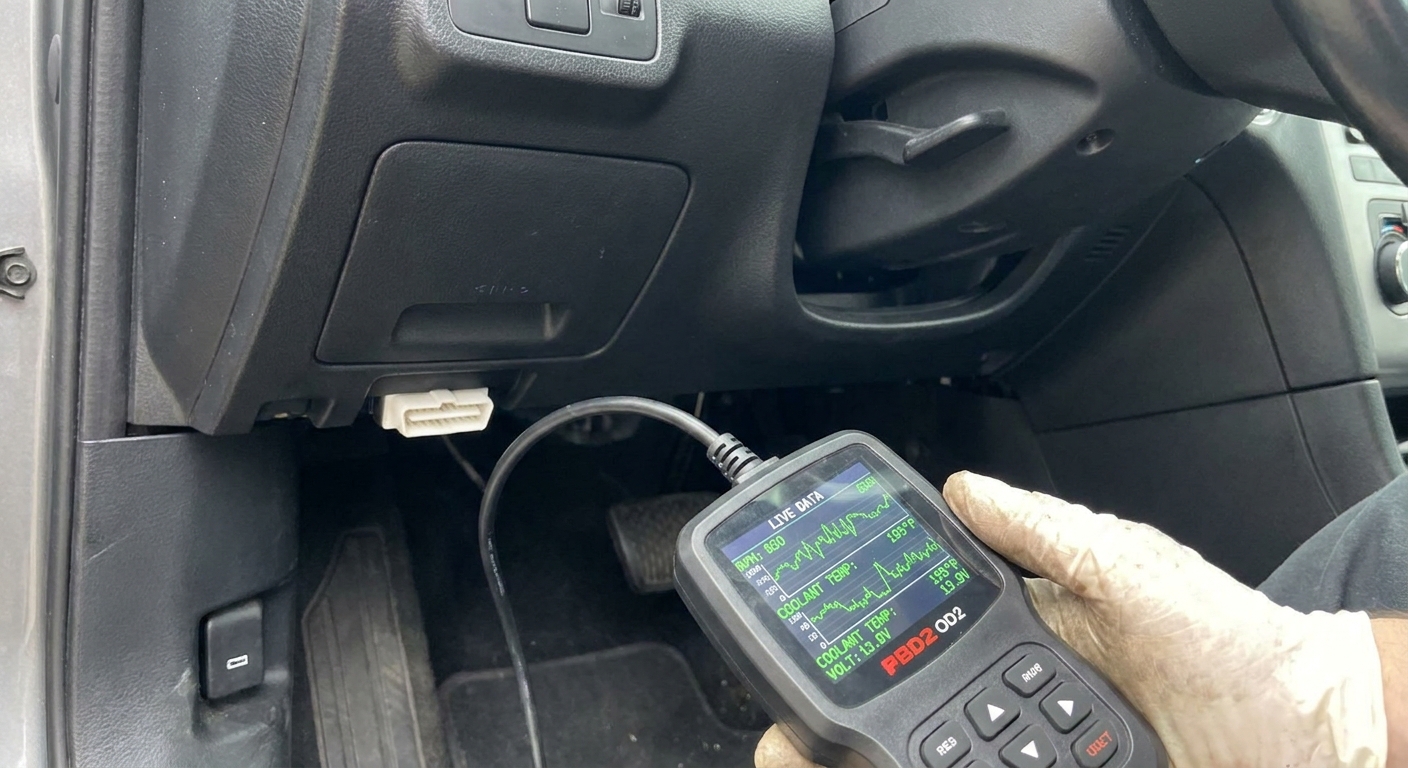
- Refill with fresh gasoline and verify pressure, trims, and misfire data.
If the car was started and ran, additional steps may include replacing spark plugs, changing the engine oil (if there is concern about fuel dilution), and checking for catalyst damage if misfire was severe.
One more practical note: the drained fuel needs to be handled and disposed of properly. Most shops and mobile services have the right containers and disposal process. That is another reason this is usually not a great DIY job.
What it feels like when a gas car gets diesel
Symptoms depend on how much diesel was added and whether the engine actually ran on it.
- Right away: hard start, rough idle, misfires, stumbling on throttle.
- After a short drive: loss of power, bucking, stalling, check engine light flashing (misfire).
- No-start condition: cranks normally but will not fire because the fuel is not atomizing and burning properly.
If you get a flashing check engine light while it is running poorly, shut it down. A flashing light usually indicates an active misfire that can damage the catalytic converter.
How much damage did you do?
Best case
You caught it before turning the car on. Usually this is a drain, refill, and maybe a quick line purge. Annoying, but not catastrophic.
Middle case
You started it, it ran rough for a moment, then stalled. Now the diesel may be in the lines and rail. Still very fixable, but the shop will likely flush more thoroughly and may recommend spark plugs if misfiring was severe.
Worst case
You drove it for miles trying to “get home.” Now you are risking plug fouling, catalyst damage, and overheating from severe misfire. This is where costs climb quickly.
Not every no-start after a fill-up is bad fuel
A lot of drivers end up chasing answers after a fill-up because the timing is suspicious. But not every “won’t start after getting gas” is contaminated fuel.
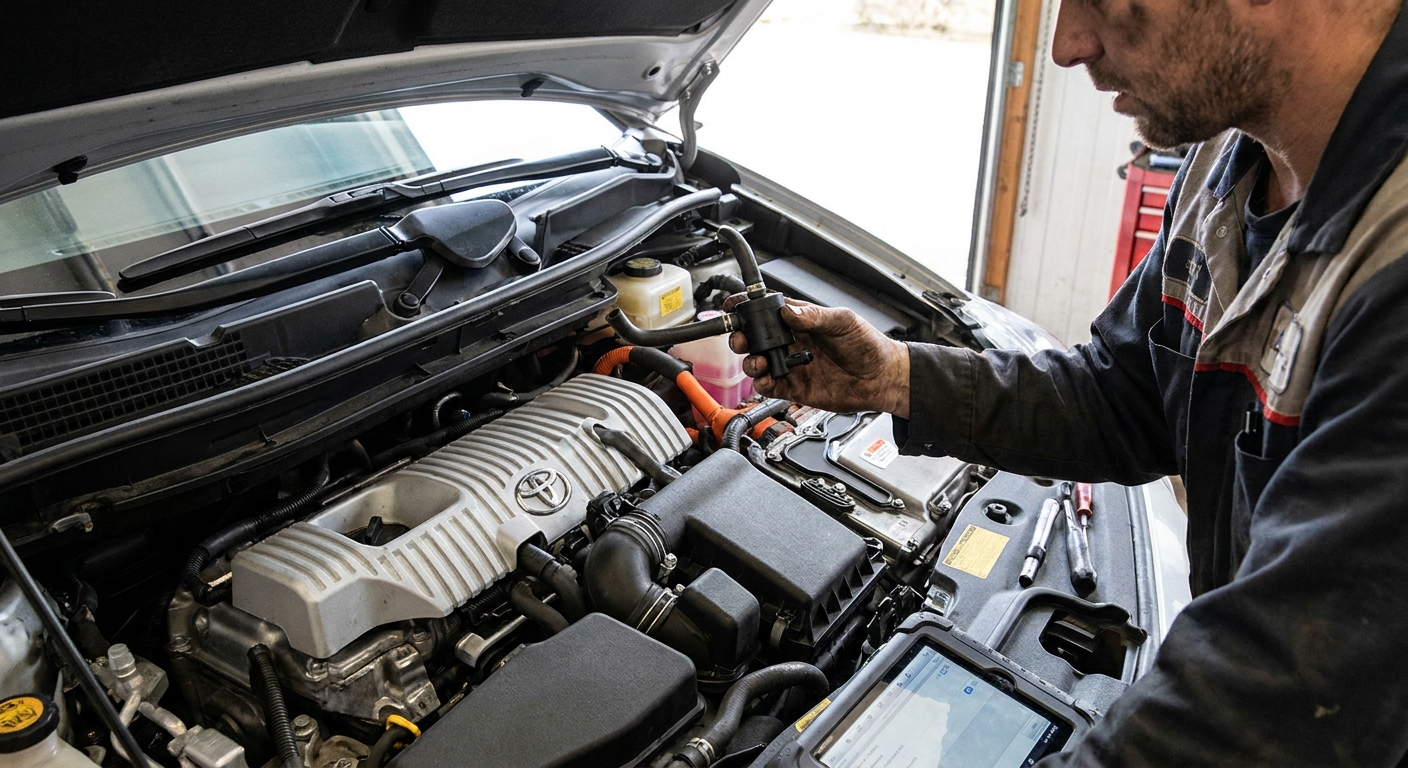
There is a very specific, very common gasoline-car issue that can show up right after a normal fill-up: an EVAP purge valve (also called a purge solenoid) sticking open.
What a purge-valve no-start looks like
- You filled up with the correct gasoline.
- The engine cranks but will not start, or it starts and immediately stalls.
- Sometimes holding the gas pedal slightly open helps it start.
- You may smell fuel vapor.
- You may see codes such as P0496 or P0441 (varies by vehicle and failure mode).
What is happening is the purge valve allows too much fuel vapor into the intake at the wrong time, effectively flooding the engine with vapor. It is frustrating, but it is not the same as diesel contamination. A purge valve problem is an air and vapor management issue. Diesel in the tank is a wrong-fuel issue, and the fix starts with removing the bad fuel, not cranking longer.
What to tell the tow truck driver or shop
Clear communication saves time and prevents someone from accidentally trying to start it again.
- Say: “Diesel was put into a gasoline vehicle. Please do not start it.”
- Tell them approximately how many gallons went in.
- Tell them whether you turned the key on or started the engine, even briefly.
- If you have the receipt, keep it. It helps confirm what was pumped.
Common questions
Can I siphon it out myself?
Sometimes, but many modern cars have anti-siphon features in the filler neck. Even if you can siphon, it is easy to make a mess, create a fire hazard, or still leave enough contaminated fuel in the tank and lines to cause problems. If you are not set up to store and dispose of fuel properly, call a shop.
What if I only put a little diesel in?
If it was truly a small splash into a mostly full gasoline tank and you have not turned the key on, a shop may advise you based on your specific vehicle and the estimated ratio. But if you are unsure of the amount, or the tank is not mostly gasoline, the safe play is still to remove the contaminated fuel.
Will it ruin my fuel pump?
Diesel has more lubricity than gasoline, so in many cases the pump is not the first victim on a gasoline car. That said, gasoline pumps are not designed for running diesel long-term, and pushing contaminated fuel through the system can still stress the pump and clog the rest of the system. The bigger concerns are poor combustion, misfires, fouled plugs, and catalyst stress if the engine is run.
How much does it cost to fix?
It varies widely by vehicle and by whether it was started. A straightforward drain and refill is often the lower-cost outcome. Once you add towing, extensive flushing, new plugs, and potential emissions-related fallout, costs can climb quickly. The cheapest move is stopping early.
The simple takeaway
If diesel went into your gasoline car, do not crank it, do not try to dilute it, and get the contaminated fuel removed before the engine runs. If you caught it early, you will likely walk away with a bruised ego and a smaller bill. If you keep trying to start it, that is when the damage and cost start stacking up.
If you want, tell me your year, make, model, and about how much diesel went in, plus whether the key was turned on or the engine started. I can walk you through what the shop will likely do next.