I have seen plenty of scary engine problems over the years, but a true diesel runaway is in a different league. This is not the “keeps running after you turn the key off” situation. A runaway diesel is an engine that is feeding itself on oil, overspeeding hard, and it may not respond to the key at all. If you ever hear a diesel suddenly flare to a high rpm with thick smoke and the revs climb on their own, treat it like an emergency.
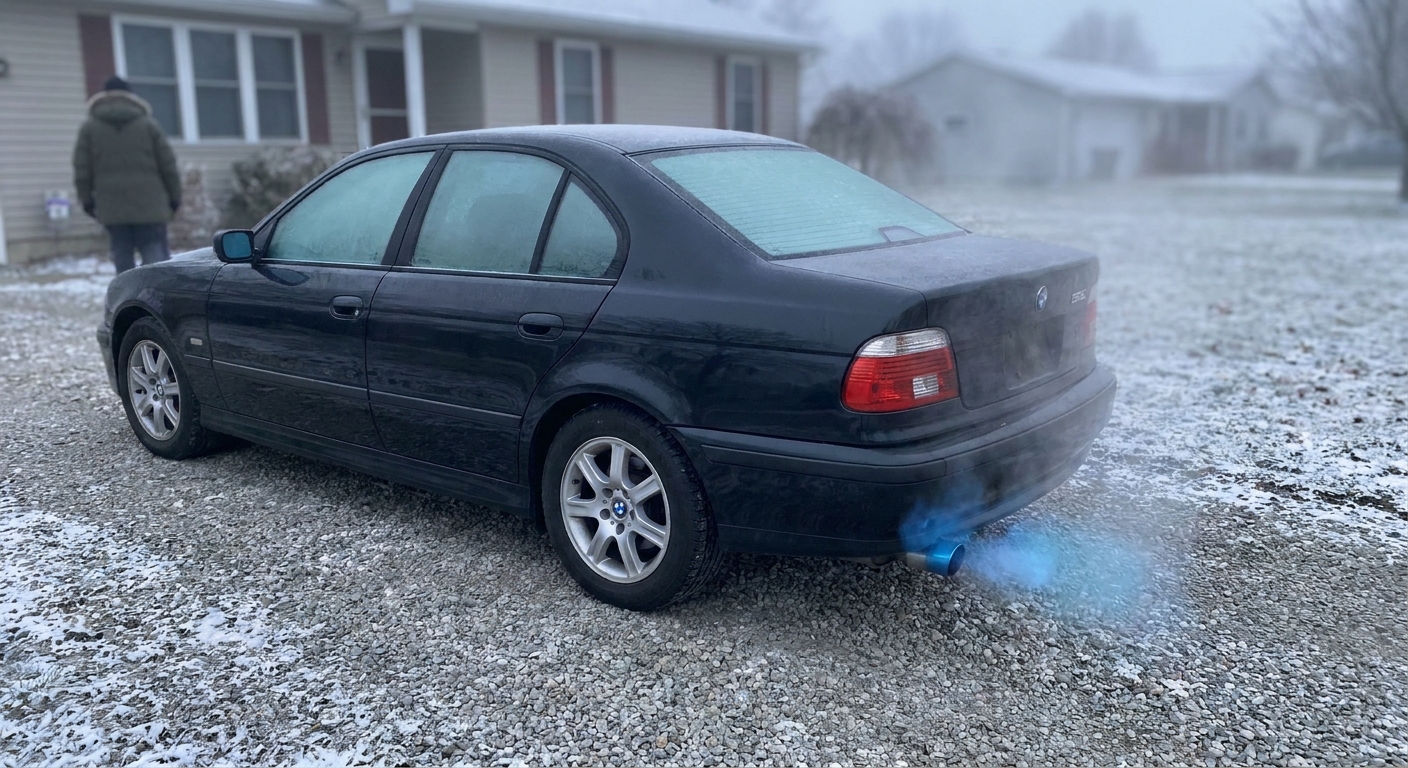
Quick recognition: uncontrolled rpm surge plus heavy white-gray or blue smoke, and key-off does not bring it down.
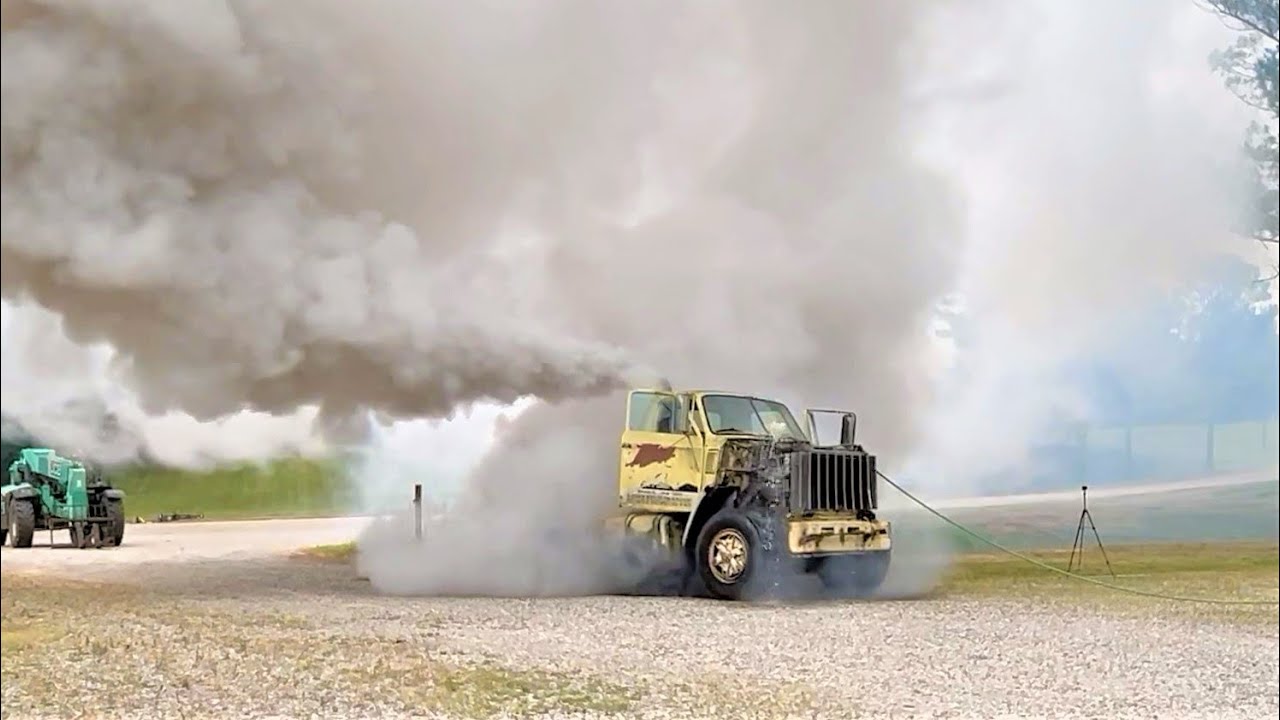
What a diesel runaway is
A diesel engine normally controls power by controlling fuel. The throttle plate does not meter air the same way a gasoline engine does. That matters because if a diesel finds another fuel source, it can keep accelerating even if you cut the normal diesel fuel supply.
Diesel runaway is when the engine begins burning engine oil (or another hydrocarbon) as fuel, usually through the intake system. Once it starts, it can rev higher and higher until something gives: turbo failure, valve train damage, a thrown rod, or catastrophic engine destruction.
This is different from:
- Run-on (sometimes called “dieseling” on gas engines): an engine that idles or sputters after key-off because of ignition or fuel shutoff issues.
- High idle: a diesel that is simply idling high due to a sensor or control issue. It still responds to shutdown normally.
A runaway often comes with a sudden surge in rpm, heavy smoke, and a sound that goes from normal to alarming in seconds.
Your priorities
If a diesel is running away, your job is not diagnosis. Your job is to protect people first, then attempt shutdown only if it can be done safely.
1) Get people away and stay clear of the front
If the hood is open, step back. If the engine lets go, parts can exit the block at high speed. Fans, belts, and pulleys become extremely dangerous at runaway rpm.
- Do not lean over the engine bay.
- Do not reach across the engine.
- Move bystanders away.
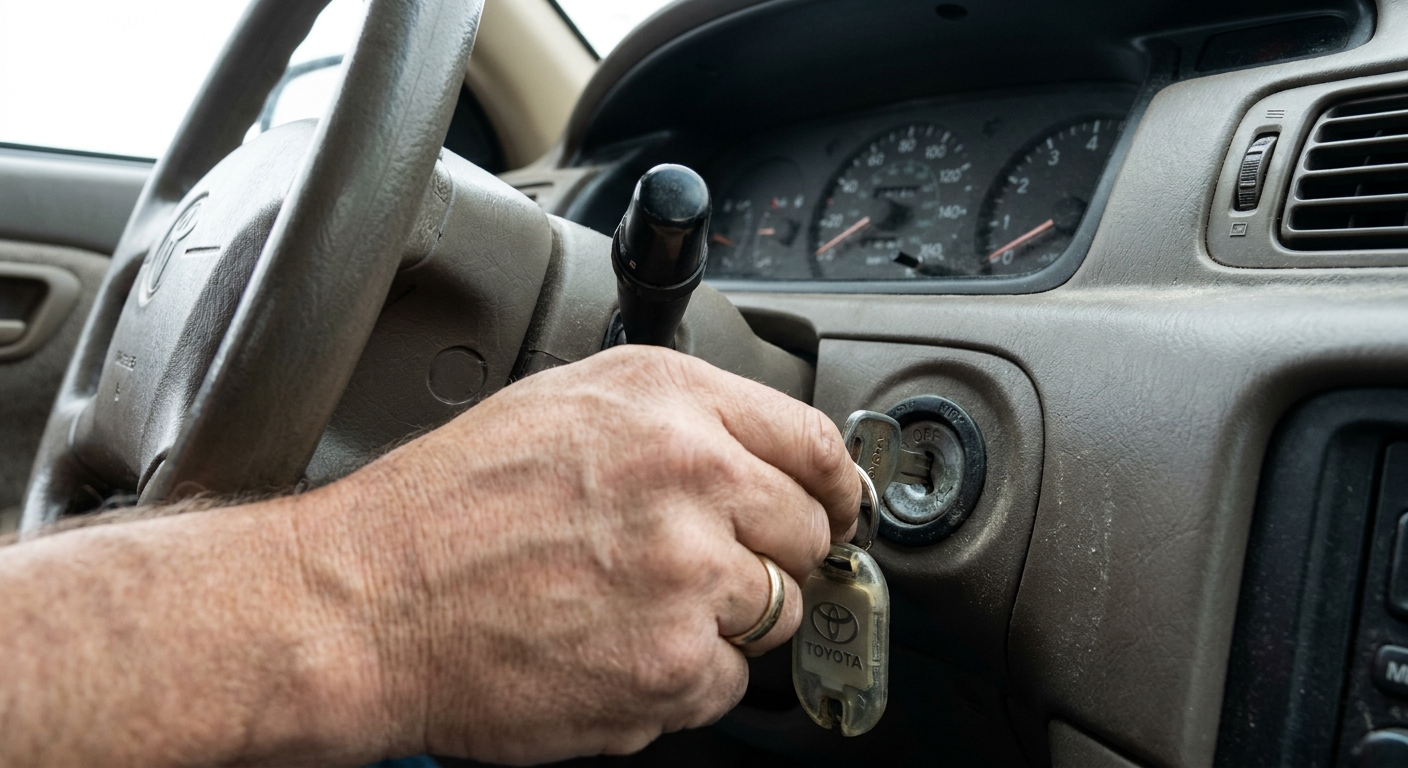
2) Try the key once
Turn the key off. If it is a true runaway, the engine may keep revving because it is no longer relying on injected diesel fuel. Still, it is worth trying once, especially because not every “overspeed” feeling is oil-fed runaway.
3) Air shutdown is best if the engine has it
Because the engine is acting like it has an uncontrolled fuel supply, one of the only reliable ways to stop combustion is to stop the air.
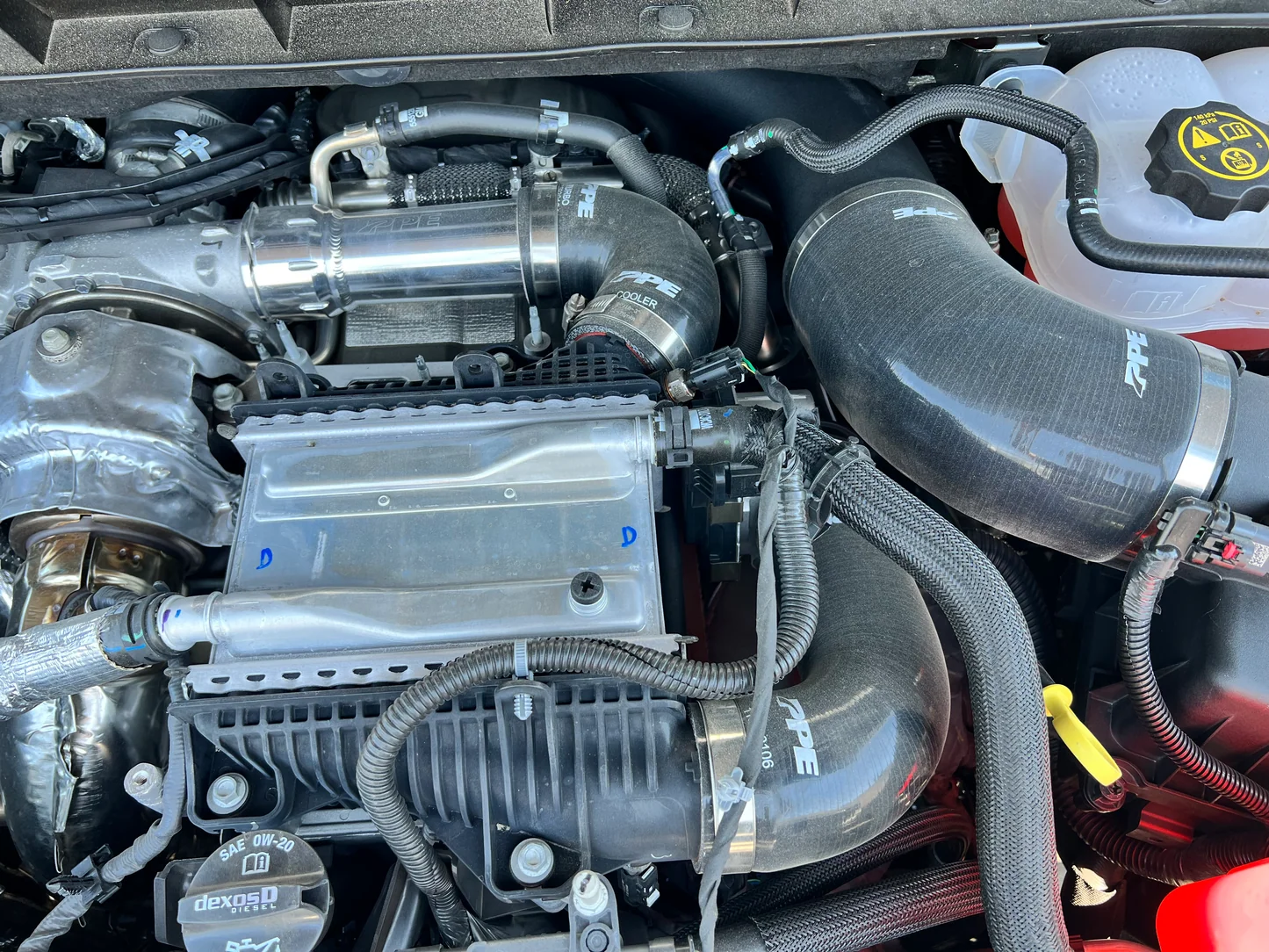
The safest way to do this is a purpose-built emergency air shutoff (a shutoff flap or guillotine style valve) if the engine or equipment is fitted with one. Some commercial diesels have them. Many consumer vehicles do not.
Important safety rule: do not attempt any manual intake blocking unless you can do it without reaching across moving parts and without putting your body over the engine. On many modern vehicles, the intake mouth is not safely accessible during an event, and trying to fight it in the engine bay can get you hurt.
- If you can safely access the intake mouth, a solid, flat object that fully seals the intake can stall it.
- Do not use your hand. Do not use a rag, shirt, or anything that can get sucked in.
If you are driving
This is rare, but it does happen. If the engine suddenly surges and keeps pulling on its own, you have two goals: stay in control of the vehicle and, only if conditions allow, load the engine to try to bring rpm down.
Control first
Keep steering and braking as your priority. If traction is poor, traffic is dense, or the vehicle feels unstable, do not try any aggressive stall tactic. Get to the safest stop you can.
Using load to stall (only if it is safe)
If you are in a safe area and the vehicle is stable, apply firm braking and select a gear that loads the engine without upsetting the chassis. The goal is to bog it down and potentially stall it.
- Manual transmission: braking firmly, select a higher gear and let the clutch out smoothly to lug the engine. Do not clutch-dump, and do not try it if traction is questionable.
- Automatic transmission: keep firm braking. In many cases staying in Drive helps keep load on the engine. People argue about Neutral, but my rule is simple: do not do anything that reduces your ability to stop safely.
Once stopped, get out, keep people away from the front of the vehicle, and call for help. If you see flame or the smoke changes to an obvious fire, back away and call emergency services. Oil in the intake plus a hot turbo and exhaust is a real fire risk.
What not to do
- Do not open the hood during a runaway if it is closed. It does not starve the engine of air, and it puts you closer to moving parts, hot components, and any fire that may start.
- Do not “blip” the throttle. It will not fix it, and it can make overspeed worse.
- Do not rely on the key alone. In a true runaway, shutting off the injectors may not matter.
- Do not try to block the intake with your hand or a loose rag. Anything that can be sucked in becomes a projectile and can also destroy the turbo.
- Do not restart the engine to “see if it cleared up.” If the oil path problem is still there, it can run away again immediately.
How oil becomes fuel
Most runaways trace back to oil entering the intake stream. Here are the usual suspects:
Turbo seal failure
This is one of the big ones. A failing turbo can push engine oil into the intake, where it gets atomized and burned. Once that starts, the engine can feed itself.
Crankcase ventilation issues
A restricted or malfunctioning crankcase ventilation system can increase crankcase pressure and push oil mist into the intake tract.
Overfilled engine oil
Too much oil can increase oil carryover and blow-by mist. It is not the most common cause of a violent runaway by itself, but it can contribute to oil ingestion problems.
Severe blow-by
Engines with heavy wear can move a lot of oil vapor through the intake system. Under the right conditions, that can contribute to runaway.
After it stops
Once the engine is off, the danger is not automatically over. Hot components, pooled oil in the intercooler or intake piping, and a damaged turbo can turn the next start into a repeat event.
Tow it
If a diesel ran away or even attempted to, I recommend treating it as tow-only. Get it to a shop or a place where you can inspect it properly.
Inspect the oil path before restart
At minimum, the next steps should include:
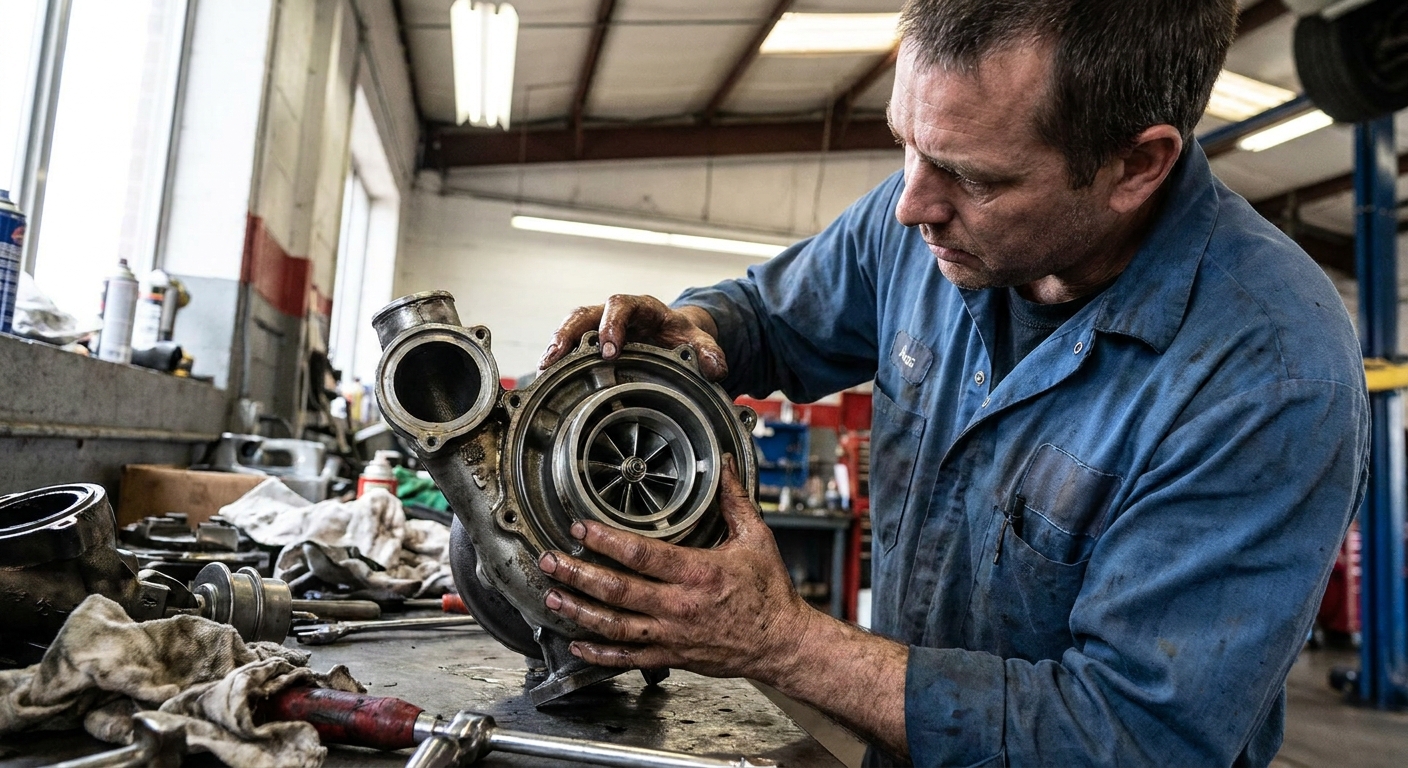
- Check turbo shaft play and look for oil in the compressor outlet.
- Inspect the intake plumbing for pooled oil.
- Inspect the intercooler (if equipped). Intercoolers can trap a surprising amount of oil, which can get ingested all at once later.
- Verify oil level and look for signs of fuel dilution or aeration.
- Check for stored codes and confirm crankcase ventilation operation.
If the engine oversped hard, a responsible inspection can also include checking for valve train damage, compression issues, and any evidence of internal contact. Overspeed events are rough on everything that spins.
Also worth knowing: some modern light-duty diesels have an anti-shudder valve or throttle body used for EGR and shutdown. If it closes during a shutdown attempt it may help, but do not count on it to stop an oil-fed runaway.
Runaway vs shutdown problems
I want to keep this crystal clear because the procedures are not the same.
- Runaway diesel: sudden uncontrolled high rpm, often heavy smoke, engine may ignore the key, may accelerate until failure or is stopped by airflow cut or heavy loading.
- Diesel that will not shut off normally: usually stays near idle or a controlled rpm, may respond to fuel shutoff or electrical fixes, not typically a violent overspeed event.
If it is screaming and climbing in rpm, assume runaway and prioritize safety.
FAQ
Can a diesel runaway explode?
It can fail catastrophically. “Explode” is the word people use because the engine can throw a rod, shatter the turbo, or rupture components violently. That is why distance and staying clear of the engine bay matter.
Will cutting the fuel line stop it?
Not always. Cutting normal fuel can slow or stop some non-oil-related overspeed situations, but if the engine is already burning oil through the intake, it does not need injected diesel to keep running.
Does a runaway always mean the turbo is bad?
No, but the turbo and intake oil path are at the top of the suspect list. The right move is inspection before restart, not guessing.
Is this common on modern diesels?
It is not common, but it is real. Modern emissions hardware and turbo systems add complexity, and failures that introduce oil into the intake can still happen.
Bottom line
A diesel runaway is an overspeed event fueled by ingested oil, not a normal “won’t shut off” problem. Prioritize safety first: get people away and keep your body out of the engine bay. Try the key once. If the engine has a purpose-built air shutoff, use it. If you are driving, control the vehicle first and only attempt to load it down if conditions are safe. After it stops, tow it and inspect the turbo and intake oil path before you even think about another start.